
Review · LANZAROTE
Lanzarote: Guided Volcano Hike with Transfers
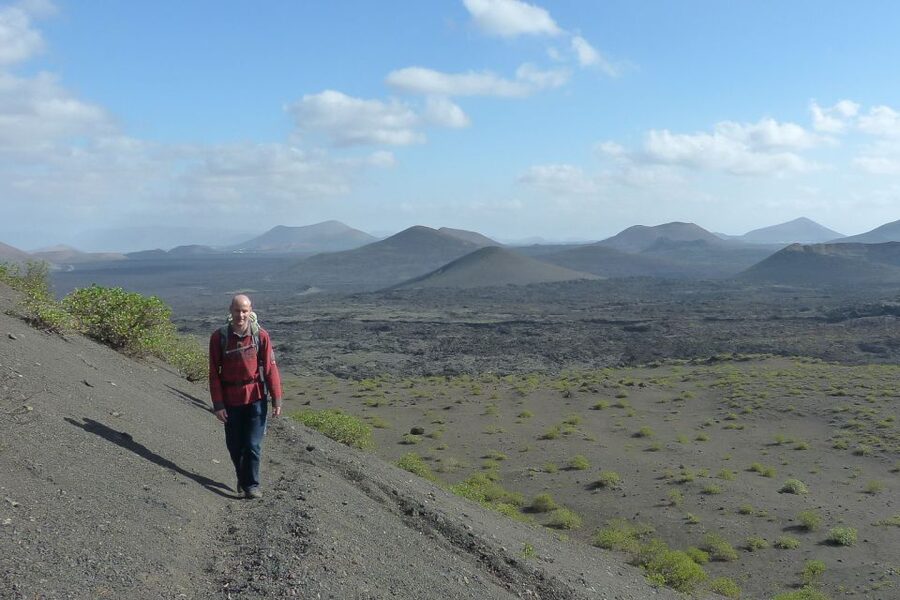
Lanzarote’s volcanic heart is best understood on foot, where a guide can point out the difference between a lava field, a crater, and new growth on black volcanic soil. This small-group hike takes you across hardened lava and up a volcano for broad views, with Raquel, José, or another guide explaining how eruptions changed the island.
I like the small group of no more than eight, which keeps the walk calm and makes it easier to ask questions. I also like the thoughtful guiding, including simple drawings in the sand, short stops, and practical lessons about protecting fragile ground. The main consideration is fitness: this is a real walk of roughly 7.5 to 8 kilometers, with a few steep climbs and strong wind at the summit.
Key points at a glance
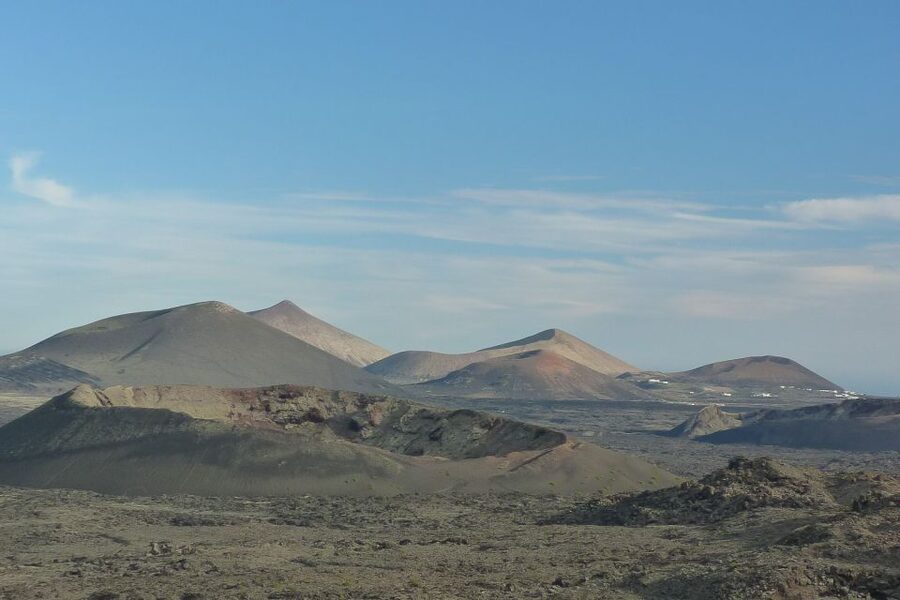
- Walk into Lanzarote’s volcanic past: Cross hardened lava and reach a volcano rim with views into the crater.
- Guides make the difference: Raquel and José explain geology, local history, plants, wildlife, and conservation in clear, friendly language.
- A genuinely small group: The limit of eight people feels more like a guided walk than a coach excursion.
- Gentle overall, but not effortless: Most of the route is manageable, though the summit has short steep sections and the total distance is substantial.
- Transfers save time and hassle: Pickup and drop-off are offered in Arrecife, Puerto del Carmen, Costa Teguise, and Puerto Calero.
- Good value at $50: The fee includes the guide, transport, water, fruit, biscuits, and dried fruit, though not a full meal.
Walking into Lanzarote’s volcanic heart
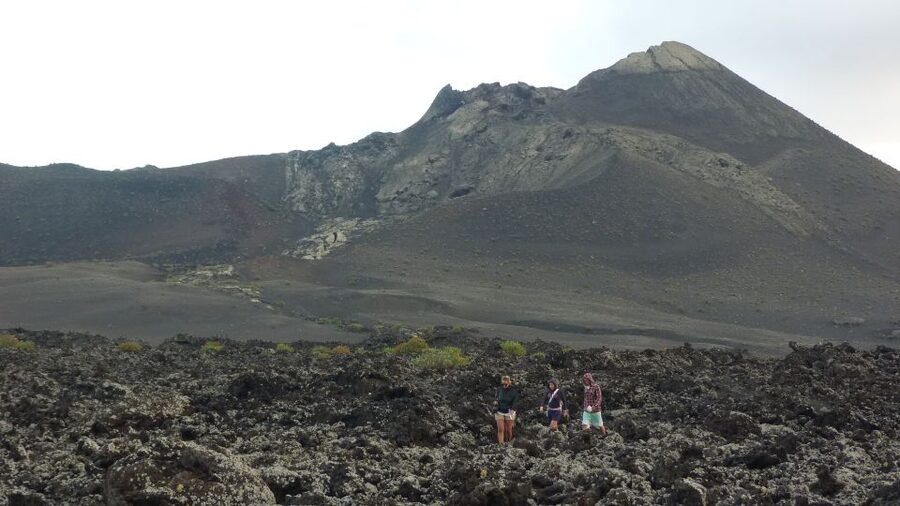
The appeal here is simple: you do not just look at Lanzarote’s volcanoes from a roadside viewpoint. You walk across the ground created by them.
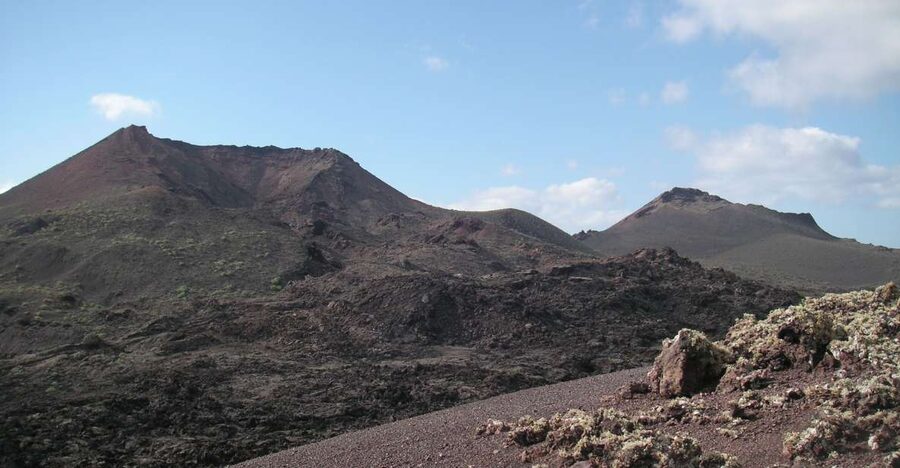
The route passes through the Volcanos Natural Park, a stark area of black lava, volcanic cones, open spaces, and sparse vegetation. The scenery can look almost bare at first, but a good guide helps you notice the small details: plants returning to the soil, differences in lava texture, and the way wind and rain slowly alter the rock.
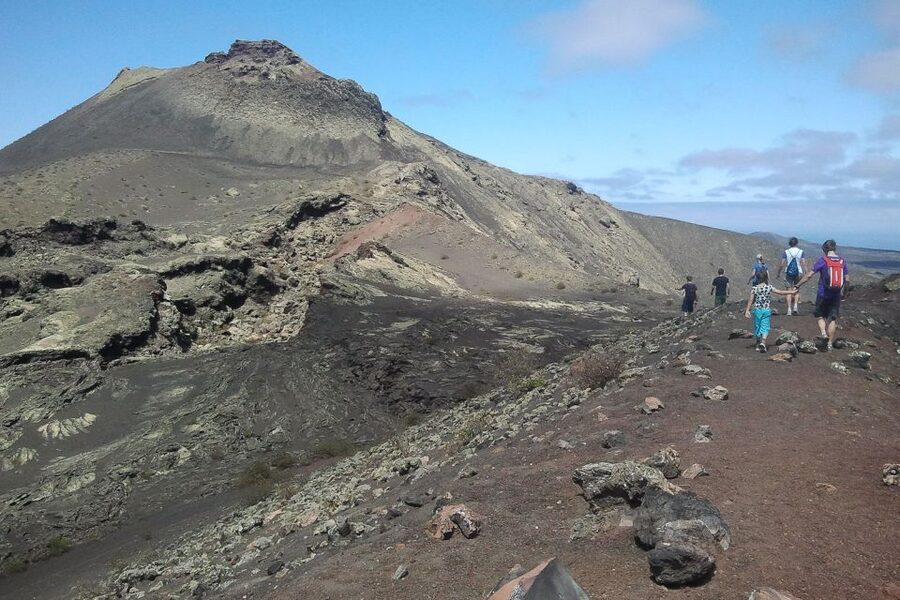
The main goal is a volcano summit and crater view. Reaching the top involves a couple of steeper sections, but the walk is described as fairly gentle overall. You should still expect a proper outdoor outing rather than a short stroll. The full walking distance is around 7.5 to 8 kilometers, and the group moves at a shared pace.
At the rim, you get the sort of view that makes the trip worthwhile. You can look into the crater and across a field of volcanic cones and hardened lava. On a clear day, the open views are the reward for the climb. On a misty or rainy day, the mood changes, but the volcanic shapes remain striking, and the walk can still be enjoyable.
More Volcano Hikes in Spain
- La Palma: Tajogaite Volcano Guided Trek
★ 4.8 · 1,810 reviews - The Volcano Heart Tour: Hiking, Tasting and Sunset Experience
★ 5.0 · 1,120 reviews - Volcano Trekking Tour (Timanfaya eruptions)
★ 5.0 · 339 reviews
What the guides add to the route
The guides are the strongest part of this experience. Raquel is repeatedly singled out for her warmth, clear explanations, and ability to discuss the island in English, French, and Spanish. José is also praised for his enthusiasm and strong grasp of volcanology, local ecology, and Lanzarote’s past.
This is not a walk where you simply follow someone to a viewpoint and take pictures. The guide stops often to explain what you are seeing. At times, explanations are made with simple drawings in the sand, a useful way to show how lava moved, how a crater formed, or how the island changed during its major eruptions.
You also get more than geology. The talks cover the effects of eruptions over the last 500 years, local plants and animals, and the difficulty of protecting a fragile national park from damage. That last point matters. Staying on the route is not just a park rule for convenience. A single careless step can harm slow-growing vegetation or leave a mark on ground that takes a very long time to recover.
I especially like the way this turns the hike into a lesson in responsible sightseeing. You are not only looking at unusual scenery. You are learning why the route is controlled and why the black ground should be treated with care.
The guides also keep an eye on the group. Stops allow faster walkers to regroup, and explanations give everyone a chance to catch their breath. On hot days, José has been careful about health and safety, while on cloudy or rainy days the guides have provided rain capes when available. Conditions can change quickly, so their attention is useful.
The transfer from your resort
Pickup and drop-off are included, which adds real value to a half-day activity in a remote volcanic area. The available pickup areas are Arrecife, Puerto del Carmen, Costa Teguise, and Puerto Calero. Pickup is not available from Playa Blanca, and you should contact the provider if your accommodation is elsewhere.
The meeting point is described as a free parking area beside the road with small palm trees. If you are driving yourself, check the exact meeting instructions carefully before setting out.
The transfer is part of the experience rather than dead time. Guides may explain parts of Lanzarote on the way to the trail, giving you a useful introduction before you start walking. Several outings have run from a morning pickup to an early afternoon return, while the activity itself is listed at about 3.5 to 4 hours. Allow extra time around that window if you are coordinating airport plans, lunch reservations, or another excursion.
A practical bonus is the flexible drop-off. You can normally return to the pickup area, and a different drop-off point may be possible by arrangement. Do not assume every hotel entrance can be served directly, though. The provider may choose the closest practical point.
The hike itself: lava, inclines, and crater views
The walk begins in the park and leads through a large field of hardened lava. This is the part where sturdy footwear matters most. The surface can be uneven, and sandals or flip-flops are not suitable.
The route includes several stops to discuss the volcanic ground. You may see different shades and textures in the lava, open areas shaped by eruptions, and plants beginning to take hold. The guide explains how these features connect to the island’s formation rather than treating them as separate photo stops.
The approach to the volcano includes gentle walking with a few inclines. The summit sections are steeper, though the route is not presented as an extreme climb. An active adult with a reasonable level of fitness should find it manageable, but you need to be comfortable walking for several hours and handling uneven ground.
At the top, the crater is the visual high point. The view into the hollow of the volcano gives you a better sense of scale than a distant roadside panorama. You can also look out over nearby cones and lava fields, which helps show how one eruption fits into the wider volcanic area.
The summit can be very windy, even when conditions below feel mild. Bring a warm layer and secure your hat. Mist and light rain are also possible. One outing had limited visibility because of damp weather, yet the walk still offered attractive views and photographs. That is a fair way to think about the activity: weather affects the payoff, but it does not erase the interest of the ground beneath your feet.
Same mountains, a different route up:
- From Valencia: Montanejos Guided Hike with Natural Pools
★ 4.5 · 1,741 reviews - From Seville: Caminito del Rey Hike Day Trip
★ 4.5 · 1,240 reviews - Lanzarote: Hike Across Timanfaya’s Volcanic Landscapes
★ 4.8 · 1,234 reviews - From Barcelona: Montserrat Monastery, Easy Hike, Cable Car
★ 4.9 · 1,021 reviews
A steady pace with plenty of explanation
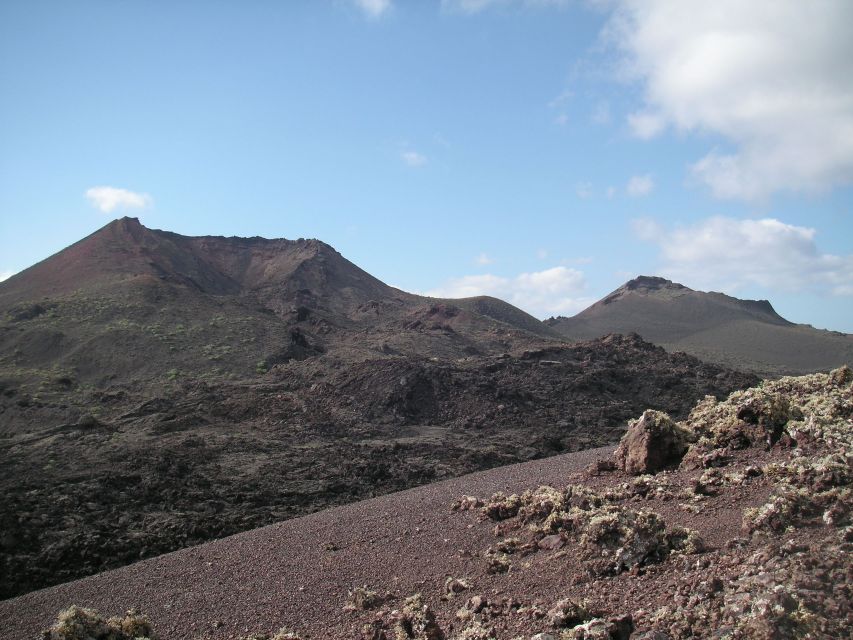
The tour is not designed as a race to the crater. Short stops are built into the walk, and the guides gather the group before moving on. This suits people who want to understand the setting rather than simply reach the highest point.
Those pauses also make the route more accessible to mixed walking speeds, although the activity is not suitable for everyone. Children are welcome if they can handle a large amount of walking. People with low fitness, mobility impairments, heart problems, visual impairments, or wheelchair users should choose a different activity.
You should wear comfortable walking shoes with good grip. Warm clothing, a sun hat, sunscreen, and water are sensible even on a cooler morning. The tour includes water and small snacks such as fruit, dried fruit, and biscuits, but bring your own food and drinks if you need more than a light top-up. One useful criticism is that the walk may not include a formal refreshments break, so do not count on a sit-down snack stop.
The route has enough pauses to rest, but there is still no substitute for being prepared. Lanzarote’s sun, wind, and dry air can catch you off guard, especially on exposed volcanic ground.
Why the small group matters
A maximum of eight participants changes the feel of the outing. You are more likely to hear the guide clearly, ask about a particular crater, and get an answer suited to your interests. The group can also stop without the awkwardness of managing a full coach party.
For a subject like volcanology, this makes a real difference. A large group often turns a complex site into a quick photo opportunity. Here, the guide can pause to draw in the sand, explain a plant, or discuss why people must stay on the marked route.
The small size also supports a more social walk. Several outings have included people from different countries, with guides explaining in more than one language when needed. The listed tour languages are English, French, and Spanish.
There is one trade-off. A small group depends more on everyone keeping a reasonable pace and listening during stops. If you want to walk alone, move quickly, or avoid all commentary, this is not the right format. If you enjoy conversation and learning as you go, the group size is a strong advantage.
The value of $50 per person
At $50, this is good value for a guided outdoor activity in a national park. You are paying for a professional guide, transfers, a small group, water, and several light snacks. The guide’s role is especially important because the volcanic terrain is more interesting when someone explains what you are seeing.
The price also covers transport from selected resort areas, which saves you from arranging a rental car or finding a remote starting point. For couples and solo visitors, that can make the activity easier to fit into a Lanzarote stay.
Do not treat the snacks as lunch. Fruit, biscuits, and dried fruit are useful during the walk, but meals and other beverages are not included. Bring extra food if you need a proper meal afterward.
The tour also offers free cancellation up to 24 hours before departure and a reserve-now, pay-later option. Those terms are helpful when weather or holiday plans are still uncertain, but you should still check the available start times before booking.
Who will enjoy this hike most
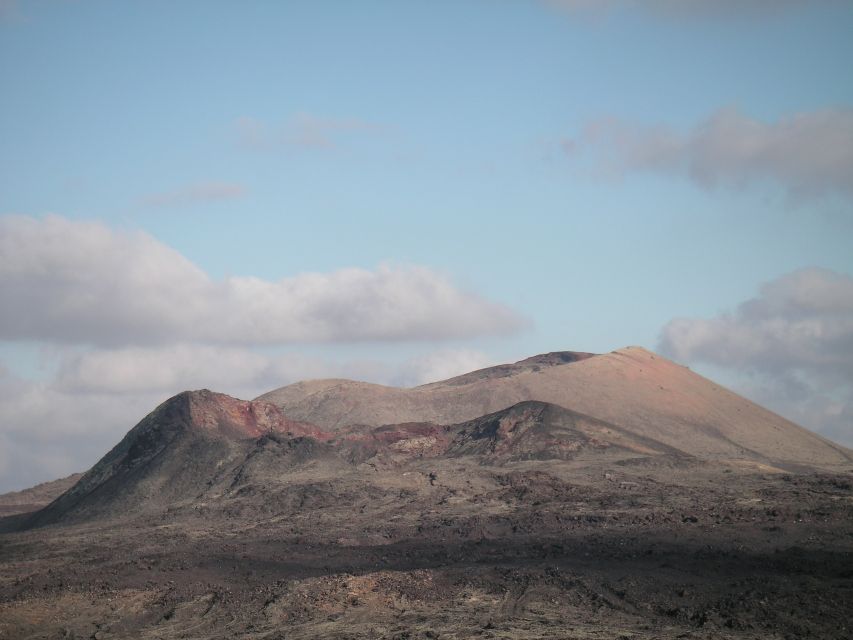
I would recommend this to you if you want to understand Lanzarote beyond its beaches, resorts, and sightseeing buses. It suits people who enjoy geology, geography, natural history, photography, and outdoor walking.
It is also a good choice for visitors who usually avoid guided tours. The small group and frequent explanations keep it personal, while the walk gives you space to experience the park rather than viewing it through a vehicle window.
Families can join if children are ready for the distance. Teenagers who enjoy active outings may find the crater and lava fields memorable, but younger children may tire during the longer stretches.
You should think twice if you have limited fitness or difficulty on uneven ground. The hike is not technically extreme, but 7.5 to 8 kilometers, exposed conditions, and short steep climbs still require preparation. Wheelchair users and people with mobility, heart, or visual limitations should not book this activity based on the information provided.
Practical tips for a better morning
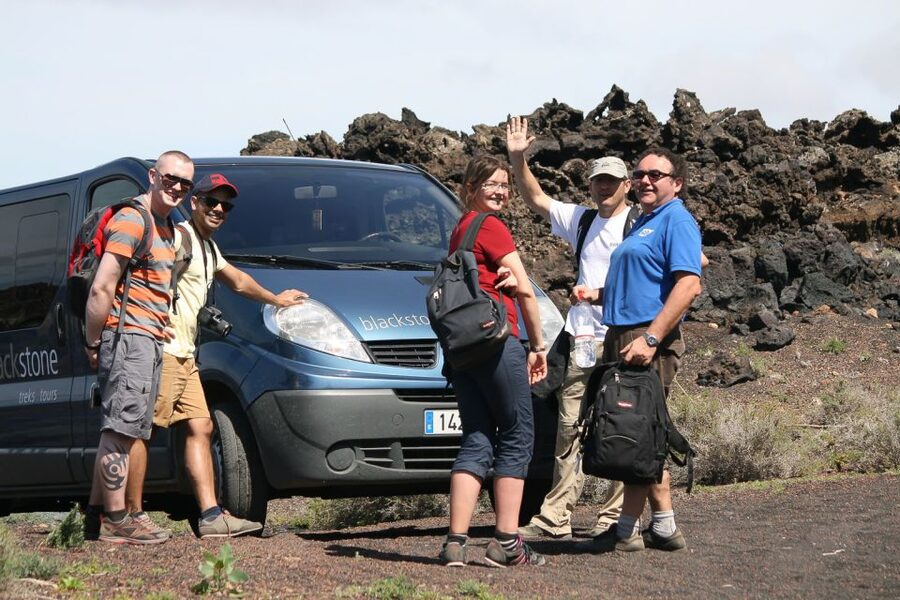
Wear walking shoes, not fashion trainers with poor grip. Sandals, flip-flops, and high heels are specifically unsuitable, and bare feet are not allowed.
Pack a light jacket even in warm weather. Wind at the summit can be sharp, and a warm layer is useful if clouds gather. Add a hat, sunscreen, and extra water.
Keep your camera ready, but do not leave the path for a better angle. The volcanic ground is fragile, and protecting it is part of the point of having a guide.
If you are joining from a hotel, confirm the pickup location clearly. The provider serves several resort areas, but not Playa Blanca, and accommodations outside the main pickup zones require prior contact.
Finally, allow some flexibility after the walk. The activity lasts 3.5 to 4 hours, but transfer timing can extend your morning. That is easy to manage if you avoid booking a tight lunch or airport connection.
Should you book this Lanzarote volcano hike?
Book it if you want a close look at Lanzarote’s volcanic country and prefer a thoughtful walking tour to a quick viewpoint stop. The combination of a small group, transport, crater views, hardened lava, and strong guiding makes $50 a fair price.
Raquel and José bring the subject to life without requiring a science background. You will learn about eruptions, plants, wildlife, island history, and conservation while walking at a manageable pace.
Skip it if you dislike several hours on uneven ground, need step-free access, or want a short and effortless excursion. For everyone else, this is one of the better ways to see why Lanzarote looks the way it does.
FAQ
How long does the Lanzarote volcano hike last?
The activity lasts about 3.5 to 4 hours. The walking portion is around 7.5 to 8 kilometers, and the total morning may be longer when pickup and drop-off are included.
Where is the hike located?
The walk takes place in Lanzarote’s Volcanos Natural Park, also referred to as the Volcano National Park in the activity information.
Is pickup included?
Yes. Pickup and drop-off are included from selected areas, including Arrecife, Puerto del Carmen, Costa Teguise, and Puerto Calero. Pickup is not available from Playa Blanca.
What languages are available?
The live guides speak English, French, and Spanish.
How many people are in the group?
The group is limited to eight participants.
What should I bring?
Bring comfortable walking shoes, warm clothing, a sun hat, sunscreen, water, and food or drinks if needed. The tour provides water, fruit, dried fruit, and biscuits.
Is the hike suitable for children?
Children are welcome, but they must be ready for a large amount of walking.
Is the tour suitable for people with limited mobility?
No. It is not suitable for wheelchair users or people with mobility impairments, heart problems, visual impairments, or a low level of fitness.
Recently reviewed hikes in Spain
- Alicante: Coastline E-Bike and Hiking Tour★ 4.7 · 34 reviews
- Alicante: Via Ferrata Hike in Redovan★ 5.0 · 8 reviews
- Alicante: Via Ferrata del Ponoig Guided Trek and Climb★ 4.9 · 8 reviews
- From Valencia: Montanejos Tour with Guided Hike★ 4.1 · 86 reviews
- From Valencia: Cala del Moraig Hiking & Beach Trip★ 4.8 · 107 reviews
- Montanejos Hiking Tour & Thermal Pools from Valencia★ 4.5 · 111 reviews
- Trekking in the Volcanoes Natural Park in a small group★ 5.0 · 97 reviews
- Montserrat Hiking Experience & Monastery Premium Small Group Tour★ 5.0 · 279 reviews
Volcano Hikes, compared.
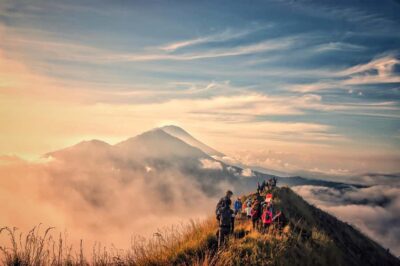
Bali: Sunrise Mount Batur Guided Hike with Breakfast
Read our review →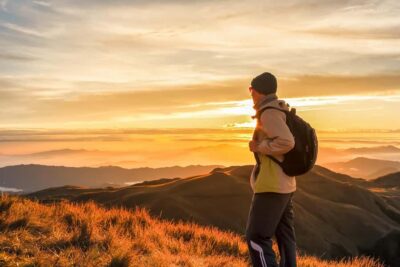
Bali: Mount Batur Sunrise Guided Hike and Natural Hot Spring
Read our review →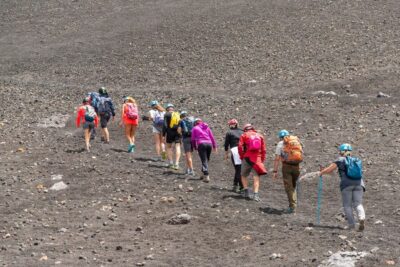
Mount Etna: Summit Guided Hiking Tour up to 3,400 m
Read our review →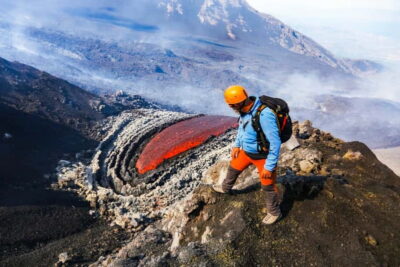
Mount Etna: Trek to 3000m with cable car and 4×4
Read our review →
Bali: Mount Batur Sunrise Trek With Guide and Breakfast
Read our review →
Mount Batur Sunrise Hike and Natural Hot Spring Option
Read our review →
Mount Etna: Summit Crater Trek with Cable Car
Read our review →
Other lists this hike appears in