
Review · GUATEMALA
Hike to Pacaya Volcano from Antigua
Pacaya is not a quiet mountain walk. It is an active volcano where you climb through forest, ash, and black lava rock, then roast marshmallows above steaming vents. The volcanic heat underfoot is the big draw, especially when you realize the crater itself is off limits for safety.
I like the easy transport from Antigua and the way the tour packs a genuine volcano experience into half a day. I also like the human touch: guides such as Ervin and Mono have been singled out for keeping groups together, sharing local facts, and making the steep climb feel less grim.
The catch is simple: this is harder than the price and short duration suggest. The climb is steep, altitude adds to the work, and horse providers may press you to ride. English support can also be limited, so clarify your needs before setting out.
Key points to know before booking
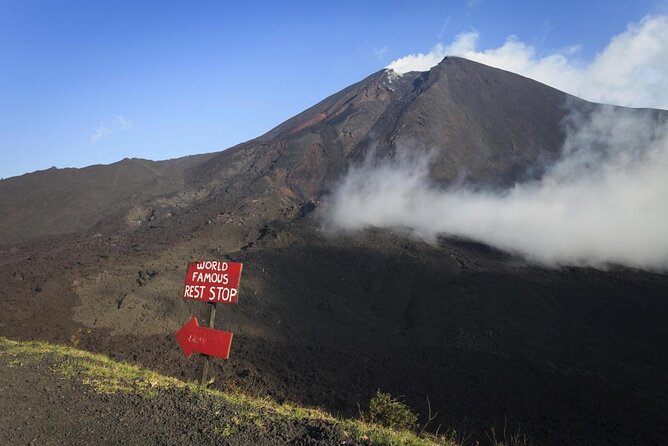
- The climb gains roughly 400 to 500 meters, with steep sections from the start and a high point around 2,500 meters.
- The crater is not accessible, but you can reach a plateau near dried lava fields and steaming vents.
- The $35 price is only the starting cost. Add Q100 for park entry, plus cash for a horse, walking stick, food, or tips if you want them.
- Horse rentals can rescue a difficult day, but confirm the price and whether it is one way or round trip before accepting.
- Sunset departures need a flashlight, while morning departures often offer clearer views.
- Groups can reach 24 people, though some departures are smaller and easier to manage.
Why Pacaya feels different from a standard volcano hike
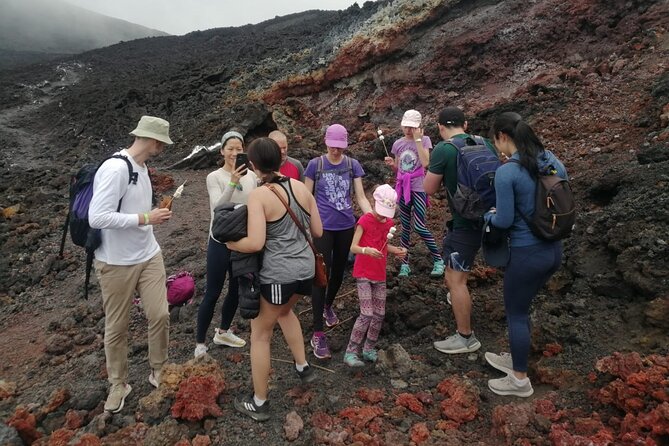
Many volcano walks give you a view from a distance. Pacaya gives you a closer look at volcanic ground in motion, even though you cannot walk to the crater. The trail finishes at a plateau with dried lava, dark volcanic stone, and vents releasing heat. You may feel warmth through the rock and use it to roast marshmallows.
That combination makes this a good choice if you want more than a lookout. You are not simply climbing for a photograph. You are walking through evidence of past eruptions and seeing how the mountain still gives off heat.
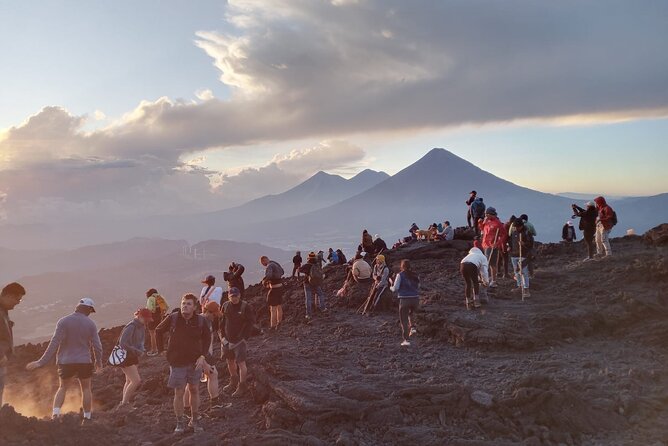
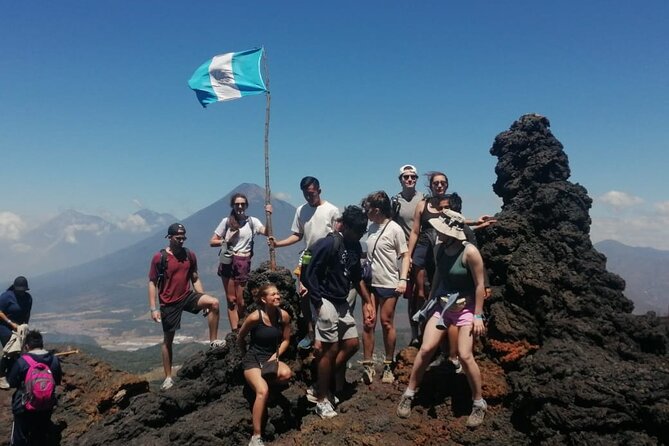
The scenery changes as you climb. Lower sections pass through forest, then give way to rough volcanic ground. From the higher point, you can look across Guatemala toward nearby volcanoes and broad stretches of countryside. Clouds can spoil the views, especially later in the day, so conditions matter as much as fitness.
Do not expect a dramatic crater-rim walk. The safe route ends at the plateau, and local rules prevent visitors from approaching the crater. That is a sensible limit, but it is important to know before you book.
More Volcano Hikes in the world:
- Bali: Sunrise Mount Batur Guided Hike with Breakfast
★ 4.8 · 9,660 reviews - Bali: Mount Batur Sunrise Guided Hike and Natural Hot Spring
★ 4.8 · 9,284 reviews - Mount Etna: Summit Guided Hiking Tour up to 3,400 m
★ 4.8 · 4,792 reviews
The one-hour ride from Antigua
Pickup is offered at selected hotels, with the central meeting point at Café La Parada beside Iglesia de la Merced on 6a Avenida Norte. Shared transport takes about an hour, though traffic and hotel pickups can stretch the timing. The group may include up to 24 people.
The ride is useful because it removes the need to arrange a separate vehicle to Pacaya National Park. At the park entrance, you have time to use the restroom and stretch before the hike begins. For early departures, weekends, Lent, Holy Week, and local festivals, the return may finish at the café rather than at your hotel.
The afternoon 2pm departure deserves extra thought. Traffic around Antigua can be heavy, and you may be asked to meet at a central pickup point instead of waiting at your hotel. This is meant to prevent one delayed pickup from holding up the whole group, but it makes the meeting instructions worth checking in advance.
Transport is generally comfortable enough for a half-day outing, though a full vehicle can feel crowded. Pickup windows may also run late. I would avoid planning a tight dinner reservation or another paid activity immediately after the scheduled return.
The climb begins steeply
After the park entrance, you can walk or arrange a horse through local providers. The trail climbs quickly, and the first section can surprise you. Several accounts put the uphill walk at about 45 minutes to 1.5 hours, depending on pace, breaks, and the exact stopping points.
The tour describes the hike as moderate, but that label needs context. It is not a technical climb, and you do not need mountaineering skills. Still, the slope is steep, the ground can be dusty and loose, and the altitude makes the effort feel greater. One account rated the uphill effort around 8 out of 10, while another found the walk manageable with regular stops.
Your experience will depend heavily on your usual fitness and how you handle elevation. You begin at about 5,000 feet and climb to roughly 2,500 meters. If you are comfortable walking uphill for more than an hour, you may find it demanding but manageable. If you rarely hike, have knee trouble, or are unsure about your stamina, plan for the horse option from the start.
Guides usually pause along the route so the group can catch its breath. Some guides stop to point out plants, trees, past eruptions, and local details. Ervin has been praised for patience and for checking that people of different ages and abilities are coping well. Mono has also received warm praise for humor and energy.
That said, the guide experience can vary. Some departures have had a guide who walked too far ahead or gave little explanation. The advertised support is Spanish and basic English, not fluent English on every departure. If detailed commentary matters to you, ask the operator about the language of your specific departure.
Horses, walking sticks, and the pressure to decide
Horse rental is optional and arranged directly with local community providers. The stated price is about Q300, or roughly $40, but the actual charge can be confusing. Some people have been quoted Q300 each way, while others report around Q400 for a round trip. Confirm the full cost before getting on.
You may be approached repeatedly by horse providers near the trailhead. Some find this irritating, especially after already saying no. The horses can also pass close by on the narrow trail. You can decline, but decide firmly and early if you want to walk.
The horse is not just a luxury add-on. It can make the difference between reaching the plateau and turning back. Some hikers begin on foot and switch to a horse within the first 10 or 15 minutes. Others ride only part of the way, then walk down. The downhill return is usually easier, so a one-way ride may be enough if you mainly need help with the ascent.
A wooden walking stick costs about Q10, or $1.50. That is a small expense for extra balance on steep or loose ground. Bring your own if you have one, or buy one from the local providers at the entrance.
More hikes and treks around the world:
- From Marrakech: Ouzoud Waterfalls Guided Hike and Boat Trip
★ 4.7 · 33,630 reviews - Berber villages : Atlas Mountains Day Hike from Marrakech
★ 5.0 · 14,007 reviews - Cinque Terre Day Trip with Optional Hiking or Pisa
★ 5.0 · 8,486 reviews - From Marrakech: Atlas Mountains Full-Day Hiking Trip w Lunch
★ 4.8 · 7,417 reviews
The volcanic plateau and steaming vents
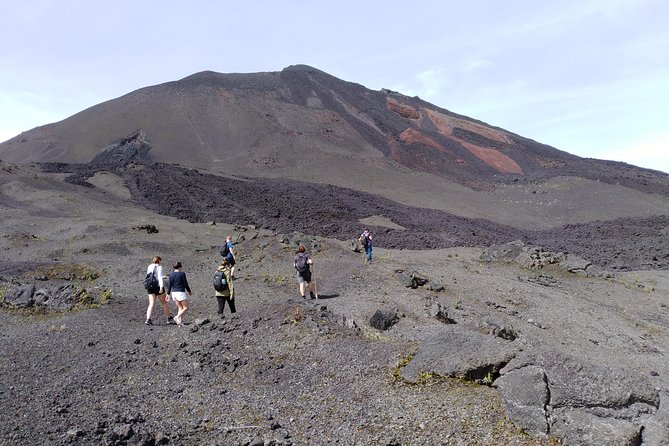
The main reward comes at the high plateau near the lava fields. Here the ground becomes darker, rougher, and more open. You can see dried lava formations and feel heat from vents in the rock. This is the point where the outing becomes more than a strenuous uphill walk.
For safety, the group does not approach the crater. The plateau still gives you a strong sense of the volcano’s activity, and it is a better setting for looking out toward nearby volcanoes and the Guatemalan countryside. Clouds may cover the views, so keep your expectations flexible.
Marshmallows may be roasted over the volcanic heat. On some departures and when conditions allow, you may also arrange Pizza Pacaya, with pizza cooked over hot volcanic rocks. This is an independent add-on, not part of the $35 tour, and you pay the provider directly. Prices can be high, so ask for the cost before ordering.
These extras are fun because they connect the food to the place. They are not necessary for enjoying the hike, however. If you are watching your budget, bring water and snacks from Antigua and treat the vents and views as the main event.
Morning, afternoon, or sunset?
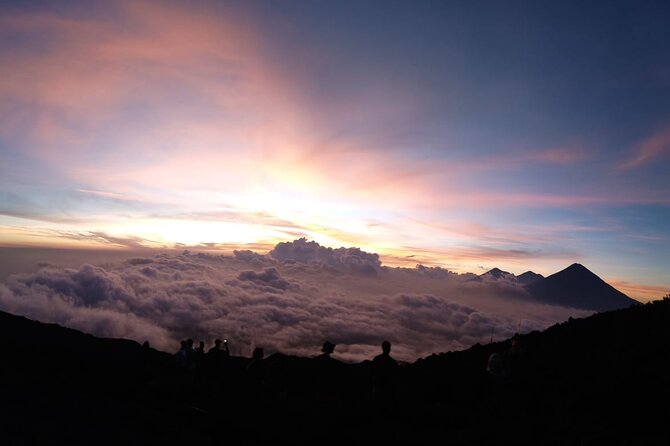
The tour runs at different times, including a 6am departure and a 2pm option. Morning conditions may offer clearer views before clouds build later in the day. The tradeoff is colder air at the start, so bring layers, gloves, and a hat if you tend to chill.
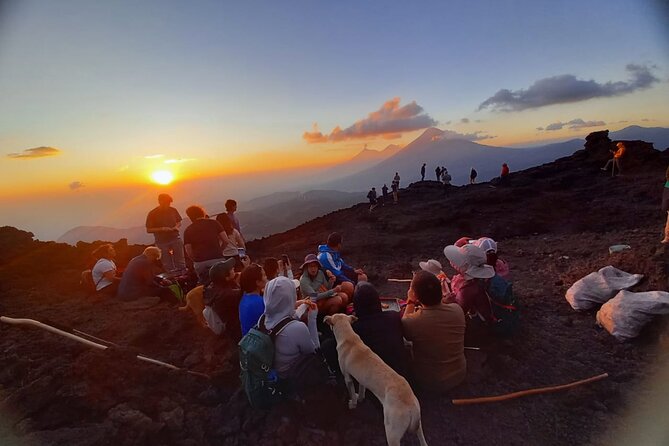
The afternoon trip can lead to sunset views, which gives the volcano a different mood. It also means the final part may happen in darkness. Bring a headlamp or flashlight rather than relying only on a phone light. The return walk can take about 1.5 hours, and loose volcanic dust is harder to manage when you cannot see the trail well.
Sunset departures also involve more traffic risk on the way out and back. If you choose 2pm, allow extra time and confirm the pickup point. I would choose morning for clearer sightseeing and afternoon for sunset atmosphere, provided you are prepared for a dark descent.
What to wear and carry
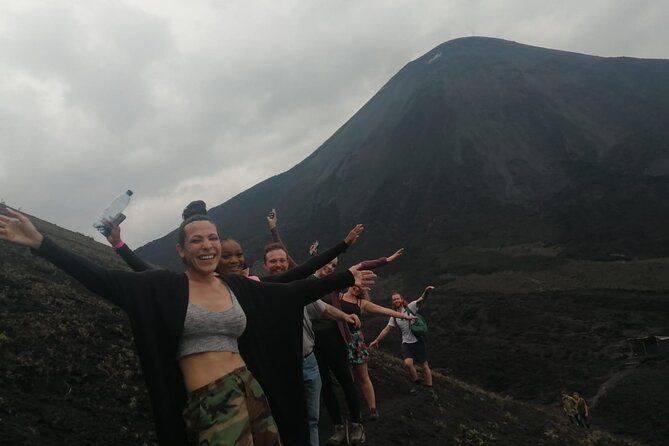
Good hiking boots with traction and toe protection are the safest choice. Tennis shoes may get you up, but the rough volcanic ground, dust, and loose stones make sturdier footwear more comfortable.
Bring:
- One liter of water
- A light jacket and extra layers
- A hat or cap and sunscreen
- A raincoat or poncho during the May to October rainy season
- A waterproof backpack cover in wet weather
- Gloves for cool, windy conditions
- A flashlight for sunset departures
- Cash in quetzales for entry and optional purchases
Wear older clothes. The trail can leave you dusty, and small stones may work their way into your shoes. Tall socks pulled over your trouser legs can help keep grit out.
The dry season, from November through April, usually brings warm, sunny conditions lower down and cooler air at the top. During the rainy season, afternoon showers are possible, and the tour runs unless there is a dangerous storm or authorities close access.
What the $35 price really covers
At $35 per person, the trip is good value if you want transport, a local guide, and a half-day volcano outing without arranging the pieces yourself. The shared vehicle keeps the base price low, and the guide helps you follow the park route.
The price does not include the Q100 Pacaya National Park entrance fee, payable in cash and quetzales. That makes the unavoidable cost closer to $49 per person before tips or food. You may also pay about $40 for a horse, Q10 for a stick, and extra for pizza or other refreshments.
Bring more cash than the entry fee alone. There may not be an ATM nearby, and tips are customary if the guide helps your group well. Ask about optional costs before accepting a horse or ordering food, especially since horse prices can be quoted in ways that sound like a total but turn out to be one-way.
For a visitor with only half a day in Antigua, the value is strong. You get a major natural attraction, round-trip transport, and a guided route in about six hours. It is less attractive if you want a private guide, a quiet trail, fluent English commentary, or a fully inclusive price.
Who should book this Pacaya outing?
I would recommend it to active visitors who want a memorable outdoor experience and can handle a steep uphill walk. It also suits people who enjoy unusual details, such as standing near hot volcanic vents and roasting marshmallows over geothermal heat.
Families can join because the minimum age is four, but age alone does not make the hike easy. Children must be accompanied by an adult, and parents should be ready for long uphill sections, dust, cold wind, and the possible need for a horse.
Solo visitors can fit in well, especially on departures with a friendly guide who makes an effort to connect the group. The shared format also keeps the price reasonable. If you need personal pacing or very clear English instruction, a private arrangement may suit you better.
I would skip this trip if you want a gentle stroll, dislike being approached about horse rentals, or have a strict schedule after the tour. I would also think twice if you are not prepared to carry water, wear proper shoes, and accept that clouds may hide the view.
Should you book the Pacaya Volcano hike?
Book it if you want a practical, affordable way to experience volcanic terrain from Antigua and you are ready for a real uphill workout. The views, lava fields, warm vents, and optional marshmallows give the day plenty of character, while the short format fits neatly into an Antigua stay.
Go in with clear expectations. You will not reach the crater, the guide may speak only basic English, optional costs add up, and the climb is steeper than many first-time hikers expect. Choose a morning departure for the best chance of clear views, or choose the afternoon for sunset and bring a flashlight.
The best plan is to carry cash, dress in layers, wear serious shoes, and decide your horse budget before you arrive. With that preparation, Pacaya offers one of the most unusual half-day outings near Antigua.
FAQ
How long does the Pacaya Volcano tour take?
The full experience lasts about six hours, including shared transport from Antigua, the hike, time at the volcanic plateau, and the return journey.
Where does the tour start and end?
The standard meeting point is Café La Parada at 6a Avenida Norte No. 42, in front of Iglesia de la Merced, Antigua Guatemala. Hotel pickup is available from selected hotels, but the return point may change during peak seasons or local events.
Is the Pacaya National Park entrance fee included?
No. You must pay Q100 per person in cash and quetzales at the park entrance.
How difficult is the hike?
It is a moderate hike with steep sections and roughly 400 to 500 meters of elevation gain. The difficulty depends on your fitness, pace, and comfort with altitude. A horse is available for an additional charge.
Can I rent a horse?
Yes. Horse rental is arranged directly with authorized local providers at the park. The approximate price is Q300 per horse, but you should confirm whether the quoted amount covers one way or both ways.
Can I approach Pacaya’s crater?
No. For safety reasons, the route does not go to the crater. You visit a high plateau with dried lava fields and steaming vents, where you can feel volcanic heat.
Is food included?
No. Marshmallows and Pizza Pacaya may be available as optional experiences when conditions allow, but you pay those providers directly.
What should I bring for the hike?
Bring water, hiking boots with good traction, a light jacket, sun protection, and cash in quetzales. During the rainy season, add waterproof footwear or covers and a raincoat. For a sunset departure, carry a flashlight.
Recently reviewed hikes in the world
- Asheville: Yoga on a Mountain Hike★ 4.7 · 7 reviews
- Arequipa: 2-day Colca Canyon Trekking, Ending in Puno★ 4.8 · 8 reviews
- Arctic hike on Kvaløya Island with drinks and snacks★ 5.0 · 8 reviews
- Arctic Wilderness Hike from Rovaniemi (Day & Evening)★ 4.7 · 12 reviews
- Antelope Valley: Ligai Si Anii Canyon Hiking Tour★ 4.9 · 13 reviews
- Antigua: 2-Day Acatenango Volcano Hike w/Local Guide & Meals★ 4.3 · 43 reviews
- Delphi: Easy Hike on Ancient Path through the Olive Groves★ 5.0 · 9 reviews
- Antalya: Hiking in Termessos Ancient City★ 5.0 · 152 reviews
Volcano Hikes, compared.
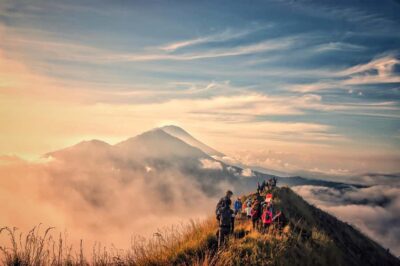
Bali: Sunrise Mount Batur Guided Hike with Breakfast
Read our review →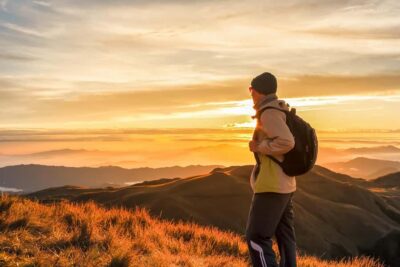
Bali: Mount Batur Sunrise Guided Hike and Natural Hot Spring
Read our review →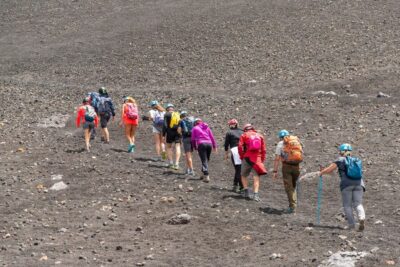
Mount Etna: Summit Guided Hiking Tour up to 3,400 m
Read our review →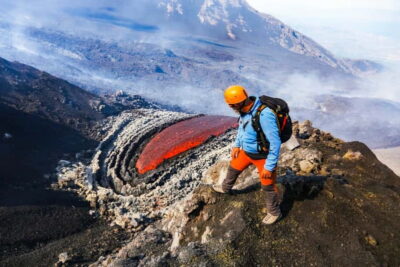
Mount Etna: Trek to 3000m with cable car and 4×4
Read our review →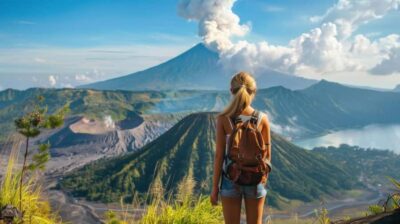
Bali: Mount Batur Sunrise Trek With Guide and Breakfast
Read our review →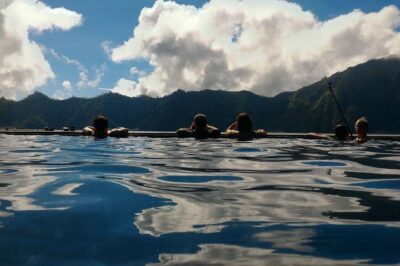
Mount Batur Sunrise Hike and Natural Hot Spring Option
Read our review →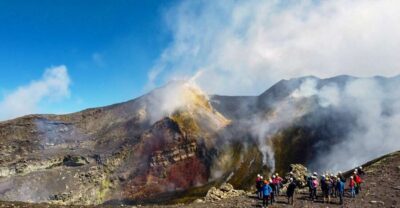
Mount Etna: Summit Crater Trek with Cable Car
Read our review →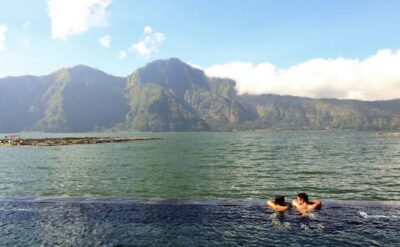
Other lists this hike appears in