
Review · GRANADA
Hiking experience in the High Sierra Nevada National Park
Above Granada, the Sierra Nevada quickly trades city heat for cool mountain air, bare peaks, snowfields, waterfalls, and huge views. This seven-hour outing takes you by private vehicle to about 8,200 feet, or 2,500 meters, then sends you uphill through the glacial San Juan Valley toward Tajos del Campanario, above 10,000 feet.
I like two things right away: the small group size, capped at eight, and the direct pickup and drop-off in central Granada. Guides such as Jaime, Buitre, Jesus, and Duab have adjusted the pace for groups ranging from fit young adults to older hikers. The chance to see mountain goats, eagles, vultures, wildflowers, and migrating birds gives the walk more life than a simple summit slog.
The main consideration is effort. This is not a gentle stroll. You start high, where the air is thin, then climb over loose rock and steep slate. Good fitness and solid footwear matter, even though trainers may be accepted and the route is described as only moderately strenuous.
Key points before you book
- Start at 2,500 meters: You begin high in the mountains, so even a normal uphill walk can feel harder than expected.
- Climb beyond 3,000 meters: Tajos del Campanario brings broad views toward Mulhacén, Veleta, and Alcazaba.
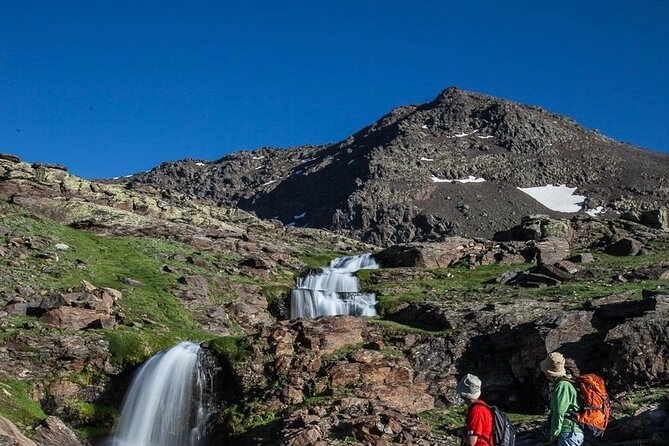
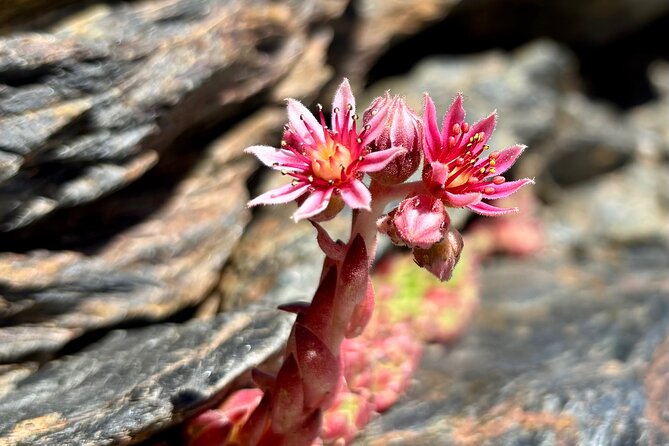
- Walk through San Juan Valley: Expect streams, waterfalls, glacial lakes, unusual rock, flowers, and open mountain scenery.
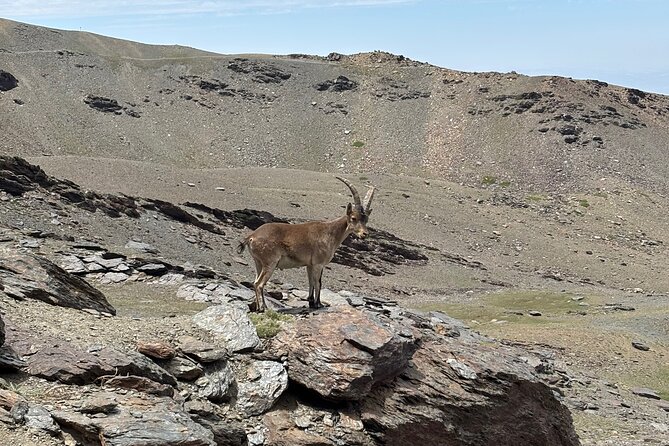
- Look for wildlife: Mountain goats, eagles, vultures, sheep, cattle, horses, insects, and migratory birds may appear along the route.
- Small groups help: With no more than eight people, the guide can stop often and adjust the pace.
- Pack your own food and water: Lunch, drinks, snacks, sunscreen, and a hat are not included.
Leaving Granada for the high mountains
The meeting point is Plaza de Mariana Pineda in central Granada, with pickup at 9 a.m. From there, a private vehicle carries you up the Sierra Nevada road. The drive takes roughly 45 minutes according to the tour details and several past outings, though the full transport time can vary with road conditions and the group schedule.
This transfer is a useful part of the day. You do not need to arrange a rental car or work out mountain access on your own, and you watch Granada give way to high ridges as the road climbs. It also means the hiking starts at altitude, rather than spending half the day walking toward the mountains.
That convenience comes with a tradeoff. You gain altitude quickly, so your legs may feel ready while your breathing is not. If you live near sea level or have not hiked above 2,500 meters before, take the first hour slowly. The guide sets the pace and makes regular stops, but you still need to tell the guide when you need a pause.
More National Park Hikes in Spain:
- PRIVATE TOUR Teide National Park: Hiking and Stargazing
★ 5.0 · 38 reviews - San Francisco: Yosemite National Park & Giant Sequoias Hike
★ 4.5 · 1,777 reviews - Skaftafell National Park: Falljokull Glacier Advanced Hike
★ 4.8 · 1,083 reviews
San Juan Valley and the marks left by ice
The route heads into San Juan Valley, described as one of the most striking glacial valleys in the Sierra Nevada. Here, the scenery is not soft or forested. It is open, rocky, and shaped by ice over thousands of years.
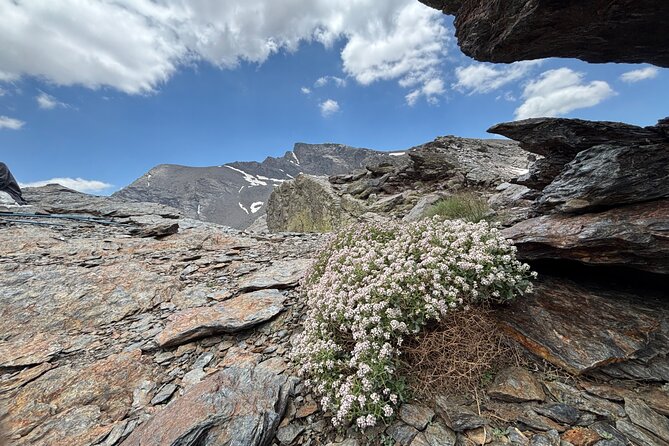
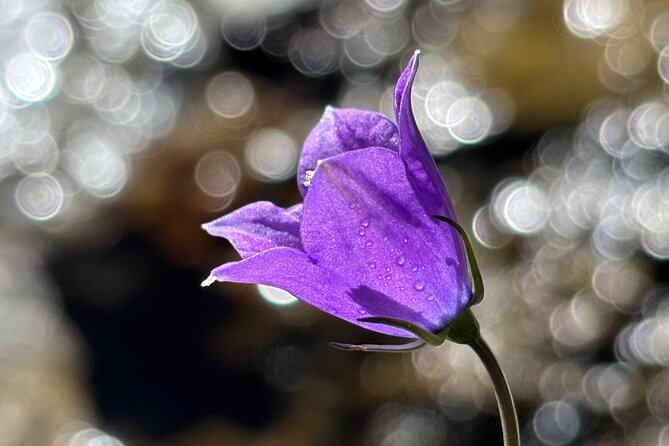
You can expect moving water near the trail, small lakes, waterfalls, and polished or shining rock. In spring and early summer, flowers add color beside the path, while snow can remain on the upper slopes. One outing in June included snowy peaks, a waterfall, goats, horses, cattle, and regional flowers. Conditions change with the season, so the exact mix of snow, flowers, and running water cannot be guaranteed.
This part of the walk gives the guide plenty to explain. Jaime is known for pointing out plants, animals, rock formations, and the way glaciers carved the valley. The experience is better if you ask questions, since the route offers more than views. You are also getting a basic lesson in how a high mountain was formed and how life survives in a short alpine growing season.
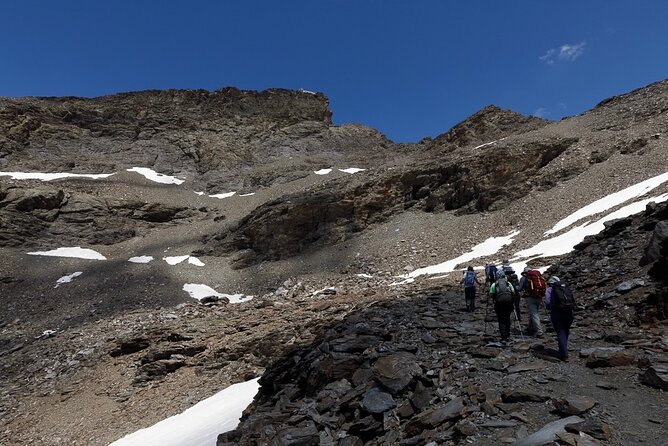
The terrain is uneven. Much of the route runs over rock rather than a smooth trail, and loose slate can make steep sections slippery. Trainers have been used successfully, but shoes with firm soles and good grip are a wiser choice. Ankle support is especially useful if the ground is wet or loose.
Posiciones del Veleta and the Civil War fortifications
Partway up, the route reaches Posiciones del Veleta. Fortifications built during the Spanish Civil War remain here, looking across the northern side of the Sierra Nevada. They add a human story to an otherwise wild setting.
The ruins are not presented as a long museum stop. They are part of the mountain walk, a brief place to pause, look across the ridges, and understand how exposed this high ground can be. The views reach toward snowfields that can last through the year, along with the severe upper slopes around Veleta.
This is also a useful point for judging your energy. If you have had enough, the guide can identify places where you can wait while the rest of the group continues and then reunite on the return. That option matters because the walk is shared, but fitness levels may not be.
Do not mistake that flexibility for an easy route. Several uphill sections can feel tough, and one account describes two to three hours of uphill walking, breaks included. The route is not described as highly technical, but it demands steady cardio, balance, and comfort on uneven ground.
The climb above 3,000 meters
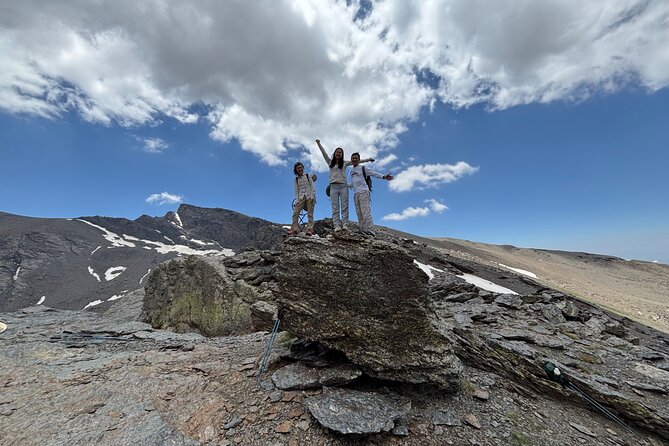
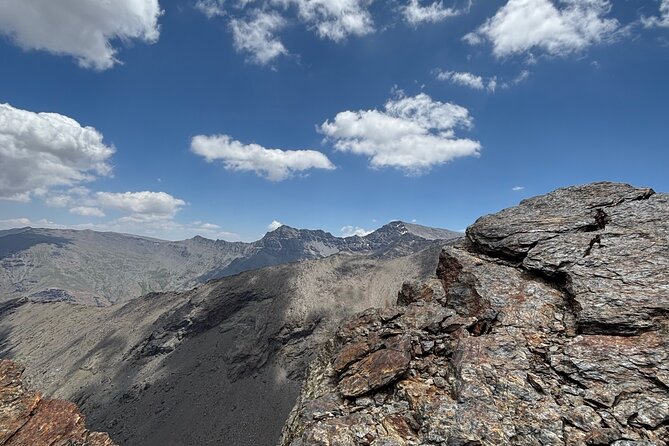
The hardest section is the ascent toward Tajos del Campanario, where the trail gains more than 3,000 meters in altitude from its lower starting point. At the top, you look toward the north faces of Mulhacén, Veleta, and Alcazaba, three of the defining peaks of the range.
The reward is scale. The open ridges make the peaks feel close, while the height gives you a wide view across the upper Sierra Nevada. On clear days, the sense of space is the point of the climb. On windy or cloudy days, the mountain feels more serious, and the guide’s judgment becomes even more important.
You should expect a real climb, not a paved viewpoint walk. One outing included steep slate hills, rain, wind, and slippery rocks. The guide supplied extra gloves, a beanie, and rain ponchos in that case, but you should not rely on spare equipment covering every need. Weather can shift quickly at this height.
The route can suit mixed groups when everyone accepts a slower pace. Guides have supported people with very different endurance levels, including a regular older hiker alongside a younger, very fit participant. Still, the least fit person in your group will shape the day. That is fair and safe, but it may make the outing longer or reduce the time at the top.
More hikes and treks around Spain:
- La Palma: Tajogaite Volcano Guided Trek
★ 4.8 · 1,810 reviews - From Valencia: Montanejos Guided Hike with Natural Pools
★ 4.5 · 1,741 reviews - From Seville: Caminito del Rey Hike Day Trip
★ 4.5 · 1,240 reviews - Lanzarote: Hike Across Timanfaya’s Volcanic Landscapes
★ 4.8 · 1,234 reviews
What the guide adds to the day
A UIMLA mountain guide is included, along with assistance and liability insurance. UIMLA is an international association for mountain leaders, and the guide’s role is practical as much as interpretive. The guide watches the weather, chooses a workable pace, helps with difficult ground, and decides how far the group should go.
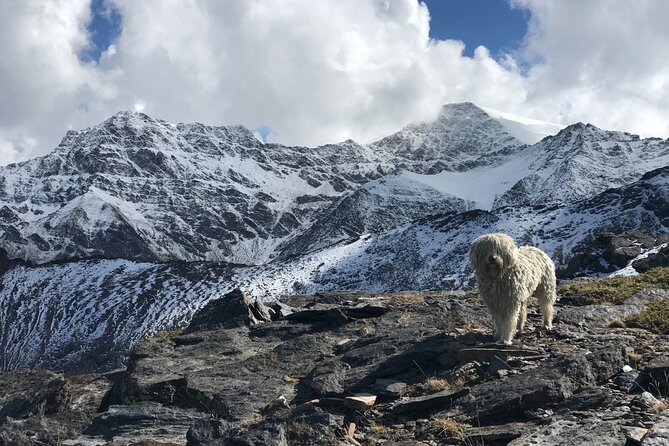
Jaime appears frequently as the guide, often alongside his dog Kai. His style is calm and encouraging, with explanations about local plants, animals, rocks, and mountain history. Kai adds a friendly presence, and has been especially entertaining around snow, but the important point is that the route is led by someone familiar with high, rough ground.
Other guides named for this experience include Buitre, Jesus, and Duab. Buitre was described as keeping a manageable pace for a group of five, while Jesus was patient with a less confident hiker. That suggests the guiding team can adapt, but your exact guide will depend on the date.
English is offered. One guide also speaks Spanish and is happy to practice with guests who want to use it. The small group limit of eight gives you more opportunity to ask questions than a large coach tour would.
Gear, clothing, food, and water
The operator includes hiking poles and says warm clothing can be provided. In practice, equipment availability may vary, so contact the company ahead of time if you specifically need boots or poles. One booking expected boot rental but found that service was no longer available, while another group received poles from the guide. Bring your own dependable gear when possible.
For clothing, use layers. A moisture-wicking base layer, long activewear trousers, a warm layer, and a packable windbreaker are sensible. Add a hat, sunscreen, and gloves. Granada can be very hot while the high mountains remain cool, windy, or snowy.
Pack at least 1.5 liters of water, with 2 liters a safer target for a long, exposed climb. Bring snacks and a packed lunch, since food and drinks are not included. A sandwich, nuts, or similar compact food works well for a high stop. Eating before you become tired helps more than waiting until the final climb.
Trainers can work in dry conditions, and some people have completed the walk in running shoes. I would choose trail shoes or hiking shoes with strong tread, especially after rain or when loose slate is expected. If you want to use borrowed boots or poles, ask several days before the outing rather than assuming the advertised equipment will fit.
How hard is the seven-hour day?
The total experience lasts about seven hours, including the ride from Granada, the hike, stops, and return. One reported schedule left at 9 a.m. and returned around 4 p.m., though the exact finish can shift with weather, pace, and route choices.
The physical demand comes from three things: starting at altitude, climbing higher, and walking on rough ground. Someone who runs, cycles, swims, plays tennis, or hikes regularly should have a good base for the outing. You do not need to be a mountaineer, and the route is described as minimally technical, but you should be comfortable with sustained uphill effort.
If you are not used to high-altitude hiking, the first climb may surprise you. Stop often, drink before you feel thirsty, and keep your own pace. The guide can shorten or adjust the route, and there are places to wait if you become too tired to continue to the highest point.
This is a poor choice if you want a relaxed sightseeing day with little exertion. It is a strong choice if you want a serious outdoor day without arranging transport, navigation, or a private mountain guide yourself.
Is $71.35 good value?
At $71.35 per person, the price covers private transport from central Granada, a mountain guide, insurance, and a small group of up to eight. That is a fair package for a full day in a national park and biosphere reserve, especially since driving to the trailhead independently would require your own car, route planning, and confidence on mountain roads.
The value is strongest for solo visitors and couples who want a guided mountain day rather than a standard city excursion. A group discount may improve the price for several people booking together. You still need to pay for lunch, snacks, and drinks, and you should budget for proper shoes or clothing if your packing is light.
The price does not buy a guaranteed summit view or a fixed wildlife list. Mountain weather can cancel the trip, and animals may stay hidden. What you are paying for is access, transport, route leadership, safety judgment, and a chance to walk through scenery that is difficult to reach from Granada without preparation.
Who should book this Sierra Nevada hike?
I would choose this outing if you want a break from Granada’s heat and monuments and have at least moderate fitness. It suits people who enjoy quiet mountain routes, geology, wildlife, history, and a day that feels active rather than packaged.
It also works well for mixed-ability groups, provided the stronger hikers accept a group pace. The guide can stop, explain, and support people who need more time. Older hikers may manage it if they exercise regularly and are comfortable with long uphill walks.
I would not book it if you have a current injury, dislike loose rock, or want a flat nature walk. The altitude and steep sections are not minor details. If you are unsure, contact the provider before booking and explain your normal fitness level.
Free cancellation is available up to 24 hours before the start time. Poor weather can lead to a new date or a full refund, which is useful for a high mountain trip where conditions matter more than a fixed sightseeing schedule.
Should you book it?
Book it if your ideal day is a cool mountain escape with a real climb, a small group, and a guide who can explain the plants, animals, rocks, and wartime remains along the way. The views toward Mulhacén, Veleta, and Alcazaba are the payoff, but the quiet valley and changing terrain are just as important.
Skip it if you want easy walking or do not plan to carry water, food, and suitable layers. For everyone else, this is one of the more active ways to experience the Sierra Nevada from Granada, with a sensible price and the practical advantage of door-to-door mountain transport.
FAQ
Where does the hike begin?
Pickup is at Plaza de Mariana Pineda in central Granada, Spain.
What time does the experience start?
The stated start time is 9 a.m.
How long does the experience last?
The full experience lasts approximately seven hours, including transportation and hiking.
How many people can join the group?
The group is limited to a maximum of eight people.
What altitude do you reach?
The vehicle takes you to about 2,500 meters, or 8,200 feet. The hike then climbs beyond 3,000 meters.
Is food included?
No. Food and drinks are not included unless specifically stated. Bring water, snacks, and lunch.
Do I need hiking boots?
Trainers can be used, but trail shoes or hiking boots with good grip are more suitable for the rocky and sometimes loose terrain.
Are hiking poles and warm clothes provided?
Hiking poles are included in the tour information, and warm clothing can be provided. Equipment availability may vary, so contact the provider ahead of time if you need specific items.
What happens if the weather is poor?
The experience requires good weather. If it is canceled because of poor conditions, you will be offered another date or a full refund.
Recently reviewed hikes in Spain
- Alicante: Coastline E-Bike and Hiking Tour★ 4.7 · 34 reviews
- Alicante: Via Ferrata Hike in Redovan★ 5.0 · 8 reviews
- Alicante: Via Ferrata del Ponoig Guided Trek and Climb★ 4.9 · 8 reviews
- From Valencia: Montanejos Tour with Guided Hike★ 4.1 · 86 reviews
- From Valencia: Cala del Moraig Hiking & Beach Trip★ 4.8 · 107 reviews
- Montanejos Hiking Tour & Thermal Pools from Valencia★ 4.5 · 111 reviews
- Montserrat Hiking Experience & Monastery Premium Small Group Tour★ 5.0 · 279 reviews
- Montserrat very early : Hiking, Abbey, very small group★ 5.0 · 127 reviews
National Park Hikes, compared.
San Francisco: Yosemite National Park & Giant Sequoias Hike
Read our review →
Skaftafell National Park: Falljokull Glacier Advanced Hike
Read our review →
Everglades National Park Biologist Led Adventure: Cruise, Hike + Airboat
Read our review →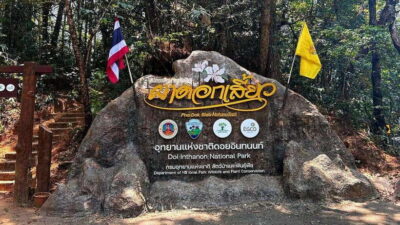
Chiang Mai: Doi Inthanon National Park and Pha Dok Siew Trek
Read our review →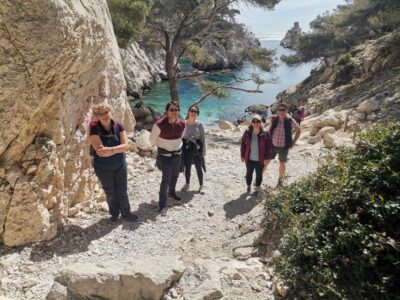
Marseille: Calanques National Park Guided Hike with Picnic
Read our review →
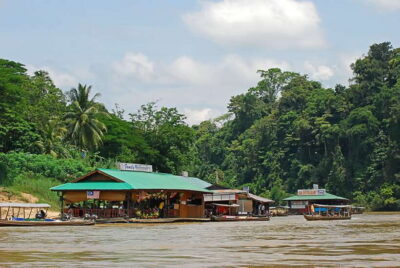
From Kuala Lumpur: Taman Negara National Park Trek Day Tour
Read our review →
From Helsinki: Nuuksio National Park Hiking Tour with Food
Read our review →Other lists this hike appears in