
Review · NEW ZEALAND
Rotorua Hiking: Mt Tarawera Guided Volcanic Crater Experience
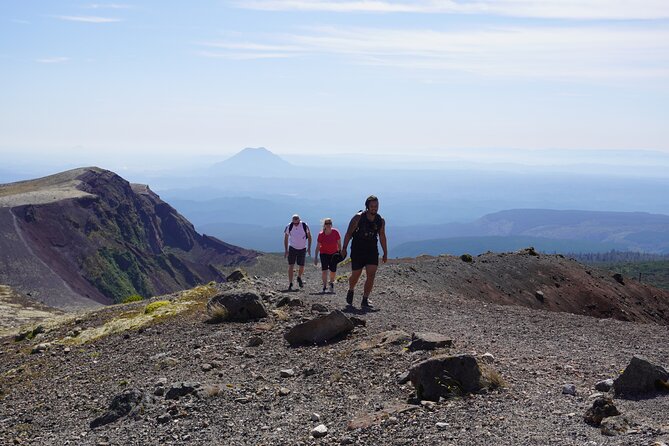
Mt Tarawera is not a gentle hill with a scenic lookout. It is a raw volcanic adventure, with a rough 4WD ride, loose red scoria, steep ground, and a possible slide into the crater. From the rim, you get 360-degree views across the central North Island and down toward Waimangu Volcanic Valley. The mountain’s violent 1886 eruption gives every view a powerful sense of place.
I like two things especially: the guides add Māori stories and geological context that you would miss alone, and the route changes often enough to stay interesting. You may hike through bush, climb open volcanic slopes, look into the crater, and finish with an optional scree run. The main drawback is simple: this is not an easy hike, and heights, wind, loose rock, or a bumpy vehicle ride may make it uncomfortable.
Key points before you book
- The 1886 eruption shaped the whole experience: Mt Tarawera destroyed the famous Pink and White Terraces and helped create Waimangu Volcanic Valley.
- The hike needs moderate fitness: Steep ground, uneven footing, and loose scoria make proper footwear important.
- The optional scree run is a highlight: You can slide or run down loose volcanic gravel into the crater, with guides controlling the pace.
- The guides bring cultural depth: Guides such as Jesse, Hauri, Chucky, Deborah, Jack, Dan, and Daniel have been praised for their stories, patience, and care.
- Transport is part of the adventure: The ride from Rotorua includes rough 4WD roads and may feel bumpy before the walking begins.
- Weather controls the day: Wind and cloud can change the views, and poor conditions may lead to a new date or a full refund.
Why Mt Tarawera feels unlike a normal Rotorua walk
Rotorua is famous for steaming pools, bubbling mud, and geothermal parks. Mt Tarawera gives you a different view of the region. Here, you see the force that cracked open the earth, tore apart the Pink and White Terraces, and formed Waimangu Volcanic Valley.
The mountain erupted on June 10, 1886. That event changed the area forever, and the guides use the walk to explain both the geology and the Māori connection to the maunga, or mountain. The cultural side matters. You are not simply climbing a pile of volcanic rock for a photograph. You are entering a place with stories, whakapapa, and spiritual meaning.
The route also gives you a close look at volcanic material. Red and dark scoria, loose gravel, ridges, and steep slopes create a setting that feels more rugged than the polished geothermal parks near town. You might notice different rock types underfoot, and the guides help explain how the mountain formed and changed.
The best part is the contrast. One moment you are on a broad ridge with open views. The next, you are looking down into the crater or moving across loose scree. The scenery is dramatic without requiring a full-day expedition.
More Mountain and Summit Hikes in New Zealand
- Mount Cook: 3-Hour Tasman Glacier Helicopter Ride and Hike
★ 4.9 · 235 reviews - Mount Cook: 3 Hour Heli Hike to the Tasman Glacier
★ 4.7 · 218 reviews - Queenstown: Walter Peak Horse Trek & Queenstown Lake Cruise
★ 4.7 · 151 reviews
From Rotorua to the mountain by 4WD
The experience lasts about four and a half hours, including transport. Pickup and drop-off are offered from your Rotorua hotel or motel, although you should confirm the exact time and location before the morning of the tour. Some pickups may be arranged at a nearby meeting point, such as a coffee shop.
The ride heads out toward the volcanic country and includes rough roads through bush. This is not a smooth coach transfer. Several people have described the road as bumpy, and that is useful information when deciding what kind of outing you want. The rough ride helps reach a remote starting point, but it is part of the physical feel of the experience.
The vehicle has been described as a 4WD van rather than a classic open jeep. Vehicle conditions can vary, and there has been at least one report of a mechanical hiccup. That is not the normal focus of the day, but it is fair to say that the transport may feel more practical than luxurious.
A toilet stop is available before the hike begins, with a portable toilet at the starting area. Take advantage of it. Once you begin walking, you are heading into a remote volcanic setting rather than a developed park.
The trail begins with bush and rising ground
The walking route starts from a high point on the mountain and follows winding trails toward the crater rim. The guide sets the pace, stops for photographs, and explains what you are seeing. Short sections make the climb easier to manage than one long, relentless ascent.
Still, do not mistake the half-day length for an easy outing. You need moderate physical fitness, balance, and comfort on uneven ground. One section may feel like a manageable uphill walk, while another asks more of your legs because the surface is loose and steep.
I would wear sturdy hiking boots with good grip. Trainers may work for some people, but they give you less control on scoria. Higher socks are a smart detail because loose gravel can slip into your boots and rub the skin around your ankles. This small preparation tip can make a big difference.
The trail can also feel exposed. Strong wind is possible near the summit and crater rim, and the temperature can drop quickly in early autumn. Bring layers, water, and protection from the weather. The mountain may look sunny from Rotorua and still feel cold at the top.
Reaching the crater rim and the big views
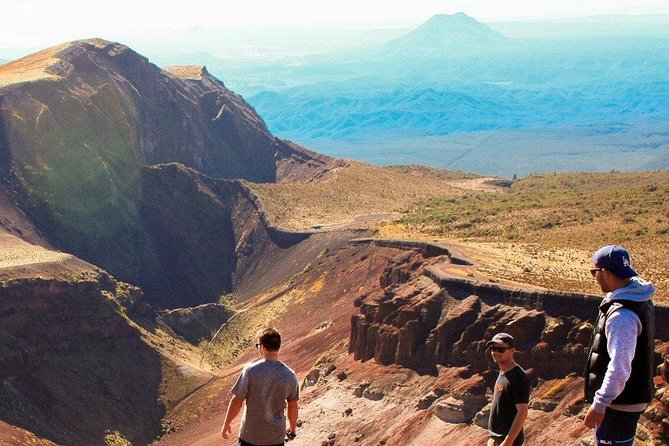
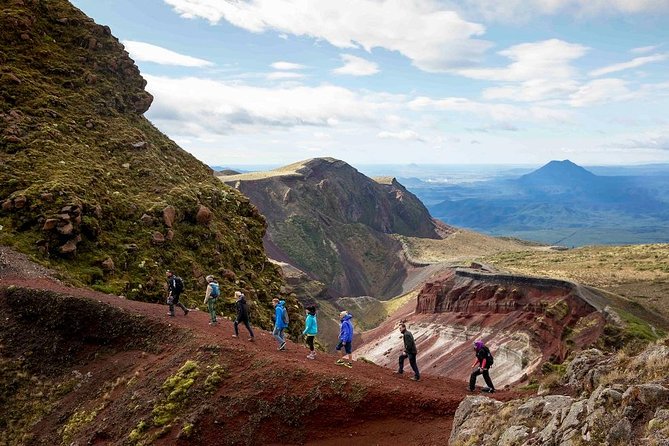
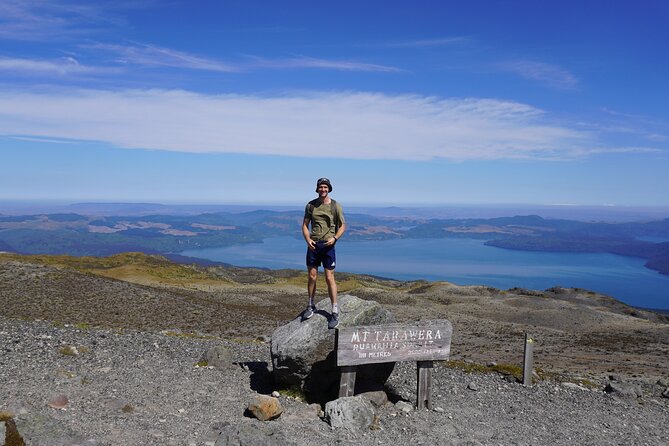
The crater rim is the reward for the uphill work. From here, the view opens across the volcanic country, with Waimangu Volcanic Valley visible in the distance. You get broad views rather than a single framed lookout, and the 360-degree sweep helps you understand how the mountain sits within the wider region.
Weather matters greatly. Clear conditions can reveal a wide panorama, while cloud or wind may limit what you see. The tour requires good weather, and the provider may cancel in poor conditions, offering another date or a full refund.
The rim also brings the height issue into focus. The descent can involve steep, uneven ground, and anyone nervous around heights should think carefully before booking. You do not need to be an expert climber, but you should be comfortable walking on loose slopes and following a guide’s instructions.
Guides have been praised for adjusting the pace, taking breaks, and helping people who need extra support. That personal care is one of the tour’s strongest features. A small group can make it easier to ask questions, stop for photos, and keep the outing social without feeling crowded.
The maximum group size is 20 people. Actual group sizes can be smaller, and some outings have had only a handful of participants. A larger group may mean a slower pace, while a smaller group can feel more personal.
More Volcano Hikes in the world:
- Bali: Sunrise Mount Batur Guided Hike with Breakfast
★ 4.8 · 9,660 reviews - Bali: Mount Batur Sunrise Guided Hike and Natural Hot Spring
★ 4.8 · 9,284 reviews - Mount Etna: Summit Guided Hiking Tour up to 3,400 m
★ 4.8 · 4,792 reviews - Mount Etna: Trek to 3000m with cable car and 4×4
★ 4.6 · 3,823 reviews
The optional scree run into the crater
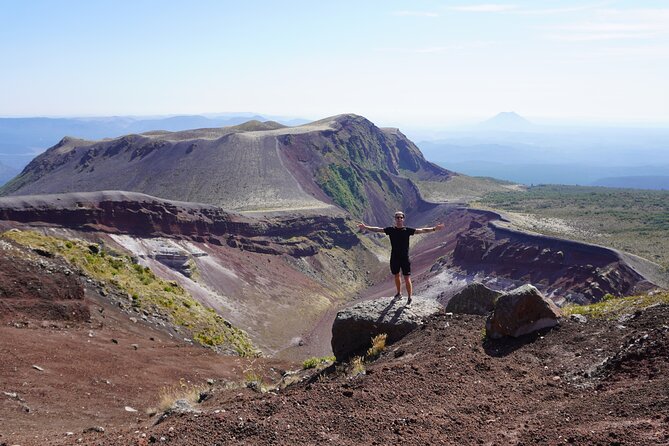
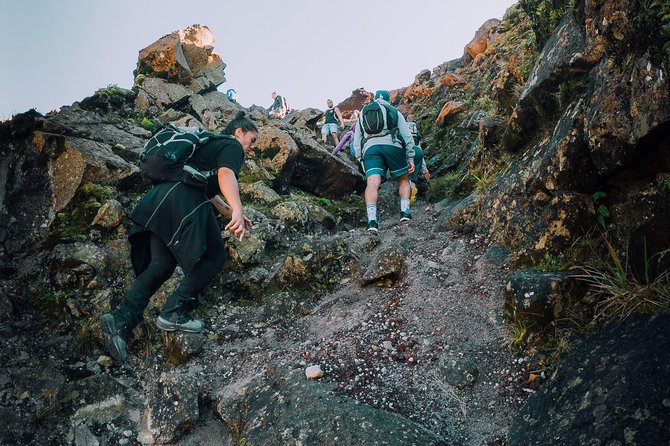
The optional scree run is the tour’s most playful feature. Instead of simply walking down a regular trail, you move through loose volcanic gravel toward the heart of the crater. Some people slide, some run, and some take a cautious step-by-step approach.
This is great fun if you enjoy a little controlled chaos. It is also the part that makes footwear and balance especially important. The surface shifts under your feet, and the descent can feel steep. If you are unsure, you can take the section more slowly and listen to the guide.
The crater gives you a close view of the mountain’s interior. The colors can be striking, with rust-red volcanic material set against pale or green tones in the wider area. Light and weather change the appearance, so the same place can look very different from one visit to another.
The scree run is optional, which helps the tour suit a wider range of abilities. You can enjoy the rim and the main walk without treating the descent as a test of courage. That said, the hike still requires a moderate level of fitness even if you skip the run.
The guides make the difference
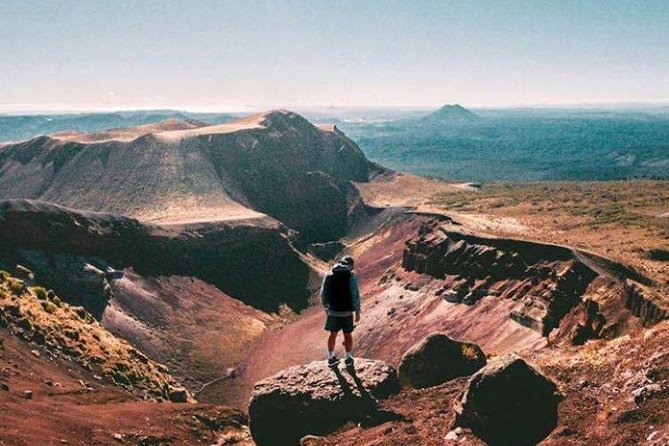
The best part of a guided trip here is not simply avoiding a wrong turn. It is having someone explain the mountain while you are standing on it.
Guides including Jesse, Hauri, Chucky, Deborah, Jack, Jacky, Dan, Daniel, Frank, Napier, and AJ have been singled out for friendly support, humor, cultural knowledge, and patience. Names and guide teams change, so you should not book expecting one particular person. The consistent pattern is the value of a guide who can slow down, explain the terrain, and help you feel safe.
The Māori stories add meaning to the walk. You hear about the area’s people and connection to the mountain rather than receiving only a technical geology lesson. That combination makes the trip more than a scenic workout.
Guides have also been careful around severe wind gusts and have helped people who found the slope challenging. This is important because the mountain is not a controlled indoor attraction. Conditions can change, and good judgment matters.
Is the $121.01 price good value?
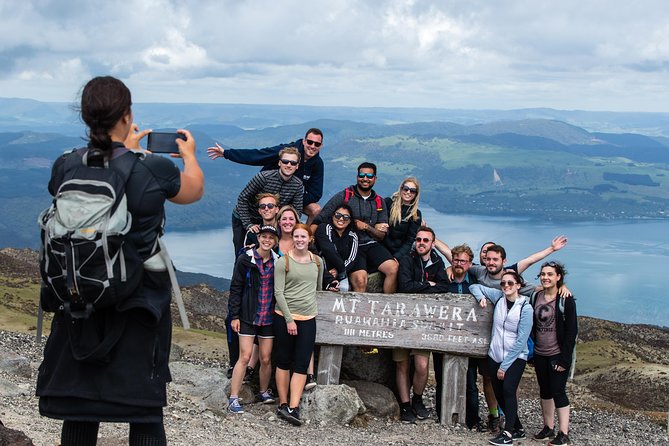
At $121.01 per person, the cost covers about four and a half hours, hotel or motel pickup and drop-off, a professional Kiwi guide, transport into the volcanic country, and the guided crater walk.
I think the price is reasonable if you value context and convenience. You are paying to reach a remote mountain, avoid route-finding, hear the geological and cultural story, and have a guide manage the pace and difficult sections. If you tried to arrange transport and access on your own, the comparison would not be as simple as looking at the walking time.
The value is weaker if you expect a polished sightseeing transfer or a gentle nature walk. The vehicle may be bumpy, lunch is not included, and much of the appeal depends on your willingness to work for the views. This is an active half-day outing, not a luxury excursion.
Bring your own food if you need lunch afterward. The tour does not include it, and the four-and-a-half-hour schedule may run across a normal meal period depending on your departure time.
Who should book this volcanic hike?
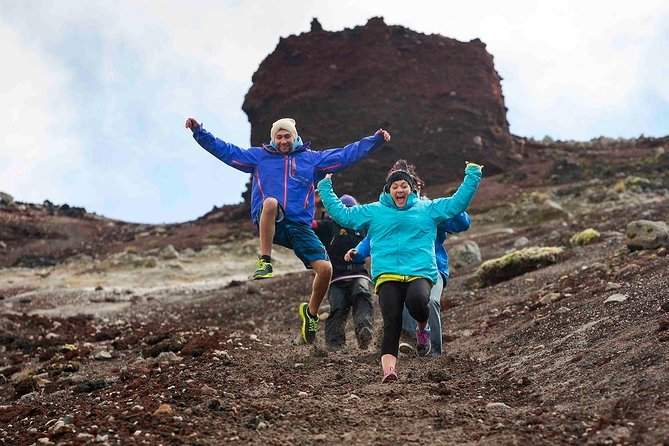
I would recommend it to you if you enjoy unusual scenery, guided outdoor activity, and stories tied to place. It suits people who want something more active than a standard geothermal park and who can handle a moderate hike on uneven ground.
You should be reasonably fit and coordinated. You do not need to be a serious mountaineer, but you should expect uphill walking, a steep or loose descent, and a surface that does not always give firm footing.
Think twice if you are afraid of heights, dislike loose gravel, or want a smooth ride. The trip may also frustrate anyone who expects a long-distance hike. The half-day route is enough for a strong taste of Mt Tarawera, but some people will wish they had more time on the mountain. A full-day walk is available from the same operator for those who want a longer outing.
The experience is advertised as suitable for all ages, but the practical guidance is more useful: moderate fitness is needed, and children or older participants should be comfortable with uneven volcanic terrain. The guide can provide support, but cannot remove the physical demands of the route.
What to wear and bring
Good preparation matters more here than on many Rotorua attractions.
- Wear sturdy hiking boots with solid grip.
- Use higher socks to keep scoria from rubbing your ankles.
- Bring water and dress in layers.
- Pack protection from wind and changing weather.
- Bring food if you need lunch, since it is not included.
- Expect dust, loose gravel, and clothing that may need a wash afterward.
The single most important choice is footwear. A lack of grip can make the scree slope stressful and may force you to stop early. Boot hire was offered during the booking process, so use that option if your shoes are not suitable.
Booking, weather, and cancellation details
You can choose a morning or afternoon departure, which makes it easier to fit the hike around other Rotorua plans. Confirmation is provided when you book, and the group can include up to 20 people.
You may cancel for a full refund up to 24 hours before the start time. Cancellations or changes made within 24 hours are not refunded or accepted. Since weather affects the outing, a cancellation by the operator due to poor conditions comes with the choice of another date or a full refund.
Should you book Mt Tarawera?
Book this experience if you want Rotorua’s volcanic story under your boots rather than behind a railing. The crater, the views toward Waimangu, the Māori connection, and the optional scree run give the half-day trip real character.
Skip it if you want an easy walk, a quiet vehicle transfer, or guaranteed clear views. For everyone else, this is one of the area’s more memorable active outings, provided you bring proper shoes and accept that the mountain will ask a little work from you.
FAQ
How long does the Mt Tarawera experience take?
The experience lasts approximately four hours and 30 minutes, including transport and the guided walk.
Is hotel pickup included?
Yes. Free pickup and drop-off are offered from Rotorua hotels and motels. Confirm your exact pickup time and location after booking.
How difficult is the hike?
You should have a moderate level of physical fitness. The route includes uphill sections, uneven ground, loose scoria, and a potentially steep descent.
Do I need hiking boots?
Sturdy hiking shoes or boots are strongly recommended. Higher socks help prevent loose scoria from rubbing your ankles. Boot hire may be available during the booking process.
Is the scree run into the crater required?
No. The scree run is optional. You can take the main guided walk and enjoy the crater rim without running or sliding into the crater.
Is lunch included?
No. Lunch is not included, so bring food if you need a meal during or after the half-day experience.
What happens if the weather is poor?
The experience requires good weather. If it is canceled because of poor conditions, you can choose another date or receive a full refund.
More Mountain and Summit Hikes in the world
- Berber villages : Atlas Mountains Day Hike from Marrakech
★ 5.0 · 14,007 reviews - From Marrakech: Atlas Mountains Full-Day Hiking Trip w Lunch
★ 4.8 · 7,417 reviews - From Tirana: Bovilla Lake & Gamti Mountain Hiking Day Trip
★ 4.9 · 4,397 reviews - Bali: Mount Batur Sunrise Trek With Guide and Breakfast
★ 4.8 · 3,461 reviews
Recently reviewed hikes in the world
- Arequipa: 2-day Colca Canyon Trekking, Ending in Puno★ 4.8 · 8 reviews
- Asheville: Yoga on a Mountain Hike★ 4.7 · 7 reviews
- Arctic hike on Kvaløya Island with drinks and snacks★ 5.0 · 8 reviews
- Arctic Wilderness Hike from Rovaniemi (Day & Evening)★ 4.7 · 12 reviews
- Antelope Valley: Ligai Si Anii Canyon Hiking Tour★ 4.9 · 13 reviews
- Antigua: 2-Day Acatenango Volcano Hike w/Local Guide & Meals★ 4.3 · 43 reviews
- Delphi: Easy Hike on Ancient Path through the Olive Groves★ 5.0 · 9 reviews
- Antalya: Hiking in Termessos Ancient City★ 5.0 · 152 reviews
Volcano Hikes, compared.
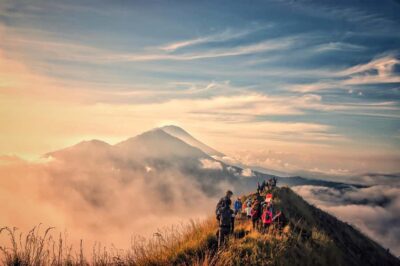
Bali: Sunrise Mount Batur Guided Hike with Breakfast
Read our review →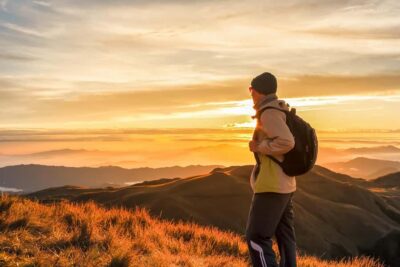
Bali: Mount Batur Sunrise Guided Hike and Natural Hot Spring
Read our review →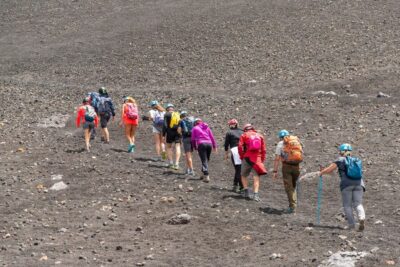
Mount Etna: Summit Guided Hiking Tour up to 3,400 m
Read our review →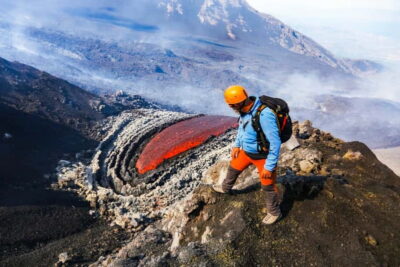
Mount Etna: Trek to 3000m with cable car and 4×4
Read our review →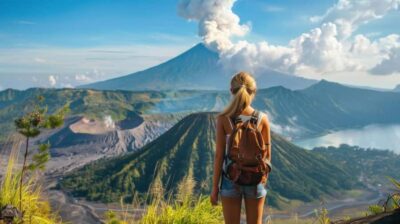
Bali: Mount Batur Sunrise Trek With Guide and Breakfast
Read our review →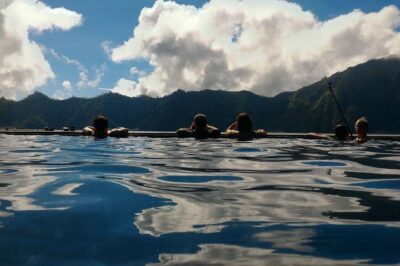
Mount Batur Sunrise Hike and Natural Hot Spring Option
Read our review →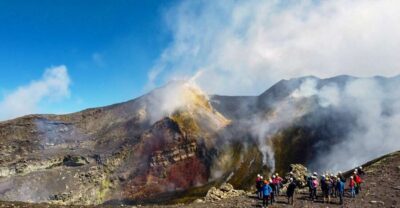
Mount Etna: Summit Crater Trek with Cable Car
Read our review →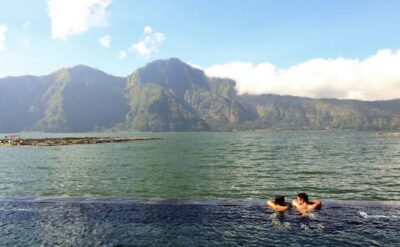
Other lists this hike appears in