
Review · MOSHI
Best Kilimanjaro Adventure 7 days Machame route Trekking
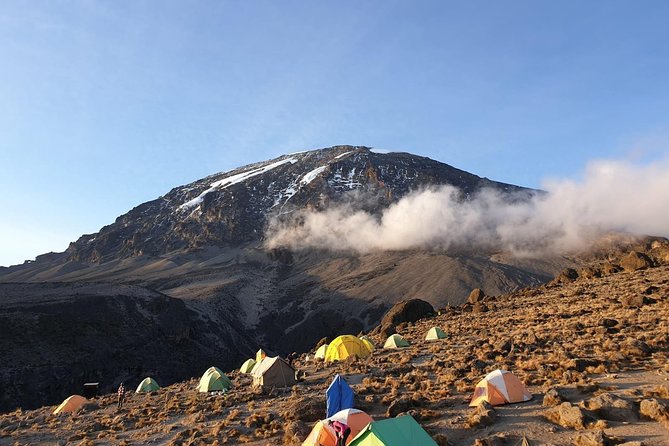
Kilimanjaro’s Machame Route gives you the mountain in changing chapters: tropical forest, open high country, volcanic rock, a steep summit ridge, and a sunrise finish above the clouds. The seven-day plan is designed to give you time to adjust before the final push, with the key acclimatization hike reaching Lava Tower before dropping to Barranco.
I like the careful camp progression, especially the Shira, Barranco, Karanga, and Barafu sequence. I also like that a guide, porters, and chef handle the camp work while you concentrate on walking. The main concern is the summit day, which can last 10 to 14 hours or more, and the advertised price excludes park fees, tax, insurance, and tips.
Key points before you book
- Seven days on the Machame Route: You climb from Machame Gate and leave through Mweka Gate, with six nights camping on the mountain.
- A useful acclimatization day: The route goes up to Lava Tower at about 15,000 feet, then descends to Barranco Camp.
- A demanding summit schedule: You begin shortly after midnight, climb roughly 1,100 meters to the summit, then descend to Mweka Camp the same day.
- Full camp support: A guide, porters, and chef are included, along with a tent, sleeping mattress, and meals.
- A strong human element: Victor and Tyson were named as especially supportive on one birthday climb, with Thomas involved as guide and manager.
- Important extra costs: National park fees, tax, travel insurance, and gratuities are not included in the $1,200 price.
Why the Machame Route works well in seven days
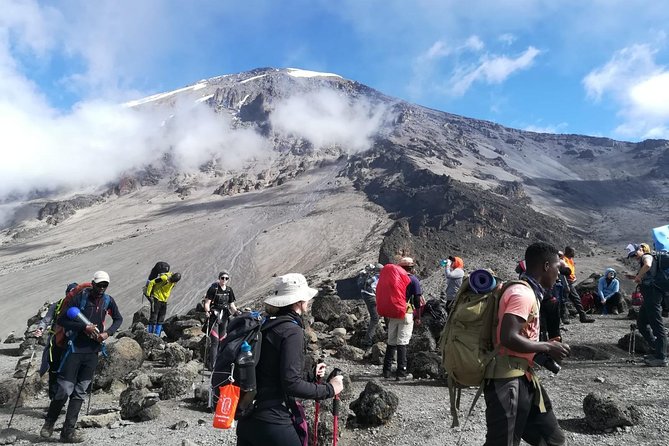
The Machame Route is a good choice if you want a proper Kilimanjaro climb rather than a rushed ascent. Seven days gives you several walking days before the summit, and the route uses the valuable climb high, sleep lower pattern on the Lava Tower day.
You still need to be realistic. This is not a casual mountain holiday. The itinerary calls for walking up to seven hours on several days, followed by a summit day of 14 hours. You need a moderate level of fitness, patience, and the ability to keep moving when the trail gets steep.
The route begins and ends near Moshi, with a return drive to a hotel in Moshi or Arusha after the final walk. Pickup is offered, and the meeting time is listed as 8:30 a.m. Confirm the exact pickup point and start details before you travel.
More Kilimanjaro Hikes in Tanzania:
- 8-Day Small-group Lemosho Kilimanjaro Summit Trekking
★ 5.0 · 186 reviews - Mountain Kilimanjaro Day Hike
★ 5.0 · 102 reviews - Private Full Day Hiking Experience to Marangu Route
★ 5.0 · 61 reviews
Day 1: Machame Gate to rainforest camp
Your first day starts with a drive to Machame Gate. Registration comes before the walk, so the morning includes practical park formalities rather than an instant start on the trail.
The opening hike moves through tropical rainforest and takes about seven hours. This is a pleasant way to meet the mountain, with thick vegetation, birdlife, and the possibility of seeing colobus monkeys. The forest also gives you shade, though damp conditions can make the trail feel slower than the distance suggests.
You spend the night at Machame Camp. The first camp is an important adjustment point. You are learning how the group moves, how your sleeping setup works, and how much water and clothing you need for each day.
Your included support team consists of a guide, porters, and chef. That makes a real difference on a multi-day climb. You carry your personal essentials while the team manages camp equipment and meals, though you should confirm the porter arrangement and personal luggage limits before setting out.
Day 2: Machame Camp to Shira Camp
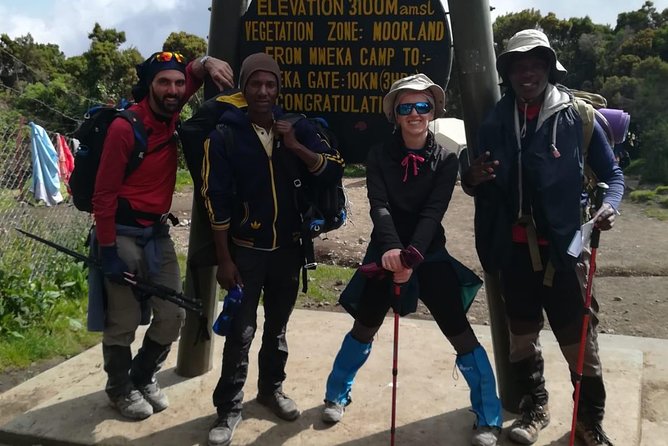
Day two leaves the forest behind as the trail climbs toward Shira Camp. The route crosses a stream and follows a steep, rocky ridge, with the path criss-crossing as it gains height.
This walk takes about five hours, shorter than day one but steeper in character. Shira Camp sits near a semi-circular wall of rocks, and the setting marks a clear change from the enclosed forest below to more open mountain country.
A shorter day does not mean an easy day. The gain in height matters, and you should walk slowly rather than trying to match the pace of stronger climbers. Your guide should help set a rhythm that lets you speak in short sentences without gasping.
At camp, use the afternoon for rest, food, and sorting your daypack. Keep the next morning’s clothing and water ready. Small jobs become harder when you are tired or cold, so prepare before darkness.
Day 3: Shira, Lava Tower, and Barranco
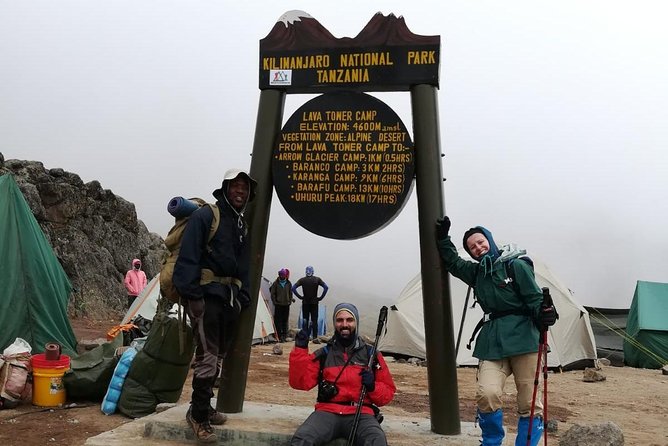
Day three is one of the most useful parts of the plan. From Shira, you climb to Lava Tower at about 15,000 feet for acclimatization, then descend to Barranco Camp.
The uphill section can feel demanding because the purpose is to reach a high point even though you will sleep lower. That descent is not wasted effort. It gives your body exposure to a higher altitude before the night at Barranco.
The route then passes the Great Barranco Wall. Barranco Camp is described as one of the best camps on the mountain, and its position makes it a memorable stop after a long day of ascent and descent. The total walking time is about six hours.
This is a day when you should not judge your climb by speed. Take steady steps, drink as directed by your guide, and report symptoms early. The itinerary provides the right basic structure for acclimatization, but no schedule can remove the effects of altitude.
More Week-Long Trips around Tanzania:
- Private Kilimanjaro Hike 7 Day Lemosho Route
★ 5.0 · 60 reviews - Kilimanjaro 7 Day Private Trekking Experience
★ 5.0 · 40 reviews
Day 4: Barranco Wall to Karanga Camp
Day four begins with the climb up the edge of the Great Barranco Wall. The morning is steep and can be physically tiring, but the higher views reward the effort.
The walk continues to Karanga Camp and takes about seven hours. The route is not simply a long uphill walk. You gain and lose height as the trail crosses the mountain, which can make the day feel harder than the distance suggests.
This is also a day when the group’s pace matters. A large advertised maximum of 100 people means you should ask how many people are expected on your departure. A smaller working group may feel easier to manage, while a very large departure could mean more waiting at narrow sections of trail.
Once at Karanga, protect your rest time. Eat the meals provided, keep your clothes dry, and avoid spending energy on anything that can wait. The next camp is Barafu, followed by the summit attempt.
Day 5: Karanga to Barafu Camp
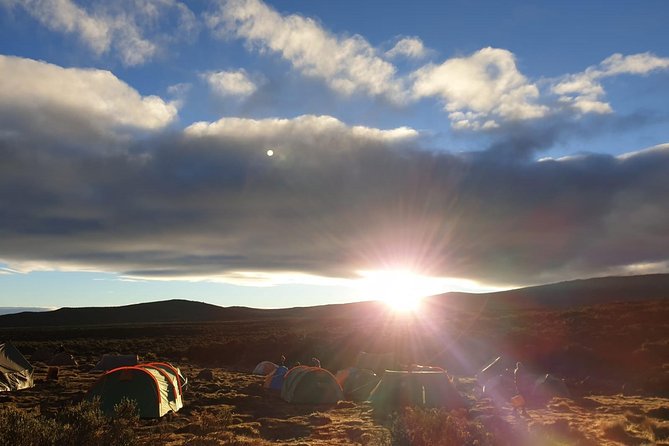
Day five is a shorter climb of about five hours, ending at Barafu Camp, the final camp before the summit. The shorter walking time is useful because your body needs to store energy for the night ahead.
Barafu is not the place to expect a relaxed evening. You need to eat, organize your summit clothing, prepare your daypack, and rest as much as possible. The climb begins just after midnight, so your sleep window is short.
Ask your guide to explain the summit schedule clearly. The provided plan says the ascent from Barafu covers about 1,100 meters over just more than three kilometers and takes roughly six to eight hours. That is a very steep, slow climb, followed by the descent to Mweka Camp.
Your personal organization matters here. Put warm layers, water, snacks if you use them, and any needed personal items where you can reach them in the dark. The support team handles the camp, but you are responsible for knowing where your own essential gear is.
Day 6: Barafu to Uhuru summit and Mweka Camp
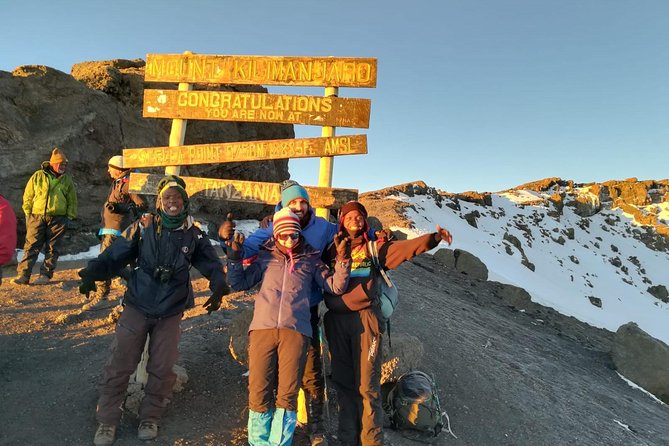
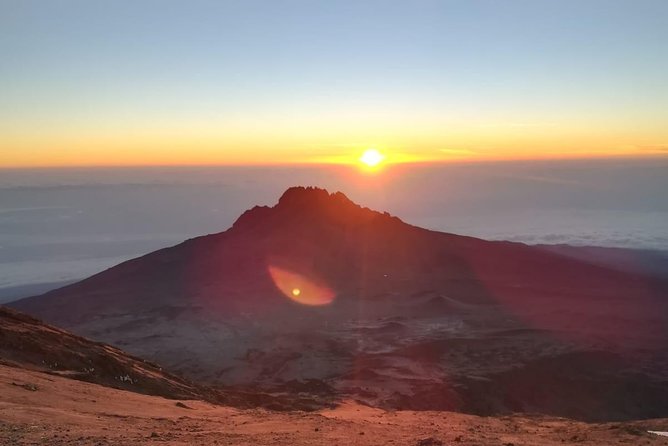
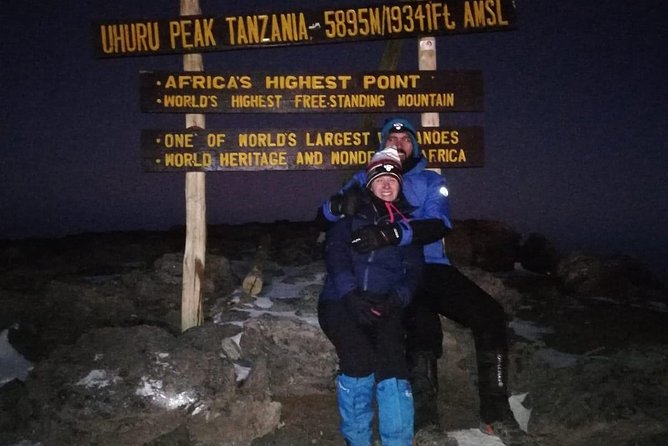
Summit day is the test of the whole climb. You start shortly after midnight and walk through the night, aiming to reach the summit in time for sunrise over the Great Rift Valley.
The ascent is listed at six to eight hours, but the complete day lasts 10 to 14 hours or more. After reaching the summit and taking photographs, you descend below the tree line to Mweka Camp. This is both a proud day and a tiring one.
The steep gain of 1,100 meters in a little over three kilometers explains why the morning can feel slow. You should expect a measured pace, frequent pauses, and cold conditions before the sun rises. The route requires mental stamina as much as leg strength.
Reaching the summit is not the end of the day. The descent to Mweka is long, and tired legs can make downhill walking awkward. Save some energy for that section. At Mweka Camp, dinner and sleep should feel welcome after the longest day of the trip.
Day 7: Mweka Camp to Moshi or Arusha
The final walk takes about three hours through lush forest to Mweka Park Gate. This is a much easier finish than summit day, but wet or uneven ground can still slow you down.
At the gate, you meet the driver for the return journey to your hotel in Moshi or Arusha. The transfer closes the mountain portion of the trip, though you may still feel the effects of the long summit day.
Keep your final morning simple. Check your sleeping area and personal items before leaving camp, and make sure anything carried by the support team is accounted for. The last trail walk is short enough to enjoy, so do not rush it.
What the $1,200 price does and does not cover
At $1,200 per person, the package includes the core mountain support you need: camping equipment, a tent, a sleeping mattress, a guide, porters, a chef, and meals.
The meal allowance is listed as six breakfasts, seven lunches, and six dinners. That matches the seven-day structure, with lunch needed on each walking day. You should still ask about dietary requirements before booking, since no special meal details are provided.
The price does not include national park fees or tax. It also excludes travel insurance and tipping. These are not minor details. Park charges can form a meaningful part of a Kilimanjaro budget, so ask for the full final cost rather than treating $1,200 as the complete trip price.
The value is strongest if you want a supported camping climb and prefer to have the main camp logistics handled for you. It is less straightforward if you are comparing headline prices without adding the excluded charges.
The guide team and the human side of the climb
The experience provider is Kilinge Adventures. Victor, Tyson, and Thomas are connected with a past Machame climb, with Victor and Tyson receiving specific praise for helping a climber complete a birthday goal. Thomas was described as an important guide and manager in that experience.
That gives you useful names to ask about, but do not assume the same people will lead every departure. Request the names of your guide and assistant guides before you go. Also ask how many porters will be assigned and how the group is organized.
A supportive team matters most on days three, four, and six. The trail gets steep, sleep is limited, and encouragement can help you keep a sensible pace. Good guiding also means clear instructions about altitude symptoms, rest, water, and the summit schedule.
Who should book this Kilimanjaro climb
This trip suits you if you want:
- A seven-day route with several acclimatization days
- A classic camping experience rather than a short mountain visit
- Support from guides, porters, and a chef
- A route with forest, Shira, Lava Tower, Barranco Wall, and a sunrise summit attempt
- A starting point near Moshi with return transport to Moshi or Arusha
You should think carefully if you dislike long walking days, camping, steep trails, or very early starts. The final day on the mountain is especially demanding, and moderate fitness is only the stated minimum. You need a steady attitude and enough endurance to walk for many hours after a midnight start.
The advertised maximum is 100 people, which is large. Ask about the expected group size, since the actual feel of the climb depends heavily on how many people are on your departure.
Booking, cancellation, and practical checks
Confirmation is provided at booking, and the experience is near public transportation. Pickup is offered, but confirm the exact meeting point and the 8:30 a.m. start time.
Free cancellation applies if you cancel at least 24 hours before the local start time. Cancellations or changes made within 24 hours are not refunded or accepted. If poor weather causes the operator to cancel, you are offered another date or a full refund.
Before paying, ask for a written breakdown of park fees, tax, insurance expectations, tips, group size, guide names, and pickup arrangements. Those answers will tell you far more about the final value than the headline price alone.
Should you book the 7-day Machame Route?
I would choose this climb if you want the full Machame experience and understand that the summit day is a serious physical effort. The route has a sensible acclimatization feature at Lava Tower, varied scenery, and strong practical support through guides, porters, and a chef.
I would not book it without confirming the extra charges and the actual group size. Also ask whether Victor, Tyson, or Thomas will be involved in your departure, since their names are associated with a particularly supportive climb but are not guaranteed for every booking.
For a fit, determined walker who wants Kilimanjaro with camp support and a clear seven-day plan, this is a promising option. Go in knowing the $1,200 price is only the starting figure, and treat the Barafu to summit to Mweka stretch as the demanding centerpiece it is.
FAQ
How long does the Kilimanjaro Machame Route experience last?
The experience lasts approximately seven days, beginning at Machame Gate and ending at Mweka Gate before the drive to Moshi or Arusha.
What time does the experience start?
The listed start time is 8:30 a.m. Confirm the exact meeting or pickup point with Kilinge Adventures before departure.
Is pickup included?
Pickup is offered. The final day includes a vehicle transfer from Mweka Park Gate to a hotel in Moshi or Arusha.
What meals are included?
The package includes six breakfasts, seven lunches, and six dinners.
Is camping equipment provided?
Yes. Camping equipment includes a tent and sleeping mattress. A guide, porters, and chef are also included.
How difficult is the climb?
You need a moderate level of physical fitness. Walking times range from about three to seven hours on most days, while the summit day can last 10 to 14 hours or more.
What happens if bad weather cancels the climb?
If poor weather causes cancellation, you are offered a different date or a full refund. Free cancellation is also available when you cancel at least 24 hours before the local start time.
Recently reviewed hikes in Tanzania
- Full Day Private Hiking Tour to Kilimanjaro Mountain★ 5.0 · 22 reviews
- Kilimanjaro 7 Day Private Trekking Experience★ 5.0 · 40 reviews
- Mount Kilimanjaro Day Hike Through Marangu Route to Mandara Hut★ 5.0 · 37 reviews
- Mount Kilimanjaro Day Hike★ 4.5 · 23 reviews
- Private Kilimanjaro Hike 7 Day Lemosho Route★ 5.0 · 60 reviews
- Best Kilimanjaro hiking day trip tour with Kilinge Adventures★ 4.5 · 54 reviews
- #1. Best Kilimanjaro Day hike Tour-Machame Route-ISMANI★ 4.2 · 47 reviews
- Arusha: Napuru Waterfalls Guided Hike★ 4.8 · 39 reviews
Kilimanjaro Hikes, compared.
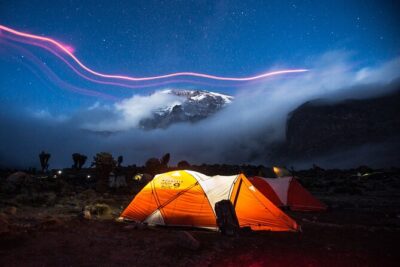
8-Day Small-group Lemosho Kilimanjaro Summit Trekking
Read our review →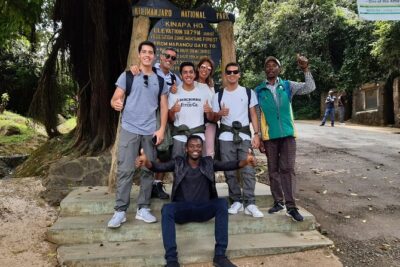
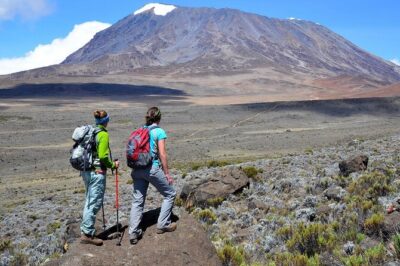
Private Full Day Hiking Experience to Marangu Route
Read our review →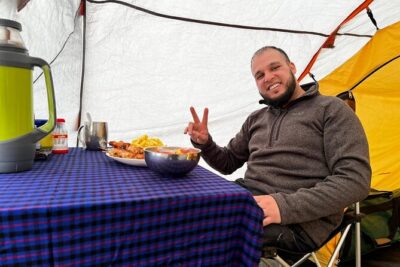
Best Kilimanjaro hiking day trip tour with Kilinge Adventures
Read our review →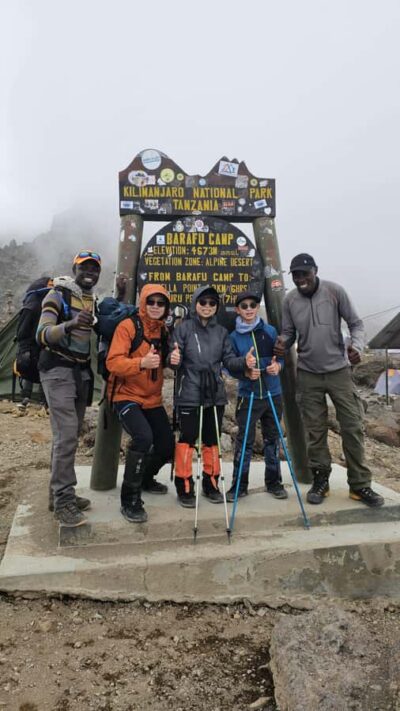
#1. Best Kilimanjaro Day hike Tour-Machame Route-ISMANI
Read our review →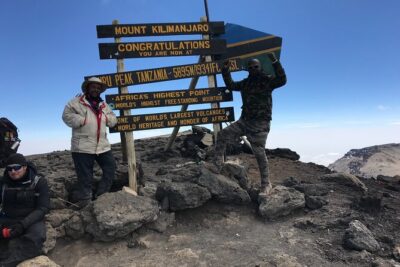
Kilimanjaro 7 Day Private Trekking Experience
Read our review →
Mount Kilimanjaro Day Hike Through Marangu Route to Mandara Hut
Read our review →Other lists this hike appears in