
Review · CHIANG RAI
Chiang Rai: Jungle Adventure-Group Trekking & Bamboo Cooking
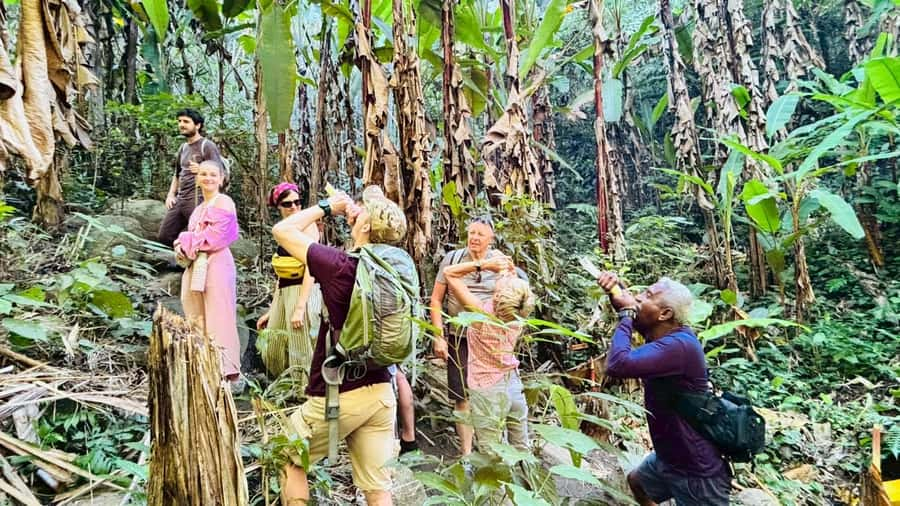
The best part of this Chiang Rai day trip is how quickly it leaves ordinary sightseeing behind. You walk from Pa Soert Hot Spring through bamboo forest, rice fields, farmland, and hill-tribe villages, then stop in the jungle for a meal cooked with bamboo tools made along the way.
I like the handmade side of the day, especially the bamboo chopsticks, cups, spoons, plates, and walking sticks that guides such as Wat, James, Mo, and Sammy create during the hike. I also like the finish: a cold waterfall swim followed by warm mineral water at the hot springs. The main catch is fitness. Ten to twelve kilometers over roughly five hours includes steep, rocky, slippery, and muddy sections.
Key points to know
- Bamboo lunch in the jungle: Food, utensils, and serving pieces are made with bamboo and banana leaves.
- A real half-day trek: Expect about 10 to 12 kilometers of walking over around five hours.
- Several kinds of scenery: The route passes bamboo forest, farms, rice fields, villages, a waterfall, and tea-growing areas.
- Guides make the difference: Wat, James, Mo, Sammy, and other team members are known for humor, plant knowledge, and creative bamboo work.
- Bring swim gear and sturdy shoes: The waterfall is refreshing, but trails can turn slick after rain.
- Good value for an active day: The $80 price includes transport, water, lunch, a guide, and travel insurance, but not the hot spring admission.
A full day beyond Chiang Rai’s temples
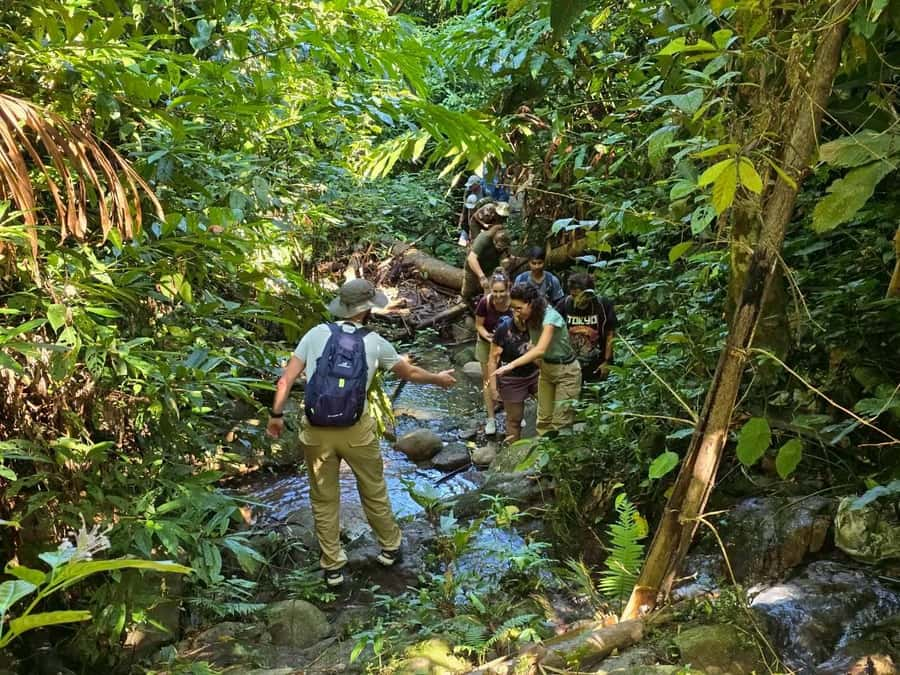
Chiang Rai is rightly famous for its temples, but this trip shows you a different side of the province. Instead of moving from one building to another by vehicle, you spend most of the day on foot, crossing small streams, climbing wooded slopes, and passing through working farmland.
The route is not a gentle nature stroll. Some sections are described as moderate to strenuous, with steep hills, rough stones, mud, and slippery ground. At the same time, the guides build in regular stops, and the walking is broken up by village visits, explanations, food preparation, and photo opportunities.
I would describe it as a proper country trek rather than a casual excursion. If you regularly walk or hike, you will probably find it manageable, though rainy weather can make it much harder. If you rarely exercise, the distance and heat deserve serious thought before you book.
More Forest and Jungle Hikes in Thailand
- Chiang Mai: 2-Day Jungle Trek with Elephant Farm & Raft Ride
★ 4.7 · 881 reviews - From Khao Lak: Khao Sok Jungle Hike & River Tour
★ 4.7 · 688 reviews - Khao Sok: Private Day Trekking, Jungle Dinner & Night Safari
★ 4.7 · 206 reviews
From Pa Soert Hot Spring into the hills
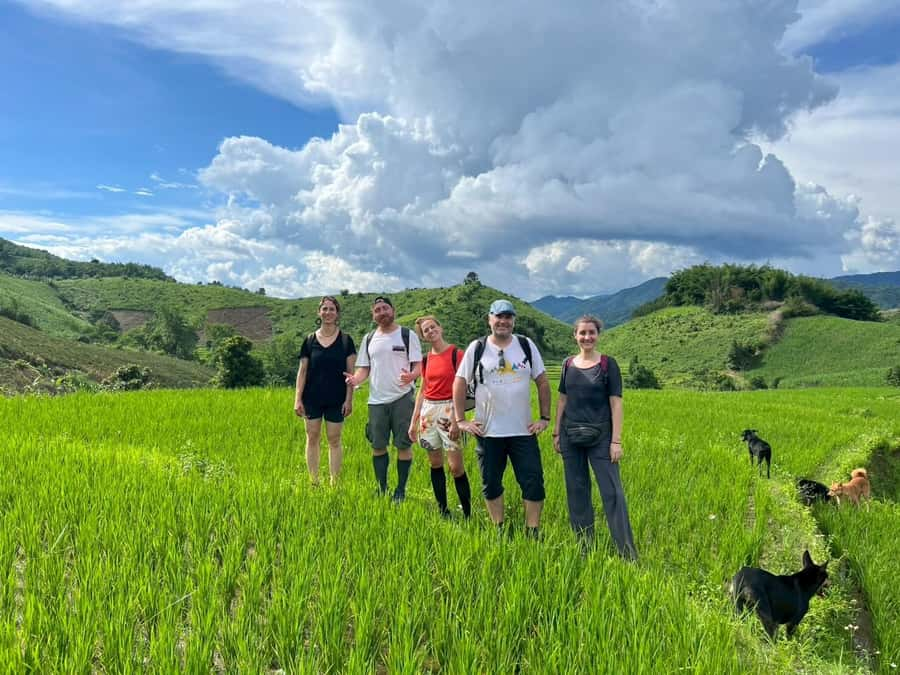
Pickup begins at 9:00 a.m. from hotels or the company office within three kilometers of downtown Chiang Rai. The included transfer keeps the morning simple, and you return to the same meeting point at the end of the day.
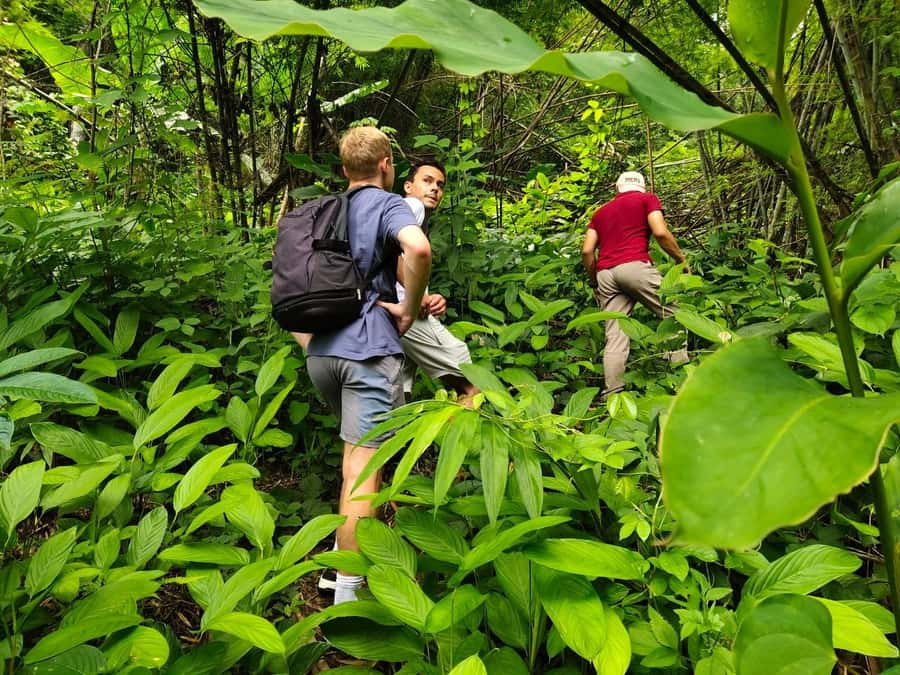
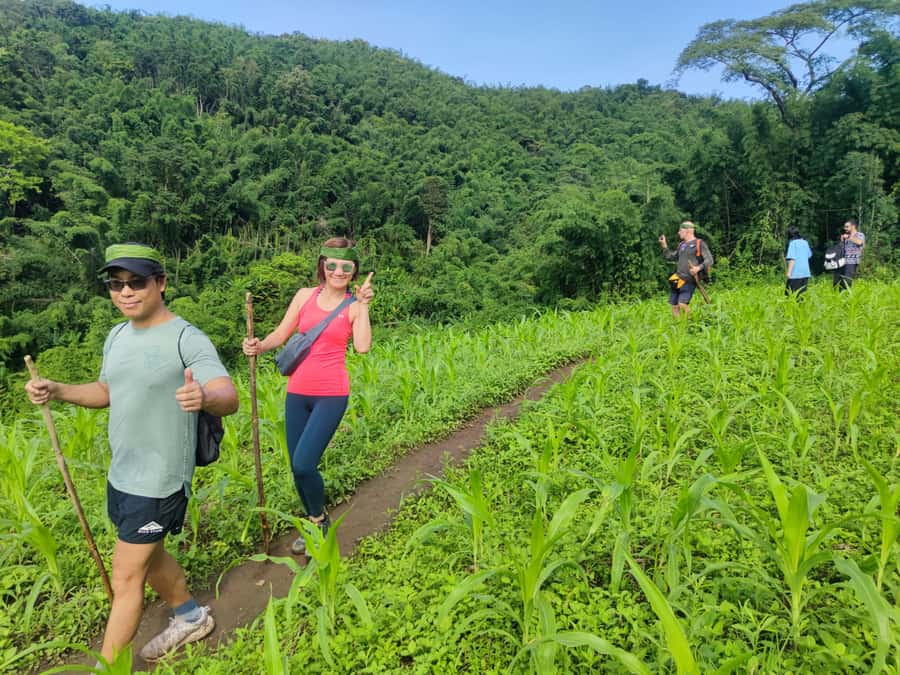
The hike begins around Pa Soert Hot Spring and heads into a mix of natural and cultivated terrain. You may walk beside farmland and rice fields before entering thicker bamboo forest. This variety is one of the trip’s strengths. The scenery keeps changing, so the walk feels like a journey through daily rural life rather than a single forest path.
Your guide may point out bamboo, lemongrass, fruit, and other plants along the way. Several guides also make useful objects as they walk, including chopsticks, cups, spoons, walking sticks, rings, and small souvenirs. These details give the trek a hands-on feel without turning it into a formal craft class.
The trail can be uneven. You may cross small rivers or climb rocky slopes, so sports shoes alone may not be enough if conditions are wet. Grippy hiking shoes are the safer choice, and long trousers or other clothing that protects your skin can help with scratches, insects, and brush.
Villages, farmland, and local life
The route includes visits to Lahu, Akha, and China Village areas. The value here is not a staged cultural performance. You are moving through places where people live and work, with the guide explaining aspects of local life, farming, plants, and the different communities connected to the hills.
The amount of interaction can vary. You may see village homes, farmland, or people going about their day, and there can be brief, friendly encounters along the way. One group came across villagers sharing food and was offered papaya salad. That kind of moment cannot be scheduled, but it shows why a walking route can feel more personal than a quick roadside stop.
Keep your expectations grounded. This is not a long cultural lecture or a dedicated village homestay. The main activity remains hiking, with local life forming an important part of the route. The guide’s explanations and relationships with people in the area add context, but you should approach the villages respectfully and avoid treating them as scenery.
The guides are one of the strongest parts of the experience. Wat is often praised for his humor and plant knowledge, while James is frequently associated with the cooking. Mo and Sammy are also named as engaging guides. Staff can change, so you should not book on the assumption that one specific person will lead your group, but the team’s style appears to be friendly, playful, and involved.
Bamboo forest skills that become lunch
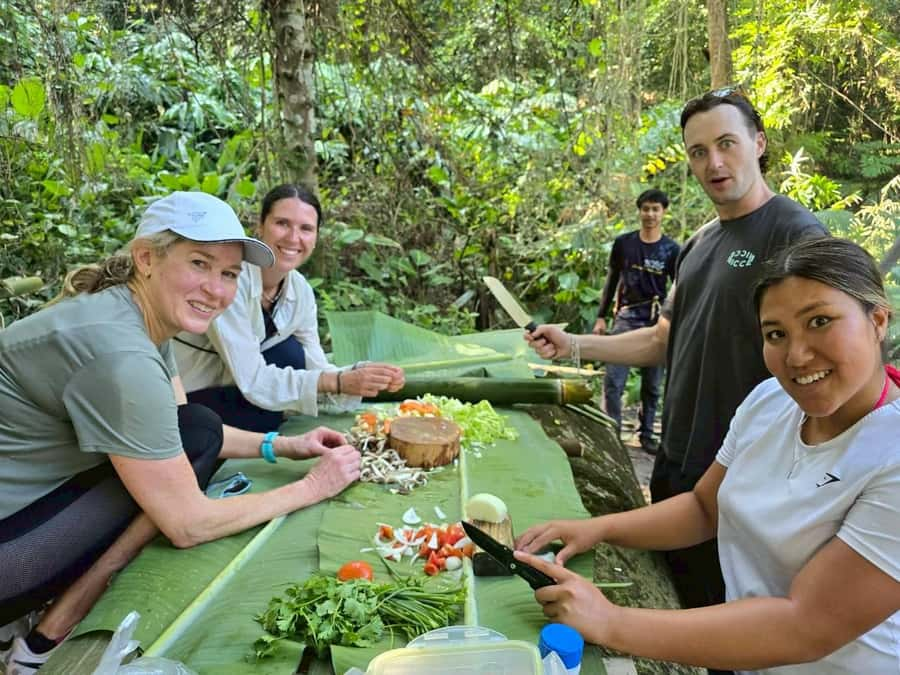
The bamboo cooking stop is more than a meal break. It is the central activity of the day, and it gives the trek a clear purpose.
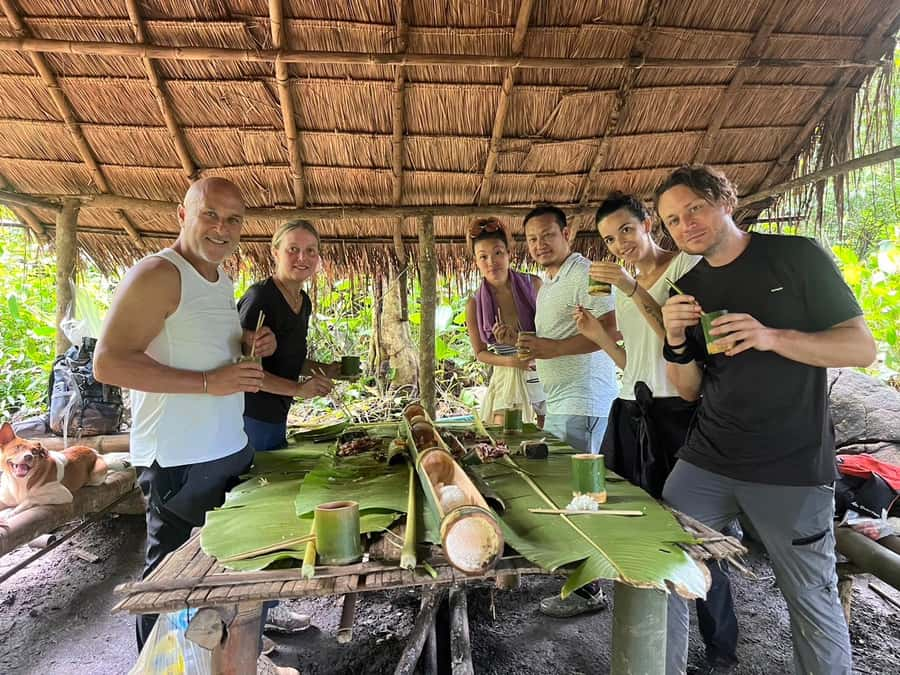
The guide and cooking team prepare food using bamboo and an open fire. Bamboo can serve as a cooking vessel, while banana leaves may become plates. Chopsticks, spoons, cups, and other tools are made by hand. You may help with parts of the preparation, though the guide team does most of the actual cooking.
That distinction matters. If you expect a structured cooking lesson in which you prepare every dish yourself, this may feel limited. If you want to see how a simple meal can be put together with local materials, it is much more rewarding.
The food is generally described as tasty, simple, and filling. Banana soup has made a particular impression, and local liquor may also be offered. Dietary needs should be shared with Gift, the tour contact, before the trip. The included lunch is a useful part of the $80 price, especially since you are eating in a remote setting rather than stopping at a restaurant.
The meal also provides a proper rest during a demanding walk. After several hours on uneven ground, sitting down to eat in the hills is not a small luxury. It gives you time to cool down, enjoy the view, and recover before the final part of the route.
One practical note: bamboo cooking may not be possible in very damp conditions. During wet weather, the team may serve lunch in another setting, including a guide’s family home. The food can still be good, but the signature cooking demonstration depends on dry enough conditions for the fire and preparation.
Same mountains, a different route up:
- 3-in-1: Doi Inthanon Tour, Elephant Sanctuary, and Trekking Trail
★ 5.0 · 1,087 reviews - Chiang Mai: Doi Inthanon Trip with Pha Dok Siew Guided Trek
★ 4.6 · 910 reviews - Chiang Mai: Doi Inthanon Park with Kew Mae Pan Hike Day Trip
★ 4.7 · 841 reviews - Chiang Mai: Doi Inthanon Park and Pha Dok Siew Trail Trek
★ 4.6 · 752 reviews
The waterfall stop is your reward
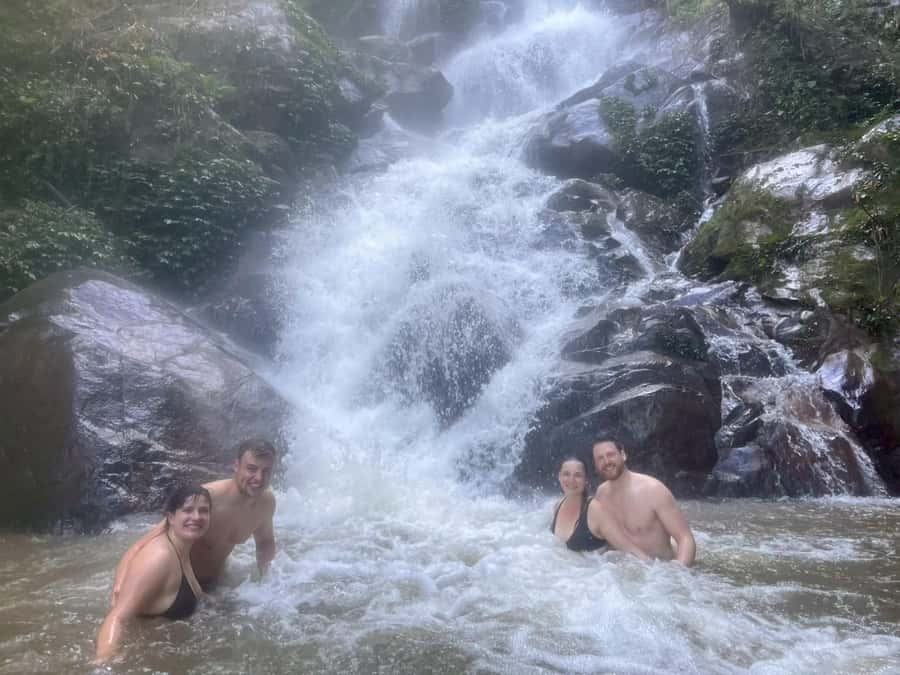
The waterfall comes after much of the walking, which makes the swim feel well timed. The water is described as cold but refreshing, and you will appreciate it more after climbing hills in the heat.
Bring swimwear and a towel. The tour information specifically recommends a swimming kit, and this is not the place to rely on a last-minute purchase. You may also want a dry bag or another way to protect your phone and valuables, though no dry storage is specifically promised.
The waterfall is a natural stop, not a polished pool. Conditions can change with rain, and the ground may be wet or slippery. Take care around rocks and follow the guide’s instructions. If you do not want to swim, the stop still gives you a chance to cool off and enjoy the setting.
Hot springs at the end of the day
The final stop is a hot spring, where you can soak in mineral water after the trek. This is a smart ending. A warm soak feels particularly welcome after several hours of walking, especially if the route has been muddy or steep.
Admission is not included. The stated cost is 100 THB for adults and 40 THB for children. Keep some Thai baht available, since the $80 tour price does not cover this charge.
Do not confuse the hot spring visit with the waterfall swim. They serve different purposes. The waterfall offers a cold, active break in the middle or later part of the day, while the hot spring is for sitting still and easing off before the ride back to Chiang Rai.
How difficult is the 10 to 12 kilometer route?
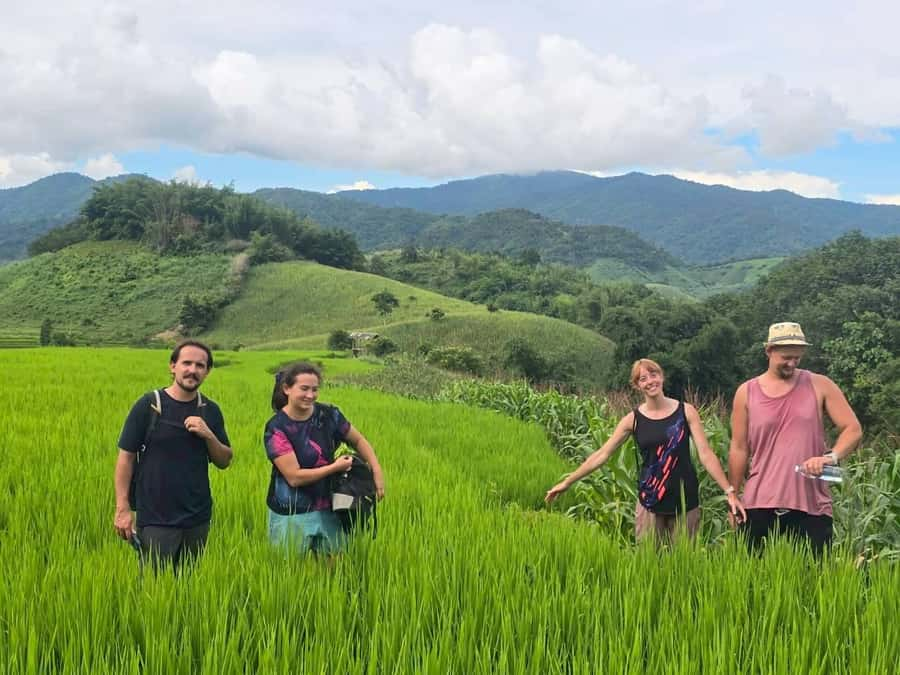
This is the most important question to answer honestly. The total distance is about 10 to 12 kilometers, with roughly five hours of walking. Some sections are described as easy enough for reasonably fit adults, while others involve sharp climbs, stones, mud, and slippery ground.
The difference between a comfortable day and a punishing one will depend on your fitness, the heat, and recent rain. A regular walker in their 50s may find it strenuous but manageable. A group of older pensioners found the uphill, stony parts very challenging. Another participant described the route as moderate to high intensity and not suitable for complete beginners.
You do not need to be an athlete, but you should be comfortable walking for several hours outdoors. The guides make frequent stops, check on the group, and allow time for photos and rests. That helps, but breaks do not remove the hills.
Wear hiking shoes with good grip, sportswear, and hiking trousers. Long clothing can protect against insects and scratches. Use sunscreen and insect repellent, and keep applying both during the day. Bring snacks, even though lunch is included, and carry plenty of water. One important safety point from the experience: roughly two liters per person is a sensible target for hot conditions, and you should drink regularly rather than waiting until you feel thirsty.
The tour includes one complimentary bottle of water, but that may not be enough for a full day in the jungle. Plan to bring more.
Weather changes the character of the trip
In dry conditions, the route should be easier to manage, though it remains active and warm. In rainy-season weather, mud can turn parts of the trail into a slippery scramble. You may come home dirty, which is part of the adventure, but it is worth preparing for.
Wear shoes you trust on wet ground. Avoid smooth soles and anything you would be upset to cover in mud. Pack a towel, spare clothes, and a waterproof layer for your belongings.
The open-backed vehicle used for part of the transport may not protect you fully from rain. One wet-weather experience included a rainy ride back, with passengers exposed to the downpour. The company provides transport, but you should not assume an enclosed, weatherproof vehicle in every condition.
Is the $80 price fair?
For an active full-day outing, $80 per person is reasonable if you value a small-group guide, transport, lunch, travel insurance, and several different stops. You are not paying only for a marked trail. The price covers a guide team, transfers within central Chiang Rai, the bamboo meal, water, and a full day of supervision in rural terrain.
The value is strongest if you want several experiences in one day: hiking, village visits, plant information, craft work, bamboo cooking, a waterfall, and a hot spring. Booking separate transport and meals for all of these stops would take more planning.
The price is less attractive if you mainly want a short nature walk or a relaxed hot spring visit. You will spend much of the day walking, and the hot spring admission costs extra. Families should also note the separate admission price for children, listed as 40 THB, while adults pay 100 THB.
Free cancellation up to 24 hours before the start and the option to reserve now and pay later make the booking less rigid. The tour is conducted in English, and pickup is included within three kilometers of central Chiang Rai.
Who should book this Chiang Rai trek?
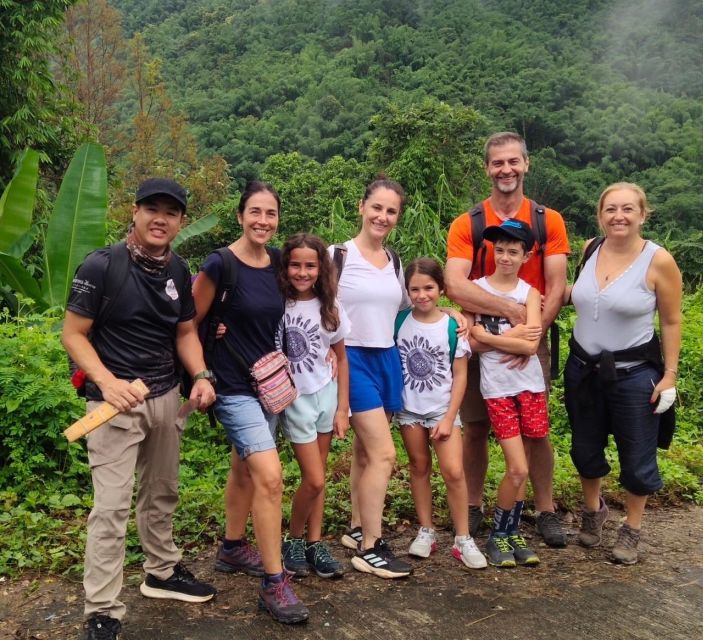
I would recommend it to active couples, solo visitors, families with older children, and small groups who want time outdoors rather than another temple circuit. It suits people who enjoy simple food, local scenery, practical demonstrations, and guides who joke with the group.
It can also work well for older adults who walk regularly, provided they understand that the route has strenuous sections. The guides may take special care with children, but the distance and terrain still mean that very young children may find the day tiring.
I would not choose it if you are pregnant, have back problems, use a wheelchair, or are looking for an easy sightseeing day. The activity is not suitable for wheelchair users, pregnant women, or people with back problems, and the uneven route makes that restriction practical rather than fussy.
What to pack for a comfortable day
Keep your packing simple but useful:
- Hiking shoes with strong grip
- Sportswear and long hiking trousers
- Swimwear and a towel
- Sunscreen and insect repellent
- Snacks
- Extra drinking water
- A way to protect electronics from rain and splashes
- Dry clothes for the ride back
You may receive a handmade bamboo item during the day, such as chopsticks, a cup, a ring, or a small walking aid. Leave a little room in your bag for these small keepsakes.
Should you book it?
Book this trip if you want a demanding but varied day in the Chiang Rai countryside. The combination of village paths, bamboo craft, jungle cooking, waterfall swimming, and hot springs gives you far more than a standard hike.
Skip it if your idea of a holiday day means gentle walking, air-conditioned transport, and no mud. The route is long, the hills can be tough, and rain can make the trail slick.
For the right person, this is a strong use of one day in Chiang Rai. Bring serious shoes, more water than the included bottle, swimwear, and a good attitude toward dirt. The reward is a day that feels active, social, and closely tied to the countryside around the city.
FAQ
How long does the Chiang Rai jungle trek take?
The walking portion takes about five hours, with a total distance of approximately 10 to 12 kilometers. The activity lasts one full day, including transport, stops, lunch, the waterfall, and hot spring visit.
What time does hotel pickup begin?
Pickup begins promptly at 9:00 a.m. from hotels or meeting points within three kilometers of downtown Chiang Rai.
Is transportation included?
Yes. Transportation to and from downtown Chiang Rai within three kilometers is included, and you return to the same meeting point at the end of the day.
Is lunch included?
Yes. A bamboo cooking lunch is included, along with one complimentary bottle of water. The meal may include food cooked in bamboo and handmade utensils.
Do I need to bring swimwear?
Yes. Bring swimwear and a towel for the waterfall stop. The waterfall water can be cold but refreshing after the hike.
How much does the hot spring admission cost?
The hot spring admission is not included. The stated price is 100 THB for adults and 40 THB for children.
Is the trek suitable for beginners?
The route is not recommended for absolute beginners. It includes around 10 to 12 kilometers of walking, steep and stony sections, and possible mud or slippery ground. Reasonably fit adults should be better prepared for it.
What language is the tour conducted in?
The live tour guide service is provided in English.
Can I cancel the booking?
You can cancel up to 24 hours in advance for a full refund. The activity also offers a reserve now and pay later option.
More Cooking Classes around Thailand
- Santorini: Cooking Class and Easy Hike
★ 5.0 · 11 reviews
Recently reviewed hikes in Thailand
- Akha & Lahu village trekking 1 day★ 4.8 · 18 reviews
- 1 Day trekking : Chiang Rai popular activity,Fun in Nature.★ 4.8 · 18 reviews
- Chiang Mai: Whitewater Rafting and Waterfall Trekking Tour★ 4.9 · 58 reviews
- Chiang Mai ATV & White Water Rafting & Trekking to Waterfall★ 4.7 · 84 reviews
- Chiang Mai Untouched Elephant: Nature Walk & Waterfall Trek★ 4.7 · 77 reviews
- Chiang Mai: 2-Days Jungle Trek, Waterfalls and Karen Village★ 4.8 · 103 reviews
- Chiang Mai: Hike on Monk’s Trail and Doi Suthep Private Tour★ 4.8 · 22 reviews
- Khao Sok: Private Day Trekking, Jungle Dinner & Night Safari★ 4.7 · 206 reviews
Forest & Jungle Hikes, compared.
Small Group Waterfall and Rainforest Hiking Adventure on Maui
Read our review →
Hike El Yunque Rainforest and Kayak Bio Bay Combo Tour
Read our review →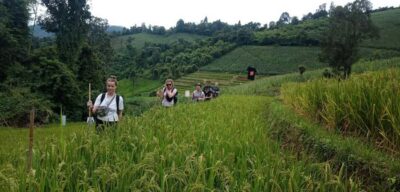
Chiang Mai: 2-Day Jungle Trek with Elephant Farm & Raft Ride
Read our review →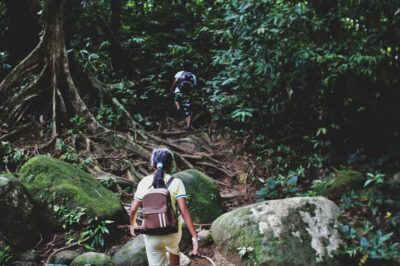
From Khao Lak: Khao Sok Jungle Hike & River Tour
Read our review →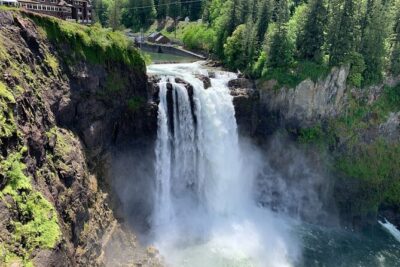
Guided forest hike to Seattle waterfalls incl. Snoqualmie Falls
Read our review →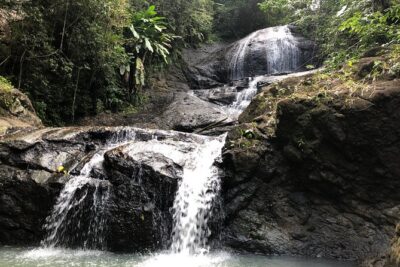
Mt. Rainier highlights – old forest, falls and glaciers
Read our review →
Ketchikan Electric Bike and Rain Forest Hike Ecotour
Read our review →Other lists this hike appears in