
Review · GUATEMALA
From Antigua: 2-Day Acatenango Volcano Hiking with Guide
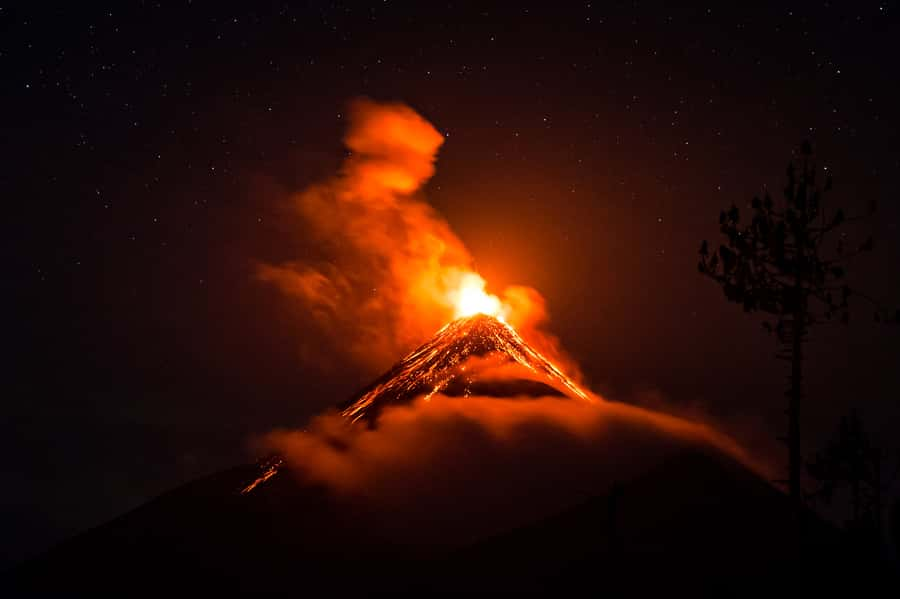
Acatenango is the kind of volcano hike where the reward keeps changing. First come farms and forest, then black volcanic ground, then a cold camp with Volcán de Fuego throwing fire across the valley. At 4 a.m., you can climb higher for sunrise over Guatemala’s volcanoes and, on a clear day, the Pacific.
I like the strong value here: for $53, you get transport, three meals, 3 liters of water, a sleeping bag, mattress, jacket, hat, gloves, and local guides. I also like the patient guiding. Abner, Marcelo, Felipe, Carlos, and Edgar are praised for keeping a steady pace and helping tired hikers.
The catch is simple: this is a hard, cold hike, not a casual overnight walk. Pickups may run late, the cabins are basic, and the supplied layers may not be warm enough for a subzero night. Bring your own insulation and arrive ready to work.
Key points at a glance
- Five-hour ascent through three distinct zones: Walk from farmland into cloud forest and then across steep volcanic terrain.
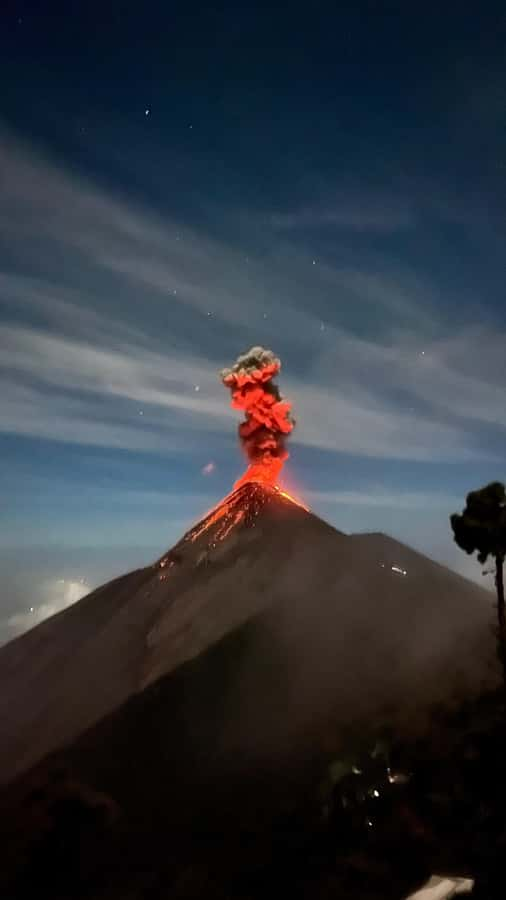
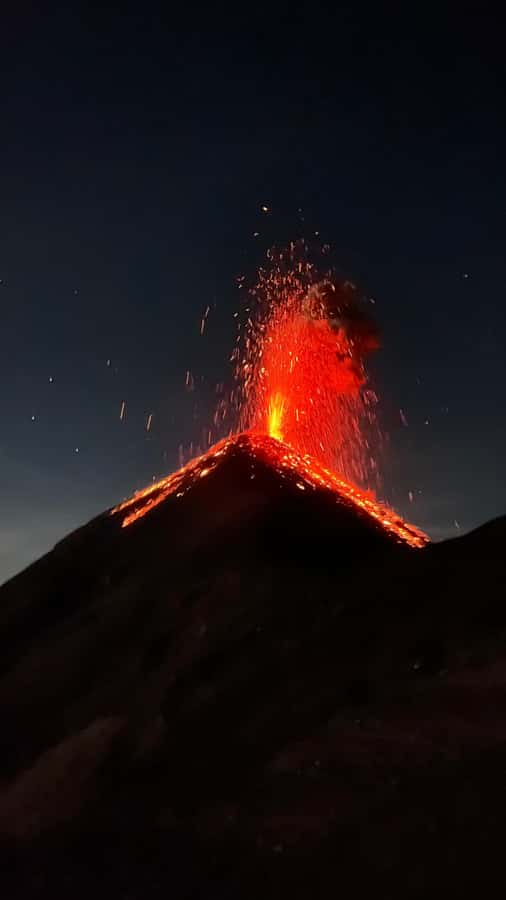
- Fuego erupts across the valley: From camp, you may watch glowing bursts through the evening and night.
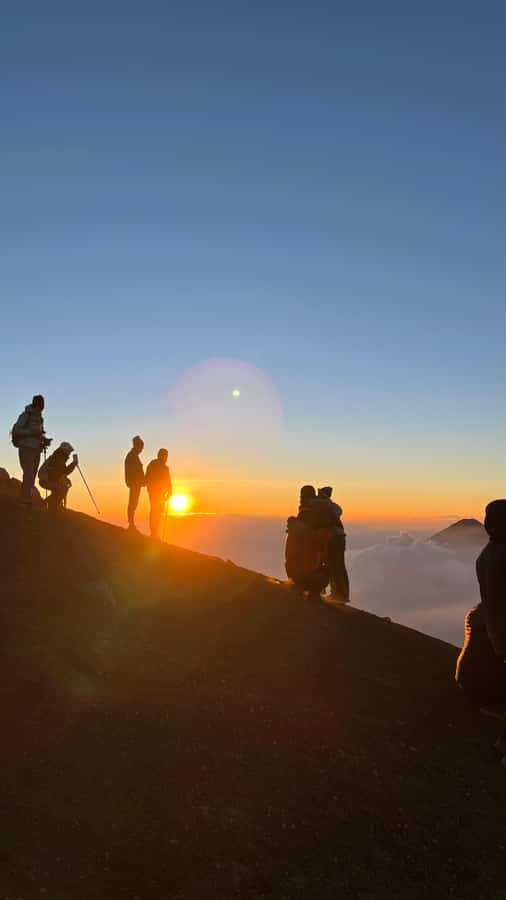
- 4 a.m. summit option: The sunrise climb is optional, but it provides the best wide view from Acatenango.
- Spanish-speaking local guides: The guiding teams are patient and used to managing mixed fitness levels, though English communication is not guaranteed.
- Very good base price: The $53 fee covers transport, food, water, camp equipment, and warm layers, but you still need Q100 for entrance.
- Plan for real cold: Bring thermal layers, spare socks, gloves, a hat, and a rain shell even if Antigua feels warm.
Why Acatenango is worth the effort
The appeal is not simply reaching a summit. Acatenango gives you a front-row view of Fuego, one of Guatemala’s active volcanoes. You camp across the valley from its eruptions, so the main event continues after the hiking day is over.
That changes the rhythm of the trip. You work hard for several hours, reach camp in the late afternoon, and then spend the evening watching the sky and volcano change color. The view is not guaranteed, since cloud and rain can block it, but clear conditions can bring repeated eruptions, sunset light, stars, and glowing volcanic bursts.
You also get a quick lesson in Guatemala’s highland culture through the significance of the backstrap loom for weaving. The supplied information does not give a separate timetable for this part, so ask your guide when it takes place. It is a useful reminder that the journey is about more than a summit photograph.
More Volcano Hikes in the world:
- Bali: Sunrise Mount Batur Guided Hike with Breakfast
★ 4.8 · 9,660 reviews - Bali: Mount Batur Sunrise Guided Hike and Natural Hot Spring
★ 4.8 · 9,284 reviews - Mount Etna: Summit Guided Hiking Tour up to 3,400 m
★ 4.8 · 4,792 reviews
Leaving Antigua and reaching La Soledad
The meeting point is the Barco Expeditions office in Antigua. Pickup is scheduled between 8:30 and 9 a.m., with hotel pickup and drop-off included according to the tour details. In practice, you should allow extra time. Departures have been delayed, sometimes by close to an hour, and the minivan may stop at a supply station before reaching the trailhead.
That stop is practical rather than scenic. You collect the included food and 3-liter bottle of water, plus a jacket, cap, and gloves if you need them. Backpacks and flashlights may be rented there, but bringing your own is cheaper and lets you choose gear you already trust.
The route continues to La Soledad Village, near the trailhead. You can store luggage there for Q15 per piece, rent a walking pole for Q15, or rent a backpack for Q50. A 45 to 55-liter pack is recommended if you are carrying your own gear, but keep it as light as possible. Every extra item becomes noticeable on the steep sections.
The entrance fee is Q100 and is not included in the advertised price. Bring cash for this, drinks, snacks, and any optional equipment. The tour price looks low because several costs are covered, but the real total rises if you need a pack, pole, extra food, or the Fuego add-on.
The five-hour climb through changing terrain
At La Soledad, you meet the guide team, receive a safety briefing, and review the day’s plan. The hike takes about five hours, though the total time can vary with pickup delays, group pace, stops, and weather.
The opening section crosses farmland. This is a useful warm-up, but do not mistake it for an easy walk. The route becomes steep, and carrying 3 liters of water adds weight before you even account for clothing and food.
Higher up, the trail enters cloud forest. The trees provide a dramatic change from the open fields, and the ground can be wet or slippery. Good hiking shoes or boots matter here. Running shoes with little grip are a poor choice, especially on the descent.
The final terrain is more exposed and volcanic. Progress can feel slow at altitude, and headaches or lightheadedness are possible. The group normally stops often for water and recovery, with guides waiting for slower hikers. That is a major safety benefit, although fitter hikers may find the pauses frustrating.
I would treat the five-hour estimate as a minimum planning guide, not a race target. The point is to arrive safely with enough energy for the cold night and the early summit walk.
Base camp, dinner, and Fuego after dark
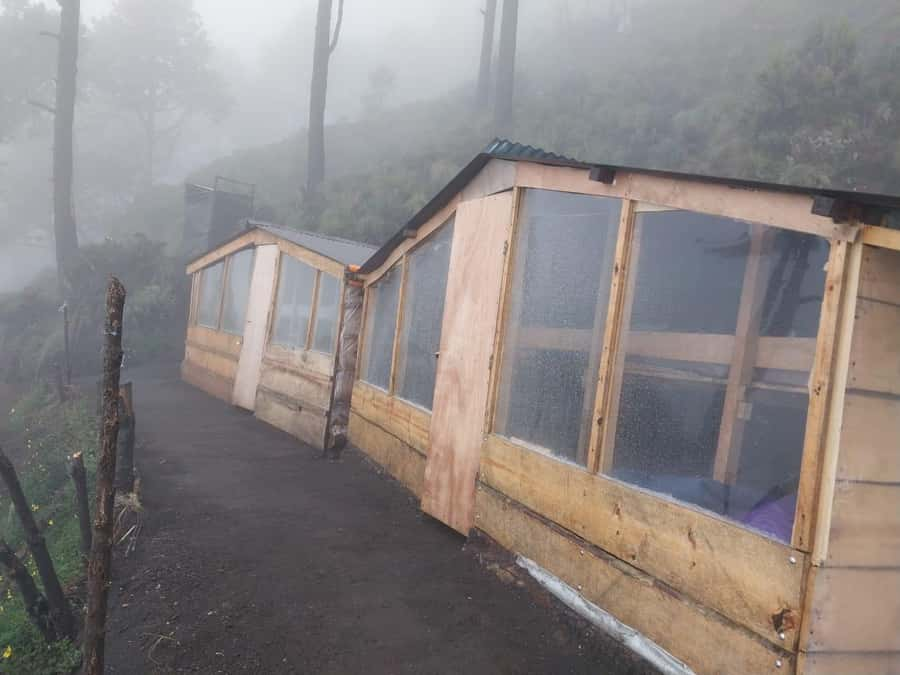
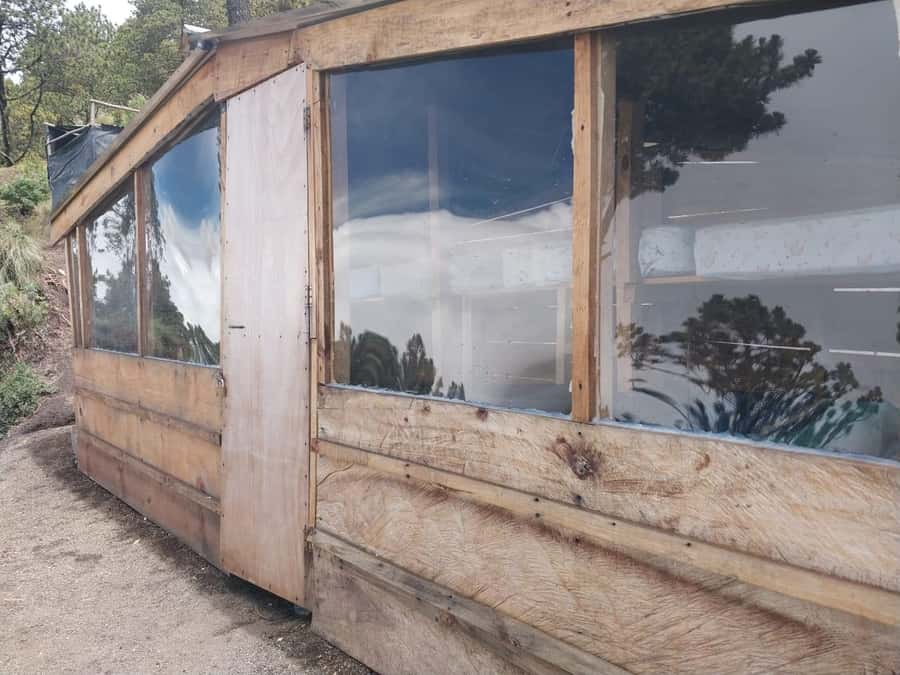
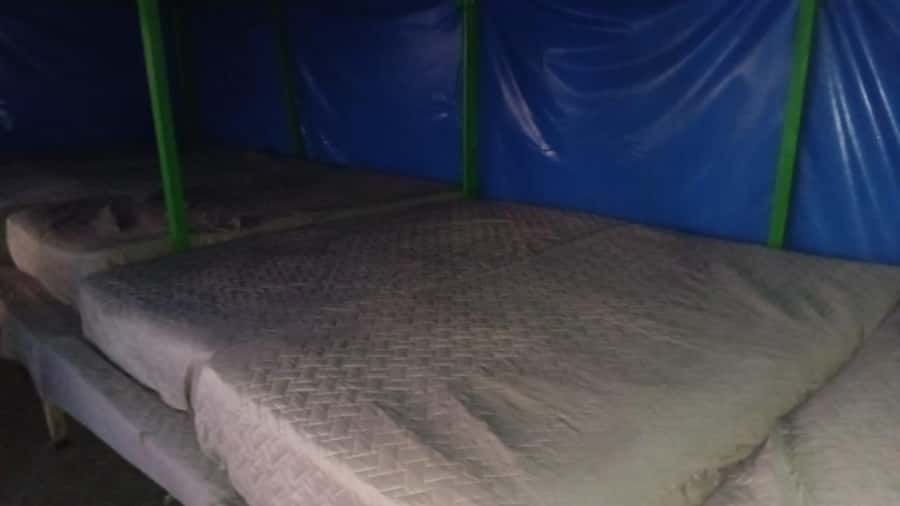
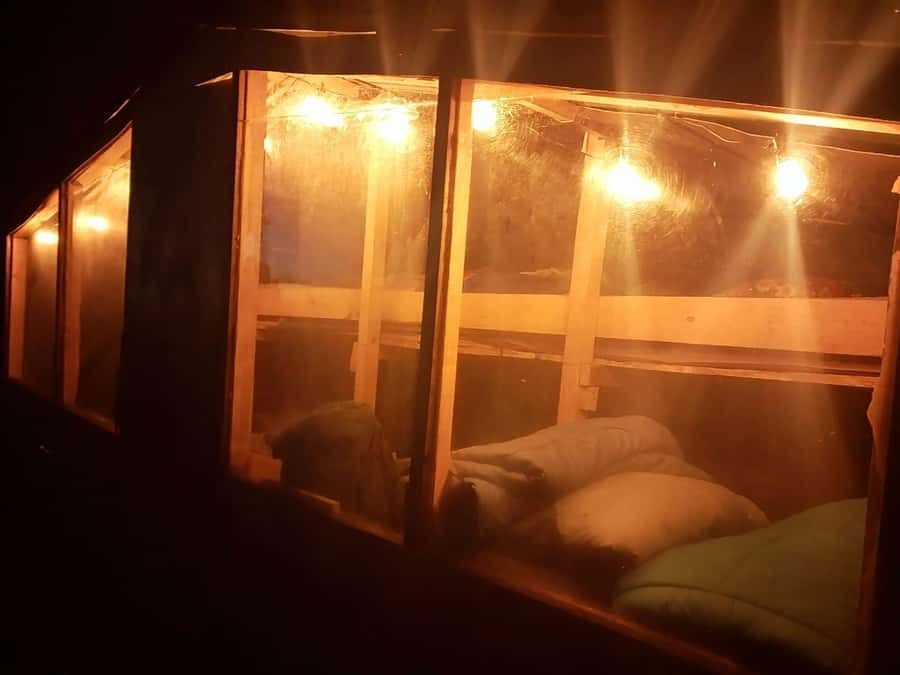
By late afternoon or early evening, you reach the camp near Acatenango’s summit. The accommodation is rustic. You sleep in a shared cabin with a mattress, bed, and zero-degree sleeping bag. The supplied details give two different cabin capacities, one listing a maximum of 10 people and another saying up to 18 passengers, so confirm the current arrangement before booking if personal space matters to you.
The cabins may have beds raised off the floor, which helps reduce the cold. Some sleeping areas have a window or a view toward Fuego, letting you watch eruptions without standing outside every time. Still, this is camping at altitude, not a mountain hotel. Expect close quarters, basic facilities, and limited comfort.
Dinner is included, along with coffee, tea, or hot chocolate. Vegetarian, vegan, and gluten-free meals are available. The food has been described as adequate to good, but tastes vary and some hikers found the portions or menu uninspiring. Bring compact snacks such as nuts, energy bars, or dried fruit. Do not depend on buying food along the route.
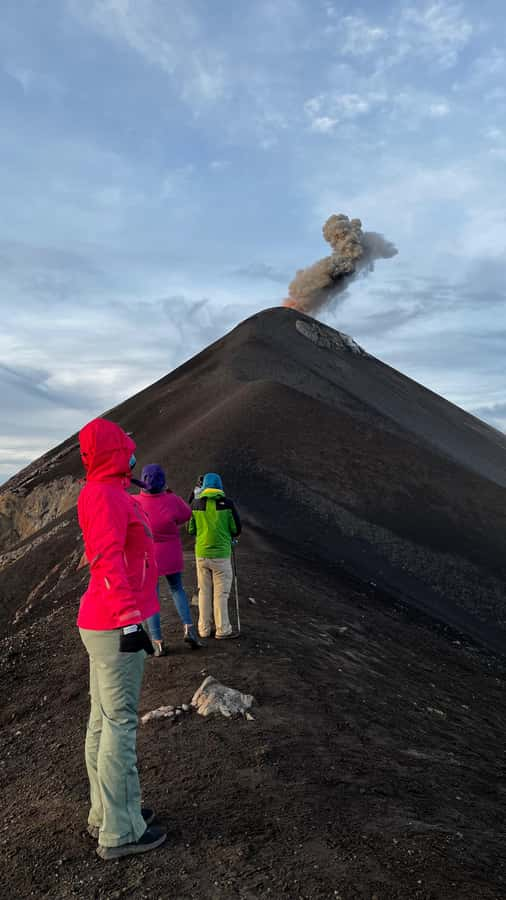
The night is the reason many people accept the difficult climb. From camp, you may see Fuego erupt repeatedly across the valley. The sound, glow, and sudden bursts make the cold easier to tolerate, though not easy. Several hikers found the provided sleeping bag, jacket, and gloves too thin, so pack thermal underwear, a fleece, a warm hat, and dry socks. A small pillow or inflatable pillow is also worth carrying.
More Two-Day Trips in the world:
- From Antigua: Adventure, 2-Day Hiking to Acatenango Volcano
★ 4.4 · 1,189 reviews - Mt Toubkal Ascent Express Trek 2 Days 1 Nights
★ 4.7 · 962 reviews - Chiang Mai: 2-Day Jungle Trek with Elephant Farm & Raft Ride
★ 4.7 · 881 reviews - Marrakesh: 2-Day Mt. Toubkal Trek with 1-Night Stay & Meals
★ 4.7 · 795 reviews
The optional Fuego hike needs careful thought
On Day 1, you can pay Q200 for an extra hike toward Fuego. It takes about three hours round trip and adds a demanding climb after the main ascent.
This option is for strong hikers who arrive early, feel well at altitude, and still have energy. It is not a must. You already have a view of Fuego from camp, and the added walk can leave you exhausted before dinner and the 4 a.m. start.
The schedule can also make the add-on awkward. If the morning starts late, there may be little rest between arriving at camp and setting out again. Ask the guide about current timing before paying. You should also carry a flashlight or headlamp, since returning in darkness without one is uncomfortable and potentially unsafe.
The 4 a.m. summit and sunrise
The optional summit hike begins around 4 a.m. The trail is dark, cold, and steep, so a headlamp is essential. Flashlights may be rented, but bringing your own is more reliable and usually cheaper.
The climb to the top is short compared with the previous day, but altitude and cold make it feel serious. You will want your warmest layers, gloves, and a rain shell. Keep your camera protected from moisture and carry spare socks in a waterproof bag.
At the summit, Acatenango opens into a broad highland view. You may see neighboring volcanoes, deep valleys, and, in clear weather, the Pacific Ocean. The sunrise is the trip’s second great reward after Fuego. Clouds can hide the panorama, but even a partial break in the weather can create striking light over the peaks.
One practical point deserves attention: the group system may be less consistent during this early hike than during the main ascent. Stay close to your guide and group, and do not set off alone in the dark. If you feel sick, cold, dizzy, or short of breath, tell the guide at once rather than treating the summit as a test of will.
Breakfast and the long descent
After returning to camp, you eat breakfast, pack your sleeping bag, and begin the descent. The menu may include oatmeal and banana, with hot chocolate or another warm drink.
Going down is easier on the lungs but tough on knees and ankles. Loose volcanic material can make the trail slippery, and tired legs increase the chance of a fall. Trekking poles help, and the Q15 rental in La Soledad is reasonable if you do not own one.
The descent follows the same broad route through volcanic ground, cloud forest, and farmland. By late morning or early afternoon, you should reach the trailhead, then board shared transport back to Antigua. Return delays are possible, so avoid scheduling a flight or an important connection immediately afterward.
What the $53 price really covers
At $53 per person, this is unusually strong value if you already own basic hiking gear. The fee includes:
- Hotel pickup and drop-off
- Round-trip shared transportation
- A Spanish-speaking local guide
- Day 1 lunch and dinner
- Day 2 breakfast
- A 3-liter bottle of water
- Shared cabin accommodation
- Mattress and zero-degree sleeping bag
- Jacket, cap, and gloves
- Coffee, tea, or hot chocolate
- Vegetarian, vegan, and gluten-free meal choices
You still pay Q100 for the entrance fee. The Fuego hike costs another Q200, and drinks such as soda, beer, or liquor cost extra. A backpack, walking pole, luggage storage, porter, or horse support also costs extra. Porter hire is listed at Q250, while one-way horse support is listed at US $100.
The best value comes from using your own pack, headlamp, warm clothing, and snacks. The tour supplies useful basics, but the included jacket and gloves may not be enough for the coldest night.
Who should book this hike
You should book if you want a demanding physical challenge, an active volcano view, and a basic overnight camp rather than a polished hotel experience. It suits hikers who can manage steep terrain for several hours and remain comfortable with shared sleeping space.
It is not suitable for children under 10, people over 70, anyone over 140 kilograms, or people with back, heart, respiratory, kidney, diabetic, or epilepsy-related conditions. Those restrictions are important because this is a high-altitude exertion, not simply a sightseeing walk.
I would also give yourself an extra day in Antigua before the hike if your schedule allows. Arriving rested and better adjusted can make the climb more manageable. You do not need to be an elite athlete, but basic stair training, hill walking, or regular cardio will help.
The guides are one of the strongest parts of the experience. Teams led by people such as Marcelo, Abner, Felipe, Carlos, and Edgar have been praised for waiting, encouraging tired hikers, starting fires, and responding when someone develops altitude sickness. The guiding language is Spanish, so English support is not assured even if you book expecting it.
What to pack for the cold and dark
Bring warm clothing even during Guatemala’s sunny season. A useful minimum includes long pants, thermal layers, a fleece or insulated jacket, a waterproof shell, gloves, a warm hat, and spare socks.
You also need sturdy hiking shoes, sunglasses, sunscreen, biodegradable insect repellent, toiletries, snacks, cash, and a waterproof bag. Add a headlamp, not just a phone flashlight. Pack water beyond the included 3 liters only if you know you need it, since the bottle itself is heavy.
Alcohol, drugs, smoking, pets, and open-toed shoes are not allowed. The tour can provide a sleeping bag and outer layers, but your own warm clothing remains the safer choice.
Should you book the Acatenango trek?
Book it if seeing Fuego erupt from a mountain camp sounds worth five hard hours uphill, a cold shared cabin, and a pre-dawn summit walk. The combination of active volcano views, sunrise, local guides, meals, and transport is hard to match at $53.
Skip it if you want flexible timing, private accommodation, dependable English guiding, or a gentle outdoor outing. Also skip the Fuego add-on unless you arrive early, feel strong, and understand the extra cost and effort.
For the best chance of enjoying it, carry warm layers, a headlamp, snacks, cash, and shoes with real grip. Accept that the schedule may run late and the cabin will be basic. Then Acatenango can deliver one of Guatemala’s most memorable nights without costing a fortune.
FAQ
Where does the Acatenango tour begin?
Pickup is at the Barco Expeditions office in Antigua. The scheduled pickup window is between 8:30 and 9 a.m., with hotel pickup and drop-off included according to the tour details.
How long is the hike to base camp?
The ascent takes approximately five hours. The actual arrival time can vary because of group pace, rest stops, weather, and delays before reaching the trailhead.
Is the hike suitable for beginners?
The hike is challenging and steep, but the group walks at a steady pace with regular breaks. You should have suitable hiking shoes and enough fitness for several hours of uphill walking.
Is the sunrise hike included?
The 4 a.m. hike to the Acatenango summit is optional and takes place on Day 2. The tour includes the overnight stay, but you should bring or rent a flashlight or headlamp for the dark start.
How much does the optional Fuego hike cost?
The extra hike toward Fuego costs Q200 per person and takes about three hours round trip. You confirm participation directly with the local guide.
Are food and water included?
Day 1 lunch and dinner, Day 2 breakfast, drinks such as coffee, tea, or hot chocolate, and one 3-liter bottle of water are included. Vegetarian, vegan, and gluten-free options are available.
What extra costs should I plan for?
The entrance fee is Q100. You may also pay for drinks, luggage storage at Q15 per piece, a walking pole at Q15, a backpack at Q50, porter hire at Q250, or one-way horse support at US $100.
Recently reviewed hikes in the world
- Arequipa: 2-day Colca Canyon Trekking, Ending in Puno★ 4.8 · 8 reviews
- Asheville: Yoga on a Mountain Hike★ 4.7 · 7 reviews
- Arctic hike on Kvaløya Island with drinks and snacks★ 5.0 · 8 reviews
- Arctic Wilderness Hike from Rovaniemi (Day & Evening)★ 4.7 · 12 reviews
- Antelope Valley: Ligai Si Anii Canyon Hiking Tour★ 4.9 · 13 reviews
- Antigua: 2-Day Acatenango Volcano Hike w/Local Guide & Meals★ 4.3 · 43 reviews
- Delphi: Easy Hike on Ancient Path through the Olive Groves★ 5.0 · 9 reviews
- Antalya: Hiking in Termessos Ancient City★ 5.0 · 152 reviews
Volcano Hikes, compared.
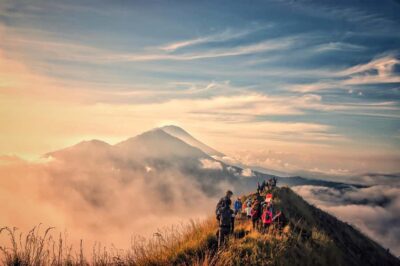
Bali: Sunrise Mount Batur Guided Hike with Breakfast
Read our review →
Bali: Mount Batur Sunrise Guided Hike and Natural Hot Spring
Read our review →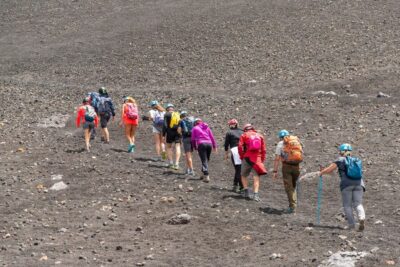
Mount Etna: Summit Guided Hiking Tour up to 3,400 m
Read our review →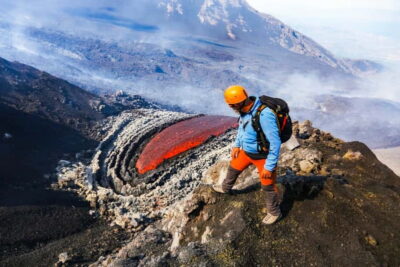
Mount Etna: Trek to 3000m with cable car and 4×4
Read our review →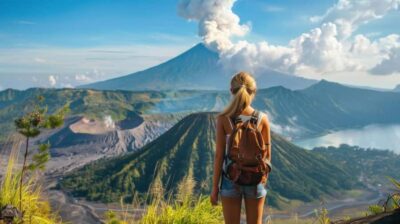
Bali: Mount Batur Sunrise Trek With Guide and Breakfast
Read our review →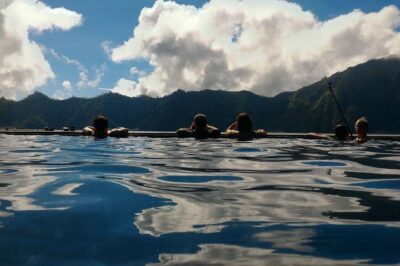
Mount Batur Sunrise Hike and Natural Hot Spring Option
Read our review →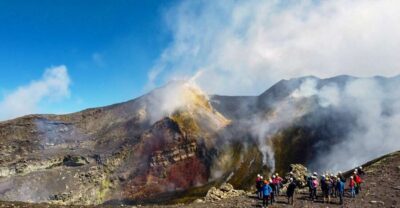
Mount Etna: Summit Crater Trek with Cable Car
Read our review →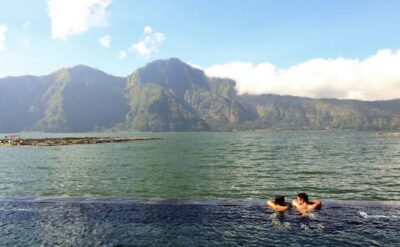
Other lists this hike appears in