
Review · WORLDWIDE
From Sharm: Mount Moses Trekking, Sunrise & Monastery Visit
Mount Sinai is at its best before dawn, when the trail is lit by stars and the first sun reaches the desert peaks. This 17-hour pilgrimage-style trip pairs a demanding night climb with St. Catherine’s Monastery, one of Christianity’s oldest working monasteries.
I like the steady support from the Bedouin guides and the chance to watch sunrise from 2,285 meters. I also like the strong value at $50 per person, which covers transport, guides, hotel pickup, and water. The catch is the long night, crowded transport, rough trail, and cold wait at the summit.
Key points to know before booking
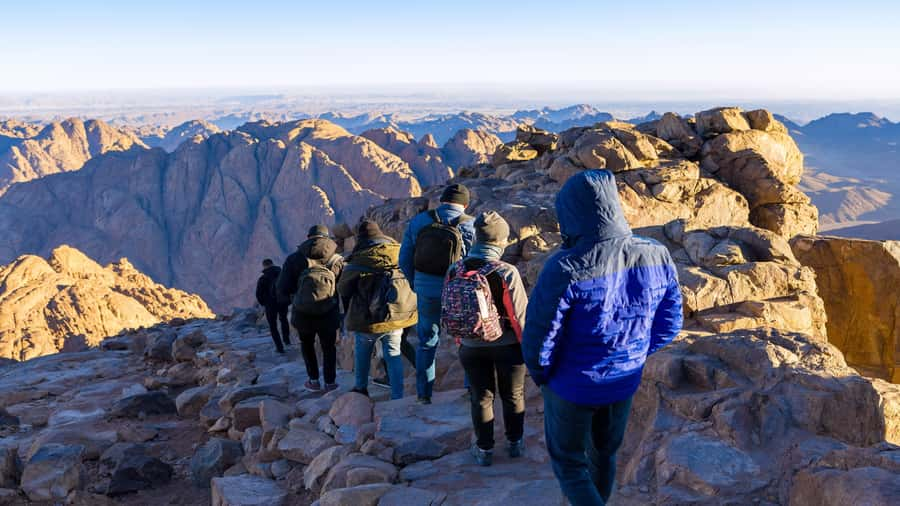
- The climb takes roughly two to three hours up, followed by about two hours down, with the final 750 steps being the steepest section.
- Sunrise can be below freezing and windy, even when Sharm feels warm. Bring gloves, a hat, and several layers.
- Bedouin guides take over for the mountain trek, while the Egyptologist guide handles the broader tour and monastery visit.
- The trail has basic toilets, small refreshment stops, camel traffic, and uneven stones, so hiking shoes and a torch matter.
- St. Catherine’s Monastery may feel rushed after the climb, but its church, manuscripts, icons, and burning bush site add real historical weight.
- Pickup is at your hotel’s main gate by the highway, not necessarily at reception, and security checks can extend the journey.
Why the sunrise climb is worth the lost night
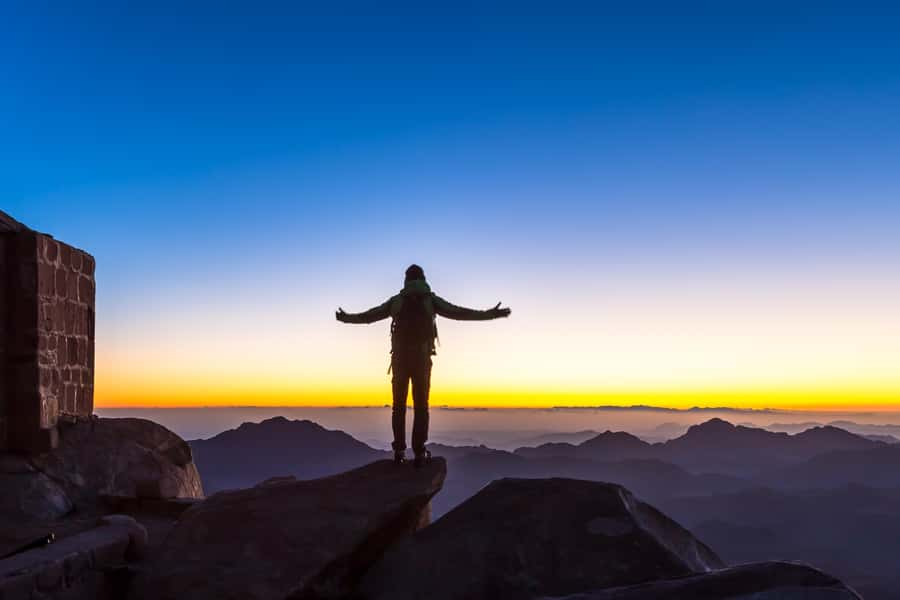
The central appeal is simple: you walk through Sinai in darkness, then watch the sun spread across bare mountain ridges from the summit associated with Moses and the Ten Commandments. The experience has a physical side, but it also feels like a small pilgrimage. You are not just ticking off a viewpoint. You are climbing to a place held sacred by Judaism, Christianity, and Islam.
The night start makes the heat easier to handle, especially outside winter. It also gives you stars, silence in quieter stretches, and a slow change from black rock to copper-colored peaks. The trail is not quiet all the way. Groups gather, camels pass, and voices carry in the dark. Still, the approach to the summit has a special mood that a daytime hike would not provide.
You should know what you are signing up for. This is not a gentle walk with a short lookout at the end. The total walking distance is about 15 to 16 kilometers according to the practical route details, with the uphill section taking around two to three hours. The climb begins at roughly 1,300 meters and reaches about 2,285 meters.
The tour is not suitable for children under 14, pregnant women, wheelchair users, or people with shortness of breath or bone pain. If you have a medical concern, do not rely on the slow group pace as a substitute for medical advice.
More Sunrise Hikes in the world:
- Bali: Sunrise Mount Batur Guided Hike with Breakfast
★ 4.8 · 9,660 reviews - Bali: Mount Batur Sunrise Guided Hike and Natural Hot Spring
★ 4.8 · 9,284 reviews - Funchal: Pico do Arieiro Sunrise Hiking Transfer
★ 4.8 · 4,021 reviews
Leaving Sharm between 8 and 9 PM
Pickup usually takes place between 8:00 and 9:00 PM, though the exact time can arrive late and may change. Be ready at the main gate of your hotel on the highway, not inside the reception area. This detail matters, since a driver may not come looking through the lobby.
The first part of the night can be untidy. You may be collected in a small minibus, transferred to a larger coach, and wait while other hotels are added. Some departures run smoothly, while others lose time during multiple pickups. One practical complaint has been crowded seating, including uncomfortable folding seats in the aisle, so pack lightly and keep your essentials close.
The drive to Mount Sinai takes about four hours in each direction, though the full return trip can stretch because of security checkpoints. The vehicle is air-conditioned, and water is included. You should also expect a long day with little or no proper sleep, so consider resting before pickup rather than planning a busy day in Sharm.
The group can be fairly large. That affects the pace, stops, and time spent boarding. On the positive side, guides have handled English, Russian, and Arabic groups, and several guides have been praised for keeping people calm and together. Names reported from different departures include Ashrof, Ibrahim, Ali, and Amr, but your guide will depend on the date and language group.
The first trail: seven kilometers under torchlight
At the mountain, the Egyptologist guide may explain the religious setting and general plan, then the Bedouin guide leads the actual ascent. The provider says the guide from the main tour is available only to the base camp, so do not expect the same person to walk every step with you.
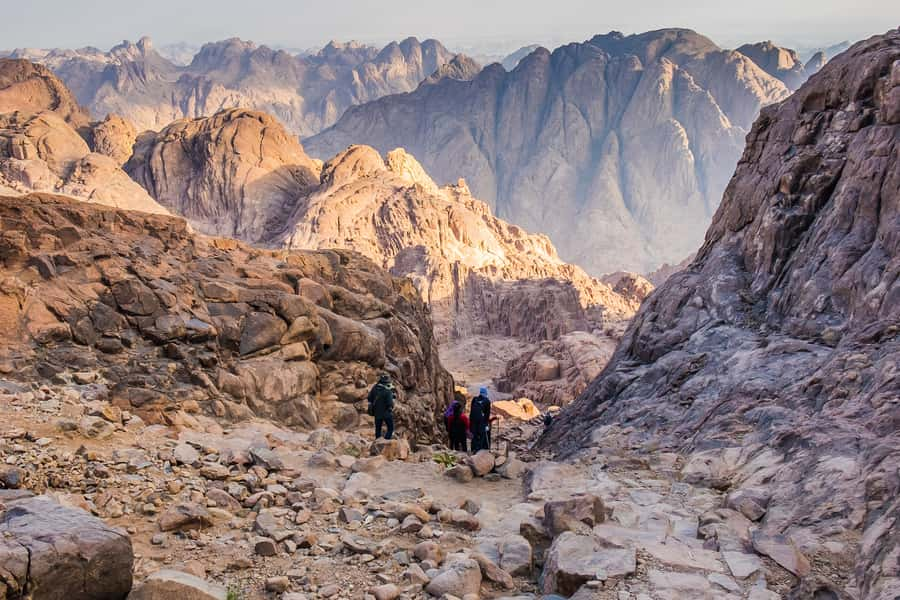
The first stretch is a steep, uneven path of roughly seven kilometers. It is not technical climbing, but loose stones, darkness, and camel droppings make each step worth watching. A phone light can work, but a proper torch or headlamp is far more useful because you need both hands free on rough sections.
The pace varies by group and guide. The route normally includes regular rest stops, and you may find small stalls selling hot drinks, water, snacks, and extra clothing. Toilets are basic and usually cost a small amount, often around 5 to 20 Egyptian pounds according to the practical advice from recent departures. Bring tissues.
Camels may be offered on the lower part of the ascent, up to the final 750 steps. You cannot ride a camel up those steps, and you must walk the steepest section and the descent unless you arrange otherwise. The operator does not recommend the camel option, though it can help if you have respiratory difficulty or cannot maintain the pace. Prices have varied, with one reported fare of 650 Egyptian pounds and another around $25, so confirm the cost before climbing aboard.
Some groups move quickly, especially if the guides want to reach the summit early. You can ask for a slower pace, but this is still a group tour, not a private hike. Stay honest about your energy. Arriving later is better than turning a meaningful outing into a medical problem.
The final 750 steps are the real test
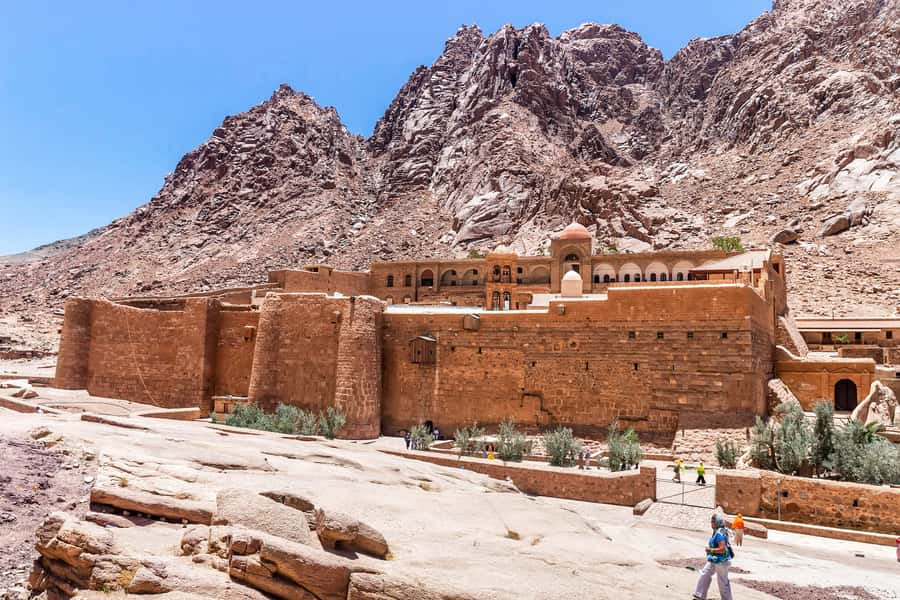
The last 750 steps are not neat stairs. They are irregular rocks and uneven stone steps, often steep and awkward. This short section can feel harder than the long lower trail because you are tired, cold, and walking uphill after a night on the road.
Take your time here. Hold your torch low enough to see the next step, keep water accessible, and do not let a faster group set your pace. The Bedouin guides are there to assist, and many departures include frequent pauses. You may also find simple cafés and toilet stops before the summit.
A useful trick is to carry only what you need in a small daypack. You need warm clothing, water, food, a passport, tissues, and a light, but not a heavy travel bag. Your hotel may prepare a breakfast box, but it must be pre-ordered and collected before departure. Do not assume the tour will provide a full meal during the night.
More Mountain and Summit Hikes in the world:
- Berber villages : Atlas Mountains Day Hike from Marrakech
★ 5.0 · 14,007 reviews - From Marrakech: Atlas Mountains Full-Day Hiking Trip w Lunch
★ 4.8 · 7,417 reviews - Mount Etna: Summit Guided Hiking Tour up to 3,400 m
★ 4.8 · 4,792 reviews - From Tirana: Bovilla Lake & Gamti Mountain Hiking Day Trip
★ 4.9 · 4,397 reviews
Waiting in the cold for sunrise
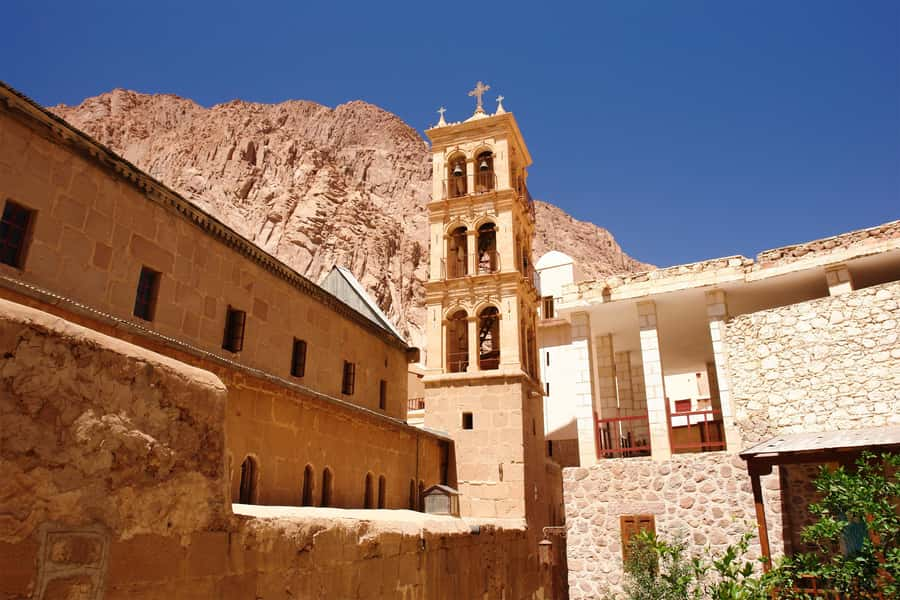
The guides often aim to reach the summit well before sunrise, sometimes one to two hours early and occasionally longer. This gives you a better chance of finding a viewing place, but it also means standing or sitting in the wind while your body cools down.
Winter conditions can be severe. A temperature around minus 2 degrees Celsius has been recorded at the top, and other practical warnings put possible winter nights as low as minus 5 to minus 10 degrees. You need more than a light sweater. Pack thermal layers if you have them, plus a fleece or down jacket, windproof outer layer, wool socks, gloves, and a hat.
Blankets can be rented near the top, with one reported price of about 200 Egyptian pounds. A blanket is not essential for everyone, but it can make the wait much more comfortable. You may also buy hot tea or coffee, though prices at mountain stalls can be high. Carry small Egyptian pound notes, euros, or US dollars. Torn dollar notes may not be accepted.
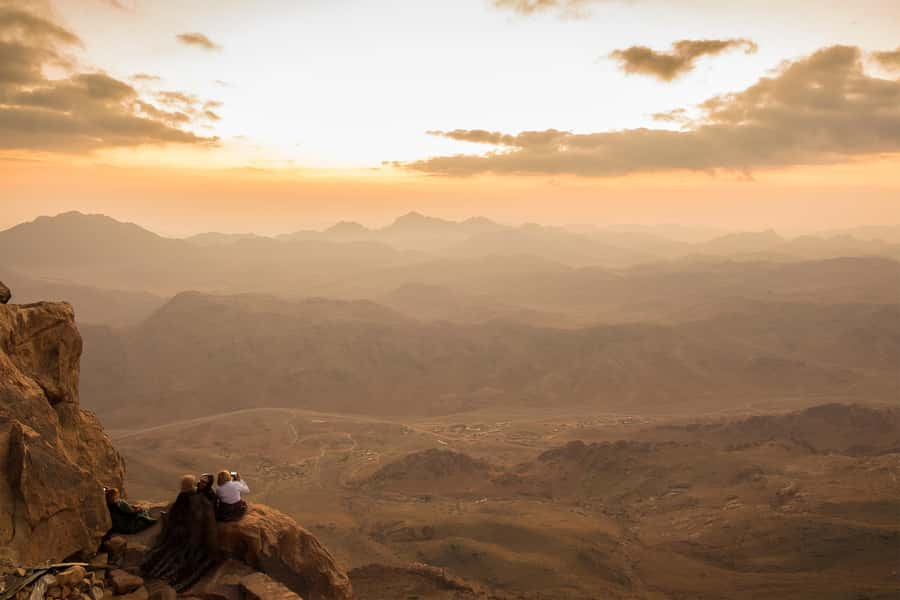
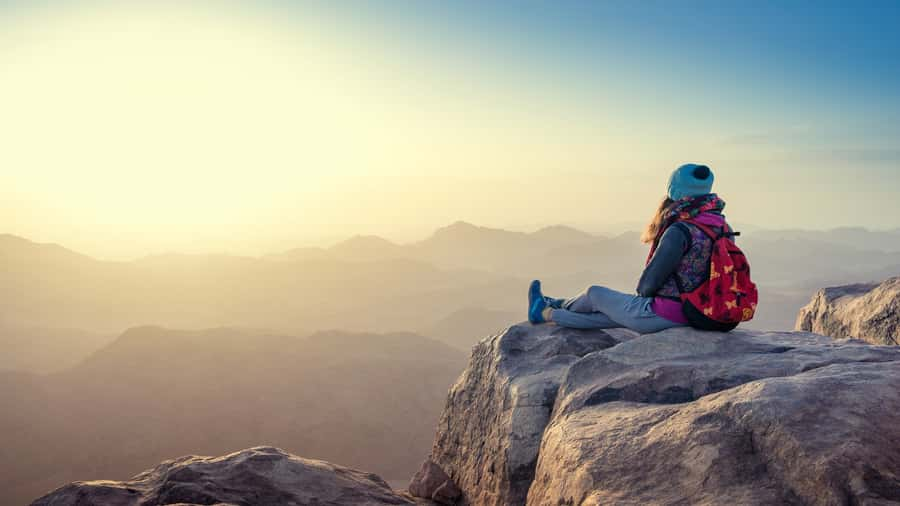
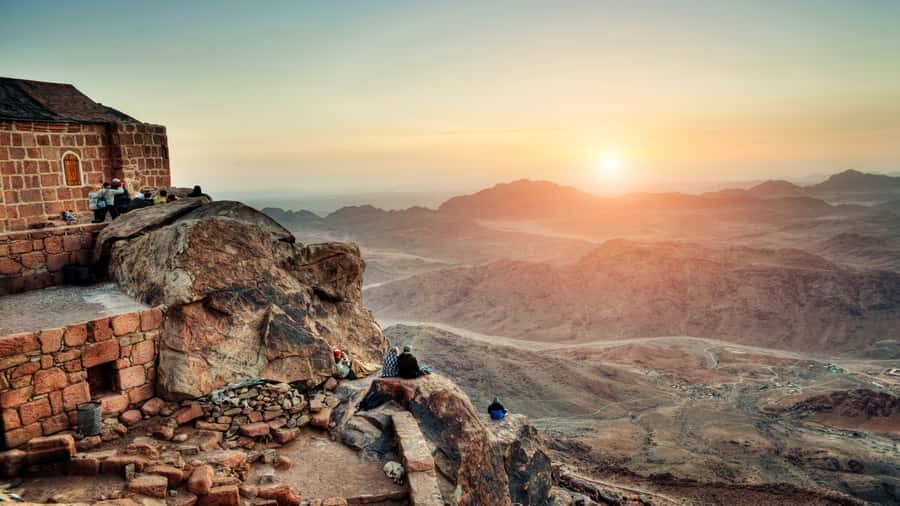
The sunrise itself is the payoff. As light reaches the surrounding valleys and ridges, the view opens slowly rather than all at once. You can take photographs, pray, or simply sit quietly. The broad view is the reason many people consider the hard climb worthwhile, but keep your expectations practical. The summit can be crowded, and the experience is shared with other groups.
The descent is easier but still demanding
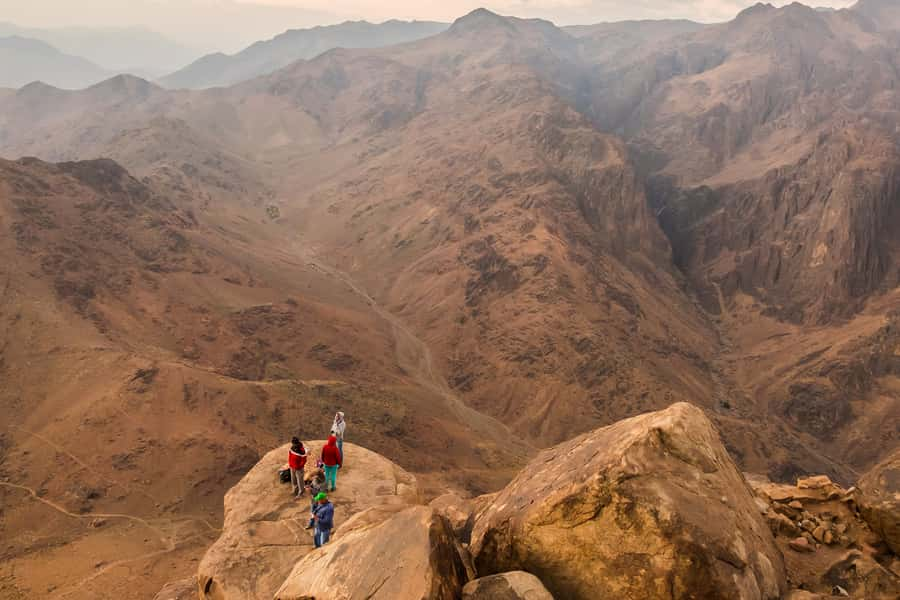
After sunrise, you return by foot. The descent usually takes about two hours, though tired legs and crowded sections can slow you down. It is easier on your breathing, but the uneven rocks can be hard on knees and ankles.
Use your shoes carefully. Running shoes may be enough for some fit hikers, but sturdy hiking shoes give better grip and support. Flip-flops are a poor choice. The route can be dusty and dirty, with camel traffic and rough surfaces throughout.
The social side of the descent can be less comfortable. You may meet children asking for money or trying to sell items along the path. Carrying small change is useful for toilets and drinks, but you should decide in advance how you want to respond.
Once back at the base, you get a chance to rest and eat breakfast. This pause matters, since the monastery visit comes after a physically demanding night. Some people still have enough energy to explore. Others may find themselves sitting outside and skipping the interior visit.
St. Catherine’s Monastery after the climb
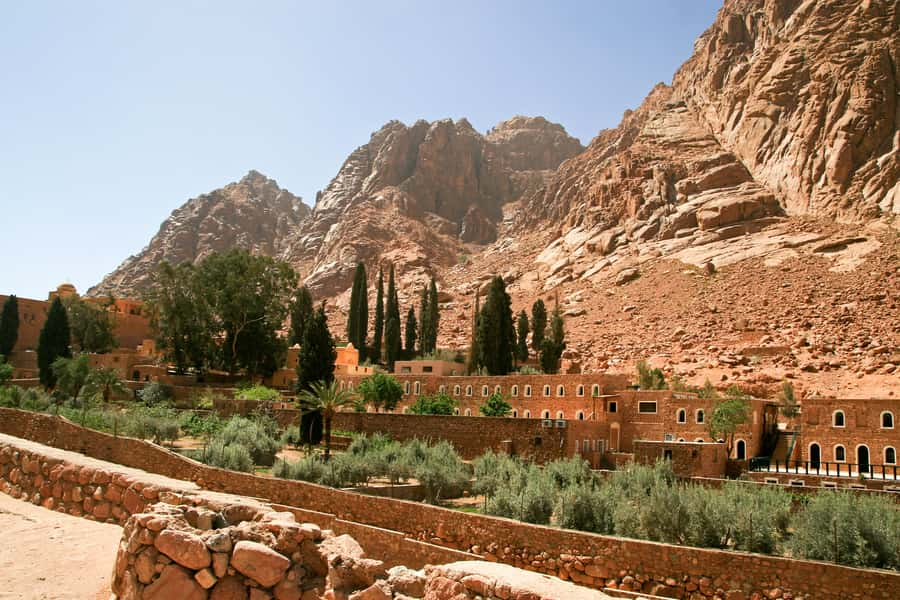
St. Catherine’s Monastery is a UNESCO World Heritage Site and the oldest functioning Christian monastery in the world, according to the tour information. Its setting gives the visit meaning beyond the buildings themselves. This is the place associated with the burning bush, and the sixth-century church beside it is a key stop.
Inside, the visit can include old manuscripts in the library and icons displayed in the museum. The collections give you a glimpse of the monastery’s long religious life and make the stop worthwhile even if you are not visiting for faith reasons.
The main drawback is time. The monastery portion may be short, and some departures have had to hurry to meet the return schedule and security arrangements. After climbing all night, you may also struggle to concentrate on a long historical explanation. I would prefer a concise introduction followed by quiet time to look around, but the balance depends on the guide and the day.
Check the opening schedule before booking. The monastery is closed on Sundays and on listed Christian holidays, and holiday dates can vary. A sunrise trek followed by a closed monastery would leave you with only the mountain portion, so this detail is worth confirming.
Is $50 good value?
At $50 per person, the tour offers strong value if you want transport from Sharm, a guided mountain climb, a Bedouin mountain escort, water, an Egyptologist guide, and the monastery visit in one long day. Organizing the same transport and route independently would be difficult, especially with the night departure, checkpoints, and restricted religious site.
The price does not cover extra drinks, personal spending, toilets, blankets, camel rides, or food. Water is included, but I would still carry more, particularly in warmer months. Snacks and hot drinks along the route can also cost more than expected.
The value drops if you mainly want a relaxed cultural tour. Much of the day is spent in vehicles, and the monastery can feel rushed after the climb. You are paying for access to a demanding sunrise experience, not comfort or generous free time.
Free cancellation up to 24 hours before departure and reserve-now, pay-later booking make the commitment easier, but the physical commitment remains real. Do not book simply because the price looks low.
What to pack for Mount Moses
Pack for two climates: a cool or warm drive from Sharm and a cold, windy summit.
- Passport
- Hiking shoes with good grip
- Torch or headlamp, preferably with spare batteries
- Warm layers, including a jacket, hat, and gloves
- Comfortable clothes
- Water and food
- Hotel-prepared breakfast box
- Tissues and small cash
- A light daypack
- Phone and power bank for photos and navigation backup
Wear layers rather than one heavy coat. You will warm up on the ascent, then cool down quickly while waiting at the top. A windproof outer layer is especially useful.
Who should book this experience?
I would recommend it to fit adults who want a physically demanding, spiritually important day and who accept basic conditions. It suits people who enjoy walking, dramatic sunrise views, and historic religious sites more than those seeking a polished sightseeing coach tour.
It is a good choice if Mount Sinai is a personal or religious priority. It is also one of the more meaningful day trips from Sharm because the mountain, the night sky, the Bedouin guidance, and the monastery belong to the same story.
I would hesitate if you have breathing trouble, joint pain, limited stamina, or difficulty sleeping on transport. I would also think twice if you need a roomy coach, a quiet schedule, or a long monastery visit. For everyone else, the hard parts are clear from the start, and the sunrise can justify the sore legs and lost night.
Should you book this Mount Sinai tour?
Book it if you want the full Mount Sinai experience without arranging complicated overnight transport yourself. The strongest parts are the summit sunrise, the Bedouin support, the religious setting, and the low price.
Skip it if you are not prepared for 15 to 16 kilometers of rough walking, freezing summit conditions, crowded transport, and a short monastery visit. Go with good shoes, serious warm clothing, a torch, food, and realistic expectations. With that preparation, this can be one of the most memorable days you spend in Sinai.
FAQ
How long does the Mount Sinai tour take?
The tour lasts about 16 to 17 hours, including hotel pickup and return. Security checkpoints and extra hotel pickups can extend the day.
What time is pickup from Sharm?
Pickup is normally between 8:00 and 9:00 PM. You should wait at the main gate of your hotel by the highway, not at reception.
How long does the climb to Mount Sinai take?
The ascent usually takes about two to three hours, depending on the pace and fitness of the group. The descent takes about two hours.
How high is the summit?
The summit is about 2,285 meters above sea level. The route includes a final section of roughly 750 uneven steps.
Is the hike suitable for beginners?
It can be managed by people with a reasonable level of fitness, but it is demanding. The uneven trail, steep final steps, night schedule, and cold summit make it unsuitable for people with shortness of breath, bone pain, or limited stamina.
Can I ride a camel during the climb?
A camel may be available on the first part of the ascent, up to the final 750 steps. You must walk the final steps and the trek back down. The activity provider does not recommend using a camel.
What should I wear?
Bring warm layers, a jacket, hiking shoes, comfortable clothes, gloves, and a hat. The summit can be below freezing and windy, even when the lower route feels warmer.
Is food included?
Water is included, but extra drinks, personal expenses, and food are not. You should pre-order a breakfast box from your hotel and collect it before departure.
When is St. Catherine’s Monastery closed?
The monastery is closed on Sundays and on listed Christian holidays. Dates may change, so check availability before booking.
What languages are available?
Live guides are available in English, Russian, and Arabic. The main tour guide and the Bedouin mountain guide may be different people.
More Early-Start Trips around the world
- Bali: Mount Batur Sunrise Trek With Guide and Breakfast
★ 4.8 · 3,461 reviews - Mount Batur Sunrise Hike and Natural Hot Spring Option
★ 5.0 · 1,927 reviews - Mount Batur Sunrise Hike with Breakfast
★ 5.0 · 1,757 reviews - Pico Do Arieiro Pico Ruivo Sunrise or Morning Hike Transfers
★ 4.8 · 1,169 reviews
Recently reviewed hikes in the world
- Asheville: Yoga on a Mountain Hike★ 4.7 · 7 reviews
- Arequipa: 2-day Colca Canyon Trekking, Ending in Puno★ 4.8 · 8 reviews
- Arctic hike on Kvaløya Island with drinks and snacks★ 5.0 · 8 reviews
- Arctic Wilderness Hike from Rovaniemi (Day & Evening)★ 4.7 · 12 reviews
- Antelope Valley: Ligai Si Anii Canyon Hiking Tour★ 4.9 · 13 reviews
- Antigua: 2-Day Acatenango Volcano Hike w/Local Guide & Meals★ 4.3 · 43 reviews
- Delphi: Easy Hike on Ancient Path through the Olive Groves★ 5.0 · 9 reviews
- Antalya: Hiking in Termessos Ancient City★ 5.0 · 152 reviews
Sunrise Hikes, compared.
Bali: Sunrise Mount Batur Guided Hike with Breakfast
Read our review →
Bali: Mount Batur Sunrise Guided Hike and Natural Hot Spring
Read our review →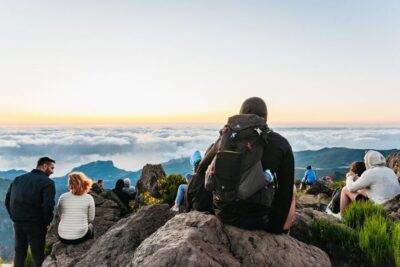
Funchal: Pico do Arieiro Sunrise Hiking Transfer
Read our review →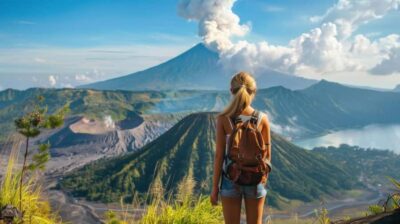
Bali: Mount Batur Sunrise Trek With Guide and Breakfast
Read our review →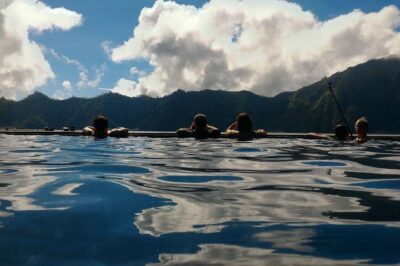
Mount Batur Sunrise Hike and Natural Hot Spring Option
Read our review →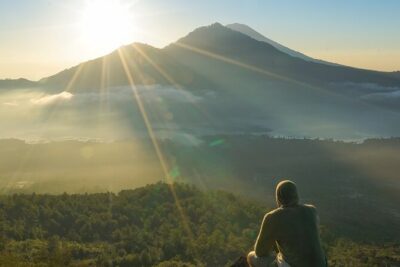
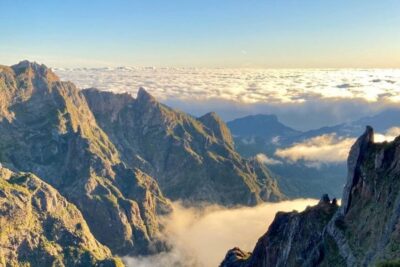
Pico Do Arieiro Pico Ruivo Sunrise or Morning Hike Transfers
Read our review →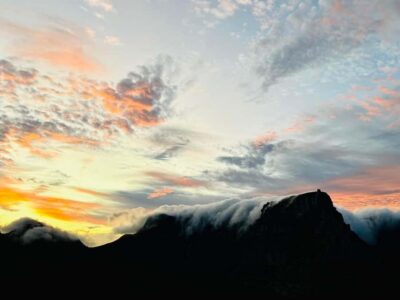
Cape Town: Lion’s Head Sunrise or Sunset Hike
Read our review →Other lists this hike appears in