
Review · JAPAN
Fushimi Inari Hidden Hiking Tour (Private Option Available)
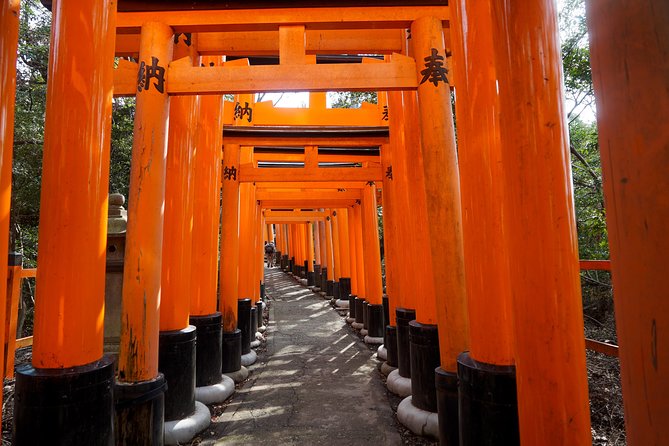
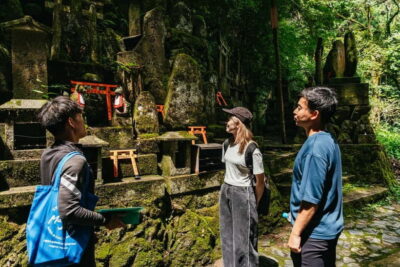
Fushimi Inari is famous for its orange torii gates, but the best part of this experience comes before you reach them. You walk from the Tofukuji area through a narrow mountain path, forest, bamboo, and small shrines, then approach the main shrine from a quieter side. The route feels like a real hike, not a quick photo stop.
I like two things here. First, a guide handles the turns on trails you may not find alone. Second, the small group, capped at seven people, leaves room for questions and a pace that can be adjusted. Guides such as Naru, Hina, Yuko, Matt, and Shin have also been praised for explaining shrine customs and taking thoughtful photos. The catch is simple: this is not an easy stroll. Expect about 7 kilometers, uphill sections, stairs, slippery ground, heat, humidity, and bugs.
Key points
- A quieter approach to Fushimi Inari: Reach the torii gates from forest trails and, at times, from the upper or back side of the mountain.
- A genuine 3-hour hike: The route includes hills, stairs, narrow paths, and uneven ground.
- Small groups capped at seven: You get better access to your guide and can ask questions along the way.
- Bamboo and small shrines: The route includes a natural bamboo forest and an Inari shrine away from the main flow of visitors.
- Useful cultural context: Guides explain torii inscriptions, fox imagery, shrine customs, and local history.
- Practical preparation matters: Wear shoes with good grip, carry water, and use long sleeves, long trousers, and insect repellent.
Why this route changes Fushimi Inari
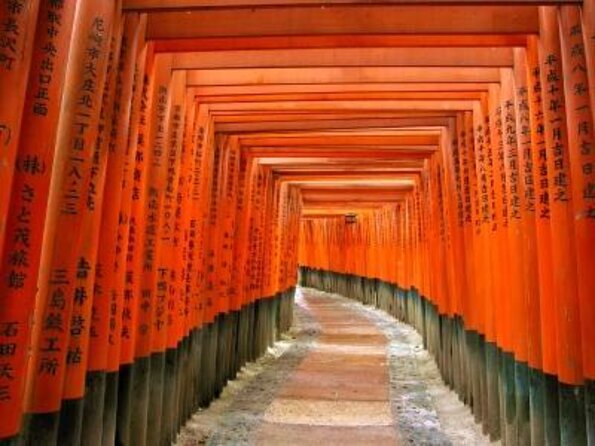
Fushimi Inari Taisha can be one of Kyoto’s most crowded sights. The lower entrance is easy to reach, highly photographed, and often packed with people moving beneath the first rows of orange gates.
This hike takes a different approach. You meet near FamilyMart Nakai Tofukuji, close to Tofukuji, then leave the ordinary streets for a forest route toward the shrine. The change is noticeable. Instead of beginning with the most famous gates, you first walk through quieter surroundings and let the shrine reveal itself gradually.
I like this order because it gives Fushimi Inari some breathing room. You see the mountain as a living place, not just a backdrop for photographs. The wooded trail, bamboo, and smaller religious sites help explain why the shrine extends so far up Mount Inari.
The route can also be handled in reverse. Several guides have started near the upper or back section and brought the group down toward the main entrance. This is a smart crowd-management move, especially during autumn foliage, holidays, or busy midday periods. By the time you reach the lower gates, the crowds may be thick, but you have already enjoyed the quieter upper paths.
More Private Hiking Tours in the world:
- Mount Batur Sunrise Trekking Private All Inclusive
★ 5.0 · 906 reviews - Mount Batur Sunrise Trekking Private Tour with Breakfast and Hotel Transfer
★ 5.0 · 885 reviews - Private Yellowstone Tour: ICONIC Sites, Wildlife, Family Friendly Hikes + lunch
★ 5.0 · 739 reviews
From Tofukuji to the first forest trail
The meeting point is outside FamilyMart Nakai Tofukuji at 12-chome-232 Honmachi. The tour then passes through the Tofukuji area before turning toward Fushimi Inari Taisha.
This beginning matters because the shrine is not treated as an isolated sight. You move through the local area first, then into the hills. That gives you a better sense of how Kyoto’s residential streets and sacred mountain spaces sit beside each other.
Soon, the route narrows. You leave paved paths for a mountain trail that can be uneven and slick, particularly after rain. There are uphill sections and stairs, though the pace includes regular breaks. If you need more stops, the guide can adjust the walk.
Do not confuse regular breaks with an easy outing. The hike is described as moderate, and the distance is roughly 7 kilometers. A few fit people have found it comfortable, while others have called it semi-strenuous. Your own pace, the heat, and the weather will make a big difference.
Bamboo, small shrines, and the quiet side of Inari
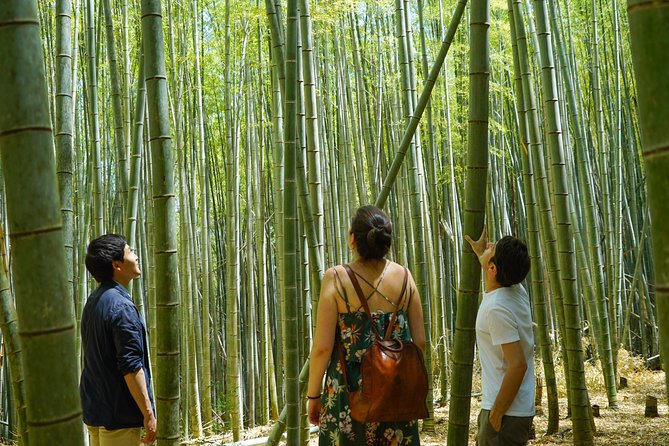
The natural bamboo forest is one of the most appealing parts of the route. It is not simply a short photo stop beside a main road. You reach it while hiking through the woods, with the sound and feel of the mountain around you.
You also visit a small Inari shrine away from the usual tourist path. This is where a local guide adds real value. Without someone who knows the turns, it would be easy to stick to the obvious route and miss these quieter religious sites.
Guides explain the meaning of the shrine features as you walk. Naru has been praised for explaining Japanese traditions, fox motifs, and the customs connected with the torii gates. Other guides, including Hina, Matt, and Yukari, have been appreciated for answering questions and adjusting the pace.
The best guides do not turn the walk into a lecture. They explain enough to help you notice details, then let the trail do some of the work. You may stop to look at inscriptions, ask why gates were donated, or learn how the fox figures relate to Inari worship.
Reaching the famous orange torii gates
Eventually, the forest route connects with the better-known parts of Fushimi Inari. This is the point where the experience shifts from a quiet mountain walk to a visit at one of Kyoto’s major sights.
Approaching the torii gates from behind or from the upper mountain is the tour’s signature advantage. Instead of joining the biggest crowd at the main entrance, you see the gates after earning your way up through the woods. The contrast can be striking.
You should still expect people around the shrine. This tour does not create a private version of Fushimi Inari, and no route can guarantee empty gates. The lower section is especially likely to be crowded. The benefit is that much of the hike and many upper areas can feel far calmer than the entrance.
The guide also helps you understand what you are seeing. The orange gates are not just decorative arches. Their inscriptions, fox imagery, and placement along the mountain reflect the shrine’s religious role and the offerings made by supporters.
This is also a good time for photos. Guides often take pictures during the walk, and Naru has been singled out for creative family photos. Bring your own camera if you like, but having the guide handle a few pictures means you do not need to keep stopping your group.
More hikes and treks around the world:
- From Marrakech: Ouzoud Waterfalls Guided Hike and Boat Trip
★ 4.7 · 33,630 reviews - Berber villages : Atlas Mountains Day Hike from Marrakech
★ 5.0 · 14,007 reviews - Bali: Sunrise Mount Batur Guided Hike with Breakfast
★ 4.8 · 9,660 reviews - Bali: Mount Batur Sunrise Guided Hike and Natural Hot Spring
★ 4.8 · 9,284 reviews
The view toward Fushimi-Momoyama Castle
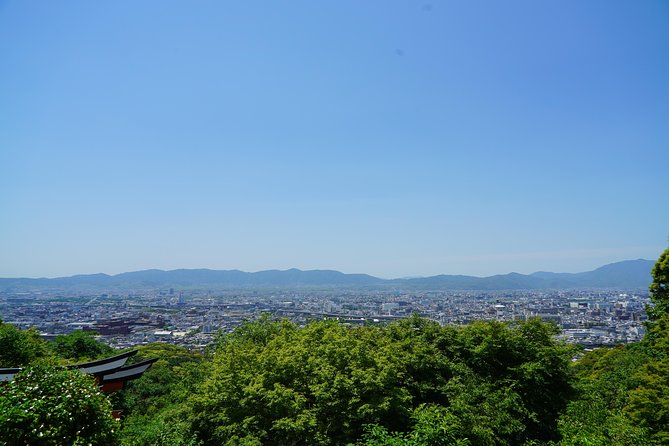
At the top or higher point of the hike, you pause for views toward Fushimi-Momoyama Castle. The castle is tied to the political story of the area, having been built under Hideyoshi and rebuilt under Ieyasu.
The view is not the sole reason to book the tour, but it adds variety. You have moved from residential streets to bamboo and forest, then to shrine gates and a high mountain viewpoint. That changing scenery keeps the walk interesting.
Weather affects this portion. On clear days, the view can be a welcome payoff after the climb. In rain or heavy summer haze, it may be less impressive. The tour can operate in rain if conditions allow, but you should be ready for wet stone, muddy patches, and reduced visibility.
The activity requires good weather, and the operator may cancel in poor conditions. If that happens, you are offered another date or a full refund.
How difficult is the 7-kilometer walk?
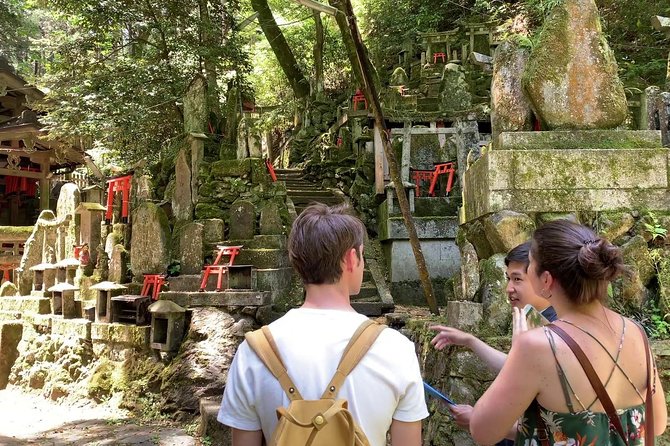
The honest answer is moderate, with a few sections that feel more demanding. You will walk uphill, use stairs, and cross narrow mountain paths. Some descriptions of the route call it challenging, while others found it manageable with breaks.
You should be comfortable walking for about three hours and handling uneven ground. This is not suitable if you have trouble walking or are not in regular condition. The trail may also feel more technical in places, especially when wet.
Wear shoes with a firm grip. Running shoes with worn soles, smooth casual shoes, sandals, and fashion footwear are poor choices here. The ground can be slippery, and going downhill from the shrine includes many steps.
Summer requires extra care. Kyoto can be very hot and humid, and the forest does not remove the risk of heat exhaustion. Bring water, wear a hat, and choose light clothing that still covers your arms and legs. Long sleeves and trousers also help with mosquitoes and other bugs.
Insect repellent is a wise addition. One guide carried repellent on a particularly hot day, but you should not rely on that being available every time. Apply it before the walk and bring more if you need it.
What the small group adds
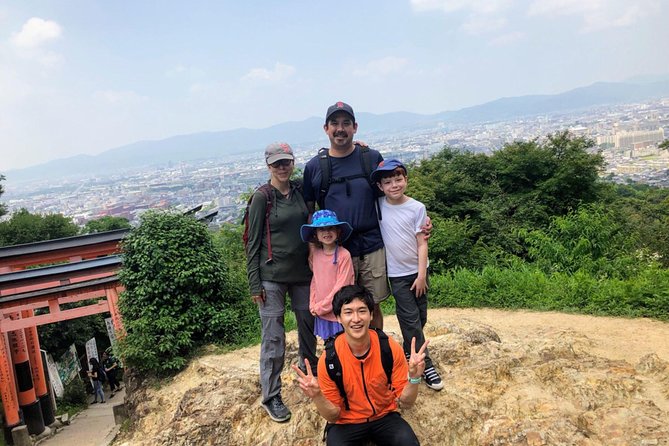
The group limit is seven people. That is small enough for you to hear the guide without strain and ask questions as the trail unfolds. It also makes it easier to stop for photos or allow someone to catch their breath.
The guides have different personalities and strengths. Naru has been praised for cultural explanations and photography. Hina has been appreciated for local trail knowledge and an upbeat manner. Matt has helped with water, pacing, and practical questions, while Yuko has brought high energy to the steeper sections.
You should not expect the exact same guiding style every day. That is part of the nature of a guide-led walking experience. What matters is that the format gives you a person who knows the route, understands the shrine, and can help you manage the pace.
A private option is available if you want more control over the pace and attention. The supplied details do not state the private supplement, so check the total price before booking.
Is $63.14 good value?
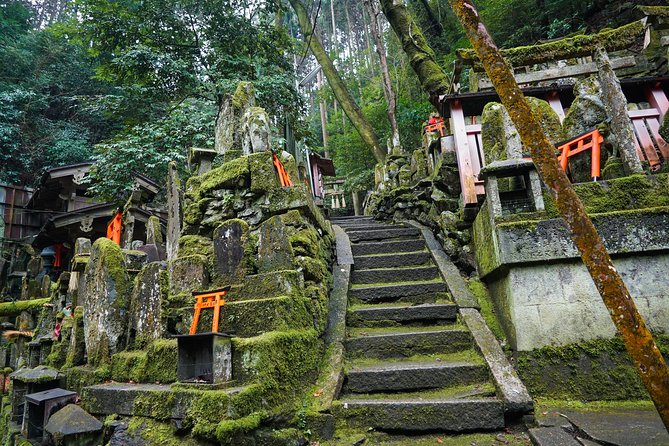
At $63.14 per person, the tour costs more than walking into Fushimi Inari on your own, since admission to the shrine is free. You are paying for the guide, route-finding, small-group setting, tour photos, and the chance to reach parts of the mountain that are easy to miss.
For a confident hiker who only wants the torii gates, this may not be the best value. You can visit the shrine without a tour and follow the main paths yourself.
For someone who wants a quieter approach, cultural explanation, and reassurance on forest trails, the price is more convincing. The guide saves you from spending your limited Kyoto time finding the correct turns. You also get a fuller outing than a standard shrine visit.
The value improves if you are visiting during a busy season or traveling with family members who want local context. The small group lets you ask questions without the feel of a large coach tour. Food and drinks are not included, so budget for your own water and snacks.
Who should book this hike?
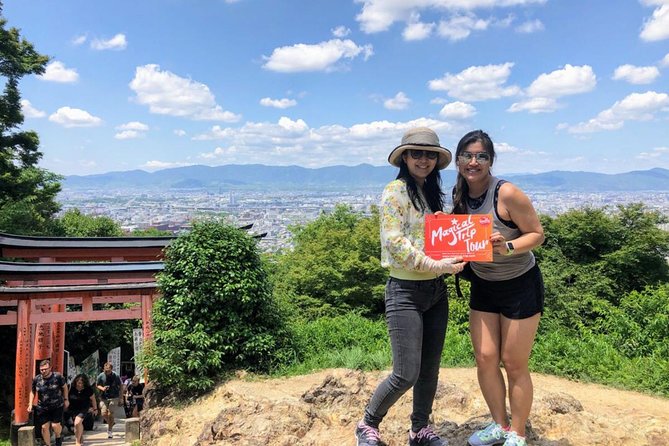
I would choose this tour if you want Fushimi Inari to feel like an active half-day outing rather than a quick landmark visit. It suits people who enjoy forests, hills, quiet paths, and learning about a place while moving through it.
Families with older children and adult children can do well, provided everyone is comfortable with the distance and stairs. Couples and small groups also benefit from the relaxed access to the guide and the chance to take photos without stopping a large party.
It is less suitable for anyone with limited mobility, poor balance, or little tolerance for heat. It is also not the right pick if your priority is an effortless walk on paved paths.
Plan this early in your Kyoto schedule if possible. You will be more comfortable hiking before a full day of sightseeing, and an early start can help avoid some of the heaviest crowds. Still, the exact crowd level depends on the day, season, weather, and route direction.
Booking, cancellation, and practical details
The tour lasts about three hours and ends in front of the main shrine at Fushimi Inari Taisha, at 68 Fukakusa Yabunouchicho. That finish is useful because you can continue exploring the shrine on your own afterward.
Confirmation is provided at booking, and the meeting point is near public transportation. Admission is free, but food and drinks are not included. The certified guide and tour photos are included.
Free cancellation is available up to 24 hours before the start time. Changes or cancellations inside that window are not refunded. Cutoff times use local Kyoto time, so check carefully if you are booking from another time zone.
Should you book the Fushimi Inari Hidden Hiking Tour?
Book it if you want to see Fushimi Inari from the forest side, avoid much of the lower crowd, and learn what the gates and shrines mean as you walk. The bamboo forest, small shrine, mountain views, and back approach give you a fuller picture than the main entrance alone.
Skip it if you want a simple stroll, dislike hills, or plan to spend only a few minutes at the shrine. For everyone else, this is a strong choice at a famous Kyoto sight, especially if you bring grippy shoes, water, insect repellent, and enough energy for a proper hike.
FAQ
How long is the Fushimi Inari Hidden Hiking Tour?
The tour lasts approximately three hours and covers about 7 kilometers in total.
Where does the tour begin?
It begins at FamilyMart Nakai Tofukuji, at 12-chome-232 Honmachi in Kyoto’s Higashiyama Ward.
Where does the tour end?
The tour ends in front of the main shrine of Fushimi Inari Taisha at 68 Fukakusa Yabunouchicho.
Is this an easy walk?
No. It is a moderate hike with uphill sections, stairs, narrow paths, and uneven or slippery ground. Regular breaks are provided, and extra stops can be made if needed.
How many people can join the group?
The group has a maximum of seven people.
What should I wear and bring?
Wear shoes with good grip. Bring water and a hat, especially in summer, and consider long sleeves, long trousers, and insect repellent because the route passes through mountain areas.
Is food or drink included?
No. Food and drinks are not included in the tour price.
What happens if the tour is canceled because of bad weather?
You can choose another date or receive a full refund if the activity is canceled due to poor weather.
Recently reviewed hikes in the world
- Asheville: Yoga on a Mountain Hike★ 4.7 · 7 reviews
- Arequipa: 2-day Colca Canyon Trekking, Ending in Puno★ 4.8 · 8 reviews
- Arctic hike on Kvaløya Island with drinks and snacks★ 5.0 · 8 reviews
- Arctic Wilderness Hike from Rovaniemi (Day & Evening)★ 4.7 · 12 reviews
- Antelope Valley: Ligai Si Anii Canyon Hiking Tour★ 4.9 · 13 reviews
- Antigua: 2-Day Acatenango Volcano Hike w/Local Guide & Meals★ 4.3 · 43 reviews
- Delphi: Easy Hike on Ancient Path through the Olive Groves★ 5.0 · 9 reviews
- Antalya: Hiking in Termessos Ancient City★ 5.0 · 152 reviews
Japan Hiking Tours, compared.
Kyoto: 3-Hour Fushimi Inari Shrine Hidden Hiking Tour
Read our review →
Hiroshima Local guided Hiking Tour&Open-air Tea Ceremony
Read our review →
Hiking the Historic Nakasendo Trail [1 Day Tour from Nagoya]
Read our review →
Full Day Hiking Tour at Mt.Takao including Hot Spring
Read our review →
Hike Japan Heritage Hakone Hachiri with certified mountain guide
Read our review →
From Matsumoto/Nagano: Nakasendo Trail Walking Tour
Read our review →
Explore Kiso Valley : Magome – Tsumago Mountain Trail Walk
Read our review →
Morning Hiking Tour: Mt. Futaba & Hiroshima’s History
Read our review →Other lists this hike appears in