
Review · RISHIKESH
Har Ki dun Trek by Himalaya Shelter
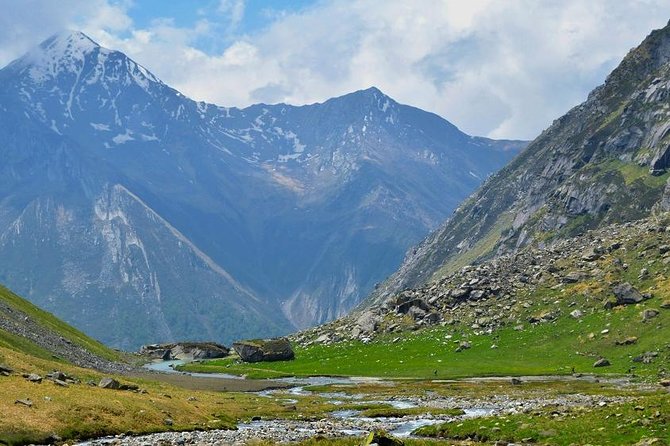
Har Ki Dun is a good way to reach a remote Himalayan valley without piecing together mountain transport, camping equipment, cooks, and route finding yourself. The seven-day trip moves from Dehradun to Sankri, then on foot through Osla and Kalkatidhar to Har Ki Dun, with a possible climb to Marinda Tal at 3,794 metres.
I like the small group limit of 11 people and the fact that meals, tents, sleeping equipment, forest fees, and transport from Dehradun are bundled into the price. I also like the repeated praise for guides such as Surendra, Sonu, Rocky, and Megha, whose careful support has helped first-time trekkers feel more at ease.
The main drawback is the long road travel: eight hours each way between Dehradun and Sankri. You also need moderate fitness, and the price does not cover your journey to Dehradun, personal medicines, tips, or a hotel there.
Key points to know before you book
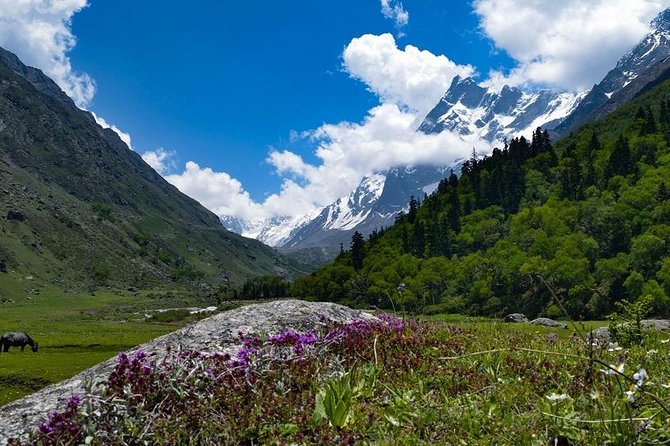
- Har Ki Dun reaches 3,510 metres: The route gives you high mountain scenery without a technical climbing program.
- Marinda Tal reaches 3,794 metres: This is an additional high point on Day 4, followed by a return to Kalkatidhar.
- Dehradun transport is included: Pickup begins at 6:30 am on Day 1, and the same arrangement brings you back on Day 7.
- Camping gear is provided: You do not need to carry your own tent or sleeping equipment.
- Food is included from Day 1 dinner through Day 7 breakfast: A cook travels with the group.
- The group is capped at 11 people: That is small enough for closer contact with the guide, but departures may still vary in size.
Why Har Ki Dun works for a first Himalayan trek
Har Ki Dun is appealing because it combines a clear goal with support at nearly every awkward point. You begin at a fixed meeting place in Dehradun, ride to Sankri, walk with a guide, sleep in supplied camping equipment, and eat meals prepared along the way.
That structure matters in the Himalayas. The road to Sankri is long, the walking route is remote, and weather can affect plans. You are not left to sort out forest entry fees, tents, cooks, or the return transfer on your own.
The route also gives you more than mountain views. Osla brings you into a village setting, and the walk through the valley offers glimpses of local life and seasonal work. One particularly appealing detail is the chance to see villagers preparing for winter, a reminder that this is a lived-in mountain region, not simply a trail built for sightseeing.
I would describe the trek as moderate rather than effortless. The itinerary includes several hours of walking on multiple days and reaches elevations above 3,500 metres. You should be comfortable walking for five or six hours and handling basic mountain camping.
More hikes and treks around the world:
- From Marrakech: Ouzoud Waterfalls Guided Hike and Boat Trip
★ 4.7 · 33,630 reviews - Berber villages : Atlas Mountains Day Hike from Marrakech
★ 5.0 · 14,007 reviews - Bali: Sunrise Mount Batur Guided Hike with Breakfast
★ 4.8 · 9,660 reviews
Day 1: Dehradun to Sankri, an eight-hour road day
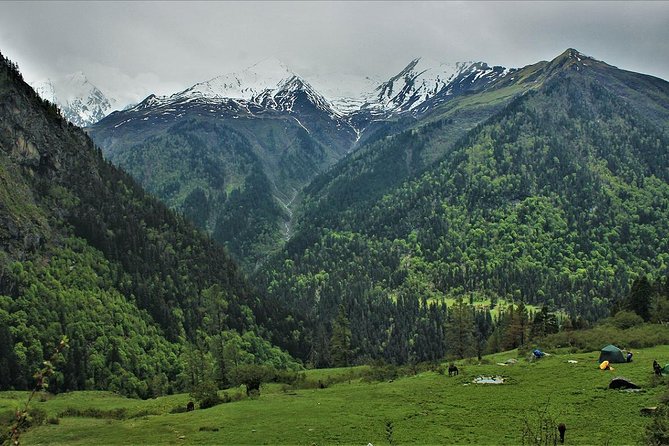
The trip begins at 6:30 am near an egg and Maggi stall on Saharanpur Road in Dehradun’s Lakkhi Bagh area. The precise meeting point matters, so arrive ready to leave rather than treating this as a relaxed breakfast stop.
The drive to Sankri takes about eight hours. This is a full travel day, and you should plan your arrival in Dehradun around it. Your transport to the starting point is not included, nor is accommodation in Dehradun, so you need to arrange those parts yourself.
Sankri is the practical gateway for the walking section. The arrangement includes a stay there, and the experience begins with dinner on Day 1. You may also receive rented warm gear at this stage, depending on what you need and what the operator has arranged for the departure.
The road journey is the least glamorous part of the trip, but it serves a useful purpose. It removes the need to find your own onward vehicle into the mountains. Still, eight hours in a vehicle can feel tiring, especially before several days of walking, so keep your day bag organized and carry anything you need during the drive.
Day 2: Sankri to Osla by vehicle and foot
Day 2 starts with a one-hour drive, followed by a five to six-hour trek to Osla. This is your first substantial walking day, so it is also your first real test of footwear, pacing, and pack weight.
Osla is one of the more meaningful stops on the route. You are not simply passing through a roadside settlement. The village gives the trip a human side, with local culture and mountain life forming part of the experience.
The walking time is long enough that you should avoid racing at the beginning. A guided group normally moves at a shared pace, and the guide’s role is especially useful here. The trek leaders named in past departures include Surendra Rana, Sonu, Rocky Rana, and Megha, though your own guide can vary.
Meals begin with dinner on Day 1 and continue through breakfast on Day 7. That removes the need to shop for trail food, and the cook team has drawn especially strong praise for variety, taste, and handling special diet requests. You should still tell the operator about dietary needs before departure rather than waiting until you reach the trail.
Day 3: Osla to Kalkatidhar at 3,300 metres
The third day is listed as a three-hour trek from Osla to Kalkatidhar. Compared with Day 2, the walking time is shorter, but the elevation increases to about 3,300 metres.
This is where the trip begins to feel properly high mountain. You may notice that steady pacing matters more than speed. Keep drinking water, take sensible breaks, and tell the guide if you feel unwell. The itinerary provides a guide, but it cannot remove the effects of altitude or changing weather.
Kalkatidhar serves as the base for the next day’s main outing. Camping here means you do not need to move all your belongings to a new site after reaching Har Ki Dun. That arrangement also makes Day 4 a focused excursion rather than a one-way relocation.
The supplied tents and sleeping equipment are a real part of the value. Several departures have used warm sleeping gear suitable for very cold conditions, with one account describing comfort in temperatures as low as minus 10 degrees Celsius. That does not mean you should pack lightly or assume every night will feel warm. Mountain temperatures can be severe, and your own layers still matter.
Same mountains, a different route up:
- Bali: Mount Batur Sunrise Guided Hike and Natural Hot Spring
★ 4.8 · 9,284 reviews - Cinque Terre Day Trip with Optional Hiking or Pisa
★ 5.0 · 8,486 reviews - From Marrakech: Atlas Mountains Full-Day Hiking Trip w Lunch
★ 4.8 · 7,417 reviews - Marrakech: Ourika Valley Trip with Waterfall Hike
★ 4.6 · 6,792 reviews
Day 4: Har Ki Dun and Marinda Tal
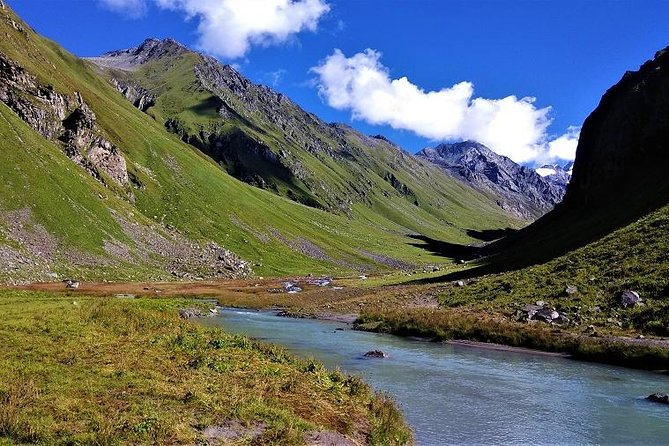
Day 4 is the central day of the trek. You walk from Kalkatidhar to Har Ki Dun at 3,510 metres, then continue toward Marinda Tal at 3,794 metres before returning to Kalkatidhar.
This is the day that makes the route worth the long road journey. Har Ki Dun is a remote mountain valley with views toward snow-covered peaks and glaciers. The setting feels more open and serious than the lower village sections, and the return to camp gives you time to enjoy it without moving on to a new overnight site.
Marinda Tal is the higher objective. It may be treated as an optional section depending on conditions, group ability, and the guide’s judgment. You should not think of it as a casual add-on. At nearly 3,800 metres, weather, snow, fatigue, and trail conditions can change the difficulty.
A guide is particularly valuable here. Past departures have specifically praised careful support during the Marinda Tal walk, including close attention to people who were less confident at altitude. The right approach is to treat the guide’s decision as final. A successful trek is not measured by forcing every person to reach the highest point.
After visiting Har Ki Dun and Marinda Tal, you return to Kalkatidhar. It is a demanding day, but the out-and-back design lets you leave larger camping gear at the base. That can make the walking more manageable than carrying a full overnight load.
Day 5: Returning from Kalkatidhar to Osla
Day 5 retraces the route from Kalkatidhar to Osla and takes about three hours. After the long outing on Day 4, this shorter day gives you time to recover while still keeping the route moving.
Retracing part of a trail is not a flaw in this case. You see familiar ground from a different direction and have another chance to notice village details, changing light, and views you may have missed while climbing. It also keeps the final days practical rather than forcing an exhausting one-way schedule.
This is a good point to check your personal equipment. Dry any damp clothing, repack carefully, and keep essential items easy to reach. The company supplies the main camping equipment, but you remain responsible for your personal medicines, phone, extra layers, and other small needs.
Food is one of the strongest parts of the arrangement. The menu can include substantial meals and snacks, and special diets have been accommodated on some departures. Still, included meals do not mean restaurant service, so people with strict dietary requirements should confirm what can be provided before booking.
Day 6: Osla to Sankri and the return to roads
Day 6 combines four to five hours of trekking with a one-hour drive. You walk back from Osla toward the road connection, then continue by vehicle to Sankri.
The shorter drive is useful because it breaks up the journey back to Dehradun. You also spend the night at the gateway rather than attempting the entire road distance after a morning on foot.
By this stage, the quality of the guide and support team becomes clear. A good leader does more than point out the trail. The guide keeps the group together, helps judge pace, responds to weather, and provides reassurance when a first trek feels harder than expected.
The small-group cap helps here. Eleven people is not a private trek, but it is small enough for the guide to keep track of individual needs more easily than in a large bus-sized group. Some departures may be much smaller, but you should book on the stated maximum rather than assuming you will have a private experience.
Day 7: Sankri to Dehradun
The final day is another eight-hour drive from Sankri to Dehradun. The activity ends at the original meeting point.
Do not schedule a tight onward connection from Dehradun unless you have allowed plenty of extra time. Mountain roads and group transport can make the return day less predictable than a city transfer. The seven-day duration is approximate, and the long road sections are the main reason.
The included transport is one of the tour’s strongest practical advantages. You are not left to find a shared vehicle from Sankri, negotiate a fare, or work out how to return to the city after a week in the mountains.
What the $231 price really covers
At $231 per person, the price is attractive for a seven-day guided trek with camping support. The value comes from the number of separate costs bundled together: transport from Dehradun and back, a guide, cook fees, meals, camping equipment, forest entry charges, and an overnight arrangement in Sankri.
You also avoid buying or transporting your own tent and sleeping system. For someone visiting India without a full mountain kit, that can make the trip far simpler.
The price is not all-inclusive in the broad holiday sense. You must pay to reach Dehradun, arrange your own Dehradun accommodation, and cover tips, personal medicine, phone calls, and personal spending. Insurance is included for Indian citizens only, so international visitors should check their own travel insurance carefully.
The food and support increase the value further. Strong cooking can make a major difference after several hours on foot, and practical help from guides such as Surendra, Sonu, Rocky, or Megha has been a repeated strength of the operation. At the same time, standards can vary between departures, and one account raised concern about plastic waste in the mountains. You should expect good support, but you should also carry out your own waste and ask how rubbish is handled.
Who should choose this trek
I would recommend this experience to you if you want a guided introduction to Himalayan trekking and prefer a ready-made plan. It suits people who want remote scenery, village contact, and camping without purchasing every piece of equipment.
It is also a sensible choice for first-time trekkers who want a guide nearby. The route is not presented as technical climbing, but it does demand moderate fitness, long road transfers, several walking days, and comfort at high altitude.
You may want a different trip if you dislike camping, struggle with long vehicle journeys, or need a private itinerary with fixed standards. You should also think twice if you expect every meal, transfer, and personal expense to be covered. The included package is generous, but it is not a door-to-door holiday.
Booking confirmation is provided at the time of purchase, and the activity supports a mobile ticket. Free cancellation is available up to 24 hours before the local start time. Within 24 hours, cancellation or changes are not accepted for a refund.
Should you book Har Ki Dun with Himalaya Shelter?
Book it if your priority is mountain access made practical. The route reaches Har Ki Dun and Marinda Tal, while the company handles transport, camping equipment, meals, forest fees, and guide support. The small group size and strong praise for the food and trek leaders add real value.
Before paying, confirm the departure dates, expected guide, dietary needs, current weather plan, insurance coverage, and exact camping equipment available. Also arrange your Dehradun stay and allow extra time after the final eight-hour drive.
For a fit person who wants a supported Himalayan trek rather than a self-guided logistics puzzle, this is a solid choice at the stated price. Go in expecting long road days, basic mountain camping, and changing conditions, and you will understand what you are buying.
FAQ
Where does the Har Ki Dun trek begin?
The trip begins at an egg and Maggi stall near Saharanpur Road in Lakkhi Bagh, Dehradun, Uttarakhand. Pickup is scheduled for 6:30 am on Day 1.
Where does the trek finish?
The activity ends back at the same meeting point in Dehradun after the return drive from Sankri on Day 7.
How long does the Har Ki Dun trek last?
The experience lasts approximately seven days, including the road journeys between Dehradun and Sankri.
Is transport from Dehradun included?
Yes. Transport support is included from pickup on Day 1 through drop-off on Day 7. Your transport to Dehradun and accommodation there are not included.
Are meals included?
Yes. Meals are included from dinner on Day 1 through breakfast on Day 7. A cook is part of the support team.
Is camping equipment provided?
Yes. The package includes rental camping equipment. Sleeping gear has also been provided on departures, but you should confirm the exact equipment available for your date.
How fit do I need to be?
You should have a moderate level of physical fitness. The route includes walking days of up to five or six hours and reaches Har Ki Dun at 3,510 metres, with Marinda Tal at 3,794 metres.
What happens if I cancel?
You can receive a full refund if you cancel at least 24 hours before the local start time. Cancellations or changes made within 24 hours are not accepted for a refund.
Recently reviewed hikes in the world
- Arequipa: 2-day Colca Canyon Trekking, Ending in Puno★ 4.8 · 8 reviews
- Asheville: Yoga on a Mountain Hike★ 4.7 · 7 reviews
- Arctic hike on Kvaløya Island with drinks and snacks★ 5.0 · 8 reviews
- Arctic Wilderness Hike from Rovaniemi (Day & Evening)★ 4.7 · 12 reviews
- Antelope Valley: Ligai Si Anii Canyon Hiking Tour★ 4.9 · 13 reviews
- Antigua: 2-Day Acatenango Volcano Hike w/Local Guide & Meals★ 4.3 · 43 reviews
- Delphi: Easy Hike on Ancient Path through the Olive Groves★ 5.0 · 9 reviews
- Antalya: Hiking in Termessos Ancient City★ 5.0 · 152 reviews
India Hiking Tours, compared.
Mountain Hiking in Munnar (half day) By Munnar Info
Read our review →
Wild Elephant Anakulam & Waterfalls Tour(munnar valley Trekking)
Read our review →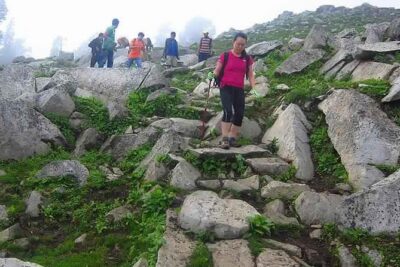
Hathipaown Heritage Walk – A guided walk to Mini Everest
Read our review →
Other lists this hike appears in