
Review · MOUNT ETNA
Mount Etna: Summit Trekking Tour
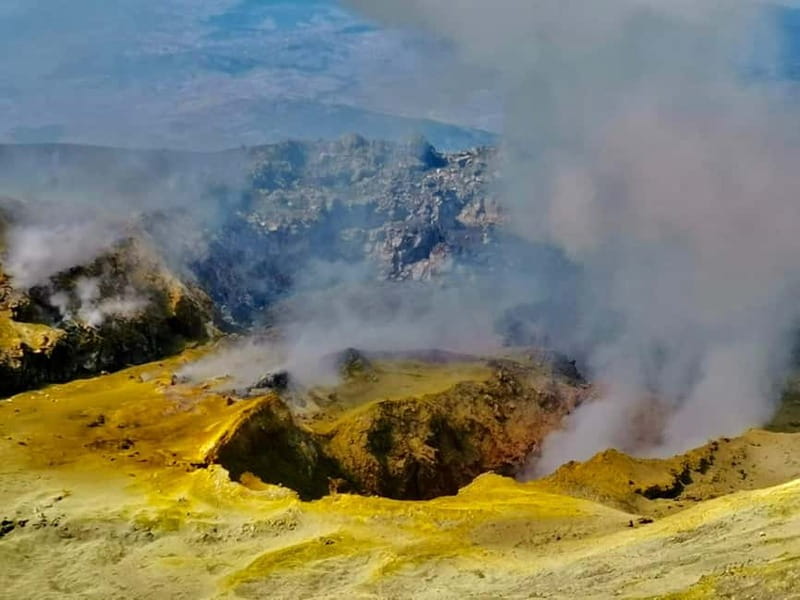
The best part of this Mount Etna tour is that you approach the summit from the quieter north side, not by simply riding up to a crowded viewpoint. A 4×4 carries you to about 2,900 meters, then you walk across fresh lava fields, ash, and steep volcanic slopes toward the summit craters at roughly 3,340 meters.
I like two things right away: the guides take safety seriously, and the loaned boots and jackets make the high-altitude start easier. Guides such as Luca, Marco, Arturo, and Paolo are praised for explaining Etna clearly and keeping the group together. The main drawback is the extra €50 cash payment for the 4×4 ride, which is not included in the advertised $65 price.
Key points to know before booking
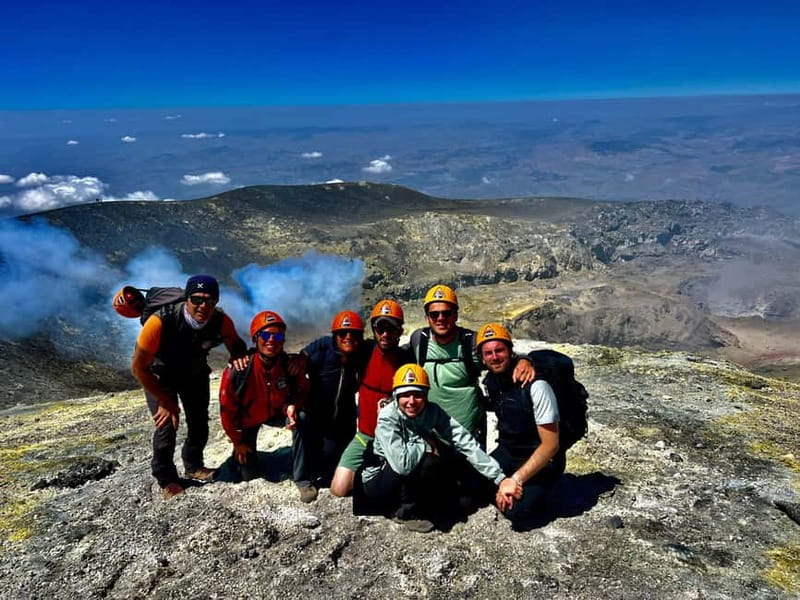
- A 450-meter climb begins at 2,900 meters, so the hike is short by distance but serious because of altitude, loose volcanic ground, wind, and steep sections.
- The north side feels wilder and less developed, with lava fields, eruption zones, ash gullies, and wide views toward Sicily, the Aeolian Islands, and Calabria.
- Boots, jackets, helmets, and insurance are included, but you still need warm layers, long trousers, sunglasses, food, water, and cash.
- The summit route can change, or stop below the summit, because Etna’s volcanic activity and weather control access.
- Small groups are limited to 10 people, with English, Italian, and French-speaking guides.
- The most praised feature is the guiding, especially the patient pace, clear volcano explanations, and close attention to anyone struggling.
Starting at Piano Provenzana on Etna’s north side
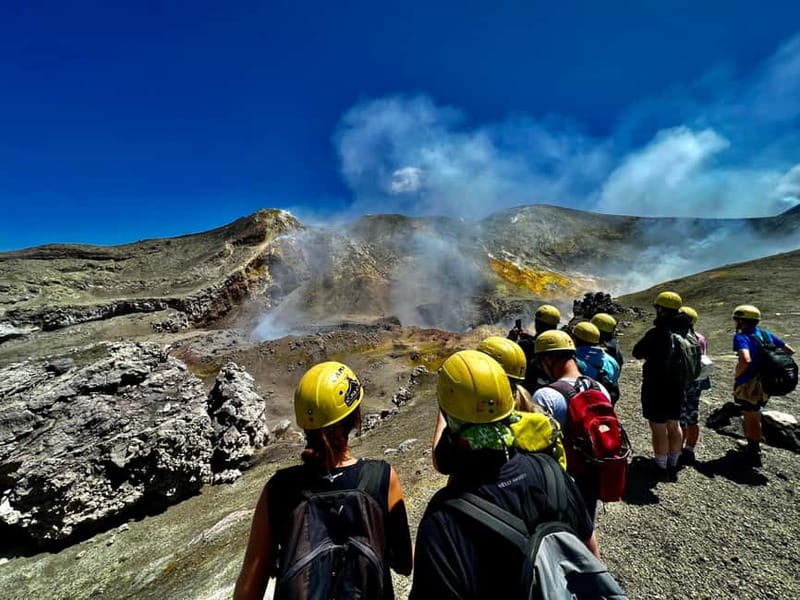
You meet at the Sole-neve Souvenirs shop in Piano Provenzana, where parking is available. This is the north-side base area of Mount Etna, and it feels more like a working mountain access point than a city sightseeing stop.
Allow extra time to reach the meeting point. One person coming from several hours away found that driving times were longer than expected because of the mountain roads. Arriving early also gives you time to check your clothing, use the facilities at the base area, and settle in before the group leaves.
The guide begins with a briefing of about 20 minutes. This is more than a routine welcome. You need to understand that Etna is an active volcano, and the guide may alter the route according to volcanic activity, wind, visibility, or other conditions.
This briefing is also where you can ask about the climb, borrow equipment, and make sure your shoes fit. The operator supplies hiking boots and a jacket, along with a helmet and insurance. Some people still prefer to use their own sturdy ankle boots if they have them.
More Mountain and Summit Hikes in Italy
- Mount Etna: Summit Guided Hiking Tour up to 3,400 m
★ 4.8 · 4,792 reviews - Mount Etna: Trek to 3000m with cable car and 4×4
★ 4.6 · 3,823 reviews - Mount Etna: Summit Crater Trek with Cable Car
★ 4.8 · 1,875 reviews
The 4×4 ride to 2,900 meters
The off-road ride takes about 20 minutes and is an important part of the experience. Instead of spending your energy on the lower access road, you climb quickly through Etna’s upper volcanic zone in a special 4×4 vehicle.
The separate 4×4 ticket costs €50 per person and must be paid in cash on site. This is the most important cost detail to understand before booking. The advertised tour price is $65, but your real activity cost is higher once the transport fee is added. If you are traveling on a tight budget, this extra payment may change your decision.
Still, the transport serves a real purpose. It brings you to the trekking start at about 2,900 meters, where the upper mountain begins to look stark and otherworldly. You are not paying just for a novelty ride. You are buying access to the high section of Etna without walking the entire approach from below.
Hiking above 2,900 meters
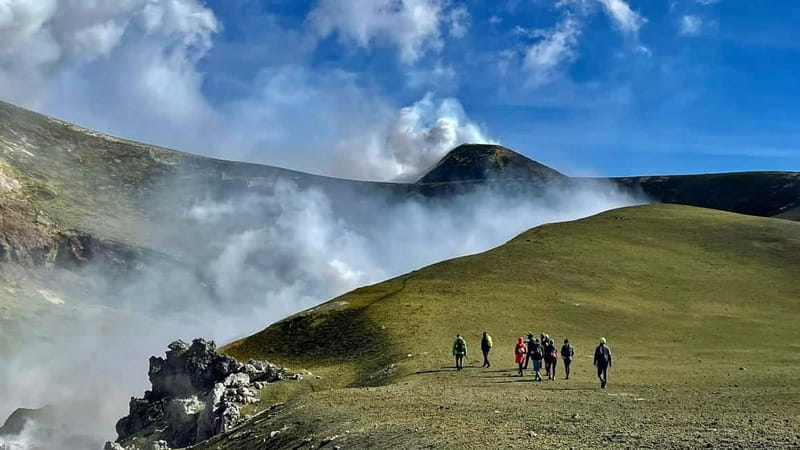
The hike covers roughly 450 meters of ascent, though the challenge comes from the setting rather than the distance. At this height, the air is thinner, the weather can shift quickly, and volcanic ground does not behave like a normal trail.
You cross lava fields and loose black gravel, with some steeper parts near the upper craters. Fine ash can slide under your boots, and small stones can work their way into low shoes. Long socks and high boots are useful. Gaiters would also help, though they are not listed as provided equipment.
The guides generally keep a slow, steady pace. This matters because a fast climb at altitude can make the final section much harder. Guides have been praised for stopping to check on people who were tired, nervous, or feeling unwell. One guide helped a participant over a steep section, while another adjusted the pace for someone recovering from a stomach illness.
You should still be honest about your fitness. The tour is not suitable for people with heart problems, respiratory issues, low fitness, or pregnancy. It is not a technical mountaineering expedition, but it is a real uphill walk on unstable ground. If you rarely hike, the altitude and loose ash may be more demanding than the distance suggests.
Reaching Etna’s summit crater area
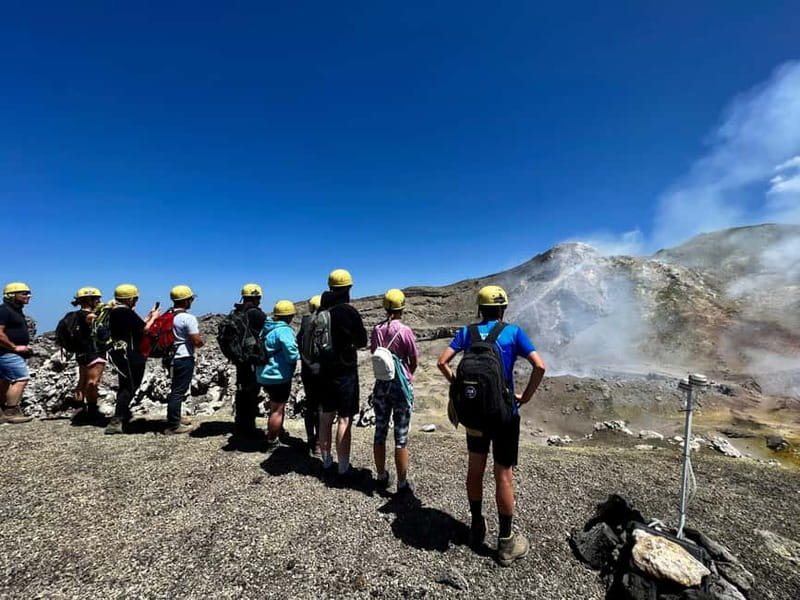
The central crater area is the great reward. Your guide leads you toward the summit zone, where you can see the main craters and the broad volcanic slopes around them.
The exact access point depends on current conditions. Etna’s summit area is regulated, and the guide cannot promise the same route every day. Volcanic gases, strong wind, poor visibility, or fresh activity may prevent the group from reaching the highest planned point.
That uncertainty is part of the nature of the tour, not a flaw in the guiding. Several outings have been adjusted because of weather or volcanic conditions. In some cases, the group could not summit but still visited a high viewpoint and completed a guided walk lower down. A good guide will explain the change and choose the safest worthwhile alternative.
When conditions cooperate, the views can stretch across northern and eastern Sicily, toward the Aeolian Islands and the Calabrian coast. From around 3,400 meters, the scale of the mountain becomes clear. You are looking down over old lava flows, newer eruption zones, valleys, and the sea.
Visibility is never guaranteed. Clouds can move across the summit, and volcanic gases can reduce comfort even on a clear day. One group passed through a sulfur cloud that caused coughing. A scarf or face covering is a smart addition to your daypack, especially if you are sensitive to fumes.
More Volcano Hikes in Italy
- Etna: summit craters trekking with volcano guide 3350mt
★ 4.7 · 1,712 reviews - Catania: Mount Etna Trekking Tour Beyond the Tourist Trails
★ 4.9 · 1,596 reviews - Mount Etna: Guided Trek 3,000 Meters to the Summit
★ 4.8 · 1,407 reviews - Etna Sunset Tour: Volcano trek, Cave & tasting from Catania
★ 4.8 · 1,290 reviews
Volcanic scenery without a standard resort feel
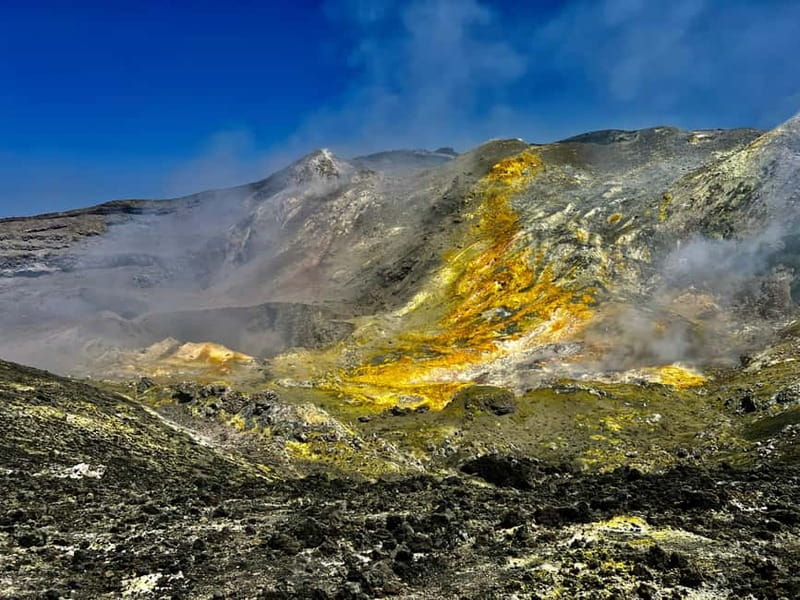
The north side gives this excursion a different character from a simple cable-car outing. You travel through areas affected by recent eruptions, then walk across ground shaped by lava, ash, and erosion.
The scenery is severe rather than lush. Expect black rock, gray ash, sharp ridges, red-brown volcanic material, and wide open slopes. It can feel like another planet, but the details are very much of Etna: fresh eruption scars, sulfur, crater rims, and the changing texture of the mountain underfoot.
The guides add meaning to what you see. Luca Cosma is a volcanologist guide, and several guides, including Marco, Arturo, Paolo, Basilio, Linda, and Claudio, have been praised for explaining Etna’s geology and eruption history in a clear, lively way. You are encouraged to ask questions, and the small group format makes it easier to hear the answers.
The group limit of 10 is a real advantage here. A guide can notice who is falling behind, help with a difficult descent, and stop when the group needs to regroup. You will not have the same personal attention on a large coach excursion.
The summit visit and time to look around
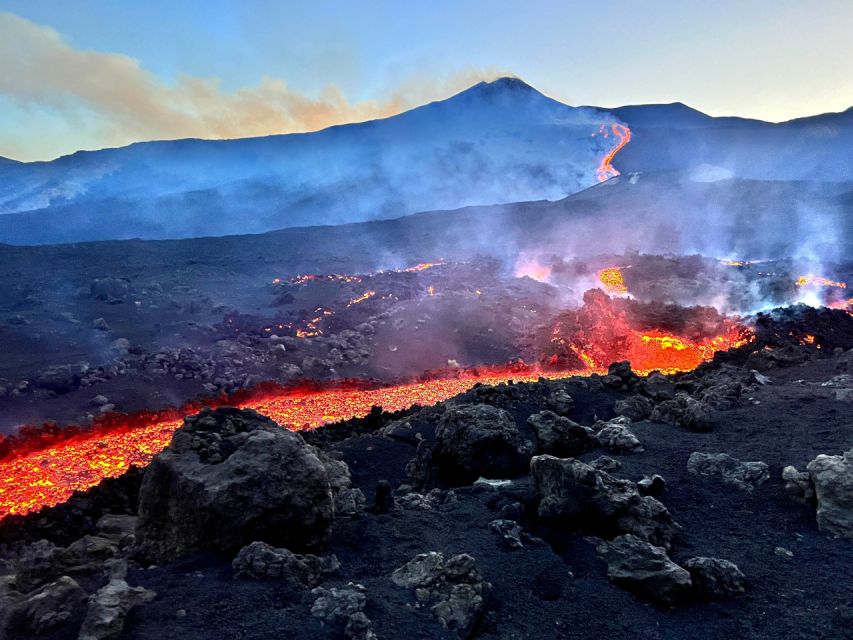
The summit crater visit lasts about one hour in the planned schedule, followed by a longer break and sightseeing period of roughly 90 minutes. The actual timing can change with weather, volcanic activity, and group pace.
This generous time is welcome. The best part of a high mountain visit is often the quiet moment after the climb, when you can look around instead of rushing straight back to the vehicle. Several people particularly valued the lack of pressure and the chance to take in the craters and views.
Bring food and drinks because they are not included. You may have a picnic break in the high volcanic zone, but do not expect a café or a full meal at the summit. Your daypack should hold water, snacks, extra layers, sun protection, and anything you need to keep warm while standing still.
Temperatures can be surprisingly low, even in July. A supplied jacket helps, but dress in layers and bring a warm fleece or coat if you have one. The summit can also be windy, so a sun hat alone is not enough protection.
Descending through ash gullies toward Pizzi Deneri
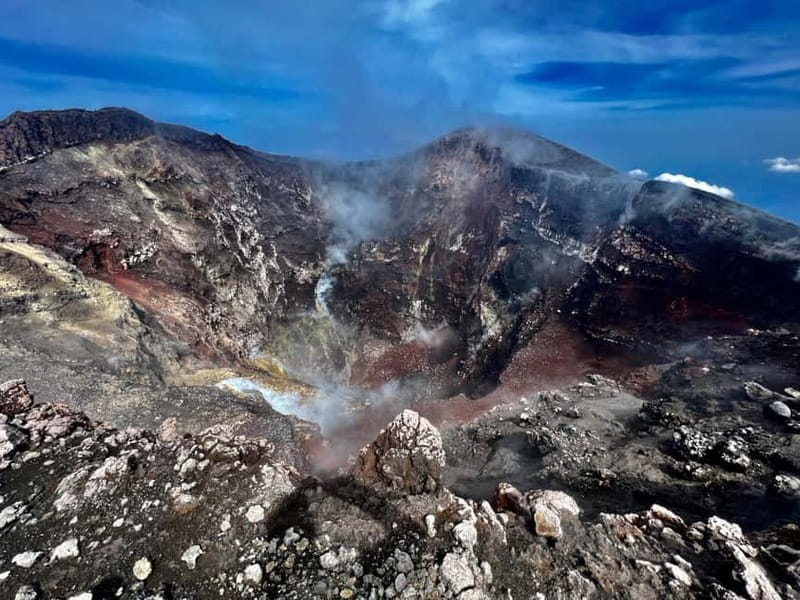
The descent is not simply the uphill route in reverse. The group heads through sandy gullies toward the Pizzi Deneri area, where you can look across the Valle del Bove.
Walking downhill through loose ash can be awkward at first. Your feet may slide, and small rocks can enter your shoes. The descent is often described as exciting, but it can feel steep and uncertain until you find your balance. Keep your pace controlled and follow the guide’s line rather than choosing your own shortcut.
The Valle del Bove view is one of the tour’s strongest scenic stops. From the upper slopes, the immense volcanic depression gives you a sense of Etna’s size and the force of past eruptions. The view also provides a useful contrast to the summit craters: here you can read the mountain as a vast geological structure rather than focusing only on the active vents.
The route is not designed as a race. Guides have been praised for waiting for slower walkers and offering encouragement without making people feel embarrassed. That is useful on a descent, when loose footing can make a confident hiker overreach.
Returning by 4×4 to Piano Provenzana
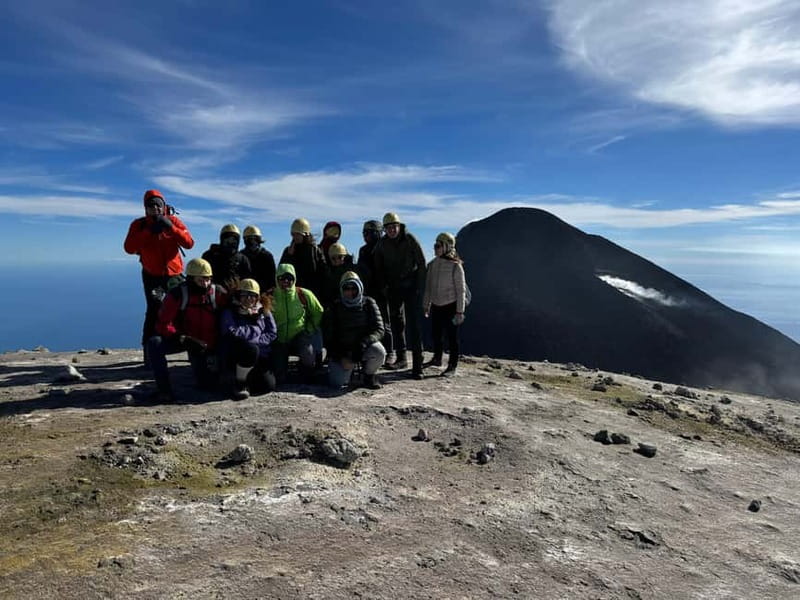
After the lower section, the 4×4 brings you back to Piano Provenzana in about 20 minutes. The whole outing is scheduled for about 4.5 hours, including the briefing, vehicle rides, ascent, crater visit, break, descent, and return.
That half-day length works well if you are fitting Etna into a wider Sicily trip. You still need much of the day for another activity, but you should not schedule anything that requires you to arrive at an exact time afterward. Weather, volcanic restrictions, and the pace of the group can affect the finish.
The small group and live guiding in English, Italian, or French make the return ride useful too. You can ask follow-up questions while the guide explains what you have just seen.
What to wear and pack for Etna
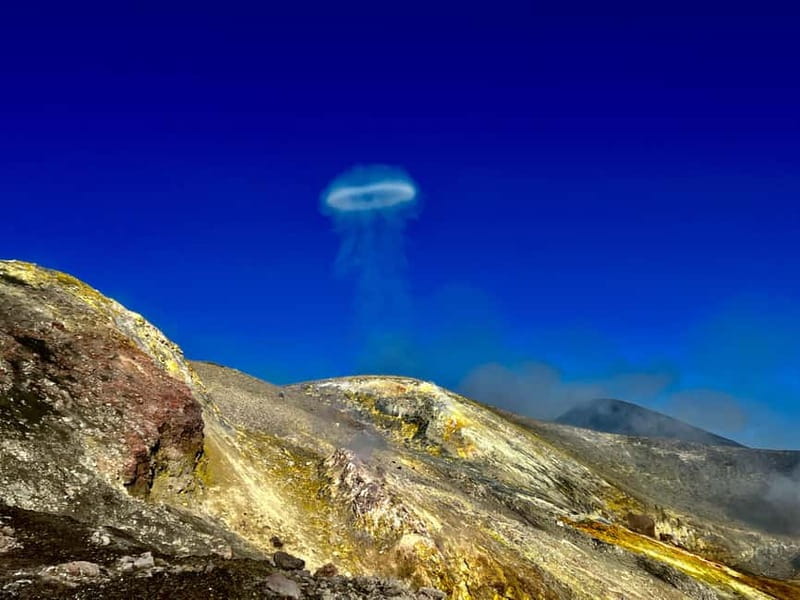
The operator provides hiking boots, a jacket, a helmet, and insurance. Even so, you should arrive prepared. The supplied equipment is a safety net, not a substitute for proper clothing.
Wear long trousers and long socks. Fine volcanic grit can enter low shoes and rub against your ankles. Choose clothing you do not mind getting dusty, especially on the descent.
Pack:
- Sunglasses
- A sun hat
- Warm layers
- A scarf or face covering for dust and sulfur gas
- Food and drinks
- A daypack
- Cash for the €50 4×4 ticket
- Weather-appropriate clothing
Do not bring alcohol or drugs. Contacts may be uncomfortable in dust or sulfur gas, so glasses can be a better choice if you use them. The supplied helmet is required for the guided trek.
Is the $65 price good value?
At $65 per person, the tour looks inexpensive for a summit-area Etna outing. But add the €50 cash 4×4 fee before comparing it with other options.
The total still offers solid value if you want a guided high-altitude hike, equipment, insurance, a small group, and transport to the upper mountain. You also receive instruction from guides with strong volcano knowledge, rather than simply being dropped at a scenic point.
Food and drinks are extra, and there is no hotel pickup. You must reach Piano Provenzana yourself, so include fuel, car hire, or other transport in your budget. The price is best for someone who values access to Etna’s wilder north side and wants a guide who can adapt the route.
Free cancellation up to 24 hours before the start and a reserve-now, pay-later option make planning less risky. Still, the important risk is not cancellation. It is that volcanic or weather conditions may prevent the summit section on the day you choose.
Who should book this Etna trek?
I would choose this tour if you want more than a quick photo stop and are comfortable with a serious uphill walk at altitude. It suits people who enjoy geology, unusual terrain, wide views, and a guide-led experience that explains what is under your feet.
It is also a good choice for mixed-ability groups, provided everyone can manage the climb. The guides are repeatedly praised for patience, encouragement, and close attention to anyone who needs a slower pace.
I would think twice if you dislike cold, wind, dust, sulfur smells, steep loose ground, or plans that may change. You should also skip it if you have the listed medical concerns or a low fitness level.
FAQ
Where does the Mount Etna summit trek meet?
The meeting point is the Sole-neve Souvenirs shop in Piano Provenzana on Etna’s north side. Parking is available there.
How high does the hike go?
The 4×4 takes you to about 2,900 meters, and the trek continues toward the summit crater area at roughly 3,340 meters.
Is the 4×4 ride included in the $65 price?
No. The round-trip Unimog 4×4 ticket costs €50 per person and must be paid in cash on site.
What equipment is provided?
The tour includes hiking boots, a jacket, a helmet, insurance, and a volcanological or alpine guide.
Can the route change or stop below the summit?
Yes. The route and time at the summit depend on Etna’s volcanic activity and weather. The trek may be modified, and reaching the summit area is not guaranteed in unsafe conditions.
Which languages are available?
Live guiding is available in English, Italian, and French. The group is limited to 10 participants.
Should you book it?
Book this trek if you want to walk across Etna’s upper volcanic ground, see the summit craters, and learn from a guide who stays involved from the first briefing to the final descent. Luca, Marco, Arturo, Paolo, and the rest of the guiding team have earned strong praise for clear explanations, patience, and safety awareness.
Go in with realistic expectations: the hike is short but steep, the air is cold, the ground is loose, and the €50 transport cost is extra. If you bring suitable layers, long socks, food, water, and cash, this is one of the better-value ways to experience Etna’s high north side without reducing the volcano to a quick roadside stop.
Recently reviewed hikes in Italy
- Amalfi Coast Path of the Gods Hike from Agerola★ 5.0 · 58 reviews
- Adrenaline River Trekking in Brembana Valley★ 5.0 · 13 reviews
- Agerola: Path of the Gods Guided Hiking Tour★ 4.7 · 48 reviews
- Stromboli: sunset trekking to Sciara del Fuoco – Ashàra★ 4.5 · 270 reviews
- Catania: Mount Etna Sunset Trekking with Wine Tasting★ 5.0 · 140 reviews
- Etna – Trekking to the summit craters (only guide service) experienced hikers★ 5.0 · 286 reviews
- Hike The Path Of Gods from Sorrento★ 5.0 · 208 reviews
- Path of the Gods Hiking Day Tour from Sorrento★ 5.0 · 110 reviews
Volcano Hikes, compared.
Bali: Sunrise Mount Batur Guided Hike with Breakfast
Read our review →
Bali: Mount Batur Sunrise Guided Hike and Natural Hot Spring
Read our review →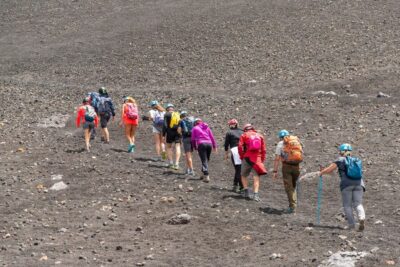
Mount Etna: Summit Guided Hiking Tour up to 3,400 m
Read our review →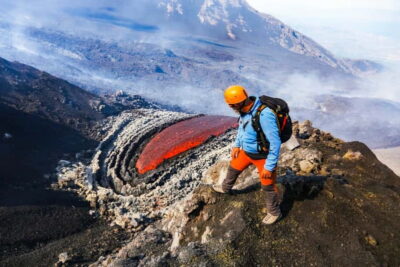
Mount Etna: Trek to 3000m with cable car and 4×4
Read our review →
Bali: Mount Batur Sunrise Trek With Guide and Breakfast
Read our review →
Mount Batur Sunrise Hike and Natural Hot Spring Option
Read our review →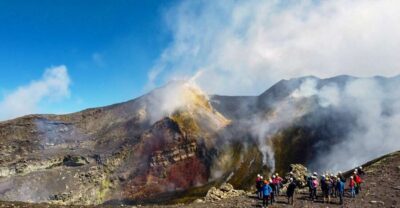
Mount Etna: Summit Crater Trek with Cable Car
Read our review →
Other lists this hike appears in