Review · GERMANY
Sylt: Guided Mudflat Hike on the Island
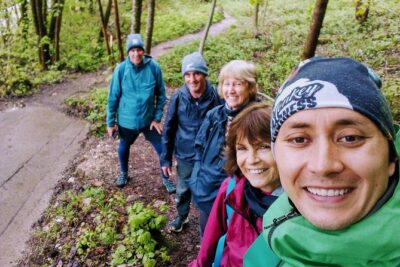
The best part of this Sylt outing is getting your feet into the island’s tidal world. You walk across soft mud, watch the shoreline change with the tide, and see why the Wadden Sea is far more than a flat stretch of wet sand. Local guide Jan Krüger adds the human touch, with stories from the island where he was born.
I like the small price of $19 and the direct access to one of Sylt’s most important natural areas. I also like the choice between bare feet and rubber boots, though you should plan for wind, rain, and muddy conditions. This is a German-language tour, and the meeting point outside the main resort area takes some planning.
Key points to know before you book
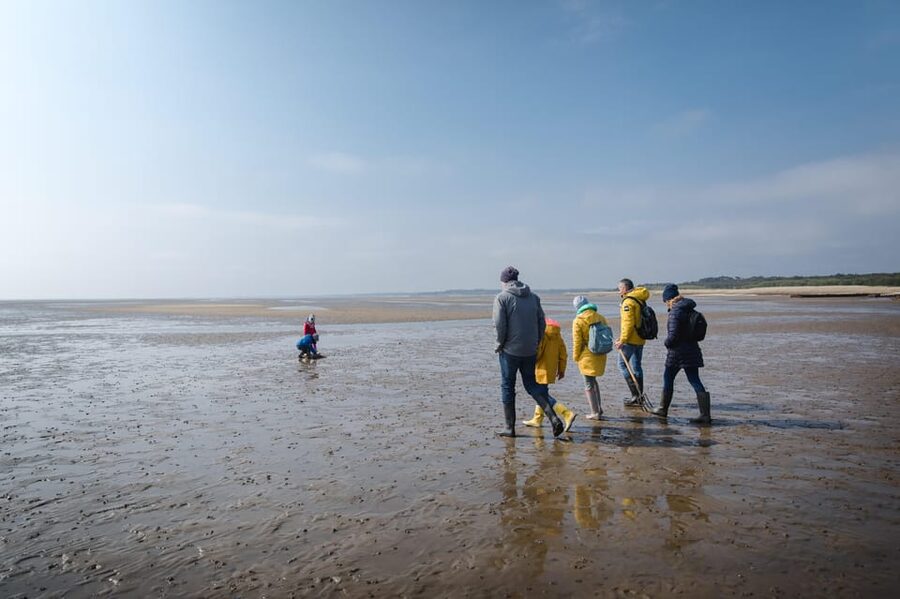
- Walk with a Westerland-born guide: Jan Krüger is a national park mudflat guide and partner of the Schleswig-Holstein Wadden Sea National Park.
- Expect 1.5 to 2 hours outside: The walk is shaped by weather, tides, and the condition of the mudflats.
- Go barefoot in warmer weather: In spring, autumn, and winter, the group uses rubber boots instead.
- Reach the Vogelkoje stop by bus: The meeting point sits between Kampen and List, not in central Westerland.
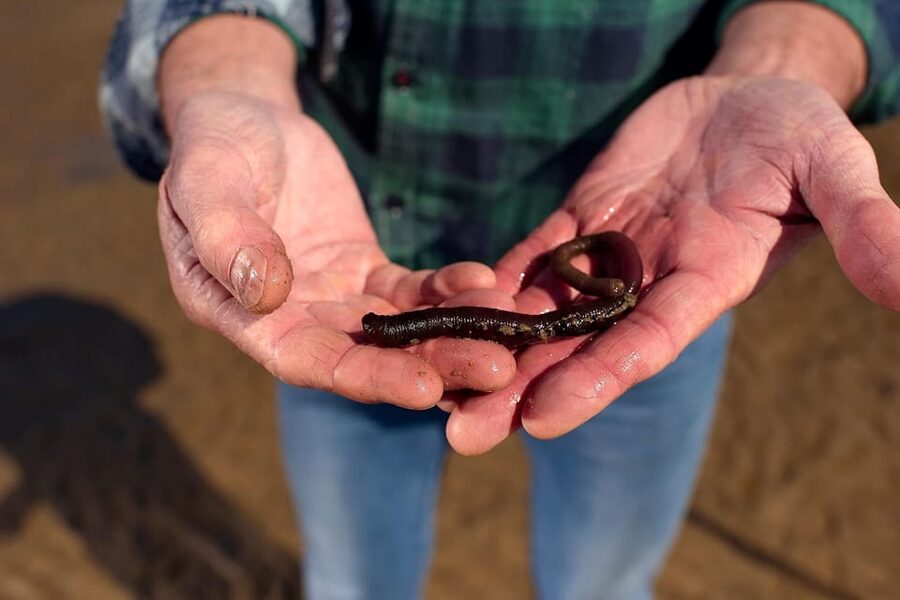
- See the Wadden Sea as a living system: Mussels, shore crabs, brown shrimp, migratory birds, seals, and porpoises all belong to this setting.
- The tour is in German: The guide speaks German, so basic German is important for following the explanations.
Why Sylt’s mudflats are worth your time
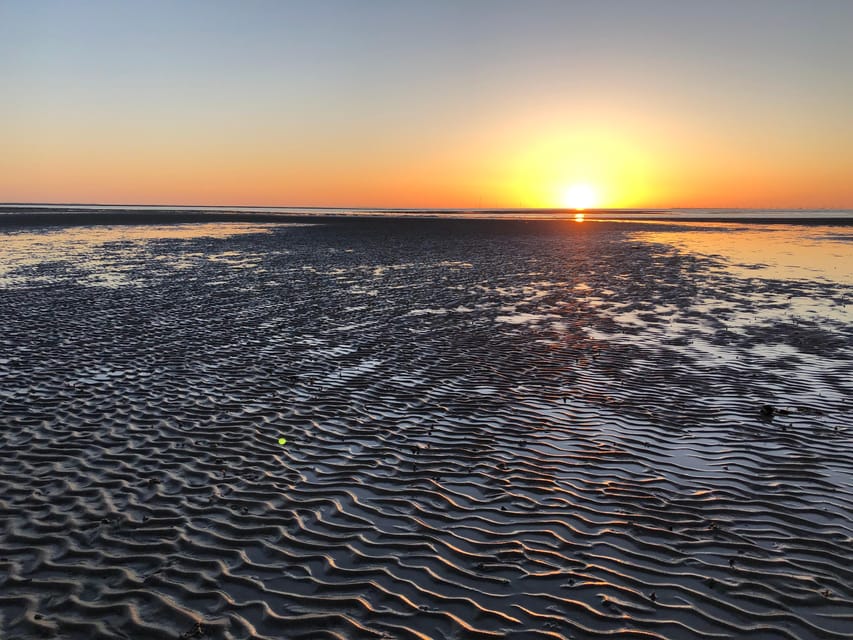
Sylt is famous for beaches, dunes, wind, and polished seaside resorts. But the Wadden Sea gives you a very different view of the island. Twice a day, the tide changes the shore. Water moves in and out, channels appear and vanish, and the muddy bottom becomes a feeding ground for wildlife.
That constant change is what makes a guided walk useful. The mudflats can look simple at first, but they support mussels, shore crabs, brown shrimp, and many other small creatures. In spring and autumn, millions of migratory birds pause here on their way north or south, using the food in the tidal zone to refuel.
The Schleswig-Holstein Wadden Sea National Park covers almost 4,500 square kilometers. It is Germany’s largest national park, and UNESCO added it to the World Heritage list in 2009. Those facts matter because they put your two-hour walk into context. You are not simply crossing wet sand. You are entering a protected tidal ecosystem that supports wildlife across much of the North Sea.
I like tours that let you understand a place through its working parts. Here, the mud under your feet connects to birds overhead, seals on the sandy beaches, and the changing tides around Sylt. With luck, you might even see a porpoise, though no wildlife sighting is guaranteed.
More Guided Tours in the world:
- From Marrakech: Ouzoud Waterfalls Guided Hike and Boat Trip
★ 4.7 · 33,630 reviews - Bali: Sunrise Mount Batur Guided Hike with Breakfast
★ 4.8 · 9,660 reviews - Bali: Mount Batur Sunrise Guided Hike and Natural Hot Spring
★ 4.8 · 9,284 reviews
Meeting Jan at the Vogelkoje bus stop
The tour begins at the Vogelkoje bus stop between Kampen and List. For most visitors, taking the bus is the easiest way to arrive. This location puts you near the mudflat area rather than starting in a busy resort center.
Give yourself enough time to reach the stop. The supplied information does not include a private transfer, and transportation is not included in the $19 price. That is not a serious problem if you are already using the island bus system, but it does mean you should check the route before booking a start time.
Jan Krüger was born in Westerland and knows Sylt as his home. He works as a national park mudflat guide and national park partner, so his role is more than leading a pleasant walk. He interprets the place for you, explaining what lives in the mud and how the tides shape the area.
The strongest praise for this outing centers on Jan’s style. He is described as funny, friendly, entertaining, and able to answer questions. That matters on a mudflat walk because the setting can feel quiet and open. A guide who keeps the group engaged helps turn a potentially muddy stroll into a clear story about nature and island life.
The tour is conducted in German. If you understand German well, you should get the full value from Jan’s explanations and humor. If you do not, the language issue is an important reason to choose another activity or bring someone who can translate informally.
What the 1.5 to 2-hour walk is like
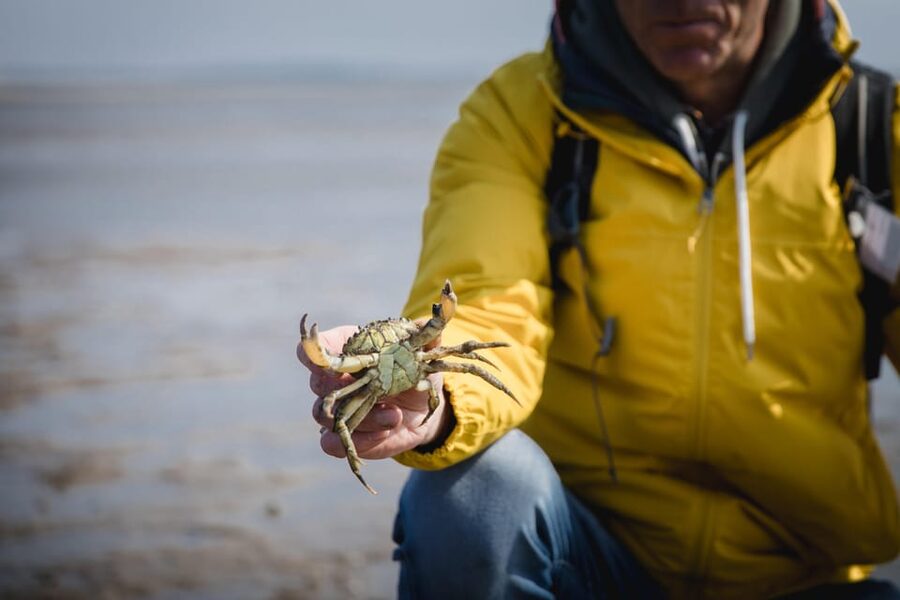
This is a walking tour rather than a sightseeing trip with several formal stops. You spend the time moving through the mudflat area, looking closely at the tidal zone, and listening to Jan explain what you see.
The pace and route can vary with the tide and weather. That is part of the point. The Wadden Sea is not a fixed park path with the same view every day. Tides affect where you can walk and what is exposed, so you should expect a natural setting rather than a carefully polished route.
In warmer conditions, the group may go barefoot. That gives you a more direct sense of the mud beneath you. The feeling of walking barefoot through the tidal ground is one of the most memorable parts of the outing, but it is not for everyone. Cold temperatures, sensitive feet, or discomfort with mud can make rubber boots the better choice.
In spring, autumn, and winter, the tour goes into the mudflats with rubber boots. Boots are not included, so you need to arrange them yourself. This is the most important practical detail to settle before the day of the walk. Ordinary shoes are not a substitute for proper footwear in cold or wet conditions.
The tour lasts about two hours, which is long enough to get a real sense of the area without taking up your entire day. You can still combine it with time in Kampen, List, or elsewhere on Sylt. Since the walk is outdoors, bring weather-appropriate clothing. Rain is not a reason to cancel by itself, but it can make the experience less comfortable.
One useful lesson from the wet-weather comments is simple: dress for the North Sea, not for the weather you hope to get. A funny guide can keep spirits up, but he cannot stop the rain. Waterproof outerwear and warm layers will make a large difference.
The wildlife under your feet and overhead
The mudflats can look empty until you learn what to notice. Mussels filter food from the water. Shore crabs move through the tidal zone. Brown shrimp live in the shallow water and mud. These small animals form the base of a food system that supports many birds.
Spring and autumn are especially important seasons for birdlife. Large numbers of migratory birds stop in the Wadden Sea while traveling between breeding and wintering areas. The tidal flats provide food and a place to rest, making the area important far beyond Sylt itself.
You might also hear about seals and gray seals living on the sandy beaches. A porpoise may appear in the water if conditions and luck cooperate. It is best to treat these as possible bonuses, not promises. The main value of the walk is learning how the tidal system works, even if larger animals stay out of sight.
Jan’s job is to connect the small details to the larger picture. A shell, a crab, or a patch of mud can become part of an explanation about tides, feeding, migration, and protection. That is why I would choose this guided walk over simply wandering near the shore without context.
More hikes and treks around the world:
- Berber villages : Atlas Mountains Day Hike from Marrakech
★ 5.0 · 14,007 reviews - Cinque Terre Day Trip with Optional Hiking or Pisa
★ 5.0 · 8,486 reviews - From Marrakech: Atlas Mountains Full-Day Hiking Trip w Lunch
★ 4.8 · 7,417 reviews - Marrakech: Ourika Valley Trip with Waterfall Hike
★ 4.6 · 6,792 reviews
Bare feet, rubber boots, and the weather question

The barefoot option sounds appealing, and in suitable temperatures it can make the outing feel more immediate. You notice the texture of the mud and the changing firmness underfoot. It also gives the walk a playful side that a standard nature trail does not have.
Still, barefoot does not mean carefree. You need weather that is warm enough for it, and you should be comfortable with mud on your feet. The information does not specify washing facilities or changing areas, so you should plan your clothing with some practical sense.
During spring, autumn, and winter, rubber boots are the rule. They protect your feet from cold mud and shallow water. Since the boots are not provided, check rental or purchase options before you arrive. The activity price is low, but the total cost may be higher if you need to arrange footwear and transportation.
Weather can change the mood of the experience. On a calm day, the open tidal area may feel peaceful and spacious. On a rainy day, it may feel rougher and more physical. That contrast is not a flaw in the tour, but it is a reason to book only if you are willing to spend two hours outdoors in imperfect conditions.
Is $19 a good value?
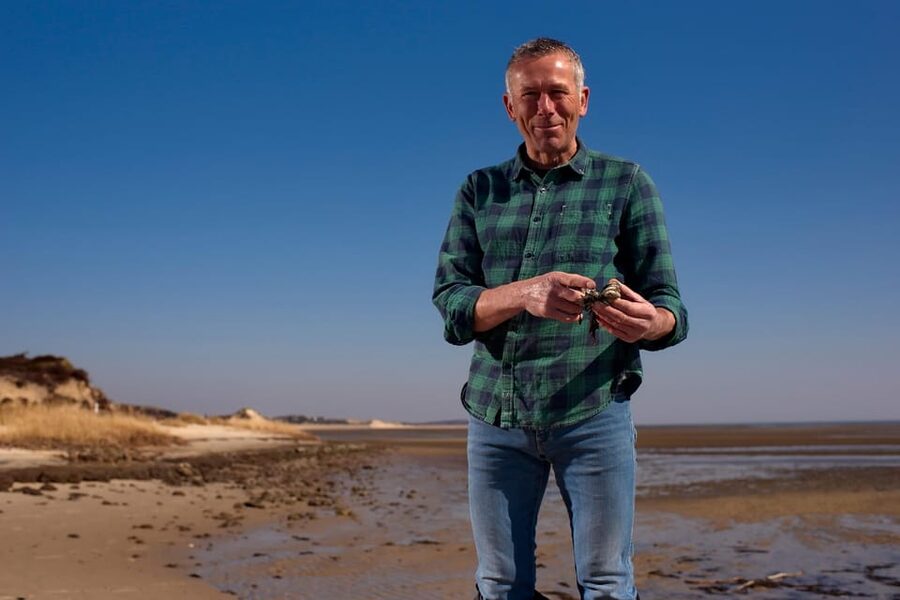
At $19 per person, this is an easy activity to fit into a Sylt itinerary. You are paying for a 1.5 to 2-hour guided walk with a local guide, not for transport, food, drinks, or equipment.
I consider that strong value if you already have a way to reach the Vogelkoje stop and suitable clothing or boots. The price gives you access to a protected area that is easy to misunderstand without local explanation. Jan’s local background and national park work add more value than a simple self-guided stroll.
The cost becomes less simple if you need to rent rubber boots or arrange extra transportation. Even then, the tour remains reasonably priced, but you should count those extras before comparing it with other Sylt activities.
Free cancellation up to 24 hours before the tour and the reserve-now, pay-later option make it easier to fit into a changing itinerary. That is useful on an island where weather may affect your plans. You still need to check the available start times when booking, since the duration is listed as two hours but the exact schedule can vary.
Who will enjoy this walk most
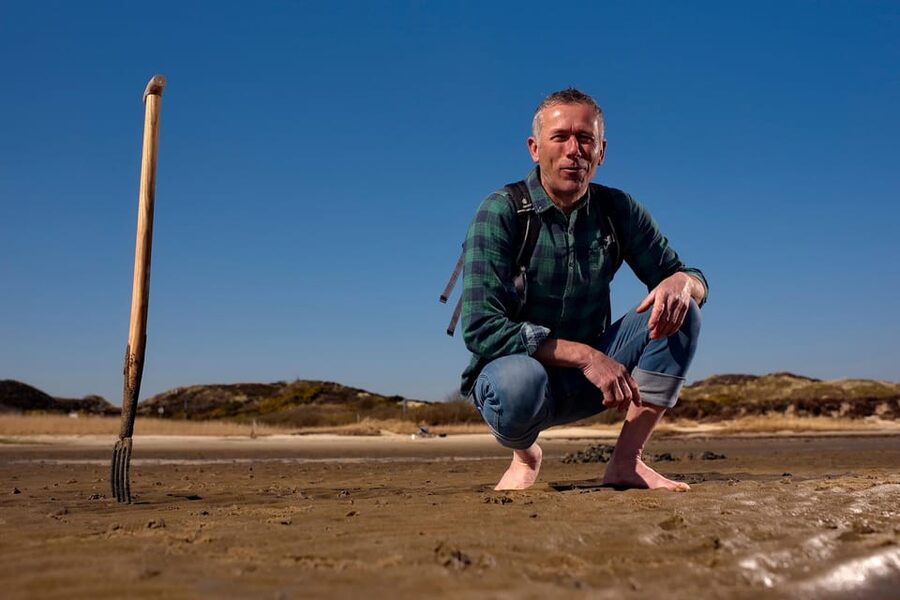
I would recommend this tour to anyone who wants a closer look at Sylt’s natural side. It suits adults, older children who can manage a muddy outdoor walk, and visitors who enjoy learning through a guide rather than simply taking photos.
It is especially good for:
- Visitors interested in birds, marine life, tides, and protected areas
- People who want a short outdoor activity rather than a full-day excursion
- Anyone curious about walking barefoot across a tidal zone
- Visitors staying around Kampen or List who can reach the meeting point easily
- German speakers who enjoy local stories and a lively guide
This may not be the right choice for someone seeking a dry, comfortable sightseeing tour. It is also not suitable for wheelchair users according to the activity information. The uneven, muddy ground and outdoor conditions make that limitation important.
Families should consider the weather, footwear, and the child’s comfort with mud. The walk is not described as a special children’s program, so the main appeal is the natural setting and Jan’s explanations rather than organized entertainment.
What makes Jan’s guiding style useful
A mudflat guide needs to do two things well: explain nature clearly and keep people interested while standing in an open, exposed area. Jan seems well suited to that role.
His connection to Sylt gives the tour a local voice. He is not presenting the island as a postcard. He knows it as a place where people live, work, and spend time outdoors. His humor is another practical advantage, especially in poor weather. A wet walk feels easier when the guide can answer questions, tell a good story, and keep the group together in good spirits.
The comments about Jan are consistent: friendly, entertaining, informative, and able to explain the Wadden Sea well. That is the feature I would weigh most heavily when choosing this activity. The mudflats are the setting, but the guide determines how much you understand.
How to prepare for the best outing
Before leaving, check the weather and plan clothing for wind and rain. Wear layers and bring a waterproof outer layer. If the season calls for boots, arrange rubber boots before arriving because they are not included.
Plan your bus route to the Vogelkoje stop between Kampen and List. Do not assume you can simply walk over from central Westerland without checking the distance and timing. Food and drinks are not included, so handle those before or after the walk rather than expecting a refreshment stop during it.
You should also allow time for muddy footwear and clothing after the tour. The supplied information does not promise changing facilities, so simple practical planning helps. A spare pair of socks is a sensible addition if you are using boots, though only weather-appropriate clothing is formally listed.
Book this activity when you want the Wadden Sea to be the main event for a couple of hours. Do not book it as a backup plan for a rainy afternoon if you strongly dislike being outside in bad weather.
Should you book the Sylt mudflat hike?
Book it if you want an affordable, local-led look at the Wadden Sea and you are happy to adapt to mud, weather, tides, and German-language guiding. The combination of Jan Krüger’s local knowledge, a protected tidal setting, and a $19 price makes this one of the more useful short activities on Sylt.
Think twice if you need smooth paths, guaranteed wildlife sightings, included equipment, or an English-speaking guide. The meeting point also requires bus planning, and colder seasons require rubber boots that you must arrange yourself.
For the right visitor, this is a memorable way to experience Sylt from ground level. You do not just look across the Wadden Sea. You feel its mud, learn how its tides work, and begin to see the small creatures and passing birds that keep this remarkable place alive.
FAQ
How long does the Sylt mudflat hike last?
The guided walk lasts about 1.5 to 2 hours. Availability should be checked for the exact starting time.
Where does the mudflat hike meet?
The meeting point is the Vogelkoje bus stop between Kampen and List. Taking the bus is described as the easiest way to get there.
Is the tour offered in English?
No. The live guide language is German, and the activity information lists German as the tour language.
Do I need rubber boots?
In spring, autumn, and winter, the group goes into the mudflats with rubber boots. Rubber boots are not included, so you need to arrange them yourself.
What is included in the price?
The price includes the 1.5 to 2-hour guided walking tour and a local guide. Transfers, food, drinks, and rubber boots are not included.
Can wheelchair users join the hike?
No. The activity is listed as not suitable for wheelchair users.
Recently reviewed hikes in the world
- Asheville: Yoga on a Mountain Hike★ 4.7 · 7 reviews
- Arequipa: 2-day Colca Canyon Trekking, Ending in Puno★ 4.8 · 8 reviews
- Arctic hike on Kvaløya Island with drinks and snacks★ 5.0 · 8 reviews
- Arctic Wilderness Hike from Rovaniemi (Day & Evening)★ 4.7 · 12 reviews
- Antelope Valley: Ligai Si Anii Canyon Hiking Tour★ 4.9 · 13 reviews
- Antigua: 2-Day Acatenango Volcano Hike w/Local Guide & Meals★ 4.3 · 43 reviews
- Delphi: Easy Hike on Ancient Path through the Olive Groves★ 5.0 · 9 reviews
- Antalya: Hiking in Termessos Ancient City★ 5.0 · 152 reviews
Germany Hiking Tours, compared.

Freiburg: Veni, vidi, vino – wine hike and tasting
Read our review →