
Review · JAPAN
Kyoto: 3-Hour Fushimi Inari Shrine Hidden Hiking Tour
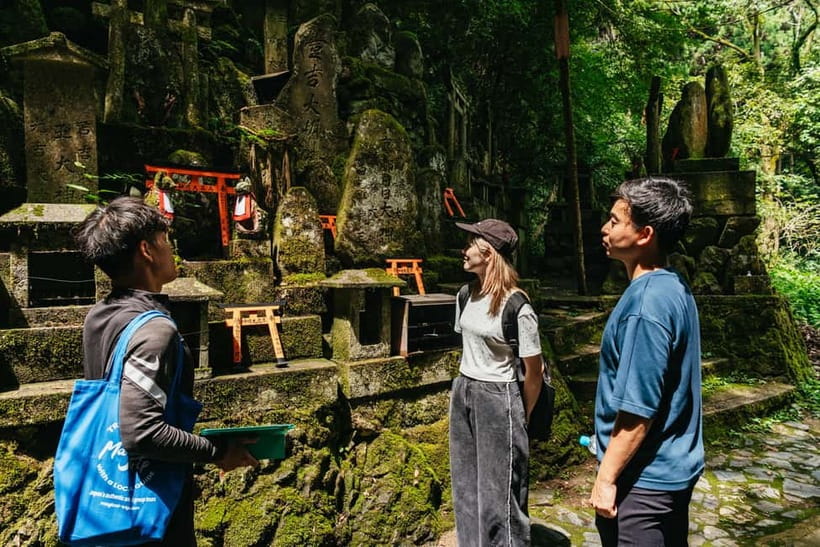
Fushimi Inari is famous for its endless orange-red torii gates, but the best part of this three-hour hike comes before you reach the crowded shrine path. You start near Tofukuji Station, slip through quiet streets, and climb forest trails toward Mount Inari, where bamboo, small altars, and shaded paths replace the usual photo scrum.
I like the small groups of up to nine and the way the route approaches the shrine from behind. I also like the cultural help: guides such as Hina, Naru, Shiori, Yukari, and Matthew have explained Shinto customs, offerings, amulets, and the meaning of the gates while taking photos along the way.
The catch is simple: this is a real hike, not a gentle shrine stroll. Seven kilometers, steep sections, stairs, rocky ground, and occasional mud demand reasonable fitness. The forest shade is welcome, but mosquitoes and bugs are possible, and the popular shrine area becomes crowded again near the end.
Key points at a glance
- Back way to Fushimi Inari: Approach the shrine from the quieter Tofukuji side rather than joining the main crowd at the base.
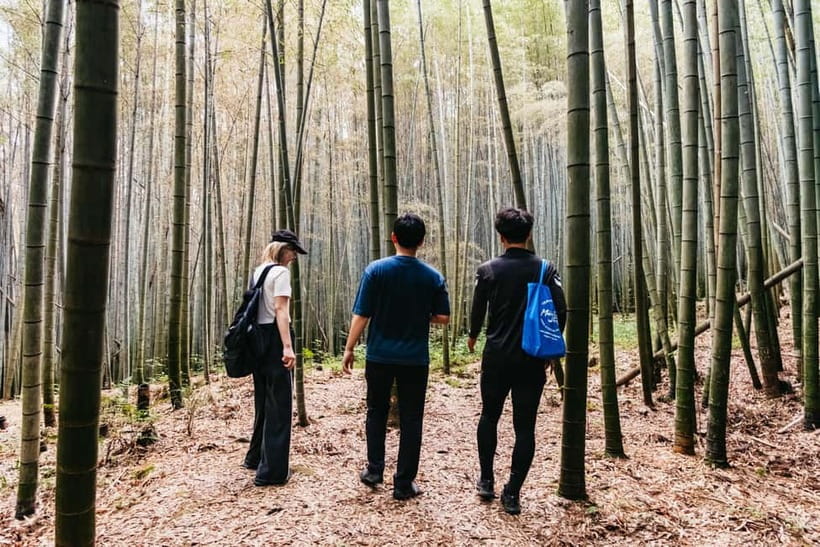
- Two bamboo sections: Walk through a secluded grove early on and another forested bamboo area while descending.
- About 7 kilometers: Expect regular uphill and downhill walking, stairs, and uneven trails over three hours.
- Small-group format: Groups can include up to nine people, with private options also available.
- Cultural guidance: Learn how to enter torii gates, make offerings, and understand shrine customs from an English-speaking local guide.
- Photos included: Your guide takes pictures at scenic points, including the famous torii gates and quieter forest sections.
Why this route changes the Fushimi Inari experience
Fushimi Inari Taisha is one of Kyoto’s busiest sights. The famous approach begins at the main shrine and quickly fills with people trying to photograph the rows of vermilion torii gates. This tour takes a different line.
You meet outside FamilyMart Nakai Tofukuji, next to Exit 2 at Tofukuji Station. From there, the walk begins in a quiet neighborhood and continues past smaller shrines before reaching the mountain trails. That early change of pace matters. You get time to settle into the walk before the torii gates appear.
For much of the first half, you can expect few people around you. The route passes through trees and bamboo, with occasional old altars tucked beside the trail. It feels less like ticking off Kyoto’s biggest sight and more like moving through a living religious site that happens to be on a mountain.
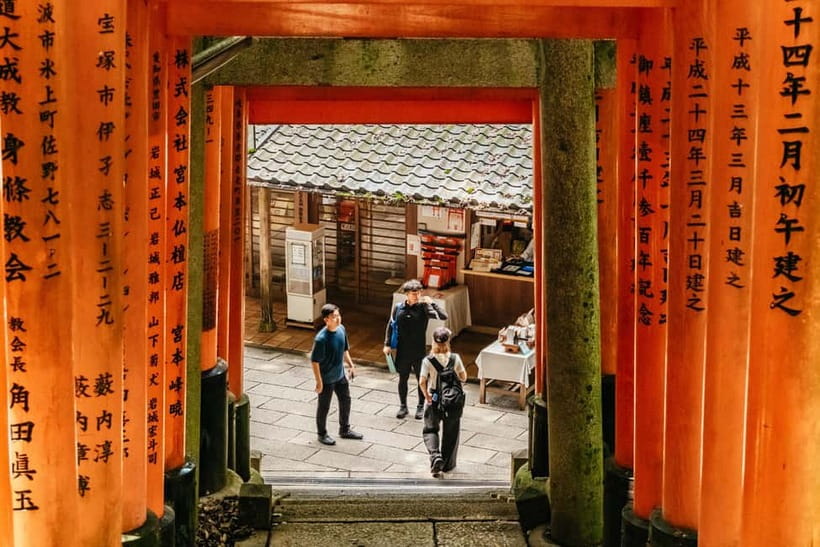
The main torii path still forms an important part of the tour. You will not miss the classic Fushimi Inari images. Instead, you reach them after seeing a quieter side of the mountain, so the crowded section has more context.
More Three-Hour Experiences in the world:
- Mauritius: Tamarind Falls Highlights 3-Hour Hiking Trip
★ 4.9 · 588 reviews - Skaftafell Glacier Hike 3-Hour Small Group Tour
★ 4.5 · 580 reviews - Solheimajokull Glacier 3-Hour Small-Group Hike
★ 5.0 · 501 reviews
Starting at Tofukuji Station and the first 40 minutes
The meeting point is easy to identify: FamilyMart Nakai Tofukuji, outside Exit 2 of Tofukuji Station. You can reach Tofukuji on the JR line using either rapid or local trains. On the Keihan line, use a sub-express, semi-express, or local train. Do not take an express train to the meeting point.
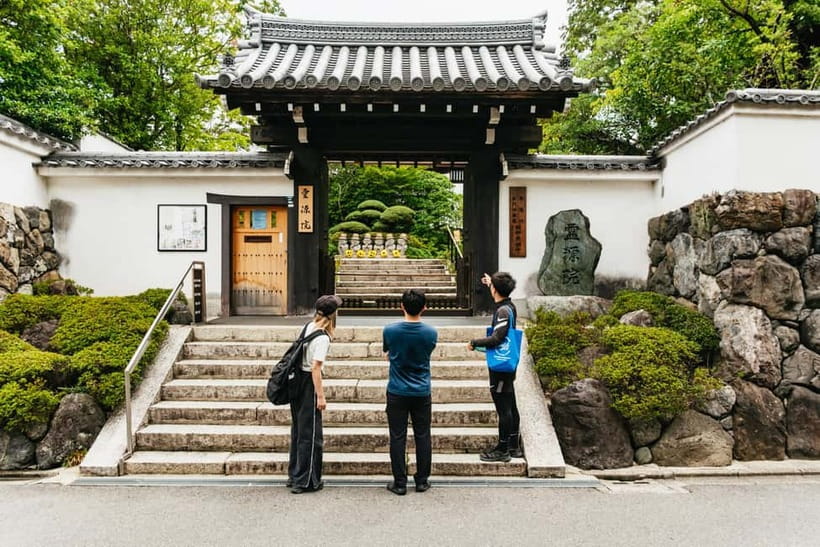
The first portion passes through a quiet neighborhood and includes Tofukuji Temple, listed as a short visit of about 10 minutes. This gives you a little temple scenery before the mountain walk begins, but it is not the main event.
The next section lasts about 40 minutes and leads toward the first bamboo grove. Here the reward is peace rather than a famous viewpoint. You are walking on forest trails, with less direct sun than on open paved paths. That shade helps in warmer months, though it also means you should use insect repellent and wear long sleeves and long pants.
Your guide sets the pace and makes regular stops. Guides including Naru, Hina, and Yukari have been praised for taking time with questions and helping each person in the group. English ability can vary by guide, so explanations may be brief on some departures, but the activity is conducted in English.
The bamboo grove and the climb to Mount Inari
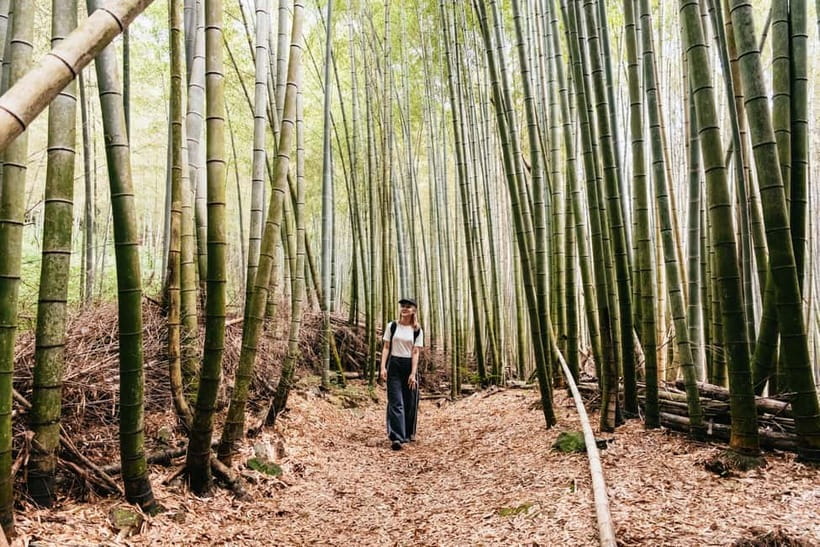
The first bamboo grove is one of the tour’s strongest moments. It is not presented as Kyoto’s famous Arashiyama grove. Instead, it is a quieter mountain section reached by trail, where you can take photos without the same pressure to move along.
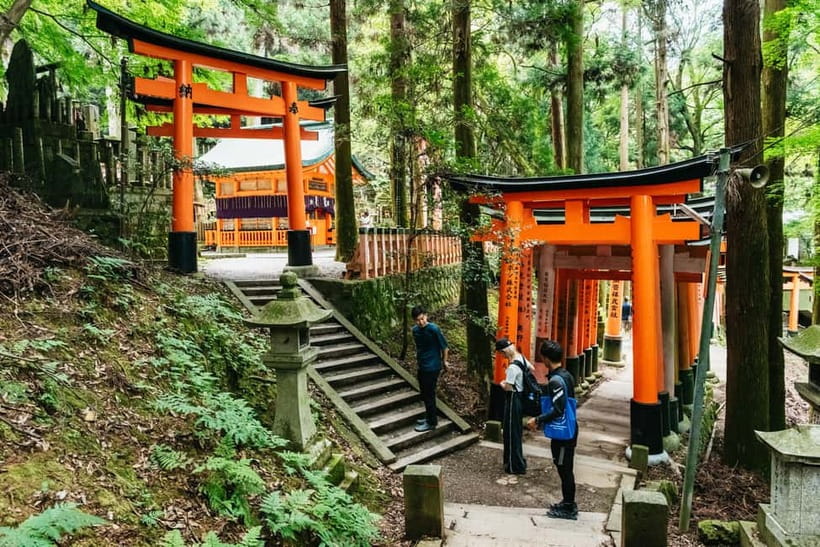
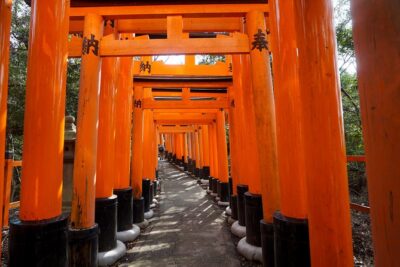
From the bamboo, the route connects with the main torii-gate path. The contrast is striking. One moment you are on a quiet forest track, and soon you are walking beneath rows of vermilion gates built by businesses and individuals in gratitude for prosperity and good fortune.
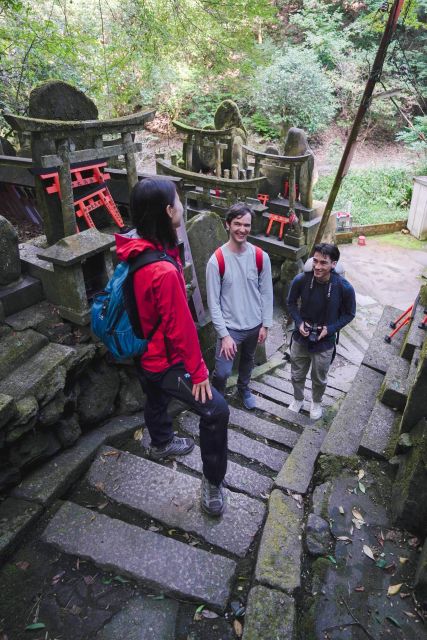
The climb continues toward the summit of Mount Inari, with shrine altars spread across the mountain. The route is roughly 7 kilometers in total, and several parts involve stairs or uneven ground. One account of the walk measured about 50 flights climbed, which gives you a useful sense of the effort involved.
You do not need to be an athlete, but you should be comfortable walking uphill for several hours. If you have trouble walking or are not in regular condition, this is not the right outing. The guide can add stops when needed, but breaks do not remove the climb.
The summit altars and the forest descent
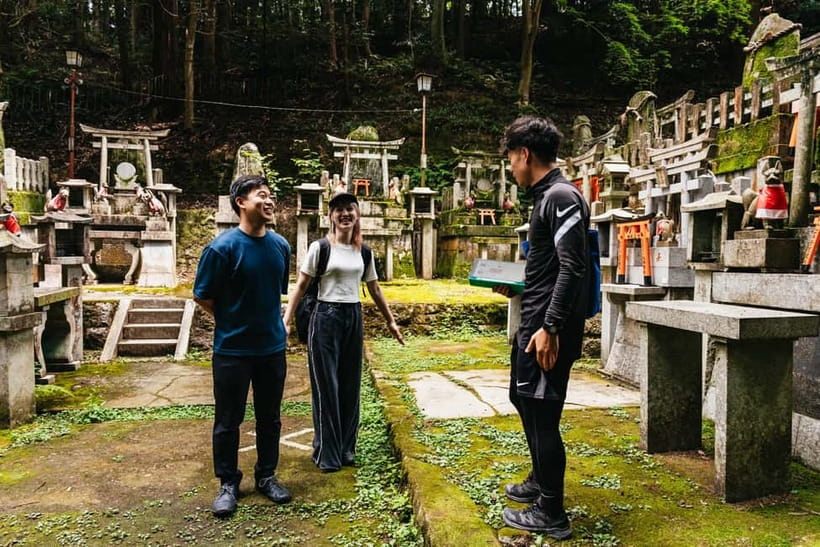
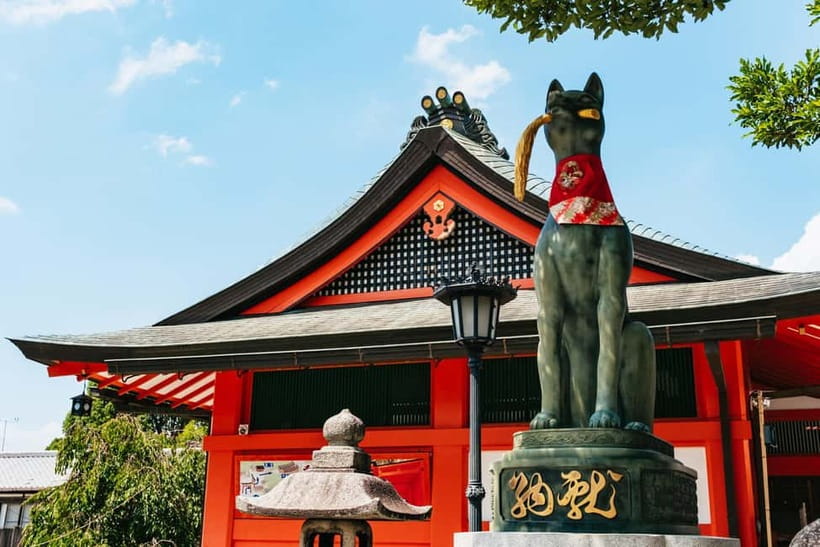
The high point of the route is not one grand summit platform. Mount Inari is covered with smaller religious sites, stone markers, and altars. The guide can help you understand what you are seeing and explain the role of fox imagery, torii gates, offerings, and shrine etiquette.
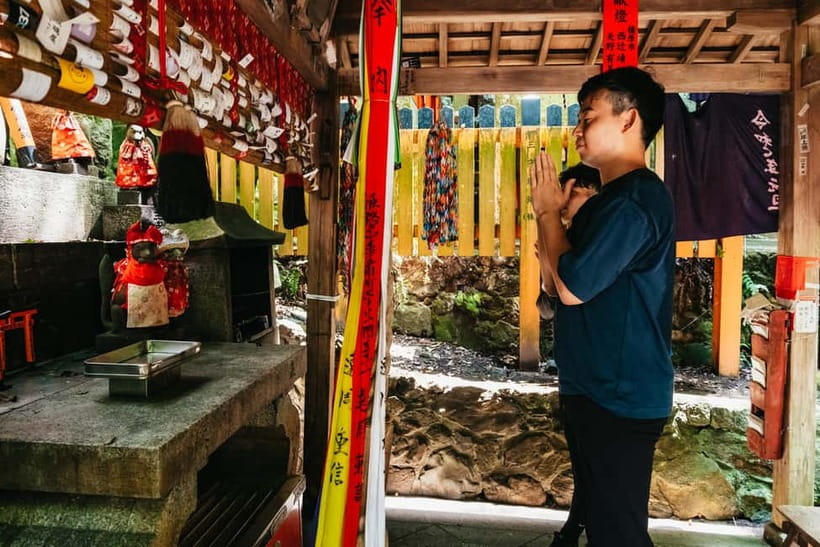
This is where a local guide adds real value. You can learn how to pass through a torii respectfully, how to approach a shrine, and how to make an offering. The better guides also connect the rituals to everyday Japanese culture rather than giving you a list of dates and names.
After reaching the upper section, you descend by a forested trail. Downhill walking can be harder on your knees than the climb, especially on wet or rocky ground. Rain can make the paths muddy and slippery, so shoes with a solid grip are a sensible choice.
The descent leads to another bamboo grove and smaller shrines. This second quiet section helps break up the more familiar torii-gate route. It also gives your guide more chances to stop for photographs. Naru has been singled out for taking patient, well-composed pictures, while other guides have helped each person in a small group get photos at several points.
More hikes and treks around the world:
- From Marrakech: Ouzoud Waterfalls Guided Hike and Boat Trip
★ 4.7 · 33,630 reviews - Berber villages : Atlas Mountains Day Hike from Marrakech
★ 5.0 · 14,007 reviews - Bali: Sunrise Mount Batur Guided Hike with Breakfast
★ 4.8 · 9,660 reviews - Bali: Mount Batur Sunrise Guided Hike and Natural Hot Spring
★ 4.8 · 9,284 reviews
Reaching the famous torii gates from above
Eventually, you enter the most photographed part of Fushimi Inari. Approaching from above changes the experience. Instead of starting in the dense crowd and gradually finding fewer people, you begin in silence and move toward the busy lower shrine.
That means the final section is not crowd-free. Several people who enjoyed the quiet first half found the lower area increasingly busy. This is an important point to understand before booking. The tour reduces your time in the crowds, but it cannot remove the crowds from one of Kyoto’s most popular sights.
The payoff is that you still see the signature gates and finish at the main shrine. Your guide can point out good photo spots and help you avoid wasting time in the busiest areas. The final stop also puts you near local street food, so you can grab something to eat after the tour, at your own cost.
What the guide adds beyond directions
You could walk the main Fushimi Inari route without a guide. The harder part is finding the forest trails, understanding which small altars matter, and knowing how to use the quieter approach without getting turned around.
The guide also gives the walk a cultural frame. Hina has helped families understand shrine customs and answered many questions. Jimmy has been praised for explaining respectful entry, offerings, and wishes. Matthew and Shiori have been noted for clear explanations and attentive pacing.
Guide quality can vary in style and English fluency. Some guides offer long cultural explanations, while others keep the talk shorter. If detailed interpretation matters to you, ask questions as you go. The small-group format makes that easier than a large coach tour.
The photo service is another practical benefit. You do not have to choose between taking pictures and appearing in them. Your guide can take photos at the bamboo groves, torii gates, and scenic parts of the trail. The exact number and style of photos are not specified, so think of this as helpful guide photography rather than a professional photo shoot.
Fitness, clothing, and weather
The activity description calls the hike moderate, but several parts are more demanding than that label might suggest. You will walk approximately 7 kilometers, climb stairs, tackle unpaved paths, and descend through forest terrain. One participant described it as more of a hike than a relaxing walk, which is the right expectation.
Wear:
- Long pants
- A long-sleeved shirt
- Comfortable shoes with good grip
- Clothing you can move in
- Insect repellent, if you have it
Long sleeves and pants protect you from mosquitoes and other bugs as well as sun. Much of the route is shaded, but the forest can also feel humid.
Rain deserves extra thought. The tour may be canceled in extreme weather, and you can cancel if rain leaves you unprepared. On a wet day, the trails can become muddy and slippery. A rainy departure may bring fewer people, but it also makes footing less reliable.
Large bags and luggage are not allowed. Bring only what you need for the walk, water, and perhaps a small snack. Food and drinks are not included, though street food is available near the finish.
Is $72 a fair price?
At $72 per person, the value depends on what you want from Fushimi Inari. If your goal is simply to see the main torii gates, you can visit independently and spend less. The shrine itself does not require this tour to be enjoyable.
The price makes more sense if you want the back trails, bamboo groves, cultural explanation, and photos without having to find the route yourself. You are paying for a local guide, route-finding, a small group, and a more structured three-hour walk. Private and small-group options are available, though group size and the exact price of a private departure should be checked when booking.
For a first Kyoto visit during a busy season, the crowd avoidance has real value. You may spend much of the climb with only your group, then see the famous gates from a better angle. For a confident hiker who already knows the mountain, the price may feel less necessary.
Free cancellation is available up to 24 hours before the start time, with free date or time changes subject to availability. That flexibility helps if rain is in the forecast.
Who should book this hike?
I would choose this tour if you want more than a quick shrine photo and like walking through wooded places. It suits couples, active families with children eight and older, and small groups that want time for questions.
Families should judge the children’s stamina carefully. The route is not technically extreme, but the stairs and distance can be tiring. Children under eight are not suitable for the activity, and children younger than eight would need a parent or guardian’s permission before booking, according to the activity information.
I would skip it if you have limited mobility, dislike uneven paths, or want a slow cultural visit with little exertion. I would also avoid booking it on a day when you are carrying luggage, since large bags are not allowed.
Should you book the Fushimi Inari hidden hiking tour?
Book it if you want the quiet side of Fushimi Inari, a genuine mountain walk, and help understanding shrine customs. The route gives you bamboo, forest, small altars, torii gates, and the main shrine in one outing, which is a strong use of three hours in Kyoto.
Do not book it expecting a relaxed stroll or a completely empty shrine. The forest sections are the main reward, while the lower torii area can still be crowded. Bring proper clothing, allow for a workout, and arrive ready to walk.
For most reasonably fit visitors, the $72 cost is justified by the unusual route and the guide’s help. Fushimi Inari is easy to visit on your own, but reaching its quieter trails and understanding what you are seeing is much harder without local assistance.
FAQ
How long is the Fushimi Inari hiking tour?
The tour lasts three hours. The total walking distance is approximately 7 kilometers.
Where does the tour start?
It starts outside FamilyMart Nakai Tofukuji, next to Exit 2 of Tofukuji Station.
Where does the tour finish?
The route finishes at the main Fushimi Inari Shrine at the base of the mountain, and the group then returns to the FamilyMart meeting point area.
Is the tour conducted in English?
Yes. The tour includes a live English-speaking guide.
How large is the group?
The group can include up to nine people. Private or small-group options are available.
Does the tour visit bamboo groves?
Yes. The route includes a bamboo grove during the climb and another bamboo area while descending through the forest.
Is this an easy walk?
No. It is a moderate hike with uphill and downhill sections, stairs, rocky paths, and possible mud. It is not recommended for people who have trouble walking or are not in regular condition.
What should I wear?
Wear long pants and a long-sleeved shirt. These help protect you from mosquitoes and bugs in the mountain forest.
Are food and drinks included?
No. Additional food and drinks are not included. You can enjoy local street food near the end of the tour.
Can I cancel if my plans change?
You can cancel up to 24 hours before the starting time for a full refund. Date or time changes are also available up to 24 hours before the tour, depending on availability.
Recently reviewed hikes in the world
- Asheville: Yoga on a Mountain Hike★ 4.7 · 7 reviews
- Arequipa: 2-day Colca Canyon Trekking, Ending in Puno★ 4.8 · 8 reviews
- Arctic hike on Kvaløya Island with drinks and snacks★ 5.0 · 8 reviews
- Arctic Wilderness Hike from Rovaniemi (Day & Evening)★ 4.7 · 12 reviews
- Antelope Valley: Ligai Si Anii Canyon Hiking Tour★ 4.9 · 13 reviews
- Antigua: 2-Day Acatenango Volcano Hike w/Local Guide & Meals★ 4.3 · 43 reviews
- Delphi: Easy Hike on Ancient Path through the Olive Groves★ 5.0 · 9 reviews
- Antalya: Hiking in Termessos Ancient City★ 5.0 · 152 reviews
Japan Hiking Tours, compared.
Fushimi Inari Hidden Hiking Tour (Private Option Available)
Read our review →
Hiroshima Local guided Hiking Tour&Open-air Tea Ceremony
Read our review →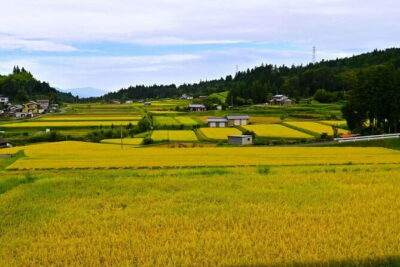
Hiking the Historic Nakasendo Trail [1 Day Tour from Nagoya]
Read our review →
Full Day Hiking Tour at Mt.Takao including Hot Spring
Read our review →
Hike Japan Heritage Hakone Hachiri with certified mountain guide
Read our review →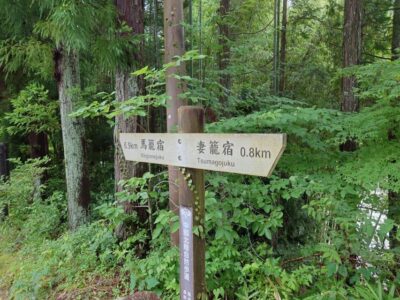
From Matsumoto/Nagano: Nakasendo Trail Walking Tour
Read our review →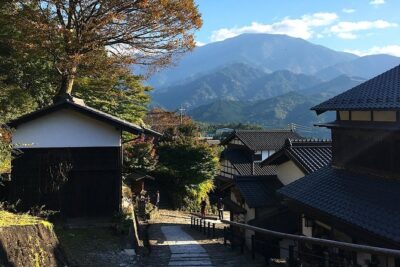
Explore Kiso Valley : Magome – Tsumago Mountain Trail Walk
Read our review →
Morning Hiking Tour: Mt. Futaba & Hiroshima’s History
Read our review →Other lists this hike appears in