
Review · CUSCO
Choquequirao Trek 4 days and 3 nights
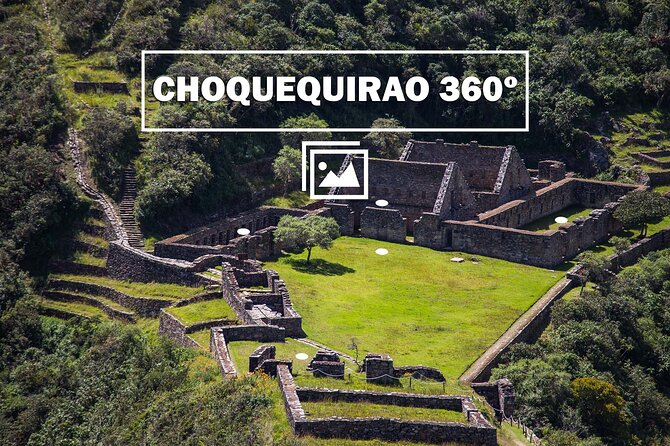
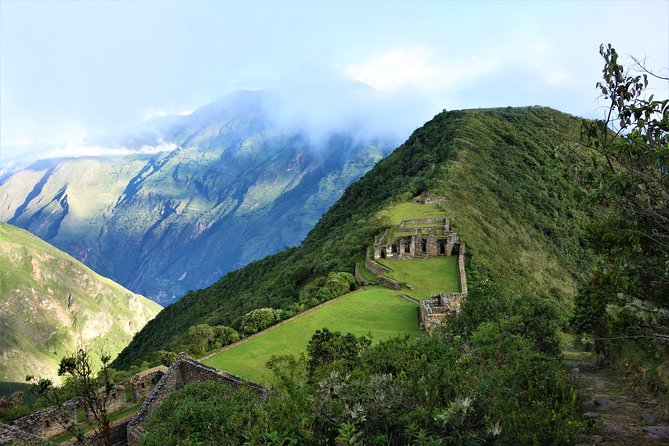
Choquequirao is the prize here: a remote Inca citadel reached by steep paths, deep canyon views, and four days of hard walking. You get the drama of the Andes without the crowds that gather around Machu Picchu. The route also gives you time to notice small things, from waterfalls and flowers to highland birds and changing vegetation.
I like the small-group format and the fact that a guide, cook, and porter take care of the camp routine. I also like the food program, which has earned repeated praise for varied meals and careful attention to dietary needs. The tradeoff is simple: this is a demanding trek with long climbs, an early departure, and basic camping, not a gentle sightseeing tour.
Key points to know before you book
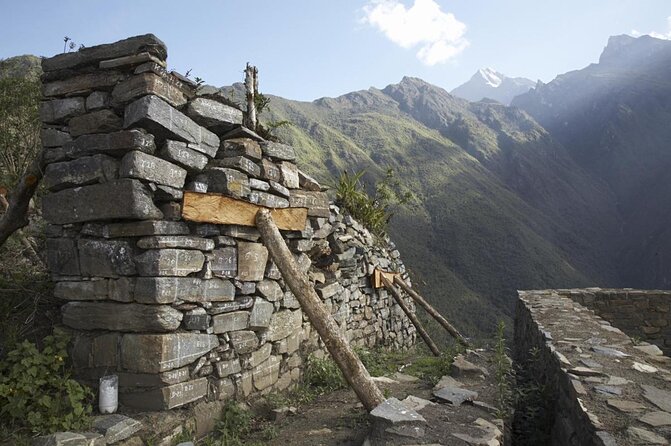
- Choquequirao feels remote: You reach an Inca citadel that usually has far fewer people around it than Machu Picchu.
- The first morning begins early: Pickup is scheduled between 4:30 and 5:00 am from your Cusco hotel or the airport.
- The route is physically demanding: Expect steep downhill and uphill walking, with hiking days listed at six to eight hours.
- Your camp team handles the hard work: A chef prepares meals, and a personal porter carries up to 7 kilograms of your belongings.
- The food is a real strength: Previous departures included varied meals, fresh cooking, and support for vegetarian and other dietary needs.
- The program includes Saywite: On the final day, you visit the mysterious carved rock before returning to Cusco.
Why Choquequirao is worth four hard days
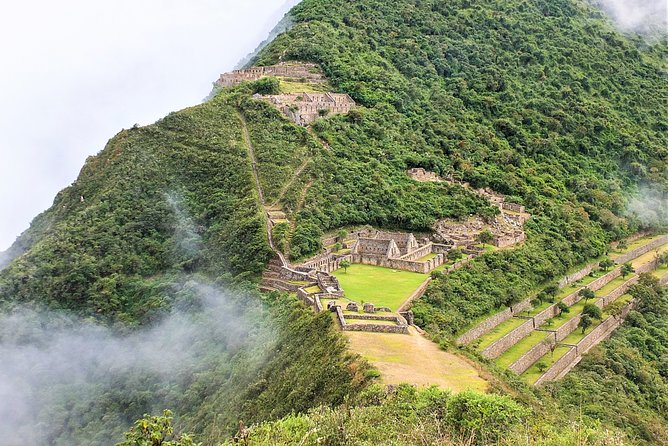
Choquequirao is often called a lost city of the Incas, though it is better understood as a large archaeological complex in a remote part of the Andes. Getting there requires effort. That effort is exactly why the site feels different from Peru’s easier-to-reach attractions.
You walk through the Apurimac Canyon, one of Peru’s deepest canyon areas, and watch the scenery change as you lose and regain altitude. High Andean terrain gives way to warmer, thicker vegetation. The route is not just a path to an archaeological site. It is a long lesson in how sharply the Andes can change over a short distance.
The reward is time and space at Choquequirao. The supplied trip details promise an experience without the usual crowds, and the route’s remoteness supports that claim. You should not expect the polished access or dense visitor services found at Machu Picchu. You should expect a quieter visit where the archaeological setting matters as much as the ruins themselves.
More Machu Picchu and Inca Trail Treks in Peru:
- Salkantay Trek Challenge – 3 Days / 2 Nights
★ 5.0 · 101 reviews - Machu Picchu: 5-Day Salkantay Trek with Panoramic Train
★ 5.0 · 79 reviews - Ancascocha Trek To Machu Picchu 4 Days And 3 Nights
★ 5.0 · 77 reviews
4:30 am pickup and the long ride to Capuliyoc
The day begins before sunrise. Transport leaves Cusco between 4:30 and 5:00 am, with pickup available at your hotel or the airport. You then cross the Andes by road toward Capuliyoc, arriving at about 8:30 am.
That early start is practical, not decorative. It gives you time to reach the trailhead and complete the first long walking day. Still, you should prepare for a tiring morning. Have your day pack organized the night before, keep water and layers within reach, and do not expect a slow start.
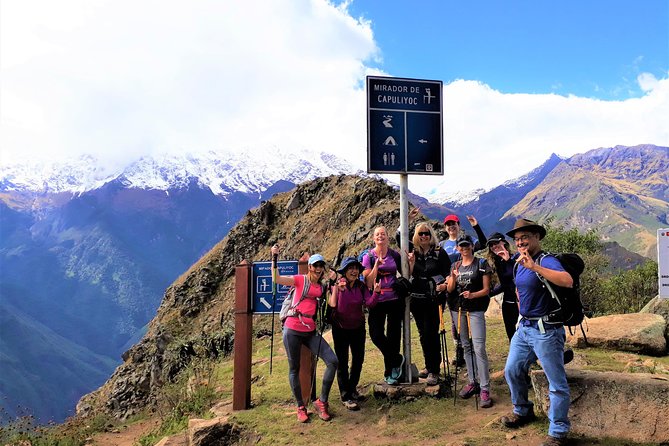
At Capuliyoc, you have breakfast before beginning the trek. The trail drops from about 2,911 meters, or 9,550 feet, toward Chiquiska. This is a major descent, not a warm-up stroll. Downhill walking can be hard on knees and ankles, especially after a long drive.
The route covers about 10.8 kilometers, or 6.7 miles, on the first day. The listed walking time is around six hours. You pass through changing vegetation and gain your first views of the Apurimac Canyon. Lunch is served at Chiquiska, at about 1,893 meters.
After lunch, you continue downhill for about two more hours to Santa Rosa, where you camp at approximately 1,478 meters. The lower elevation can feel warmer than Cusco, and the setting marks a clear change from the highlands. Day one is rated moderate, but that label should not make you casual about it. The descent is long, and the next days involve serious climbing.
Day two and the climb toward Marampata
The supplied schedule has an important problem: the Day 2 description repeats the Day 1 route from Capuliyoc to Chiquiska and Santa Rosa. It also labels the stop Marampata and Choquequirao, without giving a clear, separate walking plan for that day.
You should ask TreXperience to confirm the exact Day 2 route before paying or during the pre-departure briefing. This is not a minor wording issue. On a four-day trek, you need to know when you reach Marampata, how much uphill walking is involved, and where you sleep before visiting the citadel.
The overall route clearly includes the approach to Choquequirao, and the name Marampata points to the high settlement and camping area used for access to the ruins. But the supplied itinerary does not state those details cleanly enough to promise a precise schedule. A good operator should be able to clarify the sequence, walking hours, camp location, and altitude profile.
The briefing takes place at 6:00 pm on the night before departure. Use it well. Ask about the corrected schedule, what the porter will carry, where the group will camp, and whether you need to rent a sleeping bag, mattress, or trekking poles. Those items are optional extras, not included in the listed price.
Reaching the Choquequirao Inca citadel
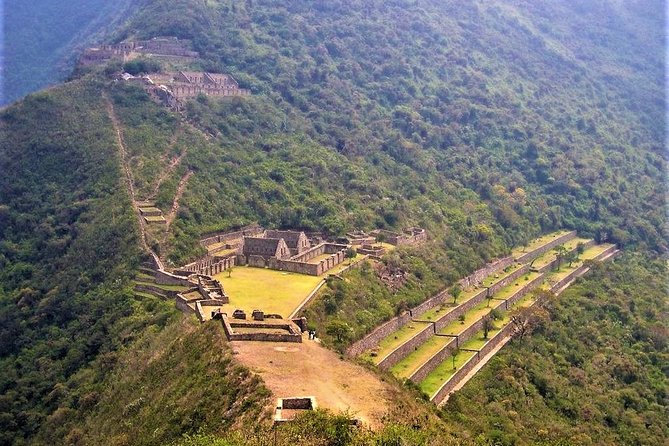
The central day is the visit to Choquequirao. The trip material describes sunrise at this magical place, followed by breakfast and walking. The exact timing is affected by the Day 2 itinerary error, but you should expect the citadel visit to be the emotional center of the trek.
This is where the route earns its keep. You have made the long descent into the canyon and then climbed back toward the archaeological complex. The site is not a quick roadside stop. You reach it on foot, with the physical effort shaping how you see the terraces, stonework, and mountain setting.
Give yourself time to look beyond the most obvious ruins. The attraction is the scale of the site and its setting, not only one famous structure. Your English-speaking guide can provide the historical and archaeological context. Guides such as Elias, Sebastian, Gary, Sergio, and others have been praised for patience, humor, safety, and cultural explanation on different departures.
The group size should help here. The highlights describe a maximum of 12 people, while the additional information gives a maximum of 16. Because those numbers conflict, confirm the size of your specific departure. Either way, this is intended to be a small-group outing, not a large coach excursion.
The quiet is part of the value. You may have broad areas of the complex to explore with little interruption. That does not mean you will have the whole site to yourself at every moment, but the experience is designed around a more peaceful visit than the better-known Inca Trail route.
More Four-Day Trips around Peru:
- 4 days/3 nights: Inka Jungle Trek to Machu Picchu
★ 4.7 · 25 reviews - Pokhara: 4-Day Ghorepani, Poonhill & Ghandruk Mountain Trek
★ 5.0 · 132 reviews - 4 Day Wild Tasmania Tour / Wildlife, Nature, Hiking / Inc. Accom
★ 5.0 · 126 reviews - 4 Days Poon Hill Trek
★ 5.0 · 94 reviews
What the walking days are really like
The route repeatedly moves up and down. Day one is mostly downhill from Capuliyoc. Later sections include a three-hour descent to Santa Rosa, another downhill stretch, and then about two hours uphill toward camp. The final morning includes a four-hour uphill walk back to Capuliyoc.
That pattern matters. A six-hour day can feel manageable on paper, but steep descents use different muscles from climbs. You need decent fitness, steady pacing, and the willingness to walk for several hours even when the view is tempting you to stop every few minutes.
The schedule lists Day 3 at about eight hours. It gives a distance of 8 kilometers in one place and 11.32 miles in another, which do not match. It also lists elevations that vary from the surrounding figures. Treat the published numbers as approximate and ask for the current route plan at the briefing.
The scenery is a strong reason to accept the effort. You pass flowers, birds, distant waterfalls, canyon walls, and changing plant life. The route offers more than a single viewpoint, so the walking itself becomes part of the experience.
Trekking poles are optional, but I would take them seriously, especially for the long descents. The operator can advise you about renting them. Good shoes, layered clothing, sun protection, and a reliable day pack are basic needs, even though the supplied information does not specify a packing list.
The camp team, meals, and 7-kilogram porter allowance
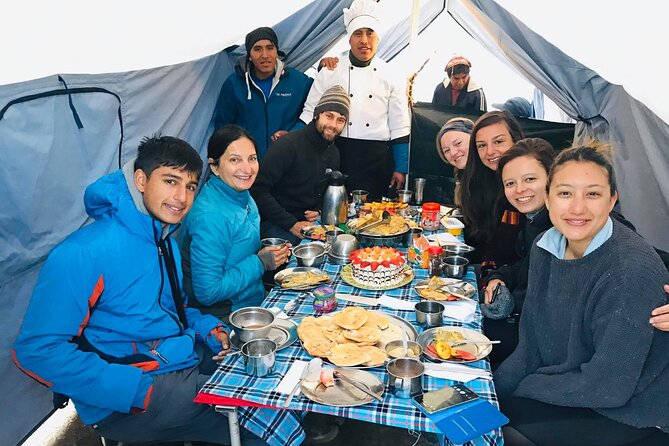
The package includes a chef, three dinners, four lunches, and four breakfasts. That is useful on a trek where you burn a lot of energy and cannot simply stop at a restaurant. The cook prepares food along the route, and previous departures included different meals rather than the same plate repeated each evening.
The food has been one of the most consistently praised parts of the operation. Specific crew members, including Leandro, Balbino, Oscar, Julio Cesar, Juvenal, Lucio, and their assistants, have been singled out for producing generous meals in difficult conditions. The important point for you is not a promise of restaurant cooking. It is dependable, varied food that helps you keep moving.
Vegetarian meals are available, and you should state any dietary needs when booking. Do not wait until the trail. The kitchen team can only plan properly if the office knows what you need in advance.
A personal porter carries up to 7 kilograms of your personal belongings. That can make a major difference, but it does not mean you can bring a full suitcase. Pack a compact duffel or soft bag and keep essentials for the day in your own pack.
A porter team also supports the camp operation. Names such as Boris and Santos have been praised for carrying gear and helping keep camp comfortable. You should remember that porter service is practical support, not a substitute for packing light or showing consideration for the people doing the carrying.
A mattress and sleeping bag are not included, and trekking poles are also optional. Ask what equipment is available to rent and what condition it is in. This is one area where the $698 price may not be the final amount if you need several extras.
The final climb to Capuliyoc and Saywite
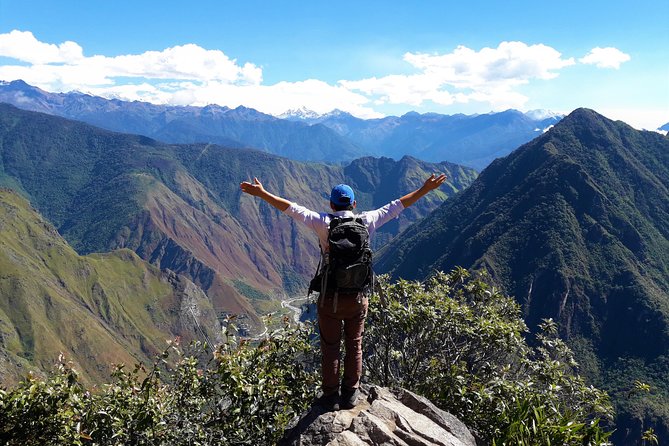
The final day begins with breakfast and a last four-hour uphill walk to Capuliyoc. After lunch, you say goodbye to the trekking crew and take private transport to Saywite.
Saywite adds a welcome change of pace. The site is described as a mysterious rock, and you have time to explore before the return to your hotel at about 5:00 pm. It is not the main reason to book this trek, but it gives the final day an archaeological finish instead of ending at the roadside.
The final climb deserves respect. After several days of walking, four hours uphill can feel longer than the distance suggests. Pace yourself, use poles if helpful, and keep some water and snacks accessible. The private ride afterward is a comfort, since you do not have to arrange your own connection from Capuliyoc.
Is $698 a fair price?
At $698 per person, the package includes much more than a basic guided hike. You receive round-trip transport, the pre-departure briefing, a professional English-speaking guide, camping support, a chef, a porter allowance, four breakfasts, four lunches, three dinners, and the Saywite transfer.
The value is strongest if you would otherwise need to organize several moving parts yourself. Remote transport, food, camp logistics, and archaeological access are difficult to coordinate independently. The porter allowance also reduces the weight you carry, which can improve the trek for anyone concerned about the long climbs.
The price does not include a sleeping bag, mattress, or trekking poles. Add those costs if needed. Also confirm exactly what entrance fees and equipment rental cover, since the supplied description says admission tickets are included but does not break out each site fee.
The itinerary inconsistencies are the main concern, not the price. Before booking, get a clear written schedule for Day 2 and ask why the Day 3 and Day 4 distances and elevation figures do not line up. A professional operator should answer those questions directly.
Who should book this trek?
I would recommend it to you if you want a remote Inca site, enjoy physically demanding hikes, and prefer practical support over traveling entirely on your own. It suits people who value scenery, archaeological sites, small groups, and a capable food and camp crew.
It is less suitable if you want short walks, comfortable hotels, flexible start times, or a predictable itinerary with little exertion. The phrase moderate difficulty should not hide the fact that the route includes steep descents, long days, and a four-hour uphill finish.
You also need a current valid passport, and passport name, number, expiration date, and country are required at booking. Children must be accompanied by an adult, and the stated fitness requirement is moderate physical fitness. Free cancellation is available up to 24 hours before the start time. Poor weather or failure to reach the minimum group size may lead to a new date, another experience, or a full refund.
Should you book it?
Book this Choquequirao trek if you want the hard-earned version of an Inca archaeological visit. The canyon scenery, low-traffic setting, strong meal service, and support from guides and porters give the $698 price solid value.
Before you commit, confirm the group size and request the corrected Day 2 schedule. If the operator clears up those details and you are ready for steep walking and basic camping, this is a strong choice for seeing Choquequirao with less noise and more time to appreciate the route.
FAQ
Where does the Choquequirao trek begin?
The trek begins with pickup in Cusco between 4:30 and 5:00 am. Pickup is available from your hotel or the airport, followed by transport to Capuliyoc.
How long is the Choquequirao trek?
The experience lasts four days and includes three nights of camping.
How difficult is the trek?
The activity is listed as moderate, but it includes long downhill and uphill sections, with walking days of about six to eight hours. Moderate physical fitness is required.
What is the highest elevation listed?
The highest elevation listed is about 3,100 meters, or 9,300 feet, although other itinerary figures give different elevation details.
Is food included?
Yes. The package includes four breakfasts, four lunches, and three dinners prepared by a chef.
Can I request vegetarian food?
Yes. A vegetarian option is available, and you should provide dietary requirements when booking.
How much luggage can the personal porter carry?
The personal porter can carry up to 7 kilograms of your personal belongings.
Are sleeping bags and mattresses included?
No. A mattress and sleeping bag are optional extras. Trekking poles are also optional and are not included in the listed package.
What is included in the transportation?
Transportation is included from the beginning of the experience through the end. This includes pickup, the journey to Capuliyoc, and the private transfer to Saywite and back to your hotel.
Is Saywite part of the trek?
Yes. On the final day, after walking back to Capuliyoc and having lunch, you visit Saywite before returning to your hotel at about 5:00 pm.
Recently reviewed hikes in Peru
- Arequipa: 2-day Colca Canyon Trekking, Ending in Puno★ 4.8 · 8 reviews
- Ancash: Trekking to Paron Lagoon with Entrance | Full day|★ 4.1 · 9 reviews
- 4-hour excursion: Sillar Route with Hiking in Culebrillas★ 4.0 · 21 reviews
- 4 days/3 nights: Inka Jungle Trek to Machu Picchu★ 4.7 · 25 reviews
- Ancascocha Trek To Machu Picchu 4 Days And 3 Nights★ 5.0 · 77 reviews
- Machu Picchu: 5-Day Salkantay Trek with Panoramic Train★ 5.0 · 79 reviews
- From Huaraz: Hike to the Lagoon 69★ 4.4 · 121 reviews
- Full-Day Trek to Humantay Lake from Cusco with Guide★ 4.5 · 66 reviews
Machu Picchu & Inca Trail Treks, compared.
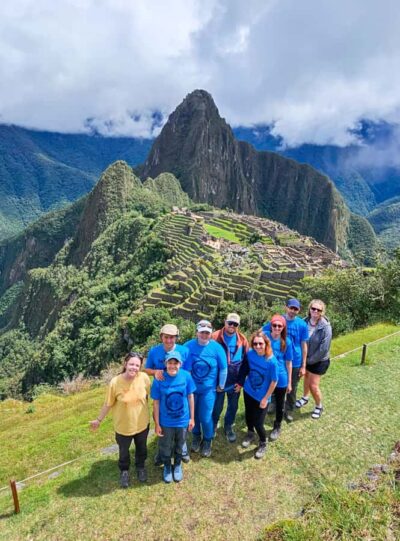
Machu Picchu: 5-Day Salkantay Trek with Panoramic Train
Read our review →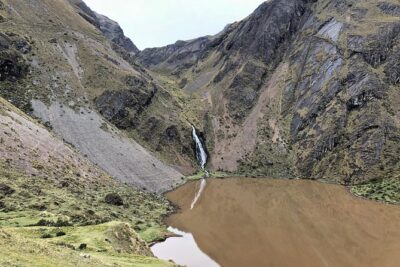
Ancascocha Trek To Machu Picchu 4 Days And 3 Nights
Read our review →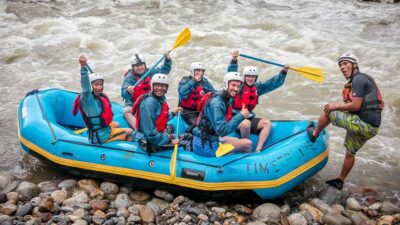
4 days/3 nights: Inka Jungle Trek to Machu Picchu
Read our review →Other lists this hike appears in