
Review · CUSCO
Salkantay Trek Challenge – 3 Days / 2 Nights
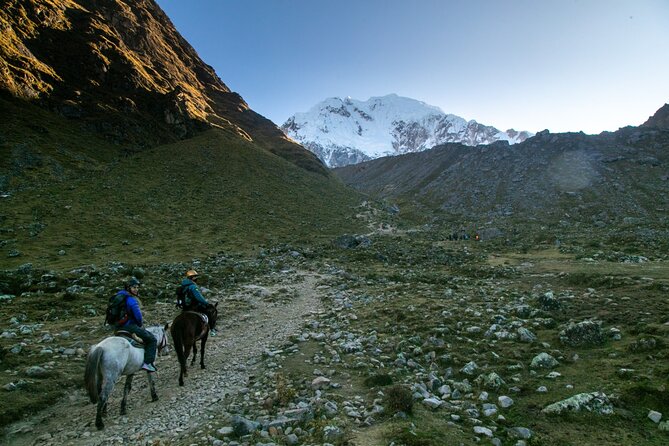
The Salkantay Trek Challenge packs a classic Andean crossing into three hard-charging days. You leave Cusco around 2:30 a.m., climb to 4,630 meters at Salkantay Pass, then trade glaciers and cold mountain air for waterfalls, coffee farms, tropical forest, and Machu Picchu.
I like two things right away: your main luggage is carried by horse in a small duffel, and the trip includes the unglamorous details that make a hard trek manageable, from meals and sleeping gear to first aid, oxygen, radios, and private transfers. The guide support is another major plus. Guides named Marco, Guido, and Cesar Quispe have led this route with a firm but encouraging hand.
The catch is simple: this is not a gentle shortcut. The first day is long, the altitude is serious, and you may sleep little. If you live a sedentary life or arrive in Cusco without time to adjust, the three-day schedule can feel more like a test than a holiday.
Key things to know before you book
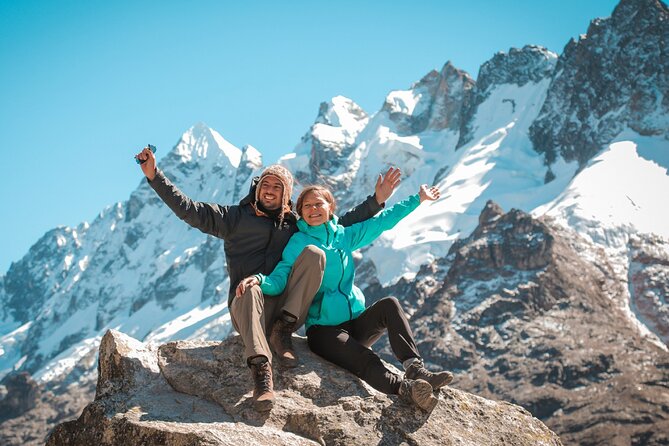
- The first day is the real challenge: You climb from Soraypampa to the 4,630-meter Salkantay Pass, then descend for hours.
- You see several climate zones: Cold high mountains give way to warmer forest, waterfalls, orchids, coffee plantations, and the Urubamba Valley.
- Your personal gear is limited but supported: A horse carries up to 5 kilograms, or 11 pounds, in a provided duffel.
- The final Machu Picchu visit is guided: The package includes entry and a two-hour tour, with Circuit 2 offered for bookings made three months ahead when available.
- The $680 price covers a lot: Meals, lodging, guide services, transfers, train, bus up to Machu Picchu, equipment, and safety supplies are included.
- You need altitude preparation: Arrive in Cusco at least two days before departure and train for long uphill and downhill walking.
What the three-day Salkantay route really demands
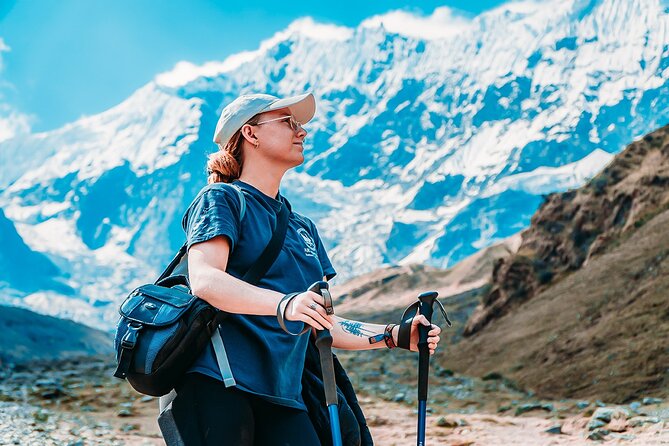
The appeal is speed. A longer Salkantay trip gives you more time to settle into the mountains, while this version gets you to Machu Picchu in three days and two nights. That makes it useful if your Peru schedule is tight, but it also compresses the physical work.
Your group can have up to 12 people, which is small enough for a guide to keep an eye on the pace without making the trip feel private. The exact group size may affect how social the evenings feel and how quickly the group moves.
The route is especially varied. You begin above the tree line among high peaks and glaciers, then descend into warmer country with waterfalls, orchids, coffee plots, and jungle vegetation. I like this change more than a route that shows you one kind of scenery for several days.
The challenge is not only the altitude. The first day includes a steep ascent, a pass crossing, lunch after the pass, and a long descent. One account of the trip put the first two days at about 32 miles of walking, so you should prepare for a demanding pace even if your own group covers a different distance.
More Machu Picchu and Inca Trail Treks in Peru:
- Choquequirao Trek 4 days and 3 nights
★ 5.0 · 81 reviews - Machu Picchu: 5-Day Salkantay Trek with Panoramic Train
★ 5.0 · 79 reviews - Ancascocha Trek To Machu Picchu 4 Days And 3 Nights
★ 5.0 · 77 reviews
Day one: from a 2:30 a.m. pickup to the Salkantay Pass
Your day starts before dawn in Cusco, with pickup around 2:30 a.m. The early departure is practical rather than luxurious. It allows the group to reach Soraypampa at about 3,900 meters, or 12,795 feet, with enough daylight for the climb and descent.
At that height, breakfast matters. After an energy-packed morning meal, you begin the ascent along the Seven Serpents Trail. The name gives you a fair warning: the route rises in repeated bends rather than with one short, sharp climb.
The goal is Abra Salkantay, the pass at 4,630 meters. This is the high point of the trek and the place where you will feel the altitude most. The surrounding peaks and glaciers provide the big visual reward, but do not let the scenery distract you from pacing yourself.
Your guide is there to help with that. Guides who have led this departure, including Marco, Guido, and Cesar Quispe, have been praised for keeping tired hikers calm and moving safely. That support matters most here, where the air is thin and a fast start can catch up with you later.
Bring water and snacks even though the tour provides water, tea time, and trail snacks. One useful piece of advice from the experience is to drink often and eat before you feel depleted. At high altitude, waiting until you are exhausted is a poor strategy.
After crossing the pass, you stop for lunch in Wayracmachay. The route then begins a long descent toward the high Amazon forest. This is one of the best parts of the day because the temperature gradually changes, and the scenery shifts from bare mountain country to warmer, greener surroundings.
It is also the point where tired legs become a concern. Downhill walking can be hard on knees and thighs, especially after the climb. Trekking poles are included, and you should use them. The tour also includes a sleeping bag, a rain poncho, and a backpack cover, so you are not expected to bring every major piece of trail equipment yourself.
By evening, you reach Mountain Sky View camp in Collpapampa at about 2,950 meters. The camp includes a private dining room, kitchen, tables, and chairs. Dinner under the stars sounds peaceful, but remember that this follows an extremely long day. You may be more interested in a warm meal and sleep than in lingering over the view.
Mountain Sky View: an Andean hut with useful comforts
The first night is not a standard hotel night. You stay at Mountain Sky View, an Andean camp designed for the group. The provided sleeping bag helps reduce the amount of equipment you need to pack, while the dining setup gives you a place to eat and recover out of the weather.
This is where the horse support earns its keep. You may put up to 5 kilograms of personal gear in the supplied duffel for the horses to carry. Your daypack still needs to hold the things you want during the walk, such as water, rain protection, snacks, and personal items.
Pack lightly and sensibly. The duffel allowance is helpful, but it is not a full suitcase service. You also need to bring your own hiking clothes and personal gear, which are not included.
Day two: coffee, waterfalls, and the walk to Aguas Calientes
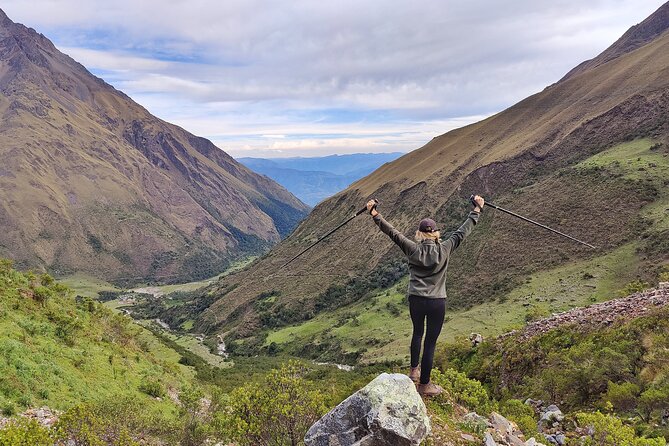
The second day starts with breakfast at Mountain Sky View. Compared with the first day, the morning hike through the Santa Teresa Valley is described as leisurely, at least at the start. You still need to remember that your body is recovering from the pass.
The route passes waterfalls, orchids, and coffee plantations before reaching La Playa. This section gives you a closer look at daily agricultural life in the valley, rather than only dramatic mountain views. For me, the coffee stop is one of the most distinctive parts of the trip.
At the Lucmabamba coffee experience, you eat lunch made with local products and watch a demonstration of artisanal coffee making. It is a useful pause because it connects the scenery to the work of the people who live there. The coffee fields are not just a backdrop for photographs. They are part of the local economy and food culture.
The cultural explanation can vary with the guide. If you want more than a quick demonstration, ask questions about how the coffee is grown, processed, and used locally. Some guides, including Cesar Quispe, have been noted for adding historical, cultural, and spiritual context to the walk. That kind of conversation can make this section much more meaningful.
After lunch, you continue to Hidroeléctrica. From there, you walk beside the Urubamba River through tropical forest. The route is warmer and likely feels very different from the cold pass on day one.
There is an optional train from Hidroeléctrica to Aguas Calientes, but it is not included and must be paid directly to the train operator. If you do not take it, the package has you continue on foot along the river. That walk adds time, but it also keeps the route active and avoids an extra charge.
You arrive in Aguas Calientes at the end of the day and sleep in a hotel. This change from the mountain camp is welcome. You have a bed, a more settled base, and dinner with the group before the early Machu Picchu visit.
Do not expect a long evening. The next morning begins early, and the three-day schedule leaves little room for a late night. One honest part of this trip is that you may not sleep much across the whole experience.
More Three-Day Trips around Peru:
- Sapa 3 Days 2 Nights Trekking Tour (1 Night In Ta Van Village, 1 Night In Hotel)
★ 5.0 · 699 reviews - 3-Day Trekking Adventure of Sapa from Hanoi – Stay Ta Van Village
★ 5.0 · 611 reviews - From Marrakech: 3-Day Mount Toubkal Climbing Trek
★ 4.7 · 597 reviews - 3-Day Ethical Orangutan Jungle Trek | Bukit Lawang, Sumatra
★ 5.0 · 401 reviews
Day three: Machu Picchu after the hard work
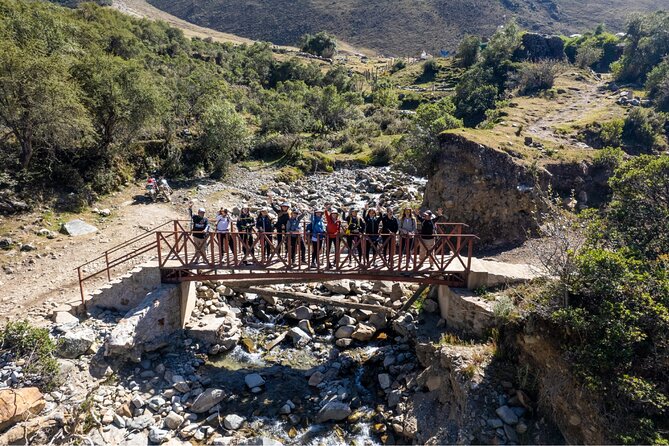
The final morning begins with a light breakfast before you take the bus from Aguas Calientes to Machu Picchu. The bus ride saves your legs for the citadel and is included one way.
The approach through cloud forest builds anticipation without requiring another major climb. Once inside the Historic Sanctuary of Machu Picchu, you have a two-hour guided visit covering the temples, terraces, and sacred areas.
Entry is arranged for Circuit 2 when it is available for bookings made three months ahead. If that circuit has sold out, the booking may use Circuit 3, then Circuit 1. This is important because Machu Picchu circuits are controlled, and you should not assume you can change the route at the gate.
The two-hour guide service gives you a framework for understanding what you see. The quality of that explanation depends on the guide assigned, but the strongest guides on this departure have combined practical trail care with history and cultural meaning. That balance is valuable after two days when your attention may be divided between the ruins and your tired legs.
After the visit, you return to Aguas Calientes for lunch. Lunch is not included on the last day, and neither is dinner, so keep money available for both. The return journey continues by panoramic train to Ollantaytambo, using either the Voyager or Expedition service.
At Ollantaytambo, private transport takes you back to Cusco. The train and road transfer make the return much easier than trying to arrange the journey yourself, though the full day remains long.
What the $680 price includes, and what it does not
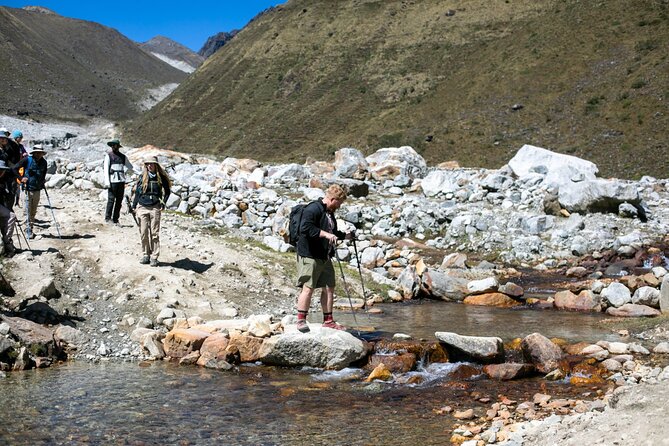
At $680 per person, this is not a budget walk, but the price includes more than the trail itself. You are paying for a mountain guide, cooks, horsemen, porters, private transfers, two nights of lodging, meals, Machu Picchu entry, the bus up, the train back, and safety equipment.
The support package is especially useful on a three-day route. A guide alone cannot carry every item you need, cook every meal, manage transport, and handle safety equipment. Here, the group has first aid supplies, oxygen, walkie-talkies, and emergency satellite phones.
The included meals cover three breakfasts, two lunches, and two dinners. Lunch and dinner on the last day are your responsibility. Vegetarian and vegan meals are available if you request them when booking.
You also receive trekking poles, a sleeping bag, a rain poncho, and a backpack cover. Your personal hiking clothes and other gear are not included. Travel insurance is recommended, and tips for staff are optional.
The strongest value is convenience under difficult conditions. You do not have to coordinate the horse support, campsite equipment, train, or private road transfers yourself. If you tried to assemble the same package independently, you would still need to solve the timing and Machu Picchu entry issue.
Who should book this challenge
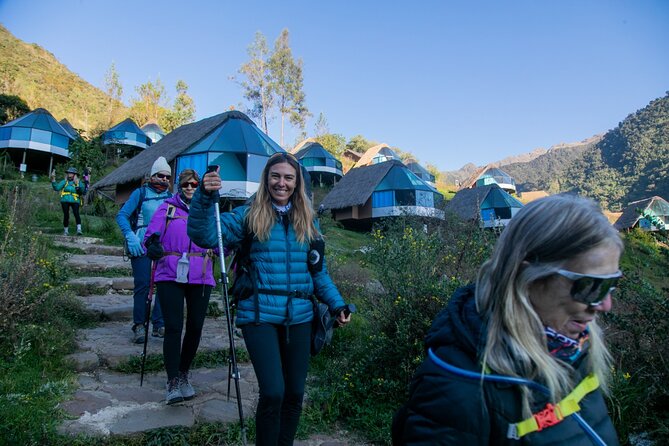
You should consider this trip if you want Salkantay scenery but have only three days before Machu Picchu. It suits hikers who can handle long days, steep uphill and downhill sections, and early starts.
You do not need to be an expert mountaineer. The route can be manageable for a less experienced hiker who trains properly, arrives acclimatized, follows the guide’s pace, and accepts that day one will be hard.
You should think twice if you rarely exercise, dislike long walks, or want a relaxed holiday. The high pass and compressed schedule leave little room to slow down. A longer version of the Salkantay route would make more sense for someone who wants extra recovery time.
Arrive in Cusco at least two days before the trek. That is not a minor suggestion. Cusco itself is high, and you need time to adjust before adding a 4,630-meter pass to your plans.
The booking window also matters. Machu Picchu spaces sell out quickly, and booking at least three months ahead gives you the best chance of securing Circuit 2. Confirmation is sent within 48 hours, subject to availability, and you must provide each participant’s passport name, number, expiry date, and country.
The experience is non-refundable and cannot be changed after booking. If poor weather or an insufficient minimum group causes cancellation, you are offered another date or a full refund. That protection does not apply if you simply cancel or request an amendment.
Should you book the Salkantay Trek Challenge?
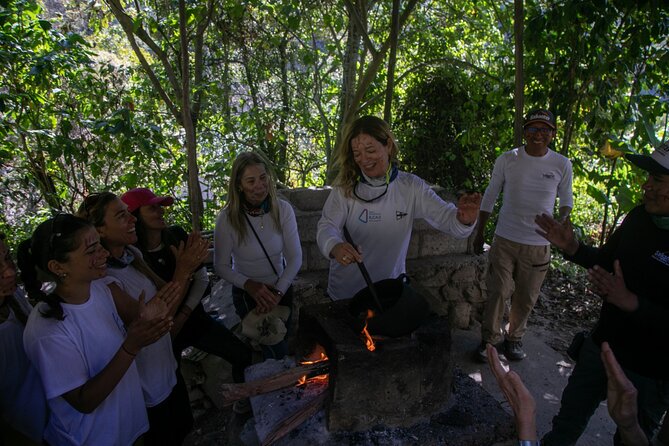
Book it if you want a demanding shortcut to Machu Picchu and value having the hard logistics handled for you. The best reasons are the dramatic pass, the sharp change from mountain to coffee country, the included horse support, and the strong guide presence.
Do not book it just because three days sounds convenient. The schedule is intense, and the altitude can turn a beautiful route into a miserable one if you arrive unprepared. Train for long walking days, arrive in Cusco early, carry water and snacks, and use the trekking poles.
For a fit hiker with limited time, the $680 package offers a well-supported way to reach Machu Picchu by foot. For anyone seeking slow mornings and easy sightseeing, choose a longer trek or a simpler rail-based visit instead.
FAQ
How long is the Salkantay Trek Challenge?
The experience lasts three days and two nights, beginning in Cusco and ending with return transport from Ollantaytambo to Cusco.
What time does pickup begin?
Pickup begins around 2:30 a.m., with a listed start time of 3:00 a.m.
How high is Salkantay Pass?
The pass reaches 4,630 meters, or about 15,190 feet.
Where do I sleep?
You spend one night at Mountain Sky View camp in Collpapampa and one night in a hotel in Aguas Calientes.
Is Machu Picchu entry included?
Yes. Machu Picchu entry is included. Circuit 2 is used for bookings made three months ahead when available, followed by Circuit 3 and then Circuit 1 if needed.
Is the bus from Aguas Calientes to Machu Picchu included?
Yes. One way bus transport from Aguas Calientes to Machu Picchu is included.
Is the return bus from Machu Picchu to Aguas Calientes included?
No. The return bus is optional and paid directly to the bus operator on site.
Is the train back to Ollantaytambo included?
Yes. Tourist-class train service from Aguas Calientes to Ollantaytambo is included, using the Voyager or Expedition service.
How much luggage can the horse carry?
The provided duffel can hold up to 5 kilograms, or 11 pounds, of personal gear.
Do I need to be physically fit?
Yes. The tour requires a strong fitness level, and you should arrive in Cusco at least two days early to adjust to the altitude.
Recently reviewed hikes in Peru
- Arequipa: 2-day Colca Canyon Trekking, Ending in Puno★ 4.8 · 8 reviews
- Ancash: Trekking to Paron Lagoon with Entrance | Full day|★ 4.1 · 9 reviews
- 4-hour excursion: Sillar Route with Hiking in Culebrillas★ 4.0 · 21 reviews
- 4 days/3 nights: Inka Jungle Trek to Machu Picchu★ 4.7 · 25 reviews
- Machu Picchu: 5-Day Salkantay Trek with Panoramic Train★ 5.0 · 79 reviews
- Ancascocha Trek To Machu Picchu 4 Days And 3 Nights★ 5.0 · 77 reviews
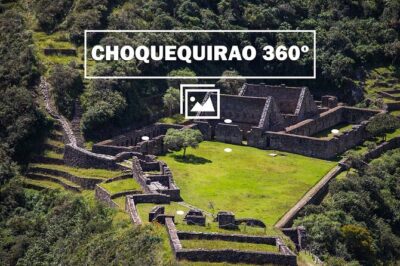
- Choquequirao Trek 4 days and 3 nights★ 5.0 · 81 reviews
- From Huaraz: Hike to the Lagoon 69★ 4.4 · 121 reviews
Machu Picchu & Inca Trail Treks, compared.
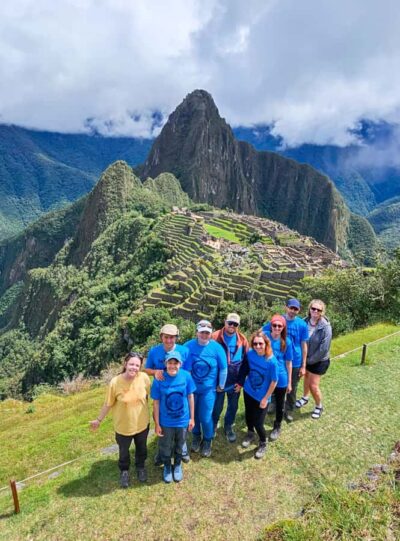
Machu Picchu: 5-Day Salkantay Trek with Panoramic Train
Read our review →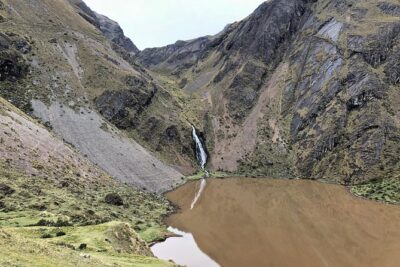
Ancascocha Trek To Machu Picchu 4 Days And 3 Nights
Read our review →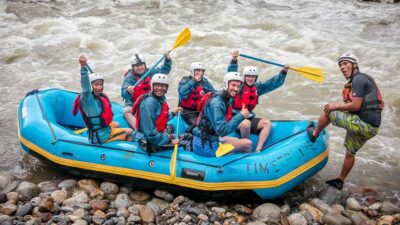
4 days/3 nights: Inka Jungle Trek to Machu Picchu
Read our review →Other lists this hike appears in