Review · MARRAKECH
2 days Mount Toubkal hike
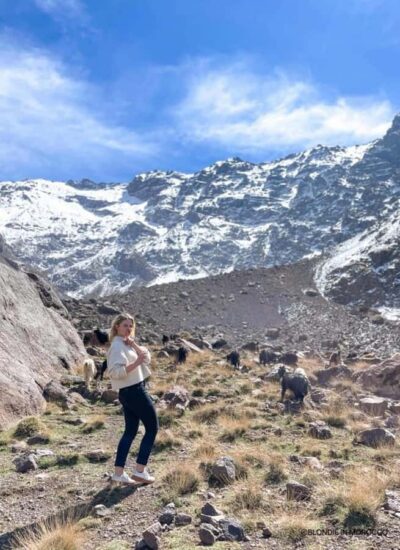
Mount Toubkal rises to 4,167 meters, making this a serious two-day climb rather than a casual walk in the hills. You leave Marrakech for Imlil, pass Berber villages and the Chamharouch shrine, sleep high in the Atlas, then face a long summit day with wide views across Morocco’s mountains.
I like the mix of local mountain culture and real physical challenge. Your meals are prepared during the trek, a mule carries luggage and food, and guides such as Hassan and Mohammed have earned strong praise for their pace and help. The main caution is the schedule: there is little time to adjust to altitude, and a group of nine with one guide could be a safety concern if the pace is not managed well.
Key points to know before booking
- Summit day is long: Expect around 10 to 11 hours of walking on day two, including the climb to the summit and the return to Imlil.
- Imlil is the trailhead: The drive from Marrakech takes about 1 hour and 30 minutes before the walking begins.
- Chamharouch breaks up the climb: You stop here for lunch beside a famous mountain shrine before continuing to the refuge.
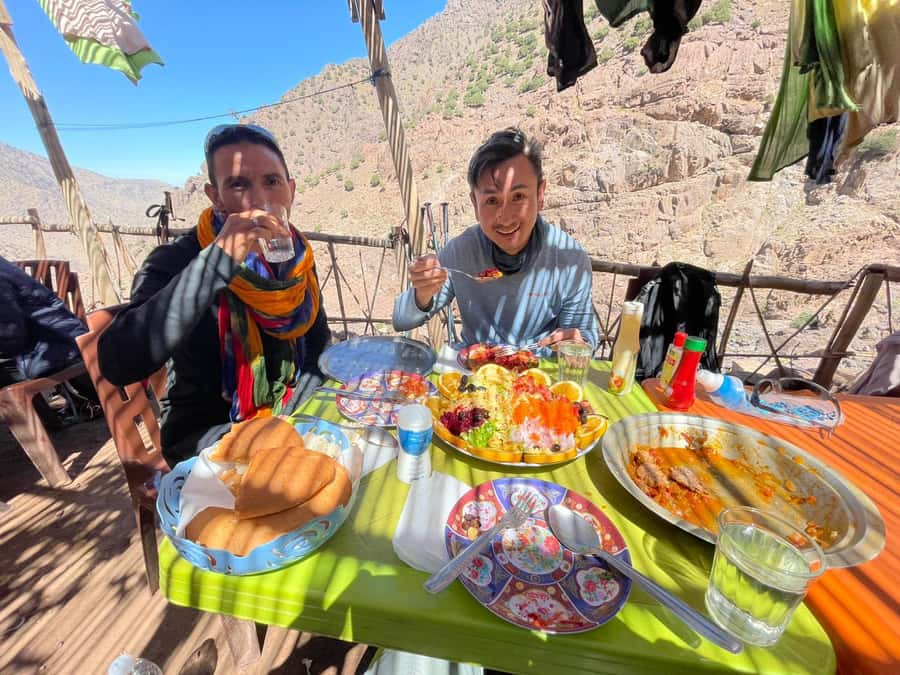
- Traditional food is part of the value: Meals, a cook, tea, and a mule for supplies are included, though drinking water is not.
- Guiding quality matters: Hassan and two guides called Mohammed received especially warm praise, but one departure raised concerns about a fast pace and poor group control.
- Pack for a high mountain: Comfortable shoes, sunglasses, a hat, sunscreen, and a sleeping bag are required items to bring.
From Marrakech to Imlil at 1,740 meters
Your day starts with pickup in Marrakech, with the driver holding your name at Cafe de France. The drive to Imlil takes about 1 hour and 30 minutes, carrying you from the city toward the High Atlas foothills.
Imlil, at about 1,740 meters, is the practical starting point for the trek. Here you meet the local mountain guide and take a short break for Moroccan tea. That pause matters. You have a chance to organize your bag, check your footwear, and settle into the walking group before the trail begins.
The road transfer is included in the $176 price, which makes this easier than arranging separate transport and a local guide yourself. Still, you should treat the first morning as the beginning of a demanding athletic day. The transfer may be simple, but the climb is not.
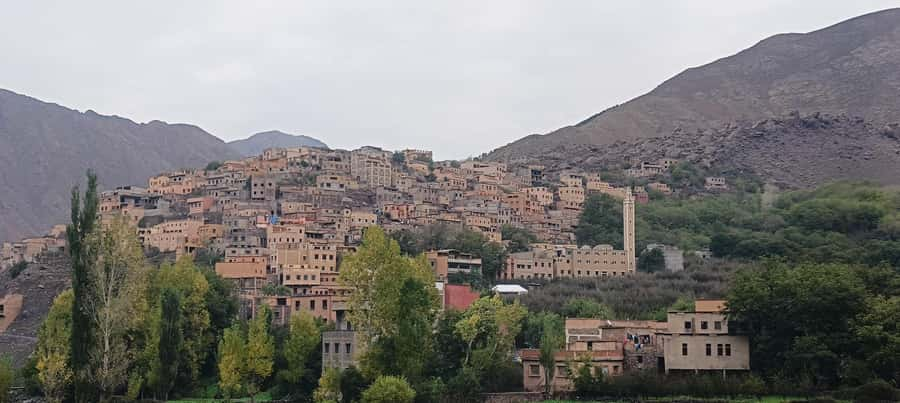
The village setting is part of the appeal. You are not starting from an anonymous car park. The route begins among Berber communities, with mountain homes, local paths, and daily life close to the trail. The information supplied for the trip does not promise a formal village tour, so think of the villages as part of the walk rather than a separate sightseeing stop.
More Mountain and Summit Hikes in Marrakech
- From Marrakech: Atlas Mountains Full-Day Hiking Trip w Lunch
★ 4.8 · 7,417 reviews - Marrakech: Atlas Mountains & Valleys Waterfall Hike w/ Lunch
★ 4.8 · 1,236 reviews - From Marrakesh: Atlas Mountains Talamrout Summit Day Hike
★ 4.9 · 835 reviews
The first climb, Berber villages, and Chamharouch
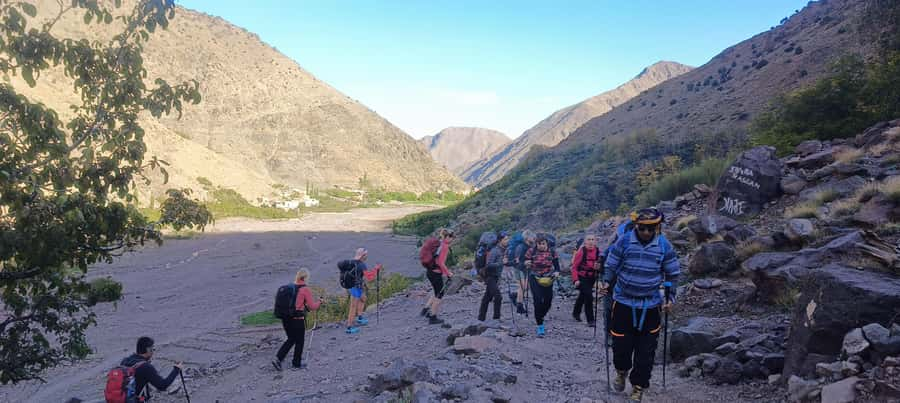
From Imlil, you walk uphill toward the base camp and refuge at about 3,207 meters. This first section takes around five to six hours, with lunch at Chamharouch along the way.
Chamharouch is a notable stop because of its shrine and its position on the route. It gives you a useful rest point before the trail keeps gaining height. Lunch is prepared for you, so you are not relying on snacks from Marrakech to fuel the climb.
The route is a steady uphill effort. You should expect the day to feel harder as you gain altitude, even if the distance does not sound extreme on paper. The important number is not just the walking time. You rise from 1,740 meters in Imlil to more than 3,200 meters at the overnight stop.
I like that food is treated as part of the mountain service rather than an afterthought. A cook prepares the meals, and a mule carries luggage and food. That means you can walk with a lighter day pack, although you still need to carry your personal essentials, water, and anything required for the night.
The food is described as traditional Moroccan fare. Specific dishes are not listed, so you should not book this expecting a particular menu. You can expect meals to be provided throughout the trek, with tea on the way, but drinking water is excluded. Bring money or a plan to buy your own supply.
Sleeping at 3,207 meters
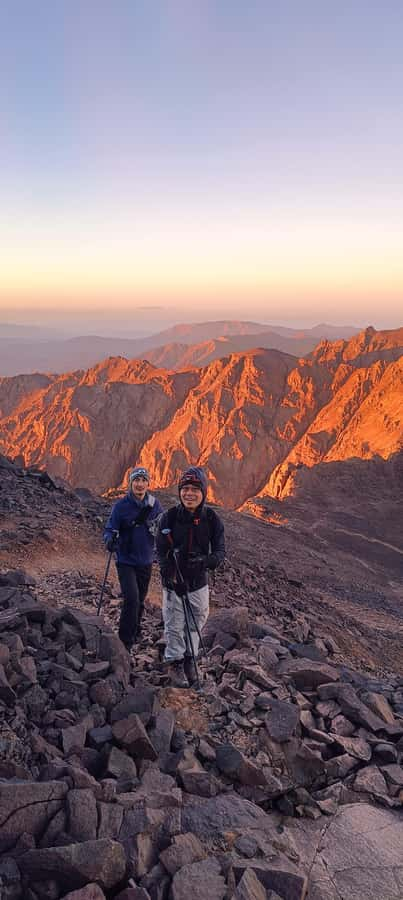
You spend the night at a mountain refuge or in a tent, depending on the arrangement for your departure. The refuge is not presented as a luxury stay. Its value is its location, because it places you close to the summit route and avoids another long approach on summit morning.
A sleeping bag is listed among the items to bring. That is a useful warning. Even if accommodation is indoors, high mountain nights can be cold, and the tour does not promise hotel-style bedding.
The overnight stop also gives you a chance to prepare for the most demanding part of the trip. In a well-run departure, your guide should explain the next morning’s timing, route, pace, and meeting plan. This is especially important because day two is not a short sunrise stroll. It includes the ascent, descent to the refuge, lunch, and the long walk back to Imlil.
One weakness to watch for is the lack of guaranteed acclimatization time. You arrive in Marrakech, drive to Imlil, climb to 3,207 meters, sleep there, and attempt 4,167 meters the next day. That compressed plan suits fit hikers who accept a hard push, but it is not the gentlest introduction to altitude.
Summit morning at 4,167 meters
After breakfast at the refuge, you begin the climb to Mount Toubkal’s summit. The ascent takes about three hours, followed by two to three hours down to the refuge.
The summit is the clear payoff. From 4,167 meters, you get broad views over the High Atlas, and the height gives the climb a strong sense of achievement. The tour also gives you the distinction of reaching the highest peak in North Africa, a point that makes this short itinerary appealing to hikers with limited time in Morocco.
You should not mistake the three-hour ascent estimate for an easy morning. The previous day already includes five to six hours of uphill walking, and altitude can slow your pace. The trail may also feel physically demanding because the summit section is the highest part of the trip.
The quality of the guide makes a real difference here. On some departures, Hassan has been singled out for helping the group reach the top, while two guides named Mohammed were praised for setting a good pace and sharing useful information about the Atlas. These details suggest that the right guide can turn a hard climb into a manageable one.
At the same time, you should ask about group size and guide coverage before setting out. One departure involved nine people and one guide, with the group splitting up and slower walkers left at the back. That is not a minor issue on a high-altitude hike. A strong guide should keep the group together or establish a clear safety system for anyone moving at a different pace.
Do not count on a long summit celebration. One group had only a few minutes at the top before beginning the descent, and some people who arrived later had little time for photographs. If the summit photo matters to you, tell the guide early that you need a brief, safe pause, while still respecting the group schedule and weather conditions.
More Mountain and Summit Hikes in Morocco
- Marrakesh: 2-Day Mt. Toubkal Trek with 1-Night Stay & Meals
★ 4.7 · 795 reviews - Marrakech: 2-Day Atlas Mountains Trek with Village Stay
★ 4.8 · 717 reviews - Marrakech: Tedli Summit Atlas Mountains Day Hike & Lunch
★ 4.9 · 668 reviews - From Marrakesh: Zip-Line & Hike in the Atlas Mountains
★ 4.8 · 605 reviews
Back to the refuge, then down to Imlil
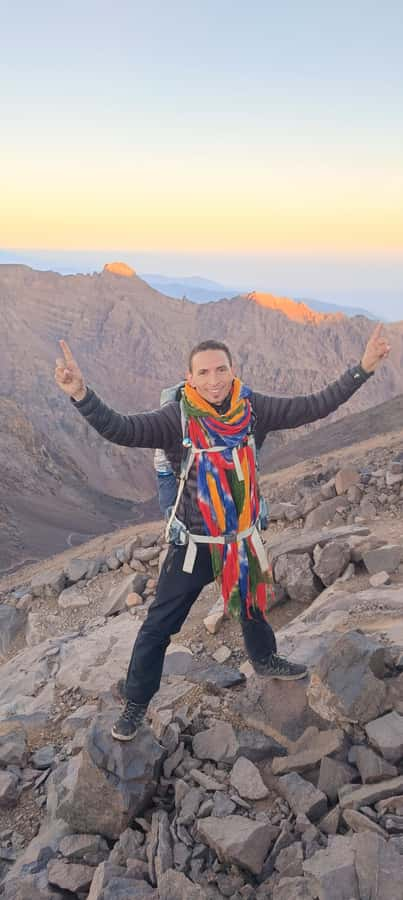
After the summit, you return to the refuge for lunch. This is a sensible break and gives you a chance to eat before the long descent.
The route then follows the same way down to Imlil, taking around four to five hours. By the time you reach the village, you will have walked roughly 10 to 11 hours during the day. That total is the key practical fact in this itinerary.
Downhill walking can be as tiring as the climb. Your knees and feet take repeated impact, and fatigue may make the final stretch feel slow. Comfortable shoes are essential, not optional. Sunglasses, a hat, and sunscreen also matter because the route offers exposed high-mountain sections, and the sun can be strong.
Once you return to Imlil, transport takes you back to Marrakech. The included transfer means you do not need to arrange a taxi from the valley after a very long day. It also gives the trip a clean start and finish from the city, which is helpful if Marrakech is your base.
How the $176 price works
At $176 per person, the price covers more than a guided walk. You receive transport from and back to Marrakech, a professional mountain guide, all meals during the trek, a cook, a mule for luggage and food, tea on the way, and accommodation at a refuge or in a tent.
That is a fair bundle for a two-day mountain trip if you value convenience. Arranging each part independently would mean finding transport to Imlil, hiring a local guide, organizing food, carrying supplies, and sorting out a night at altitude. The included mule is especially useful because it reduces the load you need to carry.
The price does not include drinking water or equipment. You need to budget for water and bring suitable hiking footwear, sun protection, and a sleeping bag. The equipment gap is worth noting because first-time high-altitude hikers may assume a short organized tour supplies everything.
The strongest value comes from the local support. A cook and mule team allow you to focus on walking, while a guide provides route leadership and cultural context. The value falls if the group is too large for one guide to supervise properly, so ask about the expected group size before paying if that information is important to you.
Guides, pace, and group safety
The guide reports are mostly positive, with Hassan receiving especially warm praise and two guides called Mohammed described as setting a good pace and sharing information about the mountain area. The language options are English, French, and Arabic.
That language range is useful, but communication is more than translation. You need a guide who explains the schedule, watches the pace, and tells everyone what happens at the refuge and summit. The most serious negative account involved little briefing, a fast pace, and people separated from the main group.
For this reason, I would ask three direct questions before departure:
- How many people will be in the group?
- How many guides will accompany the group?
- What is the plan if someone walks more slowly or feels unwell?
You do not need to be an expert mountaineer to ask these questions. They are sensible checks for any trip that reaches 4,167 meters. A group of nine with one guide may work if everyone is fit and the pace is well managed, but it deserves more care than a small group with two guides.
The trip is not suitable for people with mobility impairments, and the stated age restriction excludes people over 95. The more useful question for most people is fitness. You should be comfortable with long uphill walks, steep descents, and a second day of up to 11 hours.
What to bring and what not to assume
The listed essentials are comfortable shoes, sunglasses, a hat, sunscreen, and a sleeping bag. Add drinking water to that list because it is specifically excluded from the price.
You should also pack lightly. A mule carries luggage and food, but you still need your own small day pack for water, sun protection, spare clothing, and personal items. The trip details do not state a precise luggage limit, so keep your bag practical rather than bringing a full suitcase.
Do not assume equipment is supplied. The tour clearly says equipment is not included, but it does not provide a detailed rental list. If you need special hiking gear, ask the provider what can be rented or supplied before you travel.
The same applies to accommodation. You may sleep in a refuge or a tent. That variation is normal for a mountain itinerary, but you should be comfortable with basic conditions and bring the sleeping bag requested.
Who will enjoy this two-day climb
This trip suits you if you want to reach North Africa’s highest peak without committing to a longer trek. It combines mountain scenery, Berber villages, traditional meals, and local guiding in a compact schedule from Marrakech.
It is a good fit for an active visitor who accepts an early, long summit day and does not need hotel comfort. The included food, transport, cook, and mule make it easier than planning an independent climb.
I would be cautious if you have little hiking experience, dislike steep descents, or want plenty of time for rest and photography. The lack of a separate acclimatization day is the central limitation. You also need confidence that the guide will keep the group together and explain the plan clearly.
Should you book the Mount Toubkal trek?
Book it if your priority is a short, supported route to the summit and you are prepared for two demanding days. The price includes the major practical pieces, and the best guide reports point to helpful leadership, good pacing, useful mountain information, and generous meals.
Before booking, confirm the group size, number of guides, sleeping arrangement, and equipment plan. If you can secure a well-organized departure with a guide such as Hassan or a two-guide team, this can be a strong value from Marrakech. If you need a slower pace or more time to adjust to altitude, choose a longer Toubkal itinerary instead.
FAQ
Where does the Mount Toubkal trek start?
The trip begins with pickup from your accommodation in Marrakech. You drive for about 1 hour and 30 minutes to Imlil Valley, at approximately 1,740 meters, where you meet the local guide and start walking.
How high is the summit?
Mount Toubkal reaches 4,167 meters. It is described as the highest peak in North Africa.
How long do I walk on the first day?
The first day takes around five to six hours of walking. You travel from Imlil toward the refuge at about 3,207 meters, stopping at Chamharouch for lunch.
How long is summit day?
Day two involves around 10 to 11 hours of walking in total. The climb to the summit takes about three hours, the return to the refuge takes two to three hours, and the walk back to Imlil takes another four to five hours.
Are meals included?
Yes. All meals during the trek are included, along with a cook to prepare them and tea on the way. Drinking water is not included.
Where do I sleep?
Accommodation is at a mountain refuge or in a tent. You should bring a sleeping bag.
Which languages can the guide speak?
Live guiding is available in English, French, and Arabic.
More Atlas Mountains Treks in Marrakesh
- 2 Days Desert Agafay and Atlas Mountains Trek From Marrakech
★ 3.8 · 33 reviews - Berber villages : Atlas Mountains Day Hike from Marrakech
★ 5.0 · 14,007 reviews - Mt Toubkal Ascent Express Trek 2 Days 1 Nights
★ 4.7 · 962 reviews - 3 Days Trek Atlas Mountains Berber Villages from Marrakech
★ 4.6 · 38 reviews
More Mountain and Summit Hikes in Marrakesh
- From Marrakech: 3-Day Mount Toubkal Climbing Trek
★ 4.7 · 597 reviews - From Marrakesh: 2-Day Mount Toubkal Trek
★ 4.7 · 591 reviews - From Marrakech: Atlas Mountains 4-Day Hike with Hotels
★ 4.5 · 60 reviews - 2 Days Mount Toubkal ascent trek via Ait Mizane Valley
★ 4.3 · 45 reviews
Recently reviewed hikes in Marrakesh
- From Marrakech: Atlas Mountains 4-Day Hike with Hotels★ 4.5 · 60 reviews
- Marrakech: 2-Day Atlas Villages Trekking Tour★ 4.5 · 76 reviews
- 2 Days Desert Agafay and Atlas Mountains Trek From Marrakech★ 3.8 · 33 reviews
- 2 Days Mount Toubkal ascent trek via Ait Mizane Valley★ 4.3 · 45 reviews
- From Marrakech: 3-Day Mount Toubkal Climbing Trek★ 4.7 · 597 reviews
- From Marrakesh: 2-Day Mount Toubkal Trek★ 4.7 · 591 reviews
- From Marrakesh: Zip-Line & Hike in the Atlas Mountains★ 4.8 · 605 reviews
- Marrakech: 2-Day Atlas Mountains Trek with Village Stay★ 4.8 · 717 reviews
Atlas Mountains Treks, compared.
Berber villages : Atlas Mountains Day Hike from Marrakech
Read our review →
From Marrakech: Atlas Mountains Full-Day Hiking Trip w Lunch
Read our review →Marrakech: Atlas Mountains & Valleys Waterfall Hike w/ Lunch
Read our review →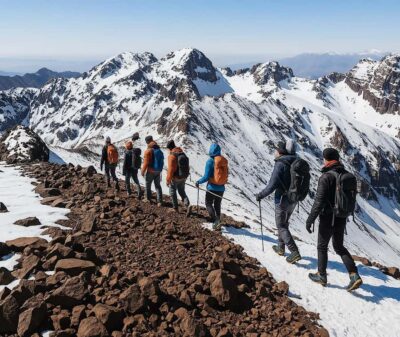
Mt Toubkal Ascent Express Trek 2 Days 1 Nights
Read our review →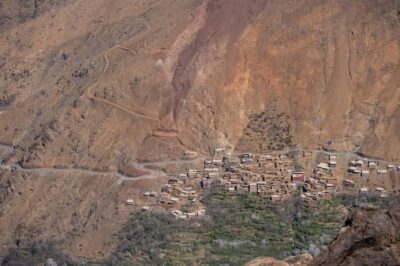
From Marrakesh: Atlas Mountains Talamrout Summit Day Hike
Read our review →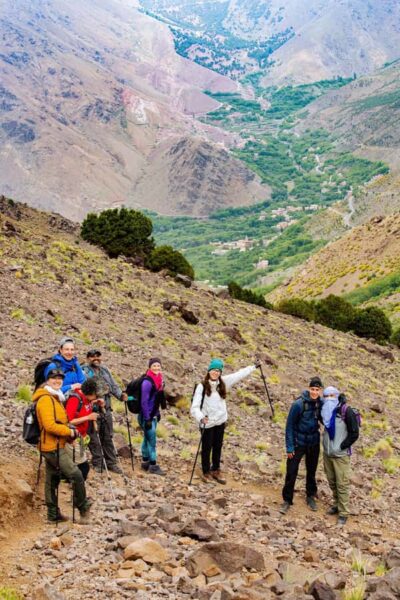
Marrakesh: 2-Day Mt. Toubkal Trek with 1-Night Stay & Meals
Read our review →
Marrakech: 2-Day Atlas Mountains Trek with Village Stay
Read our review →