
Review · JAPAN
From Matsumoto/Nagano: Nakasendo Trail Walking Tour
The best part of this day is the walk between Tsumago and Magome, two old post towns linked by a quiet mountain path. You get cobblestones, forest, rural roads, waterfalls, traditional houses, and mountain air in one tidy package, with a guide to handle the awkward transport connections.
I like the well-paced guiding and the chance to see the Edo-era route as more than a pretty street. I also like the waterfalls, where you can stop beside Odaki and Medaki and feel cool mist on your face. The catch is the long bus ride and a hike of more than 8 km with moderate climbs and descents.
Key points to know before booking
- Tsumago to Magome is the heart of the day: You walk the most appealing section of the Nakasendo, not just visit the post towns by bus.
- Odaki and Medaki waterfalls add a welcome break: The paired falls offer shade, spray, and a natural pause midway through the hike.
- The hike needs moderate fitness: The path is marked, but there are uphill sections, downhill sections, and over 8 km on foot.
- Guides make the route easier: Shawn, Kim, Joyce, Kevin, Devon, and Sijung have been praised for pacing, local knowledge, and practical help.
- Transport is convenient but lengthy: The coach removes complicated rural connections, though the ride can take several hours each way.
- Magome gives you time to explore: The final 40 minutes are useful for snacks, shopping, photos, and a look at the town’s water channels.
Why the Nakasendo walk feels special
The Nakasendo was one of the major routes linking Edo, now Tokyo, with Kyoto during the Edo period from 1600 to 1868. Today, much of the route is quiet. You may hear birds rather than cart wheels, and the old road passes through woodland, small settlements, and mountain countryside instead of modern city streets.
That change in atmosphere is the point. The trail is not a museum display laid out behind glass. You walk between two post towns where travelers once stopped for food, lodging, and fresh horses. The old route still has sections of Edo-period cobblestones, though the day also includes country roads and ordinary rural paths.
I like this mix of culture and exercise. Tsumago and Magome give you the architectural story, while the walk between them shows how the settlements fit into the Kiso Valley. The result feels more grounded than a quick old-town visit.
More hikes and treks around the world:
- From Marrakech: Ouzoud Waterfalls Guided Hike and Boat Trip
★ 4.7 · 33,630 reviews - Berber villages : Atlas Mountains Day Hike from Marrakech
★ 5.0 · 14,007 reviews - Bali: Sunrise Mount Batur Guided Hike with Breakfast
★ 4.8 · 9,660 reviews
Starting in Matsumoto or Nagano
You can begin at Matsumoto Station, Nagano Station, or Kokusai 21, depending on the option you book. The return points are Matsumoto Station, Nagano Station, and Kokusai 21.
Your guide meets you before leading the group to the coach. From Matsumoto, the drive to the trail area is around two hours, and the full transport portion can take roughly 3 hours and 50 minutes outward and 3 hours and 20 minutes on the return schedule. Those figures make this a very full day.
A stop at a Japanese Michi-no-Eki, or roadside service area, breaks up the outward journey. This is useful for a bathroom stop and a chance to buy a drink or small snack before the walk. Still, you should be ready to spend a good stretch of the morning sitting in the coach.
The bus is one of the tour’s strongest practical features. Reaching Tsumago and leaving Magome by local connections takes planning, especially if you do not read Japanese or have limited time in the Kiso Valley. Here, you can look out the window at the countryside and let someone else manage the route.
Tsumago-juku, a post town with a preserved feel
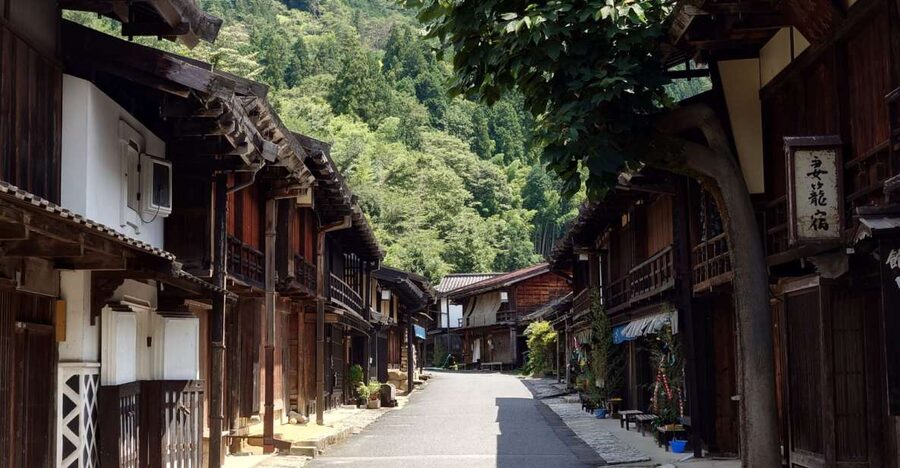
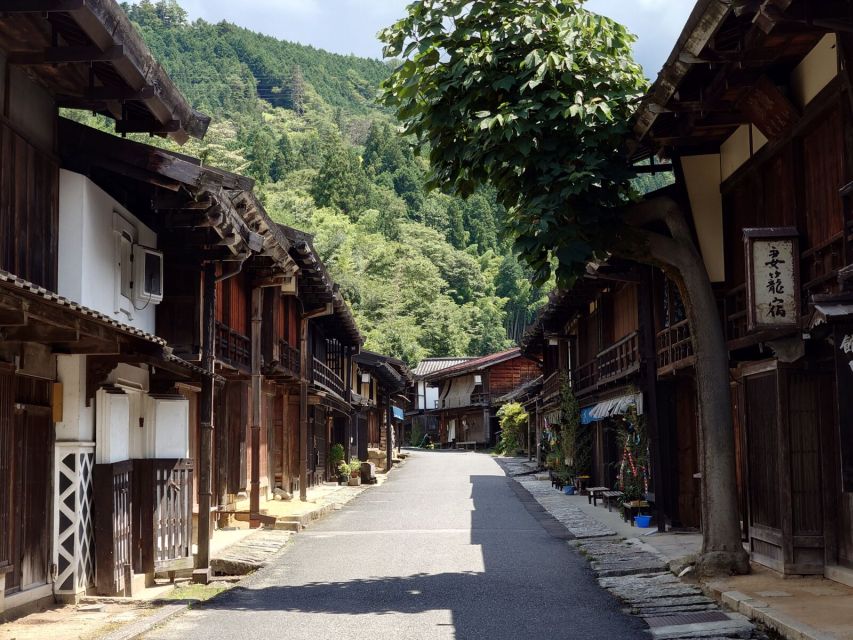
The first major stop is Tsumago-juku, where you have about an hour for a guided visit before starting the trail. Tsumago is known for its wooden buildings, sloping streets, mountain views, eateries, souvenir shops, and traditional inns.
The town has worked hard to keep its old appearance. You can enter one of the buildings open to the public and see how people once lived and worked along the route. This gives context to the walk ahead. You are not simply strolling through attractive wooden streets. You are seeing a former transport stop built around the needs of people crossing the mountains.
The guide is useful here because the visual details can otherwise blur together. Look for the relationship between the buildings, the road, and the mountain setting. Notice how the post town feels compact and practical rather than grand.
Tsumago can be less accessible than a standard city attraction. The streets and older buildings are not suited to wheelchair users, and the entire day involves substantial walking. If you need smooth, level access, this is not the right outing.
The 8-km route to Magome
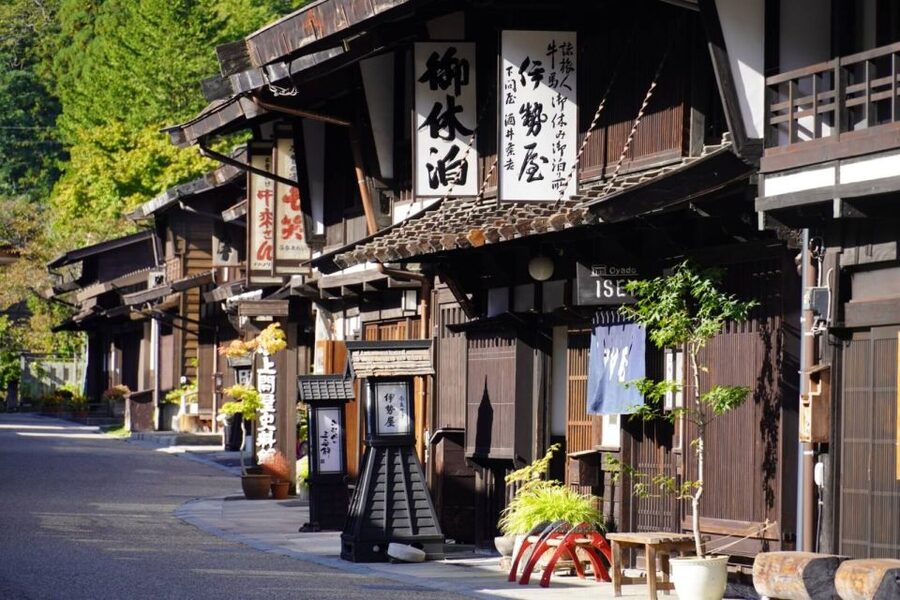
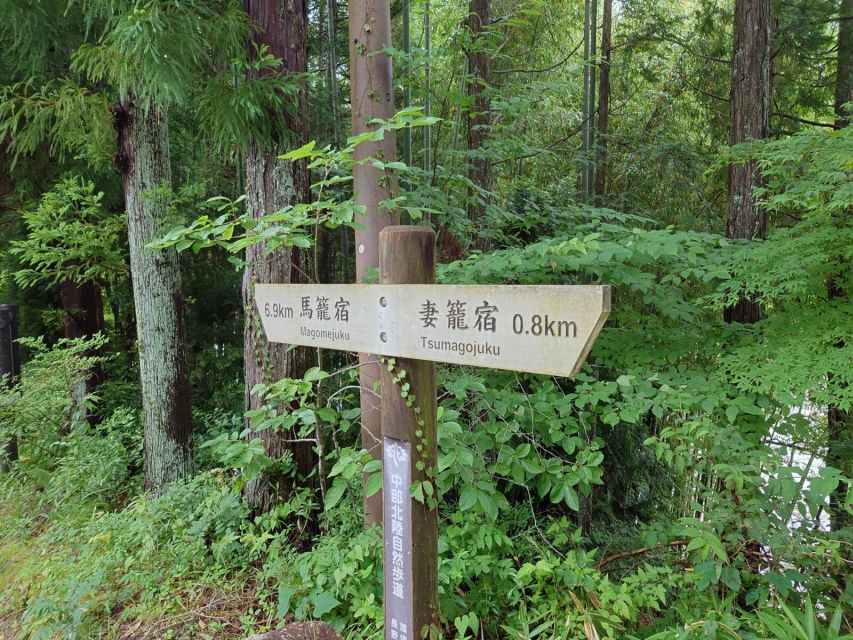
After Tsumago, the main walk begins. The route covers about 8 km, or slightly more than 5 miles, with a mixture of forest trails, rural roads, and historic sections lined with cobblestones.
You should expect moderate ascents and descents. This is not a technical mountain hike, but it is not a flat stroll either. Several people have appreciated the regular pauses, particularly after uphill sections. A guide such as Kevin can help keep a group together when walking speeds vary, while guides such as Shawn and Joyce have been praised for setting a comfortable pace.
The route is relatively well marked, but a guide adds more than navigation. You get explanations about the old road, the villages, local life, and points along the way. You can also ask questions as you walk instead of trying to absorb everything from a sign.
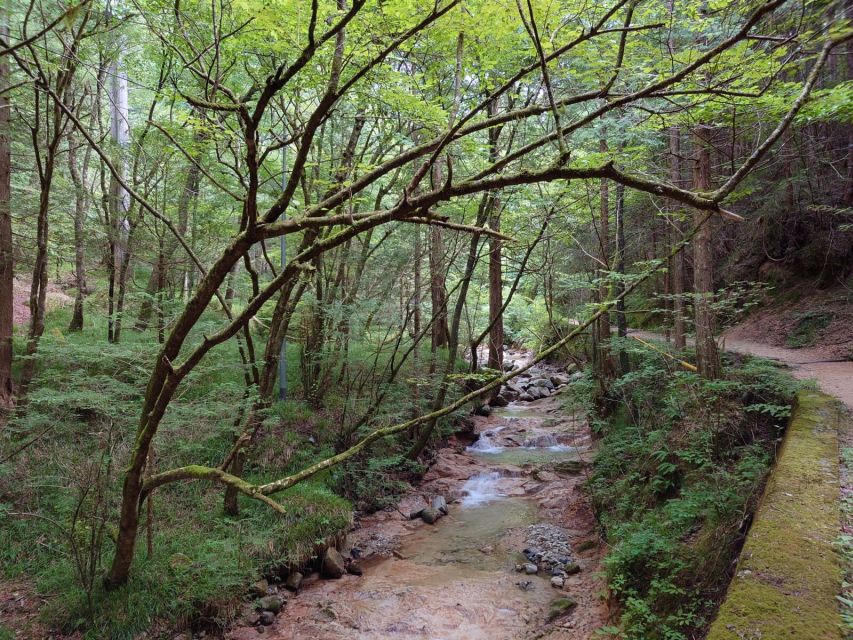
Keep an eye out for birds and lizards, with a chance of seeing deer or badgers. Wildlife is not guaranteed, so do not book this as a wildlife trip. The appeal is the quiet woodland setting and the changing views as the path moves between forest and settlement.
The walk can feel different depending on the weather. Spring and autumn offer especially pleasant conditions in the supplied experience dates, while summer may feel warmer and more humid. In bright weather, the sun can be uncomfortable in places. One person found the sun in their eyes for much of the route, so sunglasses and a hat are sensible additions to the required hiking shoes, water, and weather-ready clothing.
Same mountains, a different route up:
- Bali: Mount Batur Sunrise Guided Hike and Natural Hot Spring
★ 4.8 · 9,284 reviews - Cinque Terre Day Trip with Optional Hiking or Pisa
★ 5.0 · 8,486 reviews - From Marrakech: Atlas Mountains Full-Day Hiking Trip w Lunch
★ 4.8 · 7,417 reviews - Marrakech: Ourika Valley Trip with Waterfall Hike
★ 4.6 · 6,792 reviews
Odaki and Medaki waterfalls
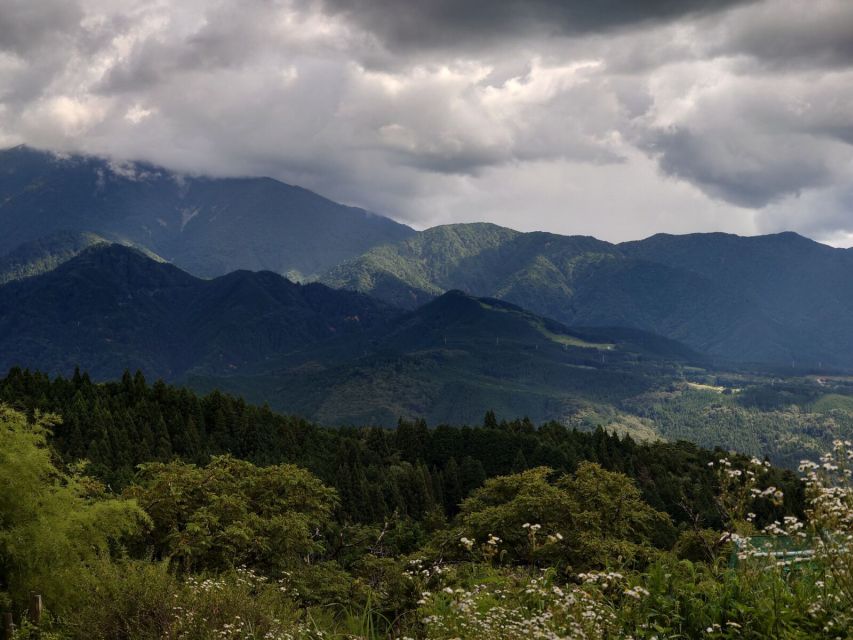
The paired Odaki and Medaki waterfalls are a natural highlight. They sit close together and make a good place to stop, catch your breath, and feel the spray from the falling water.
This pause matters because it breaks the hike into manageable sections. You are not simply counting down the kilometers. You have a clear point of interest where you can rest, take photos, and enjoy the sound of the water.
Traditional houses along the way may also offer water and a place to relax. The experience connects the modern hike with the old route, where people crossing the Nakasendo needed places to stop and recover.
Some groups have enjoyed eating lunch near the waterfall or stopping at a teahouse. Lunch is not included, so you need to carry food or buy something along the route if an opportunity is available. I would bring a dependable snack rather than rely entirely on finding a meal at the right moment.
Arriving in Magome
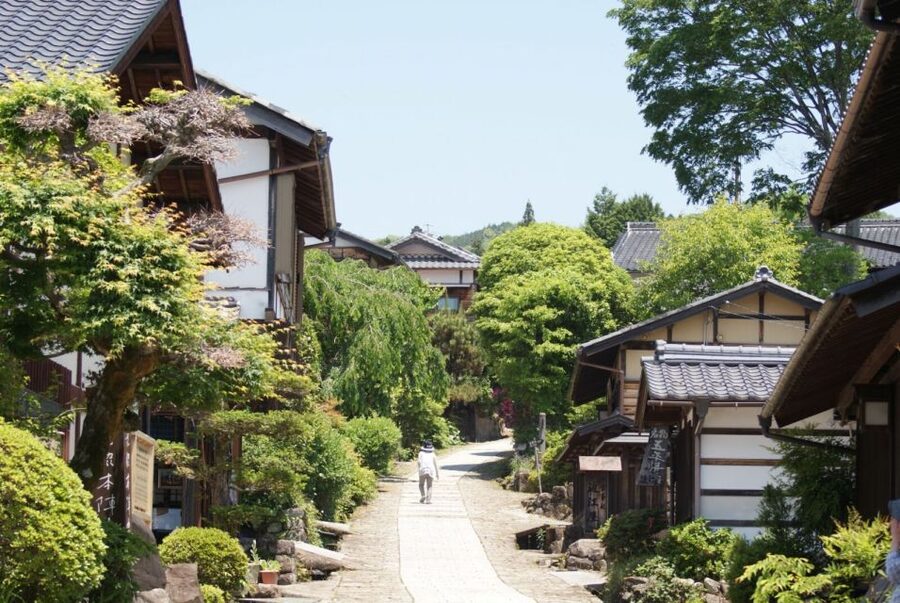
The trail ends at Magome, another preserved post town. Its main street climbs a slope and is lined with restored wooden buildings, small shops, eateries, and traditional-looking homes.
Magome feels different from Tsumago because of its sloped layout. Water channels run along the street, and waterwheels add movement and sound to the old town. After several hours on the trail, the downhill or uphill street sections can feel like one final bit of exercise, but the setting makes a pleasant finish.
You have about 40 minutes of free time here. That is enough for a snack, a drink, photos, or a short look through the shops. It is not enough for a slow meal and a detailed visit to every building, so plan your priorities.
One particularly good timing possibility is arriving near golden hour, when the old buildings and surrounding mountains can take on warm light. The exact light depends on the season and the day’s schedule, so treat that as a bonus rather than a promise.
The guide makes the difference
The guides named in the experience feedback include Shawn, Kim, Joyce, Kevin, Devon, and Sijung. Their strengths are consistent: clear explanations, a friendly manner, patience with different walking speeds, and practical help when plans become complicated.
Shawn has been especially effective with groups that wanted to move at their own pace, stop for post-office stamps, or try local snacks such as venison burgers and wagyu sushi at their own expense. Joyce has been praised for combining useful facts with a light, pleasant manner. Kim has handled many questions along the route, while Sijung has kept groups comfortable and explained the area well.
Group size can vary. Some departures have been almost private, with only one or two people, while other groups have included a broad range of ages and walking speeds. That means your experience may feel intimate or more social. The guide’s role matters in both cases.
The tour is in English. If you want cultural context, help with the route, and someone to watch the pace, the guide adds real value. If you prefer to walk alone and stop whenever you wish, a self-guided visit may suit you better.
What the $189 price buys you
At $189 per person, this is not a cheap day trip. The value comes from the transport and the time saved dealing with a remote route. You get roundtrip coach transportation from Matsumoto or Nagano, an English-speaking guide, the Tsumago visit, the 8-km walk, and time in Magome.
The long coach journey is also the main reason to question the price. A large part of the day is spent getting to and from the valley, not walking in it. If you are already staying near the Nakasendo or can arrange your own local transport, a self-guided route may cost less and give you more control.
For a first visit from Matsumoto or Nagano, I think the price can make sense. The operator handles the hard logistics, and the guide turns a simple walk into a fuller look at the old road and post towns. The included transport is especially useful if you have only one open day.
Lunch is not included. Bring water and food, or budget for snacks and any meal you buy along the route. The coach stop helps, but it should not be treated as a full lunch plan.
Fitness, equipment, and comfort
You need hiking shoes with a secure sole. Ordinary city sneakers may be uncomfortable on uneven paths, cobblestones, and slopes. Bring water, weather-appropriate clothing, and protection from bright sun.
The route is suitable for people with moderate fitness who can walk more than 8 km and manage hills. It is not suitable for children under seven, wheelchair users, or people with mobility impairments. The supplied information also advises against the tour for children because of the long walking distance.
Older participants can manage the day if they are comfortable with sustained walking. A family group ranging from the 30s to the mid-70s completed the route and found it worthwhile, though the hike was still described as a little challenging.
Give yourself realistic expectations. This is a walking tour with transport, not a sightseeing trip where you step off the bus every few minutes. Comfortable socks, a small day bag, water, snacks, and sun protection will make a noticeable difference.
A note about flexibility
The standard plan returns you to your selected Matsumoto or Nagano drop-off point. In at least one case, the operator helped arrange a different end point in Nagoya, allowing the group to continue its Japanese journey without going back to Nagano.
Do not assume every booking can be changed this way. Treat it as a possible arrangement that requires direct confirmation. The listed route and activities depend on availability, and adjustments may be needed if part of the day cannot run as planned.
Cancellation is free up to 24 hours before departure, and you can reserve now and pay later. Those policies help if your Japan itinerary is still shifting, but the physical demands of the hike are the more important booking decision.
Who should book this day
Book it if you want a countryside break from Japanese cities, enjoy moderate walking, and prefer having transport and a guide arranged for you. It works especially well for a first visit to the Nakasendo, since you see both major post towns and the countryside between them.
It also suits couples, small groups, and active older adults who can handle uneven ground and hills. The guide can make the day more comfortable when people in the same group walk at different speeds.
Think twice if you dislike long bus rides, need a fully accessible route, or want a relaxed old-town visit with minimal exertion. The 8-km walk is the main event, and the coach journey makes this a long day from Matsumoto or Nagano.
Should you book the Nakasendo tour?
I would book this tour if your schedule gives you one day for the Kiso Valley and you value ease over the lowest possible price. Tsumago, the waterfalls, the old cobblestones, and Magome create a satisfying mix, while the guide keeps the route informative and manageable.
I would skip it only if the walking distance or bus time sounds tiring before you even leave. For everyone else, this is a strong way to see one of Japan’s most appealing rural routes without spending a day solving transport puzzles.
FAQ
How long is the Nakasendo walk?
The walk from Tsumago to Magome is about 8 km, or more than 5 miles. It includes moderate ascents and descents.
Where can I start the tour?
The available starting points are Matsumoto Station, Nagano Station, and Kokusai 21. The exact meeting point depends on the option you book.
Where does the tour finish?
Drop-off options are Matsumoto Station, Nagano Station, and Kokusai 21, depending on the option selected.
How long is the bus journey?
The drive from Matsumoto to the Nakasendo area is around two hours. The listed transport schedule includes about 3 hours and 50 minutes outward and 3 hours and 20 minutes on the return journey.
Is lunch included?
No. Lunch is not included, so bring food or plan to purchase snacks or a meal during the day.
What should I bring?
Bring hiking shoes, water, and clothing suited to the weather. Sun protection can also be useful on bright days.
Is the tour suitable for children?
The tour is not suitable for children under seven. The long walking distance also makes it unsuitable for children who are not ready for more than 8 km of hiking.
Is the route wheelchair accessible?
No. The tour is not suitable for wheelchair users or people with mobility impairments.
Is the tour conducted in English?
Yes. The tour includes a live English-speaking guide.
Can I cancel the booking?
You can cancel up to 24 hours in advance for a full refund. Reserve now and pay later is also available.
Recently reviewed hikes in the world
- Asheville: Yoga on a Mountain Hike★ 4.7 · 7 reviews
- Arequipa: 2-day Colca Canyon Trekking, Ending in Puno★ 4.8 · 8 reviews
- Arctic hike on Kvaløya Island with drinks and snacks★ 5.0 · 8 reviews
- Arctic Wilderness Hike from Rovaniemi (Day & Evening)★ 4.7 · 12 reviews
- Antelope Valley: Ligai Si Anii Canyon Hiking Tour★ 4.9 · 13 reviews
- Antigua: 2-Day Acatenango Volcano Hike w/Local Guide & Meals★ 4.3 · 43 reviews
- Delphi: Easy Hike on Ancient Path through the Olive Groves★ 5.0 · 9 reviews
- Antalya: Hiking in Termessos Ancient City★ 5.0 · 152 reviews
Japan Hiking Tours, compared.
Fushimi Inari Hidden Hiking Tour (Private Option Available)
Read our review →
Kyoto: 3-Hour Fushimi Inari Shrine Hidden Hiking Tour
Read our review →
Hiroshima Local guided Hiking Tour&Open-air Tea Ceremony
Read our review →
Hiking the Historic Nakasendo Trail [1 Day Tour from Nagoya]
Read our review →
Full Day Hiking Tour at Mt.Takao including Hot Spring
Read our review →
Hike Japan Heritage Hakone Hachiri with certified mountain guide
Read our review →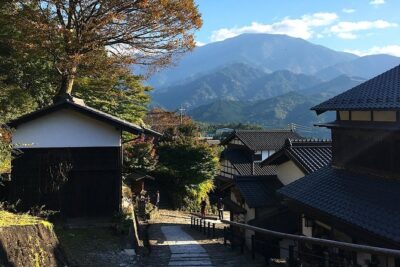
Explore Kiso Valley : Magome – Tsumago Mountain Trail Walk
Read our review →
Morning Hiking Tour: Mt. Futaba & Hiroshima’s History
Read our review →Other lists this hike appears in