
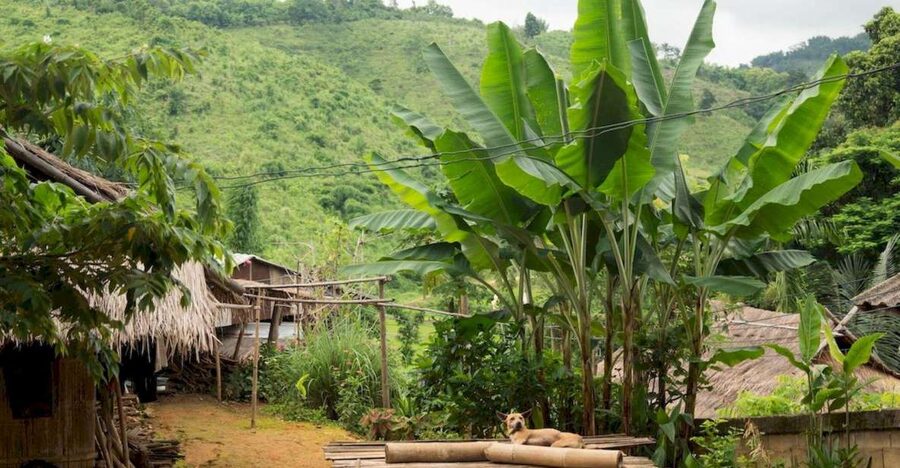
Review · CHIANG RAI
Akha & Lahu village trekking 1 day
The best part of this Chiang Rai outing is its simple rhythm: walk through bamboo forest, learn how the jungle supplies food and tools, then cook lunch inside bamboo over the course of the day. Acha, also spelled Achra in some descriptions, guides you through Akha life with a personal touch that large group tours rarely manage.
I like the chance to meet both Akha and Lahu communities in one day, and I like that the main meal is prepared with bamboo rather than served from a tourist restaurant. The drawbacks are real: some sections are challenging, the views may be more forest than valley panorama, and the Lahu village visit can include pressure to buy a handmade pouch.
Key points before you book
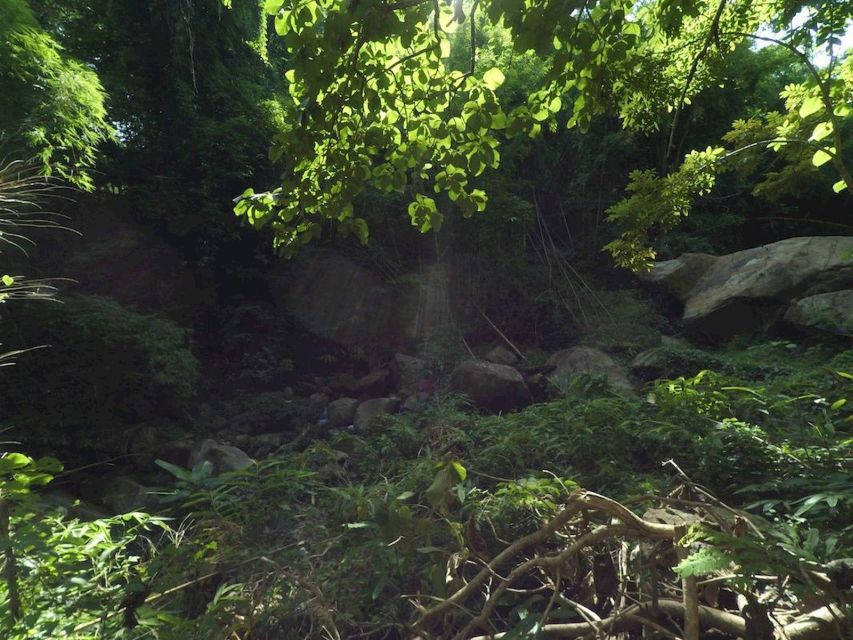
- Bamboo cooking is the star: Help prepare a full lunch using bamboo and learn how this useful plant supports daily life.
- Two hill-tribe communities in one day: Visit an Akha village and stop at a neighboring Lahu village.
- A real forest walk: The route crosses jungle, bamboo groves, rice fields, and pineapple plantations.
- Mae Sai waterfall stop: Bring swimming clothes if you want to cool off in the water.
- Expect a proper hike: Some sections are difficult, so sturdy shoes matter more than smart holiday footwear.
- Private and personal: The experience is designed around your party, with English or Thai guiding available.
A full day in the Akha and Lahu hills
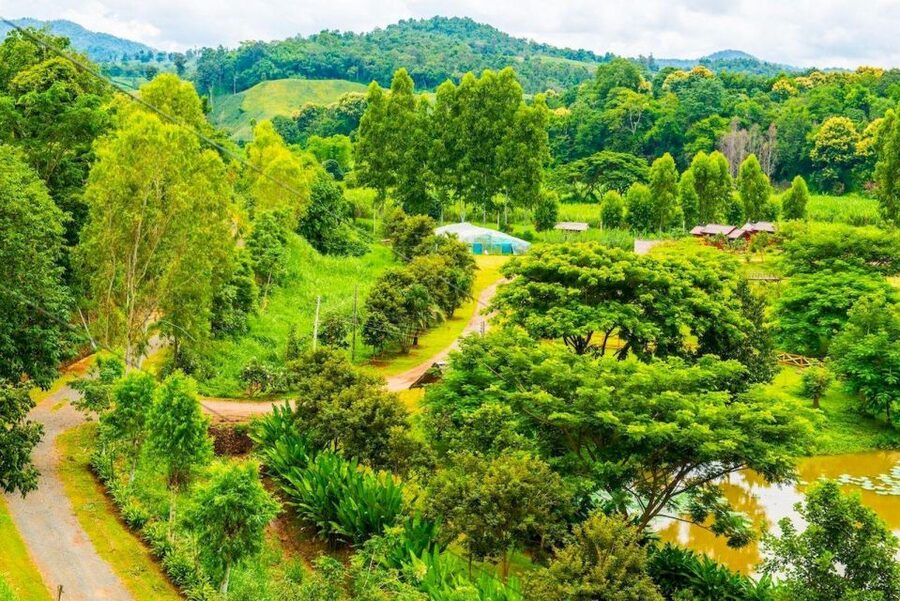
This is a one-day private trekking experience from Chiang Rai Province built around contact with rural life, not a fast checklist of photo stops. You spend much of the day walking through natural areas and farmland, with time to learn from your guide and cook a meal in the forest.
The Akha village is presented as a place that has avoided mass tourism. That does not mean the visit is a staged museum display. You are there to see how a mountain community lives, hear about local customs, and observe the connection between village life and the surrounding jungle.
The tour also adds a Lahu village later in the day. That gives you a useful comparison between two hill-tribe communities, although the stop may feel more commercial if you are encouraged to buy a handmade item.
Because the tour is private, you should have more room to ask questions and set a comfortable pace than you would on a large group walk. The supplied information does not give a fixed start time, transport plan, walking distance, or group size, so confirm those points before paying if they affect your schedule.
More Homestay and Village Treks in Thailand:
- Hanoi – Sapa 2 Days 1 Night Overnight At Homestay
★ 5.0 · 899 reviews - From Hanoi: 2-Day Sapa Trekking Trip with Homestay & Meals
★ 4.8 · 704 reviews - Number one top rated ethical cultural trekking and homestay by ETHOS
★ 5.0 · 456 reviews
Walking through bamboo, rice, and pineapple country
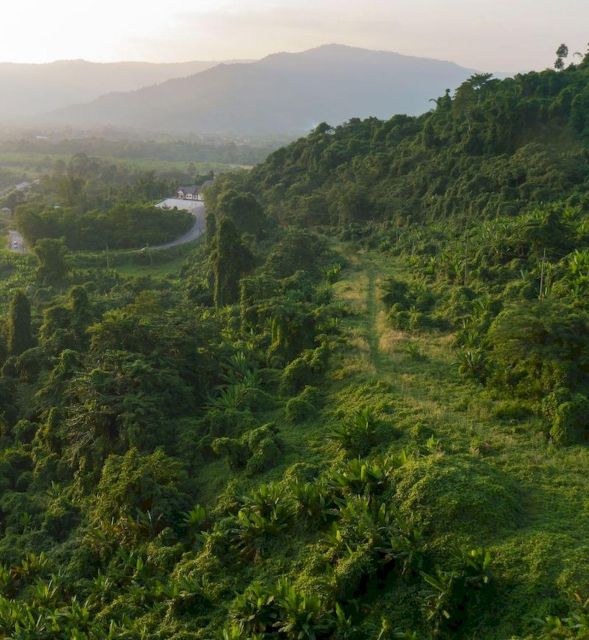
The walking route is one of the strongest parts of the day. You pass through bamboo forest, rice fields, and pineapple plantations around the village. The scenery changes often enough to keep the route interesting, even if you are not promised grand valley viewpoints.
Bamboo gets special attention from the guide. You may learn how it can be used for cooking and other practical needs, along with information about plants and fruit trees growing in the area. A guest called out examples including cocoa, lemon, coffee, and lemongrass.
That kind of lesson gives the walk more purpose. Instead of simply passing through the jungle, you begin to notice what grows there and how people use it. The forest becomes part of the cultural story, not just a green backdrop for photographs.
Still, set your expectations correctly. One person found the trekking challenging in places and felt the views did not open onto the valleys as hoped. If your main goal is a sweeping mountain panorama, this may not be the best choice. If you enjoy forest paths, plant knowledge, and village contact, the route makes more sense.
Wear firm, comfortable shoes with good grip. The advice to bring proper footwear is not a minor detail. Some sections may be uneven or steep, and sandals could make the day less pleasant.
Learning from Acha, the local guide
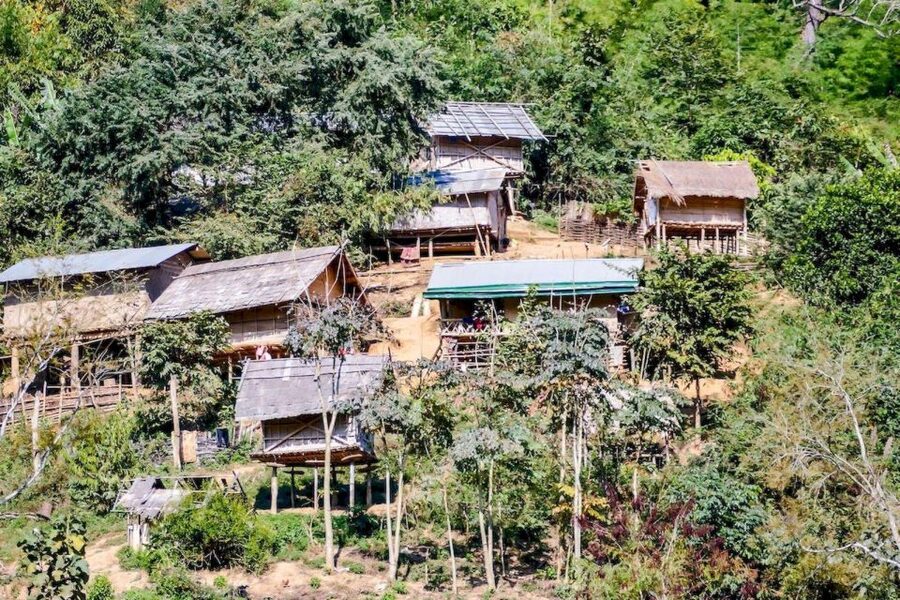
The guide can make or break a cultural walk, and Acha, also written as Achra, receives especially warm praise for his kindness, professionalism, and knowledge of the area. He explains customs, plants, bamboo, and the scenery you pass along the route.
The strongest guide-led moments are likely to come when you ask questions rather than simply follow along. Ask how bamboo is selected for cooking, which plants are useful, and how the Akha and Lahu communities differ. The provided information does not promise a formal presentation, so your curiosity will help shape the experience.
English and Thai are listed as the available languages. If you do not speak Thai, English guiding is available, but the precise level of interpretation can vary by guide and day. Acha’s explanations have been praised for making the trek more than a walk through the woods.
The family connection also adds warmth. The experience is described as a chance to meet the guide and his family, which can make the visit feel more personal than a standard commercial excursion. At the same time, remember that you are entering a lived-in community. Ask before taking close-up photographs, and treat village residents as hosts rather than attractions.
Bamboo lunch in the forest
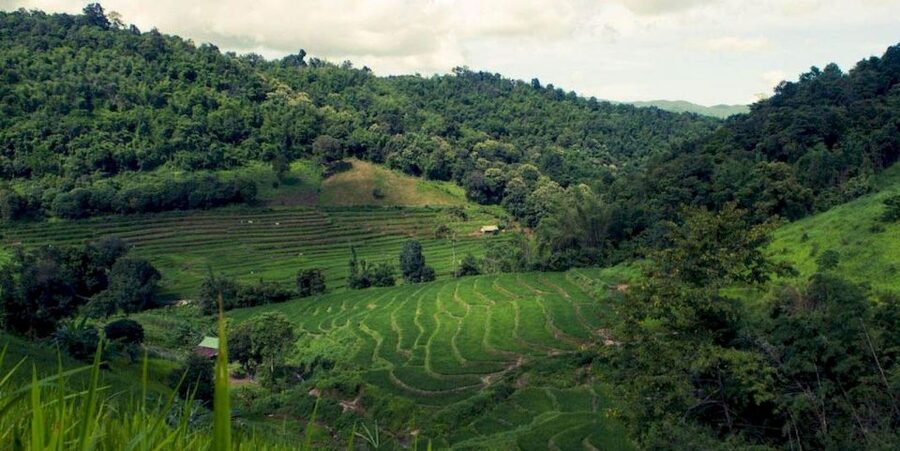
Lunch is the most distinctive feature here. You help prepare food using bamboo sticks, then eat a meal cooked in bamboo. The meal has been described as delicious and surprisingly filling, but its real value is the process.
This is not simply lunch served beside a trail. It shows how a common forest material can become part of cooking and daily life. The guide can explain the method as you work, linking the food on your plate to the plants around you.
Expect the meal to be rustic. Bamboo cooking is part of the point, so do not compare it with a restaurant lunch in Chiang Rai. You receive lunch, drinking water, and morning coffee and tea as part of the price.
The meal also creates a natural pause after the harder walking sections. You can rest, eat, and take in the setting without rushing from one scheduled sight to another. If you enjoy practical demonstrations, this is likely the day’s finest moment.
The listing does not specify the exact dishes, dietary options, or whether vegetarian meals can be arranged. If you have allergies or dietary restrictions, ask before booking. That is particularly important when food is prepared in a village and outdoors.
More One-Day Trips in Thailand:
- Chiang Mai: Doi Inthanon Park with Kew Mae Pan Hike Day Trip
★ 4.7 · 841 reviews - Doi Inthanon National Park with Nature Trail Trekking 1-Day Tour
★ 4.5 · 230 reviews - 1 Day Trekking in Chiang Rai forest (walk only)
★ 4.9 · 95 reviews - Chiang Rai: 1-Day Trekking and Longtail Boat Trip
★ 4.9 · 53 reviews
Waterfall time at Mae Sai
A waterfall stop adds a welcome break from the heat. Mae Sai waterfall is specifically identified as a place where you can cool off, so pack swimming clothes if you want to get in the water.
You may prefer simply to sit nearby, especially after a demanding section of trail. The waterfall is useful as a change of pace: the day moves from village and farmland to jungle, cooking, and then a refreshing natural stop.
Do not assume this is a long swimming session. The available details do not give the swimming conditions, water depth, changing facilities, or exact amount of time spent there. Bring a small towel and wear clothing that can handle a wet walk back, but confirm practical arrangements with the provider.
The waterfall also helps balance the cultural focus. You are not spending the entire day listening to explanations or visiting homes. There is time to enjoy the setting in a quieter way.
The Lahu village visit and the sales-pressure issue
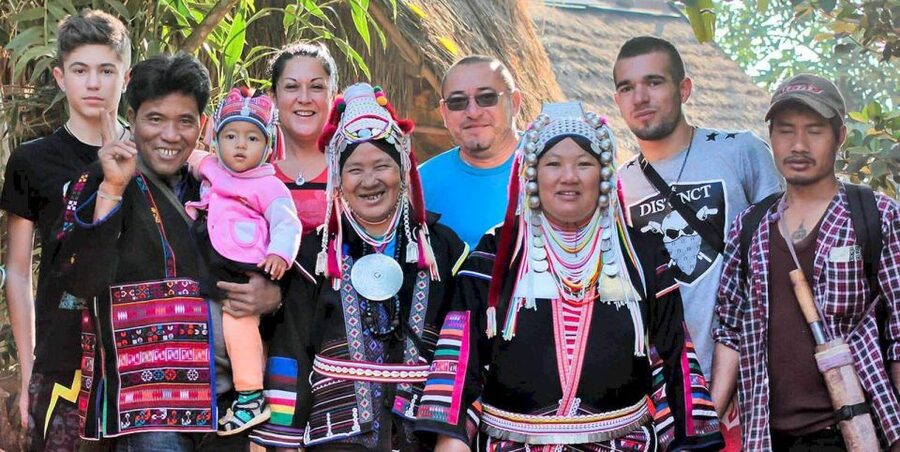
On the return journey, you stop at a neighboring Lahu village. This gives you a second point of comparison after your time with the Akha community. You may see local crafts and hear about another hill-tribe way of life.
The cultural value is clear, but this is also the part of the day where expectations need care. One person felt pressured to buy a handmade pouch from a local host and described the moment as feeling like a tourist trap. You should be polite, but you do not need to buy something simply because it is offered.
If you want to support local makers, purchasing a small item can be a fair way to do so. Decide your budget before arriving, and ask the price clearly. If you do not wish to buy, a friendly no thank you should be enough.
This stop may feel less natural than the Akha village and the forest walk. That does not make it worthless, but it is worth knowing that cultural visits can include commercial elements. The tour is strongest when it teaches you about daily life and the jungle, not when it turns into a shopping stop.
What the $87 price includes
At $87 per person, this is not the cheapest way to spend a day near Chiang Rai. Its value depends on what you want from the outing.
You are paying for a private trekking experience, a guide, a full day of activities, lunch cooked in bamboo, water, and morning coffee and tea. You also get access to a route linking Akha and Lahu communities, with plant explanations, jungle walking, farmland, and a waterfall stop.
That package can be good value if you want an active cultural experience and would otherwise need to arrange a guide, food, and village visits separately. The personal guiding is important here. A bamboo meal alone would be a novelty, but the explanations about plants, customs, and village life give it meaning.
The value is weaker if your priority is easy sightseeing, dramatic viewpoints, or a polished tourist attraction. You should also ask about any extra transport costs and the temple entrance fee, which is not included. The exact temple is not identified in the available information.
You can reserve now and pay later, and cancellation is allowed up to 24 hours before the activity for a full refund. That is useful when your Chiang Rai plans are still shifting.
Who will enjoy this trek most
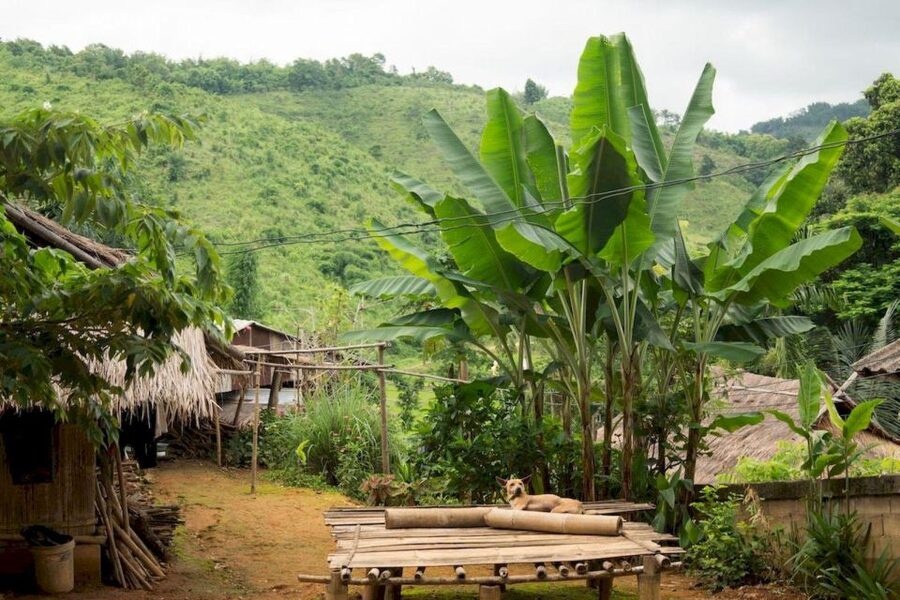
I would choose this day if you enjoy walking, learning by doing, and meeting people in a setting that is not built around mass tourism. It suits visitors with only one day who still want more than a quick hill-tribe photo stop.
You will probably get the most from it if you:
- Enjoy moderate physical activity and uneven forest paths
- Like asking questions about food, plants, and local customs
- Want a private guide rather than a large coach excursion
- Are happy with forest scenery instead of guaranteed valley views
- Want to try a practical cooking activity
- Can approach village visits with respect and flexibility
I would think twice if you dislike heat, mud, rough paths, or changing outdoor conditions. The hike has challenging sections, and the day is not designed as a gentle stroll.
It may also disappoint you if you expect a formal cultural performance or a carefully controlled heritage site. The appeal is the everyday setting, with all the awkward edges that come with it, including the possibility of sales pressure at the Lahu stop.
What to pack for this one-day outing
Good shoes are the first priority. Choose footwear with a firm sole and enough support for the difficult parts of the trail.
Bring swimming clothes if you want to use Mae Sai waterfall. You should also carry sun protection, insect repellent, and a small towel, although these items are not listed as included. A light change of clothes could be useful after a hot walk or a swim.
Carry only what you need. You will be walking through jungle and farmland, and a heavy bag will become irritating quickly. Water is included, but a small day pack is still practical for personal items.
If you have food allergies, ask about the bamboo lunch before setting out. The supplied details confirm lunch but do not provide a menu or dietary list.
Should you book the Akha and Lahu trek?
Book it if you want a personal, active day where the best moments come from bamboo cooking, plant knowledge, village contact, and time outdoors. Acha or Achra appears to bring the right mix of warmth and practical information, and the chance to visit both Akha and Lahu communities gives the day useful range.
Do not book it for easy walking or guaranteed mountain panoramas. Be ready for a demanding trail, forest-heavy scenery, and a Lahu village stop where you may feel encouraged to shop.
For the right visitor, $87 is fair value for a private day with food, guiding, and two distinct cultural encounters. Bring sturdy shoes, pack swimwear, keep an open mind, and set a firm souvenir budget before you arrive.
FAQ
How long is the Akha and Lahu village trekking experience?
It is a one-day trekking experience in Chiang Rai Province.
Which communities will I visit?
The experience focuses on the Akha people and includes a stop at a neighboring Lahu village on the return journey.
Is lunch included?
Yes. Lunch is included and is prepared using bamboo. Water and morning coffee and tea are also included.
Can I swim at the waterfall?
You can bring swimming clothes if you want to cool off at Mae Sai waterfall. The available details do not state the water conditions or whether changing facilities are provided.
What languages are available?
Guiding is available in English and Thai.
Is the temple entrance included?
No. Entrance to the temple is not included in the price. The available details do not identify which temple is visited.
Recently reviewed hikes in Thailand
- 1 Day trekking : Chiang Rai popular activity,Fun in Nature.★ 4.8 · 18 reviews
- Chiang Mai Untouched Elephant: Nature Walk & Waterfall Trek★ 4.7 · 77 reviews
- Chiang Mai: 2-Days Jungle Trek, Waterfalls and Karen Village★ 4.8 · 103 reviews
- Chiang Mai: Whitewater Rafting and Waterfall Trekking Tour★ 4.9 · 58 reviews
- Chiang Mai ATV & White Water Rafting & Trekking to Waterfall★ 4.7 · 84 reviews
- Chiang Mai: Hike on Monk’s Trail and Doi Suthep Private Tour★ 4.8 · 22 reviews
- Khao Sok: Private Day Trekking, Jungle Dinner & Night Safari★ 4.7 · 206 reviews
- Chiang mai Hike & Downhill Bike Adventure –Suthep National Park★ 4.5 · 204 reviews
Homestay & Village Treks, compared.
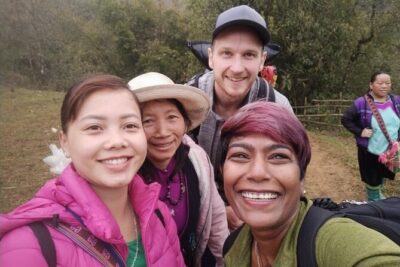
Hanoi – Sapa 2 Days 1 Night Overnight At Homestay
Read our review →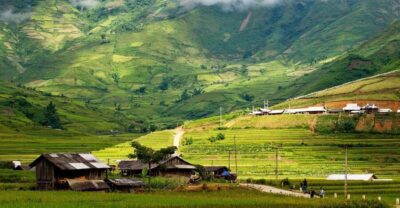
From Hanoi: 2-Day Sapa Trekking Trip with Homestay & Meals
Read our review →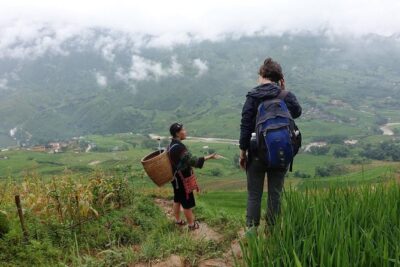
Number one top rated ethical cultural trekking and homestay by ETHOS
Read our review →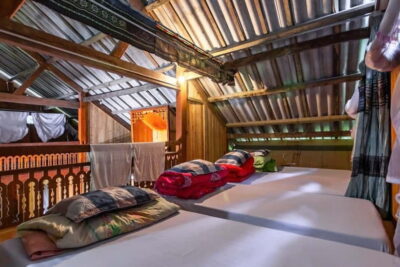
2-Day Sa Pa Ethnic Homestay Tour & Trek with Limousine Bus
Read our review →
Hanoi – Sapa 3 Day 2 Night Trekking With Hotel & Homestay
Read our review →
The Wild Explorer – 3 days forest trek with homestay and camping
Read our review →
Hanoi: 2-Day Sa Pa Guided Village & Homestay Trekking Tour
Read our review →
2 Night Lao Chai-Ta Van Homestay- Trekking & Fansipan Visit
Read our review →Other lists this hike appears in