
Review · SAPA
Number one top rated ethical cultural trekking and homestay by ETHOS
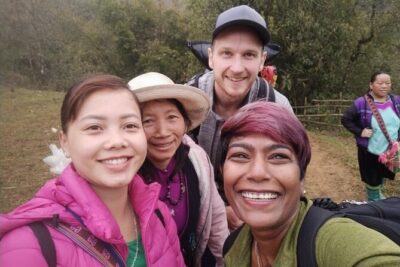
Sapa’s best cultural experience may be the one that gets you away from the town’s busy center and into village life. This private ETHOS trek combines rice terraces, bamboo forest paths, family meals, and a night in a host home. I especially like the small private format and the chance to learn directly from guides such as Cha, Ha, Ker, My, and Kae. You are not simply walking past villages. You are stopping, eating, and meeting people.
I also like the flexible second day, since you can choose a shorter or harder walk before taking a taxi back to Sapa. The main caution is the first day: 14 kilometers, including a steep 2-kilometer climb, calls for decent fitness and sturdy shoes. The homestay is cultural and simple, not a polished hotel stay.
Key points to know before you book
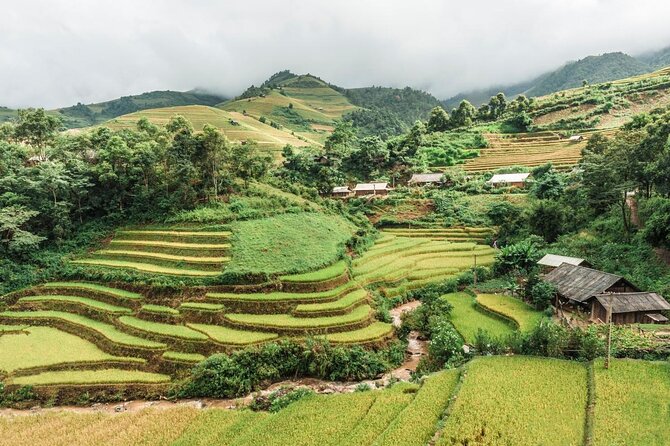
- A 14-kilometer first day: The opening walk begins with about 6 kilometers of easier rolling ground, followed by a steep climb of roughly 2 kilometers.
- A real village stay: You spend the night with a host family among rice paddies, with dinner and breakfast included.
- A private experience: Only your own group joins the tour, with a minimum booking size of two people.
- Meals are part of the exchange: You stop to cook and share lunch with your host family, and two lunches are included overall.
- The second day is adjustable: You can choose the distance and difficulty before returning to Sapa by taxi in the afternoon.
- A community-focused operator: ETHOS puts local guides, family connections, and support for village livelihoods at the heart of the experience.
Why this Sapa trek feels different from a standard day hike
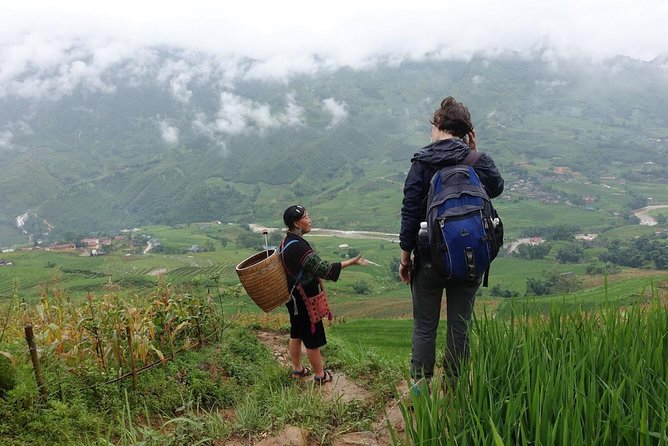
Many Sapa walks are built around viewpoints and photo stops. This one uses the walk as a way into daily life. You pass rice terraces and traditional villages, but the important moments happen when you stop with a family, learn about local customs, and share food.
That difference matters. Sapa can feel crowded around its central streets and most popular routes. A private guide gives you a better chance to ask questions and adjust the pace. Guides including Cha, Ha, Ker, My, and Kae have been praised for explaining local life, plants, family customs, and the history of the Hmong and Dao communities.
You should not expect a scripted performance. The value comes from ordinary contact: meeting families, seeing village homes, and learning how people use the land around them. Kae, for example, has led groups along steep paths through forests, rice fields, and jungle areas where they encountered few or no other tourists. The exact route depends on the guide and conditions, but the purpose remains the same: get beyond Sapa’s main tourist circuit.
The tour is private, yet it is not isolated. You are still entering someone else’s home and community. That makes good manners important. Ask before taking photographs, listen carefully, and accept that the host family may have a different rhythm from your own.
More Homestay and Village Treks in Sapa:
- 2 Night Lao Chai-Ta Van Homestay- Trekking & Fansipan Visit
★ 4.0 · 8 reviews - Hanoi – Sapa 2 Days 1 Night Overnight At Homestay
★ 5.0 · 899 reviews - From Hanoi: 2-Day Sapa Trekking Trip with Homestay & Meals
★ 4.8 · 704 reviews
Meeting ETHOS at 8:30 in Sapa
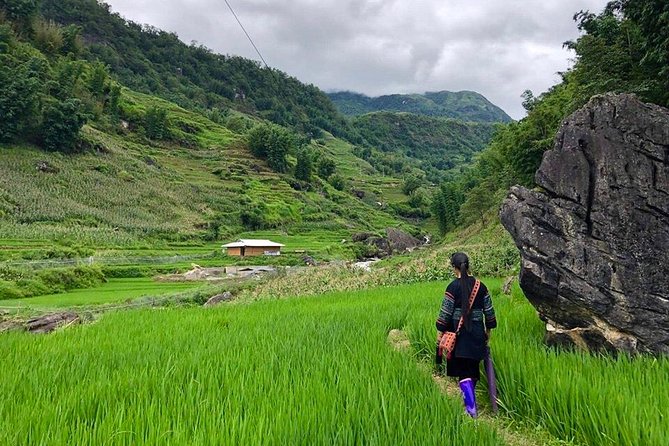
Your day begins at 8:30 a.m. at ETHOS, Spirit of the Community, at 79 Nguyen Chi Thanh Street in Sapa. Starting in town makes the first morning straightforward, especially if you are staying nearby or using local transport.
The opening meeting is more than a quick roll call. The ETHOS team explains the general plan and gives you a chance to discuss the type of walk you want. Guides such as Hoa have been singled out for giving a useful introduction to the cultural background before the trek begins.
Because the experience is private, the guide can focus on your group. That is helpful if one person walks more slowly, if you want extra time for questions, or if you care more about village life than covering ground quickly. It also means you should speak up about your fitness and preferences at the beginning.
The booking requires at least two people. It is not designed as a solo departure that joins a larger mixed group. Private transportation, water, and refreshments are included, although the supplied information does not specify every refreshment or the exact vehicle arrangements for the morning.
Day one: 14 kilometers through terraces and villages
The first day is the more demanding part of the trip. The total distance is about 14 kilometers, or nine miles. The first 6 kilometers follow relatively easy but undulating ground, so you can settle into the rhythm before the harder section arrives.
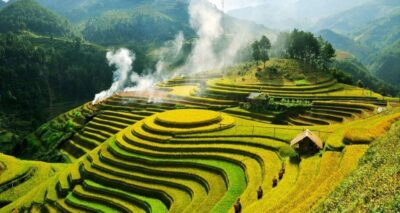
Expect rice terraces, village paths, and views across the Sapa Valley. Rice terraces are not just pretty scenery. They show how mountain communities shape steep ground for farming, channeling water from one level to the next. A local guide can add meaning to what you are seeing, pointing out plants, farming practices, and details of village life that are easy to miss on your own.
The route then includes a steep climb of around 2 kilometers. That is a serious walk, particularly if the ground is wet. The phrase moderate physical fitness should be taken seriously. You do not need to be an elite hiker, but you should be comfortable walking for several hours over uneven, sloping ground.
Wear shoes with a firm grip. Bring clothes that can handle mud and changing mountain weather, and keep your day pack light. The tour includes water and refreshments, but you should still arrive ready for a full day outside.
The route is not presented as a race. Your guide can explain the surroundings and manage the pace, but the distance still takes time. Build your expectations around a full day in the countryside rather than a quick scenic stroll.
Cooking lunch and meeting the host family
One of the strongest parts of the first day is the meal stop with your host family. You do not simply arrive at a homestay after dark and sleep there. You stop to cook and share lunch, which gives you a natural way to meet the people who will host you.
This is where the tour earns its ethical focus. Eating together creates a more equal exchange than a quick photo stop. You have time to ask about the family, the village, food, and local traditions. Guides can help with language and context, but the family connection is the center of the visit.
Lunch is included, and the package includes two lunches in total, along with dinner and breakfast. The exact dishes are not specified, so you should not book this expecting a fixed restaurant menu. The meal is part of the homestay experience and may reflect what the family normally prepares.
The cultural side also requires flexibility. A village home is not a hotel dining room, and family routines may not match your own. That is part of the point, but it can feel unfamiliar if you prefer controlled service and predictable facilities.
More hikes and treks around Sapa:
- Sa Pa: Muong Hoa Valley Trek and Local Ethnic Villages
★ 4.6 · 864 reviews - Sapa: Eco Adventure Terrace Fields and Local Villages Trek
★ 4.9 · 636 reviews - From Sapa: 1-Day Guided Trek to Lao Chai & Ta Van with Lunch
★ 4.9 · 416 reviews - Sa Pa Full Day Trekking Tour
★ 5.0 · 414 reviews
Sleeping in a village homestay
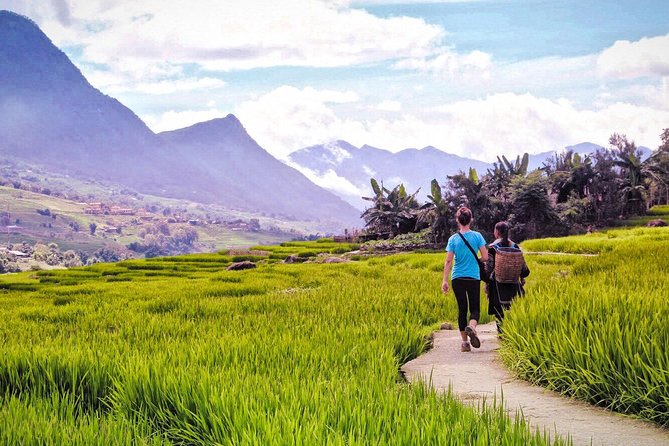
After the day’s walk, you spend the night with a host family in a village among the rice paddies. The homestay is one of the main reasons to choose this tour instead of a standard Sapa excursion.
The supplied details do not promise a particular room style or a list of facilities. Treat it as simple homestay accommodation rather than a luxury property. If you need a private bathroom, hotel bedding, or a quiet room with full control over your schedule, this may not be the right choice.
If you are open to a modest stay, the overnight visit gives you something a day trip cannot. You see the village after the walking route is finished, share dinner, and have more time with the family. You also wake up in the community instead of returning to Sapa immediately.
That overnight element makes the experience feel less like sightseeing and more like a short visit. Guides have introduced families and explained Hmong and Dao culture, helping you understand the people and traditions behind the villages you pass.
Still, respect the household. Follow the guide’s advice, ask before entering private spaces, and avoid treating the family home as a backdrop for photographs. A cultural stay works best when you arrive with curiosity rather than a checklist.
Day two: choose your own level of challenge
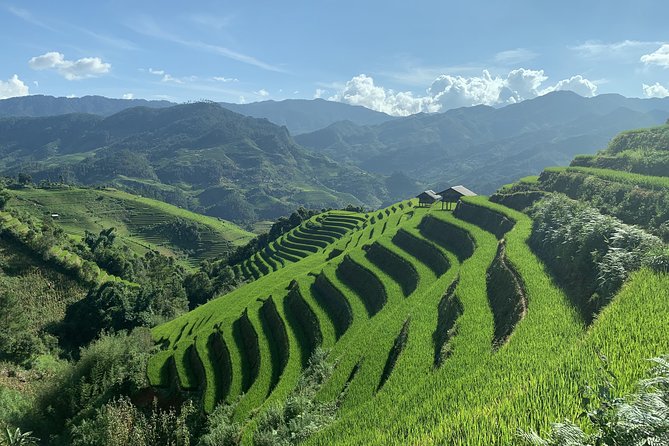
The second morning is deliberately less fixed. You continue trekking, but the distance and difficulty can be adjusted. This is a useful contrast with the more structured 14-kilometer first day.
You might want another substantial walk through forests, fields, and villages. You might prefer a shorter route after the previous day’s climb. The exact choice belongs in the conversation with your guide, so tell the guide early if you are tired or want to make the most of your remaining time.
The flexibility also helps if weather or trail conditions affect the plan. The tour requires good weather, and poor conditions can lead to a different date or a full refund. Do not assume that every route will operate exactly as imagined in advance.
In the afternoon, a taxi brings you back to Sapa. The activity ends at the ETHOS meeting point. That return arrangement saves you from having to organize transport from a remote village, and it gives the second day a clear finish.
What the guides add to the walk
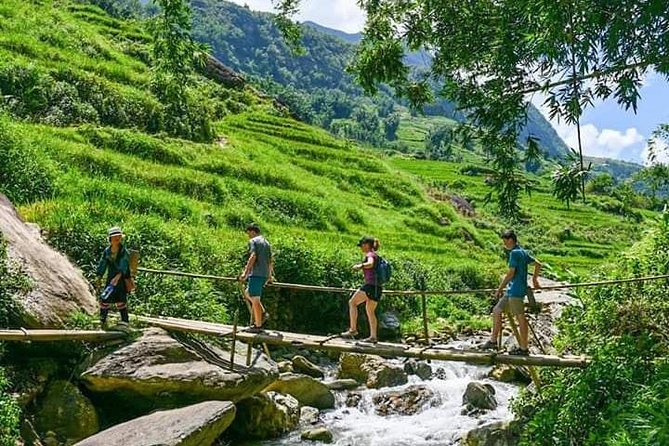
The guide is central to this experience. Without local explanation, the route would still offer fine views, but much of the cultural value would disappear.
Cha has been praised for insight into local life and for making the homestay feel personal. Ha has guided groups through village life and family visits, while Ker has been described as a gracious host who explains Hmong and Dao culture. My has helped visitors understand everyday life in the villages, and Kae has led groups over steep, less-used paths through forests and rice fields.
These names are useful because they show the kind of guiding ETHOS aims for. You are not hiring someone only to point out the way. The guide may explain plants, introduce you to relatives, discuss village customs, and help you understand what you are seeing.
Guide assignments can vary, so you should not book on the assumption that one specific person will lead your trip unless ETHOS confirms it. The important point is the local, personal nature of the guiding.
The ethical value, and the limits
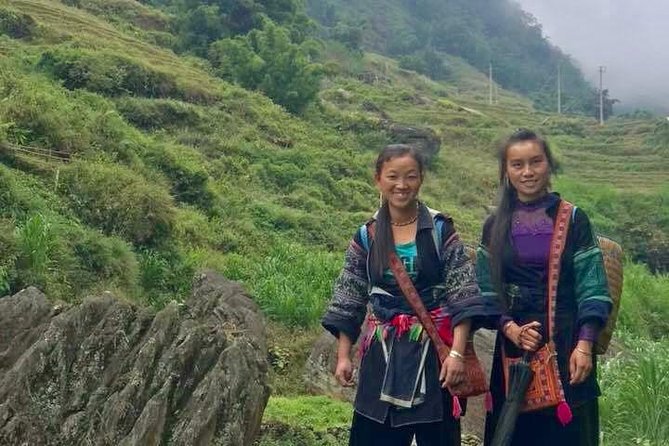
ETHOS places community involvement at the center of the tour. Money from the experience supports local livelihoods, and the homestay gives families a direct role rather than keeping the benefits only in Sapa’s hotels and agencies.
That makes the $93.34 price easier to assess. You receive a private two-day tour, local guiding, private transportation, one night of accommodation, two lunches, dinner, breakfast, water, and refreshments. For two people, the price covers a substantial amount of time and service. It is not the cheapest way to see rice terraces, but a cheap day hike would not provide the same overnight connection or meal-based exchange.
Ethical tourism is not a magic label. You still need to behave responsibly, and no short visit can explain every part of village life. The best approach is to ask questions without demanding access, buy only what you genuinely want, and avoid turning cultural differences into entertainment.
The perfect 5 rating from 456 reviews and 100 percent recommendation show unusually strong satisfaction, but the practical details matter more for your decision. The first day is long, the homestay is simple, and the experience depends on your willingness to adapt.
Who should book this trek?
I would choose this for a couple, friends, or a small family group that wants a private cultural experience rather than a quick Sapa photo walk. It suits people who enjoy walking, asking questions, eating local food, and staying somewhere modest for one night.
It is also a good fit if you want control over the second day. You can discuss a more ambitious walk or scale things back after the first day.
You should think twice if you dislike steep paths, uneven ground, shared or basic homestay conditions, or uncertainty about the day’s exact route. The first day’s 14 kilometers are not a minor detail.
The tour is also less suitable for someone who wants a luxury overnight stay or a tightly timed sightseeing package. Its strength is the human contact and flexibility, not polished hotel service.
Practical details worth knowing
The price is $93.34 per person, and the average booking lead time is 59 days. That advance pattern suggests planning ahead is sensible, especially if you have fixed dates in Sapa.
A mobile ticket is provided, and confirmation arrives at booking. The meeting point is near public transportation, with the tour beginning at 8:30 a.m. The minimum group size is two, and only your own group participates.
Travel insurance is not included. You can cancel for a full refund if you do so at least three full days before the local start time. Changes or cancellations inside that window are not accepted for a refund. If bad weather forces cancellation, you are offered another date or a full refund.
Should you book the ETHOS trek?
Book it if you want Sapa to be more than a viewpoint and a hotel base. The combination of a private guide, a long walk, a family meal, and a village night gives you a closer look at Hmong and Dao communities than a standard half-day route.
I would book it for the cultural contact and the flexible second day, while preparing properly for the steep climb. Bring good walking shoes, accept a simple homestay, and let the guide shape the route around your ability.
Skip it if you want easy walking or hotel comfort. For everyone else, this is a well-priced two-day experience that connects the scenery to the people who live among it.
FAQ
How long is the Sapa cultural trek?
The experience lasts about two days. The first day covers approximately 14 kilometers, while the second day is flexible in distance and difficulty.
Where does the tour begin?
It begins at ETHOS, Spirit of the Community, at 79 Nguyen Chi Thanh Street in Sapa. The start time is 8:30 a.m.
Is the trek private?
Yes. Only your own group participates, and a minimum of two people is required for the booking.
What meals are included?
The package includes one dinner, breakfast, and two lunches. You also stop to cook and share lunch with your host family.
Does the tour include accommodation?
Yes. You spend one night in a village homestay with a host family.
What happens at the end of the second day?
You continue trekking in the morning, with the distance and challenge adjusted to your preference. A taxi brings you back to Sapa in the afternoon, and the activity ends at the original meeting point.
Recently reviewed hikes in Sapa
- From Hanoi: Sapa 3-Day Medium Trek and Limousine Trip★ 4.5 · 59 reviews
- 2 Night Lao Chai-Ta Van Homestay- Trekking & Fansipan Visit★ 4.0 · 8 reviews
- 2-Day Fansipan Mountain Trek – Indochina’s Highest Peak★ 4.3 · 42 reviews
- 1-Day Sapa Long Trek – Rice Field Terrace, Ethnic Culture★ 4.9 · 62 reviews
- 1 Day Sapa Trek&Home-cooked Lunch HmongSisterHouse&Trekking★ 5.0 · 7 reviews
- Sa Pa: 6-Hours Muong Hoa Valley Trek with Local Ethnic guide★ 4.5 · 178 reviews
- Sapa: Private The Most Beautiful Terraced Fields Trekking★ 4.8 · 42 reviews
- Mountain views & Rice Terraced Fields Hiking – 2D 1N★ 5.0 · 99 reviews
Homestay & Village Treks, compared.
Hanoi – Sapa 2 Days 1 Night Overnight At Homestay
Read our review →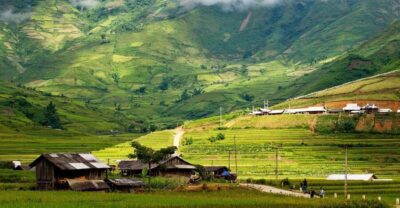
From Hanoi: 2-Day Sapa Trekking Trip with Homestay & Meals
Read our review →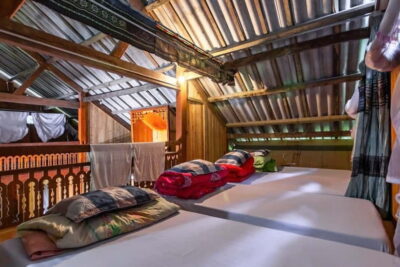
2-Day Sa Pa Ethnic Homestay Tour & Trek with Limousine Bus
Read our review →
Hanoi – Sapa 3 Day 2 Night Trekking With Hotel & Homestay
Read our review →
The Wild Explorer – 3 days forest trek with homestay and camping
Read our review →
Hanoi: 2-Day Sa Pa Guided Village & Homestay Trekking Tour
Read our review →
2 Night Lao Chai-Ta Van Homestay- Trekking & Fansipan Visit
Read our review →Other lists this hike appears in