
Review · AREQUIPA
From Arequipa: Sillar Route Trek
Arequipa’s famous white buildings begin outside the city, in the volcanic stone quarries where sillar is still cut by hand. This four-hour outing takes you to the working Añashuayco Quarry, a short canyon with Wari petroglyphs, and a viewpoint facing the volcanoes and Chilina Valley.
I like the direct look at local stone masonry, especially the chance to see a block being cut and try the work yourself. I also like Culebrillas Canyon, which feels more natural and less made for photographs than some of the quarry’s modern stone sculptures.
The main drawback is pace. The quarry can feel like a photo stop if you want a long, detailed lesson in masonry, and busy groups may shorten your time there. The canyon walk is easy for many people but still requires steady footing.
Key points to know before you go
- Working quarry: Añashuayco is still used by stonemasons, so you see an active trade rather than only a historic display.
- Ancient rock art: Culebrillas Canyon contains petroglyphs linked to the Wari culture, more than 1,000 years old.
- Four hours door to door: The tour leaves central Arequipa in the morning or at 2:00 PM and returns near the city center.
- Afternoon light: The later departure can give the quarry and canyon warmer light, though city traffic may slow the return.
- Small extra cost: Transportation and a guide are included, but entrance fees total 18 soles and are paid separately.
- Bring practical gear: Use closed shoes, sunscreen, a hat, and insect repellent. You will walk on uneven ground.
Why the Sillar Route matters in Arequipa
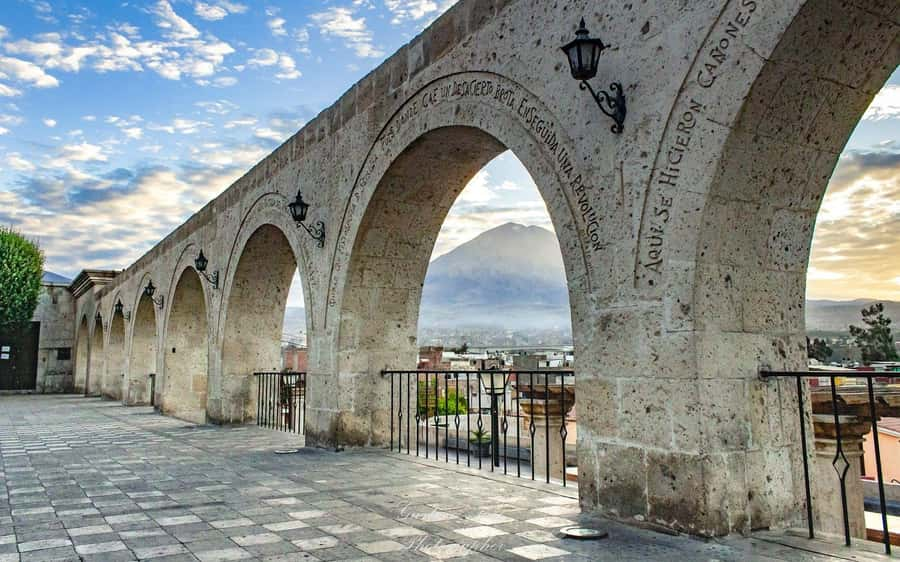
Sillar is a pale volcanic stone made from ignimbrite, and it gives much of Arequipa its bright appearance. Churches, colonial buildings, courtyards, and walls across the city use this material. Once you see the quarry, the city’s architecture makes more sense.
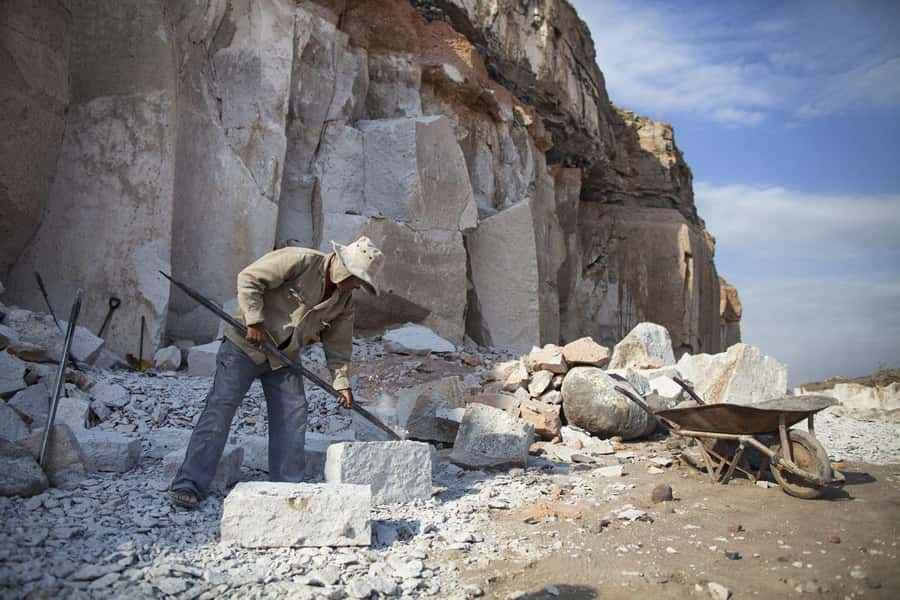
This is not a polished museum visit. The stone comes from broad cuts in the rock, and the quarry walls show the marks of extraction. The work is physical and dusty. That rough setting helps explain why Arequipa’s white architecture is tied to labor as much as to style.
The tour begins at C. Álvarez Thomas 115, where the company’s office serves as the meeting point. Your name is checked there, followed by basic instructions before you board the van or bus. The ride out takes roughly 45 minutes to an hour, depending on the route and stop order.
The group can be fairly large. One account described about 25 people, and that matters at popular photo spots. English and Spanish are used, sometimes one after the other, so tell your guide early which language you need. Guides named José, Mike, Alexandra, Julia, Roni, and Alexa have been praised for clear explanations and friendly help, though the guide assigned to your departure may be different.
More hikes and treks around Peru:
- From Cusco: 7 Lakes Ausangate Trek with Breakfast and Lunch
★ 4.8 · 360 reviews - From Arequipa: 2-Day Colca Canyon Trekking Tour
★ 4.8 · 243 reviews - Cusco: Rainbow Mountain Tour and Red Valley Hike (Optional)
★ 4.7 · 149 reviews
The volcano and Andenerias viewpoint
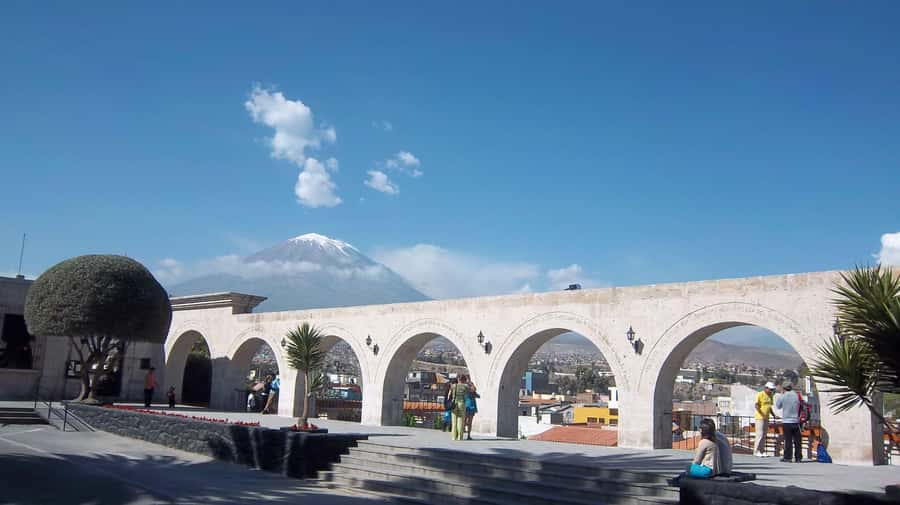
The viewpoint gives you a quick visual introduction to the area. You can see volcanoes and the Chilina Valley, with agricultural terraces, known as andenerias, below. Depending on the season, this stop may come at the beginning or later in the route.
It is a useful stop if you have just arrived in Arequipa and want to understand the city’s setting. The surrounding peaks help explain the volcanic origin of the sillar, while the terraces show how people have worked the highland valleys for generations.
This is also the least essential stop for some visitors. If you have already visited a city viewpoint, such as Yanahuara, the scene may feel familiar. The stop is mainly for photographs and a short explanation, not a long walk or a full mountain excursion.
Take your photographs promptly. If the group arrives together, waiting for a clear place near the best view can reduce time at the quarry later. In the afternoon, the changing light can make this stop more attractive, but traffic on the return to town may be heavier.
Añashuayco Quarry and the making of sillar
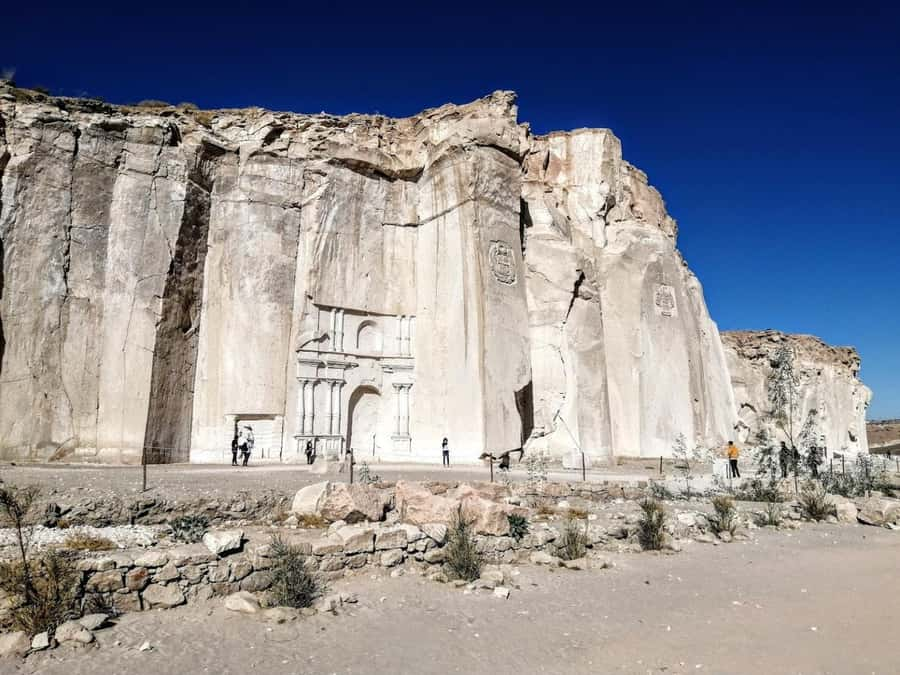
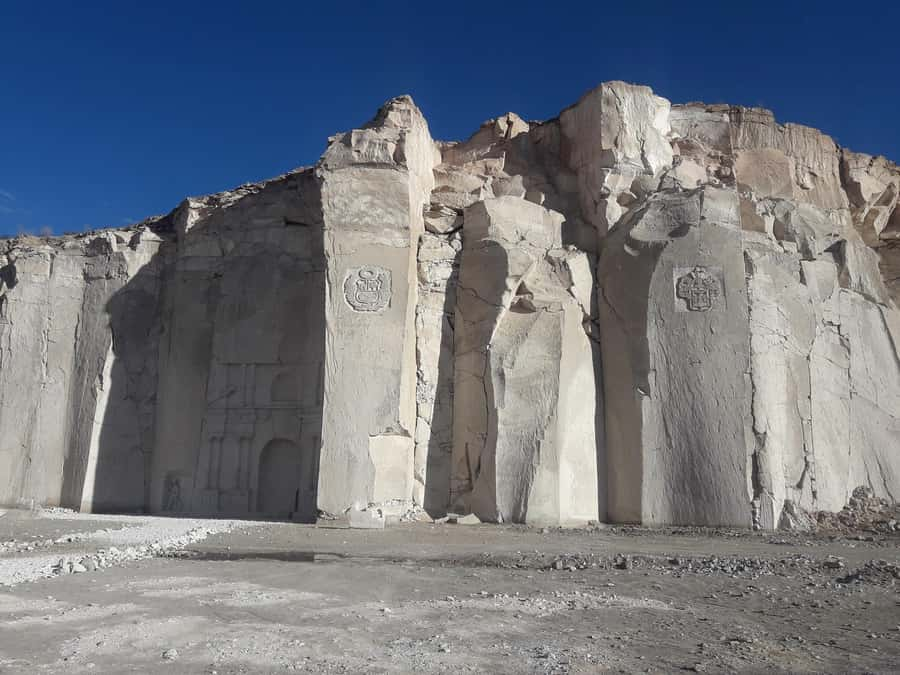
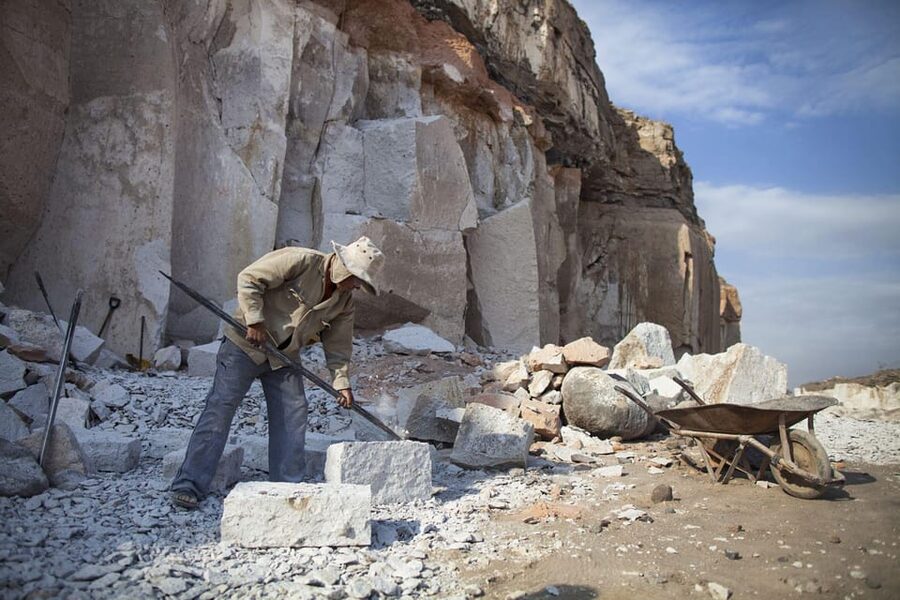
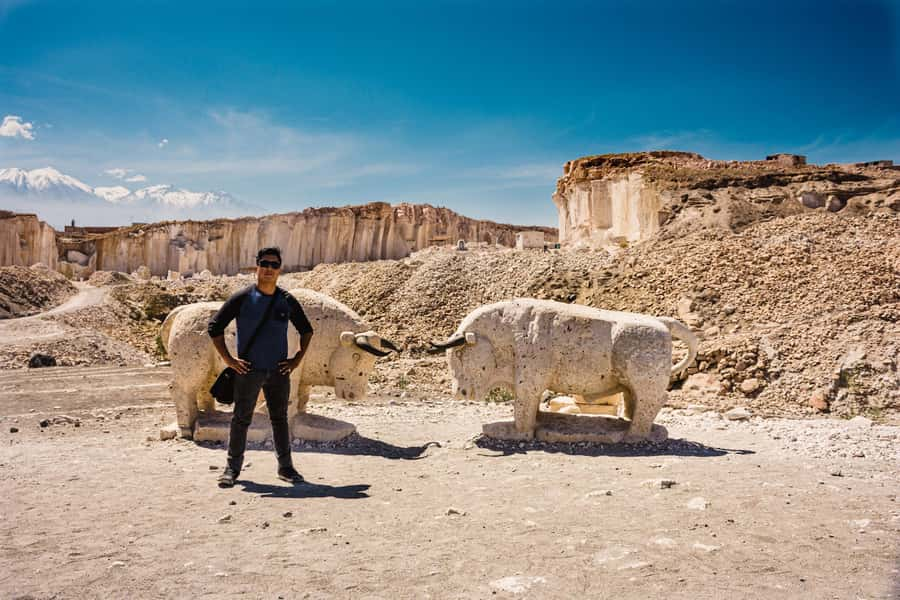
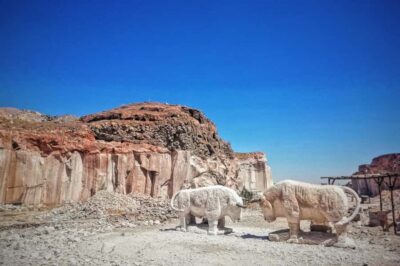
After about 45 minutes of driving, you reach Añashuayco Quarry. Here, high ignimbrite walls rise around the extraction area. The scale of the cuts is the point: you are looking at the source of the stone used in Arequipa’s buildings, not simply a pile of decorative rocks.
The guide explains how sillar is produced and how it has been used over time. You may visit a stonemason who describes the daily work and demonstrates how a block is cut. In some departures, you can try cutting part of a stone block yourself.
That hands-on moment gives the stop more value than a quick walk among statues. You begin to see why the stone’s clean appearance hides difficult labor. The craft has a practical purpose, but it also connects directly to Arequipa’s identity.
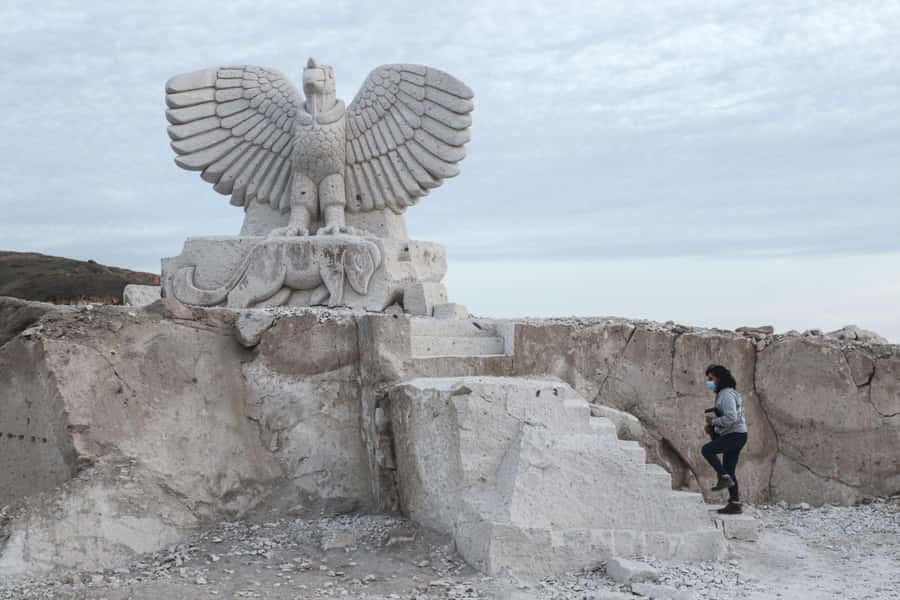
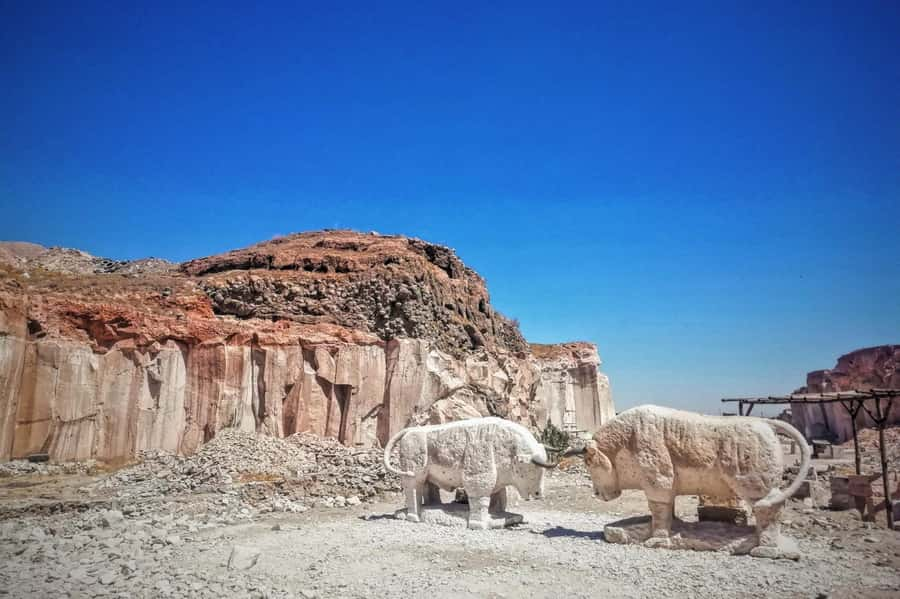
A large carving of the Church of the Company of Jesus is another major feature. Local stonemasons made it as a tribute to the city’s famous architecture. It is a modern quarry artwork, not a colonial church, so set your expectations accordingly. Some people enjoy the chance to pose with the carved animals and structures; others find this part more tourist-focused than the canyon.
Allow time for both the explanation and your own photographs. The quarry stop is listed at about 45 minutes, and this can feel short when several people are taking pictures or waiting for a demonstration. One practical tip is to stay close to the guide during the first explanation, then use the remaining time to explore.
The quarry is an active work area, so closed shoes make sense. Dust, sun, and uneven surfaces are part of the setting. You should not expect a quiet archaeological site or a shaded visitor center.
Walking into Culebrillas Canyon
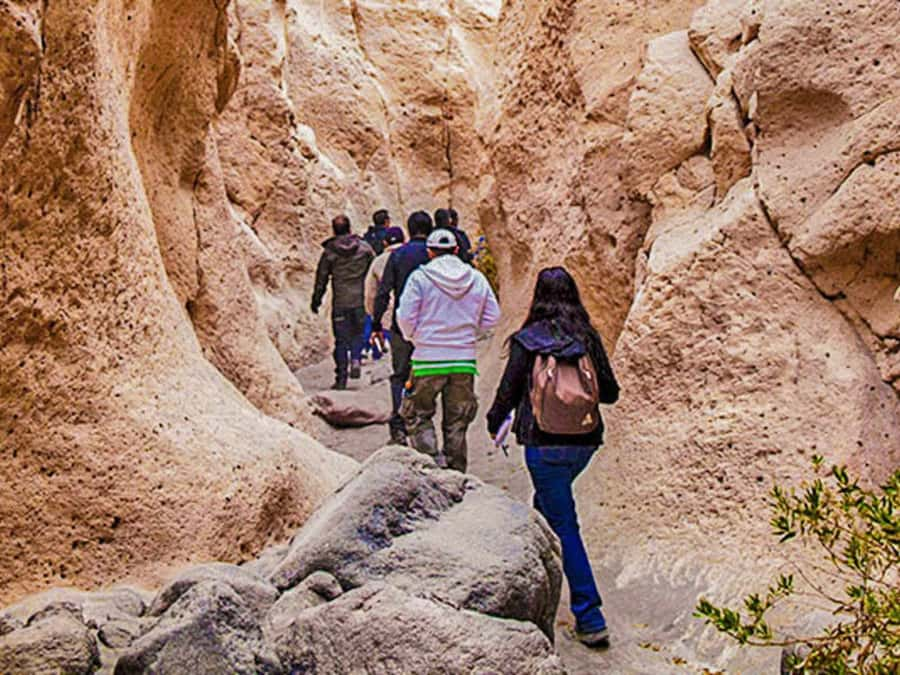
From Añashuayco, the vehicle continues for around 20 to 30 minutes to Quebrada de Culebrillas. This is the part I would protect time for. The walk takes about 20 to 25 minutes inside a narrow canyon formed by water.
The walls begin at around 15 to 20 meters high and rise as you move farther in. The scale changes quickly. From the open quarry, you enter a more enclosed space where the rock walls block much of the surrounding view.
The walk is short, but do not treat it as a paved stroll. The ground can be uneven, and the canyon is not ideal for anyone who has trouble walking. Wear shoes with a firm sole, and keep your hands free for balance and photographs.
At the end of the walk, you can see petroglyphs associated with the Wari culture. They are more than 1,000 years old and add a much older layer to the visit. The quarry shows a living trade, while the canyon points to people who used and marked this area long before modern Arequipa.
Crowds can affect the mood here. Culebrillas is popular with multiple tour groups, and narrow sections leave little room when several groups arrive together. If your guide changes the order to reach the canyon before the larger groups, as has happened on some departures, the experience can be calmer. That flexibility is worth appreciating.
At the end, you will see apachetas, small piles of stones placed one on top of another. They are described as symbols of gratitude toward nature and are also linked with good luck. You may find the custom spiritual, cultural, or simply visually striking, but it is best to avoid adding stones yourself unless your guide invites you to do so.
Same mountains, a different route up:
- From Huaraz: Hike to the Lagoon 69
★ 4.4 · 121 reviews - Cusco: Full-Day Rainbow Mountain & Red Valley Trekking Tour
★ 4.5 · 121 reviews - Salkantay Trek Challenge – 3 Days / 2 Nights
★ 5.0 · 101 reviews - 2 Day 1 Night Trek / Colca Canyon
★ 4.5 · 92 reviews
Morning or afternoon departure?
The morning departure begins around 9:15 AM and normally returns to central Arequipa around 1:30 PM. The return point is near Av. La Marina, close to the main square. This timing fits well with a free afternoon, a museum visit, or a relaxed lunch after the tour.
The afternoon shift begins at 2:00 PM. Its main advantage is light. Warm evening sun can make the pale quarry walls and canyon more attractive, and the surrounding rocks may take on a golden color. If you enjoy photography, this is a strong reason to choose the later time.
The tradeoff is traffic. Returning to Arequipa after the afternoon outing can take longer, especially when city roads are crowded. The tour is still described as four hours, but the exact return rhythm may depend on traffic and how long the group spends at each stop.
I would choose the morning if you have a tight evening connection or want a predictable schedule. I would choose the afternoon if photographs matter more and you can tolerate a less certain arrival time.
What the $12 price really covers
At $12 per person, this is one of the easier Arequipa excursions to justify. Transportation from the city, a guide, and visits to three distinct areas are included. You do not need to organize a taxi, negotiate several rides, or work out how to reach the quarry and canyon independently.
The extra entrance cost is 18 soles in total, paid separately. Carry cash in small soles if possible. The fee is not built into the tour price, and there is no cash machine during the outing. If you arrive in Arequipa just before the tour, this is an easy detail to miss.
The value depends on what you want. If you expect a long specialist workshop in stone carving, the quarry may feel too brief. If you want a low-cost half-day outside the city with transport, basic cultural context, dramatic rock formations, and a short walk, the price is strong.
The bus is generally described as clean and safe, but it may not have air conditioning. One departure used an open-top vehicle, which some people found unusual. Expect practical transport rather than a luxury coach.
What to pack for the four hours
You do not need technical hiking equipment, but a few small choices will improve the outing.
- Closed walking shoes with a firm sole
- Sunscreen and a hat
- Insect repellent
- Water
- Small cash in soles for the 18-sol entrance fee and any purchases
- A phone or camera with spare battery power
The sun can be strong around Arequipa, and the open rock offers little shade. Insect repellent is worth carrying, especially for the canyon. Some people manage the route comfortably, but anyone with walking problems should think carefully about the uneven canyon floor before booking.
The tour includes free time at the stops, but do not assume you can wander far from the group. Listen for the meeting instructions, especially at the quarry, where it is easy to lose track of time among the rock walls and photo points.
Who will enjoy this tour most?
I would recommend it to anyone spending at least two days in Arequipa who wants to see more than the central colonial streets. It is especially useful if you are curious about how the city’s white buildings connect to local labor, volcanic geology, and older cultures.
Families and older visitors may appreciate the short duration, but the canyon walk needs careful consideration. This is not a strenuous trek, yet it is not fully accessible or flat. People who prefer a completely relaxed sightseeing ride may enjoy the views but dislike the uneven ground.
Photography-minded visitors should consider the afternoon departure. History and culture-minded visitors should pay close attention at the quarry and petroglyphs rather than treating the trip as a sequence of photo stops.
If you speak English, do not worry if Spanish is used often. Guides such as Mike, José, Alexandra, Julia, Roni, and Alexa have been praised for making sure English-speaking participants receive explanations. Still, ask questions directly and stay near the guide when the group divides by language.
Should you book the Sillar Route Trek?
Book it if you want an affordable, short trip that connects Arequipa’s architecture with the stone source outside town. The best parts are the working quarry, the chance to see masonry up close, and the Culebrillas walk with its ancient petroglyphs.
Skip it if you want a long, quiet hike, a specialist geology tour, or an uncrowded archaeological experience. The quarry includes modern carvings and photo opportunities that may feel commercial, and a large group can make the schedule feel tight.
For most visitors with a spare half-day, I think it is a sensible choice. Bring the 18 soles, wear proper shoes, and protect time for Culebrillas. Choose the afternoon for softer light, or the morning for a steadier return to Arequipa.
FAQ
How long does the Sillar Route tour last?
The activity lasts about four hours. The morning schedule begins around 9:15 AM and returns to central Arequipa around 1:30 PM. An afternoon departure is also available at 2:00 PM.
Where is the meeting point?
The meeting point is the main office at C. Álvarez Thomas 115 in Arequipa. Your name will be checked there before the group receives instructions and begins the tour.
What languages are available?
The tour is offered in English and Spanish. Guides may speak both languages during the outing.
What is included in the price?
Transportation and a guide are included. The listed price is $12 per person.
Are entrance fees included?
No. Entrance fees cost 18 soles in total and are paid separately during the tour.
What will I see at Añashuayco Quarry?
You will see a working sillar quarry, tall ignimbrite walls, an explanation of sillar production, and a large carving of the Church of the Company of Jesus. You may also meet a stonemason and try cutting a stone block.
How long is the walk in Culebrillas Canyon?
The walk takes approximately 20 to 25 minutes. The canyon has walls around 15 to 20 meters high, and the surface can be uneven.
What should I bring?
Bring closed shoes, sunscreen, a hat, insect repellent, water, and cash in soles. The tour requires some walking and includes outdoor stops with limited shade.
Can I cancel the tour?
You can cancel up to 24 hours in advance for a full refund. You can also reserve now and pay later, according to the booking conditions.
Recently reviewed hikes in Peru
- Arequipa: 2-day Colca Canyon Trekking, Ending in Puno★ 4.8 · 8 reviews
- Ancash: Trekking to Paron Lagoon with Entrance | Full day|★ 4.1 · 9 reviews
- 4-hour excursion: Sillar Route with Hiking in Culebrillas★ 4.0 · 21 reviews
- 4 days/3 nights: Inka Jungle Trek to Machu Picchu★ 4.7 · 25 reviews
- Ancascocha Trek To Machu Picchu 4 Days And 3 Nights★ 5.0 · 77 reviews
- Choquequirao Trek 4 days and 3 nights★ 5.0 · 81 reviews
- Machu Picchu: 5-Day Salkantay Trek with Panoramic Train★ 5.0 · 79 reviews
- From Huaraz: Hike to the Lagoon 69★ 4.4 · 121 reviews
Arequipa Hiking Tours, compared.
From Arequipa: 2-Day Colca Canyon Trekking Tour
Read our review →
4 hours Tour: Route of Sillar with Trek in Culebrillas
Read our review →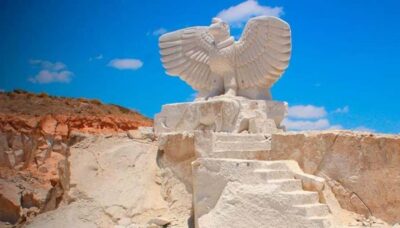
4-hour excursion: Sillar Route with Hiking in Culebrillas
Read our review →Other lists this hike appears in