
Review · SAPA
Sa Pa: 6-Hours Muong Hoa Valley Trek with Local Ethnic guide
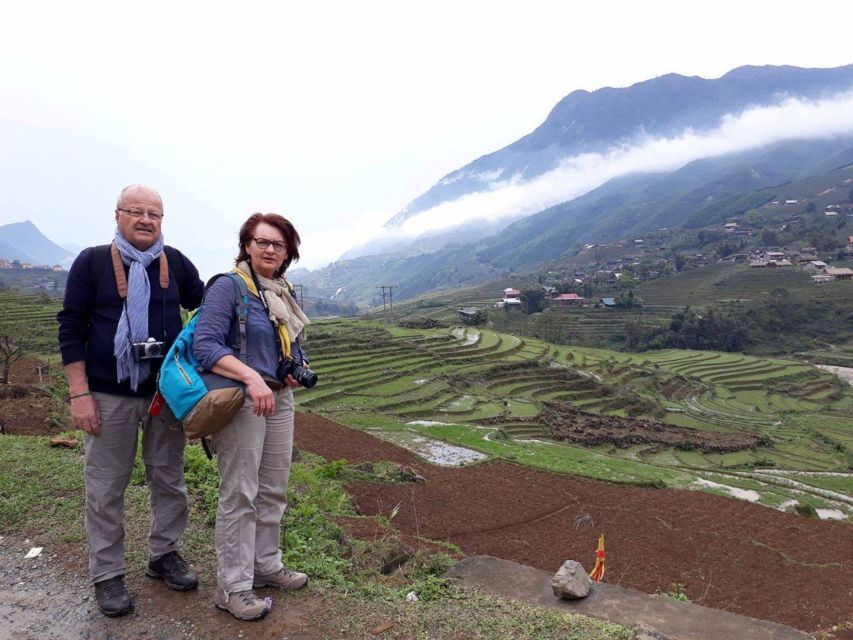
Muong Hoa Valley gives you the kind of Sa Pa day that photographs cannot quite explain: a long walk through rice terraces, bamboo forest, muddy footpaths, and villages where farming and weaving remain part of daily life. I especially like the local ethnic guide and the chance to see both Black Hmong and Dzay communities, rather than simply stopping at a viewpoint.
The 10-kilometer route has two big strengths: beautiful views from Lao Chai and Ta Van, and practical help on difficult ground from local women who know these paths well. The main caution is simple: this is not a gentle stroll. Steep descents, heat, mud, and slippery tracks can make the six hours feel quite full.
Key points before you book
- A one-way 10-kilometer trek: You walk from Sa Pa through Y Linh Ho, Lao Chai, and Ta Van, then return by bus.
- Two distinct cultures: Learn about the Black Hmong and Dzay people, including clothing, weaving, farming, and village life.
- The best views come at a price: Rice terraces are excellent, but several sections are steep, uneven, and slippery after rain.
- Small-group format: The group is limited to 11 people, with an English-speaking guide.
- Lunch is extra: A local restaurant meal is available, but food and soft drinks are not included in the $18 price.
- Pack for changing conditions: Bring trekking shoes, sun cream, sunglasses, insect repellent, and warm layers from October through March.
A six-hour route from Sa Pa to Ta Van
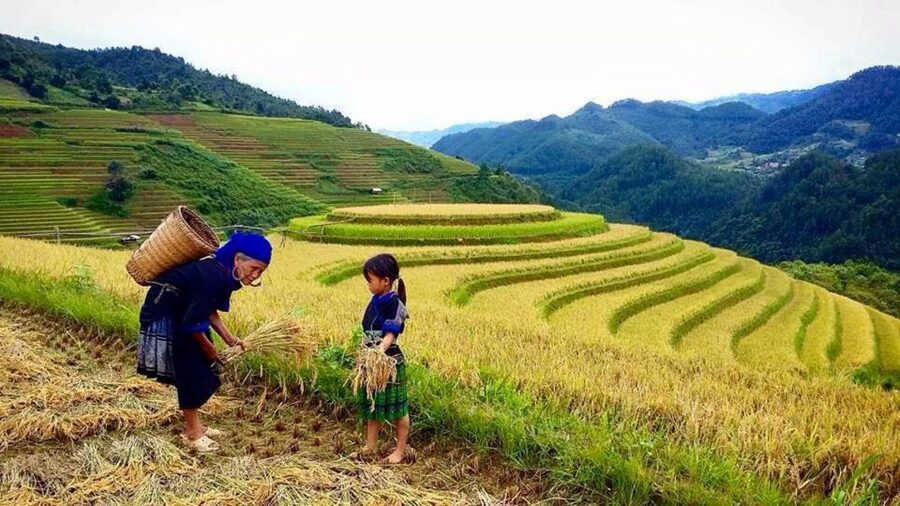
This is a point-to-point walk, not a loop. That matters because you do not retrace the same path, and the final bus ride saves your legs after a long day on foot.
Pickup is available from hotels in Sa Pa town, although some hotels require you to meet the group at the local office or another meeting point. Confirm this before the morning of the trek. The group size is capped at 11, a useful limit on narrow paths where a large crowd would slow everyone down.
The first section begins with a roughly 20-minute walk along a scenic road toward Y Linh Ho. It is a gentle way to get moving, but do not mistake it for the whole difficulty level. The route becomes more demanding as it leaves the road and reaches dirt tracks, fields, forest paths, and slopes.
Your guide leads in English and explains what you are seeing along the way. Guides who have led this route include Sang, Sai, Su, Bao, and Dong. The quality of the day depends heavily on the guide, so a friendly, clear guide can make the difference between simply walking through the valley and understanding it.
More Rice Terrace Hikes in Sa Pa:
- Sa Pa: Muong Hoa Valley Trek and Local Ethnic Villages
★ 4.6 · 864 reviews - 1-Day Sapa Long Trek – Rice Field Terrace, Ethnic Culture
★ 4.9 · 62 reviews - Selogriyo Temple and Trekking Java Rice Terraces, hidden waterfall -Nature Java
★ 5.0 · 179 reviews
Y Linh Ho and the Black Hmong way of life
Y Linh Ho is home to the Black Hmong, one of the communities you will meet on this route. The village gives you an early look at local life before the day moves into the more scenic sections around the rice fields.
The useful part of this stop is the chance to ask questions. Your guide can help explain daily work, clothing, farming, and the role of traditional crafts. You are not just looking across the valley from a distant platform. You are walking through places where people live and work.
This is also where cultural manners matter. Ask before photographing children, and do not touch a child’s head. Those are small rules, but following them shows respect and keeps the encounter friendly.
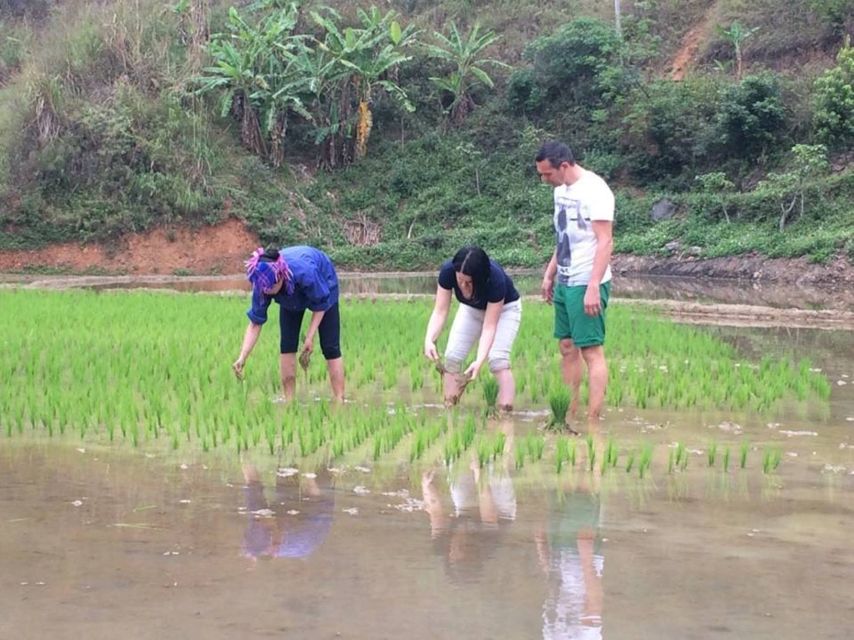
Local women may walk with the group for part of the trek and offer a hand on steep or muddy sections. They know the route well, and their help can be genuinely useful. At the same time, some may sell handmade goods later in the day. You can buy something if you want to, but you do not need to purchase anything as payment for assistance. A polite thank you is enough.
Lao Chai and the rice terraces
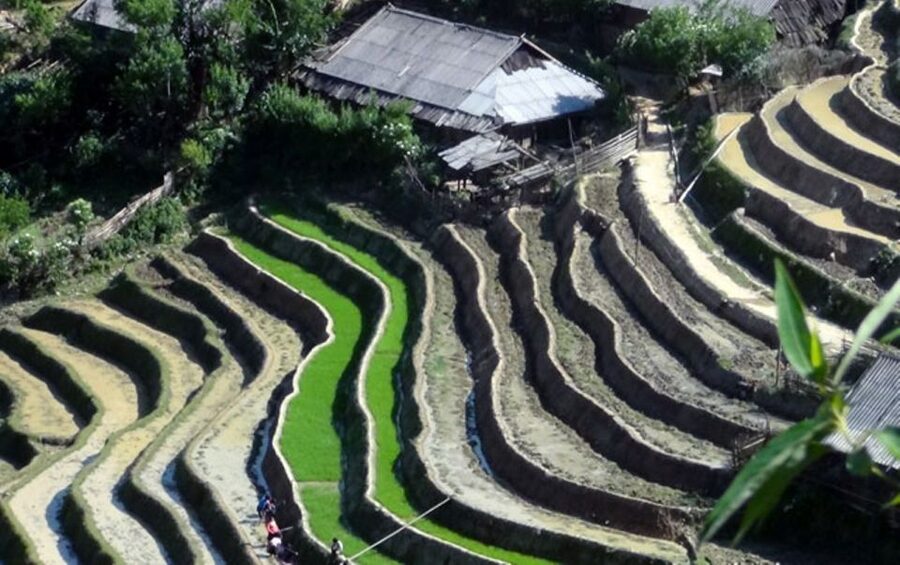
The walk toward Lao Chai is the visual centerpiece. From here, you get broad views across some of Vietnam’s most famous rice terraces, with mountain slopes shaped into layers by generations of cultivation.
The appearance changes with the season. In wet conditions, the path can be muddy and slick. In hot weather, the same slopes can feel tiring even when they are dry. Winter can bring thick fog, which softens the views and makes the trek feel cooler and more atmospheric, but it may hide the distant mountains.
The route is not all narrow mountain trail. Some sections use concrete or stone roads, which provide a break from uneven ground. Other sections cross dirt tracks, small bridges, bamboo forest, and the edges of cultivated fields. Good footwear is more important than stylish footwear here.
Lao Chai is also the place to learn about Hmong crafts. The tour includes exposure to indigo dyeing, batik, and hemp weaving, all closely tied to clothing and household traditions. These activities give you a better sense of how much work goes into the textiles sold in village shops and along the route.
Expect a cultural stop, not a formal craft workshop with a long lesson. The exact amount of hands-on activity can vary, but your guide can explain the methods and their place in local life.
Lunch at a local restaurant
Lunch is not included, so bring enough Vietnamese dong or other accepted payment for food and drinks. The meal takes place at a local restaurant, with fresh local produce and a selection of regional dishes available.
The food has received mixed impressions. Some meals have been described as plentiful and varied, while one account found the lunch bland. That is a fair warning not to book this trek mainly for the meal. The lunch break is more valuable as a chance to rest, refill, and sit down after the more strenuous sections.
You may also encounter sellers at the restaurant. Some people find this uncomfortable, especially if several sellers remain nearby during the meal. You can set a clear budget before arriving and politely decline. If you like handmade goods, this is a practical place to see textiles and crafts, but bargain carefully and buy only what you genuinely want.
More Guided Tours in Sa Pa:
- From Sapa: 1-Day Guided Trek to Lao Chai & Ta Van with Lunch
★ 4.9 · 416 reviews - From Marrakech: Ouzoud Waterfalls Guided Hike and Boat Trip
★ 4.7 · 33,630 reviews - Bali: Sunrise Mount Batur Guided Hike with Breakfast
★ 4.8 · 9,660 reviews - Bali: Mount Batur Sunrise Guided Hike and Natural Hot Spring
★ 4.8 · 9,284 reviews
Ta Van and the Dzay community
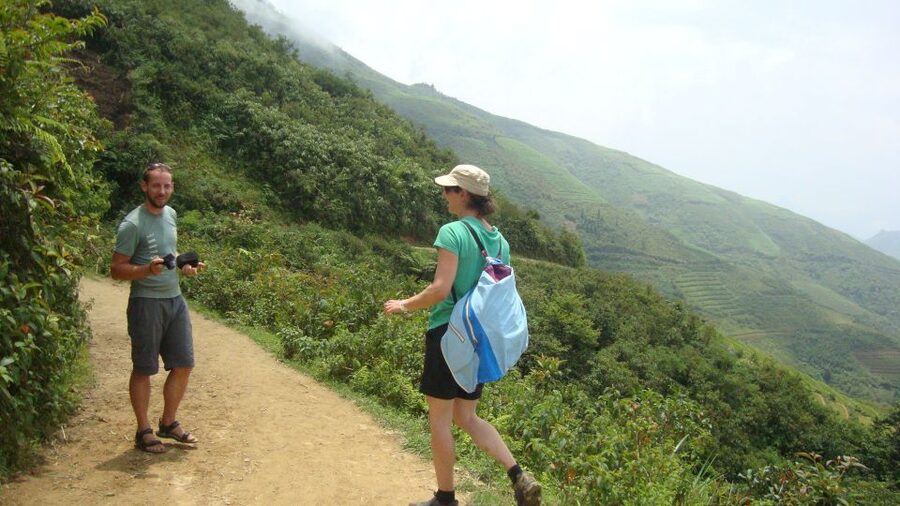
After lunch, the route continues to Ta Van, where you visit traditional homes and learn about the Dzay people. This gives the day a useful contrast. You are not seeing one single version of rural Sa Pa, but different customs, clothing styles, and ways of organizing village life.
The guide can point out details connected with rice cultivation, weaving, and home life. You may find the differences subtle at first, which is why the explanations matter. Clothing and craft traditions are not just decoration. They reflect community identity and the work people do.
Ta Van also brings you closer to the everyday side of the valley. The attraction is not a single monument or grand building. It is the combination of homes, fields, paths, people, and mountain views. You will get more from this section if you stay observant and ask questions rather than rushing from photo stop to photo stop.
By the end, the route leaves you ready for transport. A bus returns the group to the local office in central Sa Pa. Since the trek is one-way, the ride home is welcome and keeps the day from becoming an even longer return walk.
How difficult is the 10-kilometer trek?
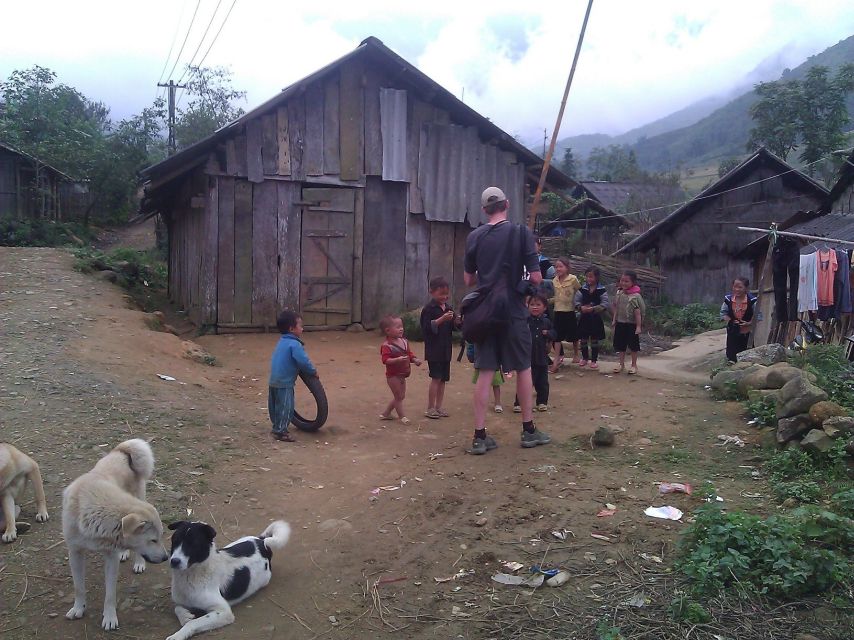
The operator describes the trek as unsuitable for people with mobility impairments, wheelchair users, pregnant women, children under six, and senior citizens who may find a 10-kilometer route unsafe. That guidance is sensible.
You do not need to be an athlete, but you should be comfortable walking for several hours on uneven ground. The hardest sections may involve downhill slopes, muddy fields, narrow tracks, and slippery jungle paths. Heat can make the climbs and descents feel harder than the distance suggests.
A moderate level of fitness is the safest expectation. People in their 50s have completed the route comfortably in good conditions, while other capable walkers have found it tougher than expected. Wet weather changes the equation quickly.
Local women may help you across slippery sections, but you should not treat that help as a substitute for proper footwear or fitness. Trekking shoes with solid grip are strongly recommended. An extra pair of shoes is a smart idea if rain is forecast, since mud can cover your footwear.
Weather, clothing, and what to carry
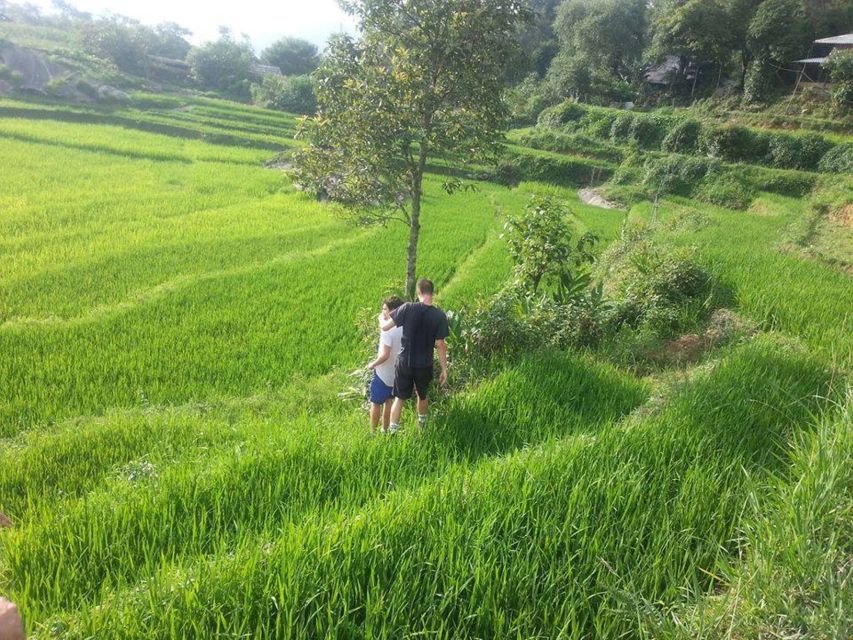
Sa Pa weather can change quickly, so pack for more than one condition. Between October and March, warm clothing is recommended. Fog and cool air can make the morning feel cold, even if the afternoon warms up.
For the warmer months, use sun cream, sunglasses, and a hat if you have one. Insect repellent is also listed as essential equipment. Bring water beyond the included 500-milliliter bottle if you normally drink a lot during exercise.
Your basic packing list should include:
- Trekking shoes with good grip
- A light rain layer
- Warm clothing from October through March
- Sun cream and sunglasses
- Insect repellent
- Small cash for lunch, drinks, and optional purchases
- A spare pair of shoes or socks in wet conditions
The operator provides one 500-milliliter bottle of water per person. That is useful, but it may not be enough for six hours of walking, particularly on a hot day.
Is $18 good value?
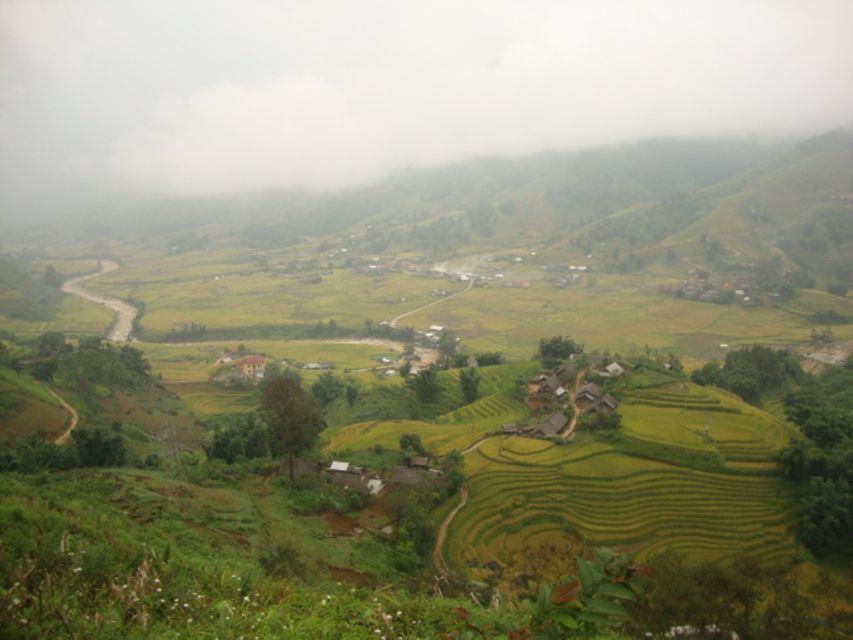
At $18 per person, this is a strong-value way to see the Muong Hoa Valley. The price includes transport, an English-speaking guide, entrance tickets, and one bottle of water. You also get a small group, rather than paying for a private tour or joining a large coach excursion.
Food, soft drinks, insurance, VAT, and personal purchases are extra. The low price makes sense once you remember that lunch is not included and the experience is built around walking rather than expensive attractions.
The real value is the route. You move through several villages and see rice terraces, bamboo forest, traditional homes, and local crafts in one day. If you have limited time in Sa Pa, this is an efficient way to combine scenery and cultural contact.
There are extra charges to watch for. A Lunar New Year surcharge has been listed at $20 per person for February 14 through 21, 2025, payable directly on the trip. A French-speaking guide costs an additional $20 per person. Confirm the current holiday charge when booking, since seasonal fees can change.
What the highest praise gets right
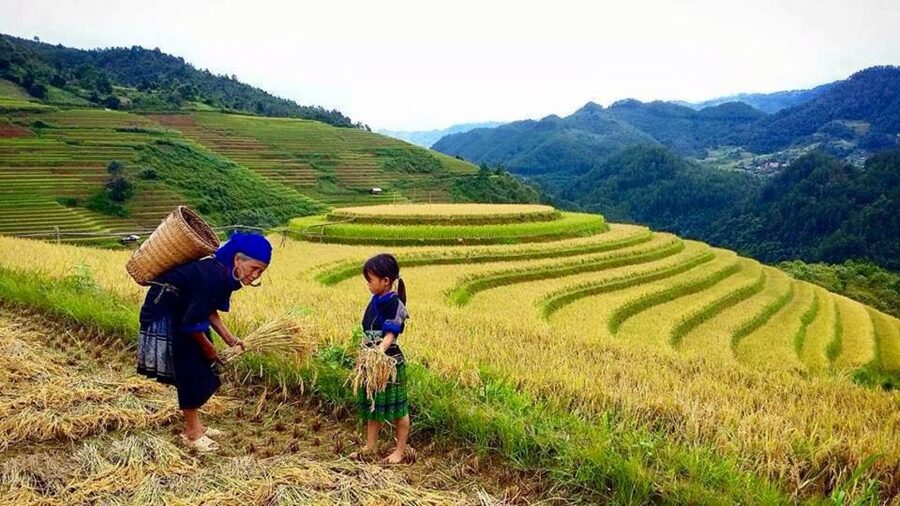
The strongest part of this experience is the guiding. Guides such as Sang and Sai have been praised for clear English, humor, patience, and close attention to the group. A good guide explains what you are seeing, keeps the pace manageable, and helps you understand the difference between Hmong and Dzay life.
The scenery is the second major strength. Rice terraces, forest paths, village homes, and mountain views provide steady visual interest. This is not a single viewpoint followed by a quick bus ride. The scenery changes as you walk.
The local assistance on difficult paths is another memorable feature. Women from nearby communities sometimes help walkers across mud, slopes, and bridges. You should remain aware of the commercial side of these encounters, but the practical help can be valuable, especially after rain.
The main weakness is that the trek may be described too gently for some people. If you expect an easy valley walk, the steep and slippery parts may come as a surprise. Transport problems have also occurred, so confirm your pickup details and allow patience if your hotel is outside the normal pickup area.
Who should book this Sa Pa trek?
I would choose this trip if you have one free day in Sa Pa, enjoy active sightseeing, and want village contact rather than only panoramic photos. It suits couples, families with older children, and people who can handle a moderate hike.
It is a particularly good match if you want an English-speaking local guide and a small group. You will have more room to ask questions than on a large organized bus tour.
I would skip it if you have knee problems, limited mobility, are pregnant, or strongly dislike mud, heat, steep descents, or persistent walking. Senior citizens should take the safety warning seriously, especially during wet weather.
Should you book it?
Book this trek if your priority is rice terraces plus local culture at a low price. The route gives you far more than a quick photo stop, and the guide can turn the walk into a useful lesson about Hmong and Dzay life.
Before paying, confirm hotel pickup, check the weather, and accept that lunch and drinks cost extra. Most important, bring proper shoes and view the day as a real trek. If you do that, the six-hour journey from Sa Pa to Ta Van offers excellent value and some of the finest rural scenery in northern Vietnam.
FAQ
How long is the Muong Hoa Valley trek?
The trek lasts about six hours and covers approximately 10 kilometers. It is a one-way route from the Sa Pa area toward Ta Van, followed by a bus transfer back to Sa Pa.
Which villages does the route visit?
The route includes Y Linh Ho, Lao Chai, and Ta Van. Y Linh Ho is associated with the Black Hmong, while Ta Van is home to members of the Dzay community.
Is lunch included in the price?
No. Lunch at a local restaurant is available during the tour, but food and soft drinks must be paid for separately.
What is included in the $18 price?
The price includes bus transportation, an English-speaking guide, entrance tickets to the indicated sites, and one 500-milliliter bottle of water per person.
Is the trek suitable for children?
The trek is not suitable for children under six years old. Older children may find the route demanding because of the distance, slopes, uneven paths, and possible mud.
What should I bring?
Bring trekking shoes, sunglasses, sun cream, insect repellent, and warm clothes from October through March. Extra footwear can be useful in wet conditions.
Can I cancel the booking?
You can cancel up to 24 hours before the activity for a full refund. The reserve-now, pay-later option is also available.
Recently reviewed hikes in Sa Pa
- From Hanoi: Sapa 3-Day Medium Trek and Limousine Trip★ 4.5 · 59 reviews
- 2 Night Lao Chai-Ta Van Homestay- Trekking & Fansipan Visit★ 4.0 · 8 reviews
- 2-Day Fansipan Mountain Trek – Indochina’s Highest Peak★ 4.3 · 42 reviews
- 1-Day Sapa Long Trek – Rice Field Terrace, Ethnic Culture★ 4.9 · 62 reviews
- 1 Day Sapa Trek&Home-cooked Lunch HmongSisterHouse&Trekking★ 5.0 · 7 reviews
- Sapa: Private The Most Beautiful Terraced Fields Trekking★ 4.8 · 42 reviews
- Mountain views and villages trek – 1 Day★ 5.0 · 99 reviews
- Mountain views & Rice Terraced Fields Hiking – 2D 1N★ 5.0 · 99 reviews
Rice Terrace Hikes, compared.
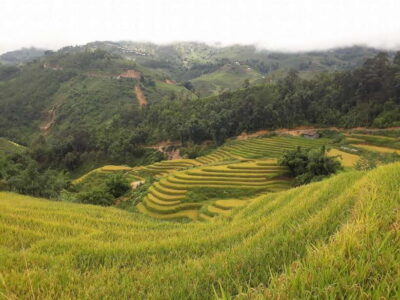
Sa Pa: Muong Hoa Valley Trek and Local Ethnic Villages
Read our review →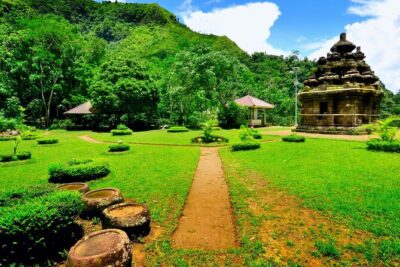
Selogriyo Temple and Trekking Java Rice Terraces, hidden waterfall -Nature Java
Read our review →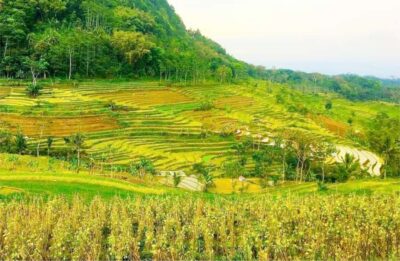
Yogyakarta: Selogriyo Temple Tour & Java Rice Terrace Trek
Read our review →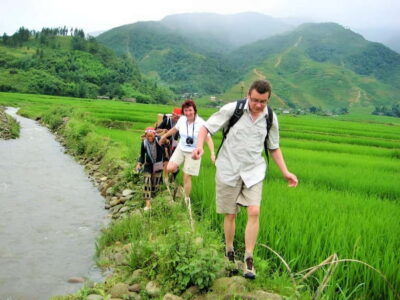
1-Day Sapa Long Trek – Rice Field Terrace, Ethnic Culture
Read our review →Other lists this hike appears in