
Review · SAPA
1-Day Sapa Long Trek – Rice Field Terrace, Ethnic Culture
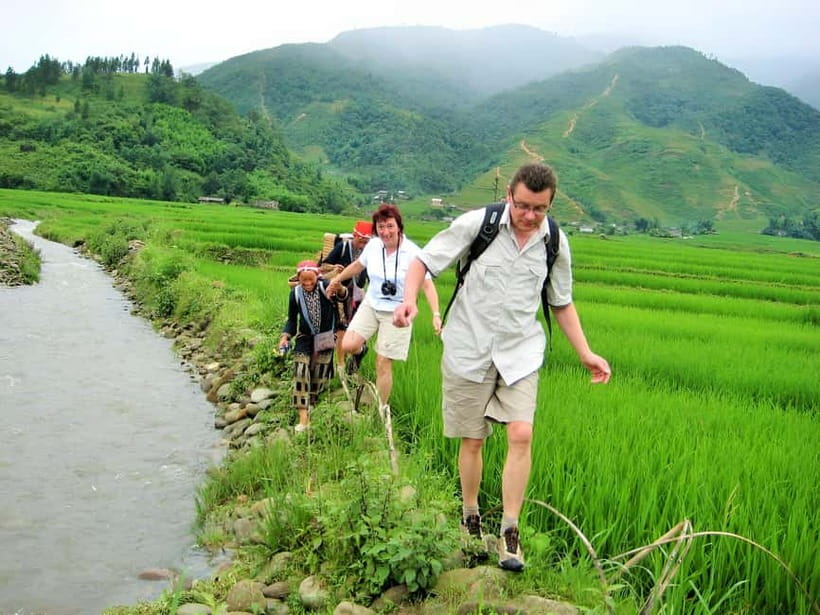
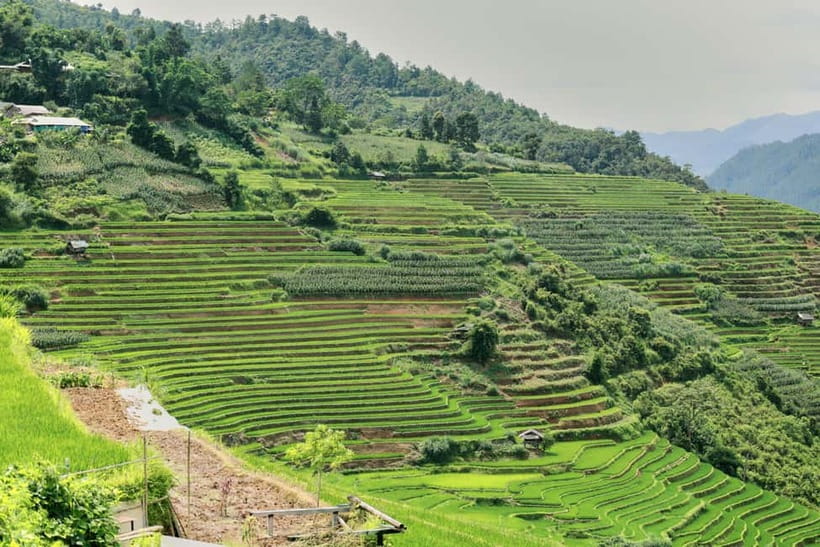
Sapa’s best day walks leave the town behind quickly. This one drops you into Muong Hoa Valley, where Hmong farmers work steep rice terraces and narrow paths wind past streams, bridges, and mountain villages. You get scenery, a local guide, and lunch in a family home for $24, a strong deal for a full seven-hour outing.
I like the small groups of up to 10 and the local Hmong guides, especially guides such as Mao, Sung, Chai, and Giang, who are praised for clear English and warm storytelling. I also like the meal: it is not a quick restaurant stop but a shared, home-cooked lunch with generous portions.
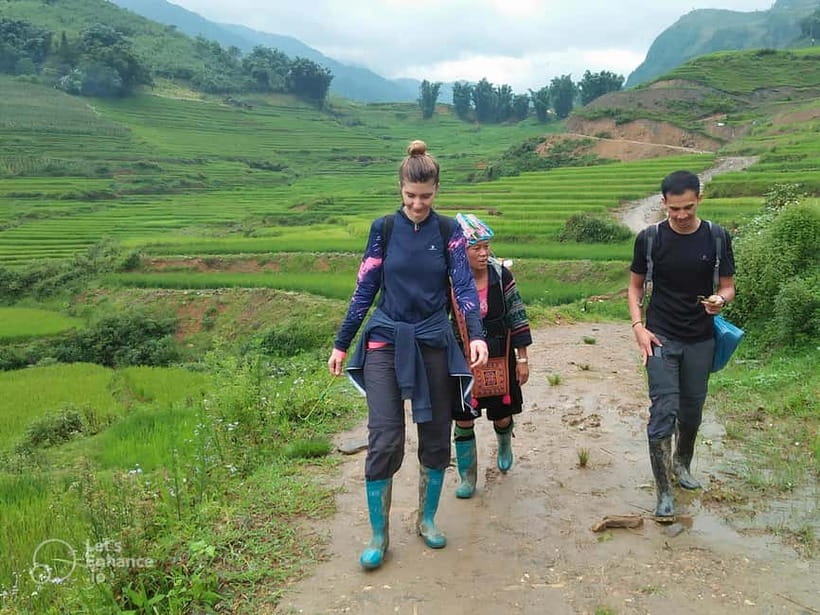
The catch is the trail. This is not a flat stroll. Expect 12 to 15 kilometers, steep sections, slippery ground after rain, and uneven paths. Bring proper hiking shoes, or rent rubber boots if the valley is muddy.
What makes this Sapa trek worth your time
- Fansipan views at the start: Look toward Fansipan, known as the Roof of Indochina, from a quiet ridge above town.
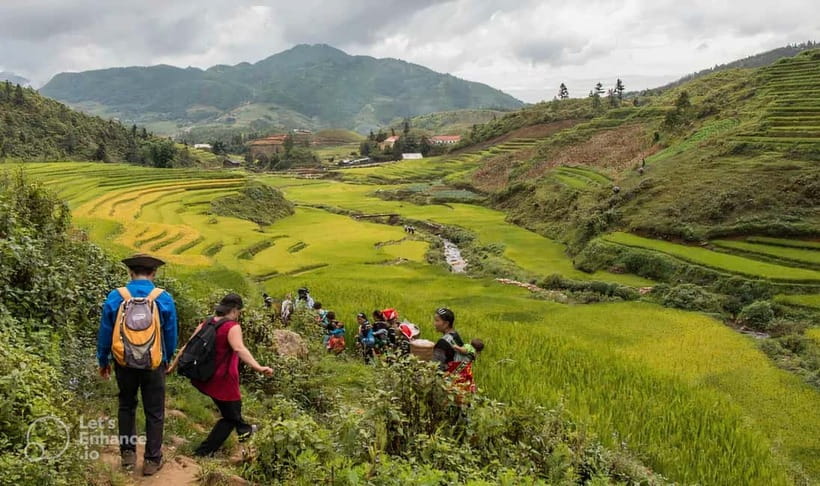
- Rice terraces on foot: Walk through the working fields of the Hmong people instead of viewing them only from a road.
- Y Linh Ho and Lao Chai: Cross a wooden bridge, follow the river, and enter villages tucked into Muong Hoa Valley.
- Family-style lunch: Eat traditional Sapa dishes in a local home, with dietary needs handled if you give advance notice.
- Hmong and Giay culture: Learn about village life, handwoven clothing, natural dyes, and the craft traditions connected with Ta Van.
- Flexible guiding: Guides can adjust the pace and, on request, help choose easier or steeper paths.
Starting above Sapa with a view of Fansipan
The day begins at 9:00 AM in Sapa town. Pickup is included from hotels or other locations inside town, which saves you the usual morning scramble through the streets. If you stay outside Sapa, you need to arrange paid transport to a meeting point such as Sapa TT Homestay on Dien Bien Phu Street or Sapa View Spring Garden Hotel on Muong Hoa Street.
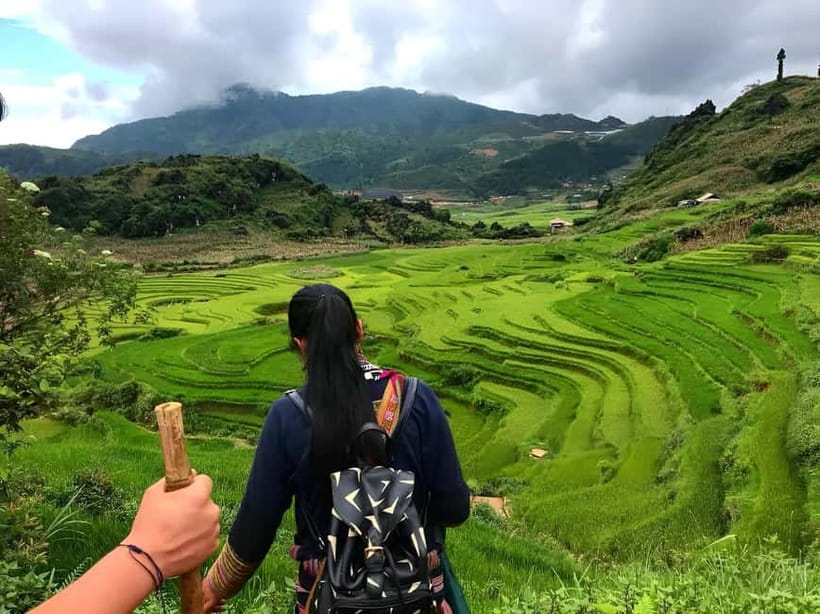
The first reward is a ridge with a broad view toward Fansipan and the Hoang Lien Son range. Clouds are common in Sapa, so do not treat the mountain view as guaranteed. On a clear morning, though, this is a fine way to begin, with the town falling away and the valley opening below.
From the ridge, the route descends toward Muong Hoa Valley. That downhill start feels easy at first, but it puts your knees to work. If you have back, heart, or mobility problems, this outing is not a good match. The operator also advises against it for people with serious medical conditions, fear of heights, or visual impairment.
More Rice Terrace Hikes in Sa Pa:
- Sa Pa: Muong Hoa Valley Trek and Local Ethnic Villages
★ 4.6 · 864 reviews - Sa Pa: 6-Hours Muong Hoa Valley Trek with Local Ethnic guide
★ 4.5 · 178 reviews - Selogriyo Temple and Trekking Java Rice Terraces, hidden waterfall -Nature Java
★ 5.0 · 179 reviews
Muong Hoa Valley and the walk to Y Linh Ho
The route reaches Y Linh Ho at about 11:00 AM. This Hmong village sits beside a clear river, and the wooden bridge gives you a pleasant pause before the trail continues through open rice fields.
This is the part of the day where the scenery does the talking. Rice terraces follow the curves of the hills, while high peaks frame the valley. In planting or growing seasons, you may see people working in the fields. The route feels rural, but it is not untouched wilderness. You are walking through a lived-in agricultural area, and the people you meet are going about daily work.
Your guide adds the context that a view alone cannot provide. Guides such as Mao and Chai explain local customs, village life, geography, and family traditions. Other guides, including Sung, Soso, Thao, and Giang, are praised for keeping the mood light while answering questions in English.
The quality of the day depends heavily on your guide. That is worth remembering when booking a group tour. The company uses local Hmong guides, but each guide has a different style. Some focus on stories and culture, while others are especially good at choosing quieter paths or managing a mixed-ability group.
Lao Chai Sang and a real mountain lunch
Around 12:30 PM, you reach Lao Chai Sang for lunch with a Hmong family. This is one of the strongest parts of the experience because it gives the walk a human center. You are not just stopping to refuel. You are sitting in a simple home, sharing food, and seeing how hospitality works in the village.
The meal is home-cooked and served family-style. Exact dishes can vary, but the portions are described as generous, and you can ask for more if needed. Dietary restrictions and allergies can be accommodated when you tell the operator ahead of time.
Do not expect a polished restaurant or a long menu. The value is in the setting and the conversation. You may have time to ask about local food, farming, family life, and traditional clothing. For many people, this lunch becomes more memorable than another scenic viewpoint.
One practical point: bring water and some cash. A small bottle of water is included, but a seven-hour walk in mountain weather can leave you wanting more. Cash is also useful if you decide to buy a scarf or another handmade item.
Learning about Hmong clothing and village crafts
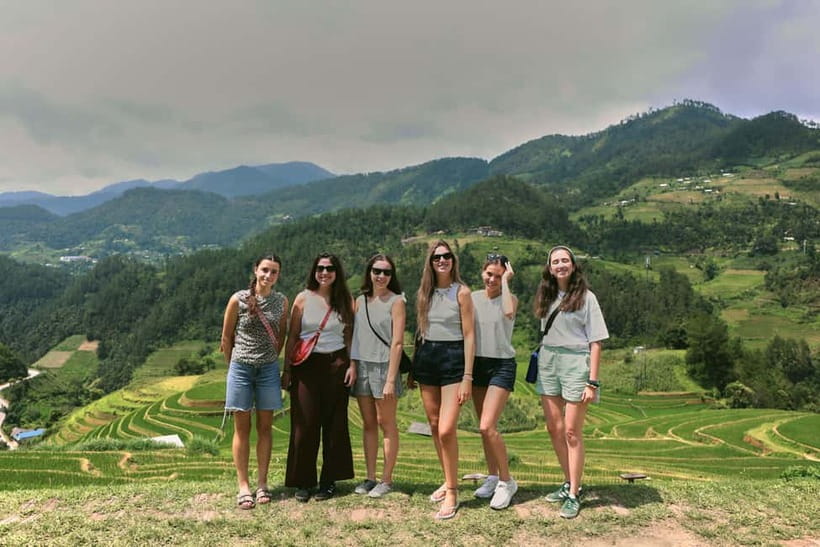
At about 2:00 PM, the route includes a local stop focused on traditional Hmong clothing. You can learn how handwoven fabric and natural dyes are used to create garments with strong patterns and color.
The experience also connects with other local craft traditions listed for this route, including incense making in Ta Van. The exact demonstration can vary with the day and the village stop, so think of this as a cultural craft lesson rather than a fixed workshop with a set production schedule.
This stop matters because it shows work that is easy to miss when you only walk through a village. The clothing is not simply decoration. It reflects time, skill, and community practice. The process of preparing fabric and dyeing it helps explain why traditional garments carry such meaning.
You should also be ready for the commercial side of village tourism. Local women may walk with the group and offer scarves or other handmade goods. Some people enjoy the chance to buy directly from makers. Others find the sales approach tiring, especially when they would rather focus on the trail. A polite no is enough, and you should not feel obliged to purchase.
More One-Day Trips in Sa Pa:
- From Sapa: 1-Day Guided Trek to Lao Chai & Ta Van with Lunch
★ 4.9 · 416 reviews - Sapa 1 Day Long Trek: Trek to Hau Thao and Sa Seng Villages
★ 4.6 · 344 reviews - Sapa The Hidden Trail Trek 1 Day – Mountain & Rice Valley
★ 5.0 · 133 reviews - Mountain views and villages trek – 1 Day
★ 5.0 · 99 reviews
Ta Van, the Giay village, and the ride home
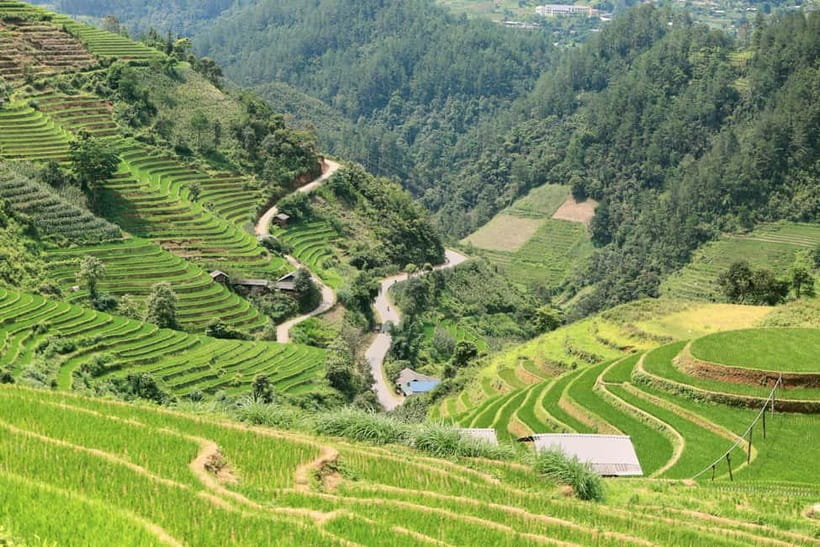
The trek finishes in Ta Van at about 3:00 PM. Ta Van is associated with the Giay people, giving the final section a different cultural focus from the Hmong villages earlier in the day.
The route description allows about 4.5 hours for the Ta Van section, including walking, sightseeing, and stops. In practice, the full activity lasts about seven hours, with the walk, lunch, cultural visits, and return transport included in that day.
A driver waits in Ta Van to bring you back to Sapa. That transfer is important. After several hours on steep paths, you will be glad not to retrace the route on foot or search for transport. Drop-off at your preferred location may be free or may cost extra, depending on where you want to go, so confirm that detail in advance.
How hard is the 12 to 15 kilometer route?
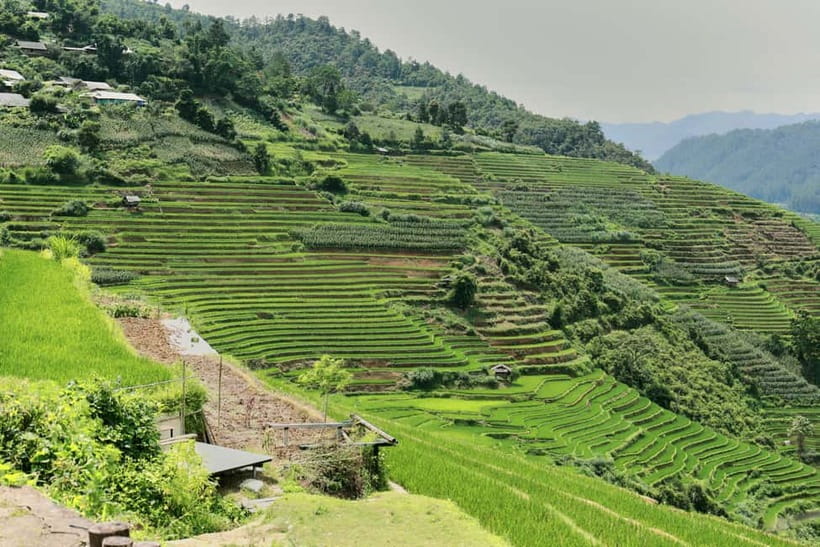
The distance is the main point to understand before you book. Some outings cover more than 13 kilometers, while others are described as roughly 12 or 15 kilometers. The route includes climbs, descents, rice fields, forest paths, and uneven ground.
In dry weather, people with a reasonable level of fitness usually find it manageable, though it is still a full day of walking. After rain, the difficulty rises fast. Mud can make simple slopes slippery, and short legs or weak knees may struggle on steep sections.
Wear hiking shoes with strong grip. Sneakers may work in dry conditions, but they are a poor choice on wet ground. Rubber boots can be rented locally, and several people found them useful after heavy rain. A sun hat, sunscreen, sunglasses, insect repellent, and extra water are sensible additions. Raincoats or ponchos are provided, but I would still bring a light waterproof layer during the wet season.
The guide can often adjust the pace and choose easier or steeper paths. That does not turn the trip into an easy walk, but it helps. Small groups also make it easier to stop for photos, wait for slower walkers, and keep everyone together.
Weather, crowds, and the feel of the day
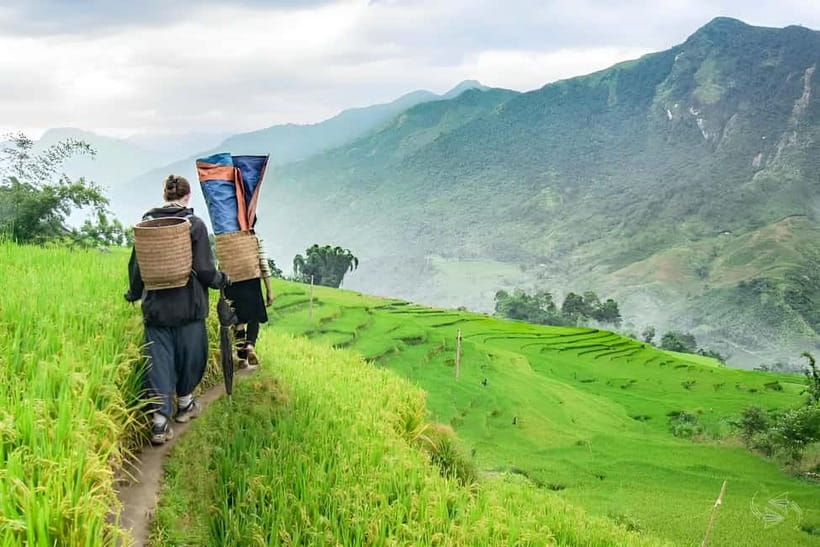
Sapa weather changes quickly. You may get bright mountain views, low cloud, mist, or rain in the same week. The tour runs rain or shine, so you need to accept that the Fansipan view may disappear and the paths may become muddy.
Cloudy weather is not necessarily a wasted day. Mist can give the valley a quiet, moody feel, and the villages remain interesting when the peaks are hidden. Still, if wide views are your main reason for booking, choose the clearest forecast you can and keep expectations flexible.
A group is limited to 10 people, and some departures have only four participants. That is a useful middle ground. You get company and a chance to meet other people, but the group is small enough to keep a shared pace. If you want complete control over stops and speed, ask about a private or custom route.
The route is not free from tourism. Lao Chai and Ta Van are well-known stops, and craft sellers may approach you. The quieter sections, especially when the guide chooses less-used paths, can feel much more peaceful.
Is $24 good value for Sapa?
At $24 per person, this is unusually good value for a seven-hour day that includes hotel pickup in Sapa town, a local English-speaking guide, village entrance fees, lunch, rain protection, a small bottle of water, and the ride back from Ta Van.
The strongest value comes from combining transport, guiding, food, and access to village paths in one booking. Hiring transport and arranging a local guide separately would likely take more effort, even if you wanted to cut the price.
There are limits. Extra drinks, souvenirs, paid pickup from outside town, and some drop-off requests are not included. The activity also includes only the listed stops and services, so do not expect a luxury meal, private vehicle for the whole day, or specialist mountaineering support.
Still, the price works especially well if you have only one night in Sapa. You see several villages, walk through the main valley, meet local families, and return to town the same afternoon.
Who should book this walk?
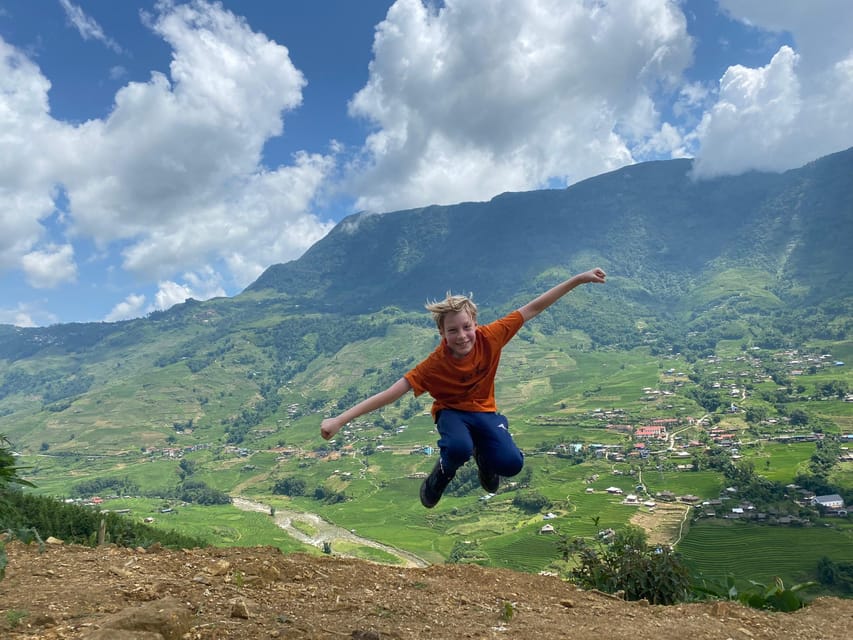
I would choose this trek if you want a direct look at rural Sapa and are comfortable walking for most of the day. It suits people who care as much about village life and conversation as mountain photographs.
It is also a good fit for solo visitors who want a small group, couples who want an active day, and first-time Sapa visitors who need one well-packed outing. Guides such as Soso, Mao, Sung, and Giang are particularly suited to people who want cultural explanation rather than a silent hike.
I would not choose it if you need smooth paths, frequent indoor breaks, or guaranteed clear views. It is unsuitable for wheelchair users and people with major mobility, back, heart, or other pre-existing medical problems.
Booking details that matter
English and Vietnamese guiding are available. Pickup covers locations in Sapa town, while out-of-town pickup costs extra. You can reserve now and pay later, and cancellation is free up to 24 hours before the activity for a full refund.
Tell the operator about food allergies or dietary restrictions before the day. Also ask about your exact pickup and drop-off point, especially if you are staying outside central Sapa.
Custom routes may be possible on request. For this particular valley walk, the key questions are simple: How many people are booked? How muddy is the route? Can the guide adjust the pace? Those answers will help you decide if the standard group departure is right for you.
Should you book the Lao Chai and Ta Van trek?
Book it if you want a full, active day for very little money, with a local guide, a family lunch, and real time in the rice valleys. The Hmong and Giay cultural stops give the route more substance than a viewpoint-only tour, and the return ride keeps the day practical.
Skip it if a long, wet hike sounds miserable or if you need accessible terrain. For everyone else, pack shoes with grip, keep some patience for muddy paths and craft sellers, and let the guide set a sensible pace. This is one of the better low-cost ways to see Sapa beyond town.
FAQ
How long does the Sapa trek last?
The activity lasts about seven hours, beginning around 9:00 AM and finishing after the return to Sapa from Ta Van.
Where does the trek begin?
Pickup is available from your hotel or another location inside Sapa town. Meeting points include Sapa TT Homestay at 812 Dien Bien Phu Street and Sapa View Spring Garden Hotel at 61 Muong Hoa Street.
Which villages does the route visit?
The route includes Y Linh Ho, Lao Chai or Lao Chai Sang, and Ta Van. The walk passes through Hmong communities and finishes in a Giay village.
Is lunch included?
Yes. A home-cooked lunch with a local Hmong family is included. Dietary restrictions can be handled when you provide the information in advance.
How far do you walk?
The route is commonly described as about 12 to 15 kilometers, with uphill and downhill sections through rice fields, villages, and mountain paths.
Is the trek suitable after rain?
The tour runs in wet weather, but rain can make the trail muddy and slippery. Hiking shoes with good grip are recommended, and rubber boots may be available to rent locally.
What languages do the guides speak?
Guides are available in English and Vietnamese. The guides are local Hmong people from nearby villages.
Is transportation included after the walk?
Yes. A driver waits in Ta Van and takes you back to Sapa town. Drop-off at locations outside the standard area may involve an extra fee.
Can I cancel the booking?
You can cancel up to 24 hours in advance for a full refund. You can also reserve now and pay later.
Recently reviewed hikes in Sa Pa
- From Hanoi: Sapa 3-Day Medium Trek and Limousine Trip★ 4.5 · 59 reviews
- 2 Night Lao Chai-Ta Van Homestay- Trekking & Fansipan Visit★ 4.0 · 8 reviews
- 2-Day Fansipan Mountain Trek – Indochina’s Highest Peak★ 4.3 · 42 reviews
- 1 Day Sapa Trek&Home-cooked Lunch HmongSisterHouse&Trekking★ 5.0 · 7 reviews
- Sa Pa: 6-Hours Muong Hoa Valley Trek with Local Ethnic guide★ 4.5 · 178 reviews
- Sapa: Private The Most Beautiful Terraced Fields Trekking★ 4.8 · 42 reviews
- Mountain views & Rice Terraced Fields Hiking – 2D 1N★ 5.0 · 99 reviews
- Sapa The Hidden Trail Trek 1 Day – Mountain & Rice Valley★ 5.0 · 133 reviews
Rice Terrace Hikes, compared.
Sa Pa: Muong Hoa Valley Trek and Local Ethnic Villages
Read our review →
Selogriyo Temple and Trekking Java Rice Terraces, hidden waterfall -Nature Java
Read our review →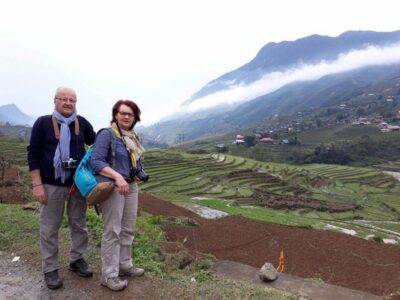
Sa Pa: 6-Hours Muong Hoa Valley Trek with Local Ethnic guide
Read our review →
Yogyakarta: Selogriyo Temple Tour & Java Rice Terrace Trek
Read our review →Other lists this hike appears in