
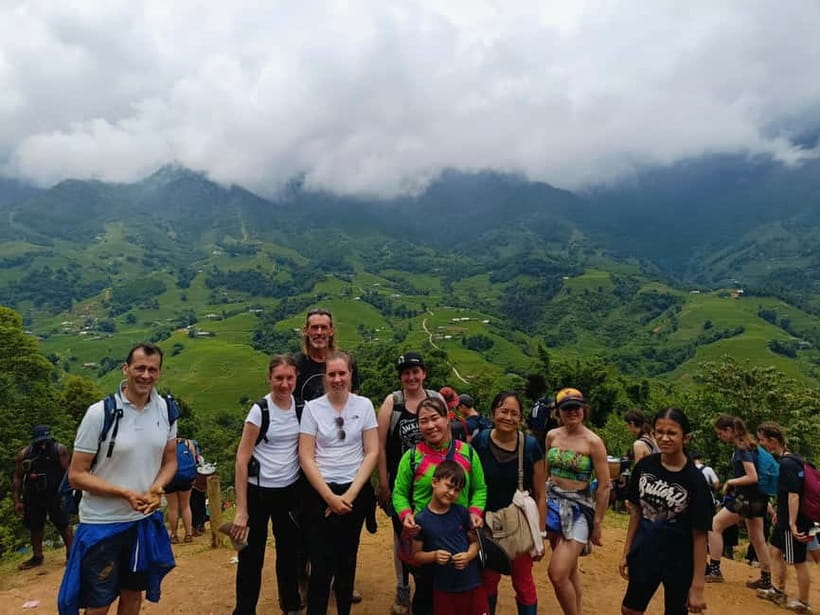
Review · SAPA
Sapa 1 Day Long Trek: Trek to Hau Thao and Sa Seng Villages
Sa Seng Mountain gives you the best reason to book this trek: from the high point, you look across Muong Hoa Valley toward rice terraces, the Sapa area, and distant Mount Fansipan. I especially like the mix of big mountain views and small village paths, plus the chance to eat a home-style lunch rather than simply stop at a tourist cafe.
I also like the local guides. Names vary, but Mama Mao, Su, Zozo, Vang, and Chau are among the guides praised for warmth, humor, and clear explanations of Hmong customs. The main catch is the walking itself: this is a demanding day, with steep climbs, uneven ground, and slippery mud when rain rolls in.
Key points at a glance
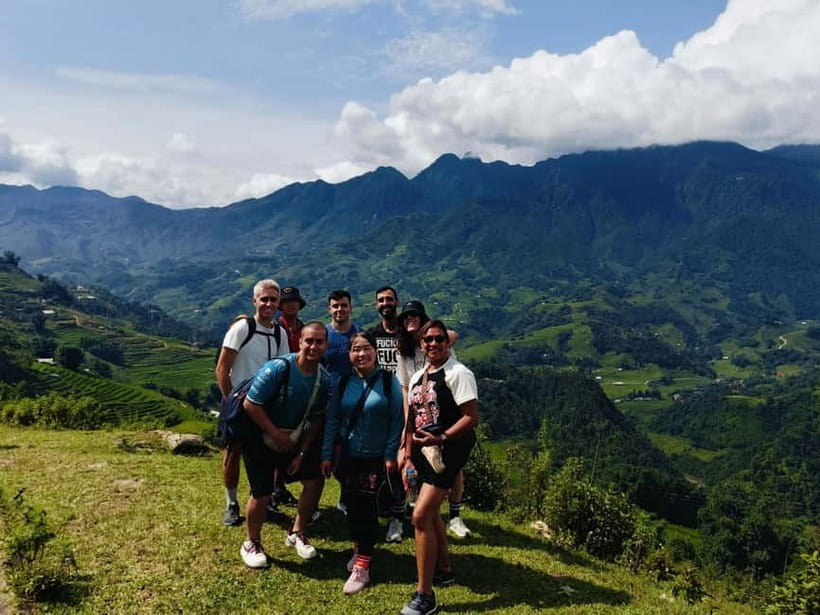
- Sa Seng summit views: Gain height early for distant views of Fansipan and the full sweep of Muong Hoa Valley.
- Three Black Hmong villages: Walk through Sa Seng, Hang Da, and Hau Thao, with the route finishing near Giang Ta Chai.
- A real mountain trek: Expect around 7 to 10 hours, with some accounts of roughly 15 to 16 kilometers of walking.
- Guides who add the meaning: Local guides explain farming, marriage customs, house-building, and daily village life.
- Family-style lunch: Stop around midday at a local restaurant for a filling traditional meal. Drinks may cost extra.
- Weather matters: Fog can hide Fansipan, while rain turns bamboo paths and steep trails into slippery work.
Sa Seng Mountain earns the first big view
Pickup begins at about 9:00 AM from accommodation in Sapa town. After a short briefing, you start with roughly a 1-kilometer uphill walk. It sounds modest on paper, but the early climb sets the tone for the day.
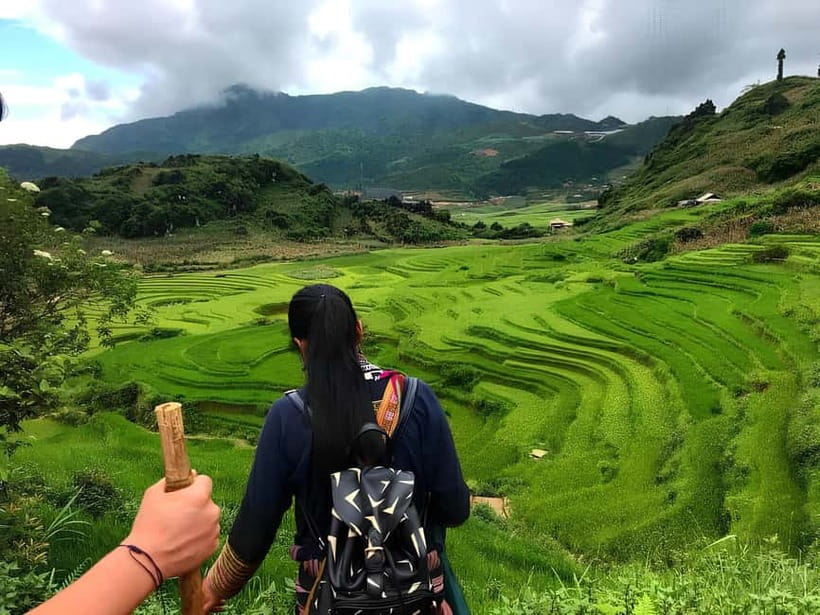
After about an hour of moderate trekking, you reach the top of Sa Seng Mountain. This is the high point and the visual reward for the first climb. On a clear day, you can see Mount Fansipan, which rises to 3,143 meters and is the highest mountain in Indochina. Below, Muong Hoa Valley spreads out with rice terraces, villages, and the main river cutting through the valley.
The view depends heavily on the sky. In winter, fog can cover almost everything, though it may lift later in the morning. Several departures have gone out in thick mist and still found the walk worthwhile, but you should not book this trek only for a guaranteed mountain panorama. Sapa weather can change fast, and a forecast showing rain may mean a much harder walk with fewer views.
I like this opening because it gives the day a clear shape. You work uphill, reach a viewpoint, then spend the rest of the route descending through villages and farmland. It feels like a trek with a purpose, not a series of disconnected photo stops.
More One-Day Trips in Sa Pa:
- From Sapa: 1-Day Guided Trek to Lao Chai & Ta Van with Lunch
★ 4.9 · 416 reviews - Sapa The Hidden Trail Trek 1 Day – Mountain & Rice Valley
★ 5.0 · 133 reviews - Mountain views and villages trek – 1 Day
★ 5.0 · 99 reviews
The descent to Hang Da feels more rural
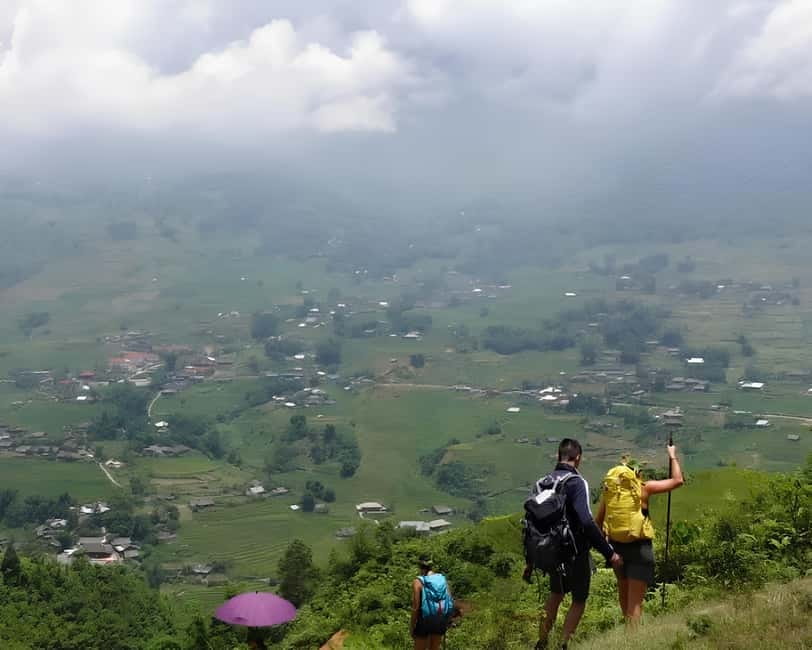
From Sa Seng, the route heads downhill toward Hang Da Village. The change in pace is welcome after the climb, though downhill walking has its own sting, especially on knees and ankles. The path can pass through rice fields, open farmland, bamboo forest, and rougher ground.
You may see buffaloes, pigs, and horses along the way. These animals are not staged attractions. They are part of the working life of the villages, where farming remains central to daily routines. Depending on the season, you might see farmers planting or harvesting rice, an especially useful sight if you want to understand how the terraces function beyond their postcard appearance.
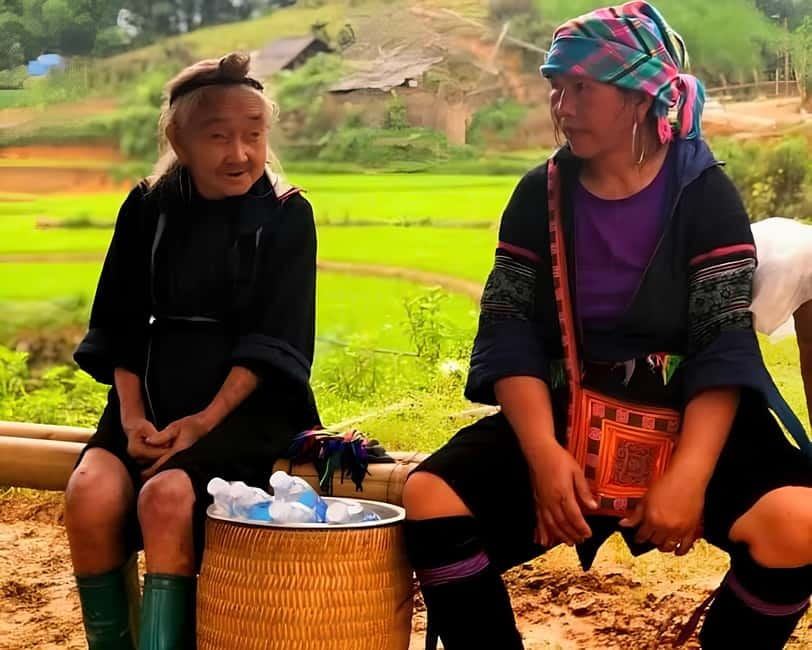
Hang Da is home to Black Hmong families. Your guide helps explain what you are seeing, including farming methods, village customs, and the practical design of local homes. This is where the guide makes a real difference. A path through rice fields is pleasant on its own, but an explanation of how families build houses, grow rice, or organize village life gives the walk more meaning.
The route does not present an untouched rural world. Local women may walk with trekking groups and later offer scarves or other goods for sale. You should be ready for this, especially near the end of the walk. A polite but firm response is usually the easiest way to handle it, and you should only buy something if you genuinely want it.
Lunch at a family-run restaurant
Around noon, the group stops for a traditional lunch at a local family-run restaurant. The meal is described as home-style and freshly cooked, with enough food to satisfy hikers after the morning climb. One especially useful detail is that drinks may not be included, so carry some cash if you want to order anything beyond the meal and provided bottled water.
This stop is more than a fuel break. It gives you a look at local hospitality and a chance to sit with the group before the afternoon walking begins. Small groups work well here because you have time to talk with other people, compare the morning’s muddy patches, and settle into the slower rhythm of the villages.
Do not expect a formal restaurant experience. The appeal is the simple food, local setting, and generous break. If you have strict dietary needs, the available information does not promise special menus, so ask the operator before booking.
Hau Thao brings the culture into focus
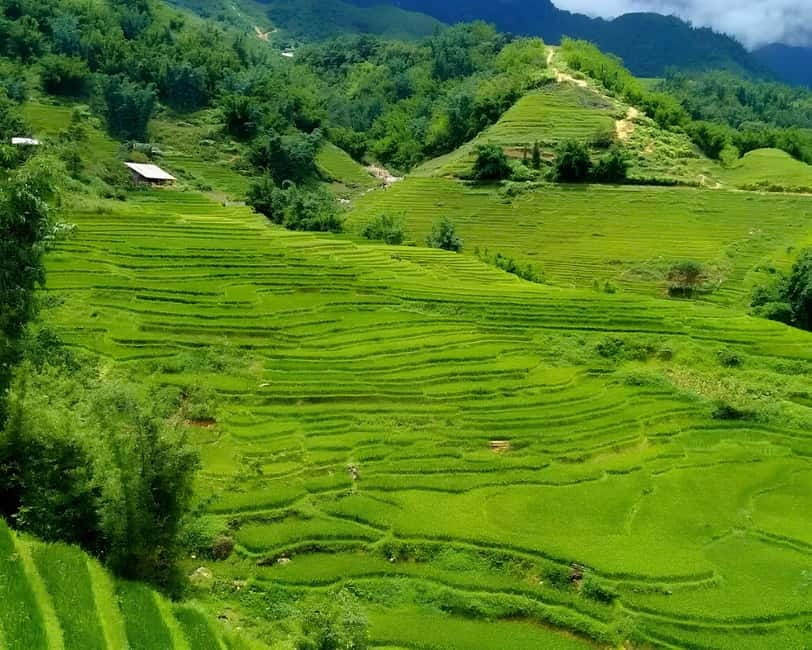
After lunch, the trek continues toward Hau Thao, another Black Hmong community in the mountains. The walking shifts between village paths, fields, bamboo, and open mountain ground. The exact feel changes with the season and weather. In the growing season, green rice fields make the terraces vivid. During harvest, you may see more direct evidence of farm work.
Your guide is expected to explain Hmong traditions and daily life, including marriage rituals, house-building techniques, rice cultivation, and the role of farming in the villages. Guides such as Mama Mao, Su, Zozo, Vang, and Chau have been especially well regarded for their humor, patience, and personal connection to the area. Guide assignments vary, so do not book with the expectation of one particular person unless the operator confirms it.
This is also the part of the day where you may notice the limits of a one-day visit. You pass through communities and receive a useful introduction, but you are not spending the night or taking part in village life. If you want a slower experience with more time around local families, the operator can help arrange a homestay near Hau Thao or Giang Ta Chai, provided you ask in advance.
More hikes and treks around Sa Pa:
- Sa Pa: Muong Hoa Valley Trek and Local Ethnic Villages
★ 4.6 · 864 reviews - Sapa: Eco Adventure Terrace Fields and Local Villages Trek
★ 4.9 · 636 reviews - Number one top rated ethical cultural trekking and homestay by ETHOS
★ 5.0 · 456 reviews - Sa Pa Full Day Trekking Tour
★ 5.0 · 414 reviews
Giang Ta Chai is the practical finish
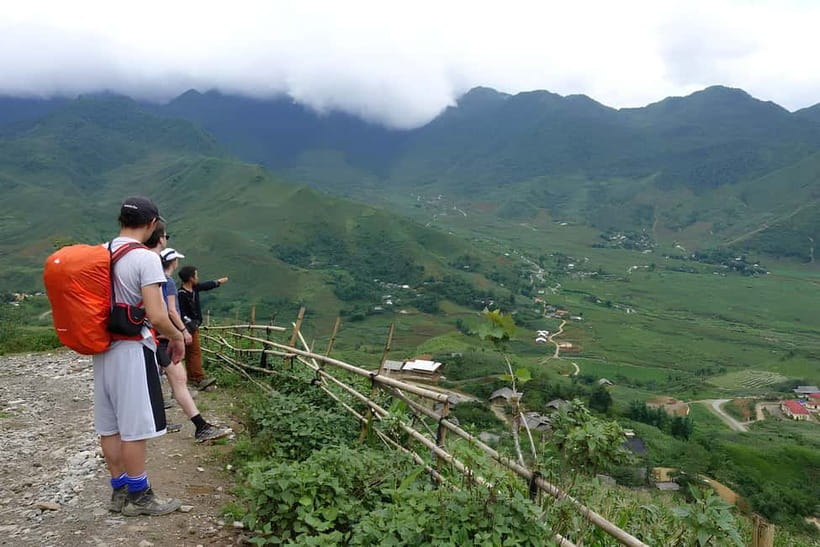
The trek finishes around 3:30 PM in Giang Ta Chai Village, where a vehicle waits to take you back to Sapa. This transfer matters. After a long descent, a private ride saves you from walking or arranging your own transport back to town.
The day may take 7 to 10 hours in total, depending on the group, route conditions, and stops. One reported outing covered about 15.6 kilometers, with roughly 630 meters of ascent and 1,100 meters of descent. Those figures give you a better picture than the phrase moderate trek. The route is manageable for a fit person who regularly walks, but it is not a gentle stroll.
Some of the hardest ground can come late in the day. Steep concrete roads, uneven paths, rocky sections, and slippery bamboo trails all appear in different conditions. Several guides have adjusted the route when fog or mud made the higher path a poor choice, which is sensible. You may be offered an easier option rather than pushed toward a viewpoint that is hidden by cloud.
How hard is the Sapa trek?
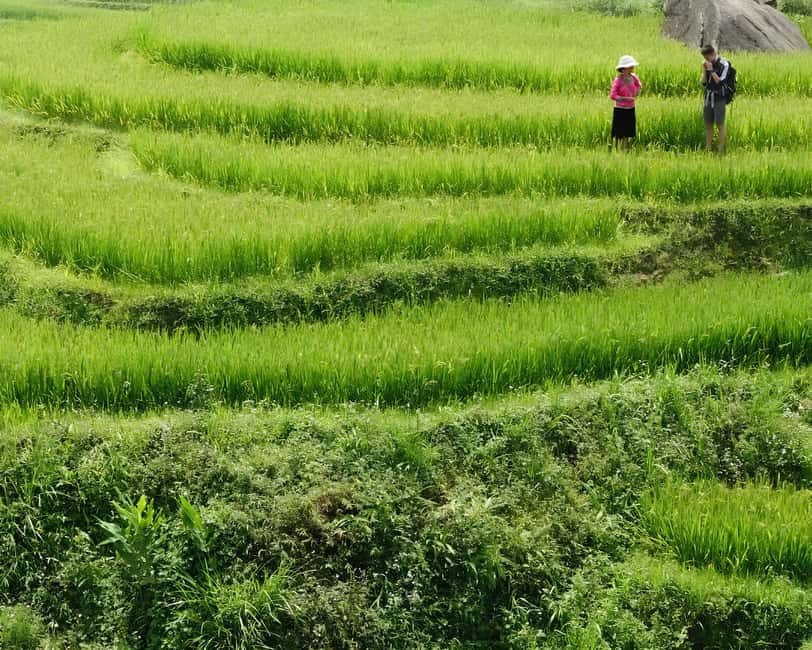
I would rate this as a moderate to challenging full-day hike, not a beginner sightseeing walk. The first uphill section is steep enough to test your lungs, while the long descent can tire your legs. Shorter hikers may need to set their own pace, and the group normally has to move together.
Wet weather changes the calculation. Mud can make the bamboo forest slippery, and rain can force you to concentrate on every step. One departure supplied rubber boots, though proper hiking shoes were still recommended. Bring sturdy footwear with good grip, and expect them to get dirty.
The tour is not suitable for people with mobility impairments, wheelchair users, significant heart or kidney problems, altitude sickness, or serious difficulty walking. It is also not intended for very young children, babies, people over 80, or anyone weighing more than 159 kilograms. The activity information includes several overlapping age restrictions, so families should confirm eligibility before reserving.
Pack sunglasses, a sun hat, another hat if useful, and cash. Bottled water is included, but you should still bring enough personal water for a long day if you normally drink heavily while hiking. Alcohol and drugs are not allowed, and bare feet are not appropriate for the route.
Guides are the heart of the day
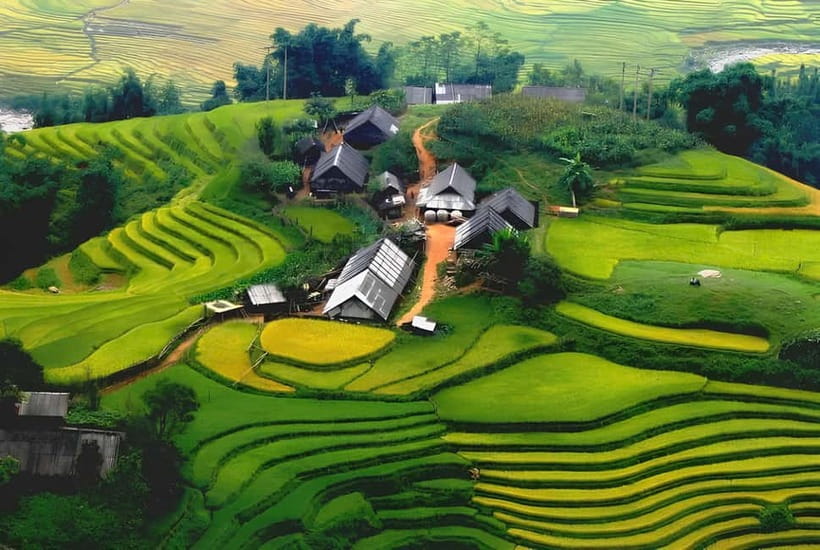
The strongest part of this experience is often the guide rather than the route itself. Local guides bring the path to life by explaining what you are seeing and by helping with tricky sections. Several guides have been praised for being funny, patient, and attentive, with Mama Mao and Su appearing repeatedly as memorable personalities.
English ability varies by guide, but the experience includes an English-speaking guide, as well as Vietnamese support. Good guides do more than point out a rice terrace. They explain how rice farming shapes the valley, why houses are built in certain ways, and how Hmong customs fit into everyday life.
You should also expect a social experience. Small groups are available, and groups of around five have been especially comfortable for conversation without making the hike feel crowded. The exact group size is not guaranteed, so ask when booking if this matters to you.
Is $24 good value?
At $24 per person, this is strong value if you want a full day of walking with local guiding, lunch, water, village access, and the return vehicle. Booking a similar route independently would still require transport, a guide, food, and a clear plan for getting back to Sapa.
The price is less attractive if you want a short, easy outing or a guaranteed clear view. Weather can hide Fansipan, and the walking may be tougher than the low price suggests. You are paying for a long, active day and cultural context, not a comfortable bus tour with occasional stops.
Hotel pickup and drop-off apply within Sapa town. If you stay outside town, you can pay an extra fee for transport to a meeting point. Two listed meeting points are Sapa TT Homestay at 812 Dien Bien Phu Street and July Hotel Central Sapa at 02 To Vinh Diem Street. Confirm the pickup plan through WhatsApp, since the operator asks for your number before the tour.
Free cancellation is available up to 24 hours before departure, and you can reserve now and pay later. The operator can also help with an overnight stay or luggage transfer near Hau Thao or Giang Ta Chai if you want to extend the walk into a homestay trip.
Best time and weather strategy
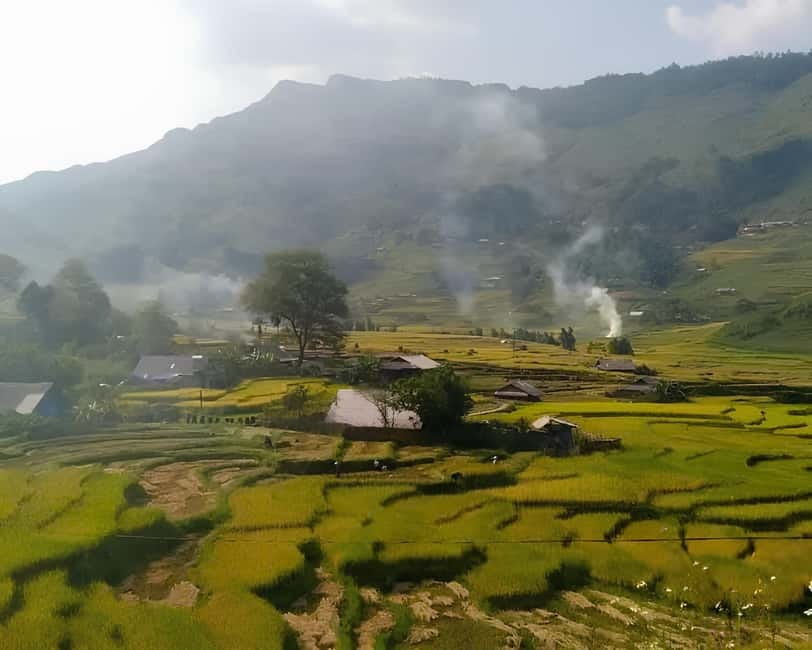
The route works in many seasons, but the experience changes sharply with conditions. Spring and summer can bring greener rice fields, while autumn may offer more dramatic harvest scenery. The available outings also show that winter fog and summer rain can both affect the views.
I would not cancel automatically because of cloud. Guides have made foggy and rainy days enjoyable by adjusting the route, sharing local stories, and helping with slippery sections. But if heavy rain is forecast all day, the walk becomes much harder and the views much less reliable. If you have flexibility, use the free cancellation policy and choose a dry day.
A good practical rule is to prioritize dry weather over a particular month. Clear skies make the Sa Seng viewpoint special, but dry paths also make the entire day safer and more comfortable.
Who should book this trek?
Book it if you want to see Sapa on foot, meet a local guide, and spend a full day moving through rice terraces and Black Hmong villages. It suits fit adults, confident walkers, and people who prefer a more active cultural experience to a short viewpoint visit.
It is a good choice for a first Sapa trek if you understand that first does not mean easy. The route gives you a clear introduction to the mountains, villages, agriculture, and local customs in one day.
Choose another activity if you have mobility limits, dislike mud, need guaranteed scenery, or want plenty of time for quiet village exploration. A two-day homestay would offer a slower connection with the area, while this trek is built around covering substantial ground and returning to town the same afternoon.
Should you book the Sa Seng and Hau Thao trek?
I would book this trek if your Sapa schedule allows only one hiking day and you want more than a quick walk through the nearest village. The combination of Sa Seng views, Muong Hoa terraces, Black Hmong communities, a local lunch, and a vehicle back to town makes the $24 price hard to argue with.
Go prepared for steep sections, possible mud, changing visibility, and a long descent. If you bring proper shoes, cash, patience, and realistic expectations about the weather, this is a rewarding way to see the Sapa mountains and learn from guides such as Mama Mao, Su, or Zozo.
FAQ
How long does the Sapa trek take?
The trek lasts about 7 to 10 hours. Pickup begins around 9:00 AM, and the walking generally finishes around 3:30 PM in Giang Ta Chai before the vehicle returns you to Sapa.
Which villages does the route visit?
The route includes Sa Seng, Hang Da, and Hau Thao, with the trek finishing in Giang Ta Chai Village. You walk through Black Hmong communities, rice areas, bamboo forest, and mountain paths.
Is lunch included?
Yes. A traditional lunch at a local family-run restaurant is included. Drinks may need to be paid for separately, so bring cash.
Is hotel pickup available?
Pickup is available from accommodation within Sapa town. If you stay outside town, you can request transport to a meeting point for an additional fee.
How difficult is the trek?
The trek is moderate to challenging, with an uphill start, uneven paths, steep descents, and possible mud. Some outings have covered around 15 to 16 kilometers, with substantial elevation gain and loss.
What languages do the guides speak?
The activity offers live guides in English and Vietnamese. The English-speaking local guides vary by departure, with guides including Mama Mao, Su, Zozo, Vang, and Chau.
Can I cancel if the weather is poor?
You can cancel up to 24 hours in advance for a full refund. The operator may also discuss changing the date, and guides can sometimes adjust the route when fog or rain affects conditions.
Recently reviewed hikes in Sa Pa
- From Hanoi: Sapa 3-Day Medium Trek and Limousine Trip★ 4.5 · 59 reviews
- 2 Night Lao Chai-Ta Van Homestay- Trekking & Fansipan Visit★ 4.0 · 8 reviews
- 2-Day Fansipan Mountain Trek – Indochina’s Highest Peak★ 4.3 · 42 reviews
- 1-Day Sapa Long Trek – Rice Field Terrace, Ethnic Culture★ 4.9 · 62 reviews
- 1 Day Sapa Trek&Home-cooked Lunch HmongSisterHouse&Trekking★ 5.0 · 7 reviews
- Sa Pa: 6-Hours Muong Hoa Valley Trek with Local Ethnic guide★ 4.5 · 178 reviews
- Sapa: Private The Most Beautiful Terraced Fields Trekking★ 4.8 · 42 reviews
- In Sapa: 1 Day Mountain Trek, Visit beautiful villages★ 5.0 · 50 reviews
Sapa Hiking Tours, compared.
Sa Pa: Muong Hoa Valley Trek and Local Ethnic Villages
Read our review →
Sapa: Eco Adventure Terrace Fields and Local Villages Trek
Read our review →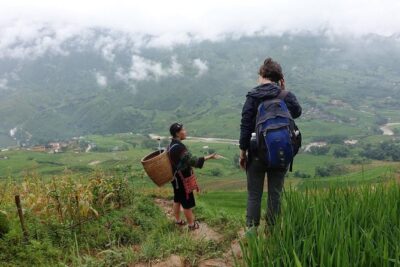
Number one top rated ethical cultural trekking and homestay by ETHOS
Read our review →
From Sapa: 1-Day Guided Trek to Lao Chai & Ta Van with Lunch
Read our review →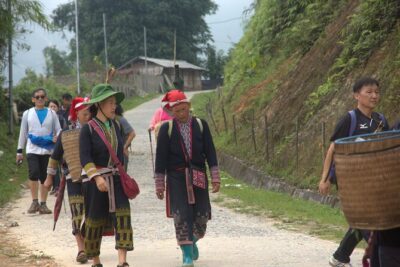
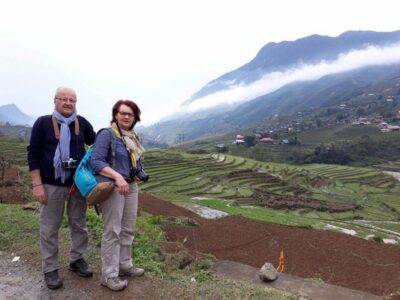
Sa Pa: 6-Hours Muong Hoa Valley Trek with Local Ethnic guide
Read our review →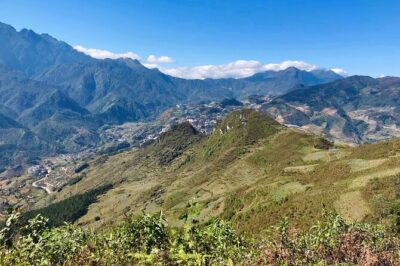
Sapa The Hidden Trail Trek 1 Day – Mountain & Rice Valley
Read our review →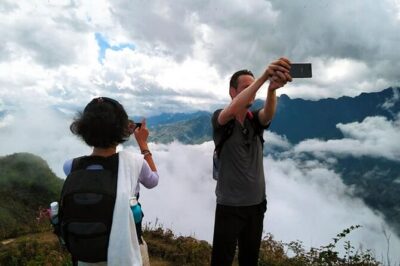
Other lists this hike appears in