
Review · INDONESIA
Yogyakarta: Selogriyo Temple Tour & Java Rice Terrace Trek
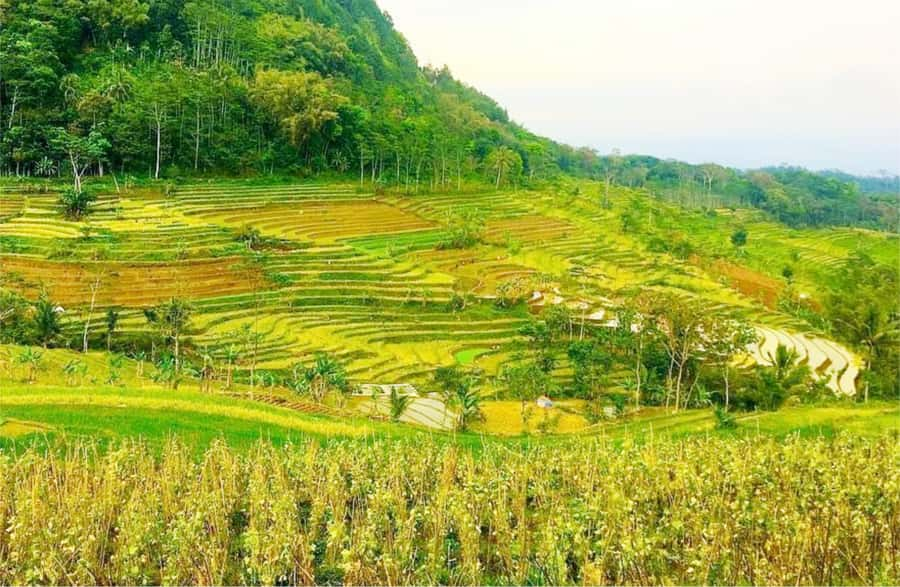
Selogriyo Temple is the payoff for a beautiful walk, but the walk itself may be the best part. You leave Yogyakarta’s traffic behind and follow quiet paths through rice terraces where farmers grow rice, beans, corn, ginger, tobacco, papayas, and other crops. I especially like the close look at everyday farming and the chance to meet local people without a large crowd in tow.
I also like the guide-led pace. Guides including Yuni, Haidar, Atok, and Aulion have helped visitors understand the crops, temple carvings, and Javanese customs, while also taking photos and adjusting the route. The catch is the long drive from Yogyakarta, about two hours each way, followed by moderate walking that can become muddy in the rainy season.
Key points at a glance
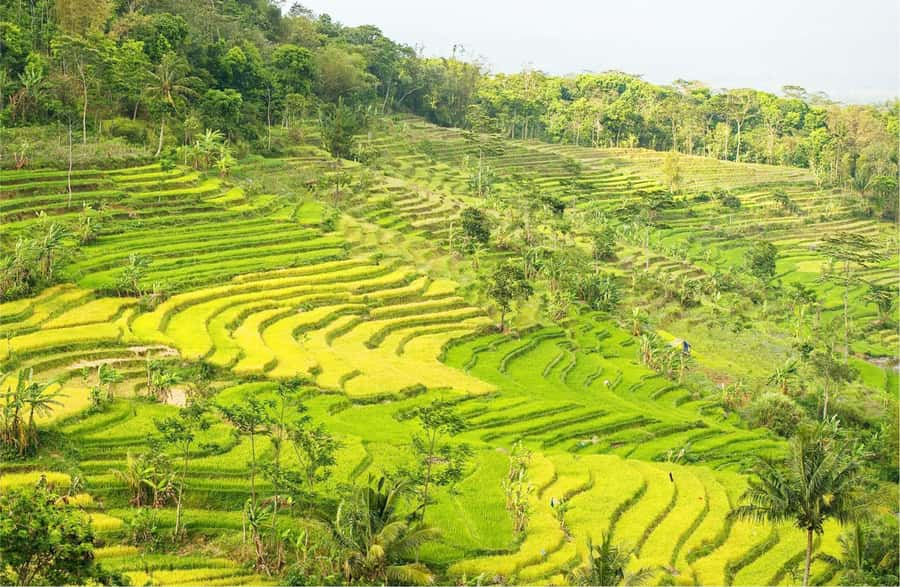
- Selogriyo Temple sits above quiet rice terraces, reached on foot rather than by coach.
- The farming lesson is part of the attraction, with rice, corn, beans, ginger, tobacco, coffee, and other plants along the route.
- Guides make a major difference, especially Yuni, Haidar, Atok, Aulion, Kin, and Arief, who are often praised for local stories and careful driving.
- The setting is far quieter than Java’s major temples, with few other people around at many times.
- Coffee, tea, cassava, and local food stops may be available, though these are not listed as core inclusions.
- The $55 price includes the useful basics, such as transport, entrance, parking, donation, and an English-speaking guide.
Why Selogriyo is worth the long ride
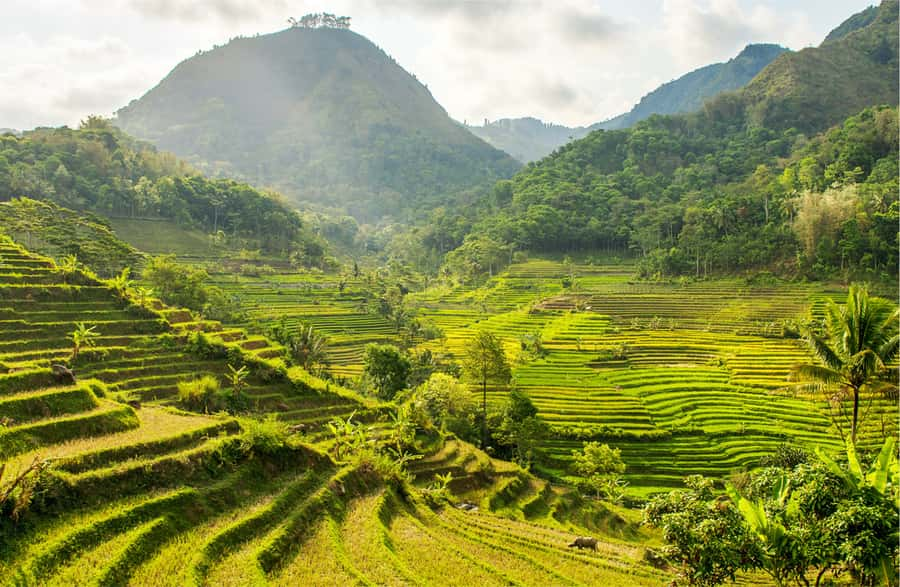
Many visitors come to Java for Borobudur and Prambanan. Those major sites deserve their place on your schedule, but Selogriyo offers a different kind of day. Here, the route through the countryside is not simply a transfer to an ancient monument. It is the main event.
From Yogyakarta city, allow roughly two hours on the road each way. That sounds like a lot for a six-hour activity, but the drive takes you into a quieter part of Central Java and gives the day a clear change of mood. From the Borobudur area, the ride is about one hour, making this a more efficient add-on.
You will be picked up at your accommodation and returned there afterward. The transport is an important part of the value because reaching Selogriyo independently would require arranging both a long drive and local access to the temple. The transport service has also received a 97 percent perfect score, which is useful reassurance for anyone who worries about a long road journey in an unfamiliar area.
The outing is limited to 15 people, though some departures may operate as private trips when demand is low. Several visitors ended up with a private guide, which allowed them to choose between an easier route and a more adventurous walk through the fields. You should not assume a private tour is guaranteed, but a small group keeps the experience more personal than a large sightseeing bus.
More Rice Terrace Hikes in Indonesia:
- Selogriyo Temple and Trekking Java Rice Terraces, hidden waterfall -Nature Java
★ 5.0 · 179 reviews - Sa Pa: Muong Hoa Valley Trek and Local Ethnic Villages
★ 4.6 · 864 reviews - Sa Pa: 6-Hours Muong Hoa Valley Trek with Local Ethnic guide
★ 4.5 · 178 reviews
Walking through Java’s working rice fields
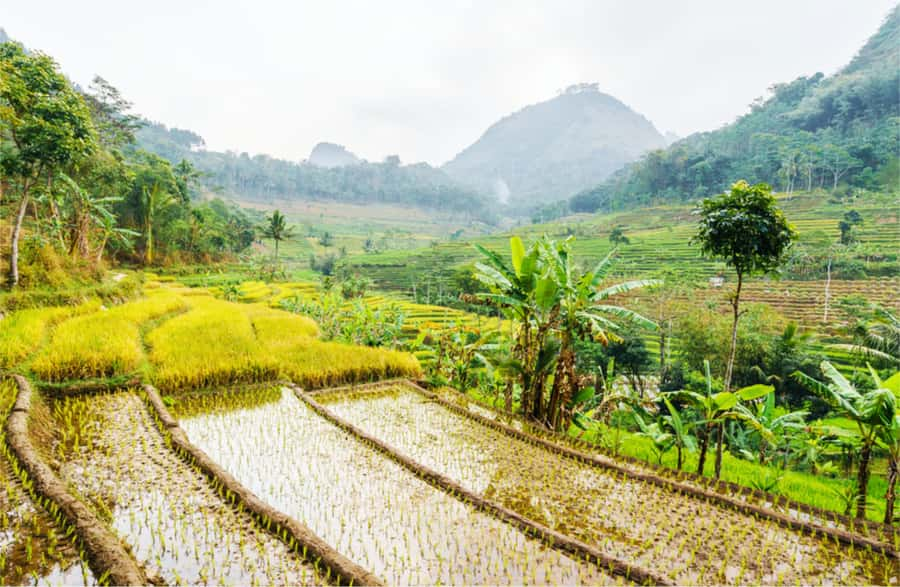
The walk begins near a small village and continues uphill toward the temple. In places, you follow paths around the terraces. In others, your guide may lead you closer to the cultivated fields, depending on the conditions and the route chosen.
This is not just a green photo stop. The fields show how village agriculture changes through the year. Guides have pointed out rice at different stages, along with beans, corn, ginger, papaya, tobacco, coconut, coffee, and other plants. Some have explained the process from seedling to harvest, while others have described how farmers use the same ground for different crops during the dry season.
That detail gives the walk purpose. You begin to see the terraces as working land rather than a decorative backdrop. You may meet farmers at work, and local people are often described as friendly and welcoming. Your guide can help explain what you are seeing and answer questions about daily life in the surrounding villages.
The route is described as a moderate walk. One guide called it easy, while another visitor found the climb quite a hike. Both descriptions can be true, depending on fitness, heat, rain, and the exact path used. The uphill approach is manageable for many people, but it is not a flat stroll from the car to the temple.
Wear shoes with a firm grip. Mud is possible, especially in the rainy season, and you should expect uneven paths and steps. Comfortable clothes, sunscreen, and cash belong in your day bag. The activity information specifically advises comfortable shoes and notes a moderate amount of walking.
Reaching the small hilltop temple
Selogriyo Temple, also called Candi Selogriyo, is a small Hindu temple in a secluded hill setting. Its scale is modest compared with Borobudur or Prambanan, so you should not book this outing expecting a huge complex with hours of monuments to explore.
The reward is its position. After walking through the terraces and up the hillside, you reach a quiet religious site surrounded by gardens and greenery. The temple’s structure and Hindu sculptures give your guide something substantial to explain, while the open views connect the monument to the farms and volcanic hills below.
I like the order of the visit. You do not simply arrive at a famous gate, take a photo, and leave. The approach helps you understand why the temple feels special. The quiet path, the crops, the hill, and the small shrine all belong to one setting.
Bring modest expectations about the temple’s size, but high expectations for the surroundings. If you want a long list of buildings, this is not the right choice. If you want a peaceful historic site reached through rural Java, it makes much more sense.
The number of people at the temple can vary, but the experience is generally far removed from the busiest sights. Some visitors had the place almost to themselves. That makes it easier to pause, look at the carvings, and take photographs without a constant flow of groups around you.
What the guides add to the day
The guide is the difference between a scenic walk and a useful cultural outing. Several guides have received praise for their English, local knowledge, warmth, and willingness to adjust the day.
Yuni is often described as a strong driver and an excellent source of information about plants, rice farming, local customs, and childhood life in the area. He has also taken photographs for visitors and stopped at local places for coffee. Haidar has been praised for explaining farming, village life, Indonesian history, politics, and the temple’s Hindu sculptures. He also adapts his explanations to the interests of the person in front of him.
Atok is another popular choice when available. He has been described as friendly, careful on the road, and good at spotting plants and animals. He has also helped people add nearby stops when time and conditions allowed. Aulion is known for strong English, humor, food knowledge, and an easy conversational style. Kin has guided visitors along less-used paths and added local food or coffee stops.
Other named guides include Arief, Febrian, Ipung, Thomas, Nasir, and Arian. Guide assignments depend on availability, so you may not receive a specific person. If a certain guide is important to you, ask before booking, but treat any request as a preference rather than a promise.
The best guides do not rush the walk. They point out what is growing beside the path, explain how rice is cultivated, and connect the temple with local beliefs. Some have taught visitors simple Javanese or Bahasa phrases. That kind of conversation is valuable because it gives you access to ordinary life, not just a polished sightseeing script.
More hikes and treks around Indonesia:
- Bali: Sunrise Mount Batur Guided Hike with Breakfast
★ 4.8 · 9,660 reviews - Bali: Mount Batur Sunrise Guided Hike and Natural Hot Spring
★ 4.8 · 9,284 reviews - Bali: Mount Batur Sunrise Trek With Guide and Breakfast
★ 4.8 · 3,461 reviews - Mount Batur Sunrise Hike and Natural Hot Spring Option
★ 5.0 · 1,927 reviews
Coffee, tea, cassava, and flexible stops
The core activity includes the temple walk, guide, transport, entrance fee, parking fee, and donation fee. Local refreshments are not listed as included, so carry cash if you want to stop for drinks or food.
Several routes have included a coffee shop near the path. You might find local coffee, ginger tea, lemongrass tea, redwood tea, or blue pea tea, sometimes served with fried cassava. One stop has even allowed visitors to learn how to pour their own coffee. These details are small, but they fit the day well after the uphill walk.
Some guides have also stopped at a batik workshop, a civet coffee shop, or a local restaurant. These stops are not guaranteed parts of the standard six-hour plan. They may depend on your interests, the guide, traffic, and available time.
That flexibility can be a plus, especially on a private departure. It can also create a less predictable schedule. If the temple and rice terraces are your priority, say so clearly at the start. You do not want an optional shopping or tasting stop to cut short the walk.
Transport, timing, and the real value of $55
At $55 per person, this is not the cheapest way to see rural Java. The price makes more sense when you count what is bundled into the day: hotel pickup and drop-off, a driver, an English-speaking guide, parking, entrance, and a donation.
The main value is convenience. You do not need to negotiate a long-distance car hire, find the trailhead, or work out how to reach a remote temple. You also receive explanations about farming and culture that you would probably miss on your own.
The price is particularly reasonable for two people or a small group sharing a private-style vehicle and guide. For one person, it is more of a splurge, but the included transport and personal attention may still justify it. The high transport rating supports the idea that the road portion is handled well.
A six-hour schedule sounds generous, but remember that the ride from Yogyakarta can take four hours in total. You may spend around two hours walking and exploring, with time for the temple and a drink stop. Exact timing depends on pickup location, road conditions, walking speed, and optional stops.
Starting times vary, so check availability when booking. An early start may help you avoid the strongest heat, but the exact schedule is not fixed in the information provided. The free cancellation policy allows cancellation up to 24 hours in advance for a full refund, and you can reserve now and pay later, which is useful if your Java plans are still shifting.
Who will enjoy this outing most
I would choose this trip if you want countryside, local agriculture, a small historic site, and a quiet route away from Java’s major attractions. It works well for solo visitors because a good guide can provide company, photos, and a sense of security. It also suits couples and families who enjoy walking and asking questions.
You should be comfortable with moderate physical activity. The route includes an uphill walk, and the surface may be wet or muddy. Comfortable shoes matter more than stylish ones here.
This is less suitable if you want a full day at a major temple, a highly structured sightseeing program, or guaranteed sunshine and mountain views. Weather can block distant views, especially during the rainy season, though the terraces and temple remain worthwhile in changing conditions.
The tour also suits people who enjoy botany and food. Guides have identified herbs, fruit, vegetables, coffee, tobacco, and other plants along the route. If you like learning what grows in a place and how people use it, you will get more from this outing than someone focused only on architecture.
Practical advice before you go
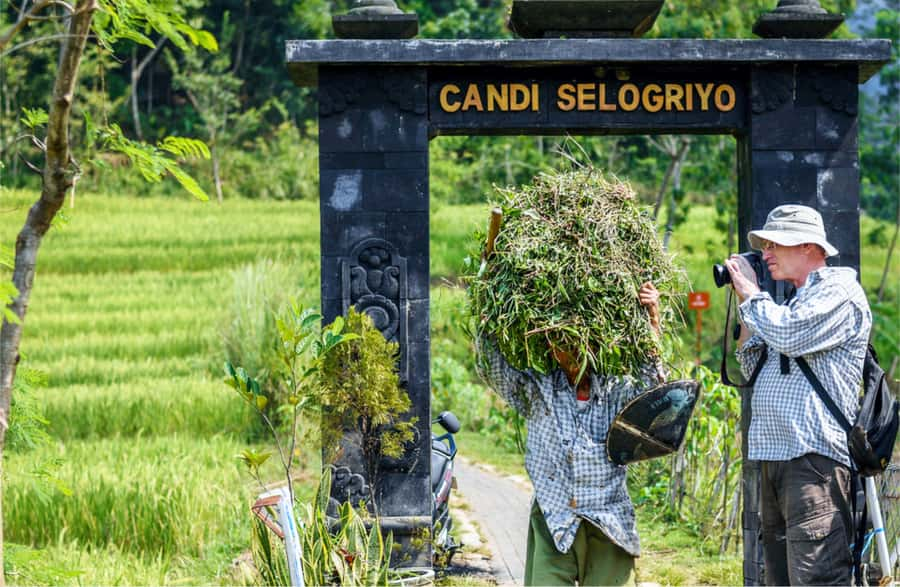
Bring a small bag with sunscreen, water, comfortable clothing, sturdy shoes, and cash. The official advice calls for comfortable shoes, sunscreen, comfortable clothes, and cash, and the muddy conditions reported on some visits make that advice worth taking seriously.
Do not wear shoes you hope to keep spotless. A light rain jacket may also be sensible during wet-season visits, though the supplied information does not promise specific weather conditions or equipment.
Ask your guide about the route before setting off. There may be an easier path or a more adventurous track through the terraces. If you have a bad knee, limited stamina, or concerns about slippery ground, say so early and choose the gentler option if available.
Keep the day open enough for conversation. The guides are at their best when they can explain the crops, local customs, village life, and temple details rather than simply move you from one photo stop to the next.
Should you book the Selogriyo tour?
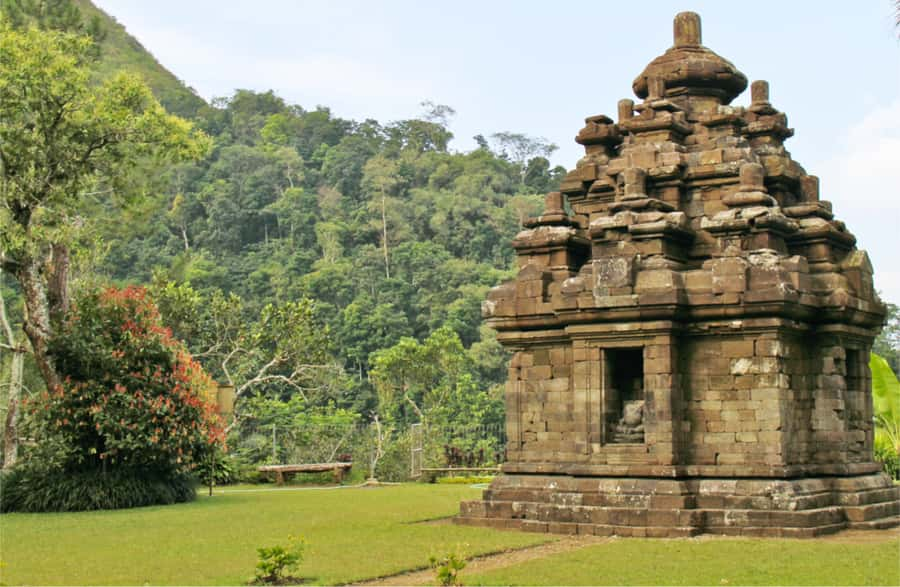
Book it if you want a quiet rural day with real walking, not another quick monument visit. The rice terraces, the local farming stories, and the remote temple work together, and the included transport removes much of the difficulty of reaching the area.
I would be more cautious if your time in Yogyakarta is very short or if long road journeys wear you down. From the city, the two-hour drive each way takes a large share of the day. Still, for a spare day after Borobudur or Prambanan, this is a strong choice.
Ask about the assigned guide, request the route that fits your fitness, and keep cash available for coffee, tea, or food. If you value quiet places, local conversation, and countryside views more than grand architecture, the $55 cost is fair.
FAQ
How long does the Selogriyo Temple tour last?
The activity lasts about six hours, including transport, the rice terrace walk, temple visit, and return to your accommodation.
How long is the drive from Yogyakarta?
The drive from Yogyakarta city takes about two hours. From the Borobudur area, the drive takes about one hour.
Is hotel pickup included?
Yes. Pickup and drop-off from accommodation in Yogyakarta are included. Pickup is also available from the Borobudur area according to the activity information.
How much walking is involved?
The tour involves a moderate amount of walking, including an uphill route through rice terraces to Selogriyo Temple. Comfortable shoes are recommended.
Is the tour suitable for a large group?
No. It is offered as a small-group activity with a maximum of 15 participants. Some departures may operate as private tours.
What does the $55 price include?
The price includes hotel pickup and drop-off, the entrance fee, an English-speaking guide, parking, and a donation fee. Refreshments and optional stops are not listed as included.
Can I cancel or pay later?
You can cancel up to 24 hours before the activity for a full refund. The reservation option also allows you to book now and pay later.
Recently reviewed hikes in Indonesia
- From Senaru: Mount Rinjani 2-Day Trek to Summit★ 4.8 · 24 reviews
- 2 Days 1 Night Orangutan Trek Bukit Lawang★ 5.0 · 23 reviews
- Mount Batur Sunrise Trekking – All Inclusive★ 5.0 · 153 reviews
- Private Mount Batur Sunrise Trekking★ 5.0 · 132 reviews
- Mount Batur Sunrise Trekking★ 5.0 · 947 reviews
- Selogriyo Temple and Trekking Java Rice Terraces, hidden waterfall -Nature Java★ 5.0 · 179 reviews
- Rinjani trekking 2D 1N RIM★ 5.0 · 94 reviews
- Rinjani Trekking 3D2N Summit★ 4.5 · 85 reviews
Rice Terrace Hikes, compared.
Sa Pa: Muong Hoa Valley Trek and Local Ethnic Villages
Read our review →
Selogriyo Temple and Trekking Java Rice Terraces, hidden waterfall -Nature Java
Read our review →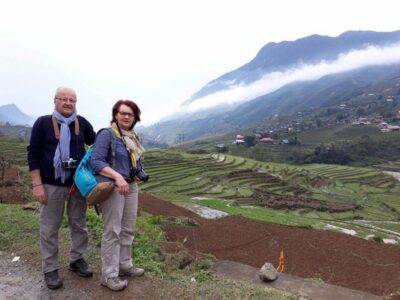
Sa Pa: 6-Hours Muong Hoa Valley Trek with Local Ethnic guide
Read our review →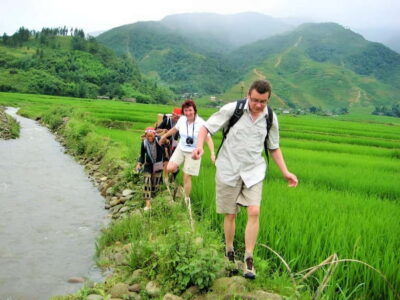
1-Day Sapa Long Trek – Rice Field Terrace, Ethnic Culture
Read our review →Other lists this hike appears in