Review · REYKJAVIK
Skaftafell: Small-Group Vatnajökull Glacier Hike (Moderate)
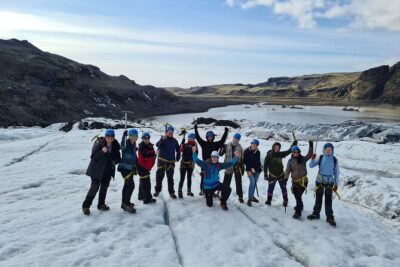
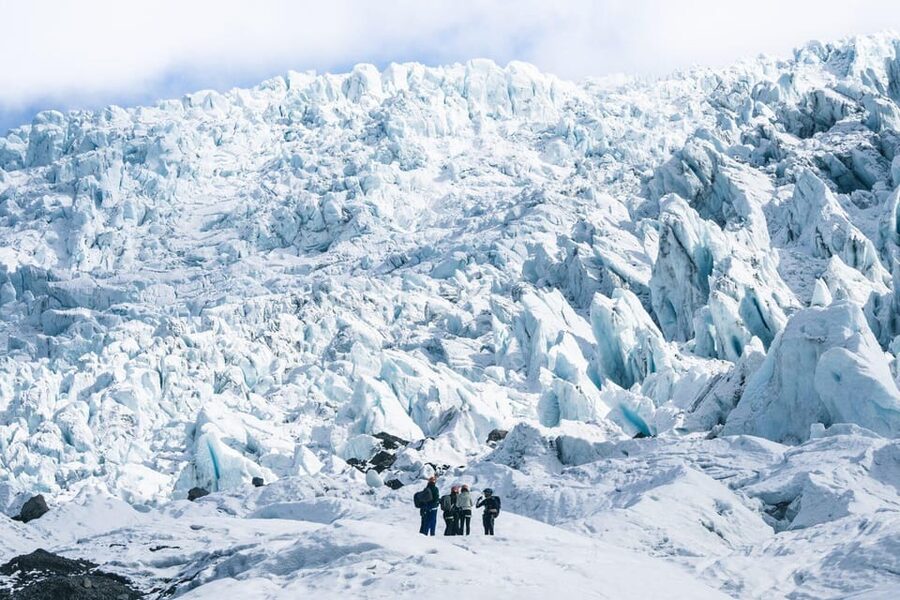
Falljökull is not a gentle stroll across a flat sheet of ice. This moderate glacier hike takes you up through crevasses, glacial streams, ice caves, and the broken blue-white formations of Vatnajökull’s icefall. You walk on old glacier ice while the guide explains how volcanic forces, weather, and slow-moving ice have shaped the terrain.
I especially like the small-group feel and the chance to go higher and farther than the easier glacier walks. Guides such as Sara, Lucy, Josh, and Kristian have been praised for clear safety instruction, good humor, and finding memorable photo stops. The main catch is stamina: the advertised five hours can become six or seven and a half once you add equipment fitting, transport, and return procedures.
Key points at a glance
- You spend serious time on the ice: The main walk at Falljökull is planned for about four hours, with some outings lasting much longer.
- The route goes beyond the lower glacier: You may climb toward the icefall, cross uneven ice, and see crevasses, streams, caves, and waterfalls.
- Your guide handles the technical side: Crampons, a helmet, harness, and walking ice axe are included, with a full safety briefing before you set out.
- The pace is moderate, not casual: Expect roughly five to six miles of walking according to past outing details, often on steep or uneven glacier surfaces.
- Good boots are essential: Sturdy ankle-support hiking boots are mandatory. Rental boots are available if yours do not work with the crampons.
- This is for ages 14 and up: Shoe sizes must be between EU 35 and 50 because of the specialized crampons.
Why Falljökull feels different from a basic glacier walk
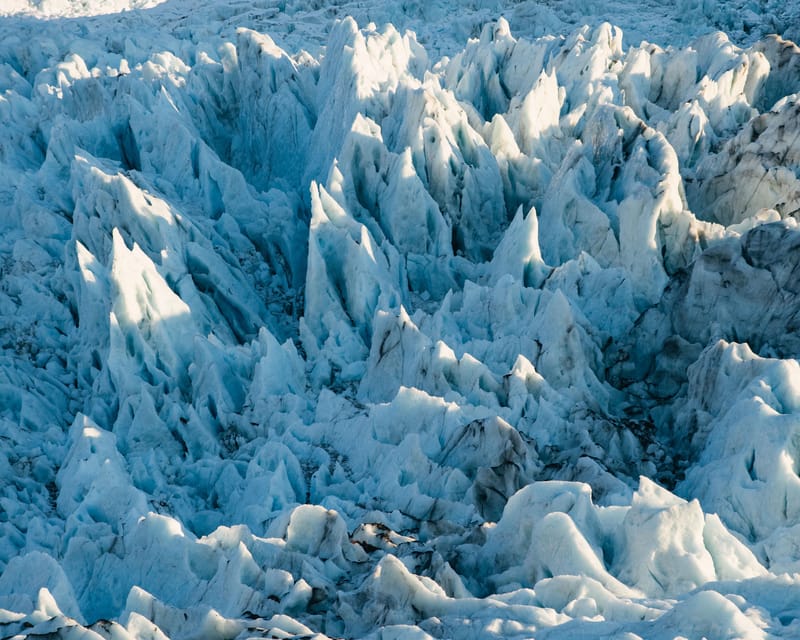
Many first-time glacier outings stay near the lower tongue, where you get a taste of walking on ice without going far uphill. This tour is designed for more. You move toward the icefall, where frozen channels and pressure have broken the glacier into sharp ridges, hollows, and towering blocks.
That extra distance matters. The lower glacier can be impressive, but the upper sections give you more changing terrain and a better sense of how active a glacier really is. The ice is not a smooth frozen road. It buckles, cracks, melts, and shifts. Your route is chosen and adjusted by the guide according to current conditions.
I like this trip because it makes the glacier a place to understand, not just photograph. You learn about moraines, glacier movement, ice formation, and the forces that keep reshaping the route. One guide even discussed Milankovitch cycles, the long-term changes in Earth’s orbit that affect climate patterns. That level of explanation gives the scenery some meaning.
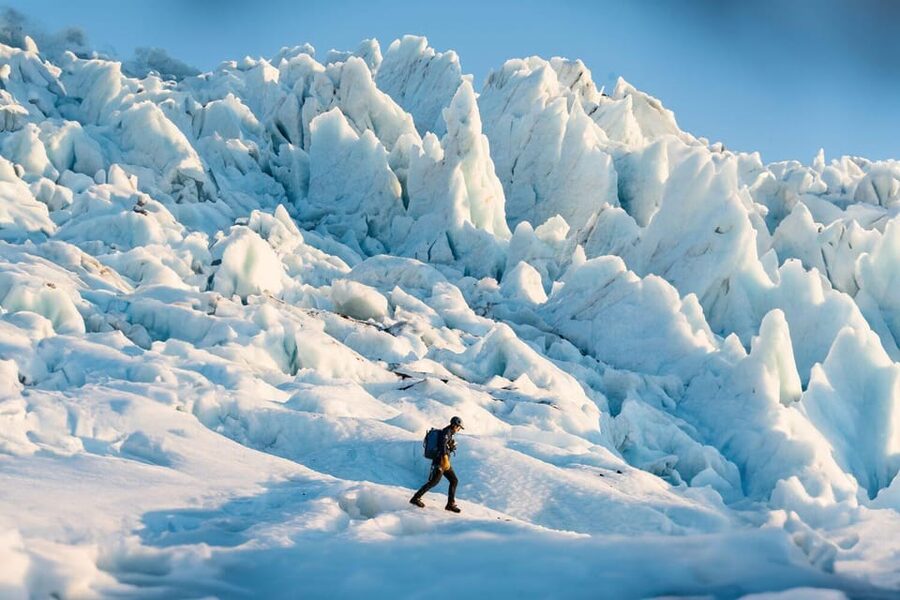
The icefall also supplies the strongest photo opportunities. Expect jagged formations, narrow passages, glistening surfaces, and broad views across the frozen terrain. The exact route will change, so do not arrive expecting one fixed set of formations.
More Glacier Hikes in Iceland
- Reykjavik: Glacier Hike, Waterfalls and Black Sand Beach
★ 4.8 · 1,285 reviews - From Reykjavik: Glacier Hike, South Coast and Waterfalls Day Trip
★ 5.0 · 915 reviews - Glacier Hike and South Coast Small-Group Tour from Reykjavik
★ 5.0 · 827 reviews
From the Skaftafell hut to the glacier foot
You meet at the Arctic Adventures booking hut in Skaftafell National Park. Allow time before departure to check footwear, organize equipment, and listen carefully to the guide. This is not the moment to arrive in a rush with loose shoes and a light jacket.
The ride to the glacier takes about 20 minutes in a 4×4 bus. This transfer saves your legs for the part that matters, but it is not the whole approach. After the vehicle drops you near the glacier, you still walk across rough glacial ground before reaching the ice itself.
That approach is part of the story. You see terrain shaped by ice and volcanic forces, rather than simply stepping from a bus onto a polished attraction. It also gives the guide a chance to explain the route and assess the group’s pace before crampons are fitted.
Conditions can change with the season, rain, melting ice, and recent weather. A stream or crossing may appear where none existed earlier in the year. Past outings have included bridges over runoff channels and careful route changes after heavy rain. Your guide’s job is to choose a safe path, not to force the advertised route when the glacier has changed.
Crampons, harnesses, and the first steps on ice
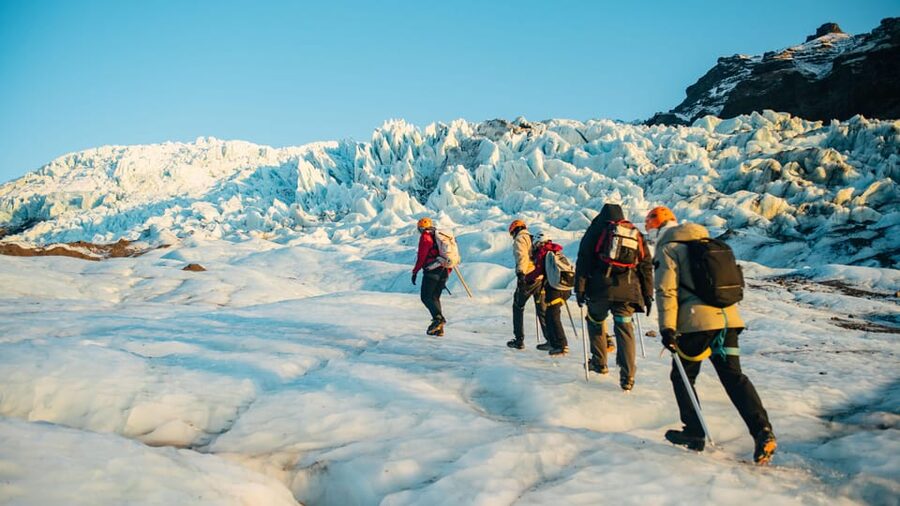
At the glacier tongue, you receive the required safety equipment: helmet, harness, walking ice axe, and glacier crampons. Your guide fits the crampons and explains how to place each foot. The first few steps can feel awkward, especially if you have never walked in metal points, but the technique becomes familiar quickly.
The harness and rope work are safety tools, not a promise of a technical climbing lesson. The normal outing is a hike rather than an ice-climbing course. Still, some groups have encountered short rope-assisted sections or optional challenges, and one outing included a surprise ice-climbing element. Treat those moments as dependent on conditions and the guide’s judgment, not as guaranteed features.
You should wear sturdy hiking boots with ankle support. The soles must work with the crampons, and the operator checks them before you go. Boots can be rented at the base if needed, but it is wise to arrange that early rather than assume your soft walking shoes will pass inspection.
The age minimum is 14. There is also a practical shoe-size limit: the crampons fit EU sizes 35 through 50. If your feet fall outside that range, you cannot take part.
Four hours around Falljökull’s icefall
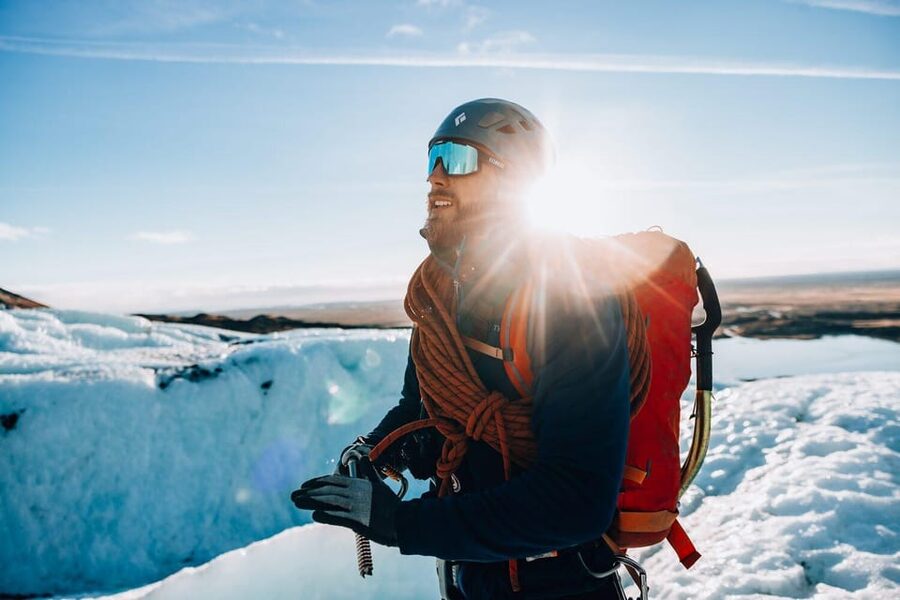
The main glacier section is the heart of the trip. The listed plan allows about four hours at Falljökull, though actual time can vary with the season and conditions. In practice, you should keep your schedule loose. Several outings took six to seven and a half hours from arrival at the base to return, including preparation, transport, and equipment return.
The route rises toward the icefall that gives Falljökull its name. You may walk up and down uneven surfaces, cross glacial streams, pass around crevasses, and look into hollows and channels carved by meltwater. Guides may cut or prepare safe steps in the ice, build crossings, or adjust the route when the surface changes.
This is why the outing feels active even when the pace is careful. You are not simply walking forward. You are learning how to place your feet, keep balance, follow instructions, and manage the slope. Descending can feel as demanding as climbing. Some guides teach a controlled downhill method that regular hikers may find useful.
The group usually stops for photos and explanations. Guides such as Lucy have been praised for finding good picture spots while still keeping everyone moving. Sara has been singled out for a calm, attentive approach, while Kristian has been praised for making a new and slightly intimidating activity feel manageable. These personal touches matter on a long outing, especially when the group has mixed hiking experience.
The main drawback is that stopping can make you cold. One past outing noted that frequent pauses became uncomfortable despite warm clothing. Bring enough layers to handle both steady walking and standing still.
More Glacier Hikes in Reykjavik
- Glacier Hike, South Coast Waterfalls & Black Sand Beach
★ 5.0 · 705 reviews - Reykjavík: Iconic Glacier Hike, South Coast & Waterfalls
★ 4.9 · 605 reviews - From Reykjavik: South Coast & Glacier Hike
★ 4.9 · 490 reviews - Reykjavík: Sólheimajökull Glacier Hike & Ice Climbing Intro
★ 4.8 · 380 reviews
What moderate means here
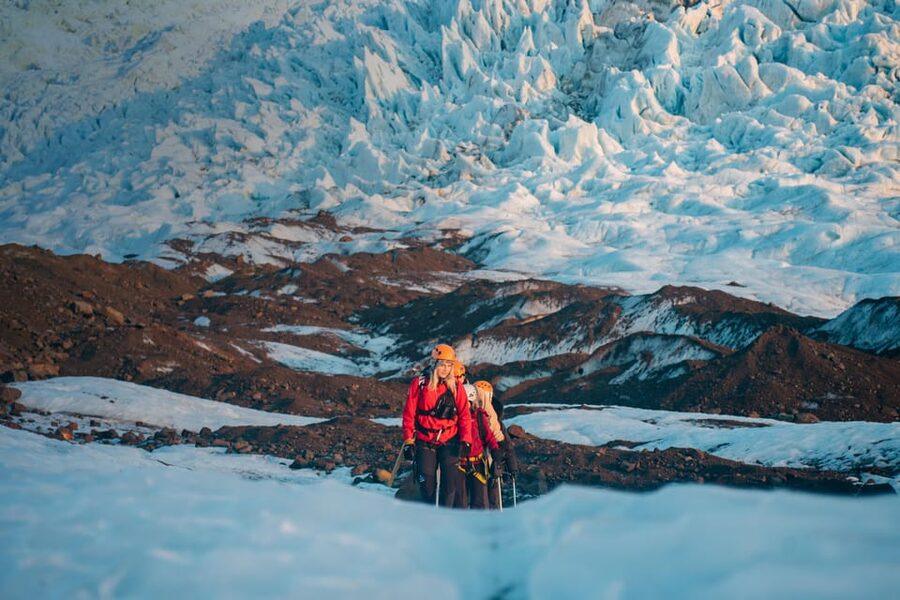
Moderate does not mean easy. It means you do not need previous glacier experience, but you do need a reasonable level of fitness and comfort on uneven ground. Past outing details describe a total walk of about five to six miles, with several hours using crampons.
You should be able to walk uphill, descend carefully, and stay on your feet for a long period. The group moves at a shared pace, so a slower participant can affect how far everyone goes. That is normal for a guided group and part of the tradeoff for having safety support.
The terrain can be physically tiring without feeling like a race. Guides control the pace and help with foot placement. They also decide when a route is safe, when a crevasse requires a different line, and when the group should turn around.
I would choose this trip over an easier glacier outing if you hike regularly and want more than a short taste of ice. I would not choose it for someone who dislikes uneven ground, has trouble walking for several hours, or expects a relaxed sightseeing stop.
The guide makes or breaks the day
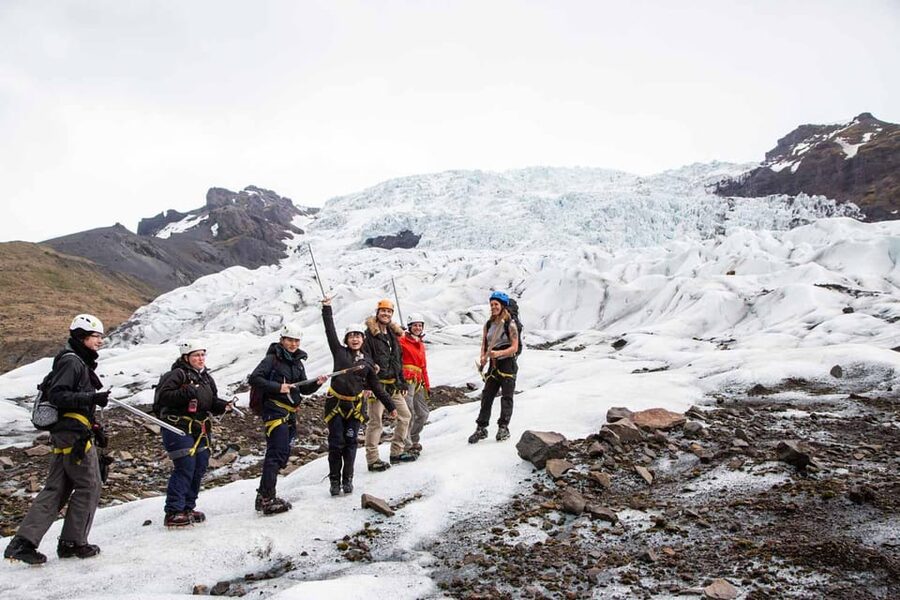
A glacier guide does more than lead from the front. The guide checks equipment, teaches crampon technique, watches the group, chooses safe crossings, and explains what you are seeing. That is a lot of responsibility on changing ice.
The strongest part of this experience is the human side. Guides including Ola, Maya, Indra, Gaby, Darragh, Martin, and Henrik have been praised for combining safety with humor and useful explanations. Josh was noted for showing more of the glacier than expected, while Kristian was described as especially reassuring during a new and exciting activity.
Names are not assigned in advance, so do not book expecting a particular guide. Still, the consistent pattern is encouraging: the guide is central to the experience, and the company appears to put real weight on route work, clear instruction, and group care.
Expect an English-speaking guide. Ask questions as you go. The best value comes from learning why the ice has its shape, how moraines mark earlier movement, and how meltwater changes the surface. You can take photos, but save your attention for the explanations and the footing too.
What to wear and pack for the ice
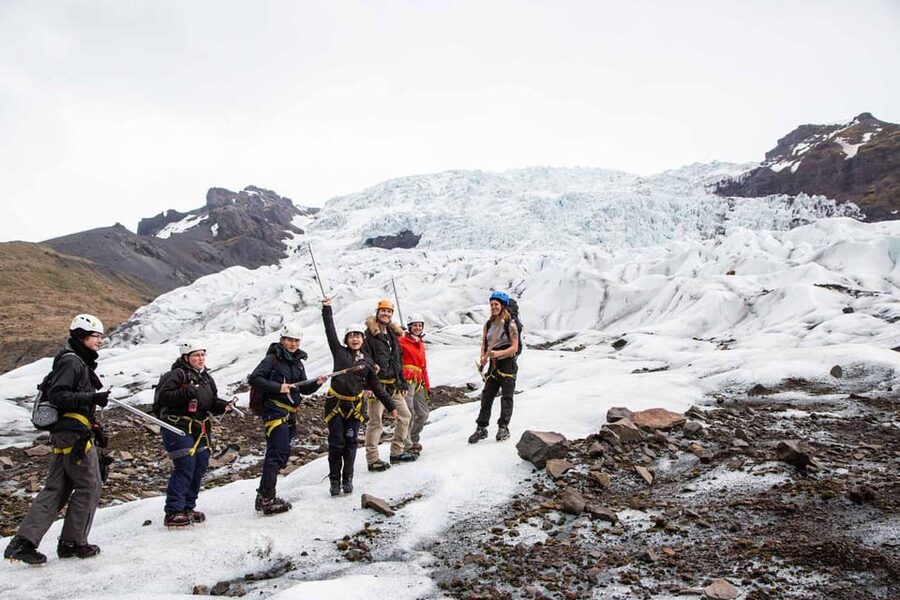
The operator supplies the technical gear, but you supply the clothing, food, and drink. Wear warm layers under waterproof outer clothing. Conditions at the glacier can feel different from those at the meeting point, and you will want options as your body warms during the uphill sections.
Pack:
- Sturdy ankle-support hiking boots, unless renting them
- Warm base layers and waterproof trousers
- A waterproof jacket
- Gloves and a warm hat
- Water and small snacks
- A small backpack for extra layers
- A camera or phone with secure storage
Snacks are important because food is not included. Several long outings lasted well beyond the advertised five hours, and steady walking on crampons uses more energy than an ordinary park walk.
Keep your pack compact. You will be wearing safety equipment and moving through tight or awkward areas. A small bag is easier to manage than a large daypack.
Alcohol and drugs are not allowed, and littering is strictly out of place on this fragile terrain. Carry every wrapper back with you.
Is the $170 price fair?
At $170 per person, this is not a cheap add-on. The price includes a certified glacier guide, guided access to Falljökull, required safety gear, and 4×4 transport from Skaftafell to the glacier. You do not need to buy crampons, a helmet, harness, or ice axe for this outing.
The value depends on what you want from Iceland. If you only want to stand on ice for a few minutes, an easier and shorter experience may suit you better. If you want several hours on the glacier, a route toward the icefall, instruction, and the ability to explore features such as crevasses and meltwater channels, the price is easier to justify.
You are also paying for judgment. A glacier is not a public footpath, and conditions shift. The guide chooses where to go, prepares safe steps or crossings when needed, and knows when a section should be avoided. That professional oversight is a major part of the cost.
Food, drinks, and rental hiking boots are extra. Build those into your budget. Also leave more time than five hours if you have a long drive, dinner booking, or another timed attraction afterward.
Who should book this hike?
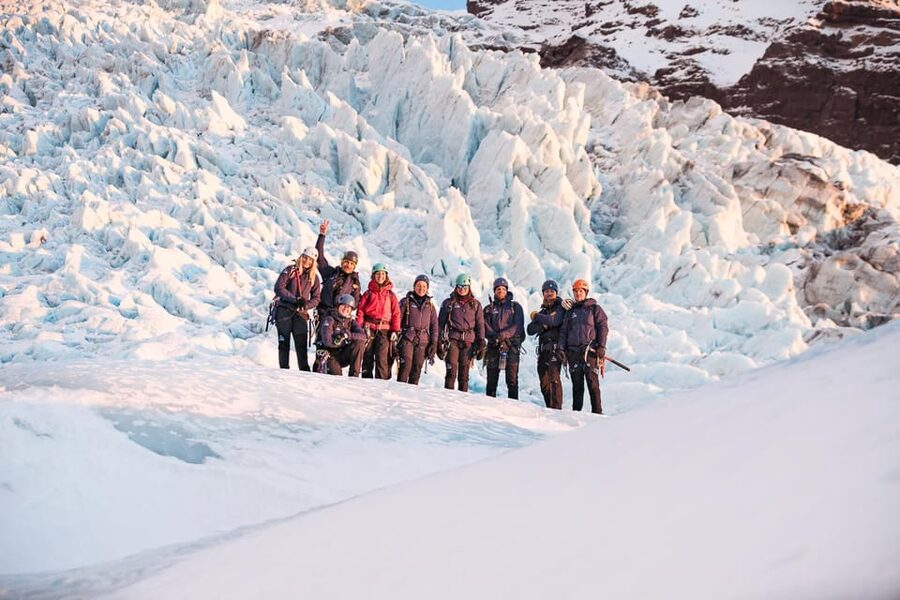
I would recommend it to active adults, older teenagers, and regular hikers who want a substantial glacier day. It suits people who enjoy learning while walking and who would rather explore changing terrain than take a short, highly predictable outing.
It is also a good choice if photography matters to you. The icefall, streams, broken ice, and higher route provide far more visual variety than a short walk near the glacier entrance. The guide can help you reach good viewpoints while keeping the group within safe limits.
I would think twice if you are under 14, outside the EU 35 to 50 shoe-size range, or uncomfortable with heights, steep uneven ice, and several hours on your feet. This is not suitable for young children, and it is not a casual photo stop.
The weather can alter the timing and route. Keep your day open and bring clothing for standing in the cold as well as walking in it.
Should you book the Falljökull moderate hike?
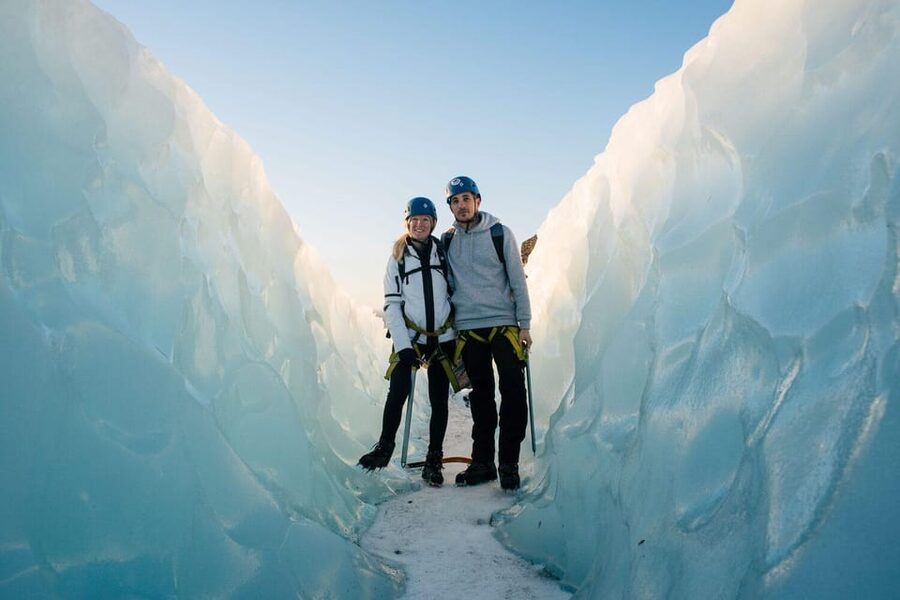
Yes, if you want the fuller glacier experience near Skaftafell and can handle a long, active day. The combination of a small group, expert route care, strong instruction, and several hours on Vatnajökull gives you more than a quick introduction to ice.
Choose another option if you want something short, have limited mobility, or need a tightly scheduled afternoon. For everyone else, the extra distance toward Falljökull’s icefall is the reason to choose this moderate tour. Bring proper boots, snacks, warm layers, and patience for a day that may run longer than the headline duration.
Cancellation is free up to 24 hours before departure, and you can reserve now while paying later. Starting times vary by season, so check the available schedule before you build the rest of your Skaftafell plans.
FAQ
How long does the glacier hike take?
The activity is listed as five hours, including about 20 minutes of transport each way and roughly four hours at Falljökull. Actual outings can take six to seven and a half hours when equipment fitting, preparation, return transport, and equipment return are included.
What equipment is provided?
The tour provides a certified glacier guide, glacier crampons, a helmet, a harness, and a walking ice axe. Transport by 4×4 bus from Skaftafell to the foot of the glacier is also included.
Do I need special hiking boots?
Yes. Sturdy hiking boots with ankle support are mandatory. The boots must work with the glacier crampons. Rental boots are available, and the crampons fit EU shoe sizes 35 through 50.
What is the minimum age?
The minimum age is 14. Children under 14 cannot join this activity.
Where does the tour begin?
Meet at the Arctic Adventures booking hut in Skaftafell National Park. The tour returns to the same Arctic Adventures base after the glacier hike.
Is previous glacier experience required?
Previous glacier experience is not stated as a requirement. The guide provides a safety briefing and explains how to use the equipment, but you should be comfortable with a moderately difficult hike over uneven terrain and able to walk for several hours.
More Small-Group Hikes in Reykjavik
- Small Group: Valley of Fire Half Day Tour from Las Vegas
★ 5.0 · 2,130 reviews - Small Group Waterfall and Rainforest Hiking Adventure on Maui
★ 5.0 · 1,417 reviews - Guided Hike through Peek-a-Boo Slot Canyon (Small Group)
★ 5.0 · 708 reviews - From Beijing: Small Group Hike at Jinshanling Great Wall
★ 4.9 · 667 reviews
More Small-Group Hikes in Iceland
- Reykjavik: South Coast, Waterfalls & Glacier Hike Small-Group
★ 4.5 · 322 reviews - Sólheimajökull Glacier Hike – Adventure in a Small Group
★ 5.0 · 799 reviews - Skaftafell Glacier Hike 3-Hour Small Group Tour
★ 4.5 · 580 reviews - Skaftafell: Extra-Small Group Glacier Hike
★ 4.9 · 501 reviews
Recently reviewed hikes in Reykjavik
- Private Jökulsárlón Glacier Lagoon 2 Day Tour & Glacier Hike★ 5.0 · 159 reviews
- Private South Coast and Glacier Hike – With photos★ 5.0 · 49 reviews
- Reykjavik: South Coast, Waterfalls & Glacier Hike Small-Group★ 4.5 · 322 reviews
- Reykjavík: Sólheimajökull Glacier Hike & Ice Climbing Intro★ 4.8 · 380 reviews
- From Reykjavik: South Coast & Glacier Hike★ 4.9 · 490 reviews
- Reykjavik: Thrihnukagigur Volcano Guided Hiking Day Trip★ 4.9 · 564 reviews
- Iceland Hiking Tour to Fagradalsfjall Volcano with Local Guide★ 5.0 · 573 reviews
- From Reykjavík: Landmannalaugar Day Hike★ 4.7 · 662 reviews
Glacier Hikes, compared.
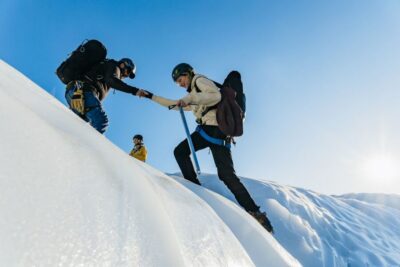
Skaftafell: Falljokull Glacier Easy Group Hike
Read our review →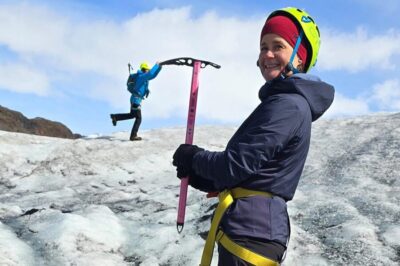
Reykjavik: Glacier Hike, Waterfalls and Black Sand Beach
Read our review →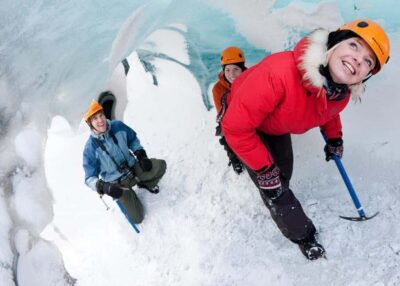
Sólheimajökull: Blue Ice Glacier Hike near Vík (Easy)
Read our review →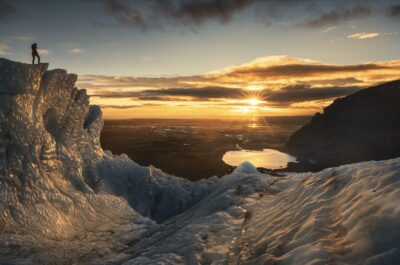
Skaftafell National Park: Falljokull Glacier Advanced Hike
Read our review →
Skaftafell: Blue Ice Glacier Hike on Vatnajökull
Read our review →
Jökulsárlón: Vatnajökull Glacier Guided Hiking Tour
Read our review →