

Review · HANOI
Sapa 3 Days 2 Nights Trekking Tour (1 Night In Ta Van Village, 1 Night In Hotel)
Sapa’s best moments come on foot, when paved town streets give way to rice terraces, narrow mountain paths, and village homes. This three-day trip gives you that change of pace without making you arrange buses, rooms, meals, luggage transfers, and a local guide yourself.
I like the sensible overnight split: one night at a hotel in Sapa, then one night in a Ta Van bungalow. I also like the guides, including Su, Cat, May, Dao, and Khu, who are repeatedly praised for patience, local insight, and helping with steep or slippery sections. The main catch is that this is a real hike, not a gentle stroll, and fog, mud, aggressive souvenir sellers, and long bus rides can shape your experience.
The Sapa trek at a glance
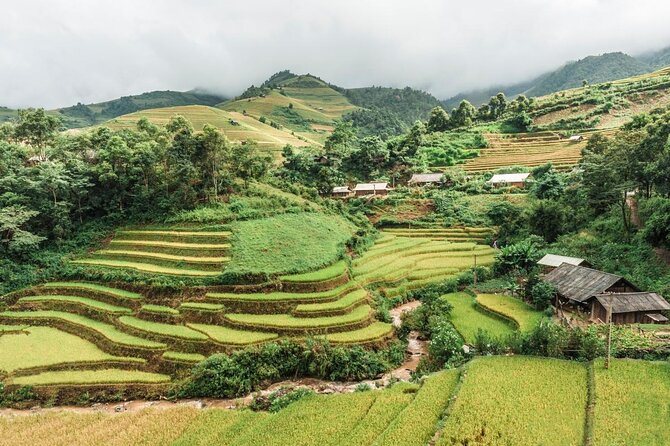
- Three days, two very different nights: Start in a Sapa hotel, then sleep in a bungalow in Ta Van village.
- Cat Cat comes first: Your opening walk covers about 3.5 kilometers and introduces Black H’mong culture near Sapa.
- The toughest day covers about 12 kilometers: Expect four hours of walking through Y Linh Ho and nearby terraces before reaching Ta Van.
- A local guide makes the difference: Guides such as Su, Cat, May, and Dao lead the walks and explain village life.
- Your luggage can travel separately: You can leave larger bags on the bus, with arrangements to move them toward the village.
- Weather matters greatly: Fog, cold, rain, and mud can hide the views and make the paths much harder.
Why this route works for a short Sapa visit

At $139 per person, this is a good-value package if you want a structured trip from Hanoi. The price covers the air-conditioned bus in both directions, Sapa transport, an English-speaking local guide, two nights of accommodation, entrance fees, two breakfasts, three lunches, and two dinners. You still pay for drinks, insurance, VAT, and personal purchases, but the major costs are handled.
The real value is time. You do not need to find a bus to Lao Cai, arrange a taxi up to Sapa, bargain for a guide, or work out how to get from one village to the next. You are collected in Hanoi’s Old Quarter around 6:00 to 6:20 in the morning and returned to the same meeting point around 9:00 at night on the third day.
That convenience comes with a tradeoff. The first and last bus rides take roughly six hours, with comfort stops along the way. Some buses are sleeper-style vehicles with beds and Wi-Fi, while the advertised service is an air-conditioned bus with comfortable seats. Experiences can vary, so do not think of the transfer as a quick shuttle. It is a long travel day in each direction.
The tour is listed as private, with a maximum of 15 people. You should still confirm the exact group arrangement and pickup details before departure, especially if you prefer a fully private guide and vehicle. Group discounts are available, and the format works especially well for friends or families who want to walk at their own pace.
More Evening Trips around Vietnam:
- Hanoi – Sapa 2 Days 1 Night Overnight At Homestay
★ 5.0 · 899 reviews - Hanoi – Sapa 3 Day 2 Night Trekking With Hotel & Homestay
★ 5.0 · 389 reviews - 2 Night Lao Chai-Ta Van Homestay- Trekking & Fansipan Visit
★ 4.0 · 8 reviews
Day one: Hanoi to Sapa, then down to Cat Cat
The morning begins in Hanoi’s Old Quarter. After pickup, you transfer to the main bus and head north on the highway toward Lao Cai. There are normally two comfort stops before you reach Sapa, which helps break up the long ride.
You arrive in Sapa around 1:00 p.m. The town sits high in the northern mountains, and the change from Hanoi is immediate. The air can be cool, the streets are often busy with people in traditional H’mong, Dao, and Tay clothing, and the surrounding hills quickly remind you that this is walking country.
Lunch and hotel check-in come before the first trek. The accommodation is listed as The View Sapa Hotel or a similar property, with rooms normally shared by two or three people. One useful detail: you can leave luggage you do not need for the walk on the bus, and arrangements are available to move larger bags toward the village.
The afternoon walk to Cat Cat Village covers about 3.5 kilometers and takes around two hours. Cat Cat is home to Black H’mong people and lies below Sapa near the bottom of a steep valley. The route includes steps and downhill walking, so your knees may notice the first day more than the distance suggests.
Cat Cat offers waterfalls, village paths, traditional clothing, and plenty of photo opportunities. It is also a heavily visited stop, with shops and a steady stream of visitors. You get a quick introduction to local culture here, but you should not expect a quiet, untouched village.
This is also where the sales pressure can begin. Local women may walk beside you, help on slippery sections, and later ask you to buy handmade goods or give money. A polite but firm no is useful. If you want to buy something, set a budget before the walk rather than feeling obliged to purchase from everyone who joins you.
Day two: the long walk from Y Linh Ho to Ta Van
Day two is the heart of the trip. After breakfast, you check out of the Sapa hotel and begin a longer walk through terraces and village paths. The route through Y Linh Ho and onward to Ta Van covers about 12 kilometers and takes roughly four hours, not counting lunch and photo stops.
This distance does not tell the whole story. The paths rise and fall, and some sections are narrow, steep, wet, or slippery. In December, fog and mud can make the walk much harder. One useful pair of trekking poles, or even a sturdy walking stick, can help with balance.
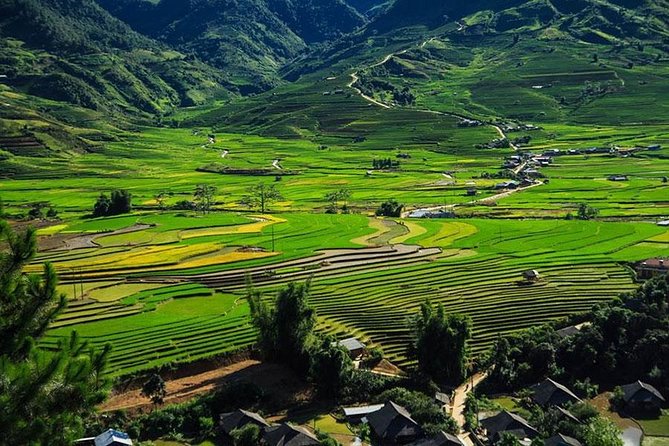
The reward is the change in scale. Sapa town fades behind you, and the walk opens onto rice paddies, mountain slopes, streams, and scattered homes. You pass through areas where the daily rhythm is tied to farming and village life rather than hotels and souvenir stalls. The scenery is strongest when the weather clears, but mist can also give the hills a moody look.
Lunch is served with a local family and includes Vietnamese dishes. You can tell the operator in advance if you are vegetarian or have other food needs. Drinks are not included, so carry some Vietnamese dong for water, coffee, or soft drinks. Food quality can be uneven, and one of the clearest cautions about this tour concerns meals that felt disappointing after a hard morning of walking. Keep expectations practical: this is included group-style food, not a restaurant tasting menu.
You reach Ta Van in the late afternoon and check into a bungalow with a Dzay family. This is the most rewarding part of the overnight arrangement for many people. Instead of returning to Sapa after the walk, you stay in the valley and have time to see a little more of village life.
The bungalow is simple but can be comfortable, with hot water reported at some homestays. You may help prepare local dishes, eat dinner with the family, and sit outside as the light fades over the hills. Bring warm clothes and do not expect hotel-style insulation. Insects are part of the setting, and rural accommodation will feel more open to nature than your first night in Sapa.
The homestay is not a staged luxury experience. That is its strength. You trade polished facilities for a closer look at how a village household receives visitors. It is still part of a well-used trekking route, so this is cultural contact within a tourism system, not complete isolation from it.
Day three: Giang Ta Chai, waterfalls, and the road back

After breakfast prepared by the family, you set out around 8:30. The route leads toward rice paddies, village paths, and the Giang Ta Chai area. You get time for photographs of the surrounding mountains and terraces before returning toward Sapa.
The walk is shorter than day two, listed at about an hour and a half for one section, but the terrain can still be wet and uneven. If the weather has been poor, the same mud and slippery ground that affected day two may continue. Do not pack away your proper shoes just because the final morning is shorter.
A waterfall is part of the route and can be a pleasant stop, especially in warmer weather. Some people swim there, though the information does not guarantee that conditions will suit swimming on every departure. Treat it as an optional chance to cool off, not the central feature of the morning.
Around 1:00 to 1:30 p.m., a bus takes you back to Sapa. You may have time to rest and shower in a public bathroom at the hotel before meeting the group again around 2:00. This is a practical arrangement, but it is not a full afternoon in town. Pack a small wash kit and a change of clothes where you can reach them.
The bus leaves around 3:00 p.m. for Hanoi, with two rest stops. Arrival is expected around 9:00 p.m. at the original meeting point. You make your own way to your Hanoi hotel, so budget for a taxi or ride-hailing service if you have luggage.
More Three-Day Trips around Vietnam:
- 3-Day Trekking Adventure of Sapa from Hanoi – Stay Ta Van Village
★ 5.0 · 611 reviews - 3 Days Small Group Trekking And Motorbike Combine + Private room
★ 5.0 · 218 reviews - From Hanoi: Sapa 3-Day Medium Trek and Limousine Trip
★ 4.5 · 59 reviews - From Marrakech: 3-Day Mount Toubkal Climbing Trek
★ 4.7 · 597 reviews
Guides such as Su, Cat, May, and Dao
The guide can shape this tour more than the hotel. Su receives repeated praise for her kindness, patience, and ability to explain Sapa while allowing time for photographs. Cat is also praised for answering questions and adapting when cold, misty weather made the walks less pleasant. May, Dao, Khu, and other local guides are noted for being friendly and helpful.
A local guide matters on these paths. You need someone who knows the route, can help with a muddy slope, and can explain the H’mong, Dao, Tay, or Dzay communities you pass through. Guides from the area can also help you understand what you are seeing instead of reducing the walk to scenery and photographs.
Communication may not be equally strong with every guide. Most guide feedback is very positive, but English ability can vary. If you have questions about customs, farming, or the villages, ask early and clearly. A good guide may also help manage the persistent sales approach along the route, though you should not rely on the guide to stop every interaction.
The biggest practical issue: weather and trail conditions
Sapa weather changes quickly. The information specifically warns about cold conditions from September through March, with fog especially common in December, January, February, and March. Clear conditions can reveal wide mountain views, while thick fog may hide them almost completely.
The rainy-season months can bring lush terraces, but wet paths may be harder. Winter can be cold and foggy, even when Hanoi feels mild. May through August has been suggested as a better period for clearer walking conditions, but weather is never guaranteed.
Pack for movement, not just photographs:
- Proper trekking shoes with grip
- A waterproof layer
- Warm clothes, especially from September through March
- A hat, scarf, and sun protection
- Insect repellent
- Personal medicine
- Vietnamese dong for drinks, purchases, and small unexpected costs
Gumboots may be available to rent or buy locally when the paths are especially muddy. That can be a sensible expense. Sneakers are a poor choice on wet terraces, and even good hiking shoes may need careful cleaning afterward.
Food, rooms, and what the $139 price covers

The accommodation is practical rather than luxurious. Your first night is in a Sapa hotel, with a standard room shared by two or three people. Your second night is in a bungalow in Ta Van village. The village stay is the more memorable one, but it also has fewer polished comforts.
Included meals cover two breakfasts, three lunches, and two dinners. The exact food is not described in detail, so you should see meals as fuel and a chance to eat local dishes rather than as a major culinary feature. Tell the operator about dietary needs before departure.
At $139, the package makes financial sense if you use most of what it includes. Transport alone from Hanoi and back takes two long journeys, and you also receive a guide, two nights of lodging, entrance fees, and multiple meals. Booking each part separately could take time and might not save much once you add local transfers.
The value is weaker if you dislike fixed schedules, shared rooms, long bus rides, or basic village accommodation. Independent hikers may prefer to spend more time in one village or choose a quieter route. This tour is built for convenience and a broad first look at Sapa.
Handling the souvenir sellers
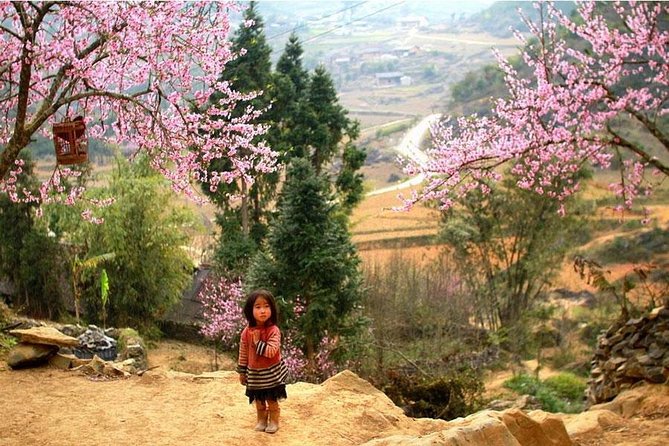
The sales pressure deserves a clear warning. Women from nearby communities may follow the group, offer a helping hand on difficult sections, and then ask you to buy their products. The attention can feel friendly at first and tiring later, especially when several sellers appear during a long hike.
You can respond kindly without committing to a purchase. Say no early, keep walking, and avoid promising to buy later. If you do want souvenirs, decide what you are prepared to spend and buy one or two useful items rather than feeling responsible for every seller.
This issue does not erase the value of meeting local people, but it changes the tone of those encounters. You should be ready for a commercial side to village tourism, particularly around the most popular paths.
Who should book this Sapa trip?
I would choose this tour if you are moderately fit, want a local guide, and prefer someone else to organize the transport and rooms. It suits first-time visitors to Sapa who want both a hotel and a village overnight, rather than two nights in town.
You should be comfortable walking for several hours over steep, muddy, and uneven ground. The 12-kilometer second day is the key test. If you have mobility concerns or strongly dislike slippery paths, this is not the right itinerary.
It also suits people who want a taste of local life but do not need a completely remote experience. Cat Cat and the main valley routes are popular. You will see beautiful terraces and village homes, but you will also see souvenir stalls and other groups.
The tour is also useful for anyone with limited Vietnam planning time. You leave Hanoi early, spend two nights in the Sapa area, and return without arranging separate tickets or transfers. Just remember that the final evening in Hanoi is late, and the drop-off does not include transport to your hotel.
Should you book the Sapa 3-day trek?
Book it if you want a well-organized first visit to Sapa with strong local guiding, a genuine village overnight, and plenty of walking. The high overall rating, repeated praise for guides such as Su and Cat, and the sensible mix of hotel and bungalow make the package appealing for active visitors.
Think twice if you need quiet trails, gourmet meals, luxury rooms, or guaranteed mountain views. Weather can hide the scenery, the paths can be demanding, and souvenir sellers can test your patience.
For the best chance of enjoying it, bring serious footwear, warm layers, cash, and a flexible attitude. Confirm your pickup time one or two days before departure, provide your Hanoi hotel details in Hoan Kiem, and tell the operator about dietary needs. Cancellation is free up to six full days before departure, with reduced refunds closer to the start date. If bad weather or insufficient bookings cancel the trip, you can choose another date or request a full refund.
FAQ
How long is the bus ride from Hanoi to Sapa?
The bus ride takes about six hours each way, with comfort stops. Pickup from Hanoi is around 6:00 to 6:20 a.m., and the return bus is expected to reach Hanoi around 9:00 p.m. on day three.
Where does the tour start and finish?
The listed meeting point is 30 P. Ly Thai To in Hanoi’s Hoan Kiem district. You can request hotel pickup arrangements by providing your hotel name and address in Hoan Kiem. At the end, the bus returns to the meeting point, and you arrange your own transfer to your hotel.
What accommodation is included?
You receive one night in a hotel in Sapa, usually The View Sapa Hotel or a similar property, and one night in a bungalow in Ta Van Village. Hotel rooms are normally shared by two or three people.
How difficult are the hikes?
The tour is intended for moderately fit people. Day one covers about 3.5 kilometers, day two covers about 12 kilometers and takes around four hours, and day three includes a shorter village and waterfall walk. Paths can be steep, narrow, muddy, and slippery.
Are meals included?
Yes. The package includes two breakfasts, three lunches, and two dinners. Drinks are not included. You should tell the operator ahead of time about vegetarian meals or other food requirements.
What happens if the weather is bad?
The itinerary and schedule can change because of weather or operating conditions. If the activity is canceled because of poor weather, you are offered another date or a full refund.
Recently reviewed hikes in Vietnam
- 2 Night Lao Chai-Ta Van Homestay- Trekking & Fansipan Visit★ 4.0 · 8 reviews
- From Hanoi: Sapa 3-Day Medium Trek and Limousine Trip★ 4.5 · 59 reviews
- Hanoi: 2-Day Sa Pa Guided Village & Homestay Trekking Tour★ 4.1 · 13 reviews
- 2-Day Fansipan Mountain Trek – Indochina’s Highest Peak★ 4.3 · 42 reviews
- 1-Day Sapa Long Trek – Rice Field Terrace, Ethnic Culture★ 4.9 · 62 reviews
- 1 Day Sapa Trek&Home-cooked Lunch HmongSisterHouse&Trekking★ 5.0 · 7 reviews
- Sa Pa: 6-Hours Muong Hoa Valley Trek with Local Ethnic guide★ 4.5 · 178 reviews
- Half Day Private Trekking Mu Cang Chai_Morning or Afternoon★ 5.0 · 38 reviews
Hanoi Hiking Tours, compared.

Hanoi – Sapa 2 Days 1 Night Overnight At Homestay
Read our review →
Halong Bay Full Day with Kayaking, Hiking viewpoint, Cave – Deluxe To Luxury
Read our review →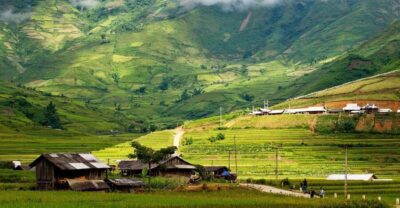
From Hanoi: 2-Day Sapa Trekking Trip with Homestay & Meals
Read our review →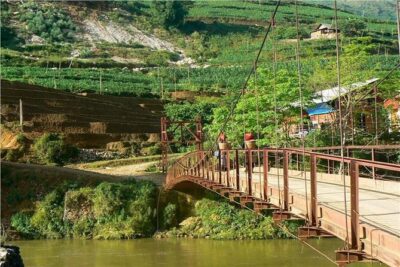
3-Day Trekking Adventure of Sapa from Hanoi – Stay Ta Van Village
Read our review →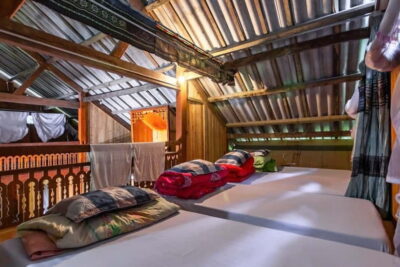
2-Day Sa Pa Ethnic Homestay Tour & Trek with Limousine Bus
Read our review →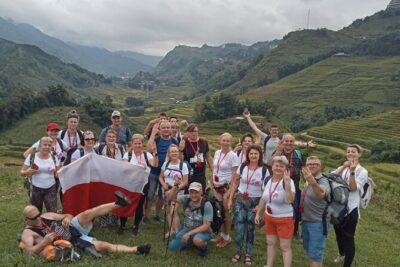
Hanoi – Sapa 3 Day 2 Night Trekking With Hotel & Homestay
Read our review →
Hanoi: 2-Day Sa Pa Guided Village & Homestay Trekking Tour
Read our review →Other lists this hike appears in