
Review · CUSCO
Machu Picchu: 5-Day Salkantay Trek with Panoramic Train
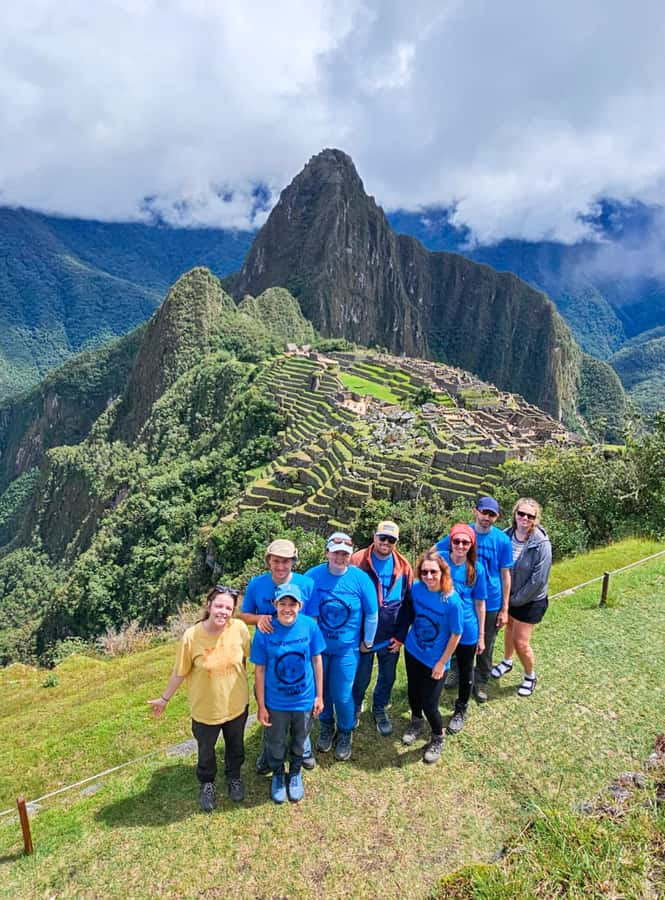
Machu Picchu is the finale, but the real story begins high above the Sacred Valley, where Humantay Lake shines turquoise and the Salkantay peaks tower over your first night’s camp. I like the mix of hard walking and thoughtful comforts: hot meals, glamping at altitude, and a team that carries the camping gear. I also like the cultural stops, especially the Pachamanca feast and coffee visit in Lucmabamba.
The catch is altitude. You reach 4,630 meters at Salkantay Pass, and the first day already climbs to 4,200 meters at Humantay Lake. This is a demanding trek, not a sightseeing stroll, and the non-refundable booking policy means you should be sure your body and schedule are ready.
Key points to know before booking
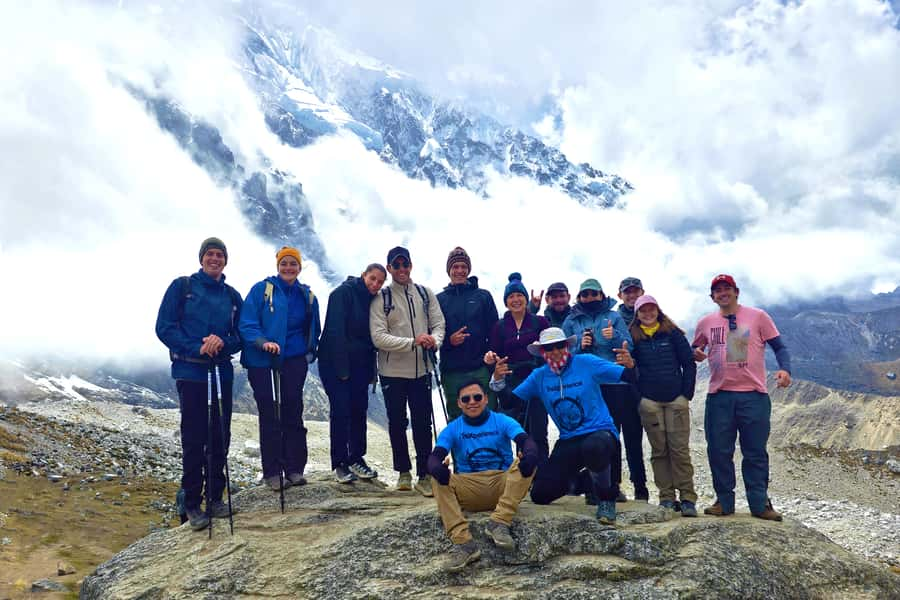
- The highest point is 4,630 meters: Salkantay Pass is the trek’s toughest physical test, with thin air and a long descent afterward.
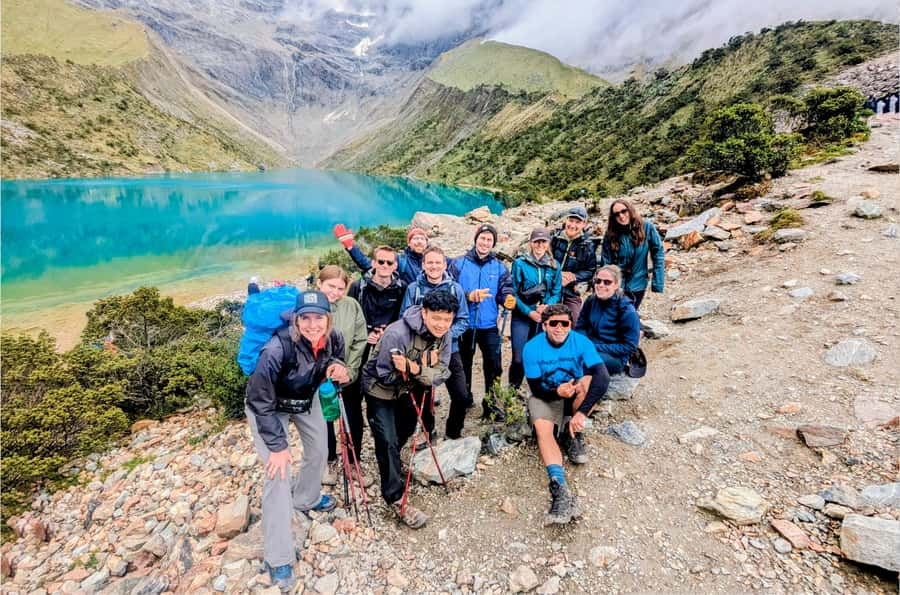
- Humantay Lake comes on day one: You climb to 4,200 meters before settling into a glamping camp at 4,150 meters.
- Llactapata gives you an early Machu Picchu view: You camp with the citadel in the distance, a quieter and more unusual approach than arriving only by train.
- Food is a major strength: Chefs prepare fresh meals, snacks, hot drinks, vegetarian choices, and a traditional Pachamanca barbecue.
- The small group is limited to 16 people: Guides such as Cesar, Roger, José, Gilbert, and Elias have been praised for care, humor, and support at different walking speeds.
- The return is comfortable: After Machu Picchu, you ride a Vistadome or 360° train to Ollantaytambo before a private van returns you to Cusco.
The Salkantay route in five demanding, rewarding days
This five-day trip costs $655 per person and covers far more than the walk itself. Your price includes permits, Machu Picchu entry, a professional guide, transport, four nights of accommodation, meals, snacks, drinking water, a duffle bag service, and the return train.
That matters because a self-organized version would require you to arrange several moving parts: mountain transport, camps, cooks, porters or muleteers, Machu Picchu tickets, buses, and the train. Here, the group is limited to 16, and the support crew handles the heavy camping equipment while you carry a daypack.
I especially like the way the route changes character. You begin among high Andean peaks and glacial water, cross a cold mountain pass, then descend into cloud forest with waterfalls, coffee farms, orchids, and birds. By the end, the terrain has shifted again to the Urubamba River and the stone terraces of Machu Picchu.
The trade-off is a packed schedule. Early starts, long walking days, high altitude, and fixed train times leave little room for a slow morning. You should come prepared to walk, rather than hoping the scenery will do all the work.
More Machu Picchu and Inca Trail Treks in Peru:
- Salkantay Trek Challenge – 3 Days / 2 Nights
★ 5.0 · 101 reviews - Choquequirao Trek 4 days and 3 nights
★ 5.0 · 81 reviews - Ancascocha Trek To Machu Picchu 4 Days And 3 Nights
★ 5.0 · 77 reviews
Day one: Humantay Lake and a night under Salkantay
The day begins with pickup near Cusco’s historic center at about 4:30 a.m. A three-hour drive takes you to Mollepata for breakfast and a meeting with the trekking team. This early start is tiring, but it gets you onto the trail before the day grows warmer.
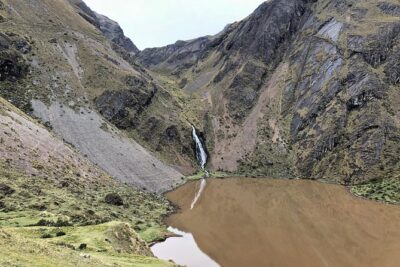
From the trailhead, you hike for about three hours to Humantay Lake at 4,200 meters. The turquoise water sits below steep mountain slopes, and this is one of the trek’s most memorable stops. It is also an early warning about altitude. Some people have struggled with headaches and altitude sickness on this section, so take the pace seriously, drink water, and use any medication prescribed or recommended for you by a medical professional.
After enjoying the lake, you descend to Soraypampa for lunch. The route then climbs gently for another two hours to the Salkantay Glamp campsite at about 4,150 meters. The large tents, warm dinner, coffee or tea, sleeping pad, pillow, rain poncho, and hand towels make this far more comfortable than basic wilderness camping.
Still, glamping does not change the conditions. This is a cold, high camp, and weather can shift quickly. Bring warm layers, a head torch, and clothing you can adjust easily. The reward is the mountain setting and a clear night sky, if conditions allow. Salkantay Mountain above camp gives this first evening a dramatic sense of place.
Day two: Salkantay Pass and the change to cloud forest
Day two is the trek’s central physical challenge. You start with coffee or coca tea, then climb toward Salkantay Pass at 4,630 meters, the highest point on the route. The air is thin here, and even a steady walker may need frequent pauses.
At the pass, you can take in the surrounding peaks and stop near a glacial lake before beginning the long descent. The route then passes through Wayracmachay for lunch. From this point, the scenery shifts as the high country gives way to cloud forest.
That change is one of the strongest reasons to choose the Salkantay route. In a single day, you move from bare, cold mountain terrain into warmer country with thicker plant life and a very different feel. By evening, you reach Collpapampa at about 2,770 meters and stay in comfortable Andean huts.
This is also a long day, and the descent can be hard on tired knees. Trekking poles are not included, but they can be rented. I would consider them useful, especially if you find downhill walking more difficult than climbing.
The support team earns its keep here. The tour includes chefs, muleteers, snacks, water, and safety equipment such as a satellite phone, first-aid kit, and oxygen tank. Guides including Roger, Cesar, Gilbert, and José have been praised for adjusting their pace, offering encouragement, and helping people who were struggling with the altitude.
Day three: Coffee, Pachamanca, and the first view of Machu Picchu
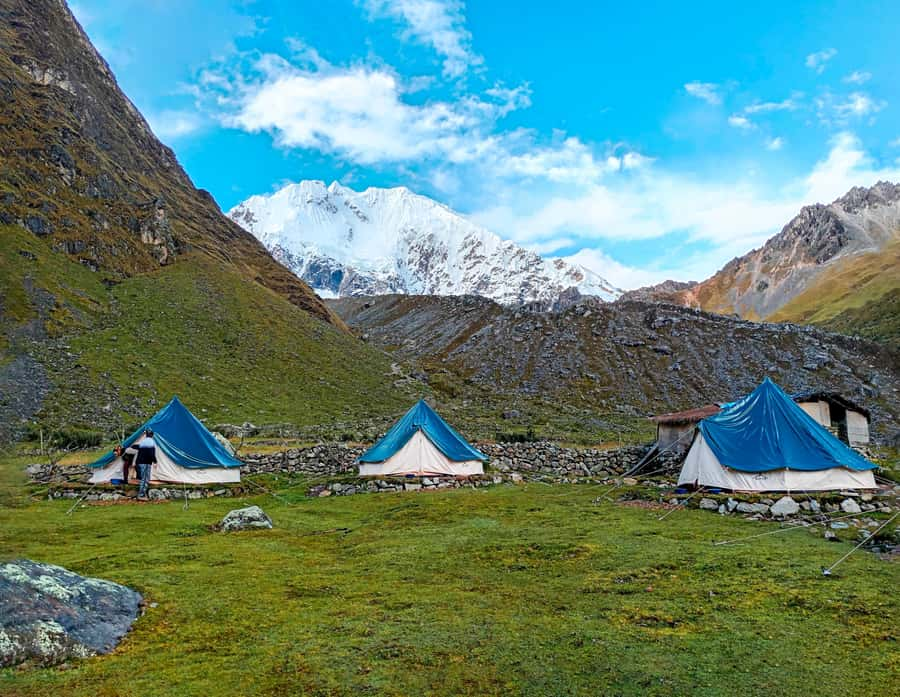
Day three feels more varied and culturally grounded. After breakfast, you follow trails across wooden bridges and past waterfalls and plantations toward Lucmabamba at roughly 2,000 meters. The lower elevation brings warmer air and a greener setting.
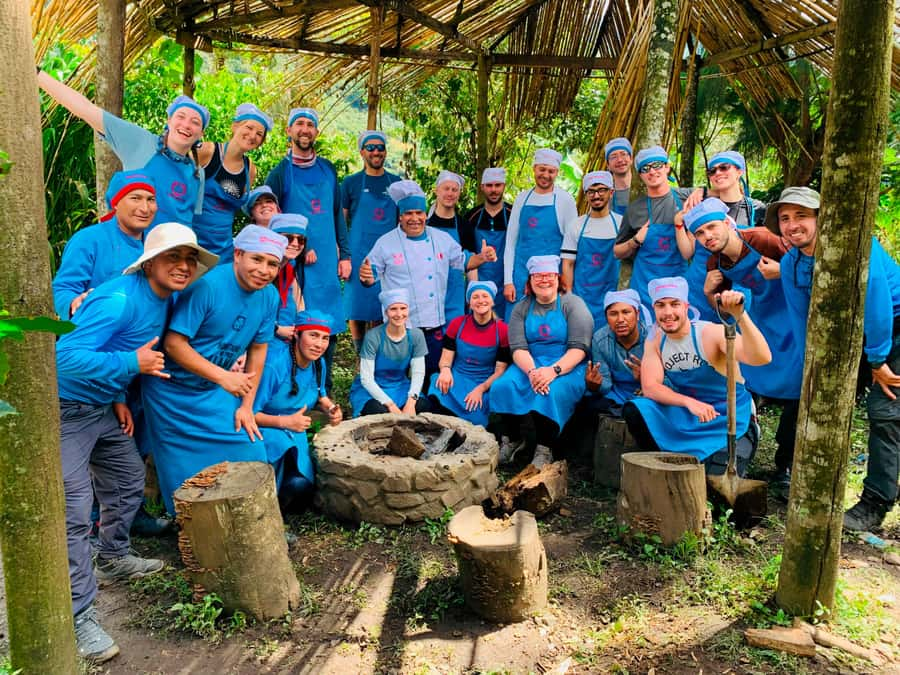
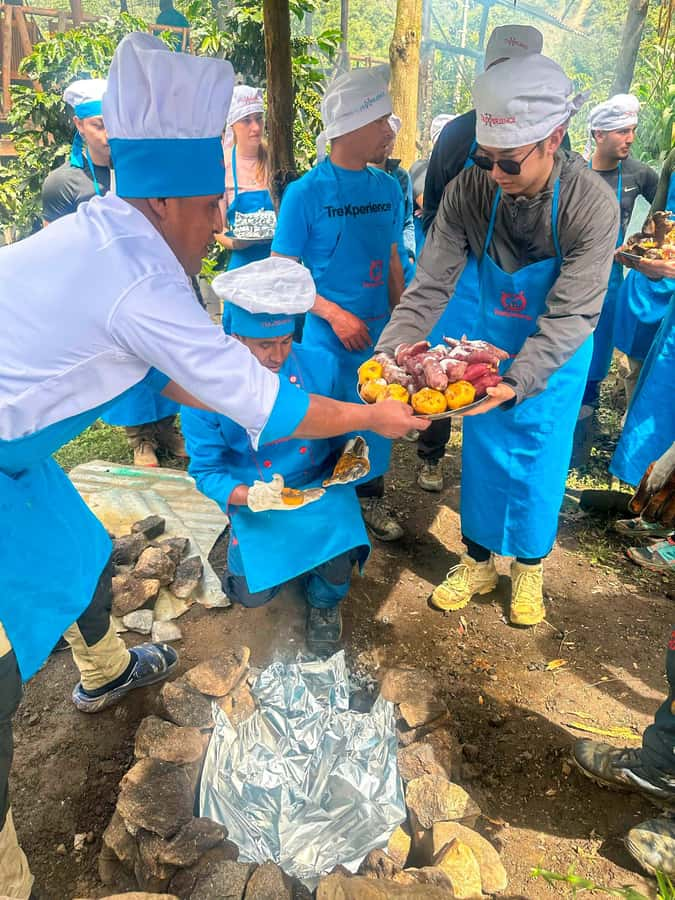
The food experience here is more than a quick lunch stop. You take part in a Pachamanca cooking experience, a traditional Andean method of preparing food in an earth oven heated with stones. The meal gives you a direct connection to local food customs, and it breaks up the walking with something hands-on and social.
You also visit local coffee farms and taste freshly brewed coffee. This is a good detail for anyone who wants more than mountain scenery. The route connects the natural setting with the work and crops of communities along the way.
In the afternoon, you follow an Inca Trail section for about three hours to Llactapata at 2,750 meters. The climb is worthwhile because Llactapata offers your first clear view toward Machu Picchu. You camp with the citadel visible in the distance, rather than waiting until the next morning to see it.
This may be the most distinctive overnight stop on the trip. Machu Picchu is not yet close in the usual sense, but seeing it from Llactapata gives you a sense of approach and scale. Accommodation is still basic compared with a hotel, so keep expectations realistic. The reward is the setting, not luxury.
One small planning point is worth noting. The order of the walking and Pachamanca experience can affect the rhythm of this day. Some people may prefer to complete more of the hike before sitting down for the main meal. Either way, the combination of coffee, food, Inca paths, and the view makes day three feel less like a simple transfer between camps.
More Train Rides around Peru:
- Saint Kitts Train Trek
★ 4.0 · 60 reviews
Day four: From Llactapata to Aguas Calientes
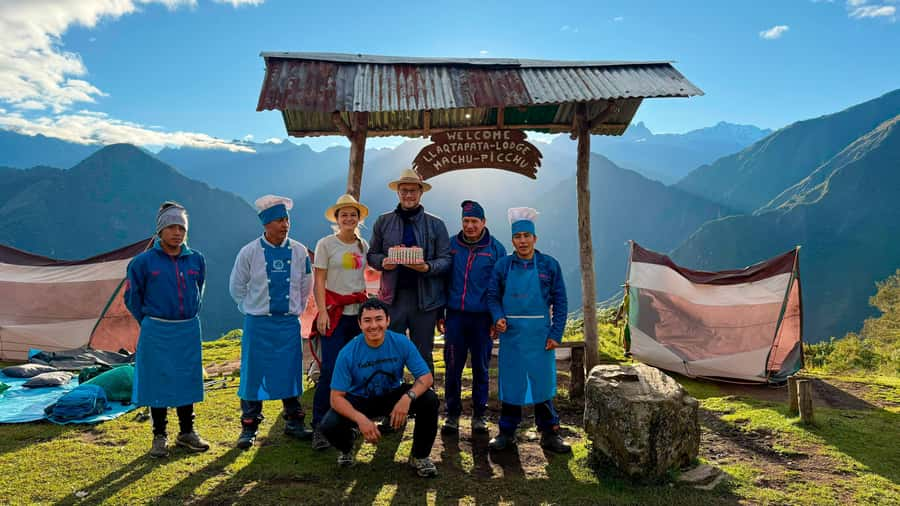
Wake up with Machu Picchu in view and coffee nearby. That quiet morning is one of the trip’s best touches, especially after the hard climb of the previous afternoon.
You descend for about two hours to the hydroelectric station, where you have a final brunch with the team. From there, the route follows the railway and the Urubamba River for about three hours to Aguas Calientes.
The railway walk is not as dramatic as the mountain sections, but it serves an important purpose: you approach Machu Picchu from below and arrive on foot rather than simply stepping off a train. The Urubamba River and surrounding plant life keep the route interesting, and a stop at Mandor Botanical Gardens adds orchids and birdlife to the day.
At Aguas Calientes, you check into a three-star hotel. This is a welcome change after the camps and huts. You can explore town, rest, or visit the hot springs before dinner at a local restaurant.
Your body may appreciate the evening off, but do not stay up too late. Machu Picchu comes early the next morning, and the final day still involves buses, a guided visit, lunch, a train, and a private van back to Cusco.
Day five: Machu Picchu and the panoramic train home
After an early breakfast, you take one of the first buses up to Machu Picchu. The early timing is designed to give you a quieter start and the chance to see morning light over the citadel.
A guided tour lasts about two to three hours. This is where having a professional guide adds real value. The stonework, terraces, temples, and setting can blur together if you walk through without context. Guides such as Klever, Renato, Miguel, and Sebastian have been praised for explaining Inca culture, answering questions, and keeping the group organized.
After the guided visit, you have time to explore on your own. Huayna Picchu and Machu Picchu Mountain are separate optional hikes, and either pass must be booked in advance. They are not included, so do not assume you can decide at the gate.
You return to Aguas Calientes for lunch before boarding the Panoramic Vistadome or 360° train to Ollantaytambo. The large windows make the ride part of the experience rather than merely a necessary transfer. A private van then takes you back to Cusco, with arrival expected around 7:30 p.m.
This is a long finish. If your onward plans begin early the next morning, the late return is worth considering. The advantage is that you avoid arranging another hotel night near the train line and complete the journey in one organized run.
Food, camping, and the support team
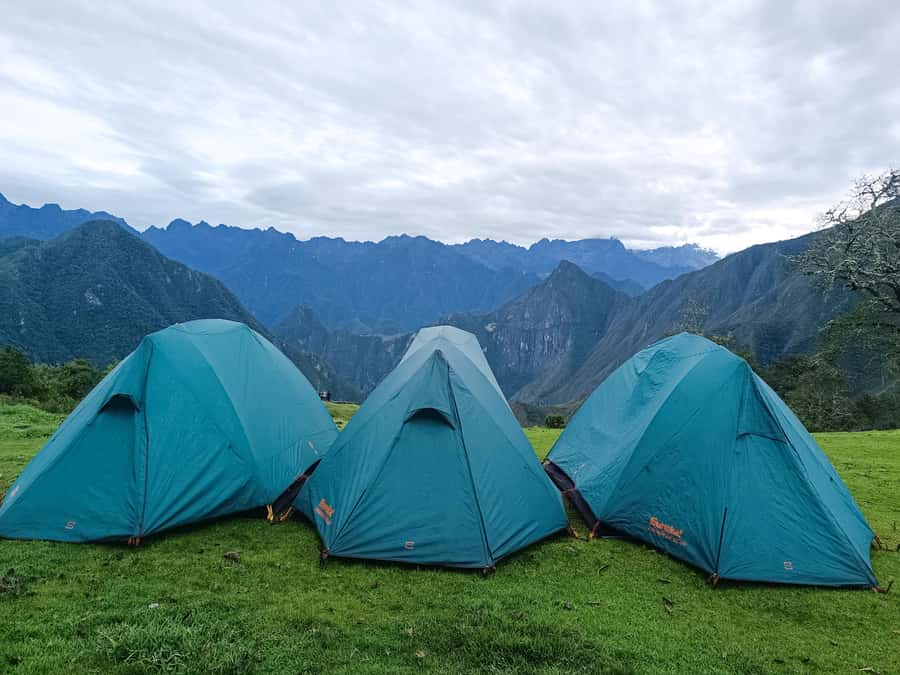
The meals are one of the clearest strengths of this trip. Experienced chefs prepare four breakfasts, three lunches, and three dinners, with water and daily snacks included. Several guides and cooks, including Ismael, Esteban, and Abel, have received especially strong praise for the quality and variety of the food.
You can expect freshly prepared dishes rather than a narrow supply of trail food. Vegetarian choices are available, and you should give dietary information when booking. The cooking matters because long days at altitude can drain your energy quickly. Snacks, hot drinks, and regular water refills help you keep moving.
Accommodation includes two camping nights, one night of glamping at Salkantay, and one night in a three-star hotel at Aguas Calientes. The day two accommodation is described as comfortable Andean huts, so confirm the exact setup if this detail matters to you.
The duffle bag allowance is up to 7 kilograms, or about 11 pounds. Muleteers carry camping gear, while you should use a lightweight backpack of no more than 25 liters for the day and for Machu Picchu, where larger bags are not permitted.
How difficult is this Salkantay Trek?
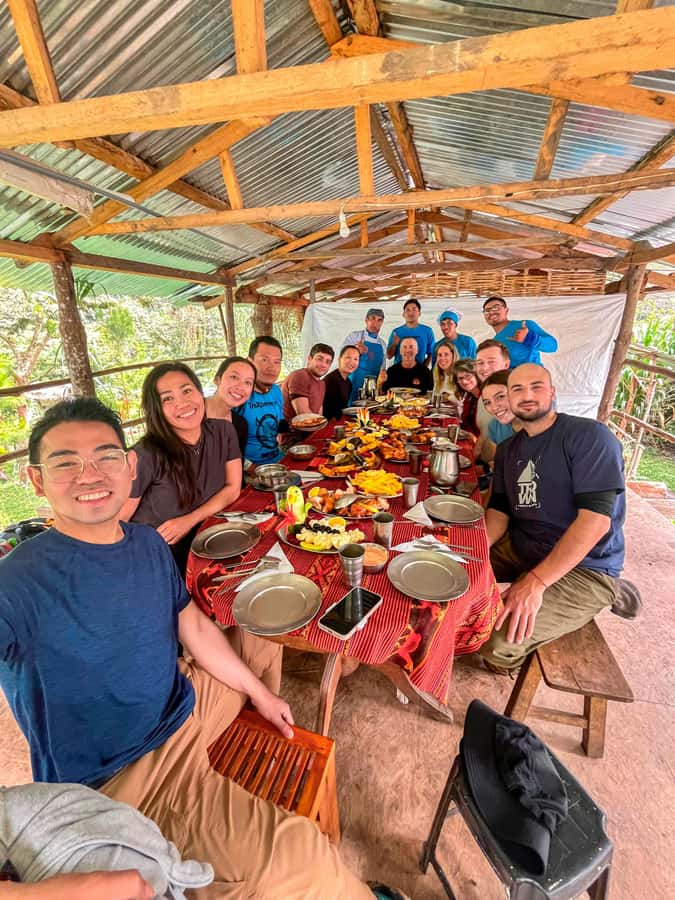
You need a good level of fitness, but the group format gives the guides room to support different walking speeds. Some people have gone ahead when they wanted a stronger pace, while others received short breaks and extra encouragement when they needed them.
The main concern is altitude, not simply distance. You reach 4,200 meters on day one and 4,630 meters on day two. Anyone with heart problems, back problems, mobility limitations, or pregnancy should not book this activity. Wheelchair users cannot take part.
Bring hiking shoes, sun protection, rain gear, warm layers, hiking pants, insect repellent, personal medication, toiletries, tissues or toilet paper, hand sanitizer, cash, and extra batteries. A sleeping bag, inflatable mattress, and trekking poles can be rented, but they are not included.
Your passport is required, and passport name, number, expiration date, and country are needed at booking. The activity is non-refundable, so consider travel insurance and your own altitude preparation before paying.
Is the $655 price good value?
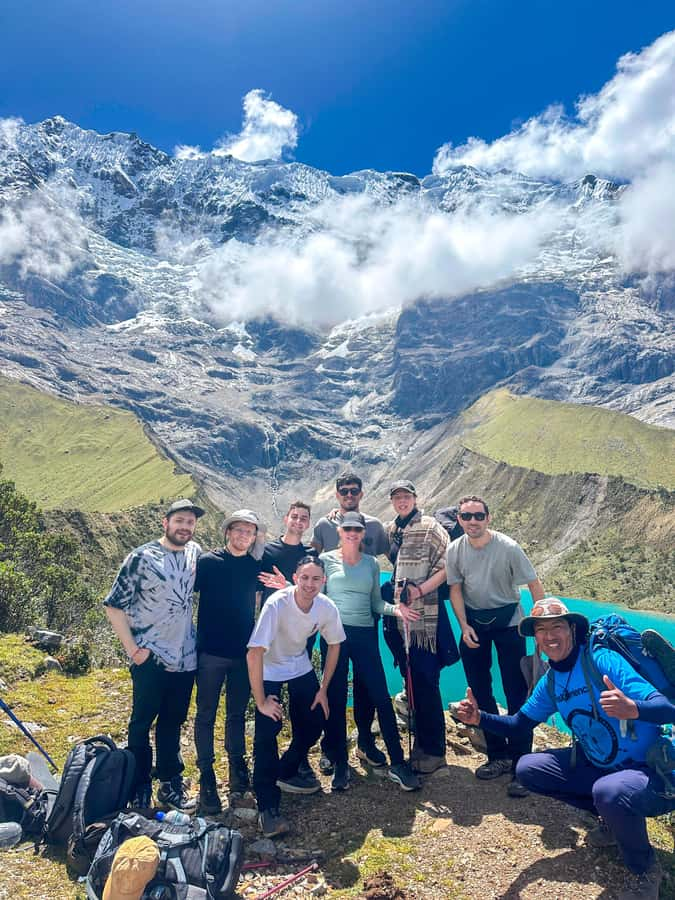
At $655, this is a strong package for the amount of support included. You are paying for a five-day route with permits, Machu Picchu entry, transport from Cusco, accommodation, meals, cooks, muleteers, a duffle bag service, safety gear, Machu Picchu buses, and a panoramic train.
The guide and kitchen teams also reduce the mental load. You do not need to work out how to move camping equipment between stops or find food after a high-altitude walking day. That convenience is especially useful on a route with changing weather and fixed train schedules.
The price does not cover a sleeping bag, inflatable mattress, trekking poles, Huayna Picchu, or Machu Picchu Mountain. Budget for those separately if you want them. Also keep cash handy in Peru, since this trip includes places where card payment may not be convenient.
Should you book this trek?
Book it if you want Machu Picchu to be the end of a real journey, not simply a day trip from Cusco. The route gives you high mountains, glacial water, cloud forest, coffee, a Pachamanca meal, an Inca site, and a train ride home, with a strong support system throughout.
I would recommend it most to active visitors who can manage long walking days and are willing to prepare for altitude. I would not choose it for a relaxed holiday, a first-time hiker who has not trained, or anyone with the listed health and mobility restrictions.
The strongest reasons to choose this trip are the Llactapata camp, the excellent food program, the small group size, and the guides’ close attention to pacing and safety. If you want those comforts without giving up the rough edges of a mountain route, this five-day Salkantay option is a well-priced way to reach Machu Picchu.
FAQ
How high does the trek go?
The highest point is Salkantay Pass at 4,630 meters. Humantay Lake reaches 4,200 meters, and the first glamping campsite is at about 4,150 meters.
Is pickup from Cusco included?
Yes. Pickup and drop-off are included from hotels or Airbnbs near Cusco’s historic center. Pickup is around 4:30 a.m. on the first day.
What accommodation is included?
The package includes two nights of camping, one night of glamping at Salkantay, and one night in a three-star hotel in Aguas Calientes. Day two accommodation is described as comfortable Andean huts.
Are Huayna Picchu and Machu Picchu Mountain included?
No. Both mountain passes require advance booking and are not included in the tour price.
What train returns to Cusco?
You return from Aguas Calientes on a Panoramic Vistadome or 360° train to Ollantaytambo. A private van then takes you to Cusco, with arrival expected around 7:30 p.m.
What languages are available for the guide?
Guides are available in English and Spanish. The group is limited to 16 participants.
More Five-Day Trips around Peru
- Annapurna base camp trek 5 Days
★ 5.0 · 252 reviews - 5-Day Pearl of Africa Chimps and Gorilla Trekking Safari
★ 5.0 · 52 reviews
Recently reviewed hikes in Peru
- Arequipa: 2-day Colca Canyon Trekking, Ending in Puno★ 4.8 · 8 reviews
- Ancash: Trekking to Paron Lagoon with Entrance | Full day|★ 4.1 · 9 reviews
- 4-hour excursion: Sillar Route with Hiking in Culebrillas★ 4.0 · 21 reviews
- 4 days/3 nights: Inka Jungle Trek to Machu Picchu★ 4.7 · 25 reviews
- Ancascocha Trek To Machu Picchu 4 Days And 3 Nights★ 5.0 · 77 reviews
- Choquequirao Trek 4 days and 3 nights★ 5.0 · 81 reviews
- From Huaraz: Hike to the Lagoon 69★ 4.4 · 121 reviews
- Full-Day Trek to Humantay Lake from Cusco with Guide★ 4.5 · 66 reviews
Machu Picchu & Inca Trail Treks, compared.
Ancascocha Trek To Machu Picchu 4 Days And 3 Nights
Read our review →
4 days/3 nights: Inka Jungle Trek to Machu Picchu
Read our review →Other lists this hike appears in