
Review · INDONESIA
Selogriyo Temple and Trekking Java Rice Terraces, hidden waterfall -Nature Java
The best part of this day is the change of pace. You leave Yogyakarta’s traffic behind and walk through working rice fields to Selogriyo Temple, a small 9th-century Hindu shrine with few visitors and wide views over the hills. Later, Kedung Kayang Waterfall gives you rushing water, fresh air, and a chance to see Mount Merapi behind the falls.
I like the quiet countryside walk and the chance to meet local farmers along the way. I also like the helpful guides, especially Arma, Didik, Sigit, and Maksi, who are praised for explaining local life, stopping for coffee, and taking photos. The main drawback is the long day: traffic can make the drives lengthy, and the walk down to the waterfall includes wet or muddy ground.
Key things to know before you book
- Selogriyo is small and peaceful: This is a modest Hindu temple in a rural setting, not a grand monument on the scale of Borobudur.
- The rice-field walk is the star: You pass paddies, vegetable gardens, coffee, banana, papaya, cassava, and corn plants.
- The waterfall requires care: Reaching the lower viewing area can involve shallow water, wet paths, and steps back uphill.
- Local coffee adds a welcome pause: Selogriyo Coffee is a popular stop with drinks and views over the fields.
- The group is capped at 10 people: That keeps the outing more personal than a large coach excursion.
- Lunch costs extra: Entry fees, taxes, and transport are included, but you pay separately for food and drinks.
A quiet alternative to Yogyakarta’s famous temples
Yogyakarta is known for Borobudur and Prambanan, but those sites can make your day feel like a procession. This trip takes you north toward Magelang, where the rewards are slower and more rural. You get a temple, but the real attraction is the walk through farmland and the chance to see how Central Java looks away from the main tourist route.
The drive from Yogyakarta is part of the experience, though it can also test your patience. Traffic is often heavy, and one account of the day noted that some road sections took more than 1.5 hours. Your air-conditioned vehicle matters here. You are not just being driven between two nearby stops, so bring water, settle in, and expect a full day out.
The tour lasts about 10 hours, with pickup and return to your Yogyakarta city hotel. The maximum group size is 10, and some departures may be much smaller. One person described having only two people on the trip, which allowed the guide to adjust the pace and make extra stops.
More Waterfall Hikes in Indonesia:
- Bali: Mount Batur Sunrise Hike and Hidden Waterfall
★ 4.8 · 591 reviews - Bali: Munduk Waterfalls Trek, Twin Lakes and Temple Tour
★ 4.8 · 545 reviews - Munduk: Twin Lake Jungle Hike, Ulun Danu Temple, & Waterfall
★ 4.9 · 536 reviews
Walking the Selogriyo rice terraces
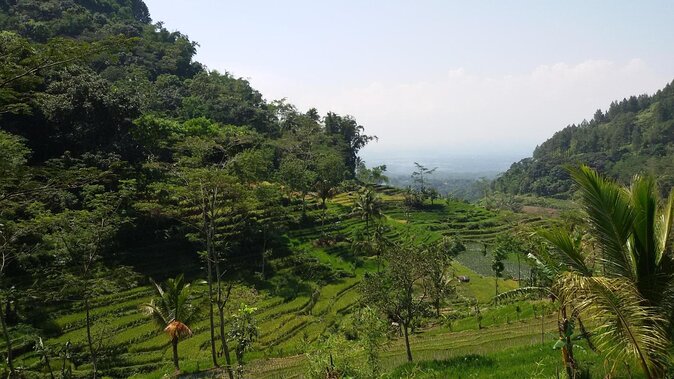
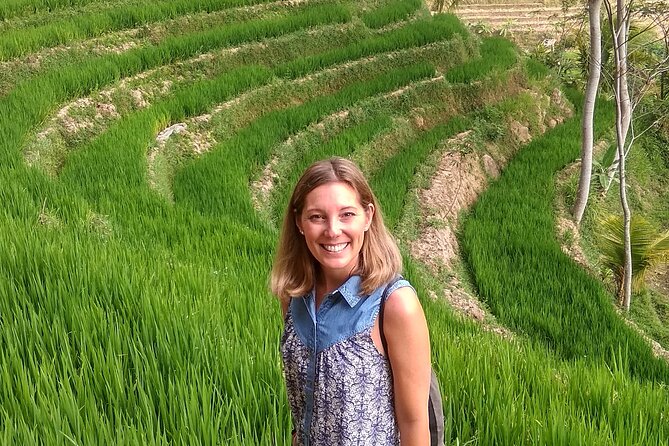
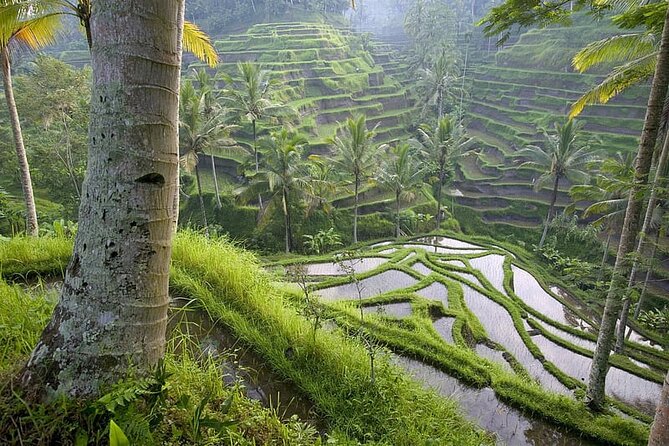
The walk to Selogriyo Temple is the most memorable section for many people. The route follows a fairly well-maintained path through terraces used for rice, beans, corn, and other crops. Vegetable gardens and fruit trees add variety, while mountain views open up between the fields.
This is not a hard mountain trek for most active visitors, but it is still a real walk. The route is generally steady rather than steep, with a short set of steps near the temple. The return walk is downhill at first, then back through the terraces. You will want shoes with a firm sole, especially if the ground is damp.
The setting changes with the season. Rice fields may be bright green, recently harvested, or patterned with young plants. Coffee trees grow in the area, and one visitor found the scent of blooming coffee plants especially memorable. You may also see locals working the fields or preparing for a village celebration.
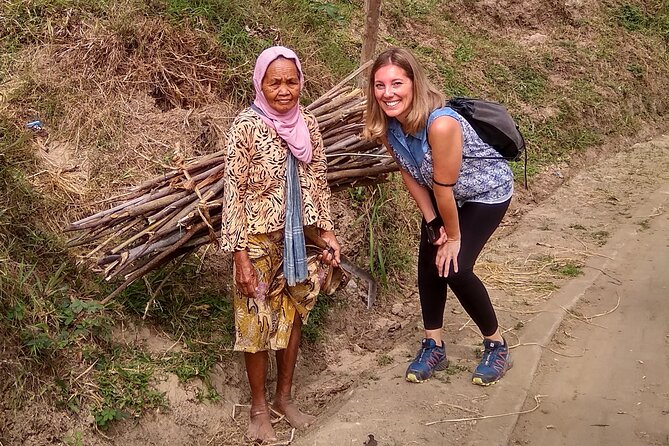
That human element is important. This is not a staged rural display. You are walking through farmland that supports local families, so your guide can help you pass through respectfully and explain what you are seeing. Guides such as Arma and Didik have been praised for talking about farming, village life, and the area’s past rather than simply pointing out photo stops.
Bring sunscreen, a hat, and sunglasses. Parts of the path are open to the sun, and the green scenery can make the walk feel easier than it is. The tour is relaxed, but you will appreciate basic fitness and comfortable footwear.
Selogriyo Temple, a small shrine with a big setting
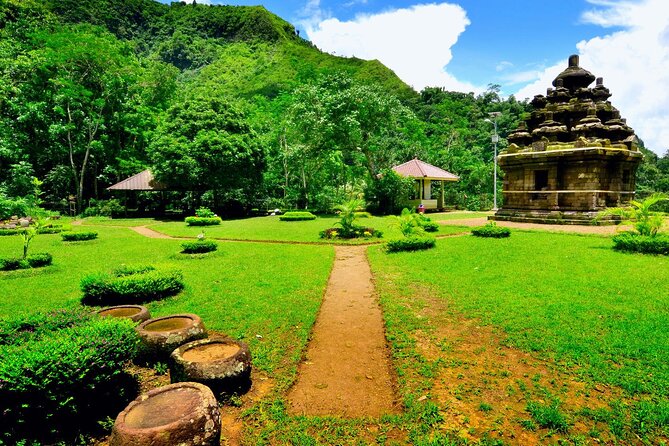
Selogriyo Temple sits near the bottom of Mount Sumbing, between the Giyanti and Condong ridges. It dates from the 9th century and has a distinctive structure surrounded by gardens and steep volcanic hills.
The temple itself is not large. If you are expecting the scale or carved detail of Borobudur, you may find it underwhelming. One person felt the temple was less impressive than the fields and waterfall. That is a fair point. Selogriyo’s appeal comes from its setting, quiet mood, and connection to the countryside rather than monumental size.
On a quiet visit, you may have the grounds almost to yourself. That makes it easier to pause, look over the green hills, and notice the contrast between the old Hindu shrine and the working fields below. The absence of large crowds is one of the strongest reasons to include this trip in a Yogyakarta itinerary.
Allow yourself time here. The tour is not designed as a quick photo stop. You can look around the temple, enjoy the gardens, and listen as your guide explains the site. Guides have also helped visitors meet local people and understand more about the area’s traditions.
Coffee and a local lunch in Magelang
The coffee stop is one of the nicest details of the day. Selogriyo Coffee grows beans on the hills behind the temple and serves drinks at a viewpoint over the rice fields. The stop gives your legs a rest after the walk and adds a taste of local agriculture to the outing.
You might also find simple snacks such as fried bananas. One visitor enjoyed local coffee with a view, while another said the coffee was a highlight of the trip. Drinks and snacks are not listed as included, so carry some Indonesian rupiah for these extras.
Lunch is also separate. Your guide may suggest a local restaurant, and Didik has taken visitors to try kupat tahu, a Magelang dish made with tofu and rice cakes in a savory coconut-sugar sauce. The exact restaurant and meal are not fixed in the details provided, so think of lunch as a flexible local stop rather than a formal part of the package.
The flexibility is useful. You can take time over the meal instead of eating from a packed schedule, but you should budget for it. The $55 price covers the vehicle, taxes, and admission fees, not lunch or drinks.
More Rice Terrace Hikes in Indonesia:
- Yogyakarta: Selogriyo Temple Tour & Java Rice Terrace Trek
★ 5.0 · 175 reviews - Sa Pa: Muong Hoa Valley Trek and Local Ethnic Villages
★ 4.6 · 864 reviews - Sa Pa: 6-Hours Muong Hoa Valley Trek with Local Ethnic guide
★ 4.5 · 178 reviews - 1-Day Sapa Long Trek – Rice Field Terrace, Ethnic Culture
★ 4.9 · 62 reviews
Kedung Kayang Waterfall below Mount Merapi
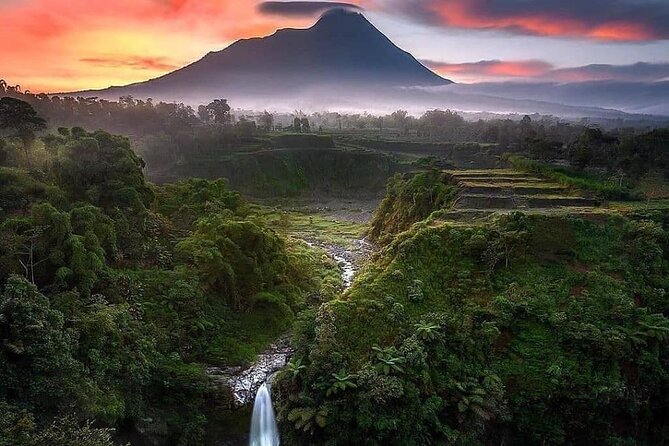
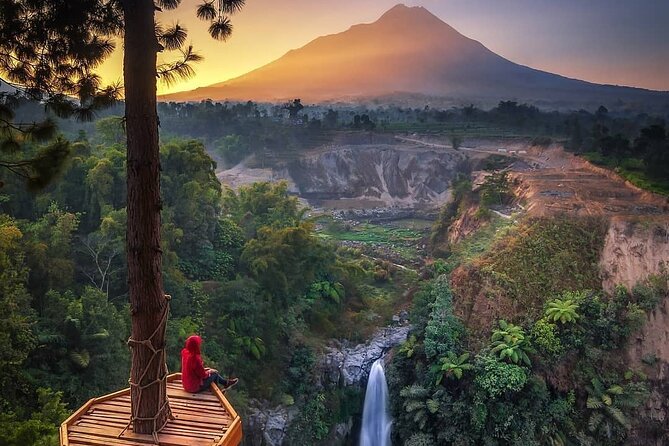
The second main stop is Kedung Kayang Waterfall, located below Mount Merapi. From the upper areas, you can photograph the falling water with the volcano behind it when the weather is clear. The combination of dark volcanic slopes, white water, and green vegetation makes this the most dramatic photo stop of the day.
You can also walk closer to the base of the falls. This is where the practical warnings matter. The route may include shallow streams, wet or muddy sections, and steps. If you go all the way down, you must climb back up, so do not treat the lower viewpoint as a flat stroll.
Wear shoes that can handle water, or bring sandals for the stream crossings. Shorts, a small towel, and a change of clothes can make the stop more comfortable. Some people may prefer to stay at the higher viewpoints, which still offer strong views and require less effort.
The waterfall can be busier than Selogriyo, especially on holidays, when local visitors come for the scenery and photo platforms. Conditions also vary. One account noted some litter around the falls, so take your rubbish back with you and do not expect a perfectly managed nature site.
The water and air can feel especially refreshing after the drive and temple walk. Guides may help with photographs, and Thomas was praised for taking pictures at the waterfall. Didik and other guides have also been described as good photographers, which is useful if you are traveling alone or want more than hurried phone snapshots.
What the guide adds to the day
The quality of the day depends heavily on the guide. The best guides do more than drive you between stops. They set a comfortable pace, explain farming and temple traditions, help with photos, and suggest food that you might not find on your own.
Arma is repeatedly praised for his friendly manner, local knowledge, and patience. Didik is described as punctual, a safe driver, a good photographer, and someone who knows the Magelang area well. Sigit is praised for explaining the region and keeping the day relaxed. Maksi was especially attentive to one visitor who was feeling unwell and even stopped at a pharmacy.
Guide assignments can change, so you cannot assume you will receive a particular person. Still, the pattern is clear: personal attention is a major part of the experience. You may have time to slow down, stop for fruit, chat with villagers, or take another photo instead of being pushed from one point to the next.
Communication before pickup may take place by WhatsApp. Confirming your pickup time and hotel the day before is sensible, particularly if you have arranged a custom morning departure.
Is the $55 price good value?
At $55 per person, this is a strong value if you want a full countryside day without arranging private transport yourself. The price includes an air-conditioned vehicle, admission fees, taxes, pickup, and return to your Yogyakarta city hotel. A maximum of 10 people keeps the group manageable.
You are paying for more than entrance tickets. The vehicle covers long rural distances, and the guide handles the route, timing, temple visit, waterfall access, and local stops. That is useful in an area where public transport would be awkward and time-consuming.
The value is less convincing if you only want a short temple visit or a quick waterfall photo. The day includes substantial driving, and lunch, coffee, snacks, and other personal purchases are extra. If you prefer a fast-paced schedule with several major monuments, this may feel too slow.
For a full day outside the city, though, the price is reasonable. It gives you a different side of Central Java and avoids the cost and planning involved in hiring a car and driver separately.
Who should book this Java day trip?
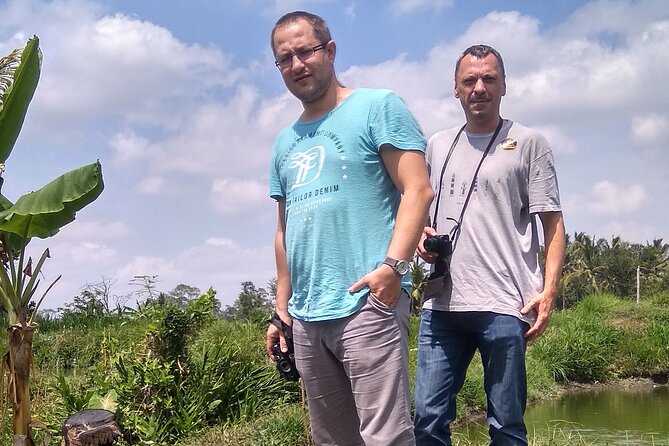
I would choose this trip if you want countryside, walking, local food, and a quieter cultural stop. It suits people who have already seen the major Yogyakarta sights or want a break from busy temple compounds.
You should be comfortable walking on uneven paths and managing a few steps. Most of the route is manageable, but the waterfall section can be slippery and tiring on the way back. Older visitors can still enjoy the day, though one couple in their 60s found parts of it challenging and were glad they continued at their own pace.
This is also a good choice for solo visitors. The small group gives you company, while the guide can help with photos and conversation. It works well for couples and friends who prefer scenery and local contact over a packed list of attractions.
I would think twice if you dislike long drives, wet paths, or flexible meal arrangements. I would also skip it during poor weather, since the experience depends on outdoor walking and the operator may cancel or offer another date when conditions are unsuitable.
Practical details for a smoother day
Wear walking shoes with good grip, and bring sandals or footwear that can get wet for the waterfall. Sunscreen, a hat, sunglasses, water, a small towel, and a change of clothes are sensible additions.
Keep some cash available for lunch, coffee, and snacks. The tour includes admission fees, but not food or drinks. If local coffee interests you, make time for the stop near Selogriyo instead of treating it as an optional afterthought.
The tour offers free cancellation up to 24 hours before the start time. Changes made inside that window are not accepted, and poor weather may lead to a different date or a full refund. Pickup is offered from Yogyakarta city hotels, so confirm that your accommodation falls within the service area.
Should you book it?
Book this tour if you want to see Central Java’s working countryside, not just its headline monuments. The rice terraces and the quiet walk to Selogriyo Temple are the heart of the day, while Kedung Kayang adds a more dramatic finish below Mount Merapi.
The main tradeoff is time. You may spend long stretches in the car, and the waterfall requires more care than its easygoing name suggests. But with the right shoes, an open schedule, and a willingness to walk slowly, this is a worthwhile $55 outing that gives you fresh air, local contact, and a calmer view of the region around Yogyakarta.
FAQ
How long does the tour last?
The experience lasts approximately 10 hours, including the visits to Selogriyo Temple and Kedung Kayang Waterfall, transport, and the return to your accommodation.
Is hotel pickup included?
Yes. Round-trip transfers are offered from Yogyakarta city hotels in an air-conditioned vehicle.
What is included in the price?
The price includes the air-conditioned vehicle, all listed admission fees, and taxes.
Is lunch included?
No. Lunch is not included. Coffee, snacks, and drinks are also personal expenses.
How many people can join the tour?
The activity has a maximum capacity of 10 people. Some departures may be smaller.
How difficult is the walk to Selogriyo Temple?
The path through the rice terraces is generally steady and fairly well maintained. There are some steps near the temple, so a reasonable level of fitness and suitable walking shoes are recommended.
Is the waterfall walk difficult?
The lower route to Kedung Kayang Waterfall can include shallow water, wet or muddy ground, and steps. You will need to walk uphill again if you go down to the base.
Can I see Mount Merapi from the waterfall?
The waterfall offers views of Mount Merapi behind it when the weather is clear. Clouds may block the volcano.
What happens if the weather is poor?
The experience requires good weather. If the operator cancels because of poor conditions, you will be offered another date or a full refund. You can cancel for a full refund if you do so at least 24 hours before the start time.
Recently reviewed hikes in Indonesia
- From Senaru: Mount Rinjani 2-Day Trek to Summit★ 4.8 · 24 reviews
- 2 Days 1 Night Orangutan Trek Bukit Lawang★ 5.0 · 23 reviews
- Mount Batur Sunrise Trekking – All Inclusive★ 5.0 · 153 reviews
- Private Mount Batur Sunrise Trekking★ 5.0 · 132 reviews
- Mount Batur Sunrise Trekking★ 5.0 · 947 reviews
- Yogyakarta: Selogriyo Temple Tour & Java Rice Terrace Trek★ 5.0 · 175 reviews
- Rinjani trekking 2D 1N RIM★ 5.0 · 94 reviews
- Rinjani Trekking 3D2N Summit★ 4.5 · 85 reviews
Waterfall Hikes, compared.
From Marrakech: Ouzoud Waterfalls Guided Hike and Boat Trip
Read our review →
Marrakech: Ourika Valley Trip with Waterfall Hike
Read our review →Marrakech: ourika valley lunch & guided hike to waterfalls
Read our review →
Marrakesh: Ouzoud Waterfalls Trip with Hike & Boat Option
Read our review →
Small Group Waterfall and Rainforest Hiking Adventure on Maui
Read our review →
Rovaniemi: Korouoma Canyon Frozen Waterfalls Hike & BBQ
Read our review →
Reykjavik: Glacier Hike, Waterfalls and Black Sand Beach
Read our review →Marrakech: Atlas Mountains & Valleys Waterfall Hike w/ Lunch
Read our review →Other lists this hike appears in