
Review · NEPAL
From Pokhara: 10-Day Poon Hill and Annapurna Base Camp Trek
The best part of this trek is the changing rhythm. You start among terraced fields and village paths, climb through rhododendron forest to Poon Hill, then walk into the high mountain bowl of Annapurna Base Camp. I like the well-spaced 10-day schedule, which gives you time to walk at a moderate pace, and the mix of sunrise views, local villages, and natural hot springs.
The main consideration is altitude and weather. Annapurna Base Camp sits at 4,130 meters, and September can bring several wet days and cloud cover. You need decent fitness, patience, warm layers, and a guide willing to adjust the plan if your body needs more time.
Key points to know before you book
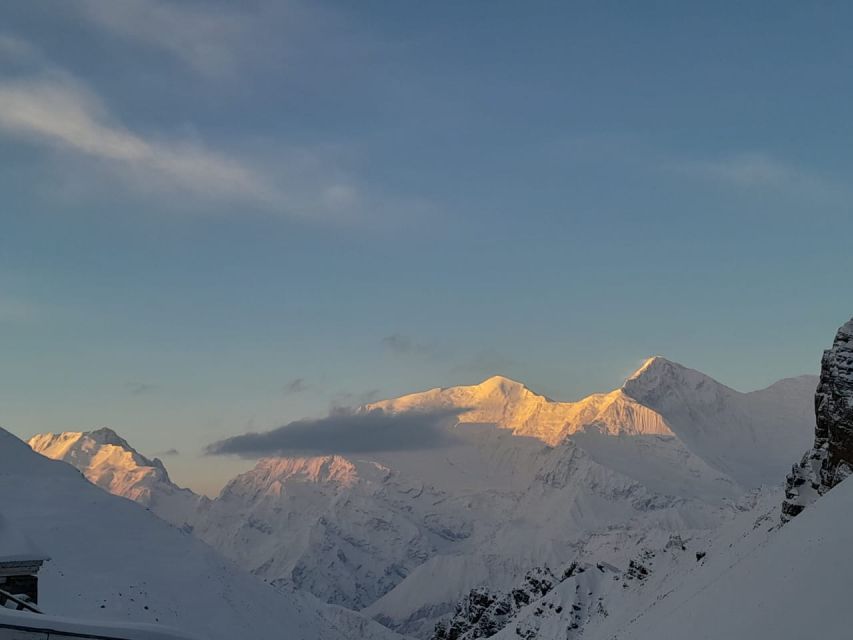
- Poon Hill comes early: You reach the 3,210-meter viewpoint at sunrise on the third morning, before continuing toward Annapurna Base Camp.
- Annapurna Base Camp reaches 4,130 meters: The final approach passes Machhapuchhre Base Camp and enters the high Annapurna Sanctuary.
- The pace is private and adjustable: Guides including Biru, Arjun, and Bikram have adapted timing and routes for slow hikers and altitude problems.
- You sleep in mountain guesthouses: Accommodation is included, but food, drinks, hot showers, WiFi, charging, and heater use cost extra.
- Jhinu Danda adds a welcome finish: After the high-altitude section, you can soak in natural hot springs before returning to Pokhara.
- The $310 price covers the essentials: Transport, guide, permits, guesthouses, first aid, and Poon Hill entry are included, but meals and insurance are not.
Why this 10-day route works so well
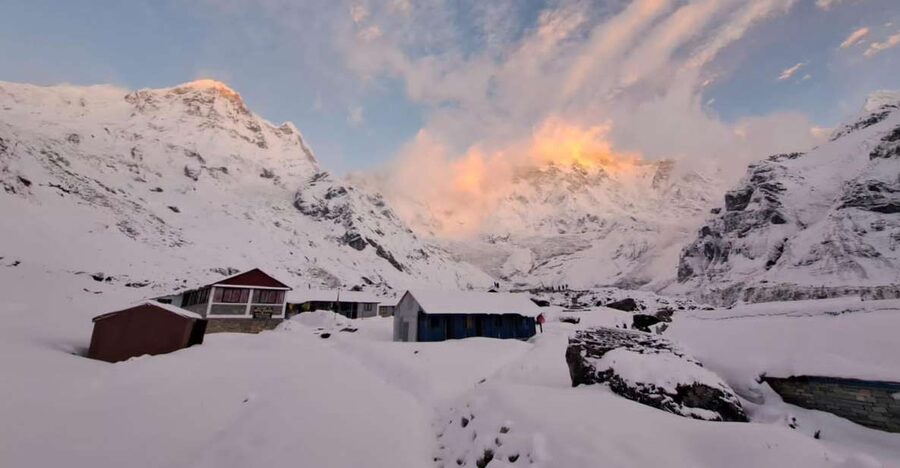
This itinerary combines two of Nepal’s best-known walks without making you rush from one viewpoint to the next. Poon Hill gives you a broad sunrise panorama early in the trip. Annapurna Base Camp gives you the more enclosed, dramatic feeling of being surrounded by high peaks.
You can see Annapurna I at 8,091 meters, along with Annapurna II, III, and IV, Dhaulagiri, Nilgiri, Annapurna South, Hiunchuli, and Machhapuchhre, also called Fishtail. The scenery changes every day, which matters on a 10-day trek. You are not repeating the same forest path for a week.
The schedule also gives your body time to adjust. One day may take three hours, another five or six, and the terrain changes from stone steps to forest trails and high valleys. That does not make the trek easy. You still face steep climbs, long descents, and thin air. It does make the challenge more manageable than a compressed itinerary.
A private group is useful here. You are not tied to the pace of a large party, and the guide can slow down when needed. One guide, Arjun, extended a trek by three days for a person dealing with altitude sickness. That kind of flexibility is far more valuable than shaving a day off the schedule.
More Annapurna Treks in Nepal:
- Annapurna Circuit Trek with Tilicho Lake
★ 5.0 · 368 reviews - Annapurna base camp trek 5 Days
★ 5.0 · 252 reviews - 14-Day Private Annapurna Base Camp Trek
★ 5.0 · 180 reviews
Day 1: Pokhara to Nayapul and Tikhedhunga
Your morning begins with pickup in the Lakeside area of Pokhara and a private car transfer to Nayapul. The drive takes about one and a half hours. From Nayapul, you start walking beside the Modi Khola and pass small villages, farm terraces, and cultivated hillsides.
Tikhedhunga sits at 1,577 meters and is your first overnight stop. This is a sensible opening day because you begin at a moderate altitude and get a feel for the trail before the harder climbs arrive.
The route can also be organized toward Ulleri, depending on the exact walking plan. Do not expect a polished resort setting. The guesthouse stay is practical, and you should buy food and drinks along the way because meals are not included in the price.
Day 2: Ulleri’s stone steps and Ghorepani
Day two brings one of the route’s clearest tests: the steep stone steps above Ulleri. Your legs will notice them. The climb is not technical, but the steps are persistent, so a steady pace is better than a heroic one-hour push.
As you gain height, the trail enters rhododendron and marigold forests, with villages appearing between sections of woodland. In spring, the rhododendrons are a major attraction, while autumn usually offers the best balance of dry weather and clear mountain views.
Ghorepani is at 2,874 meters. From here, you can look toward the Annapurna and Dhaulagiri ranges, though cloud can change the view quickly. This is your first night at a noticeably higher altitude, so drink water, keep the evening calm, and tell your guide if you feel unwell.
Day 3: Poon Hill sunrise and the walk to Tadapani
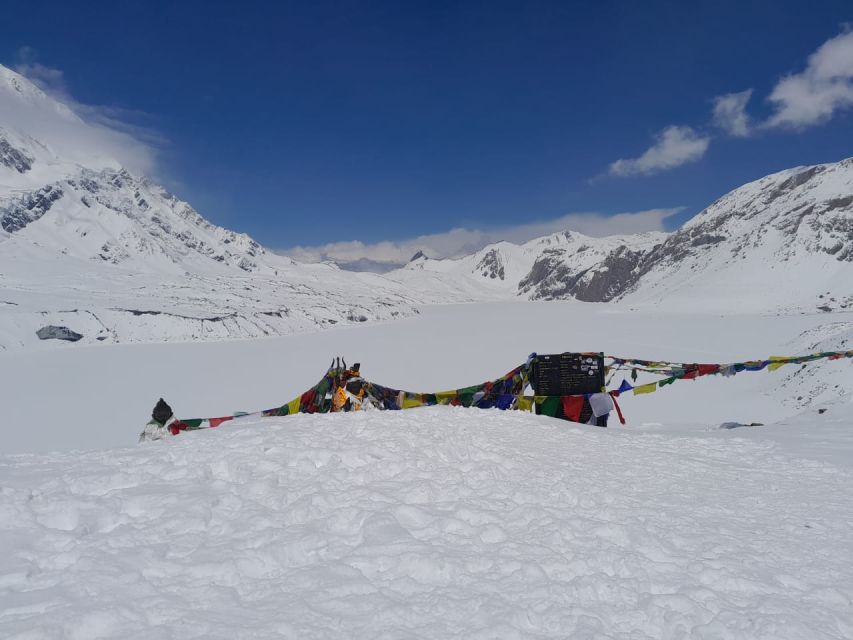
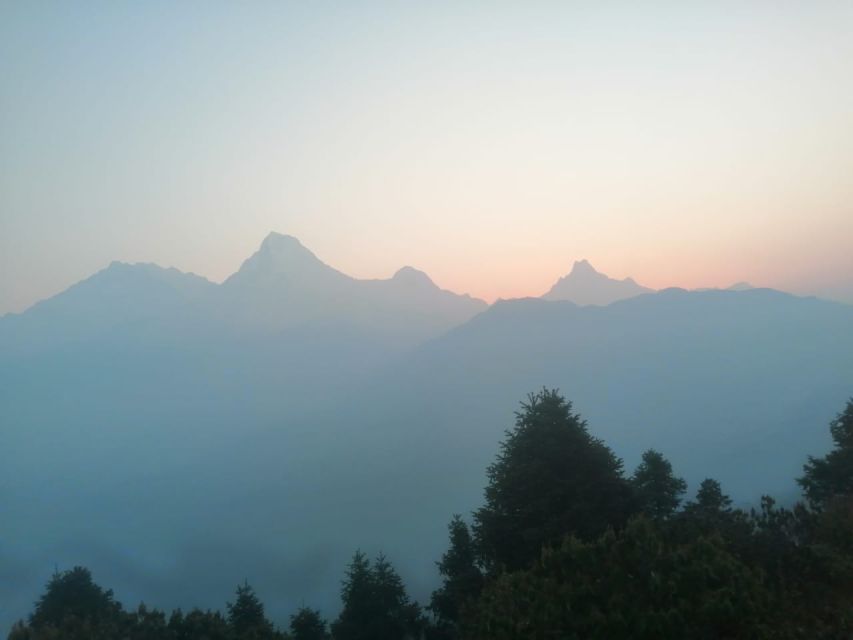
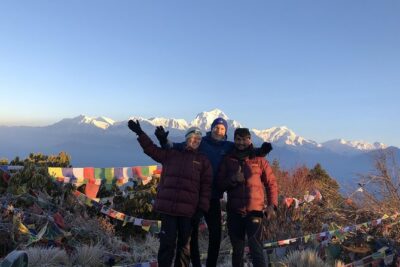
The early start to Poon Hill is one of the defining moments of the trek. You climb to 3,210 meters before sunrise, then wait for the light to reach the snow peaks. Annapurna, Dhaulagiri, and the surrounding summits can appear in layers as the sky brightens.
The viewpoint can be cold and busy, so warm clothing matters. Bring a headlamp if you have one, and keep your camera ready. The sunrise is the reason for the early alarm, but the changing color on the peaks is also a useful reminder that mountain views depend on timing and weather.
After returning to Ghorepani for breakfast, you continue through forest and rhododendron-filled valleys to Tadapani at 2,630 meters. This day combines an early uphill walk, a descent, breakfast, and several more hours on foot. It is rewarding, but it is not a lazy viewpoint morning.
More Poon Hill Treks in Nepal:
- Poon hill Trek 3 days
★ 5.0 · 176 reviews - Pokhara: 4-Day Ghorepani, Poonhill & Ghandruk Mountain Trek
★ 5.0 · 132 reviews - Ghorepani – Poon Hill Trek 3N-4D
★ 5.0 · 125 reviews - 4 Days Poon Hill Trek
★ 5.0 · 94 reviews
Day 4: Tadapani, Gurjung, and Chhomrong
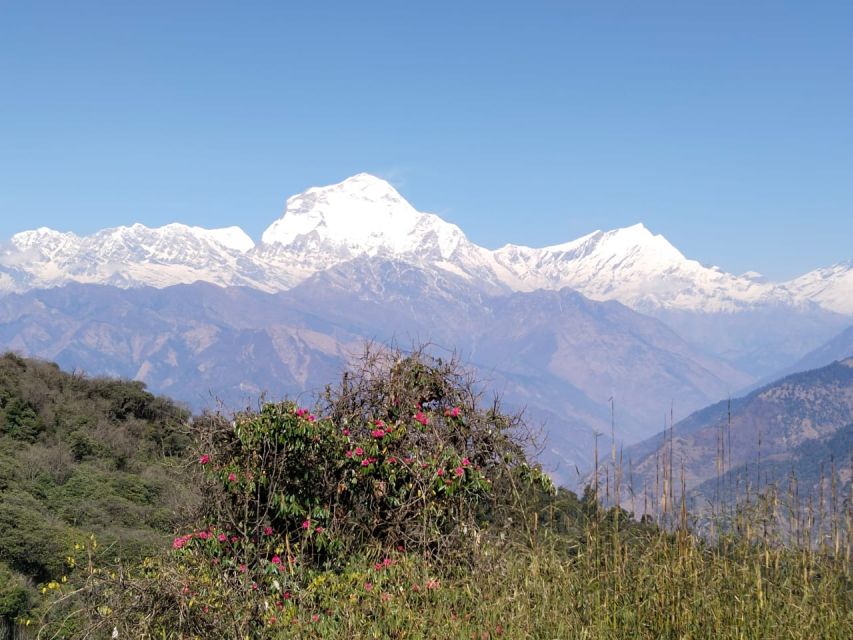
From Tadapani, the path descends through forest toward Gurjung village and the Kimrong Khola. You then climb again toward Chhomrong. This up-and-down pattern is typical of the Annapurna trails, so do not judge the day only by the final altitude.
Chhomrong is a sizeable Gurung village at 2,170 meters, with views toward Annapurna South and Machhapuchhre. It is an important stop before the route turns deeper into the sanctuary.
I like this part because the village setting breaks up the forest walking. It also gives you another chance to ask your guide about the plan ahead, check your clothing, and buy anything you need before higher prices become more common.
Day 5: Chhomrong to Bamboo
You descend from Chhomrong to the Chhomrong Khola, cross a suspension bridge, and then climb to Sinuwa. After that, the trail continues through thick bamboo and rhododendron forest to Bamboo at 2,310 meters.
This day can feel tougher than the numbers suggest. You lose height, regain it, and then continue along forested paths. The trees provide shade, but they also limit long mountain views. That is part of the route’s appeal: the trek is not a string of viewpoints. It alternates between intimate forest walking and open mountain scenes.
Bamboo is a practical overnight stop. Use the evening to rest your feet and prepare for the higher valley. From this point onward, the temperature can drop, and extra costs for hot showers, battery charging, WiFi, or heaters may become noticeable.
Day 6: Bamboo to Deurali through the Modi Khola valley
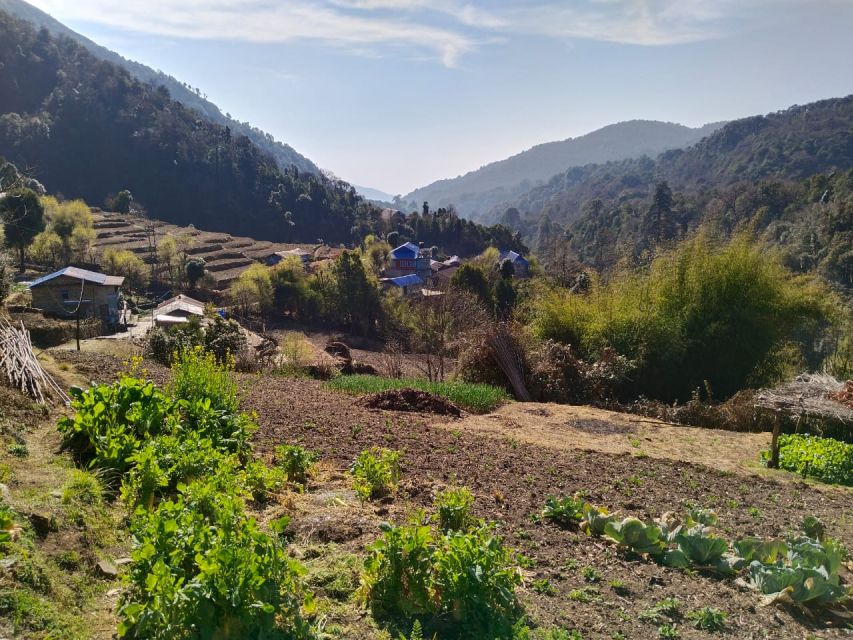
The path follows the Modi Khola valley and continues through bamboo forest. You pass the Himalayan Hotel and Hinku Cave before climbing steadily to Deurali at 3,230 meters.
This is a day to keep your pace controlled. The trail rises for much of the route, and the altitude starts to matter more. Your guide should watch for headaches, nausea, unusual tiredness, or other warning signs. Do not hide symptoms because you want to stay on schedule.
Deurali is the final overnight stop before Annapurna Base Camp. The views begin to open as the valley narrows and the surrounding peaks feel closer. Guesthouse conditions are basic, and the price of small comforts can rise at altitude. One useful budget estimate from the experience is at least $30 to $40 per day for extras such as hot showers, WiFi, charging, and heater use.
Day 7: Machhapuchhre Base Camp and Annapurna Base Camp
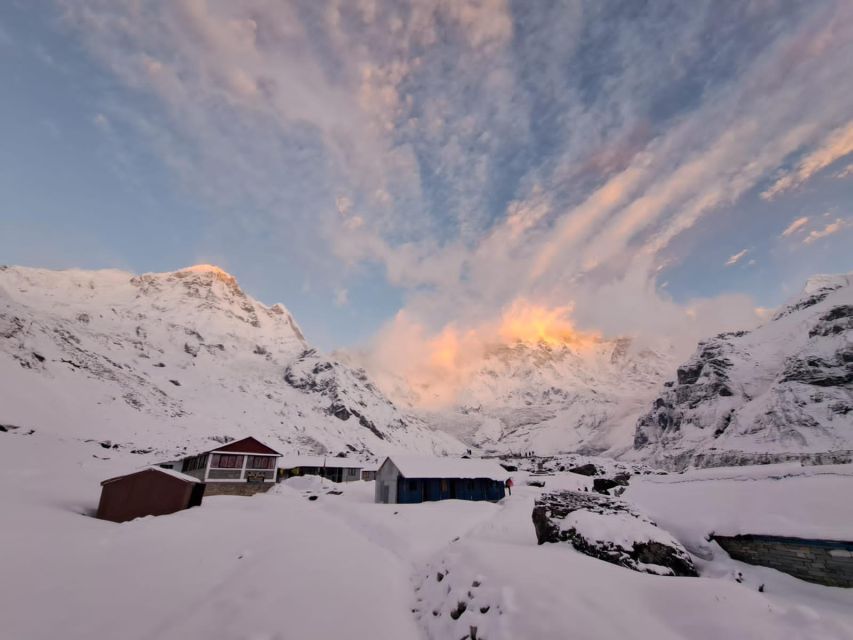
This is the big walking day. You follow a narrow valley that gradually opens into the Annapurna Sanctuary, pass Machhapuchhre Base Camp at 3,700 meters, and continue to Annapurna Base Camp at 4,130 meters.
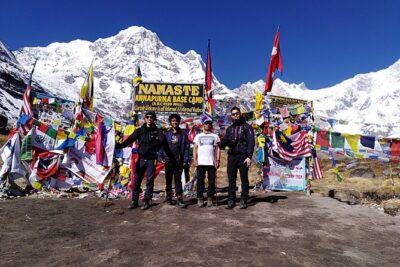
The sense of scale changes here. Annapurna I, Hiunchuli, Machhapuchhre, and other peaks rise around the high basin. You are no longer simply looking at a mountain range from a distant ridge. You are inside a dramatic bowl of peaks.
The walk requires patience. Weather can turn quickly, and clouds may hide the summits for hours. A guide with experience can help you keep moving without making you feel pushed. One useful feature of a private trek is that you can stop briefly when the scenery opens, then continue when conditions improve.
Your overnight stay at base camp is the emotional high point of the route, but it may not be comfortable in the ordinary sense. Expect cold conditions and limited facilities. Pack a warm sleeping layer and keep essentials close.
Day 8: Sunrise at base camp and back to Bamboo
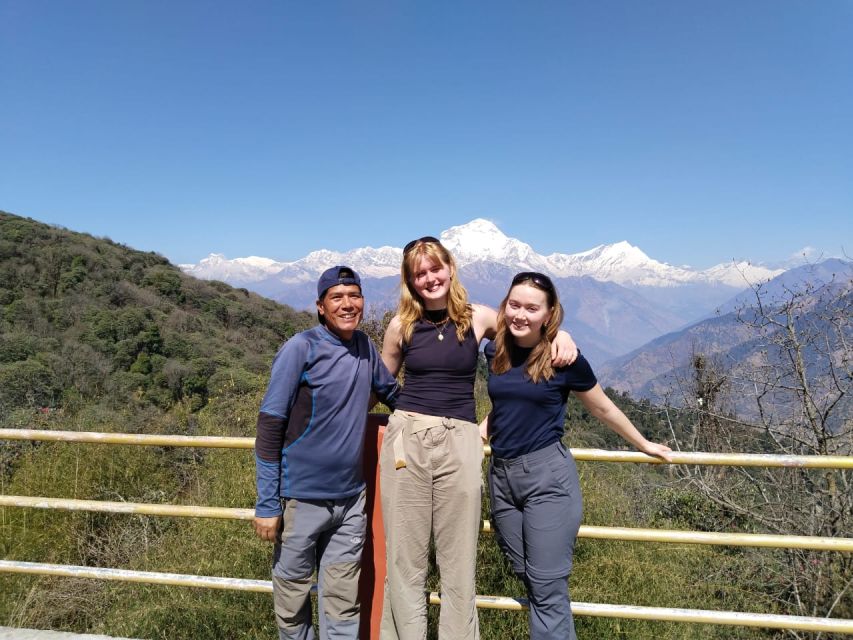
If the sky is clear, sunrise from Annapurna Base Camp can be extraordinary. The first light reaches the surrounding peaks, and the changing color gives you a second mountain moment after Poon Hill.
You then descend through Deurali toward Bamboo. The descent is easier on your lungs but can be hard on your knees, especially after the previous day. Trekking poles may help, though they are not listed as included equipment, so bring your own if you use them.
Returning to Bamboo gives you a shorter, lower night after the high point. The change in altitude should feel welcome, but keep drinking water and do not treat the descent as an excuse to rush.
Day 9: Bamboo to Jhinu Danda and the hot springs
You continue downhill through forest, return toward Chhomrong, and stop for lunch before descending farther to Jhinu Danda at 1,780 meters.
The natural hot springs are the reward here. After several days of stone steps, forest climbs, and high-altitude walking, a soak can ease tired muscles. Bring a swimsuit and a small towel if you have them, though these are not listed among the required items.
Jhinu Danda also changes the mood of the trek. The highest section is behind you, and the next day is focused on reaching the road and returning to Pokhara. Still, the descent to Jhinu can be steep, so tired legs should not assume the day is effortless.
Day 10: Jhinu Danda to Nayapul and Pokhara
Your final walking section takes you from Jhinu Danda to Nayapul. From there, the private car returns you to Pokhara.
The transfer is included, which is useful after nine days on foot. You finish close to where the route began, but with a very different view of the region. The trek has taken you from farm terraces and village paths to one of the highest mountain sanctuaries in the Annapurna area.
Guides, pace, and what the reviews tell you
The strongest part of this experience is the guiding. Biru is described as patient, organized, and attentive to comfort and safety. Arjun adjusted a trek for altitude problems, and Bikram was praised for matching pace, explaining local life and nature, and helping with a cash shortage.
Those details matter more than a polished sales pitch. On a multi-day trek, a guide handles guesthouse arrangements, explains the next day, watches your condition, and helps you make sensible choices when weather or altitude changes the plan.
The porter support can also be important, although the included details do not clearly define the porter arrangement for every booking. One account describes a porter carrying a 20-kilogram pack, while communication in English was limited. Confirm what baggage support is included before you go, especially if you do not want to carry your main pack.
Weather, cost, and daily expenses
The advertised price is $310 per person. It includes hotel pickup and drop-off within the Lakeside area, private car transport between Pokhara and Nayapul, an English-speaking trekking guide, permits and official documents, guesthouse accommodation, a first aid kit, private touring, and Poon Hill entry.
That is strong value for a 10-day private trek, provided you budget for the exclusions. Food and drinks are not included. Travel insurance is required for your own protection, and emergency rescue is not covered by the tour price. Tips are optional.
Spring, from March to May, and autumn, from September to November, generally offer the best conditions for clear views. But the mountains do not follow a timetable. A September trip can include several days of rain and only one clear day. Cloud may hide the peaks, then lift for a few minutes, so your guide’s timing and patience matter.
Plastic bottles are not allowed. Bring a reusable bottle and plan to pay for drinking water along the route. Carry a passport or ID card, a passport-sized photo, comfortable shoes, and travel insurance details.
Who should book this trek?
This route suits you if you want a serious Himalayan walk with village life, changing scenery, and two major viewpoints. It is a good fit for a reasonably fit hiker who prefers a private pace rather than a fixed large-group schedule.
It is not suitable for pregnant women or wheelchair users. You should also think carefully about the 4,130-meter altitude if you have no experience with high mountains. The guide can adjust the pace, but no guide can guarantee clear weather or prevent every altitude problem.
The trek is especially appealing if you value time. The three to six hours of walking often reported for daily stages can still feel demanding, but the 10-day design avoids packing every day with maximum distance.
Should you book it?
Book this trek if your priorities are a private guide, a patient pace, and a full route to Annapurna Base Camp, not just a short walk to Jhinu Danda. The combination of Poon Hill sunrise, Gurung villages, forest trails, Annapurna Sanctuary, and hot springs gives you a varied trip for $310 before meals and personal extras.
Ask about baggage support, expected guesthouse standards, and current road conditions before paying. Bring insurance, warm clothing, a reusable bottle, and enough money for food and mountain services. If you can accept unpredictable weather and basic accommodation, this is a well-balanced way to see the Annapurna region.
FAQ
How long is the trek?
The trek lasts 10 days, beginning and ending in Pokhara.
Where does the trek start?
You are picked up in the Lakeside area of Pokhara and driven to Nayapul, which takes about one and a half hours.
How high is Annapurna Base Camp?
Annapurna Base Camp is at 4,130 meters.
How high is Poon Hill?
Poon Hill is at 3,210 meters.
Is food included?
No. Food and drinks are available to purchase during the trek but are not included in the price.
Is accommodation included?
Yes. Accommodation in guesthouses is included.
Is transport included?
Yes. Pickup and drop-off are included, along with private car transport between Pokhara and Nayapul.
What languages can the guide speak?
Guiding is available in Nepali, English, and Hindi.
Can the trek be adjusted for a slower pace?
The tour is private, and the guide can adjust the pace. An itinerary has also been extended in response to altitude difficulties.
What is the best time of year to go?
March to May and September to November are described as the best seasons because they usually offer more stable weather and clearer mountain views. Weather can still change quickly.
Recently reviewed hikes in Nepal
- Australian Base Camp Day Hike From Pokhara★ 4.8 · 19 reviews
- From Pokhara: Budget 2 Night 3 days Poon hill trek★ 5.0 · 20 reviews
- 1 N 2 Days easy Dhampus,Australian camp trek from Pokhara★ 4.9 · 10 reviews
- Kathmandu: Nagarkot Sunrise & Hike with Lunch -Private/Group★ 4.9 · 122 reviews
- Pokhara: 2-Day Ghorephani and Poon Hill Private Trek★ 4.6 · 50 reviews
- Pokhara: 3-Day Ghorephani and Poon Hill Private Trek★ 5.0 · 58 reviews
- 4-Day Private Poon Hill Trekking Tour★ 5.0 · 58 reviews
- Private 7 – Day Annapurna Base Camp Trekking★ 5.0 · 50 reviews
Annapurna Treks, compared.
Trekking in Annapurna/Langtang/Everest/Upper Mustang regions
Read our review →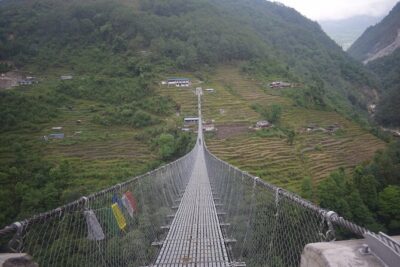
Other lists this hike appears in