
Review · REYKJAVIK
Reykjavík: Guided Afternoon Hiking Tour to New Volcano Site
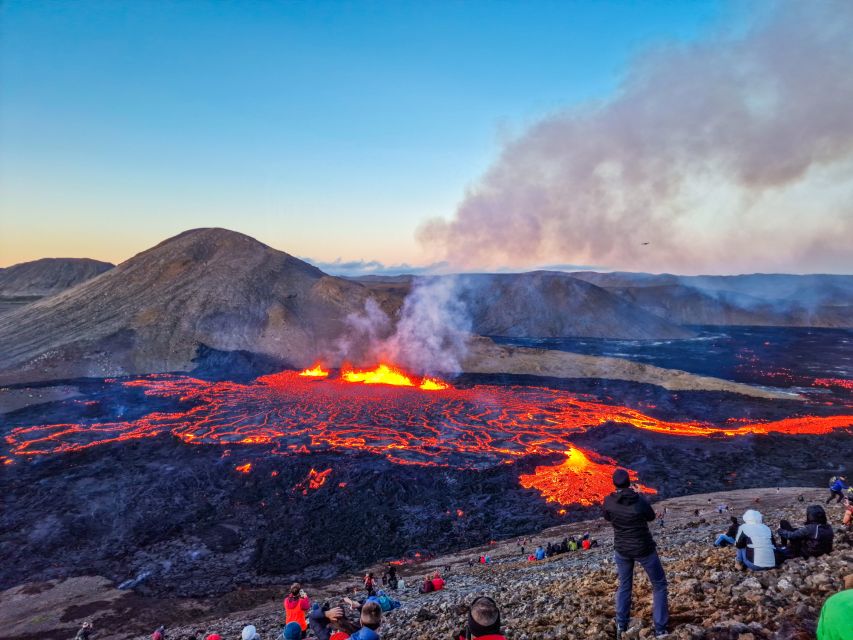
The most striking part of this trip is walking across ground that was quiet farmland or mossy lava not long ago. Around Geldingadalur, Meradalir, and Litli-Hrutur, black rock, steaming cracks, and fresh lava flows show Iceland still being built. The new flow at Litli-Hrutur has stopped at times, so do not book this expecting a guaranteed river of fire.
I like the Seltún geothermal stop, which gives you sulfur fumes and bright mineral colors before the hike begins. I also like the patient guiding style reported from people such as Tom, Alain, Elias, Dave, and Ottar, especially when weather or trail conditions force a change. The drawback is simple: this is a real hike, not a short walk from the bus. Expect about two hours each way, slippery rock, wind, and a long day.
Key points to know before you book
- Fresh lava is the main attraction: Litli-Hrutur may be smoldering, but active flowing lava depends on current volcanic conditions.
- The hike takes about three hours in the main valley stop: Allow roughly two hours or more each way to reach a good viewing point.
- Seltún adds variety: Bright mineral ground, steaming vents, and a strong sulfur smell make a useful opening stop.
- Guides make a real difference: Guides including Elias, Tom, Alain, Dave, and Ottar have been praised for safety, geology, humor, and care for slower walkers.
- Bring your own food and proper gear: There is no café on the trail, and warm waterproof clothing matters more than city sightseeing clothes.
- The tour suits fit hikers aged 12 and older: It is not suitable for people with mobility impairments or serious health limits.
Why this Reykjanes hike feels different
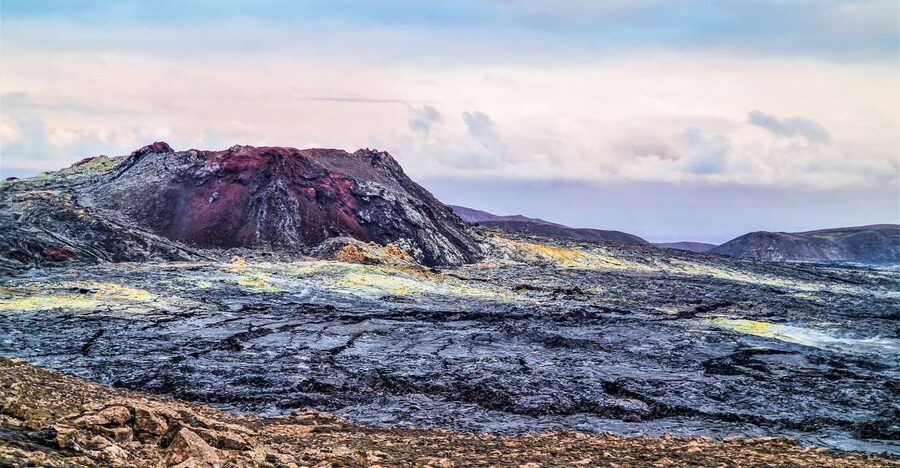
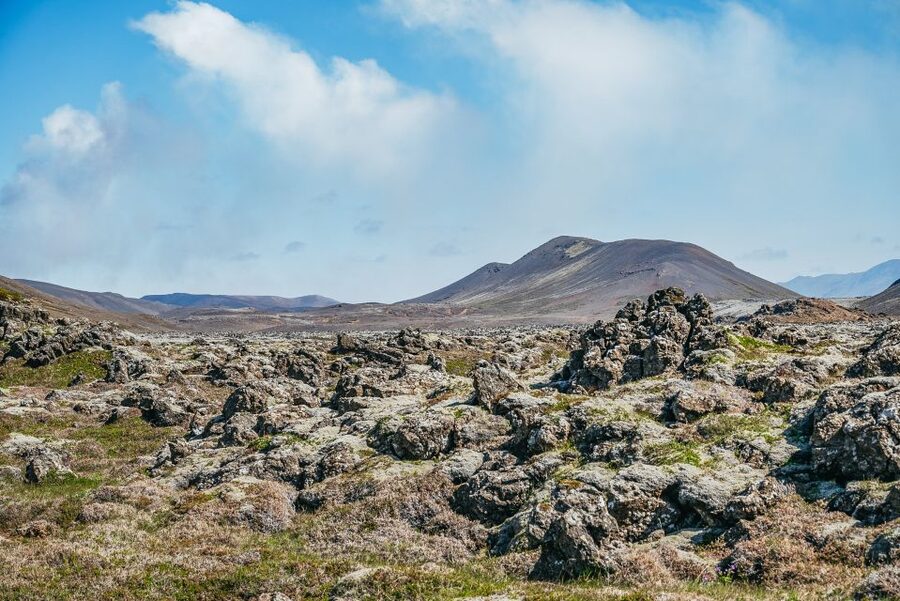
Many Iceland day trips show you old volcanic scenery from a roadside viewpoint. This one takes you onto a changing field of lava, where the ground may still be warm and the shapes are jagged, folded, and raw. That close contact is the reason to choose this excursion.
The Reykjanes Peninsula has many long-quiet volcanic systems. Recent eruptions around Fagradalsfjall changed the area quickly, first at Geldingadalur, then at Meradalir, and later near Litli-Hrutur. Your guide uses those sites to explain how magma moves underground, how lava hardens, and why fresh black rock slowly becomes covered in pale green moss.
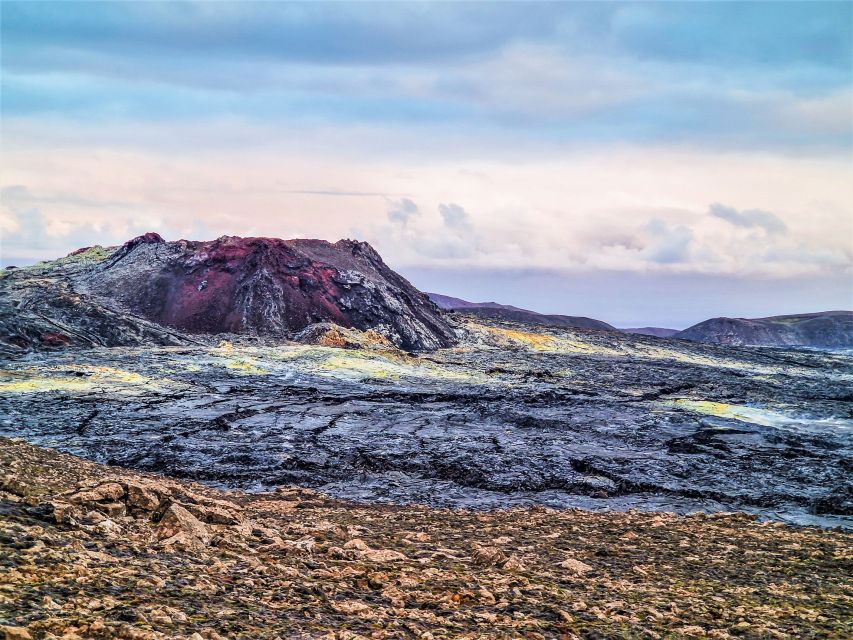
I find the science easier to understand here than in a museum. You can see the difference between older moss-covered lava and new, sharp-edged flows. You can also feel how exposed the peninsula is. Wind, rain, snow, steam, and low cloud can change the mood in minutes.
The tour is priced at about $126 per person. That is fair value if you want transport from Reykjavík, a guide, the Seltún stop, entry costs, and help finding a safe viewing point across difficult ground. It is less attractive if you only want a quick photo beside a volcano. Much of the price pays for the long transfer, guiding, and the work involved in monitoring changing routes.
More Volcano Hikes in Iceland
- Reykjavík: Volcano Eruption Site and Reykjanes Hiking Tour
★ 4.6 · 1,066 reviews - From Reykjavík: Fagradalsfjall Volcano Hike with Geologist
★ 4.8 · 780 reviews - Iceland Hiking Tour to Fagradalsfjall Volcano with Local Guide
★ 5.0 · 573 reviews
Leaving Reykjavík for Seltún
Pickup is offered from hotels and official bus stops in central Reykjavík, though city bus rules mean some central streets are closed to tour buses. You may be directed to a nearby stop. The stated meeting point is Tour Bus Stop 12, opposite the Storm Hotel, so check your confirmation carefully.
The first drive takes about 35 minutes. You leave the city behind and head across the Reykjanes Peninsula, a broad, open area shaped by volcanic activity. This is not a drive packed with attractions every few minutes. Its value is the change from city streets to empty black rock, low moss, ridges, and distant water.
Seltún Geothermal Area is the first proper stop, with about 25 minutes for photos and a short walk. The ground here has strong mineral colors, steaming vents, and the unmistakable smell of sulfur. The scent can be harsh, but it is part of the point. You are seeing heat rise from below the Earth’s crust rather than looking at a landscaped spa.
Snow can make Seltún especially striking. One February outing found the area covered in snow, with steam and sulfur odors making the colors and heat easier to notice. Stay on marked paths and follow the guide’s instructions, since geothermal ground can be unstable.
After Seltún, the coach continues for about 20 minutes toward the hiking area. The exact route can change. Eruptions, weather, road closures, and safety rules all affect access, so treat the listed stops as a plan rather than a promise.
Walking toward Geldingadalur and Fagradalsfjall
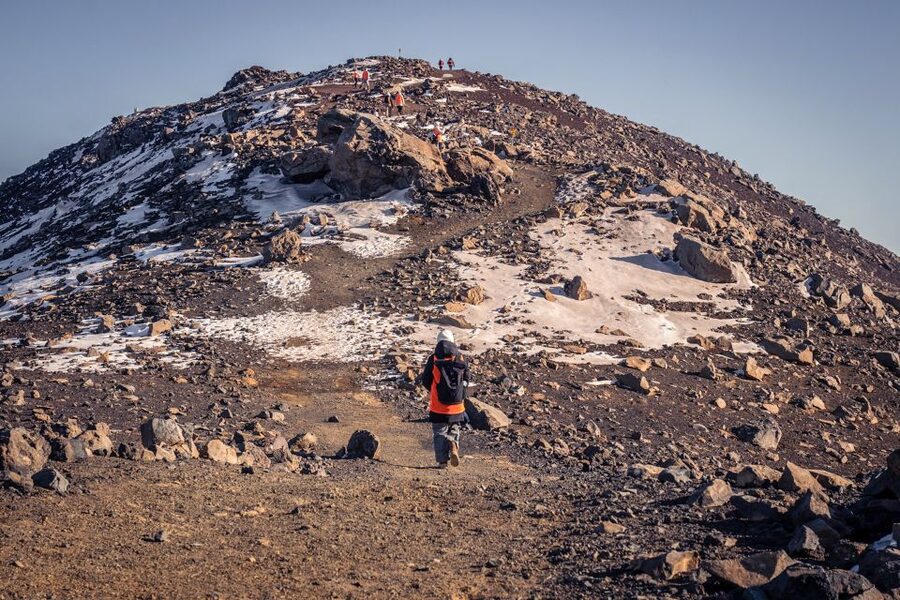
The main hike lasts about three hours at the Geldingadalur volcano area, but the total route to a useful viewing point can take about two hours or more each way. That distinction matters. You are not stepping off the bus beside the crater.
The trail can feel moderate to hard rather than technical. The challenge comes from distance, hills, loose stones, ice, mud, wind, and uneven lava. In winter, the route may be slippery enough to make traction aids useful. One outing had difficult stones and ice, while another required a shorter route because strong wind and rain made the longer option unwise.
You should expect the group to move at different speeds. The best guides keep the group together, wait for people to catch their breath, and place someone at the back so slower walkers do not feel abandoned. Alain was praised for allowing regular pauses and keeping a mixed-ability group together. Dave and Ignacio were also noted for making sure no one was left behind.
That care is important, but it does not remove the physical demand. If you have asthma, a heart or breathing condition, or a serious mobility problem, think carefully before booking. A participant with asthma completed the walk but found it challenging. The tour is not suitable for children under 12 or people with mobility impairments.
Bring water, snacks, and a packed lunch. There is no food stop in the volcanic area, and you cannot count on buying anything once the hike begins. Several outings finished with useful food advice back in Reykjavík, but that comes too late to help if you start the walk hungry.
What you see at the eruption sites
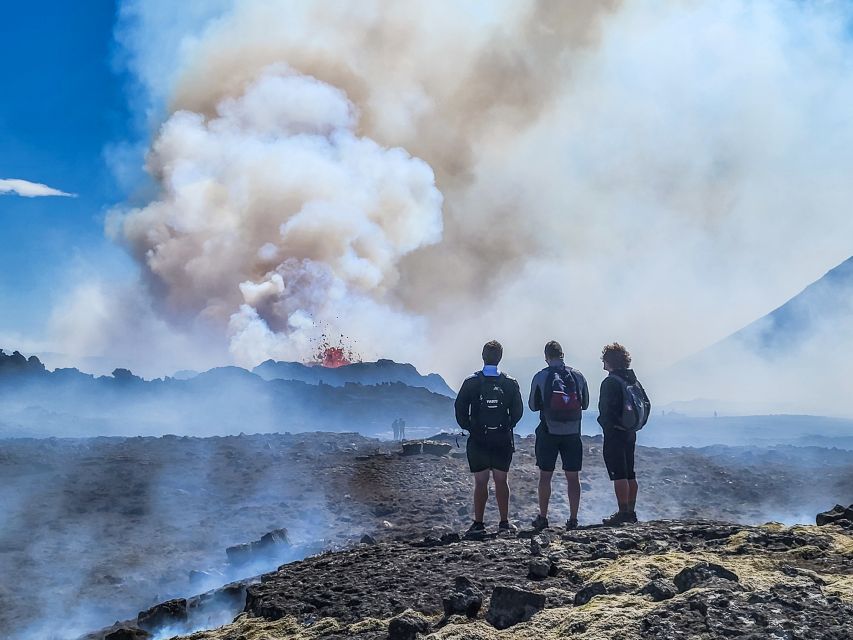
The route can pass Meradalir before reaching the main viewing area near Geldingadalur or Fagradalsfjall. Meradalir is especially useful for understanding how lava spread and cooled. Instead of one neat crater, you see a broad field of dark rock with ridges, folds, and broken surfaces.
Near Litli-Hrutur, conditions change faster. The supplied update notes that the new lava flow had stopped, at least temporarily, while the area remained smoldering. That is the right way to think about this excursion. You may see steam, heat, fresh lava, or signs of a recent eruption, but nobody can guarantee active fountains on the day you go.
Earlier outings reached fresh lava and even found areas warm enough to heat sandwiches. Other trips saw smoke rising from older flows without active magma. In winter, the 2021 eruption area could still give off heat beneath or around the rocks. These details make the walk memorable, but they also explain why the guide must control where you go.
Do not expect the close-up scenes used in dramatic promotional photographs. Safety barriers and changing volcanic risks limit how near you can get. The best experience is not reckless proximity. It is understanding what you are looking at while standing safely on a fresh volcanic field.
Your guide will explain lava texture, mineral deposits, cooling, and the difference between older and newer flows. If you enjoy geology, this can be the strongest part of the day. If you mainly want a dramatic eruption photograph, the trip carries more uncertainty.
More Volcano Hikes in Reykjavik
- Reykjavik: Thrihnukagigur Volcano Guided Hiking Day Trip
★ 4.9 · 564 reviews
The human side of recent eruptions
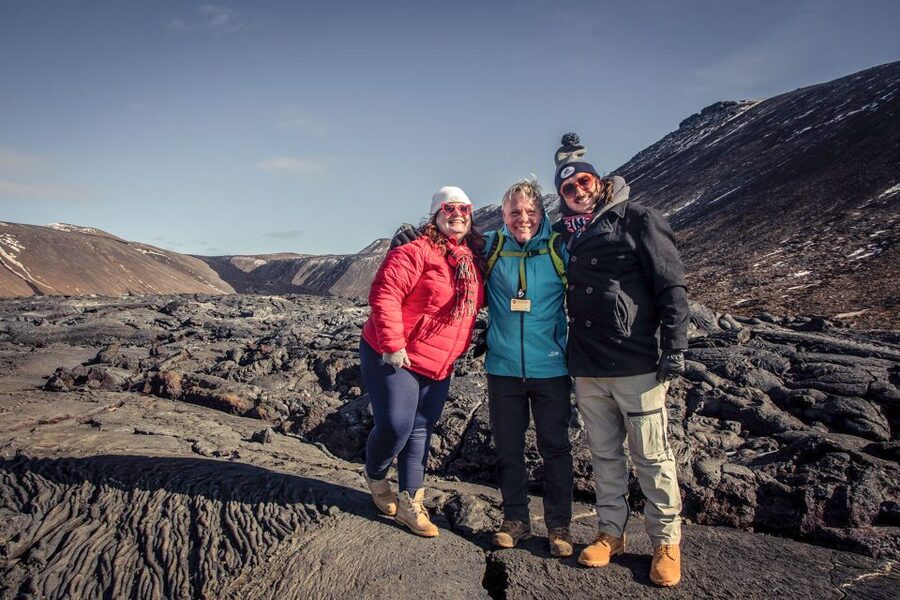
The drive through the area can include views of Grindavík and the effects of earthquakes and eruptions. Recent volcanic activity has forced people from their homes and damaged parts of the town. Seeing roads, defenses, or affected buildings gives the volcanic story a human weight that a black lava field alone cannot provide.
Access to towns and roads can change, so do not assume you will walk through every affected area. One later outing included a minibus visit and a short walk when access was allowed. Another may use a different route. The guide will follow current restrictions.
This is where the excursion becomes more than a scenic hike. You learn that eruptions are not only geological events. They can close roads, interrupt daily life, and alter a community in a matter of days. Guides who explain local life alongside the science add real value.
Weather, clothing, and what to carry
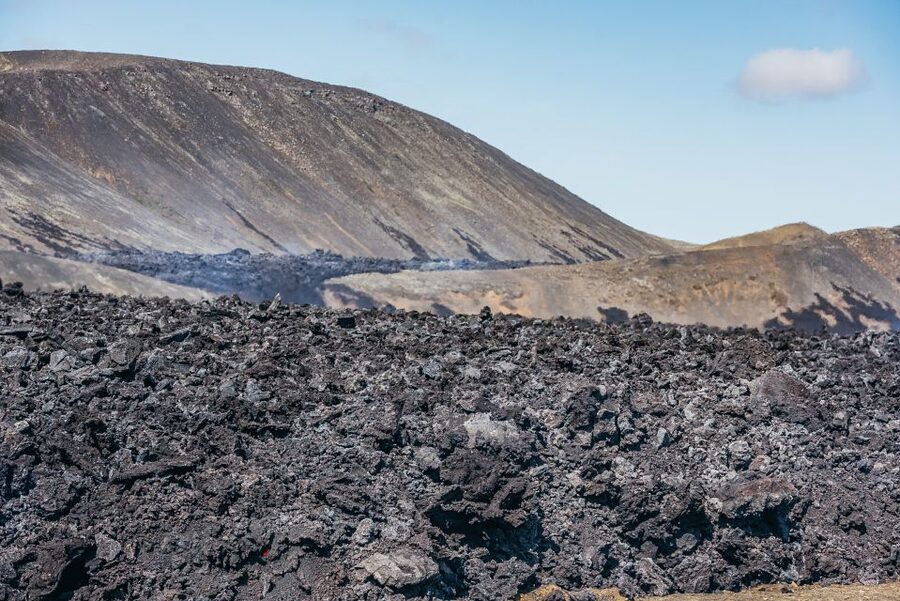
I would prepare for bad weather even if Reykjavík looks calm. The peninsula is exposed, and the group has dealt with sideways snow, strong wind, rain, ice, and sudden sunshine on the same day. A beautiful forecast does not make jeans or light trainers suitable.
Wear proper hiking shoes, warm layers, gloves, a hat, and waterproof outer clothing. The activity notes specifically advise comfortable shoes, hiking shoes, rain gear, and weather-appropriate clothes. Jeans are not recommended, and sports shoes are listed as not allowed.
Pack:
- Water
- Snacks or a packed lunch
- Warm layers
- Hat and gloves
- Waterproof jacket and trousers
- Hiking shoes
- Extra socks
- Traction aids if icy conditions are expected
A headlamp is included, which matters for afternoon or evening departures and short winter days. Food and drinks are not included. You may receive hot chocolate at the end on some departures, but do not treat that as a replacement for your own supplies.
Guides, transport, and the seven-hour schedule
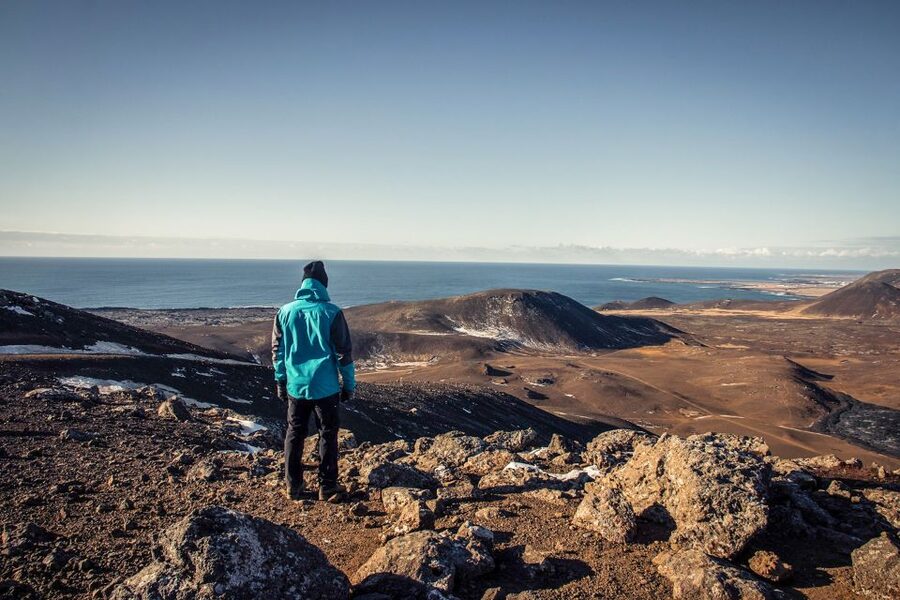
The published duration is seven hours. That includes the Reykjavík transfer, the Seltún visit, the hike, and drop-offs around the city. The return can take time because the coach may stop at many central locations, including the BSÍ Bus Terminal, Hallgrímskirkja, Harpa, Perlan, Reykjavík Grand, and several official bus stops.
The guide quality can shape the whole day. Elias has been praised for explaining eruption history and looking after the group. Tom has been singled out for local knowledge, humor, and calm pacing. Alain has a reputation for clear explanations and patience, while Dave has combined geology with stories, music, and practical advice.
You may not get one of those exact guides, but the pattern to look for is clear: good leadership matters more here than on a simple sightseeing bus. Your guide must monitor conditions, explain the terrain, keep the group together, and change the route if needed.
Transport has not always been flawless. One departure had a bus door that stuck, another had a late bus, and one outing dealt with a breakdown. These appear to be exceptions rather than the core experience, but they are worth keeping in mind if you have a flight or another fixed booking later that day. Leave a generous buffer.
Who should book this trip
I would choose this tour if you want a close look at new volcanic ground without renting a car or planning your own route. It suits adults and active teenagers over 12 who can walk for several hours over uneven terrain.
It is a good match for you if you enjoy:
- Geology explained in plain language
- Long walks with changing views
- Fresh lava and old lava side by side
- Strong weather and open terrain
- Small details such as mineral colors, steam, moss, and lava texture
- A guide who can connect natural events with local life
I would hesitate if you want a guaranteed active eruption, dislike wind and rain, or have difficulty with hills and loose ground. The route can be shortened, but this is still built around a substantial hike.
Free cancellation up to 24 hours before departure and reserve-now, pay-later terms make it easier to book around Iceland’s changeable weather. Still, flexibility does not guarantee access. Live volcanic conditions and official closures can alter the day.
Should you book the $126 volcano hike?
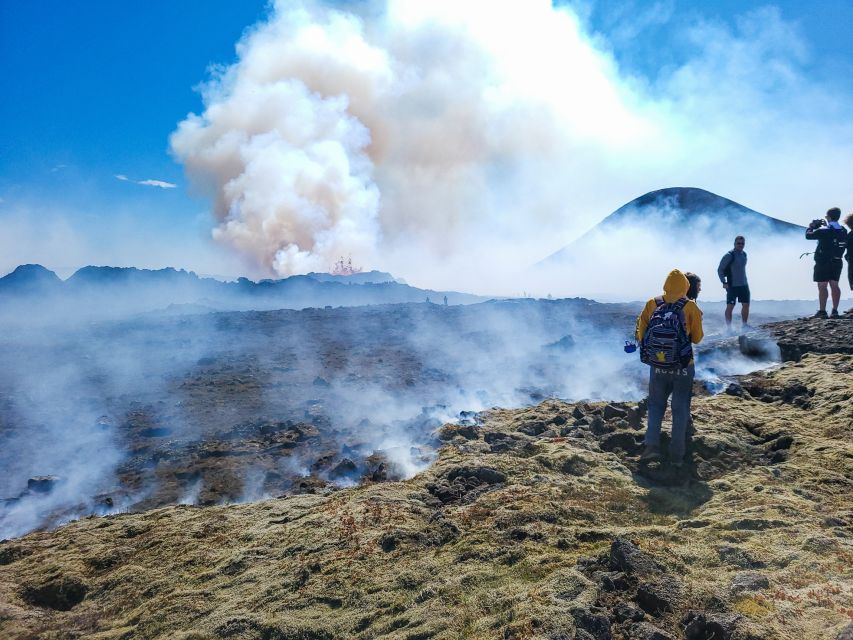
Book it if your priority is to walk across recent lava and understand the Reykjanes eruptions from a guide. The combination of Seltún, Meradalir, Geldingadalur, and the newer Litli-Hrutur area gives you more than one viewpoint, while the guide helps turn strange black rock into a readable story.
Do not book it solely to see flowing magma. The Litli-Hrutur flow may be stopped, and routes can change. Book it for the chance to see smoldering ground, fresh lava forms, old moss-covered flows, geothermal heat, and the hard physical work of reaching the viewing area. If you arrive prepared with food, layers, hiking shoes, and realistic expectations, $126 is a sensible price for a full volcanic day from Reykjavík.
FAQ
Is flowing lava guaranteed?
No. The Litli-Hrutur flow has stopped at times, although the area may still be smoldering. Volcanic conditions can change, and active lava is not guaranteed.
How difficult is the hike?
The hike is considered moderate to hard. Reaching a good viewing point can take about two hours or more each way, with uneven lava, hills, stones, ice, wind, and changing weather.
How long does the full activity last?
The stated duration is seven hours, including transport from Reykjavík, the Seltún stop, the hike, and drop-offs around the city.
What is included in the price?
The price includes the guided tour, a headlamp, and entry fees. Food and drinks are not included.
Where do I meet the guide?
The stated meeting point is Tour Bus Stop 12, opposite the Storm Hotel. Hotel and official bus-stop pickup may be available from central Reykjavík, but you should confirm the details after booking.
What should I bring?
Bring hiking shoes, warm clothing, a hat, gloves, rain gear, water, snacks, and a packed lunch. Extra socks and traction aids can be useful in icy conditions.
Is the tour suitable for children or people with mobility problems?
The activity is not suitable for children under 12 or people with mobility impairments. The hike can be physically demanding, so anyone with a serious health condition should consider the route carefully.
Recently reviewed hikes in Reykjavik
- Private Jökulsárlón Glacier Lagoon 2 Day Tour & Glacier Hike★ 5.0 · 159 reviews
- Private South Coast and Glacier Hike – With photos★ 5.0 · 49 reviews
- Reykjavik: South Coast, Waterfalls & Glacier Hike Small-Group★ 4.5 · 322 reviews
- Skaftafell: Small-Group Vatnajökull Glacier Hike (Moderate)★ 4.8 · 327 reviews
- Reykjavík: Sólheimajökull Glacier Hike & Ice Climbing Intro★ 4.8 · 380 reviews
- From Reykjavik: South Coast & Glacier Hike★ 4.9 · 490 reviews
- Reykjavik: Thrihnukagigur Volcano Guided Hiking Day Trip★ 4.9 · 564 reviews
- Iceland Hiking Tour to Fagradalsfjall Volcano with Local Guide★ 5.0 · 573 reviews
Volcano Hikes, compared.
Bali: Sunrise Mount Batur Guided Hike with Breakfast
Read our review →
Bali: Mount Batur Sunrise Guided Hike and Natural Hot Spring
Read our review →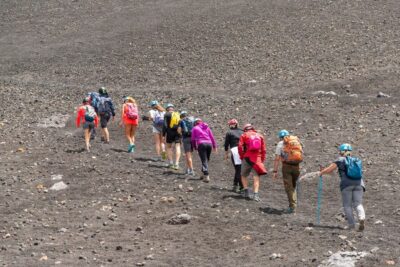
Mount Etna: Summit Guided Hiking Tour up to 3,400 m
Read our review →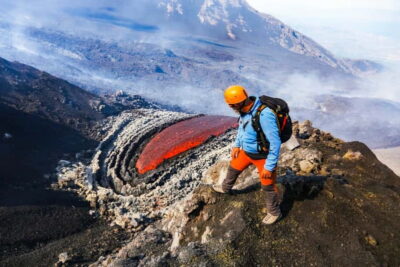
Mount Etna: Trek to 3000m with cable car and 4×4
Read our review →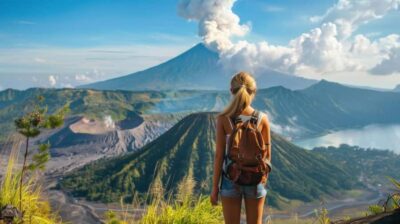
Bali: Mount Batur Sunrise Trek With Guide and Breakfast
Read our review →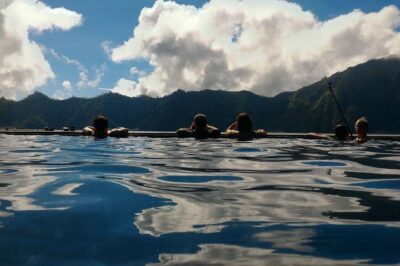
Mount Batur Sunrise Hike and Natural Hot Spring Option
Read our review →
Mount Etna: Summit Crater Trek with Cable Car
Read our review →
Other lists this hike appears in