
Review · KATHMANDU
14 Days Private Tour Everest Base Camp Trek
Everest Base Camp is not a sightseeing stop you simply check off. It is a demanding high-altitude trek through suspension bridges, rhododendron woods, Buddhist villages, glacial valleys, and the shadow of Everest. This private 14-day version gives you two acclimatization days and a guide who handles permits, lodging, and the practical details.
I especially like the private format, since your group can set its own pace, and the price includes the Lukla flights, permits, tea-house lodging, meals, guide, and porter. I also like the careful route design, with time in Namche Bazaar and Dingboche before the highest walking days. The main drawback is simple: this is a serious physical challenge, and high altitude, cold, basic lodging, flight delays, and long walking days are part of the deal.
Key points to know before you book
- Lukla flights are included, along with airport transfers in Kathmandu and the return flight.
- Two acclimatization days are built in at Namche Bazaar and Dingboche.
- Kala Patthar adds the classic Everest sunrise view before you descend toward Pheriche.
- A licensed guide and porter are included, with one porter carrying the bags of two people.
- The private group format gives you flexibility, but it does not make the altitude or terrain easier.
- The $1,600 price covers many major costs, though drinks, city meals, tips, Wi-Fi, hot showers, and charging cost extra.
What the 14-day route actually feels like
The route begins in Kathmandu, but the real trek starts with the flight to Lukla. From there, you follow the Dudh Koshi River toward Phakding, then climb through Namche Bazaar, Tengboche, Dingboche, Lobuche, and Gorak Shep before reaching Everest Base Camp.
The return route is quicker in feel, though not effortless. You go back through Pheriche and Namche Bazaar to Lukla, then fly to Kathmandu. The two acclimatization days are not wasted time. They are central to making the itinerary safer and more manageable.
The schedule lists many stops with durations of 12 to 16 hours. Read those as full-day itinerary blocks, not as nonstop walking times. Your actual hiking pace, rest breaks, weather, and trail conditions will shape each day.
More Private Hiking Tours in Kathmandu
- 14-Day Private Annapurna Base Camp Trek
★ 5.0 · 180 reviews - Kathmandu: Nagarkot Sunrise & Hike with Lunch -Private/Group
★ 4.9 · 122 reviews - Nagarkot Sunrise View & Day Hiking with Lunch – Private/Group
★ 5.0 · 73 reviews
Kathmandu arrival and the useful preparation meeting
On Day 1, a representative meets you outside Tribhuvan Airport and takes you to your hotel. The plan includes three nights in Kathmandu with breakfast, airport transfers by private vehicle, and a welcome and farewell cultural dinner.
The first evening includes a meeting about the trek and preparation. Use it well. This is your chance to ask about the daily pace, porter baggage limits, food, water, charging, hot showers, and what happens if the Lukla flight is delayed.
Kathmandu is also where you should make sure your gear is ready. The company has helped some trekkers rent needed equipment, which can be useful if you do not want to buy every cold-weather item. Still, confirm what rental gear is available before arriving.
Lukla to Phakding, your first taste of the trail
Day 2 begins with the flight from Kathmandu to Lukla. It is short, but the views change quickly from the Kathmandu Valley to Himalayan peaks. Weather matters here, and flights can be affected by conditions.
After reaching Lukla, you walk toward Phakding. The route begins with a rocky descent, reaches Cheplung, and follows the Dudh Koshi River. It is a sensible opening day because the walking is generally gentler than what comes later, giving you time to adjust to the trail and your pack.
You spend the night in a standard tea house. These lodges are part of the real Khumbu experience, but they are not city hotels. Expect simple rooms and paid extras for items such as hot showers, Wi-Fi, and charging.
Phakding to Namche Bazaar across suspension bridges
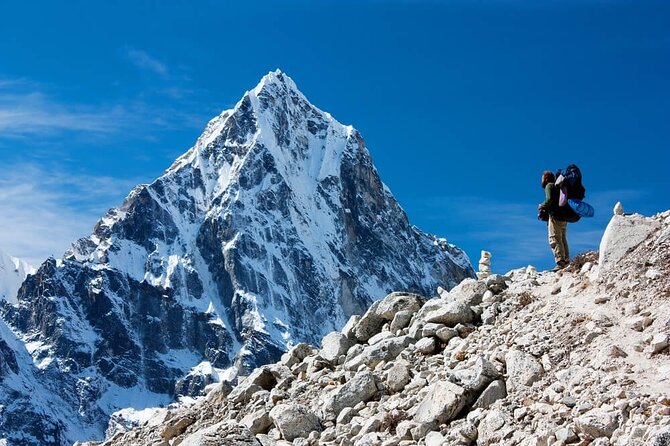
Day 3 is one of the first major tests. You cross rivers and suspension bridges, pass through Benkar, and see Mt. Thamserku before reaching the Sagarmatha National Park checkpoint.
The trail drops toward the Dudh Koshi and then turns uphill after Jorsale. This climb into Namche Bazaar can feel long, especially because you are gaining altitude while still finding your rhythm.
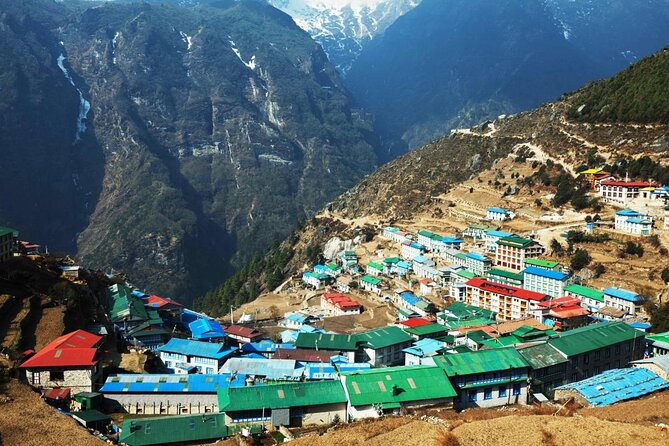
Namche is the main trading center of the Khumbu region. It is more than a place to sleep. It is where you begin to understand the practical side of mountain travel, with supplies, tea houses, shops, and a chance to rest before the route becomes higher and colder.
Your guide helps with permits at the national park checkpoint. That small service matters. You can focus on walking rather than sorting out the paperwork yourself.
More Private Hiking Tours in Nepal
- 4-Day Private Poon Hill Trekking Tour
★ 5.0 · 58 reviews - Pokhara: 3-Day Ghorephani and Poon Hill Private Trek
★ 5.0 · 58 reviews - Private 7 – Day Annapurna Base Camp Trekking
★ 5.0 · 50 reviews - Pokhara: 2-Day Ghorephani and Poon Hill Private Trek
★ 4.6 · 50 reviews
Namche acclimatization and the value of slowing down
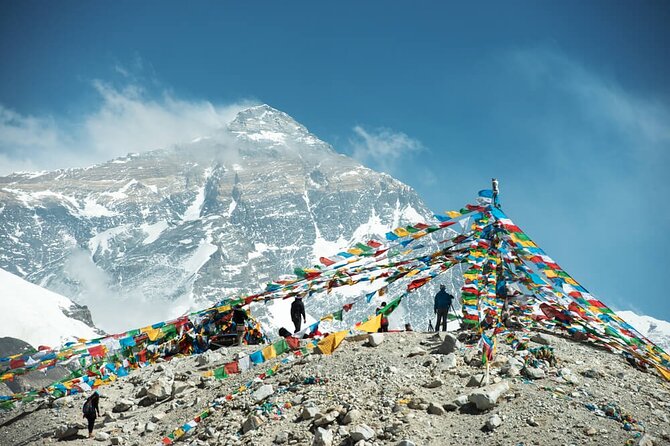
Day 4 is an acclimatization day in Namche Bazaar. The purpose is to let your body adjust to the increasing altitude before you climb farther.
The itinerary does not present this as a full day of inactivity. You should expect some walking or a short outing arranged by your guide, but the key point is to avoid treating the rest day as optional. Moving too quickly upward is one of the main risks on a high-altitude trek.
This is also a good day to check your clothing, boots, water, and personal supplies. You will soon spend nights in more remote settlements, where choices are fewer and costs for comforts rise.
Tengboche, rhododendrons, and a major Buddhist monastery
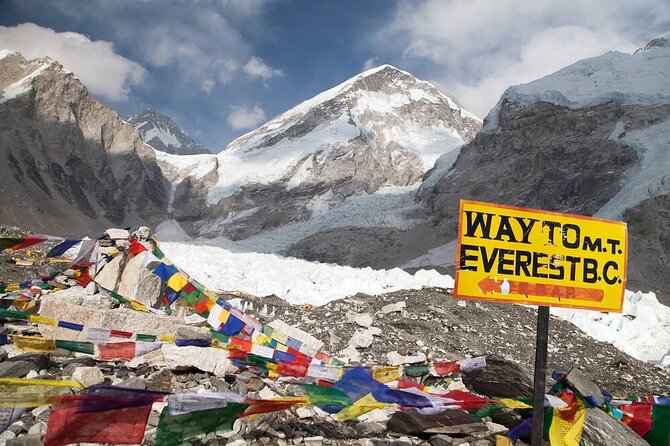
From Namche, the trail passes through Kyanjum and rhododendron forest before descending toward the Phungi Thenga River. Then comes the climb to Tengboche.
This section gives you some of the route’s finest mountain views, including Everest, Nuptse, Lhotse, and Ama Dablam. The descent first can fool you into thinking the day is easy. The climb to Tengboche brings back the work.
Tengboche Monastery is the main cultural stop on the route. It is the largest Tibetan Buddhist gompa in the Khumbu region, and you are welcome to visit. Allow yourself time to be quiet here. The monastery adds a human and spiritual dimension to what could otherwise become a long sequence of mountains and meal stops.
You sleep in Tengboche, where temperatures and facilities may feel more basic than in Namche.
Tengboche to Dingboche under Ama Dablam
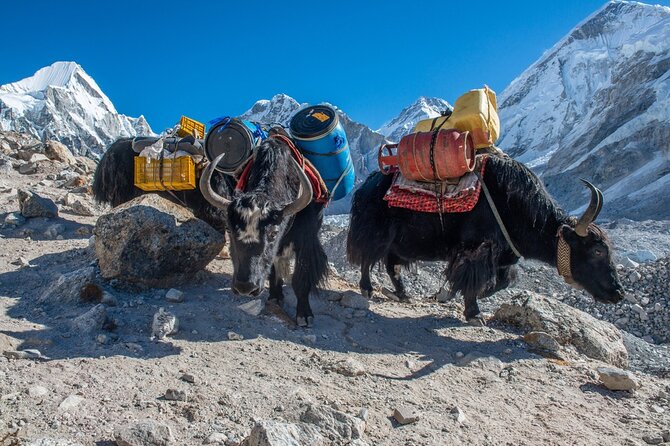
Day 6 begins with a descent through forest toward Deboche. You then cross a suspension bridge and pass a stone-carved wall before reaching Pangboche and Shomare.
Ama Dablam comes close along this section, and the views become more severe and open as the trees thin out. The route to Dingboche includes steady uphill walking, so do not judge the day only by its distance.
Dingboche is an important point in the trek. You are now higher, the air feels thinner, and the nights can be cold. A guide who watches your pace and condition is especially useful here. Past bookings have featured guides such as Tek, Dil, Ram, Som Kumar Tamang, and Keshab, often called Keke. The exact guide for your departure should be confirmed when you book.
Nangkartsang Peak and the second acclimatization day
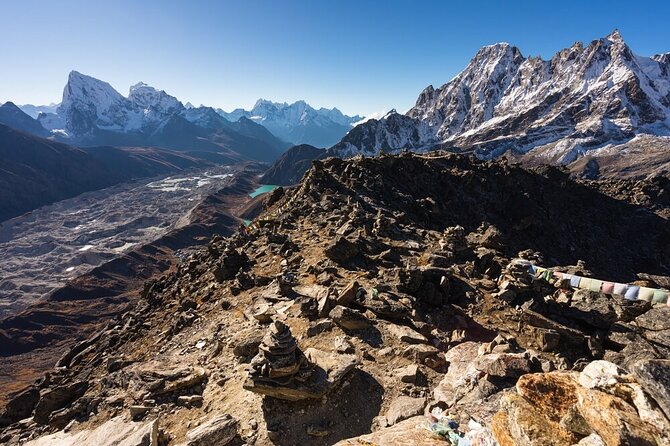
Day 7 is the second acclimatization day, based in Dingboche. The plan includes an ascent toward Nangkartsang Peak, which rises above the village.
This is a smart use of a rest day. You gain height during the outing, then return to sleep lower in Dingboche. From the higher point, the views include Lhotse, Makalu, Cho Oyu, Ama Dablam, and other peaks.
Do not mistake the word acclimatization for easy. The climb can feel demanding because of the altitude. The goal is not to race to the top. It is to walk steadily, turn around when needed, drink regularly, and return with energy left.
Dingboche to Lobuche and the Everest Memorial
The path from Dingboche to Lobuche rises toward a moraine and passes through the valley near Pheriche. After Thukla comes a long climb to the Everest Memorial and the Khumbu Glacier.
The memorial honors climbers who died attempting Everest. It is a quiet and sobering part of the trek. Take time to look around, but also pay attention to your condition. The route is now high enough that fatigue can build quickly.
Lobuche is a basic overnight stop before the push to Gorak Shep and Base Camp. The combination of cold, altitude, and a long walking day makes this a good place to follow your guide’s advice rather than your excitement.
Lobuche to Everest Base Camp via Gorak Shep
Day 9 takes you beside the Khumbu Glacier toward Gorak Shep. The route is a gradual climb in places, but uneven moraine terrain makes it tiring. Nuptse fills the view, and you may catch sight of Everest as you continue.
Gorak Shep is the highest village on this route and serves as the staging point for Base Camp. You stop there before continuing toward the base camp, then return to Gorak Shep for the night.
This is one of the hardest parts of the trek. The altitude affects everyone differently, and there is no prize for pushing through warning signs. Your guide carries a first-aid kit and an oximeter and pulse monitor, but these tools support good judgment. They do not replace it.
The base camp itself is a major emotional moment, but the views vary with season and weather. The route beside the glacier and the surrounding peaks are as important as the destination marker.
Kala Patthar at sunrise, then down to Pheriche
Day 10 begins early for the climb to Kala Patthar. The aim is to catch sunrise over Everest and the surrounding peaks.
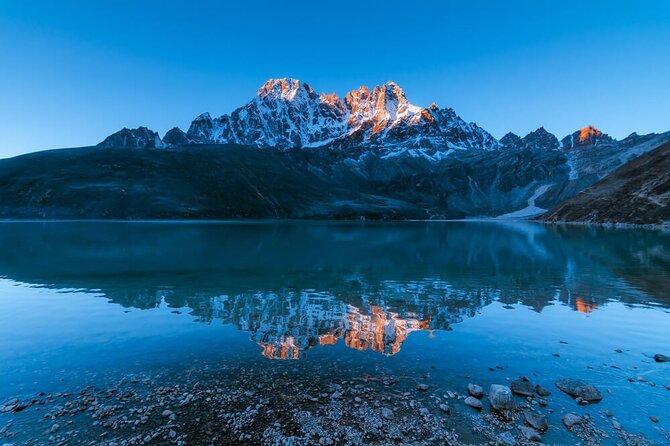
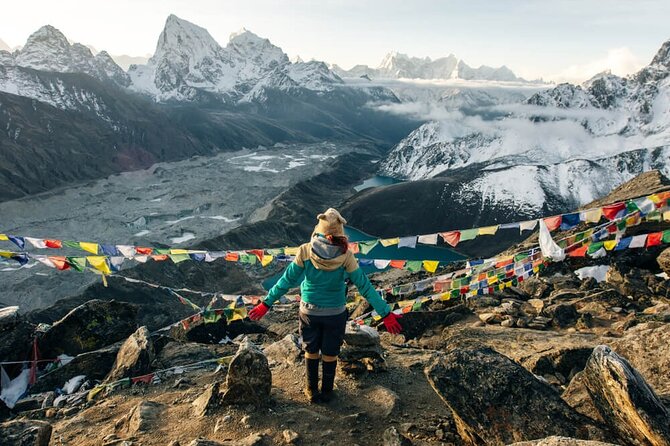
The trail is difficult, but the view of Everest becomes clearer as you gain height. Kala Patthar is the key viewpoint of the trip, offering the broad mountain panorama many people expect from an Everest Base Camp trek.
After returning to Gorak Shep for breakfast, you continue down to Pheriche. Descending does not mean the day is easy. You have already climbed Kala Patthar, and the total effort can be substantial.
I like this order because the sunrise viewpoint comes after Base Camp rather than being rushed into an already overloaded day. Still, sleep will be short, so take the evening before seriously and prepare your clothing and water the night before.
Pheriche to Namche, then the long return to Lukla
From Pheriche, the route retraces the trail through Pangboche and Tengboche before reaching Namche Bazaar. You will recognize sections of the path, but the downhill direction changes the experience.
The return to Lukla continues through Phakding and other settlements. Downhill walking can be hard on knees and feet, especially after many days in boots. Trekking poles may help, though the provided information does not say that equipment is included.
You spend the night in Lukla before flying back to Kathmandu on Day 13. The return flight gives you one last view of the valleys and peaks, but weather can still affect the schedule. Keeping a little flexibility around your international flight is wise, even though the package includes the Lukla to Kathmandu flight.
What the $1,600 price covers
At $1,600 per person, the package has strong value if you would otherwise need to arrange each part separately. It includes:
- Airport pickup and final airport transfer
- Three nights in Kathmandu with breakfast
- Kathmandu to Lukla and Lukla to Kathmandu flights
- Tea-house lodging during the trek
- National park and other required permits
- A licensed guide, including the guide’s meals and lodging
- A porter for every two group members
- Breakfast for 12 days, lunch for 11 days, and dinner for 12 days
- Ground transport named in the schedule
- A first-aid kit with an oximeter and pulse monitor
- Welcome and farewell cultural dinners
- Government tax and service charges
You still pay for drinks, bottled water, beer, tea, coffee, juice, soft drinks, and alcoholic drinks. Hot showers, Wi-Fi, phone use, and camera charging are also extra. Lunch and dinner in Kathmandu are not included, and tips for the guide and porter are separate.
The private format is important. Only your group participates, so you are not tied to a large party’s pace. That does not guarantee a faster or easier trek, but it gives your guide more room to respond to your condition.
The guides, porters, and personal care
The strongest part of this type of trip is often the people handling the route day by day. Guides named in past bookings include Tek, Dil, Ram, Som Kumar Tamang, Mingmar, and Keshab, also called Keke. Descriptions of these guides emphasize patience, humor, safety, practical help, mountain knowledge, and care when someone needs more time.
Treat the guide as more than a person who points toward the trail. You want someone who explains local culture, watches your pace, helps with tea-house arrangements, and takes altitude symptoms seriously.
The porter arrangement is one porter for two members. Pack with restraint, and confirm the baggage allowance before departure. You will still carry a daypack with items you need during the day.
Who should choose this Everest Base Camp trek
This route suits you if you have a moderate level of physical fitness, enjoy long days outdoors, and accept basic tea-house conditions. You do not need to be a mountaineer, but you do need to prepare for sustained uphill and downhill walking at high altitude.
It is a good choice if you want the main Everest route without adding technical climbing or the three high passes. It is also useful for a first Himalayan trek because the guide, permits, flights, meals, lodging, and porter are arranged in one package.
It is not ideal if you need hotel comfort, dislike cold conditions, want a fixed and relaxed schedule, or have very little tolerance for flight changes and basic facilities. Service animals are allowed according to the booking information, but the physical demands remain the same.
You can cancel for a full refund up to three full days before the local start time. Within three days, payment is not refunded. If poor weather forces cancellation, you are offered another date or a full refund.
Should you book it?
I would book this trek if you want a private, organized route to Everest Base Camp and value having the major costs bundled together. The acclimatization days, included Lukla flights, licensed guide, porter support, and two nights at high points make the plan practical rather than needlessly rushed.
Before paying, confirm the assigned guide, luggage allowance, current flight arrangements, tea-house standards, and the exact daily walking times. If you prepare for altitude and accept the basic side of Himalayan travel, this is a well-priced way to reach Base Camp and see Kala Patthar. If you want comfort more than challenge, choose a shorter or lower-altitude trek instead.
FAQ
How long is the Everest Base Camp trek?
The experience lasts approximately 14 days, including arrival and departure in Kathmandu, the flights to and from Lukla, the trek, and the acclimatization days.
Is airport pickup included?
Yes. Airport pickup and final departure transfer by private vehicle are included. A representative meets you outside Tribhuvan Airport in Kathmandu.
Are flights between Kathmandu and Lukla included?
Yes. The package includes the Kathmandu to Lukla flight and the return Lukla to Kathmandu flight.
Does the tour include a guide and porter?
Yes. It includes a government-licensed guide, with the guide’s meals and accommodation, plus one porter for every two members.
Are meals included?
Breakfast is included in Kathmandu, and the package lists 12 breakfasts, 11 lunches, and 12 dinners during the overall experience. Drinks are not included, and lunch and dinner in the city are excluded.
What is not included in the price?
Personal expenses such as phone and camera charging, hot showers, Wi-Fi, drinks, city lunches and dinners, and tips for the guide and porter are not included.
Can I cancel for a full refund?
You can receive a full refund if you cancel at least three full days before the local start time. Cancellations or changes made within three full days are not refunded or accepted. Poor-weather cancellations offer another date or a full refund.
More Everest Base Camp Treks in Kathmandu
- Everest Base Camp Trek – 14 Days
★ 5.0 · 1,499 reviews - Everest Base Camp Trek
★ 5.0 · 842 reviews - Everest Base Camp Trekking
★ 5.0 · 485 reviews - Everest Base Camp Trekking – 13 Day
★ 5.0 · 365 reviews
Recently reviewed hikes in Kathmandu
- Kathmandu: Nagarkot Sunrise & Hike with Lunch -Private/Group★ 4.9 · 122 reviews
- 4 Days Poon Hill Trek★ 5.0 · 94 reviews
- Langtang Valley Trek★ 5.0 · 140 reviews
- Manaslu Circuit Trek★ 5.0 · 292 reviews
- Manaslu Circuit Trek★ 5.0 · 184 reviews
- Nagarkot Sunrise View & Day Hiking with Lunch – Private/Group★ 5.0 · 73 reviews
- Kathmandu: Dhulikhel to NamoBuddha Day Hike with Lunch★ 4.8 · 62 reviews
- Nagarkot Sunrise Trip & Day Hike with Lunch from Kathmandu★ 4.5 · 83 reviews
Everest Base Camp Treks, compared.
Trekking in Annapurna/Langtang/Everest/Upper Mustang regions
Read our review →
Hathipaown Heritage Walk – A guided walk to Mini Everest
Read our review →Other lists this hike appears in