
Review · KATHMANDU
Everest Base Camp Trek – 14 Days
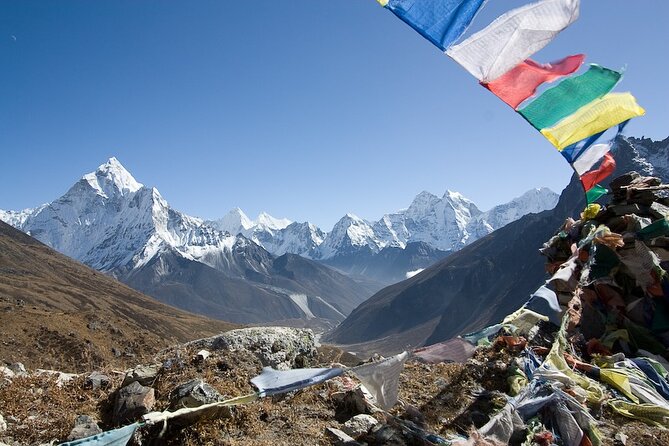
Everest Base Camp is the main event, but the best part of this 14-day trek is the slow approach. You cross prayer-flagged suspension bridges, pass mani stones and Sherpa villages, spend time in Buddhist monasteries, and let your body adjust before the trail reaches 5,365 meters. The route feels like a journey, not a quick photo stop.
I like the practical setup. Porters carry your main bag, and the price includes Lukla flights, permits, teahouse lodging, meals, filtered trail water, and a first-aid-trained guide. I also like the two planned acclimatization days, especially the hike above Dingboche, which gives you a better chance of handling the thin air.
The catch is that this remains a hard high-altitude trek. Flights to Lukla can be moved to Manthali Airport, the domestic baggage limit is only 15 kilograms, and the final days are demanding. You need insurance that covers high-altitude rescue, and you must be comfortable with basic mountain accommodation.
Key points to know before booking
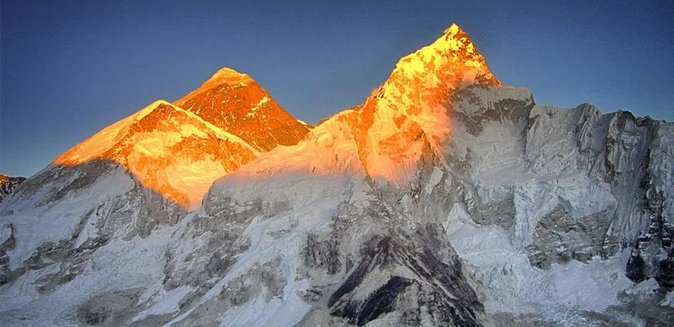
- Lukla to Base Camp in 14 days: The route includes Namche, Tengboche, Dingboche, Lobuche, Everest Base Camp, and Kala Patthar.
- Two useful acclimatization days: You rest in Namche and Dingboche, with short hikes rather than extra distance toward Base Camp.
- Small groups capped at 14: The setup allows more personal attention than a large trekking procession.
- Porter support included: One porter serves two trekkers for 11 days, with a 15-kilogram domestic flight limit.
- A strong support package: Flights, permits, meals, staff costs, filtered water, a duffel, and emergency arrangements are covered.
- A demanding but organized trip: You still need moderate fitness, proper insurance, and a tolerance for cold, stairs, altitude, and simple lodging.
Why the 14-day pace matters
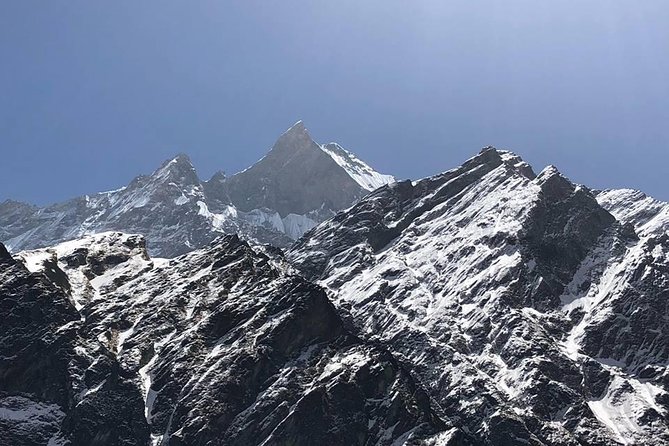
The classic route to Everest Base Camp is not difficult because of technical climbing. It is difficult because you walk uphill for many days while the air gets thinner. This trip allows time for your body to adjust, which matters far more than squeezing the journey into a shorter schedule.
You spend the first night in Kathmandu, then fly toward Lukla and begin walking. The route reaches 5,365 meters at Base Camp and 5,555 meters at Kala Patthar. Those numbers are not decoration. At that height, a modest climb can feel like hard work, and a careful guide can make sensible decisions if someone develops altitude problems.
The tour has a maximum of 14 people. That is small enough for the guide to keep an eye on the group, while still giving you company on long trail days. Recent departures have included guides named Kishor, Chris, Maddy, and Rajendra Khatry, along with porters such as Saman and Sher. Your own guide will depend on the departure date, but the package is built around a trained local team rather than a self-guided walk.
More Everest Base Camp Treks in Kathmandu:
- Everest Base Camp Trek
★ 5.0 · 842 reviews - Everest Base Camp Trekking
★ 5.0 · 485 reviews - Everest Base Camp Trekking – 13 Day
★ 5.0 · 365 reviews
Kathmandu arrival and the flight to Lukla
Day one is deliberately simple. An airport representative meets you outside Tribhuvan International Airport with an Ace the Himalaya sign and transfers you to your Kathmandu accommodation. You have a 3-star hotel for two nights, with breakfast included, while lunch and dinner in the city are your responsibility.
That first night gives you a buffer before the mountains. It is useful for meeting the guide, sorting equipment, and dealing with any flight or luggage details. The tour provides a duffel bag, trekking map, sun hat, and first-aid support, but you must bring your own personal trekking equipment.
The flight to Lukla is scheduled on day two. During the busy trekking seasons of March through May and October through November, flights may operate from Manthali Airport in Ramechhap instead of Kathmandu because of airport congestion. That can mean an early road transfer before the flight, so check the final departure instructions carefully.
The flight sector is included, as is the airport departure tax. The flight itself is short, listed at about 30 minutes, and takes you to Tenzing-Hillary Airport at Lukla. Weather and operating conditions can affect mountain flights, so keep your international travel plans flexible enough to handle a delay.
Walking beside the Dudh Koshi to Namche Bazaar
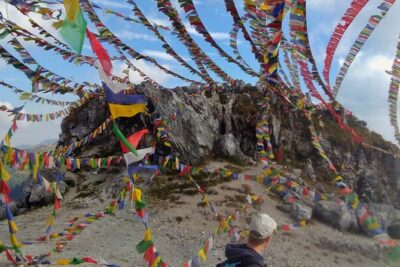
Once the trek begins, the trail follows the Dudh Koshi through villages and forested sections of the Sagarmatha National Park. You cross suspension bridges decorated with prayer flags, and the bridges are part of the character of the route rather than a minor transport detail.
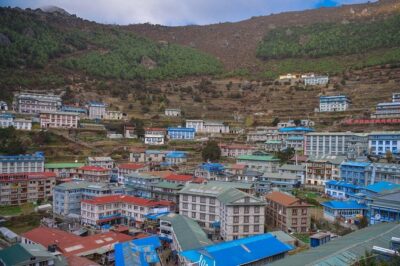
Namche Bazaar is the first major stop and one of the most memorable settlements on the trail. It is a trading town built into the hills, and it gives you the first real sense that the trek is moving into the high Himalaya. The walk to Namche is a full day, with a long climb toward the town.
At this point, the porter system becomes valuable. One porter carries the shared load for two trekkers, and your duffel is handled for most of the 11 trekking days. You carry a daypack with water, layers, snacks, and personal essentials. Pack lightly, since the domestic flight allowance is 15 kilograms.
Namche’s acclimatization day
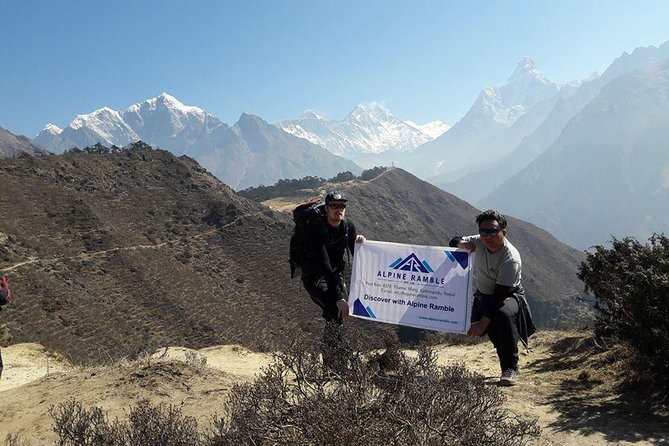
Day four is not wasted time. You stay in Namche for an acclimatization day and take a shorter walk to the Sherpa Museum. The museum focuses on Sherpa customs and mountain culture, giving you a useful setting for understanding the communities that make the route possible.
The point is to gain some height during the day and return to sleep at the same altitude. Your guide can adjust the pace, and you have time to notice how your body responds before the trail climbs higher.
This is also one of the more comfortable pauses in the trip. After the long approach to Namche, a shorter day lets you wash clothes, organize your bag, and enjoy the town without treating every hour as a race. I consider this kind of pause one of the tour’s better features.
More hikes and treks around Kathmandu:
- Nagarkot Sunrise View and Day Hiking from Kathmandu
★ 5.0 · 471 reviews - Annapurna Circuit Trek with Tilicho Lake
★ 5.0 · 368 reviews - Everest Base Camp Trek
★ 5.0 · 350 reviews - Everest Base Camp Trek -14 Days
★ 5.0 · 321 reviews
Tengboche and its mountain monastery
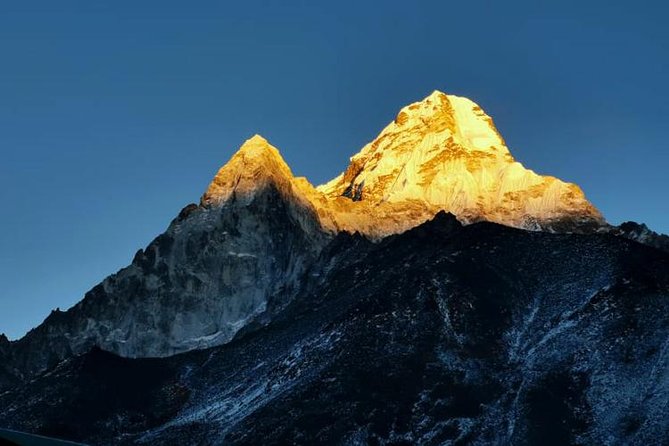
The trail leaves Namche and continues along the Dudh Koshi, with mountain views opening as you gain height. The route reaches Tengboche at 3,860 meters, home to Tengboche Gompa, one of the best-known monasteries in the Everest region.
The monastery gives the trek a spiritual dimension. You will see Buddhist symbols, prayer flags, and mani stones along the trail, but Tengboche brings these elements together in one important place. The setting is also a high point of the walk, with a dramatic mountain backdrop.
The day is long and includes a descent to Debuche, a crossing of the Imja Khola, and an ascent through Pangboche. The repeated pattern of going down before climbing again can be tiring. Do not judge the day only by the final elevation gain. The trail can feel demanding because of its constant changes.
Dingboche and the second acclimatization day
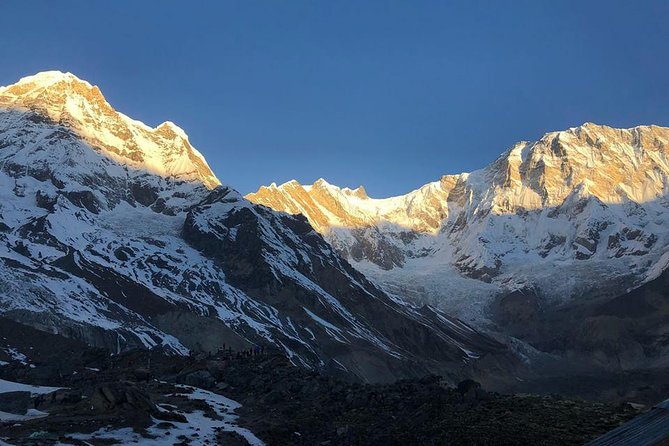
From Tengboche, you continue through Pangboche, where thousands of mani stones line the route. The trail then climbs toward Dingboche, a settlement at roughly 4,400 meters.
Dingboche is the second major acclimatization stop. Instead of gaining more ground toward Base Camp, you take a hike to Nangkartshang Peak above the village. The climb gives you a high viewpoint and helps your body adjust without requiring you to sleep at an even higher altitude that night.
This is another day when the guide’s judgment matters. You may feel fine in the morning and slow down sharply later. The schedule has room for a measured pace, but it is not a guarantee against altitude sickness. If you develop serious symptoms, you need to tell the guide promptly rather than trying to prove toughness.
Lobuche and the memorials of the Khumbu
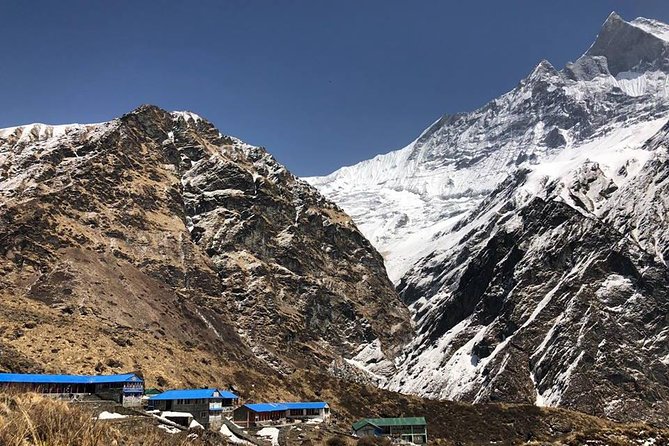
The trail from Dingboche heads toward Lobuche along the lateral moraine of the Khumbu Glacier. You are now walking in a stark, high mountain setting, with less vegetation and a stronger sense of exposure.
The route passes stone memorials dedicated to climbers who died on nearby peaks. These memorials change the mood of the trek. Everest is not simply a scenic destination or a personal challenge. It is also a dangerous mountain, and the stones make that fact impossible to ignore.
Lobuche is a high overnight stop before the main Base Camp walk. The accommodation is in mountain guesthouses, with more basic conditions than your Kathmandu hotel. The package covers twin-sharing lodging, and attached toilets are specifically included in Lukla, Phakding, and Namche. You should not expect the same bathroom setup at every high-altitude stop.
Everest Base Camp at 5,365 meters
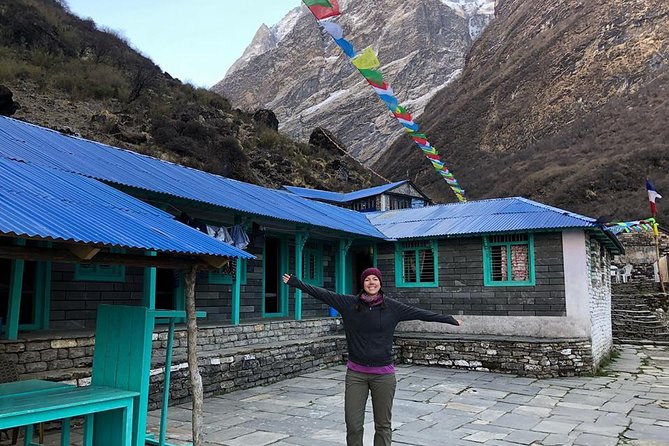
The walk to Everest Base Camp is the emotional center of the trip. From Lobuche, you follow the Khumbu Glacier and continue toward Base Camp at 5,365 meters. The listed walking time is about 30 minutes for the Base Camp stop itself, but the full day is a serious outing across uneven, high-altitude ground.
The exact appearance of Base Camp changes with the season. In spring, there may be mountaineering activity and expedition tents, while at other times the site can feel quieter. You cannot simply walk onto the summit route, and Base Camp is not the top of Everest. It is the staging area used by climbers attempting the mountain.
This distinction matters. You are coming for the route, the setting, and the achievement of reaching the camp without mountaineering equipment. The day can be physically hard, and you should keep enough energy for the return to Lobuche.
Kala Patthar for the best mountain view
The next morning brings the trek’s highest point, Kala Patthar at 5,555 meters. It is a small peak rather than a pass, but the climb is steep and strenuous. The reward is one of the clearest viewpoints on the route, with Everest and the surrounding peaks spread out in front of you.
This is likely to be your hardest morning. The air is thin, the trail rises quickly, and even fit people may need frequent pauses. A slow pace is sensible. You are not competing with anyone, and the guide can help keep the group together.
After Kala Patthar, the route turns downhill. That does not make the day easy, but it changes the mental pressure. You have reached the high point of the walking program and can begin returning through the Khumbu.
The long return through Namche and Lukla
Day 11 takes you back through Pangboche and Tengboche to Namche Bazaar. The descent is kinder to your lungs but can be hard on knees and toes. Trekking poles, well-fitting boots, and dry socks earn their place here.
Day 12 continues to Lukla, where the trek ends. It is another long walking day, but the mood changes as you retrace familiar ground and think about what you have completed. Lukla is your final night in the Everest region before the flight back.
The return flight to Kathmandu takes about 35 minutes when operating as scheduled. On arrival, a representative transfers you to your hotel. Day 14 is departure day, with a transfer to Tribhuvan International Airport.
What the $1,800 price really covers
At $1,800 per person, the cost is substantial, but it includes many expenses that can quickly add up on a Himalayan trek. You receive private airport and hotel transfers, two Kathmandu hotel nights with breakfast, domestic flights, trail accommodation, standard meals, permits, a guide, porter service, and staff costs.
The included meals cover breakfast, lunch, and dinner during the trek. Filtered trail water is provided with a Katadyn Pocket Water Filter, and seasonal fruit is included. Hot and cold drinks, alcohol, and meals in Kathmandu are extra.
The price also includes the Sagarmatha National Park entry permit and the Pasang Lhamu Rural Municipality fee. Staff salaries, insurance, equipment, medicine, government taxes, and official service charges are covered as well. That makes the price easier to judge than a basic trek quote that leaves permits, staff, and flights outside the headline figure.
You still need to budget for personal gear, tips, drinks, Kathmandu dinners and lunches, visa fees, and insurance. Tipping is expected. Most importantly, your insurance must cover emergency high-altitude rescue and evacuation. Without that protection, the tour’s emergency arrangements do not replace your own financial cover.
The advertised rate is based on two people booking, but it can also apply to a solo booking if you share accommodation with someone in the group. If no roommate is available, or if you request a private departure, a $250 single surcharge applies on arrival in Nepal.
Who should choose this trek
I would recommend this trip to someone who wants a structured route with local support rather than a completely independent trek. You need moderate physical fitness and the ability to walk for many hours on successive days. The tour does not require climbing equipment, but it does require patience, balance, and a sensible attitude toward altitude.
It suits solo bookers who want the social ease of a small group. The group size is limited to 14, and the guide and porters remove much of the logistical work. It is also a good fit if you want cultural stops such as the Sherpa Museum and Tengboche Gompa, not just a fast march to a famous sign.
It is less suitable if you need hotel-style comfort, dislike changing plans because of weather, or have no flexibility around international flights. The high-altitude route is not something to treat casually.
You receive booking confirmation at the time of purchase, and the meeting point is Tribhuvan International Airport. The cancellation terms are worth noting: cancel at least six full days before the start for a full refund, two to six days before for a 50 percent refund, and less than two days before for no refund.
FAQ
How long is the Everest Base Camp trek?
The trip lasts approximately 14 days, including arrival and departure transfers, Kathmandu hotel nights, domestic flights, and the trek from Lukla to Everest Base Camp.
Where does the trek begin?
The tour begins with airport pickup at Tribhuvan International Airport in Kathmandu. After the Kathmandu stay, you fly to Lukla, where the walking portion begins.
Is the Lukla flight included?
Yes. The Kathmandu to Lukla and Lukla to Kathmandu airfare, including airport departure tax, is included. During busy seasons, flights may operate from Manthali Airport instead of Kathmandu.
How much luggage can I take on the domestic flight?
The stated domestic flight baggage allowance is 15 kilograms. Porter service is provided for 11 days, with one porter assigned for two trekkers.
Are meals included?
Breakfast, lunch, and dinner are included during the trek. Breakfast is included in Kathmandu, but lunch and dinner in Kathmandu are not included. Alcoholic drinks and hot and cold drinks are also extra.
Is accommodation included?
Yes. The package includes two nights in a 3-star twin-share hotel in Kathmandu and twin-sharing guesthouse accommodation during the trek. Attached toilets are specified for guesthouses in Lukla, Phakding, and Namche.
What fitness level do I need?
You should have a moderate physical fitness level. The route includes long walking days, high-altitude sections, a climb to Kala Patthar at 5,555 meters, and the walk to Everest Base Camp at 5,365 meters.
Is travel insurance included?
No. You must arrange your own travel insurance, and it needs to cover emergency high-altitude rescue and evacuation.
What happens if I book alone?
The listed price can apply to a solo booking if you share accommodation with another person in the group. If no roommate is available, or if you request a solo departure, a $250 single surcharge is payable on arrival in Nepal.
Should you book it?
I would book this trek if you want the classic Everest Base Camp route with the major practical details handled for you. The acclimatization days, guide support, porters, permits, flights, and included meals give you a solid package for the price.
Go in with clear expectations. This is not a comfortable sightseeing holiday, and Base Camp does not remove the need for hard walking or altitude awareness. If you train sensibly, insure yourself properly, pack within the 15-kilogram limit, and allow flexibility for mountain flights, this is a well-organized way to reach one of the world’s great trekking destinations.
Recently reviewed hikes in Kathmandu
- Kathmandu: Nagarkot Sunrise & Hike with Lunch -Private/Group★ 4.9 · 122 reviews
- 14 Days Private Tour Everest Base Camp Trek★ 5.0 · 105 reviews
- 4 Days Poon Hill Trek★ 5.0 · 94 reviews
- Langtang Valley Trek★ 5.0 · 140 reviews
- Manaslu Circuit Trek★ 5.0 · 292 reviews
- Manaslu Circuit Trek★ 5.0 · 184 reviews
- Kathmandu: Dhulikhel to NamoBuddha Day Hike with Lunch★ 4.8 · 62 reviews
- Nagarkot Sunrise Trip & Day Hike with Lunch from Kathmandu★ 4.5 · 83 reviews
Everest Base Camp Treks, compared.
Trekking in Annapurna/Langtang/Everest/Upper Mustang regions
Read our review →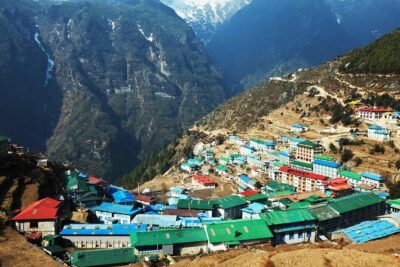
Hathipaown Heritage Walk – A guided walk to Mini Everest
Read our review →Other lists this hike appears in