
Review · HANOI
2-Day Sa Pa Ethnic Homestay Tour & Trek with Limousine Bus
Sa Pa is at its best away from the town center, where paved streets give way to rice terraces, bamboo paths, and Hmong villages. This two-day trip gets you there without making you arrange transport, meals, a guide, and a place to sleep separately. I especially like the direct contact with village life and the chance to spend the night in Ta Van, rather than simply stopping for a few hours to take photos.
I also like the comfort built into the long journey from Hanoi. The limousine or upgraded sleeper bus makes the long road trip easier, while the local guides, including Soso, Sua, Soa, and Tung, help explain what you are seeing. The main drawback is the weather and footing: mud, fog, steep slopes, and slippery trails can change the experience quickly.
Key points to know
- The first trek usually covers about 8 kilometers, much of it downhill through rice terraces and village paths.
- The second walk is shorter, around 4 kilometers, but includes uneven ground and a bamboo forest.
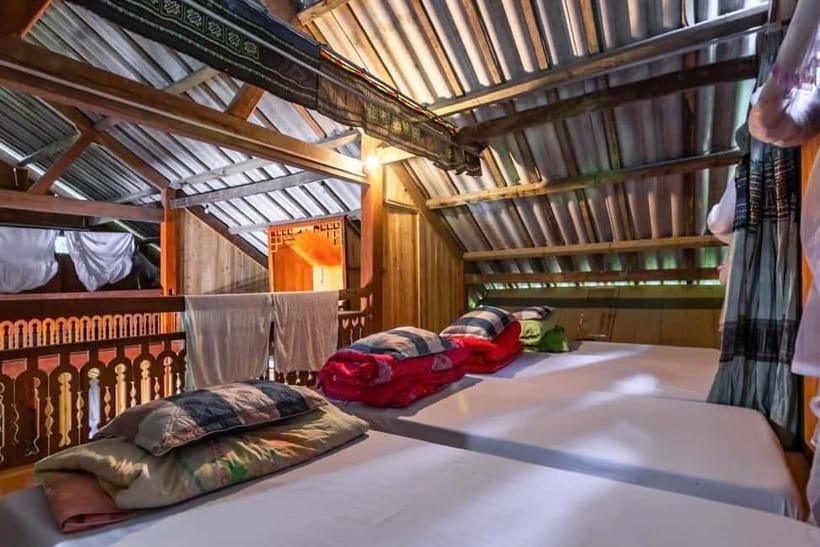
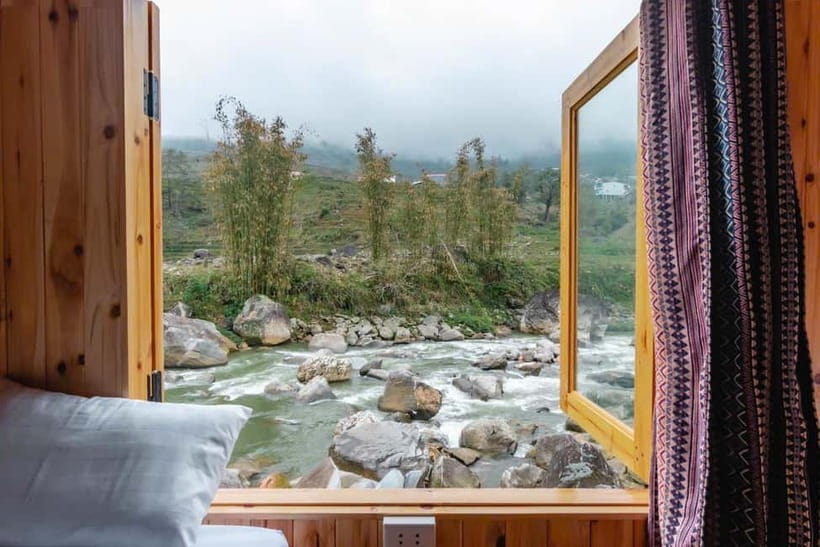
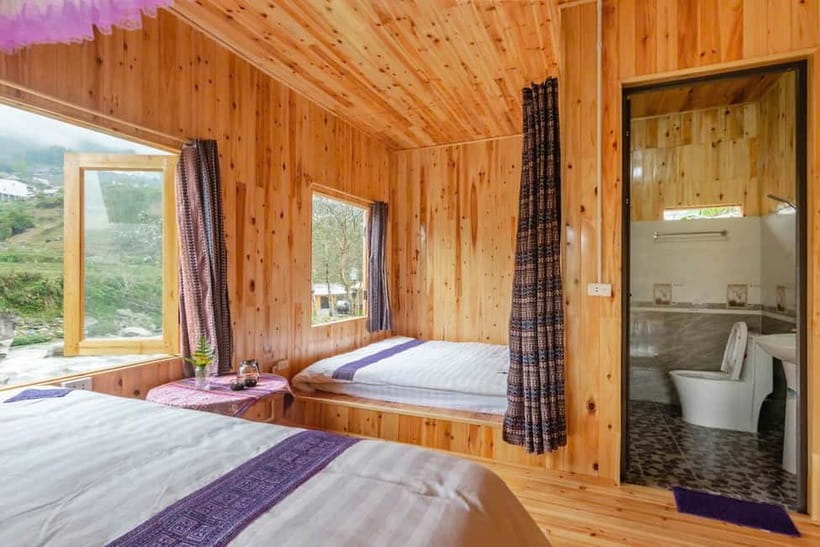
- Ta Van homestay is basic but comfortable, with clean water, fresh food, mattresses, and some private-room upgrades.
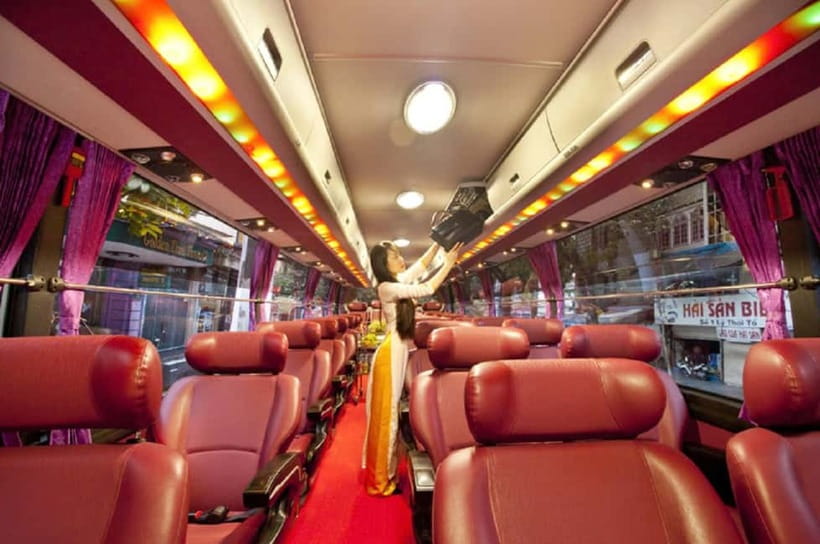
- The bus is a real part of the experience, with comfortable limousine and sleeper options from Hanoi.
- Local craft sellers may walk with you and offer scarves, jewelry, and other handmade goods, so carry cash and decide your budget before leaving.
- Fog and rain are common possibilities, even when the scenery is usually spectacular.
Why this short Sa Pa trip works
This is a good choice if you have only two days and want more than a quick town visit. Sa Pa town can feel busy and tourist-focused, but the route toward Lao Chai, Ta Van, and Giang Ta Chai brings you into quieter mountain scenery and working villages.
You will not simply look at ethnic costumes in a shop or watch a staged cultural performance. Your guide introduces you to the setting where Hmong, Dzao, and Tay communities live and work. That does not make the visit completely free of tourism, but it gives the experience more meaning than a quick viewpoint stop.
The tour also removes several awkward pieces of planning. Your bus, village entrance ticket, guide, meals, homestay, and the return car from Giang Ta Chai are arranged together. You still need to manage your own hotel transfer at the end and keep track of your belongings, but the main route is easy to follow.
More Homestay and Village Treks in Vietnam:
- Hanoi – Sapa 2 Days 1 Night Overnight At Homestay
★ 5.0 · 899 reviews - From Hanoi: 2-Day Sapa Trekking Trip with Homestay & Meals
★ 4.8 · 704 reviews - Number one top rated ethical cultural trekking and homestay by ETHOS
★ 5.0 · 456 reviews
Hanoi to Sa Pa by limousine or sleeper bus
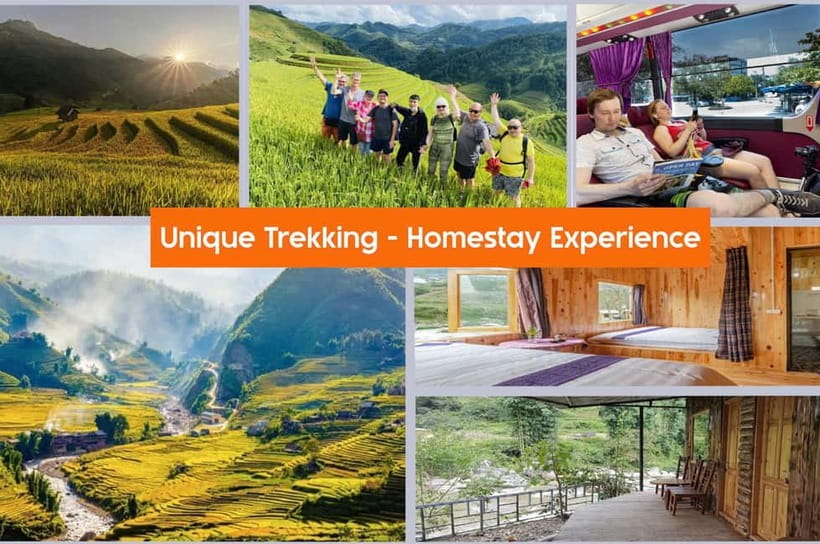
The road from Hanoi to Sa Pa takes a large part of the first day, so transport matters. The standard option is a limousine-style bus using the newer highway through Lao Cai. Some bookings can be upgraded to a sleeper bus, with individual cabins or reclining sleeping spaces, a blanket, water, and Wi-Fi reported along much of the route.
A sleeper bus is not like a normal coach. You may find the layout unusual at first, especially if you are not used to lying down while the vehicle moves. Still, it can be more comfortable than a regular bus with narrow seats, particularly for the early departure and long ride.
The meeting point can vary according to the option you book. Read the confirmation carefully and leave a working WhatsApp, Line, Viber, or Kakaotalk number so the operator can reach you. Communication before and during the trip is an important part of the practical service, and the local team can help with bus arrangements or changes when needed.
Keep your larger luggage in the bus trunk. After arriving in Sa Pa, you can store it at the hotel where lunch is served. Take the clothing, toiletries, and other items you need for the night with you to Ta Van, since you will not want to retrieve your main bag during the trek.
Lunch in Sa Pa before the trail
The first meal comes in Sa Pa town before you start walking. It is a useful pause after the bus journey and gives you time to meet the local representative and guide.
Expect local dishes rather than a Western-style meal. The included food is one of the strong points of this trip, and the lunch provides the fuel you need before heading onto the trail. Drinks are not included, so buy water in town and carry cash for additional refreshments.
This is also your last easy chance to check your day bag. Pack light, but do not leave behind a rain layer, spare clothes, sunscreen, insect repellent, or sturdy shoes. Mud can reach your trousers and shoes quickly, especially after rain.
The first walk through Lao Chai and Muong Hoa Valley
The first trek leads through rice terraces and along the Muong Hoa Stream toward Lao Chai, a Black Hmong village. The route is scenic, but it is not a flat country walk. The first day is generally around 8 kilometers and often trends downhill, with rough paths, steps, and uneven sections.
Your guide gives the route meaning. Guides such as Soso and Sua are praised for explaining village life, local customs, nature, and their own experiences. That personal connection is one reason this trip feels different from following a marked path alone.
The scenery changes with the season. When the rice is growing, the terraces can appear intensely green. After harvest, the fields are still beautiful, but the colors are more muted. Fog can hide the mountains and viewpoints, while rain turns the trail into a slippery challenge. You may not receive the wide views shown in photographs, but the walk can still be worthwhile because the villages, streams, and forest paths remain interesting.
The local women who sometimes accompany visitors can be helpful on difficult sections. They know the paths well and may offer a steadying hand on muddy slopes. Their help is genuine, but there is a commercial side to the arrangement: some will later offer handmade crafts for sale.
You do not have to buy anything. If you want to support local makers, set aside Vietnamese Dong for scarves, jewelry, or small woven items. If you do not wish to shop, a polite but firm refusal is usually better than extended conversation about a possible purchase.
More Two-Day Trips in Vietnam:
- Mountain views & Rice Terraced Fields Hiking – 2D 1N
★ 5.0 · 99 reviews - 2-Day Fansipan Mountain Trek – Indochina’s Highest Peak
★ 4.3 · 42 reviews - Hanoi: 2-Day Sa Pa Guided Village & Homestay Trekking Tour
★ 4.1 · 13 reviews - From Antigua: Adventure, 2-Day Hiking to Acatenango Volcano
★ 4.4 · 1,189 reviews
Arriving in Ta Van for the overnight stay
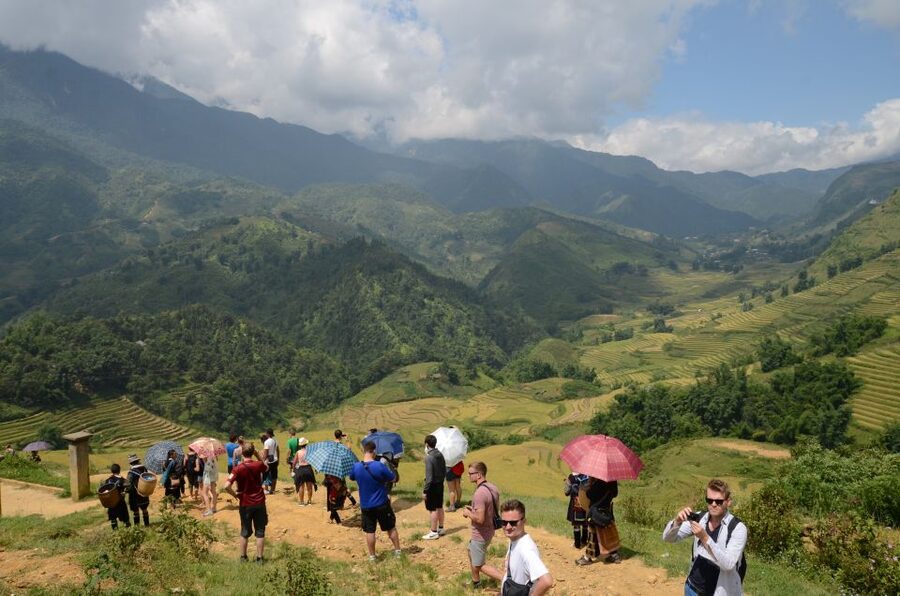
Ta Van is the overnight base and one of the strongest parts of the trip. You check into a simple ethnic homestay, meet the family or local hosts, and have time to rest before dinner.
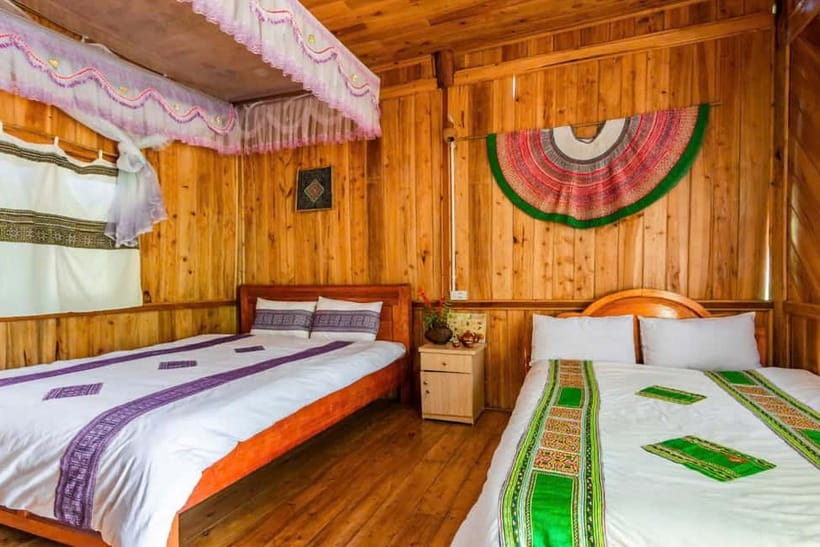
The word homestay needs a little explanation. Some accommodation is a family home with shared areas, while other arrangements feel closer to a small guesthouse or village hotel. One supplied option provides single mattresses in a basic shared setup, and private-room upgrades may be available if arranged when booking.
The standard accommodation is not designed for luxury. You should expect simple cultural facilities, clean water, fresh food, and basic sleeping arrangements. Several room upgrades have included a comfortable private room and hot shower, but you should confirm the exact option rather than assume it is included.
Dinner is prepared at the homestay and is served in generous portions. Eating with the host family can be a memorable part of the evening, especially if you are interested in daily life rather than polished sightseeing. At the same time, do not expect a long formal cultural talk every night. The level of interaction depends on the host, the group, and the timing.
Village nights are not always silent. Early morning activity and nighttime sounds can carry through the homestay. If you sleep lightly, pack earplugs. This is a small but useful item that can make a basic overnight stay much easier.
Day two: bamboo forest, Giang Ta Chai, and the return road
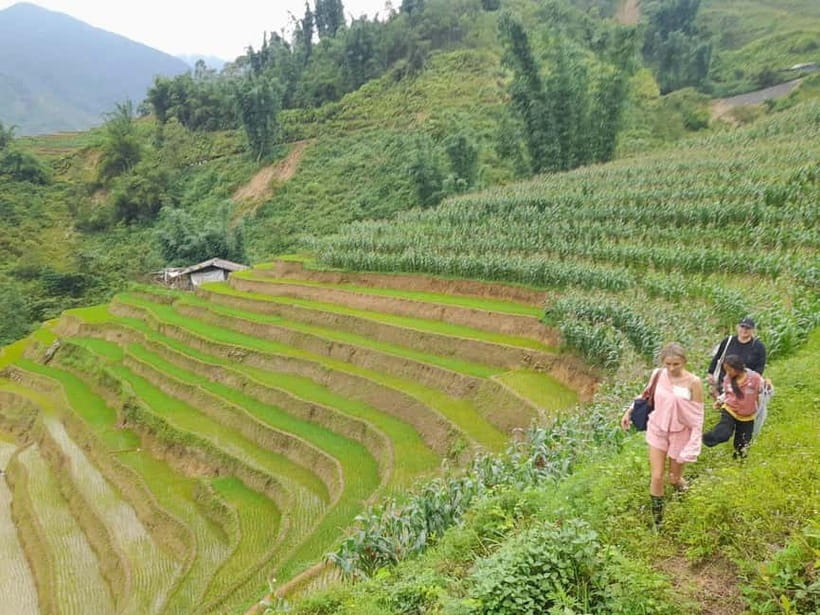
Breakfast comes at the homestay before the second trek. The route passes through rice paddies and bamboo forest, with views toward Giang Ta Chai village. This day is shorter, often around 4 kilometers, but it remains undulating and can feel demanding after the first day.
The bamboo forest is a highlight because it changes the scenery from open terraces to shaded, narrow paths. You will still encounter slippery or steep sections, especially after rain. Good hiking shoes are essential. Ordinary trainers may not provide enough grip on wet soil.
The route eventually reaches Giang Ta Chai Bridge. From there, a car takes you back to Sa Pa for lunch and a shower before the return bus to Hanoi. This pause is well timed. You can clean up, eat, collect your stored luggage, and change into dry clothes before the long road journey.
At the end of the bus ride, the activity finishes at the meeting point. You make your own way back to your Hanoi hotel, so keep your arrival plans flexible and do not book a tight connection immediately afterward.
Weather, footwear, and physical effort
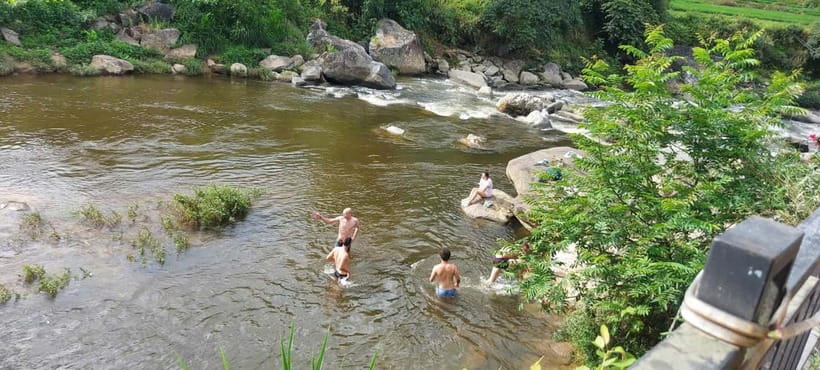
The walking is best described as moderate, not effortless. You do not need to be an expert hiker, but you should be comfortable walking for several hours on uneven mountain paths. The two days include slopes, muddy ground, and sections where you may need to balance carefully.
Rain and fog are not rare interruptions. They can reduce visibility at viewpoints, but they also make the route feel more like a mountain walk and less like a sightseeing circuit. Bring quick-drying clothes, a rain jacket, sun protection, and insect repellent.
Use proper hiking shoes with a firm tread. This is the single most practical preparation you can make. Pack a spare pair of socks and extra clothes for the homestay, particularly if the forecast is wet.
The tour is not suitable for children under six, wheelchair users, or people with mobility impairments. If you have a physical issue that could limit your walking, contact the operator before departure. The guide may be able to suggest an alternative activity, but you should not count on completing the full trek.
Food, money, and what is included
The package includes two lunches, one dinner, and one breakfast. The food is local, fresh, and plentiful according to the supplied arrangements. Drinks are extra, and it is sensible to buy water before setting off each morning.
Bring Vietnamese Dong. Banking services in Sa Pa can be unreliable, and cash is useful for drinks, snacks, tips, and crafts. US dollars, euros, and Australian dollars may be accepted, but local currency is the safer choice.
The included package covers:
- Round-trip Hanoi to Sa Pa limousine bus, if that option is selected
- An English-speaking local Hmong guide
- One night in a Ta Van homestay
- Entrance to the Lao Chai and Ta Van villages
- The return car from Giang Ta Chai to the Sa Pa hotel
- Two lunches, one dinner, and one breakfast
Tips for the guide and driver are not included. An 8 percent government tax may also be extra. Holiday departures carry a surcharge of 700,000 Vietnamese Dong per person on listed dates, including April 30, May 1, September 1 to 3, December 24 and 31, January 1, and Lunar New Year.
The value is strongest if you want convenience. Booking transport, food, a guide, and a homestay separately could take time and involve more uncertainty. If you already have Sa Pa transport or prefer to choose your own accommodation, a shorter independent trek might offer more control.
How the guides shape the experience
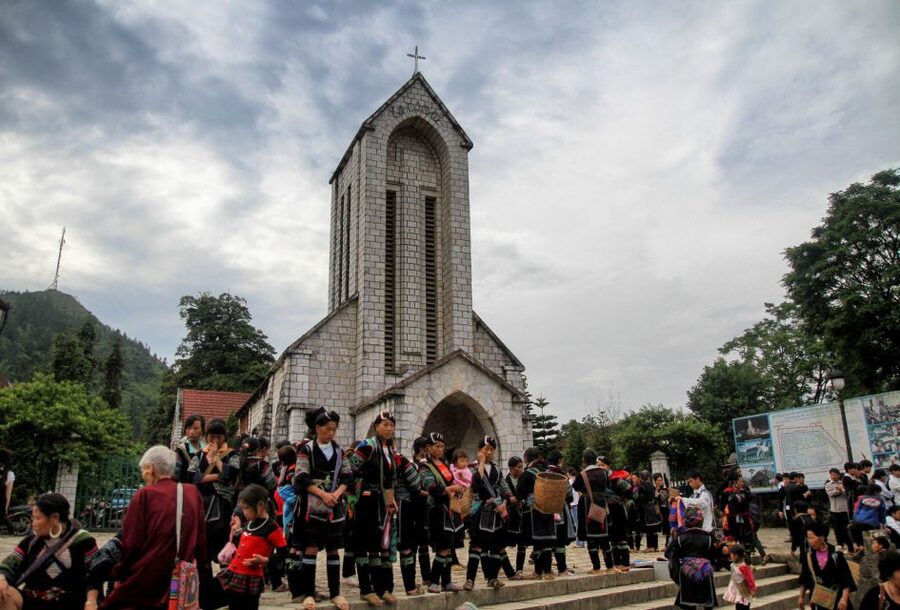
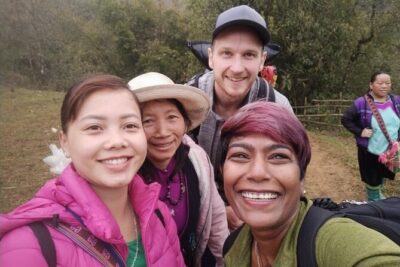
The local guide can make or break a mountain trip, and this tour has a strong record here. Soso, Sua, Soa, Tung, and other guides are described as friendly, patient, clear in English, and willing to discuss local customs and their own lives.
That matters because the scenery alone does not explain how people live in the highlands. Your guide can help you understand the ethnic clothing, village layout, farming areas, bamboo forest, and changing relationship between tourism and local work.
Guides also adjust the pace when conditions are difficult. Some people walk faster than others, and muddy trails can slow everyone down. Still, this is a scheduled two-day trip, not a private walk with unlimited time, so tell the guide early if you need a pause.
Who should book this two-day route?
I would choose this trip if you want a first taste of Sa Pa without spending several nights away from Hanoi. It suits active adults, couples, solo visitors, and anyone who values local contact over polished accommodation.
It is also a good fit if you like the idea of sleeping in a village but do not want to arrange every detail yourself. The upgraded sleeper bus and private room are worth asking about if comfort matters to you.
I would think twice if you dislike muddy paths, basic rooms, early starts, changing weather, or persistent craft sellers. A private room can improve the overnight stay, but it will not turn the route into a luxury tour. For a slower experience, several days in Sa Pa would be better than fitting the journey and trek into two days.
Should you book the Sa Pa homestay trek?
Book it if your priority is a compact, well-supported introduction to northern Vietnam’s mountain villages. The best parts are the local guide, the rice terraces, the Ta Van overnight stay, and the chance to see village life at walking pace.
Choose the sleeper bus upgrade if available, bring real hiking shoes, carry Vietnamese Dong, and pack for rain. If you accept that the homestay is basic and the weather may hide the views, this tour offers strong value and a genuine taste of Sa Pa in a short window.
FAQ
Is the Hanoi to Sa Pa bus included?
Round-trip limousine bus transport from Hanoi is included when you choose the transport option. An upgraded sleeper bus may be available for an additional cost.
How difficult is the trekking?
The trekking is moderate. The first day is around 8 kilometers and often mostly downhill, while the second day is around 4 kilometers with uneven and undulating sections. Mud, steep paths, and rain can make both walks harder.
What is the homestay like?
The homestay in Ta Van is basic but provides clean water, fresh food, and sleeping mattresses. Private-room upgrades may be available if requested when booking.
Are meals included?
Yes. The tour includes two lunches, one dinner, and one breakfast. Drinks are not included.
What should I bring?
Bring sunglasses, hiking shoes, sunscreen, insect repellent, cash, and extra clothes. A rain layer and spare socks are sensible because the trails can become muddy.
Can children or people using wheelchairs join?
Children under six, wheelchair users, and people with mobility impairments should not take part in this tour.
Recently reviewed hikes in Vietnam
- From Hanoi: Sapa 3-Day Medium Trek and Limousine Trip★ 4.5 · 59 reviews
- 2 Night Lao Chai-Ta Van Homestay- Trekking & Fansipan Visit★ 4.0 · 8 reviews
- Hanoi: 2-Day Sa Pa Guided Village & Homestay Trekking Tour★ 4.1 · 13 reviews
- 2-Day Fansipan Mountain Trek – Indochina’s Highest Peak★ 4.3 · 42 reviews
- 1-Day Sapa Long Trek – Rice Field Terrace, Ethnic Culture★ 4.9 · 62 reviews
- 1 Day Sapa Trek&Home-cooked Lunch HmongSisterHouse&Trekking★ 5.0 · 7 reviews
- Sa Pa: 6-Hours Muong Hoa Valley Trek with Local Ethnic guide★ 4.5 · 178 reviews
- Half Day Private Trekking Mu Cang Chai_Morning or Afternoon★ 5.0 · 38 reviews
Homestay & Village Treks, compared.
Hanoi – Sapa 2 Days 1 Night Overnight At Homestay
Read our review →
From Hanoi: 2-Day Sapa Trekking Trip with Homestay & Meals
Read our review →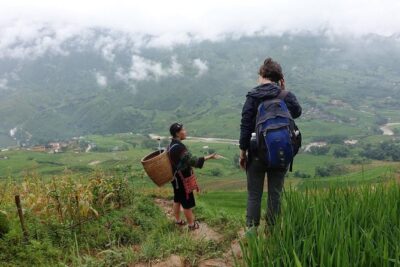
Number one top rated ethical cultural trekking and homestay by ETHOS
Read our review →
Hanoi – Sapa 3 Day 2 Night Trekking With Hotel & Homestay
Read our review →
The Wild Explorer – 3 days forest trek with homestay and camping
Read our review →

Hanoi: 2-Day Sa Pa Guided Village & Homestay Trekking Tour
Read our review →
2 Night Lao Chai-Ta Van Homestay- Trekking & Fansipan Visit
Read our review →Other lists this hike appears in