
Review · SAPA
2 Night Lao Chai-Ta Van Homestay- Trekking & Fansipan Visit
The best part of this trip is that you sleep in two different mountain villages, not just visit Sapa for a quick photo stop. You walk beside the Muong Hoa Stream, cross suspension bridges, pass rice terraces, and share meals with Black Hmong and Day families. I especially like the long route from Y Linh Ho to Lao Chai and the second night in Ta Van, where you have time to slow down instead of rushing back to town.
I also like the practical package: round-trip limousine transport from Hanoi, local transfers, meals, entrance fees, and an English-speaking guide are included. The main caution is that the walking program may not always match the level you paid for. Some participants were moved into a cheaper group, walked less than expected, carried their own bags, and paid for drinking water separately.
Key points to know before booking
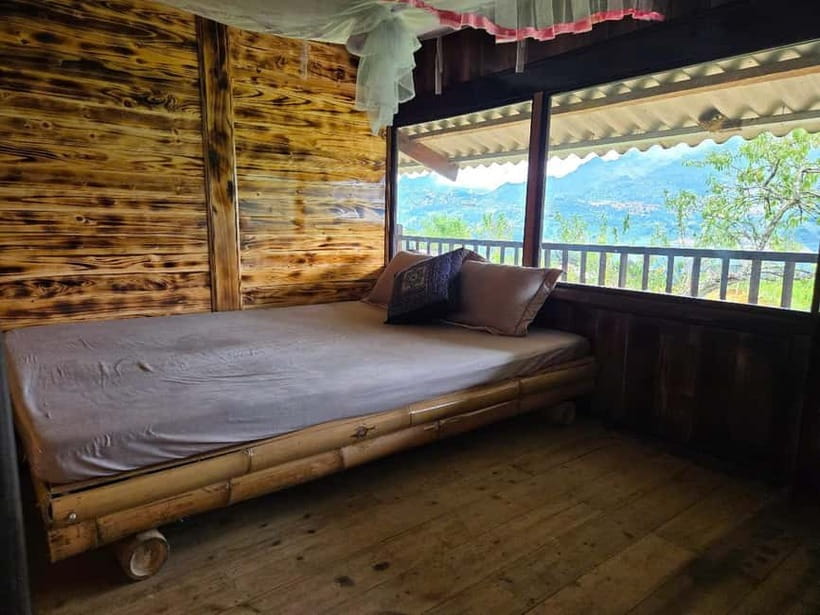
- Two homestays, two ethnic communities: Spend one night with Black Hmong hosts in Lao Chai San and another with Day hosts in Ta Van.
- The first trek is the most demanding: The route from Y Linh Ho to Lao Chai follows streams and terraces before climbing toward the village.
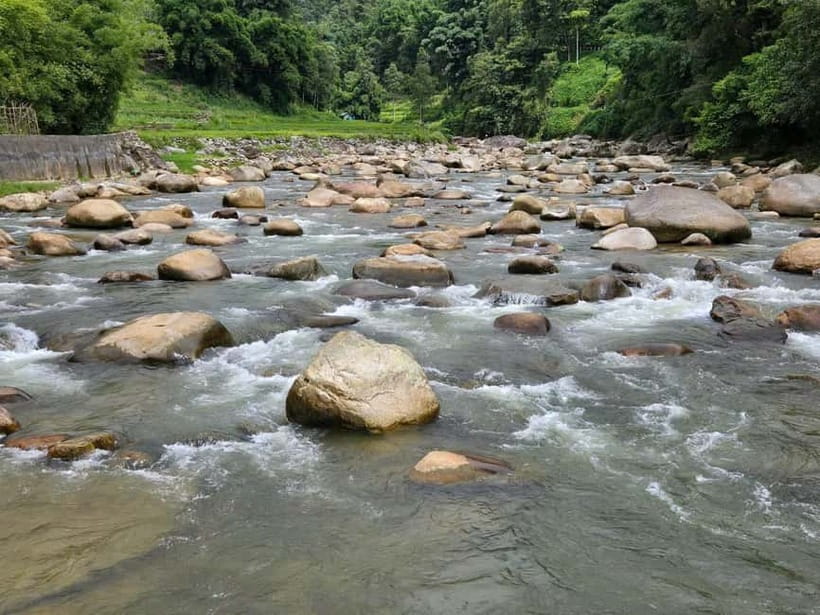
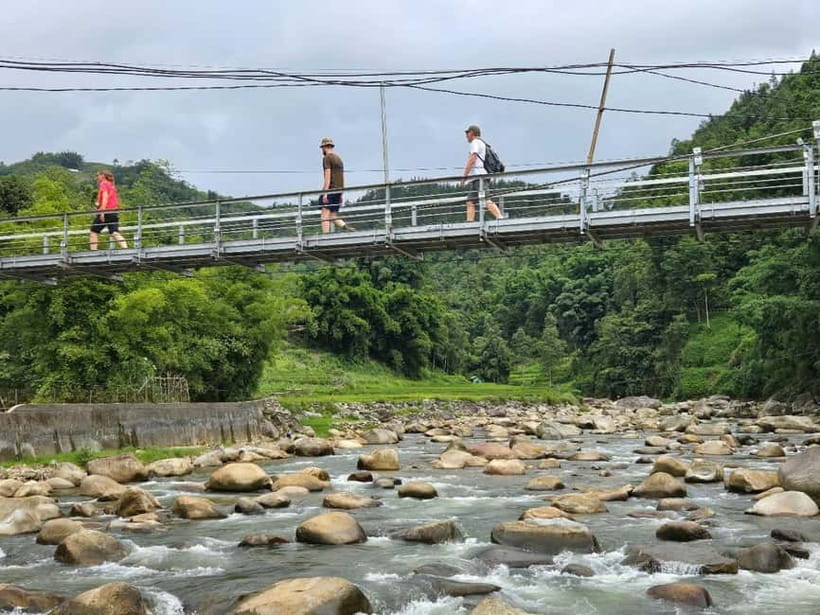
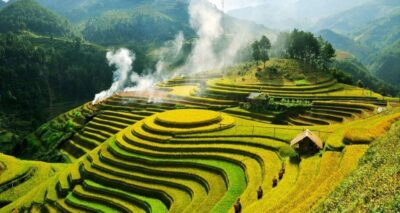
- Muong Hoa Valley is the star: Rice fields, waterfalls, bamboo forest, suspension bridges, and mountain views fill the walking days.
- Fansipan is an optional swap: Replace the final morning trek with a cable-car visit to the 3,143-meter summit for an extra 850,000 VND.
- Pack for a real trek: Comfortable trekking shoes, sun protection, warm layers, insect repellent, medication, and spending money all matter.
- Check the walking plan clearly: The experience is advertised as an active trek, but the actual route and group assignment can affect how much you walk.
What this Sapa trip is really like
This is a three-day mountain trip with two very different parts. The first is the long ride from Hanoi to Sapa. The second is a village-to-village trek through the Muong Hoa Valley, with simple homestay nights and meals cooked by local hosts.
At $110 per person, the price covers a great deal: transportation in both directions, a guide, two nights of accommodation, seven included meals, local transfers, and entrance fees. It is good value if you want an organized trip from Hanoi and do not want to arrange every bus, meal, and village transfer yourself.
You should not book it expecting a private, polished hotel experience. A homestay means a single mattress in a local house, not necessarily a private room. Drinks are extra, private rooms are not included, and the Fansipan cable car costs another 850,000 VND per person.
The trip is best for someone with a fair level of fitness who enjoys walking for several hours on uneven paths. It is not suitable for wheelchair users or people with low fitness. The route includes hills, streams, terraces, bridges, and village paths, so good shoes matter more than smart clothes.
More Homestay and Village Treks in Sa Pa:
- Number one top rated ethical cultural trekking and homestay by ETHOS
★ 5.0 · 456 reviews - Hanoi – Sapa 2 Days 1 Night Overnight At Homestay
★ 5.0 · 899 reviews - From Hanoi: 2-Day Sapa Trekking Trip with Homestay & Meals
★ 4.8 · 704 reviews
The early limousine ride from Hanoi to Sapa
Your day begins at 6:15 am at 204 Tran Quang Khai Street in Hanoi. The limousine bus takes about five and a half hours, with three short breaks along the way. A complimentary bottle of water is provided, and the ride gives you views across the Red River Delta before the road reaches the mountains.
This is a useful choice if you are staying in Hanoi and want a direct package. You do not need to find a separate train, arrange a transfer from Lao Cai, or negotiate a local ride to Sapa. The trade-off is a long first morning, so be ready for a full travel day before the trekking starts.
The bus is not always generous for taller people. One person who was 1.85 meters tall found the sleeper-style bus difficult to settle into, so do not assume the vehicle will feel spacious. Keep your passport, medication, phone, and a light layer within reach rather than buried in luggage.
You arrive in Sapa at about 1 pm. A company representative meets you, explains the plan, and takes you to lunch. After a short break, the trekking section begins at around 2:30 pm.
From Y Linh Ho to Lao Chai San
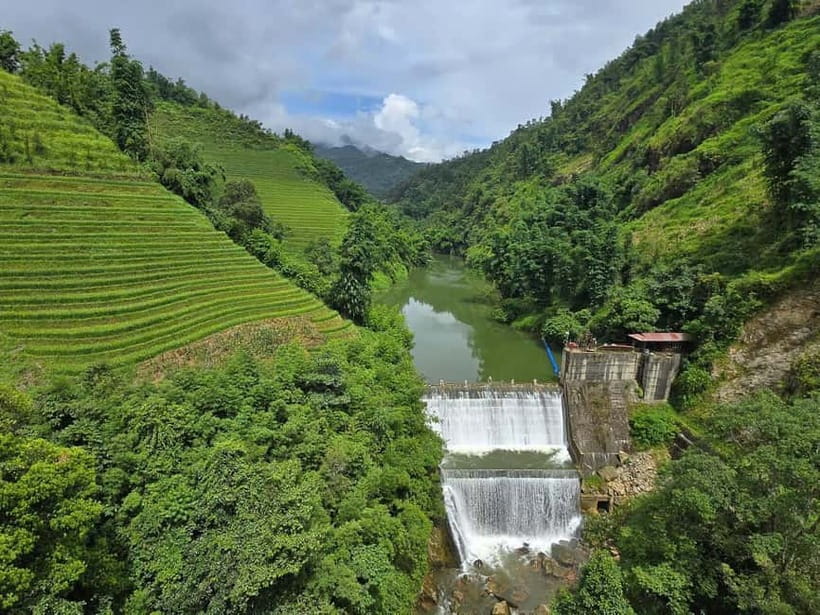
The first walk starts near Y Linh Ho and heads toward Lao Chai San, a Black Hmong village. This is a strong opening because you reach the countryside quickly. Instead of spending the afternoon around Sapa town, you are soon beside the Muong Hoa Stream and among rice terraces.
The route passes a suspension bridge and a waterfall, then climbs toward the homestay. That climb is worth noting. The first day is not a gentle village stroll, and the combination of a five-and-a-half-hour bus ride plus an afternoon trek may feel tiring.
The scenery is the main reward. You see the valley from different levels, follow water through the countryside, and watch daily life continue around the paths. Depending on the season and weather, the rice terraces can look very different, but the route remains one of the most attractive ways to reach the villages.
You can help with dinner if you want. That small invitation is one of the better parts of a homestay, since it gives you a simple way to interact with the host without forcing a formal cultural activity. Dinner is included, as is the night on a single mattress in the Black Hmong homestay.
Expect a quiet evening rather than nightlife. This is a place to eat, talk, rest, and listen to the mountain settle down. Bring a warm layer, even if Hanoi felt hot. Warm clothes, a scarf, a hat, sun cream, and insect repellent are all recommended.
A full day through Muong Hoa Valley
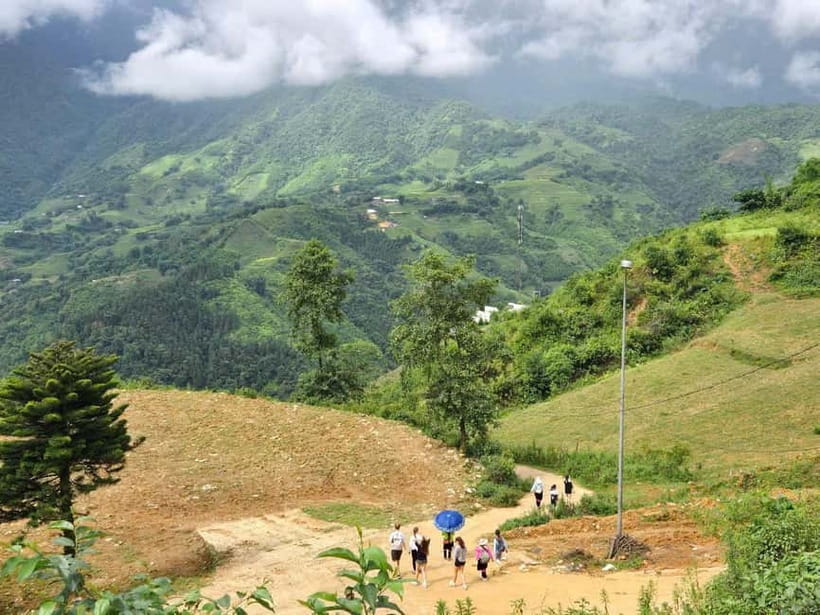
Day two is the heart of the trip. After an early breakfast of pancakes with honey and fruit, your guide leads you through Muong Hoa Valley toward Ta Van. The route follows streams and terrace fields, with regular chances to meet local people and stop for photographs.
A picnic lunch is prepared by the guide. That keeps the group moving, but it also means you should carry anything you need between stops, including water and personal medication. Water is not included in the package, despite some expectations to the contrary, so bring spending money and plan to buy drinks along the way.
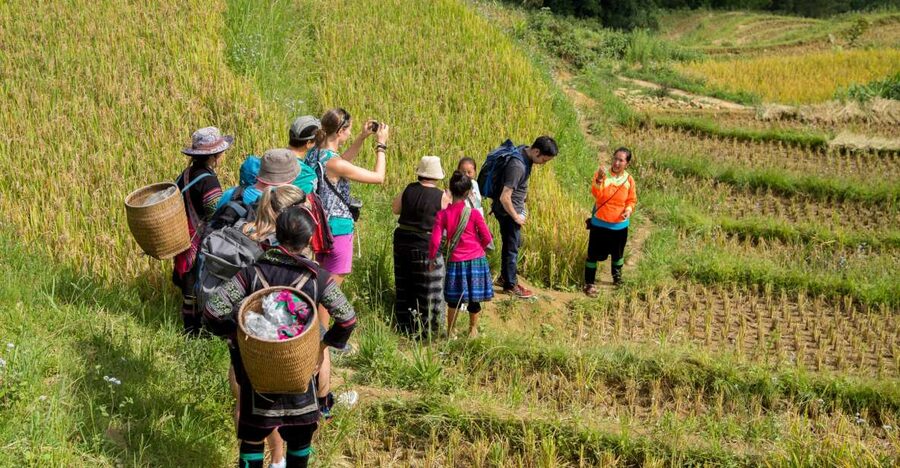
The quality of this day depends heavily on the guide. A good guide can explain the lives of the Hmong and Day communities, identify the villages you pass, and answer questions without turning the walk into a lecture. Guide Soa received especially warm praise for being friendly, helpful, and able to explain local life clearly.
You should also confirm the walking distance before departure. The advertised plan suggests a long and active day, but some people ended up walking only about two and a half hours after being placed with another group. That is a serious point if you are choosing this trip for exercise rather than only scenery.
The planned arrival in Ta Van is around 3 pm. Once there, you can rest at the homestay, sit with a beer, or swim in the nearby stream if conditions allow. Dinner is cooked by the host, giving you another chance to eat local food in a family setting rather than at a restaurant built for tour groups.
Ta Van is a good place for the second night because you are not packing up again after dinner. You have time to recover from the first two walking sections, enjoy the view from the homestay, and prepare for the final morning.
More Evening Trips around Sa Pa:
- Stromboli: Sunset Trekking at Sciara del Fuoco
★ 4.6 · 1,372 reviews - Etna Sunset Tour: Volcano trek, Cave & tasting from Catania
★ 4.8 · 1,290 reviews - The Volcano Heart Tour: Hiking, Tasting and Sunset Experience
★ 5.0 · 1,120 reviews - Cape Town: Lion’s Head Sunrise or Sunset Hike
★ 5.0 · 1,084 reviews
The final walk through bamboo forest and Giang Ta Chai
Breakfast is served at about 7:30 am on the last day. The morning route passes rice paddies and bamboo forest before reaching a panoramic viewpoint over Giang Ta Chai village.
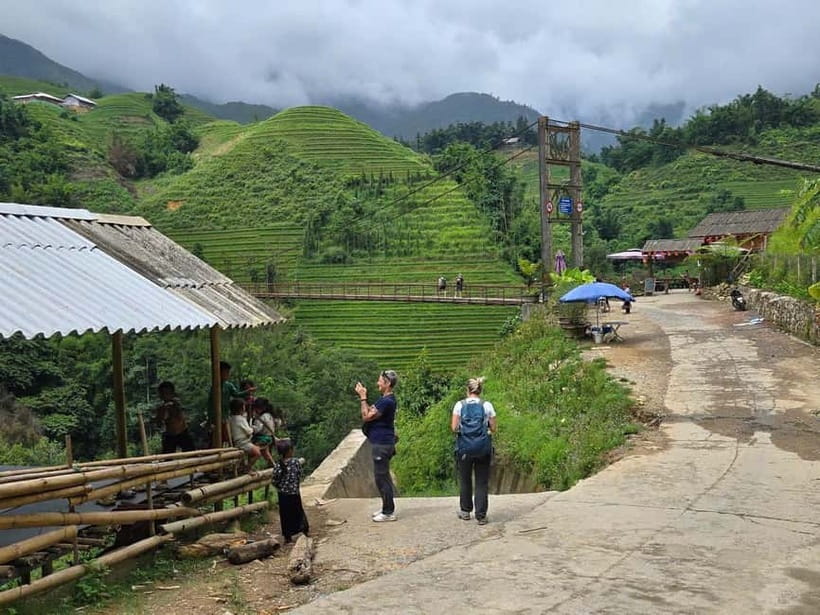
The walk ends with the Giang Ta Chai Suspension Bridge. This gives the final morning a clear destination and a memorable crossing, rather than ending with an ordinary road walk. After the bridge, a bus takes you back to Sapa for lunch and a shower.
That return to town is important. You are not expected to board the Hanoi bus straight from the trail in muddy clothes. You have a chance to eat, wash, and reorganize your luggage before the long journey south.
The included food is listed as three lunches, two dinners, and two breakfasts. Drinks are not included, and tips for the guide and driver are optional personal expenses. You should also keep cash for snacks, drinks, and any unexpected purchases.
Choosing Fansipan instead of the final trek
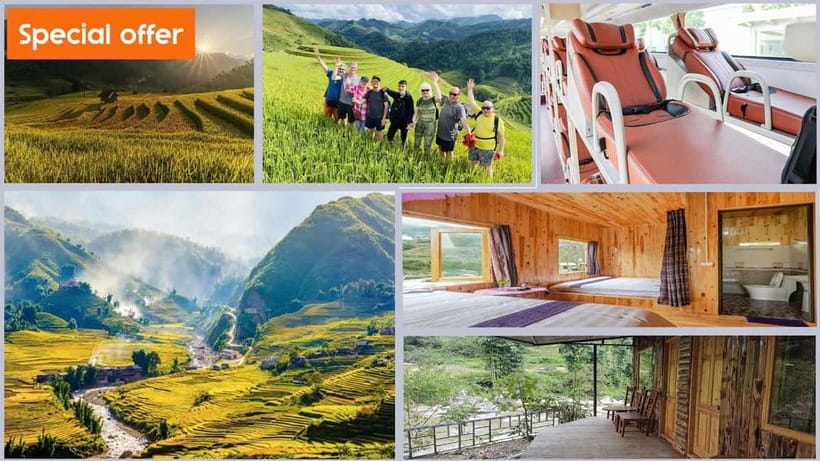
If you want to visit Vietnam’s highest mountain, you can replace the final morning trek with a Fansipan cable-car visit. After breakfast in Ta Van, a car and guide take you to the cable-car station. The cable car reaches Fansipan Peak at 3,143 meters, then a car collects you afterward and returns you to the restaurant for lunch.
The cable car is optional and costs 850,000 VND per person. It is a practical way to see Fansipan without attempting a long mountain climb, but it changes the feel of the trip. You get a major Sapa landmark and high-altitude views, but you lose the slower village walk through paddies and bamboo forest.
I would choose Fansipan if reaching the summit is a personal priority or if you are worried about another morning of uneven trekking. I would keep the original walk if your main goal is village life and time outdoors. You cannot really treat the two options as the same experience.
After lunch, you return to Hanoi by limousine bus. There are three short breaks along the way, but dinner is at your own expense. Arrival is expected around 9 pm at 204 Tran Quang Khai Street, and you arrange your own onward journey to your hotel.
Homestays, food, and comfort
The accommodation is basic by design. You receive a single mattress at each homestay, and a private room costs extra. This is suitable if you want a simple local stay, but less suitable if you need hotel privacy or carefully controlled comfort.
Meals are a strong part of the package because they remove a lot of planning from a rural itinerary. You receive lunch on the first day, dinner in Lao Chai, breakfast and picnic lunch on day two, dinner in Ta Van, then breakfast and lunch on day three.
The food is described as decent and local, with meals prepared by the guide or host families. Bring money for drinks because those are not included. If you have dietary or medical needs, bring your medication and make those needs clear before the trek.
The biggest practical issue: group changes
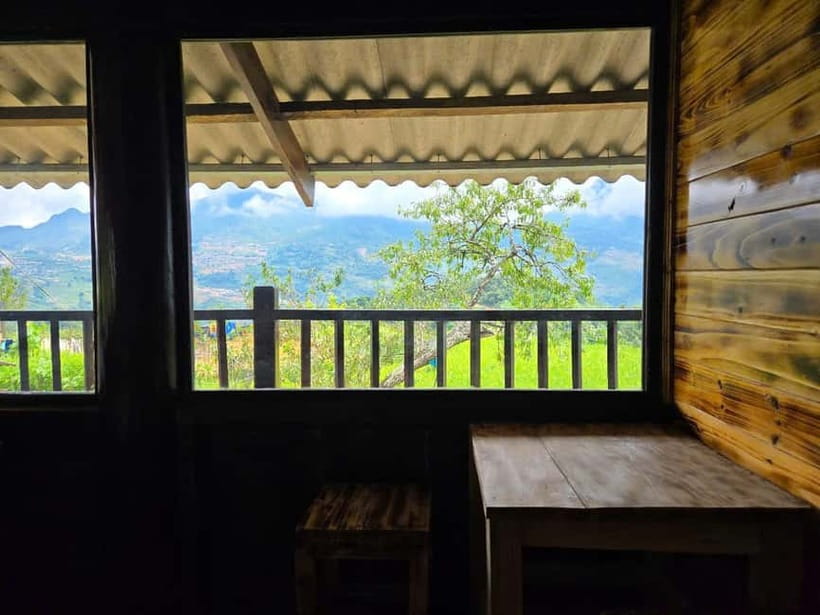
The most important thing to clarify is who you will walk with and how the route will be handled. Some people paid more for a sportier trek but were shifted into a cheaper group without warning. The result was less walking than expected, carrying large bags, and no included water.
That does not mean every departure will have the same problem, but it does mean you should ask direct questions before setting out:
- How many hours will we walk on day two?
- Is this the longer trekking group?
- Do we carry our own bags?
- Is water provided or purchased separately?
- Will the full advertised route be followed?
The guide may be excellent while the organization is uneven. That distinction matters. A friendly guide who explains Hmong and Day life can make the walking memorable, but the company still needs to match your group with the route you booked.
Who should book this trip?
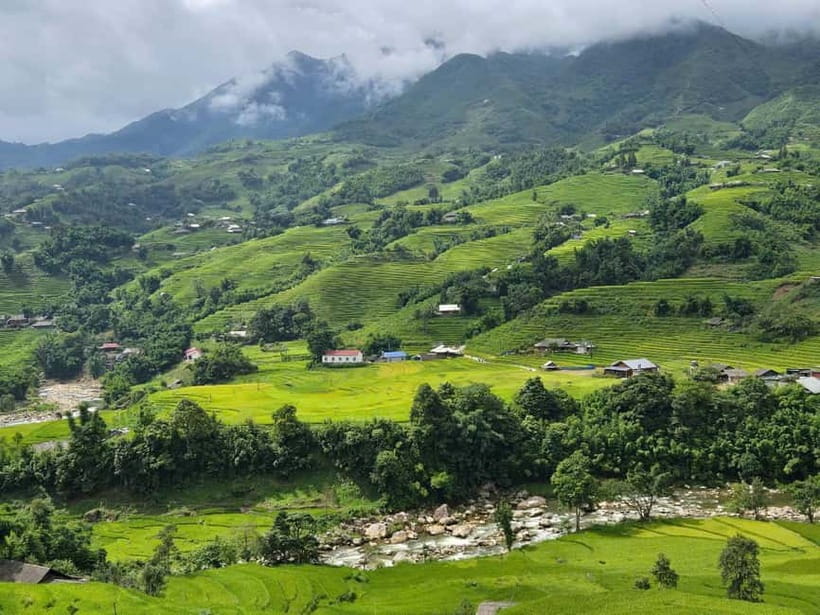
I would recommend this trip to you if you want an affordable, organized introduction to Sapa and prefer villages to city sightseeing. It is especially suitable for people who like active days, simple accommodation, local meals, and a guide who can explain the area as you walk.
It also works well for first-time visitors to northern Vietnam. The transport from Hanoi, Sapa transfers, food, accommodation, and village routes are bundled together, so you do not need to build the trip piece by piece.
I would be cautious if you are tall and uncomfortable on compact buses, need a private room, dislike carrying luggage, or want a precisely controlled hiking schedule. The trip can be physically tiring, and the actual amount of walking may vary.
At $110, the package offers good value when the transport and meals work as planned. The value drops if you are paying for a longer trek but receive a shorter group route. Confirm the program, luggage arrangements, and water policy before you pay.
Should you book the Lao Chai and Ta Van trek?
Book it if you want two nights in mountain homestays, a real walk through Muong Hoa Valley, and an easy way to connect Hanoi with Sapa. The strongest features are the village-to-village route, the Black Hmong and Day homestays, the local food, and guides such as Soa who make the cultural side more meaningful.
Choose another option if you need privacy, guaranteed trekking mileage, or a highly polished operation. If you do book, bring proper shoes, warm layers, sun protection, insect repellent, medication, and cash. Most important, confirm that you are assigned to the longer trekking group if that is what you are paying for.
FAQ
How long does the trip take?
The experience lasts three days and two nights. You leave Hanoi around 6:15 am on the first day and return to the Hanoi meeting point at about 9 pm on the third day.
Where does the Hanoi bus depart?
The listed meeting point is 204 Tran Quang Khai Street in Hanoi. The exact meeting point may vary depending on the option booked, so check your booking details.
What accommodation is included?
You stay one night in a Lao Chai San homestay and one night in a Ta Van homestay. Accommodation is on a single mattress. A private room is not included.
Are meals included?
Yes. The package includes three lunches, two dinners, and two breakfasts. Drinks are not included.
Is the Fansipan cable car included?
No. The Fansipan cable-car visit is optional and costs 850,000 VND per person. It replaces the final morning trek.
Is this trip suitable for people with low fitness?
No. The experience is not suitable for people with a low level of fitness or wheelchair users. Comfortable trekking shoes are recommended.
What should I bring?
Bring your passport or ID card, comfortable trekking shoes, sunglasses, a sun hat, warm clothes, a scarf, sun cream, insect repellent, required medication, and spending money.
Recently reviewed hikes in Sa Pa
- From Hanoi: Sapa 3-Day Medium Trek and Limousine Trip★ 4.5 · 59 reviews
- 2-Day Fansipan Mountain Trek – Indochina’s Highest Peak★ 4.3 · 42 reviews
- 1-Day Sapa Long Trek – Rice Field Terrace, Ethnic Culture★ 4.9 · 62 reviews
- 1 Day Sapa Trek&Home-cooked Lunch HmongSisterHouse&Trekking★ 5.0 · 7 reviews
- Sa Pa: 6-Hours Muong Hoa Valley Trek with Local Ethnic guide★ 4.5 · 178 reviews
- Sapa: Private The Most Beautiful Terraced Fields Trekking★ 4.8 · 42 reviews
- Mountain views and villages trek – 1 Day★ 5.0 · 99 reviews
- Mountain views & Rice Terraced Fields Hiking – 2D 1N★ 5.0 · 99 reviews
Homestay & Village Treks, compared.
Hanoi – Sapa 2 Days 1 Night Overnight At Homestay
Read our review →
From Hanoi: 2-Day Sapa Trekking Trip with Homestay & Meals
Read our review →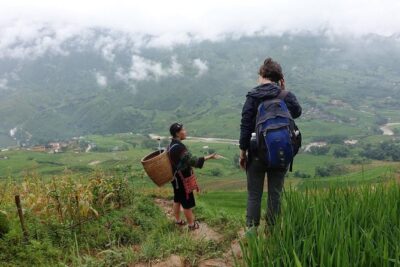
Number one top rated ethical cultural trekking and homestay by ETHOS
Read our review →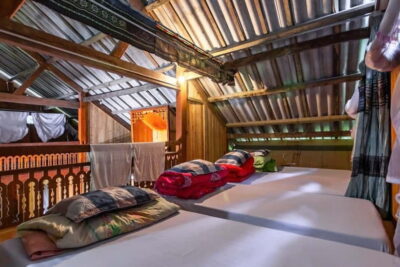
2-Day Sa Pa Ethnic Homestay Tour & Trek with Limousine Bus
Read our review →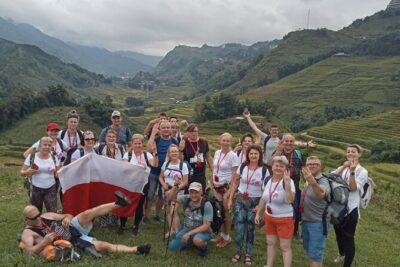
Hanoi – Sapa 3 Day 2 Night Trekking With Hotel & Homestay
Read our review →
The Wild Explorer – 3 days forest trek with homestay and camping
Read our review →
Hanoi: 2-Day Sa Pa Guided Village & Homestay Trekking Tour
Read our review →Other lists this hike appears in