Review · SAPA
Sapa The Hidden Trail Trek 1 Day – Mountain & Rice Valley
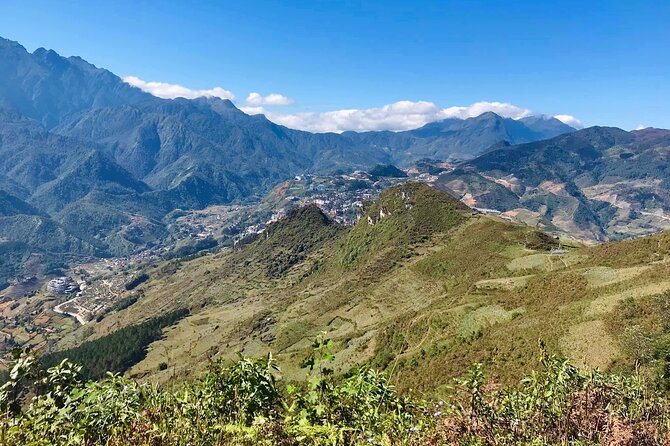
Dragon Jaw Mountain gives you the big reward early: from around 1,970 meters, you can look across Sapa town, scattered villages, and the Muong Hoa Valley. Then the trail turns more personal, passing Hmong and Dao communities, rice fields, farm animals, and a small bamboo forest.
I like the local guides, especially the patient, flexible approach reported with Nhu, Zo, Phenh, Chu, and others. I also like the mix of mountain views and village life, rather than a walk that stops at one famous viewpoint. The catch is simple: this is a real mountain trek, with steep slopes, uneven ground, mud, and a long downhill section.
Key points
- Dragon Jaw Mountain at about 1,970 meters: The high point offers wide views over Sapa and the Muong Hoa Valley when weather allows.
- A route through several communities: You visit Hang Da, Hau Chu Ngai, and Giang Ta Chai, with Black Hmong and Red Dao culture woven into the day.
- Patient local guiding: Guides such as Nhu and Zo are known for adjusting the pace and helping on difficult sections.
- A demanding walk: Plan for steep climbs, uneven paths, and possibly around 20,000 steps or 9 miles.
- Lunch, water, entry fees, and return transport included: At $35 per person, the package covers the main practical costs.
- Weather matters: Rain can turn the trail slippery and hide the valley views, especially during the wetter months.
Why Dragon Jaw Mountain is the right starting point
At 9:00 a.m., your guide meets you at your hotel or at Sapa Church. After a short briefing, you leave the town center on foot toward Ham Rong Mountain and the higher trails around Dragon Jaw.
The first section sets the tone. You climb rather than stroll, and the route uses natural mountain paths instead of a smooth city walkway. The reward is a wide view across Sapa, with villages and cultivated slopes spread below. On a clear day, this is the photographic centerpiece of the day.
The mountain is listed at about 1,970 meters, but the important point is the effort needed to reach the viewpoint. One account describes almost half of a roughly 9-mile walk as uphill. Another describes six to seven hours of near-continuous hiking, even though the scheduled duration is about five to six hours. Treat the shorter time as an estimate, not a promise.
Your guide can stop for rests and adjust the pace. That matters here. Nhu is repeatedly described as patient with slower walkers, and one group was able to switch to an easier route when a novice hiker struggled early on. Zo also adjusted breaks during a walk of about 20,000 steps.
Still, do not book this thinking you are getting a light village ramble. You need basic stamina and comfort with uneven mountain ground. Walking poles are a sensible extra, especially for older walkers or anyone who finds steep downhill paths hard on the knees.
More Mountain and Summit Hikes in Sapa
- Mountain views and villages trek – 1 Day
★ 5.0 · 99 reviews - Mountain views & Rice Terraced Fields Hiking – 2D 1N
★ 5.0 · 99 reviews - In Sapa: 1 Day Mountain Trek, Visit beautiful villages
★ 5.0 · 50 reviews
Hang Da Village and the first mountain views
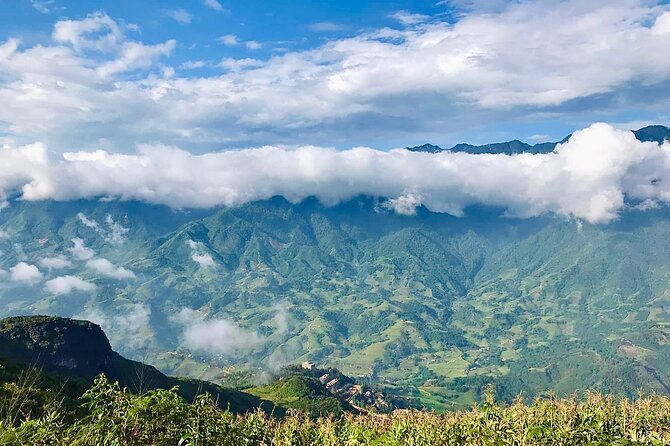
After the upper mountain section, the route reaches Hang Da Village, a Hmong community known for large rocks, mountain views, and its position above the Muong Hoa Valley. This is where the trek begins to feel less like a climb for its own sake and more like a walk through the region around Sapa.
The Black Hmong culture is an important part of the day. Your guide can explain local life, farming, clothing, and family traditions as you walk. The value here is the conversation. You are not simply taking photos of rice terraces from a lookout. You are moving through places where people live and work.
The timing gives you about an hour at Hang Da, though the actual pace may shift with weather and fitness. If rain has come through, the trail can become muddy. That mud is not a minor detail: it can slow the group, make the descent harder, and limit the amount of time available for stopping.
Bring shoes with firm grip and clothing you do not mind getting dirty. The supplied information does not specify a shoe type, but the repeated mention of mud, slippery ground, and uneven paths makes ordinary smooth-soled trainers a poor choice.
Lunch after the walk toward Hau Chu Ngai
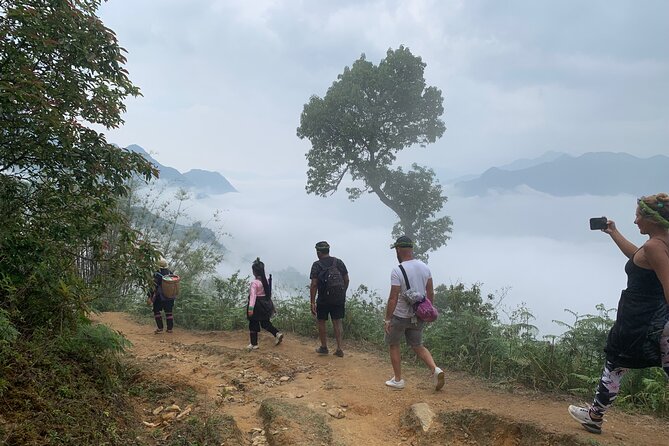
After Hang Da, you continue through Hau Chu Ngai and along village roads toward a bamboo forest trail. This part of the route gives you a change of rhythm. You have the high views behind you, then begin moving through narrower paths and more sheltered greenery.
Lunch is included, along with bottled water. The meal is described as local food, and rice from the Sapa terraces may be part of the experience. Several meals were enjoyed, but one meal was considered bland, and one person expected to eat in a local home but was served at a small restaurant instead.
That is useful to know. The lunch is a practical stop and a chance to taste regional food, but you should not book this tour for a carefully planned food experience or a guaranteed home meal. Expectations are best kept modest. You will eat during the route, and the food may be simple.
The walk to Hau Chu Ngai and the bamboo section is also where the day can feel most flexible. The published timing gives about an hour and a half after lunch for the next stretch, but rain, photo stops, and the group’s pace can change the schedule. If you have a train, bus, or fixed evening booking, leave plenty of time after the stated end.
Bamboo paths down to Giang Ta Chai
From Hau Chu Ngai, the trail continues through village roads and short bamboo forest paths toward Giang Ta Chai. The route drops toward the valley, so the physical challenge changes from sustained climbing to uneven downhill walking.
Downhill is not automatically easier. Wet soil and stone can make the descent slippery, and tired legs reduce balance. One account describes the ground as manageable for people with basic stamina, while also noting that rain made the route slower and more difficult. I would pay close attention to the guide’s pace here rather than trying to hurry to the next stop.
The scenery should keep changing: rice terraces, forest, mountain views, and homes scattered along the valley. You may also see farm animals along the route, adding a small everyday detail to the walk. This is one reason I like the tour. It connects the dramatic high point at Dragon Jaw with ordinary village life below.
The route is not designed as a formal nature walk with signs and flat paths. Your guide is your main source of orientation and context. Guides such as Chu and Keyni have been praised for explaining local customs, plants, and the Hmong people, while Nhu and Zo are noted for answering questions and helping with difficult sections.
More Mountain and Summit Hikes in Vietnam
- 2-Day Fansipan Mountain Trek – Indochina’s Highest Peak
★ 4.3 · 42 reviews
Giang Ta Chai and the small museum
The final named stop is Giang Ta Chai, a small community associated with Black Hmong and Red Dao people. Here, you visit a small museum where the local guide explains traditional clothing, customs, and local culture.
This short visit, listed at about 30 minutes, gives the day a useful human focus. After hours of walking through fields and mountain paths, you get a more direct explanation of the groups who live in the area. You are not only looking at scenery. You are given some context for the clothing, homes, and village patterns you have seen along the way.
The stop is brief, so do not expect a large museum or a long cultural program. Its value comes from the guide’s explanation. A good guide can make this a memorable close to the walk, especially if you ask specific questions about daily life and traditions.
After Giang Ta Chai, transportation returns you to town. Transport back to Sapa is included, as are village entry fees, lunch, bottled water, and the local guide. The activity ends back at the meeting point.
The guides make a major difference
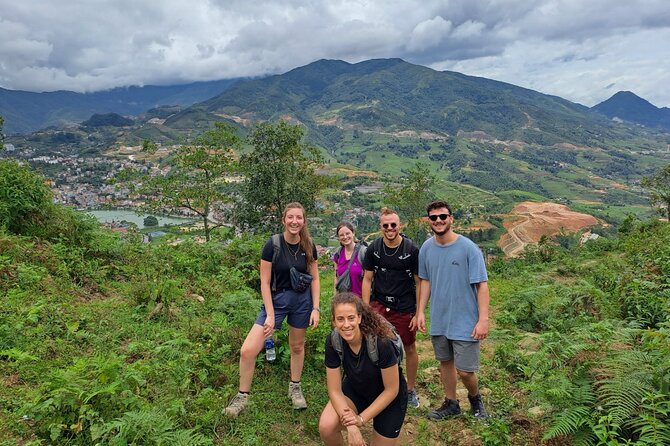
The strongest part of this experience is the guide relationship. You may be led by Nhu, Zo, Phenh, Chu, Keyni, Jacob, TJ, or another member of the local guiding team. The names vary, but the useful qualities are consistent: patience, care on steep sections, local knowledge, and willingness to answer questions.
Nhu is described as a local Hmong guide who shared stories about family life and helped explain local culture. She also adjusted the route for a less experienced walker. Zo is noted for strong English, clear explanations about plants and different ethnic groups, and regular breaks during a long walk.
Phenh is described as flexible with a group’s needs, while Keyni adjusted the pace to the slowest person. Guides called Jacob and TJ also received praise for being supportive on muddy or steep trails.
Your experience will still depend on the individual guide and the weather. But this is a private activity, so only your group takes part. That gives you a better chance of setting a sensible pace than you would have in a large mixed group. Ask for a slower pace early if you need it. Do not wait until the first major climb has exhausted you.
What $35 covers, and where the value sits
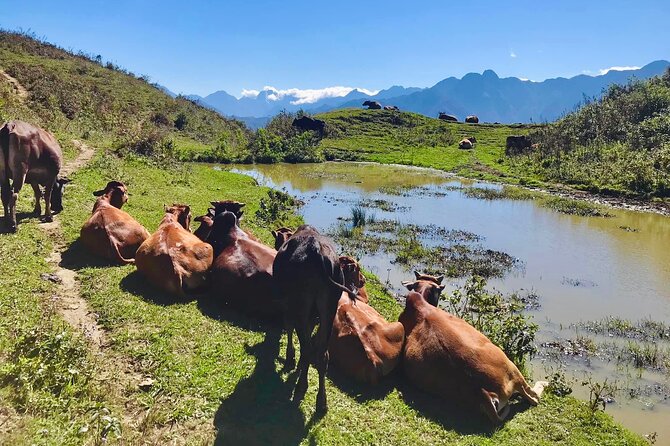
At $35 per person, the price is strong for a private Sapa mountain outing that includes a guide, lunch, water, village entry fees, and transport back to town. You are paying for more than a viewpoint visit. The day combines a mountain climb, several village areas, cultural interpretation, and a long walk through the Muong Hoa region.
The value is best for someone who wants a full active day without arranging each part separately. You do not need to sort out a village guide, lunch stop, admission fees, or the return ride on your own.
The price does not include tips, personal expenses, or insurance. You should also budget for practical items such as suitable footwear and, if useful, walking poles. The tour does not include a guaranteed private-home meal, and the food is likely to be simple rather than a major feature.
The biggest cost is not money. It is effort. If you want an easy way to see rice terraces, this is not the best match. If you value a long walk and personal guiding, the price makes sense.
Weather, fitness, and the best way to prepare
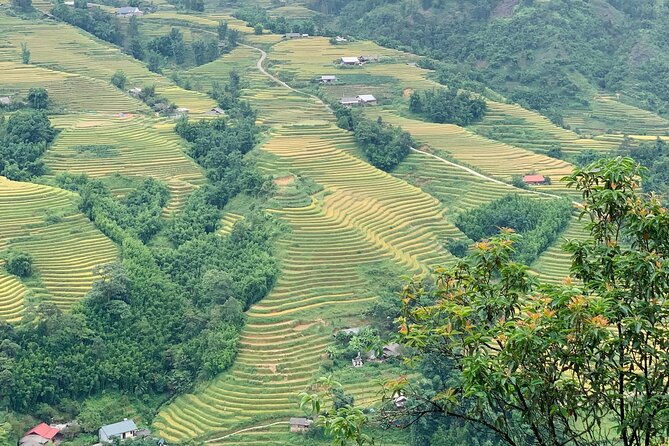
The weather can decide how much you see. Rain may bring cloud, mist, mud, and slippery paths. One June walk reached the mountain but had little view of the valley because of persistent rain. The same conditions can slow the route and make the ground harder to manage.
Clearer periods are suggested as March to April and September to October. That does not guarantee sunshine, but these months may offer a better balance for views and walking conditions than the wetter part of the year.
You should arrive ready for:
- Steep uphill sections
- Uneven and slippery ground
- A possible six to seven hours on foot
- Around 20,000 steps or roughly 9 miles, depending on the route
- Mud after rain
- A long downhill section
- Changing views if cloud covers the high points
The listed requirement is moderate physical fitness. That is fair, but I would interpret moderate as the ability to walk for several hours on rough ground, not simply the ability to stroll around town. Teenagers and older adults can manage it if they have reasonable stamina, but each person should judge the steep sections honestly.
Free cancellation is available up to 24 hours before the 9:00 a.m. start for a full refund. Changes or cancellations inside that window are not accepted for a refund.
Who should book this Sapa trek
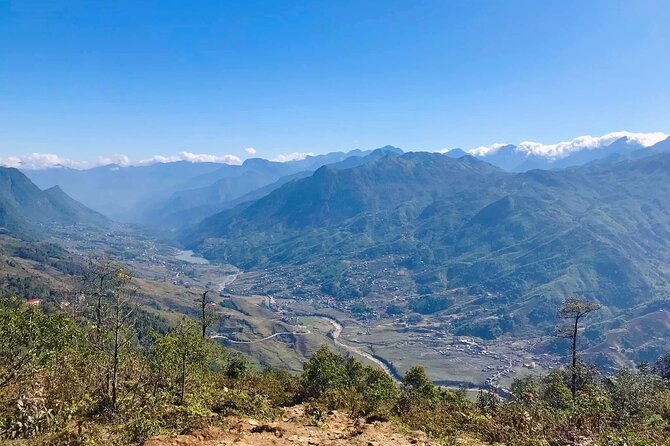
I would choose this trek if you want a strong introduction to Sapa in one day. It gives you the mountain views, rice terraces, village paths, local culture, and a guide who can connect the parts. It also works well early in a Sapa visit because it helps you understand the area before deciding how much more hiking you want to do.
You will likely enjoy it if you like:
- Active sightseeing
- Long walks with changing scenery
- Local guides and cultural conversation
- Rice terraces and mountain villages
- Flexible pacing within a private group
- Simple local food rather than a polished restaurant meal
I would hesitate if you have limited mobility, dislike mud, or want a relaxed half-day outing. I would also think twice if your main goal is reaching Fansipan, since this is a different kind of day. Here, the focus is village walking and mountain scenery rather than a single summit attraction.
Should you book Sapa The Hidden Trail Trek?
Book it if you want to work for your views. The Dragon Jaw climb, Hang Da, Hau Chu Ngai, bamboo paths, and Giang Ta Chai create a satisfying day with more variety than a short photo stop. The local guides are a real asset, and the private format allows the pace to be adjusted.
Skip it if you want an easy walk or a guaranteed clear panorama. Rain can hide the best views, lunch is simple, and the route can run longer than the five to six hour estimate. For fit visitors who want to see Sapa through both its scenery and its communities, this $35 tour offers very good value.
FAQ
Where does the Sapa Hidden Trail Trek start?
The tour starts in Sa Pa, Lao Cai, Vietnam. At 9:00 a.m., the guide meets you at your hotel or at Sapa Church.
How long does the trek take?
The scheduled duration is approximately five to six hours. The actual walk can take longer, with some accounts describing six to seven hours of hiking depending on pace, weather, and route conditions.
What places do you visit?
The route includes Ham Rong Mountain and Dragon Jaw Mountain, Hang Da Village, Hau Chu Ngai, a small bamboo forest, and Giang Ta Chai Village before returning to Sapa.
Is lunch included?
Yes. Lunch is included, along with bottled water. The meal is local food, though it may be served at a small restaurant rather than in a local home.
What ethnic communities are connected with the route?
Hang Da is associated with the Black Hmong people. Giang Ta Chai is associated with Black Hmong and Red Dao communities.
How difficult is the walk?
You should have a moderate level of physical fitness. The route includes steep climbs, uneven surfaces, muddy sections, and downhill walking. Walking poles may help on steep areas.
Is this a private tour?
Yes. Only your group participates in the activity.
What happens if I cancel?
You can cancel up to 24 hours before the start time for a full refund. Cancellations or changes made less than 24 hours before the start are not refunded or accepted.
More One-Day Trips in Sapa
- From Sapa: 1-Day Guided Trek to Lao Chai & Ta Van with Lunch
★ 4.9 · 416 reviews - Sapa 1 Day Long Trek: Trek to Hau Thao and Sa Seng Villages
★ 4.6 · 344 reviews - 1-Day Sapa Long Trek – Rice Field Terrace, Ethnic Culture
★ 4.9 · 62 reviews - 1 Day Sapa Trek&Home-cooked Lunch HmongSisterHouse&Trekking
★ 5.0 · 7 reviews
Recently reviewed hikes in Sapa
- From Hanoi: Sapa 3-Day Medium Trek and Limousine Trip★ 4.5 · 59 reviews
- 2 Night Lao Chai-Ta Van Homestay- Trekking & Fansipan Visit★ 4.0 · 8 reviews
- 2-Day Fansipan Mountain Trek – Indochina’s Highest Peak★ 4.3 · 42 reviews
- 1-Day Sapa Long Trek – Rice Field Terrace, Ethnic Culture★ 4.9 · 62 reviews
- 1 Day Sapa Trek&Home-cooked Lunch HmongSisterHouse&Trekking★ 5.0 · 7 reviews
- Sa Pa: 6-Hours Muong Hoa Valley Trek with Local Ethnic guide★ 4.5 · 178 reviews
- Sapa: Private The Most Beautiful Terraced Fields Trekking★ 4.8 · 42 reviews
- In Sapa: 1 Day Mountain Trek, Visit beautiful villages★ 5.0 · 50 reviews
Mountain & Summit Hikes, compared.
Berber villages : Atlas Mountains Day Hike from Marrakech
Read our review →
Bali: Sunrise Mount Batur Guided Hike with Breakfast
Read our review →
Bali: Mount Batur Sunrise Guided Hike and Natural Hot Spring
Read our review →
From Marrakech: Atlas Mountains Full-Day Hiking Trip w Lunch
Read our review →
Mount Etna: Summit Guided Hiking Tour up to 3,400 m
Read our review →
From Tirana: Bovilla Lake & Gamti Mountain Hiking Day Trip
Read our review →
Mount Etna: Trek to 3000m with cable car and 4×4
Read our review →