
Review · SAPA
Sa Pa Full Day Trekking Tour
Sapa’s best scenery is reached on foot, and this tour takes you straight from town into rice terraces, mountain paths, and three villages in one long day. You’ll walk through Y Linh Ho and Lao Chai before lunch at a Ta Van homestay, with a local guide explaining village life along the way.
I like the excellent value: at $25, you get a guide, entrance fees, lunch, and the return bus. I also like the route’s mix of scenery and daily life, especially the chance to learn about Black H’mong and Red Dao communities from a local guide. The catch is simple: this is a real hike, not a gentle village stroll. Expect at least four hours of walking, often 8 to 10 kilometers, with steep, muddy, and slippery stretches.
Key points to know before you book
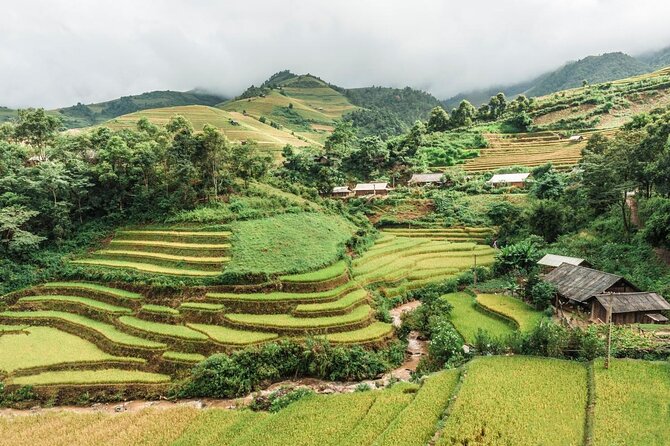
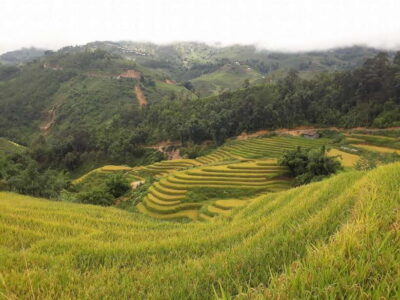
- Rice terraces from Sapa to Ta Van: The route runs through Y Linh Ho, Lao Chai, and Ta Van, following paths beside the Muong Hoa area.
- A proper walking day: You may walk for four hours or more, with steep descents and uneven ground.
- Lunch at Ta Van: A local meal is included, usually at a homestay or rest stop, with time to visit a nearby stream.
- Local guides matter: Guides such as Zem, Sue, and Mama So have been praised for English, friendliness, and explanations of village culture.
- Wet weather changes the trek: Rain can turn the trail muddy, flooded, and slippery, so good footwear matters more than smart clothing.
- Return transport is included: After lunch, a bus takes you back to Cầu Mây Street in Sapa.
What this Sapa trek actually offers
This is a point-to-point walk from Sapa toward Ta Van, not a short loop around town. You start at 8:00 am near Sapa Retreat Condotel on Hoàng Liên Street, then leave the urban center behind as the route heads toward Y Linh Ho.
The day lasts about six to seven hours, but the walking itself can feel longer than the schedule suggests. One description gives roughly four hours of walking, while another puts the distance at around 8 to 10 kilometers. Those figures fit the experience: this is a full day on your feet, with time for stops, lunch, village visits, and transport back to town.
The group can include up to 15 people. That keeps the price low, though it can also affect the pace. Some groups move quickly at the start, while others split into smaller sections. If you want more control over breaks and walking speed, a private upgrade with private transport is available.
More Full-Day Trips around Sapa:
- From Marrakech: Atlas Mountains Full-Day Hiking Trip w Lunch
★ 4.8 · 7,417 reviews - From Chania: Full-Day Samaria Gorge Trek Excursion & Guide
★ 4.6 · 3,191 reviews - From Rethymno: Samaria Gorge Full-Day Trek, Pickup & Guide
★ 4.5 · 1,610 reviews
The walk to Y Linh Ho at 8:00 am
Your guide meets you at the stated meeting point, Sapa Retreat Condotel, or at Sapa Tower according to the tour details. From there, the route heads toward Y Linh Ho and begins the more scenic part of the day.
Y Linh Ho is a good first stop because it gets you into the countryside quickly. You walk along rice terraces near the Muong Hoa area, with mountain views and narrow paths replacing Sapa’s streets. The first hour also sets the tone for the rest of the day: expect uneven ground, changing slopes, and scenery that rewards a slower pace.
The trail does not run in a neat, straight line. That matters. A map may make the route look short, but walking between villages means going up, down, and around the contours of the hills. You should allow time to stop for photographs without assuming the distance will feel easy.
If you have weak knees or trouble with steep ground, ask about the route before setting out. The activity calls for moderate physical fitness, and that is a fair description. You do not need to be an athlete, but you should be comfortable walking several hours on rough paths.
Lao Chai and the people behind the terraces
Around 10:00 am, the walk reaches Lao Chai, one of the larger villages in the Sapa area. Lao Chai is associated with Black H’mong and Red Dao communities, and the guide provides context about local customs, work, and village life.
This is where a local guide can make a major difference. Guides named Zem, Sue, and Mama So have been singled out for friendly help, clear English, and explanations of the rice fields, bamboo forests, and ethnic traditions. Guide quality can vary from group to group, but the best guides turn the walk into more than a sequence of viewpoints.
I especially like the chance to ask practical questions here. You can learn how village families make a living, how the terraces shape daily work, and why the route passes through several communities rather than just one scenic viewpoint. The cultural side of the tour is strongest when you engage with the guide instead of treating each village as a photo stop.
There is a tradeoff. A few groups have found the commentary brief, and larger groups can make it harder to hear every explanation. If cultural detail is your main reason for booking, stay close to the guide and ask questions as you walk.
Mud, steep paths, and the right shoes
The main issue with this tour is not the scenery. It is the trail surface.
In dry conditions, the walk can still include steep slopes and uneven ground. After rain, the path may become muddy, slippery, or partly flooded. You may need to place your feet carefully on narrow sections, especially while going downhill. Helpful local people may appear along the route and assist walkers through difficult spots, but you should not depend on that.
Wear shoes with a firm grip. Do not choose sandals, smooth-soled trainers, or footwear you want to keep clean. The advice from past experience is practical: wear clothes that can get dirty, and bring spare socks if the forecast looks wet.
A rain jacket is sensible, though no special equipment is listed as included. You should also bring your own water. Bottled water is not listed among the inclusions, and carrying water becomes important during a long walk.
The tour is not suitable if you want a relaxed sightseeing day with minimal exertion. It can work well for active families with older children, fit couples, solo walkers, and anyone with only one day in Sapa. It is less suitable for anyone uncomfortable with mud, steep paths, or a group pace.
More hikes and treks around Sapa:
- Sa Pa: Muong Hoa Valley Trek and Local Ethnic Villages
★ 4.6 · 864 reviews - Sapa: Eco Adventure Terrace Fields and Local Villages Trek
★ 4.9 · 636 reviews - Number one top rated ethical cultural trekking and homestay by ETHOS
★ 5.0 · 456 reviews - From Sapa: 1-Day Guided Trek to Lao Chai & Ta Van with Lunch
★ 4.9 · 416 reviews
Ta Van Village and lunch at about 1:00 pm
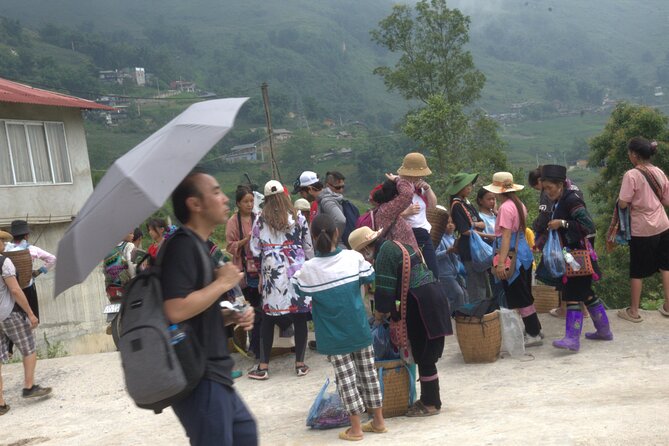
The route reaches Ta Van around 1:00 pm. This is the payoff after the morning walk, with lunch included at a local rest point or homestay.
The meal is made up of local Vietnamese dishes. Food quality is one of the strongest parts of the experience, though tastes vary. One Spanish-language comment found the meal less appealing, so you should approach it as a simple local lunch rather than a restaurant meal designed for every palate.
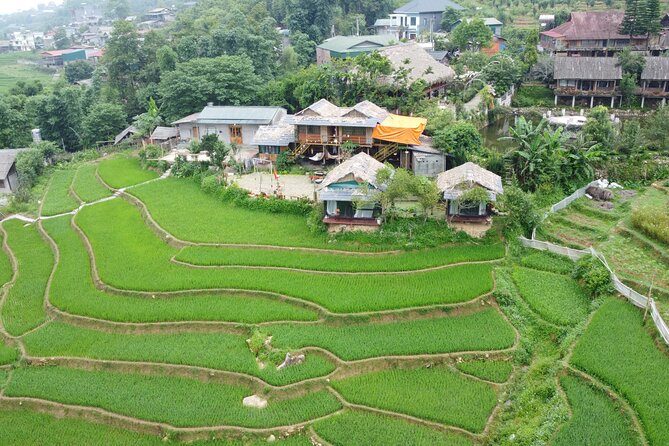
The homestay setting adds value. You are not simply eating beside a tour bus. You get a pause in a village environment, with time to rest and take in the surroundings. After lunch, a natural stream is only about two minutes from the rest point, giving you an easy short walk before the return journey.
The schedule allows about three hours at Ta Van, though that includes lunch and rest rather than three hours of formal sightseeing. It is a useful pause after the hardest part of the walk. If your group has moved quickly, this is where you can slow down, eat, and recover.
Coffee and tea are not included. Lunch is included, as are entrance tickets, but plan to pay separately for drinks if you want them.
The return bus to Sapa at 2:30 pm
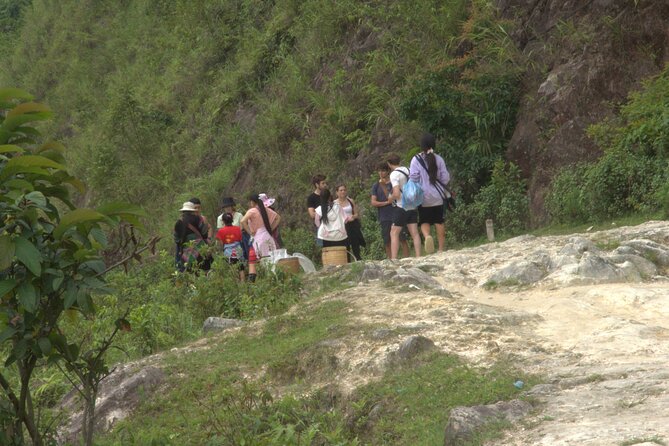
At around 2:30 pm, a bus takes you back to Sapa, ending near Cầu Mây Street. This one-way transport is an important part of the tour.
Without it, you would need to arrange your own way back from Ta Van after a long day of walking. The bus also keeps the route efficient: you hike through the villages in one direction instead of retracing the same path.
The transport is not a door-to-door hotel transfer at the end. The listed endpoint is Cầu Mây Street in Sapa Town, so you may need to walk a short distance to your accommodation. The tour does offer pickup at the beginning, but the meeting instructions specifically name Sapa Retreat Condotel and Sapa Tower. Confirm the exact pickup point when booking.
How good is the $25 value?
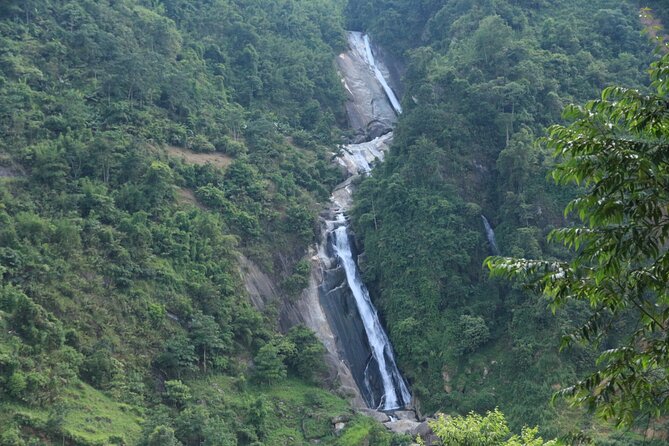
At $25 per person, this is a strong-value way to see the Sapa area if you are prepared to walk. The price includes the guide, lunch, entrance tickets, and the return bus. Those inclusions remove several small costs that can add up during an independent day out.
The value is not just the number of stops. You are paying for route planning and local assistance on paths that can be confusing, steep, and slippery. A guide also gives the villages more meaning than they would have if you simply passed through with a phone camera.
The low price does come with limits. The group may contain up to 15 people, the pace may not suit everyone, and the level of cultural explanation depends on the guide and the group. Bottled water, coffee, and tea are not included.
The private option is worth considering if you dislike group schedules or want private transportation. For many people, though, the standard group tour offers enough support at a much lower cost.
What to know about local women on the trail
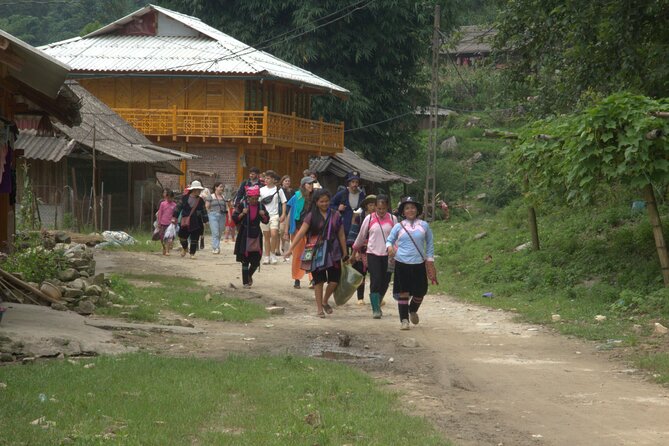
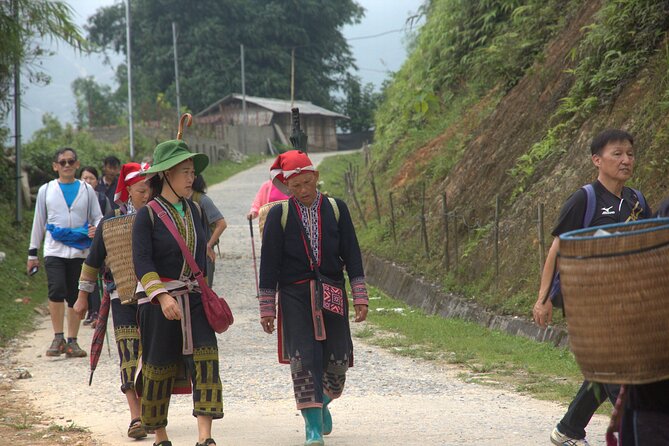
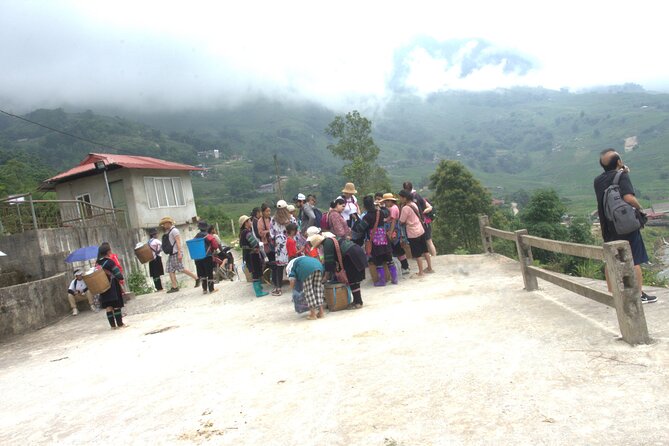
You may be accompanied for part of the walk by local women, often carrying handmade goods and offering items for sale. Their presence is part of the commercial side of the route, and some people find their help useful on slippery sections.
You should expect conversation and sales attempts. This does not make the walk a bad experience, but it can feel uncomfortable if you prefer to hike without interaction. Decide in advance how you want to handle purchases, and do not feel pressured to buy simply because someone has helped you.
This is also a good reason to bring small amounts of cash only if you plan to shop. The tour price does not include souvenirs, and no shopping allowance is stated.
Guide quality and group pace
The guide is central to the experience. A good guide keeps the group together, warns you about difficult sections, explains local customs, and adjusts the pace when the trail gets rough.
Several guides connected with the tour have received warm praise. Zem was described as attentive and clear in English, Sue was valued for being helpful on a difficult route, and Mama So was praised for explaining the rice fields and serving as a strong local presence. These names give you a useful idea of the guide style you may encounter, though a specific guide cannot be guaranteed.
Group pace is less predictable. Some groups rush early, leaving little time to look around. Others move at a more comfortable speed. If you want photographs, tell the guide early that you need occasional pauses. Stay aware of the group, since the route is not a simple paved path where falling behind is harmless.
The maximum group size is 15, which is manageable but not intimate. The private upgrade makes more sense for photographers, slower walkers, or anyone who wants a quieter cultural experience.
When this tour works best
The rice fields do not look the same throughout the year. In February, they may not have their brightest green color, but the terraces and village setting remain interesting. Weather also changes the character of the trail.
A dry day gives you firmer footing and an easier walk. Rain can produce the most dramatic conditions, but it also brings mud, slippery slopes, and flooded sections. Check the forecast before you go and dress for ground conditions, not just temperature.
This is a good choice if you have one day in Sapa and want a broad sample of the area. You see three villages, walk through terrace country, eat a local lunch, and return to town without arranging separate transport.
It is not the right choice if you want a polished, comfortable excursion. The route is described as off the beaten track, but that means rough footing and real effort, not a private trail with handrails.
Should you book the Sapa Full Day Trekking Tour?
Book it if you want strong scenery, local village contact, and a full day of walking for $25. The combination of rice terraces, Y Linh Ho, Lao Chai, Ta Van, lunch, guide, and return bus is hard to beat at this price.
Skip it if you are not comfortable with steep or muddy trails, or if you expect a short, gentle walk. Bring water, wear sturdy shoes, accept that your clothes may get dirty, and ask the guide to slow down when needed.
The tour has a 4.8 rating, with 97 percent recommending it, but the mixed comments point to the key truth: the quality of your day depends heavily on weather, footwear, group pace, and fitness. Prepare properly, and this is one of the most efficient ways to see Sapa beyond the town center.
FAQ
How long does the Sapa Full Day Trekking Tour last?
The tour lasts approximately 6 to 7 hours, beginning at 8:00 am and finishing after the return to Sapa.
Where does the tour start?
The stated meeting point is Sapa Retreat Condotel, 03 Hoàng Liên, Sapa. Pickup information also refers to Sapa Tower and Sapa Retreat Condotel.
What villages does the trek visit?
The route visits Y Linh Ho, Lao Chai, and Ta Van Village before returning to Sapa by bus.
How much walking is involved?
You should expect at least four hours of walking. One tour detail describes the distance as approximately 8 to 10 kilometers.
Is lunch included?
Yes. Lunch in Ta Van Village is included, with local Vietnamese dishes served at a rest point or homestay.
Is transportation back to Sapa included?
Yes. A one-way return bus from Ta Van Village to Sapa Town is included.
Are entrance tickets included?
Yes. Entrance tickets are included in the tour price.
Are coffee and tea included?
No. Coffee and tea are specifically excluded.
How large can the group be?
The activity allows a maximum of 15 people. A private trekking and transportation upgrade is also available.
What fitness level is needed?
A moderate level of physical fitness is recommended. The route includes steep, muddy, slippery, and uneven sections, particularly in wet weather.
Recently reviewed hikes in Sapa
- From Hanoi: Sapa 3-Day Medium Trek and Limousine Trip★ 4.5 · 59 reviews
- 2 Night Lao Chai-Ta Van Homestay- Trekking & Fansipan Visit★ 4.0 · 8 reviews
- 2-Day Fansipan Mountain Trek – Indochina’s Highest Peak★ 4.3 · 42 reviews
- 1-Day Sapa Long Trek – Rice Field Terrace, Ethnic Culture★ 4.9 · 62 reviews
- 1 Day Sapa Trek&Home-cooked Lunch HmongSisterHouse&Trekking★ 5.0 · 7 reviews
- Sa Pa: 6-Hours Muong Hoa Valley Trek with Local Ethnic guide★ 4.5 · 178 reviews
- Sapa: Private The Most Beautiful Terraced Fields Trekking★ 4.8 · 42 reviews
- Mountain views and villages trek – 1 Day★ 5.0 · 99 reviews
Sapa Hiking Tours, compared.
Sa Pa: Muong Hoa Valley Trek and Local Ethnic Villages
Read our review →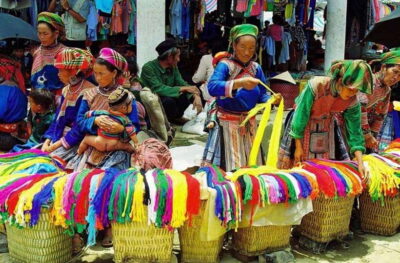
Sapa: Eco Adventure Terrace Fields and Local Villages Trek
Read our review →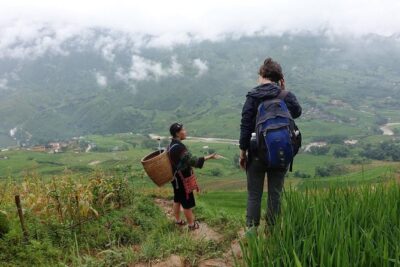
Number one top rated ethical cultural trekking and homestay by ETHOS
Read our review →
From Sapa: 1-Day Guided Trek to Lao Chai & Ta Van with Lunch
Read our review →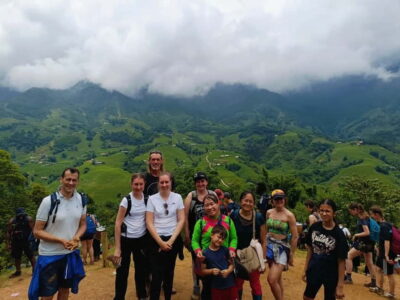
Sapa 1 Day Long Trek: Trek to Hau Thao and Sa Seng Villages
Read our review →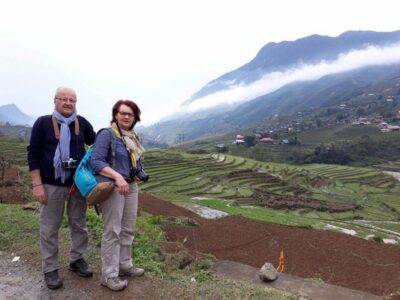
Sa Pa: 6-Hours Muong Hoa Valley Trek with Local Ethnic guide
Read our review →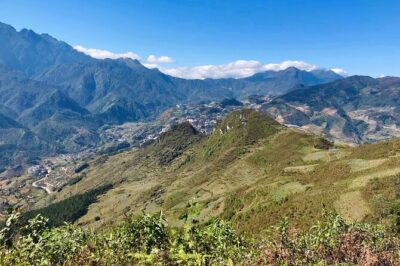
Sapa The Hidden Trail Trek 1 Day – Mountain & Rice Valley
Read our review →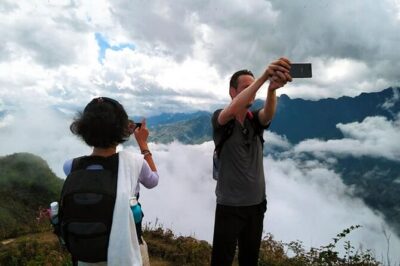
Other lists this hike appears in