
Review · SAPA
Sa Pa: Muong Hoa Valley Trek and Local Ethnic Villages
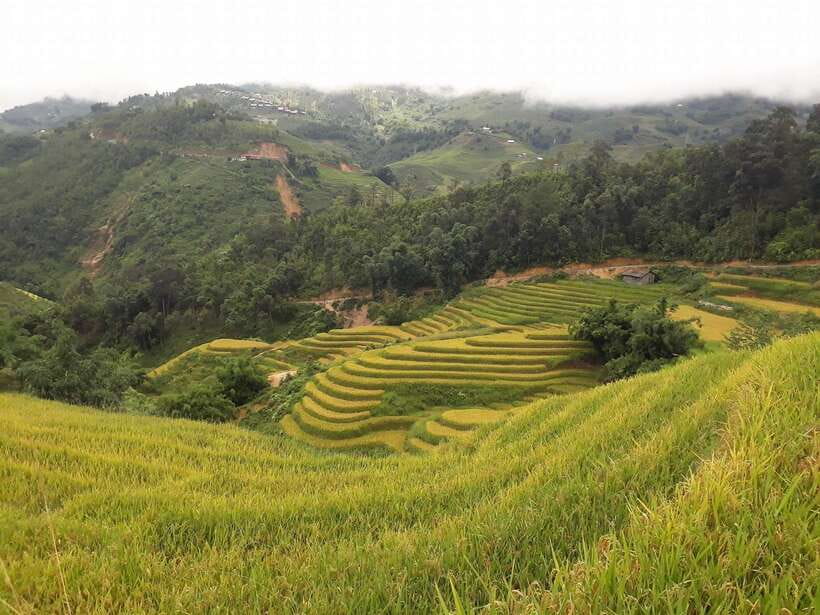
The best part of this Sa Pa trek is the steady change in scenery. You move from misty rice terraces and the Muong Hoa River to Black Hmong villages, a bamboo forest, and Red Dao country, with a local lunch breaking up the walk. Guides such as Su, Sunny, Khu, and Chai are praised for explaining village life while keeping people safe on rough ground.
I like the small groups of up to 11 and the chance to eat at a local home rather than stopping at a standard restaurant. I also like the route’s variety: suspension bridge, ancient rock carvings, muddy paths, forest, river crossings, and a waterfall. The catch is simple: this is a real 10-kilometer hike, not a gentle stroll. Rain can turn parts of it into a slippery test of balance.
- A 10-kilometer route: Walk from Sa Pa through Lao Chai, Ta Van Giay, and Giang Ta Chai.
- Three local cultures and settings: Meet Black Hmong and Red Dao communities while seeing daily life in the valley.
- Ancient rock carvings: Stop near Ta Van Giay to see carved figures, stilt houses, and decorative designs.
- A home-cooked lunch: Eat at a local house, with vegetarian food available when arranged.
- Mud changes everything: Wet weather can mean steep, slick paths where hiking shoes or boots matter.
- Useful local support: Village women may help you across difficult sections, but you should expect a chance to buy their goods afterward.
Sa Pa’s Valley Walk Starts With Rice Terraces and Mist
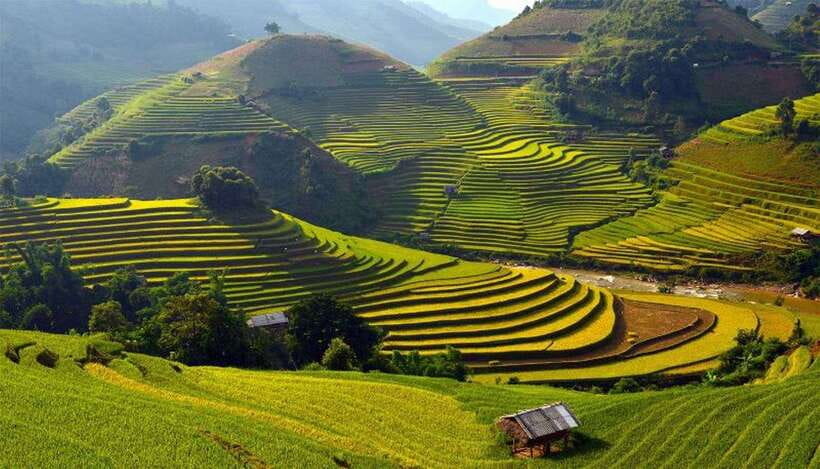
Pickup is available from a hotel in central Sa Pa or from the Vietnam Nomadtrails office. The walk then drops you into the Muong Hoa Valley, where the first views can be softened by morning mist. That fog is part of Sa Pa’s character, but it also means you may not get the wide mountain views shown in sunny photographs.
The route is about 10 kilometers and usually takes six hours, ending around 3:30 PM. That timing matters if you have a train, bus, or other afternoon plan. The pace includes stops for scenery, village explanations, lunch, and short rests, but you still need enough stamina for a full day on uneven ground.
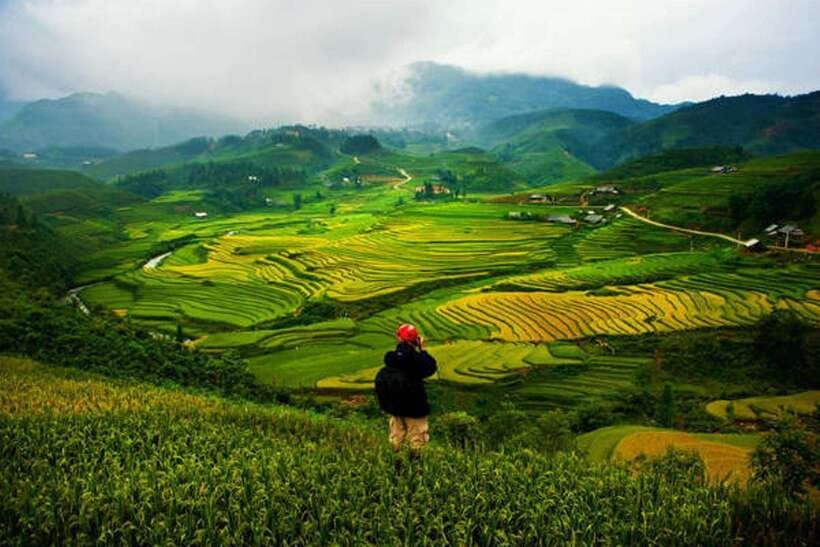
The first section follows a small trail toward the Muong Hoa River. You cross the water and continue beside carefully worked rice terraces. In planting or harvest periods, you might see people at work in the fields, along with water buffalo. The terraces are not just a pretty backdrop. They show how families have shaped steep valley slopes into farmland over many years.
This is also where the condition of the path becomes clear. In dry weather, the route can feel manageable for an average hiker. After rain, the same slope may be slick, especially on descents. Several people have reported slipping in ordinary trainers, so I would not treat running shoes as a safe substitute for proper hiking footwear.
Lao Chai Shows the Valley’s Black Hmong Way of Life
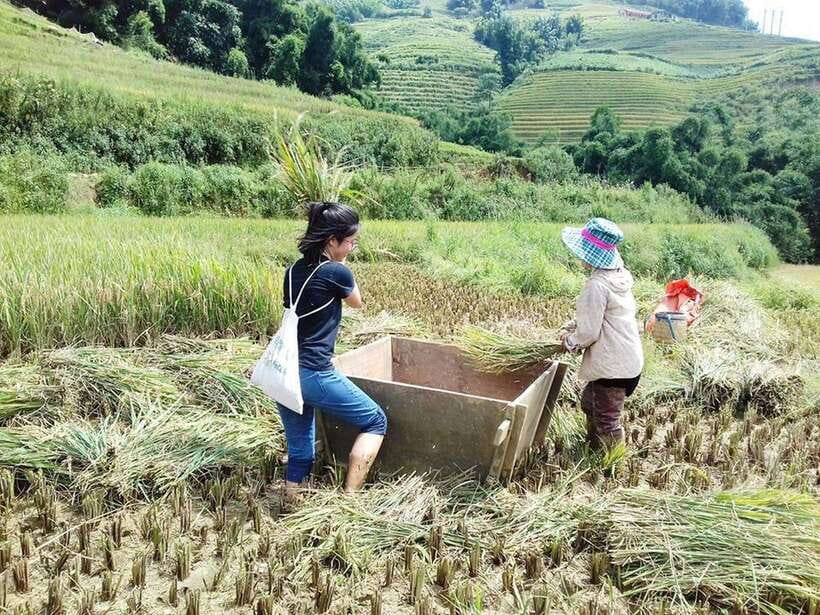
The trail continues to Lao Chai, home to the Black Hmong community. Your guide should help you notice details that are easy to miss on your own, from house styles and farming work to local customs and clothing. Guides named Su, Sunny, Chai, Nhu, Khu, and Thao have been especially appreciated for making these explanations personal and easy to follow.
You are not simply passing through a scenic village. The value of this stop is the chance to see how homes, fields, paths, and work fit together. A good guide can explain what belongs to daily life and what is shaped for visitors, which helps you look past the postcard view.
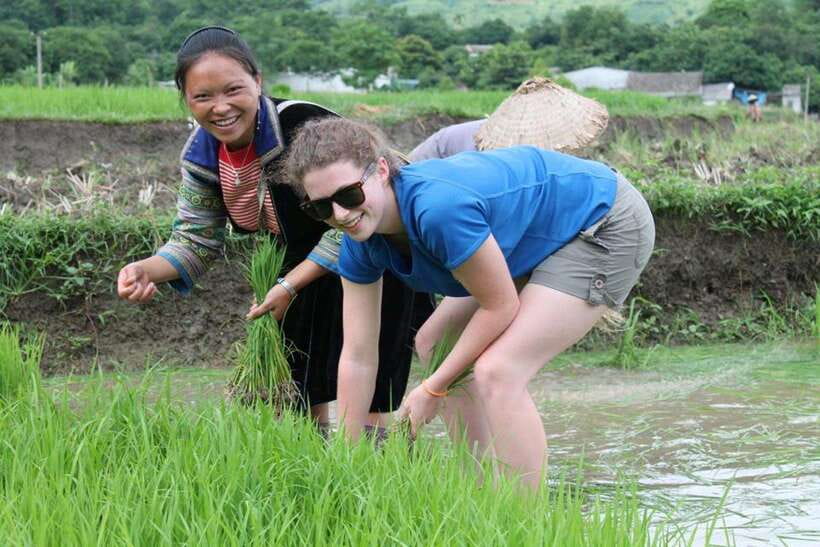
Expect local women to appear on parts of the route, particularly in muddy sections. They may offer a hand across a steep patch or show you where to place your feet. This help can be genuinely useful, especially after heavy rain, but it is often connected to selling handmade goods.
That arrangement can feel uncomfortable if you are not prepared for it. You are not formally required to buy anything, but an expectation often exists. Bring some Vietnamese dong if you want the option of making a small purchase as thanks. If you prefer not to buy, a polite, firm answer is better than making promises.
More Rice Terrace Hikes in Sa Pa:
- Sa Pa: 6-Hours Muong Hoa Valley Trek with Local Ethnic guide
★ 4.5 · 178 reviews - 1-Day Sapa Long Trek – Rice Field Terrace, Ethnic Culture
★ 4.9 · 62 reviews - Selogriyo Temple and Trekking Java Rice Terraces, hidden waterfall -Nature Java
★ 5.0 · 179 reviews
Ta Van Giay Brings Bridges and Ancient Stone Carvings
From Lao Chai, the trek reaches Ta Van Giay and follows the Muong Hoa River. About two kilometers from the settlement, you cross a small suspension bridge. It is a memorable change from the rice-field paths, though anyone uneasy with heights or moving bridges should take it slowly.
The route then reaches a collection of ancient rock carvings. The designs include men, stilt houses, and decorative patterns. They are not presented as a polished museum display, so you should expect something modest and exposed rather than a large archaeological site with extensive interpretation.
That modesty is part of the appeal. You see the carvings in the same valley setting where villages, river routes, and farmland still shape daily movement. Your guide is important here, since the meaning and age of the images are not always obvious from the stone itself.
Ta Van Giay is also a good point to judge how you are feeling. If your legs are already tired, the remaining route still includes bamboo forest and uphill walking. Tell your guide early if you need a slower pace. The group limit of 11 makes this easier than on a large coach excursion, and some departures may be much smaller.
Lunch at a Local Home Breaks Up the Long Hike
Lunch is served at a local house in one of the villages. This is one of the strongest parts of the day because it gives you a proper pause and a closer look at village hospitality. Meals have included rice, vegetables, tofu, eggs, and vegetarian spring rolls, and vegan diets have been accommodated when arranged.
Do not expect a restaurant menu or a private dining room. The point is a simple meal in a lived-in setting, with time to rest before the harder sections. Food quality can vary with the household and the day, but the meal is included in the $23 price, which makes the overall value quite good.
I would tell the operator about dietary needs before departure, even though vegan food has been managed successfully. Drinks are not included, so carry enough water beyond the supplied 500-milliliter bottle. You can buy other beverages along the way, but the exact stops can vary.
Lunch also divides the walk into more manageable pieces. A six-hour trek can feel daunting when described as a single block. In practice, you walk, pause for views and village information, eat, then continue through a different type of terrain.
Bamboo Forest Trails Put Your Footwear to the Test
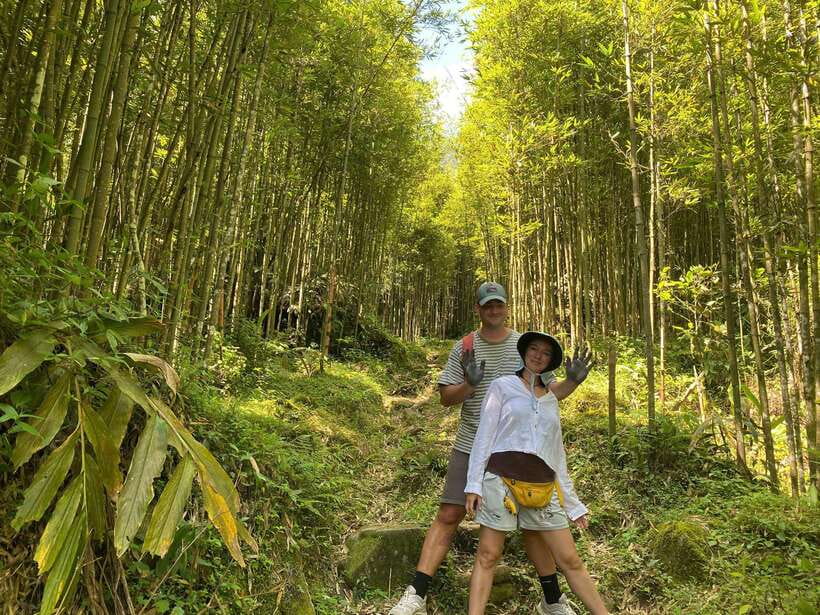
After lunch, the path enters a bamboo forest. This section often feels more enclosed and wild than the open rice terraces, but it can also be the most slippery part of the day. Wet bamboo-root paths, mud, rocks, and uneven ground require constant attention.
Local women may help people through this stretch, taking an arm or hand when the slope becomes unstable. Their familiarity with the trail is useful, but do not mistake their assistance for a sign that the route is easy. In wet conditions, people have slipped into bushes, streams, and mud.
Wear shoes with deep grip. Hiking boots are the safest choice, and waterproof boots or wellies may be sensible in the wettest months. Do not bring new white trainers. They can become soaked and heavily stained, even though some departure points may offer a place to rinse off mud afterward.
The trek is not suitable for people with mobility impairments or children under six. You should also think carefully if you have a recent injury or dislike steep, wet paths. The route has been described as both manageable and very demanding, and the difference usually comes down to rain, footwear, and fitness.
More hikes and treks around Sa Pa:
- Sapa: Eco Adventure Terrace Fields and Local Villages Trek
★ 4.9 · 636 reviews - Number one top rated ethical cultural trekking and homestay by ETHOS
★ 5.0 · 456 reviews - From Sapa: 1-Day Guided Trek to Lao Chai & Ta Van with Lunch
★ 4.9 · 416 reviews - Sa Pa Full Day Trekking Tour
★ 5.0 · 414 reviews
Giang Ta Chai and the Waterfall Finish
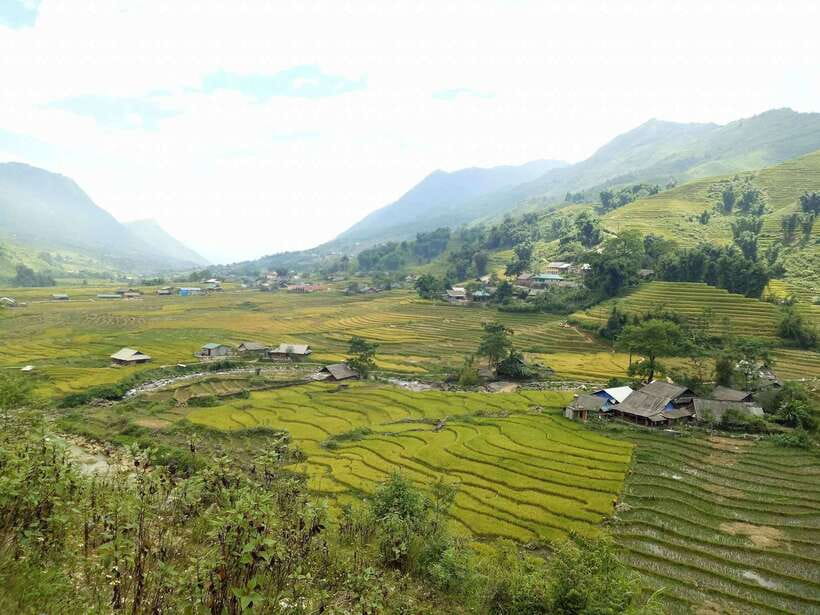
The route eventually reaches Giang Ta Chai, a Red Dao ethnic minority village. This gives the day another cultural layer without requiring a separate visit or extra transport. Your guide can explain differences between the communities you have seen, helping you understand that Sa Pa is home to several distinct groups rather than one single village culture.
You then rest near a waterfall before the final climb to the main road. This pause comes at a useful time. By now you have crossed fields, river paths, village lanes, and forest trails, so even a short break beside falling water can reset your legs.
The last uphill section is not the grand finale for everyone. It is simply the practical way out of the valley, and tired hikers may find it harder than expected. A driver waits at the main road and returns you to Sa Pa, so you do not need to retrace the entire route.
Transport is included as described, but pickup is limited to Sa Pa town or the operator’s office. If you are staying outside the Sa Pa area, you need to arrange your own way to the meeting point. That is a small detail, but it can affect the real cost and convenience of the experience.
What $23 Really Buys You
At $23 per person, this is strong value for a six-hour outing. The price includes central Sa Pa pickup, an English-speaking guide, entry tickets, lunch, 500 milliliters of water, and return transport. You are paying for a guided route through several villages rather than just a transfer to a viewpoint.
The guide is the main reason the price works. People such as Su, Sunny, Khu, Chai, and Minh have been praised for safety advice, local explanations, and good English. The quality of the day will depend partly on the guide assigned to your group, but the repeated strength of the guiding is a real advantage.
Budget extra money for drinks, personal purchases, and possible souvenirs from the women who assist along the trail. A French-speaking guide costs an additional $19 per person upon confirmation. A Lunar New Year surcharge of $30 per person applies from February 14 to February 21, 2026, payable at departure.
Free cancellation is available up to 24 hours before the activity, and you can reserve now and pay later. Those terms are useful in Sa Pa, where rain and fog can change your plans. Still, flexible cancellation does not make wet weather disappear, so check the forecast and pack for the conditions you may actually face.
Weather, Fitness, and What to Pack
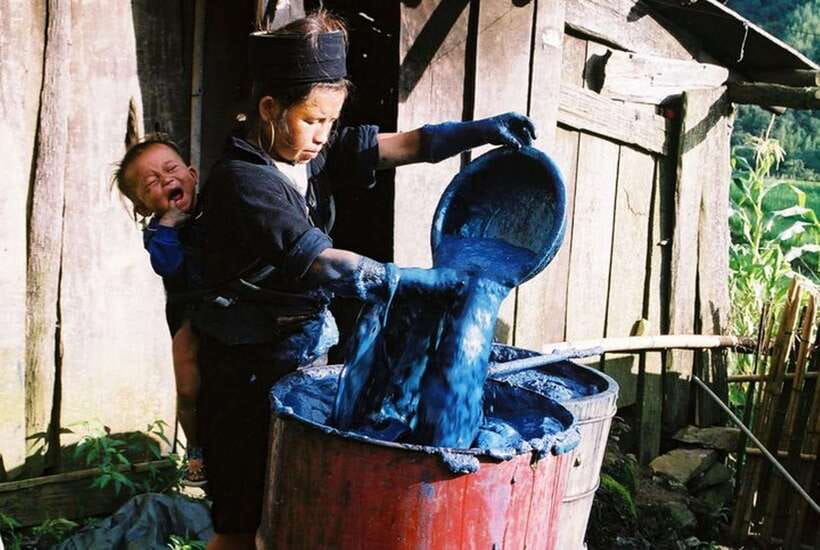
Sa Pa weather can change the character of this trip more than almost any other factor. In clear, dry weather, the rice terraces and valley views are the stars. In fog, the scenery becomes quieter and more atmospheric, but distant views may vanish. In rain, the route becomes a proper mud hike.
Bring:
- Hiking shoes or boots with strong grip
- Sunglasses and sunscreen
- Insect repellent
- Warm clothing from October through March
- A little cash for drinks or local purchases
- A small day bag, since oversize luggage is not allowed
The supplied water is only 500 milliliters per person. You may want additional water, especially in warm weather, though no exact extra amount is specified. Keep your hands free when walking on steep sections, and protect phones or cameras from rain.
The trek is not graded with a formal difficulty scale. The clearest guide is the distance and the ground: about 10 kilometers, with muddy slopes, river paths, a bamboo forest, uneven rocks, and a final climb. One account recorded more than 21,000 steps and roughly 12.5 kilometers, so the actual route may vary slightly.
Who Will Enjoy This Sa Pa Trek Most
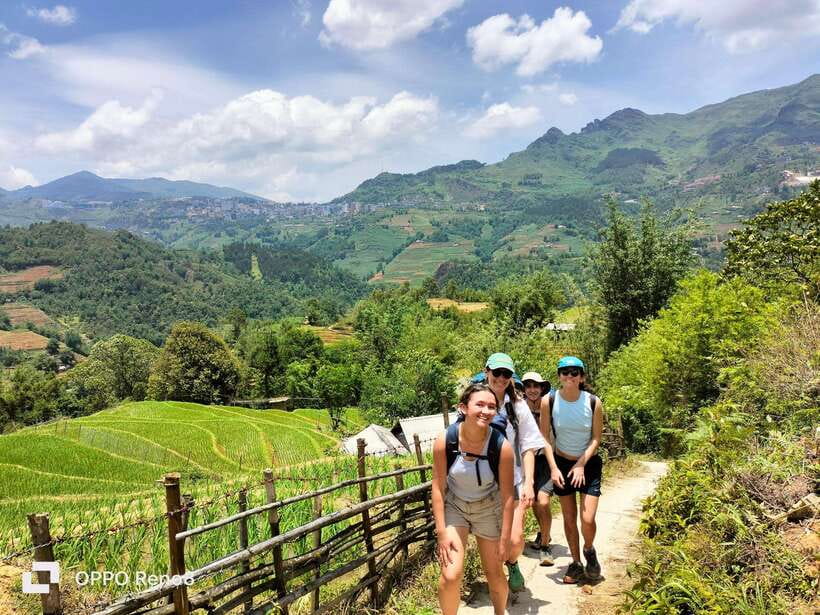
I would choose this outing if you want village life, outdoor activity, and cultural explanation in one day. It suits people who can walk for several hours and who would rather see farmland and footpaths than spend the day on paved roads.
It is also a good choice if your time in Sa Pa is short. You get Lao Chai, Ta Van Giay, Giang Ta Chai, rice terraces, rock carvings, bamboo forest, a waterfall, lunch, and return transport without arranging several separate visits.
I would choose a different activity if you need smooth paths, guaranteed clear mountain views, or a quiet experience without sales pressure. The local assistance can be kind and practical, but the expectation to buy goods may not suit everyone. And if the forecast shows heavy rain, you should be honest about your fitness and footwear before booking.
The small group size helps. You can ask questions, stay close to the guide, and get more help on tricky sections. A group of three may feel calm and personal, while a full group of 11 could feel slower on narrow paths.
Should You Book the Muong Hoa Valley Trek?
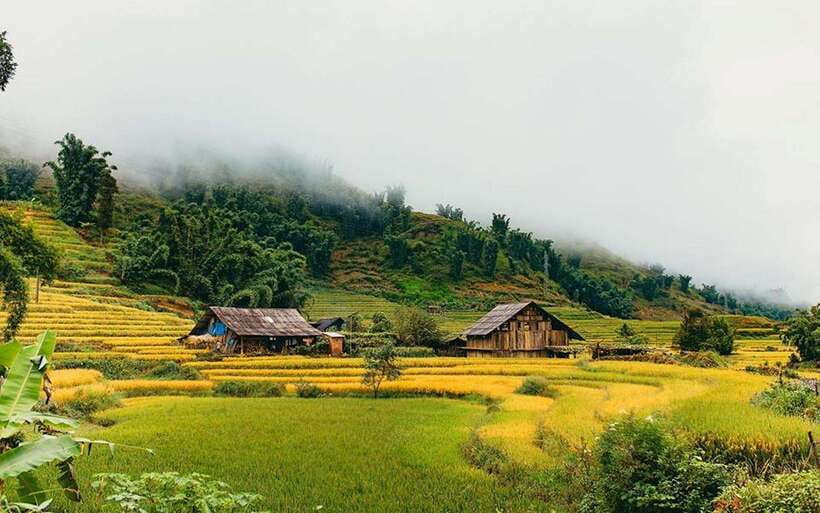
Book it if you want a hands-on day in the Sa Pa valley, not a sightseeing loop from a vehicle. The scenery is excellent, but the real strength is the combination of local guides, village paths, a home lunch, and changing terrain.
Go prepared for mud, bring proper shoes, and carry cash. If you do that, the $23 price gives you a lot: a full half-day route, cultural context, food, guide, and transport. If you want the easiest possible walk, wait for dry weather or pick a gentler option instead.
FAQ
How long is the Muong Hoa Valley trek?
The stated route is about 10 kilometers and lasts approximately six hours. Some departures may cover slightly more distance, depending on the exact path used.
What time does the tour finish?
The trek ends at approximately 3:30 PM. Check the starting time before booking if you have afternoon transport or another scheduled activity.
Which villages does the trek visit?
The route goes through or near Lao Chai, Ta Van Giay, and Giang Ta Chai. Lao Chai is associated with the Black Hmong community, while Giang Ta Chai is a Red Dao village.
Is lunch included?
Yes. Lunch at a local house is included in the price. Meals have included rice, vegetables, tofu, eggs, and vegetarian spring rolls, and vegan food can be accommodated when arranged.
Is hotel pickup included?
Pickup is included from hotels in central Sa Pa or from the Vietnam Nomadtrails office. Pickup from outside the Sa Pa area is not available.
What language does the guide speak?
The regular tour includes a live English-speaking guide. A French-speaking guide costs an additional $19 per person upon confirmation.
Is the trek suitable for children?
The activity is not suitable for children under six. The route is also unsuitable for people with mobility impairments.
What should I wear and bring?
Bring hiking shoes with good grip, sunglasses, sunscreen, insect repellent, and warm clothes from October through March. Do not bring oversize luggage, and avoid new or white trainers if rain is possible.
Can I cancel the tour?
You can cancel up to 24 hours in advance for a full refund. You can also reserve now and pay later, which keeps your plans flexible.
Recently reviewed hikes in Sa Pa
- From Hanoi: Sapa 3-Day Medium Trek and Limousine Trip★ 4.5 · 59 reviews
- 2 Night Lao Chai-Ta Van Homestay- Trekking & Fansipan Visit★ 4.0 · 8 reviews
- 2-Day Fansipan Mountain Trek – Indochina’s Highest Peak★ 4.3 · 42 reviews
- 1-Day Sapa Long Trek – Rice Field Terrace, Ethnic Culture★ 4.9 · 62 reviews
- 1 Day Sapa Trek&Home-cooked Lunch HmongSisterHouse&Trekking★ 5.0 · 7 reviews
- Sa Pa: 6-Hours Muong Hoa Valley Trek with Local Ethnic guide★ 4.5 · 178 reviews
- Sapa: Private The Most Beautiful Terraced Fields Trekking★ 4.8 · 42 reviews
- In Sapa: 1 Day Mountain Trek, Visit beautiful villages★ 5.0 · 50 reviews
Rice Terrace Hikes, compared.
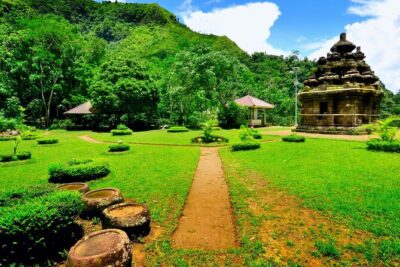
Selogriyo Temple and Trekking Java Rice Terraces, hidden waterfall -Nature Java
Read our review →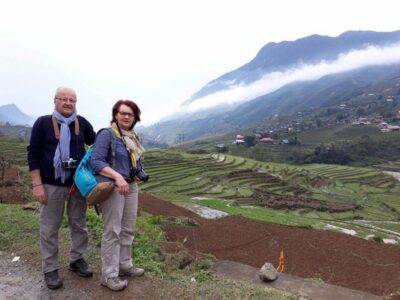
Sa Pa: 6-Hours Muong Hoa Valley Trek with Local Ethnic guide
Read our review →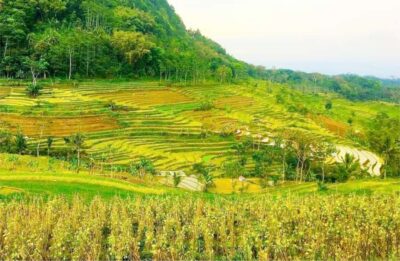
Yogyakarta: Selogriyo Temple Tour & Java Rice Terrace Trek
Read our review →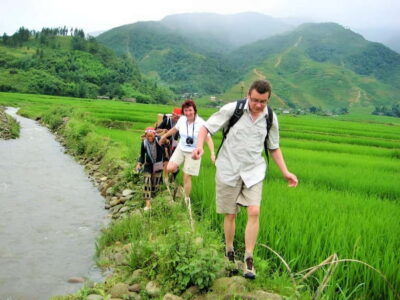
1-Day Sapa Long Trek – Rice Field Terrace, Ethnic Culture
Read our review →Other lists this hike appears in