
Review · KATHMANDU
Everest Base Camp Trek -14 Days
Everest Base Camp is the headline, but the real reward comes from the steady walk through Sherpa villages, pine forests, suspension bridges, monasteries, and high valleys. This 14-day small-group trek takes you from Kathmandu to Lukla, then up to 17,598 feet at Base Camp and the sunrise viewpoint of Kala Patthar.
I like two things here: the package handles the tricky parts, including Lukla flights, permits, lodges, meals, and a licensed guide; and the rest days at Namche Bazaar and Dingboche give your body time to adjust. The main caution is altitude. This is a serious mountain trek, not a scenic stroll, and weather can affect the Lukla flights and schedule.
Key points to know before you book
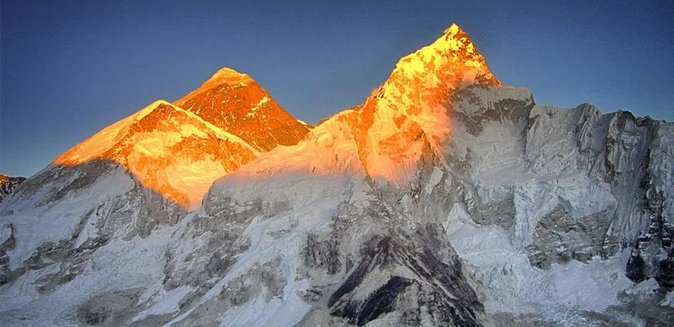
- Base Camp and Kala Patthar: You reach Everest Base Camp at 17,598 feet, then climb Kala Patthar for wide views of Everest, Nuptse, Lhotse, and Pumori.
- Two useful acclimatization stops: Rest days in Namche Bazaar and Dingboche break up the ascent and make the high sections more manageable.
- Small group size: The maximum group size is 12, with a government-licensed guide leading the trek.
- Core costs are covered: Round-trip Kathmandu to Lukla flights, trekking permits, TIMS paperwork, lodges, full-board meals, taxes, and a first-aid kit are included.
- Extra costs remain: Drinks, bottled water, Wi-Fi, hot showers, snacks, porter service, tips, visas, and pre- or post-trek lodging are not included.
- A practical price: At $1,420 per person, the package offers good value if you want the main arrangements made for you rather than negotiating each part locally.
What the $1,420 price really covers
At $1,420 per person, this is not a luxury Himalayan holiday. It is a supported trekking package with the costly and important basics arranged in advance.
The price includes return flights between Kathmandu and Lukla, departure taxes, Everest National Park paperwork, the TIMS card, a professional licensed guide, trekking-lodge accommodation, and breakfast, lunch, and dinner during the trek. Government and local taxes are also included.
That matters because the Lukla flight and official permits are not small details. Having them organized reduces the amount of work you must do before setting off, especially if this is your first Nepal trek. You also have a guide and a basic medical kit, including Diamox for high-altitude sickness.
The accommodation is described as the best available trekking lodges, not high-end hotels. Conditions become simpler as you climb. You should expect the quality of rooms and facilities to vary, and hot showers, drinks, Wi-Fi, snacks, and water cost extra.
You also need to budget for a Nepal entry visa, international flights, accommodation and meals before and after the trek, porter service if you want it, and tips. The package includes a Kathmandu hotel night and dinner in the general tour description, but the included-meal details list the trekking meals separately. Confirm the exact Kathmandu hotel nights and meals before paying.
More Everest Base Camp Treks in Kathmandu:
- Everest Base Camp Trek – 14 Days
★ 5.0 · 1,499 reviews - Everest Base Camp Trek
★ 5.0 · 842 reviews - Everest Base Camp Trekking
★ 5.0 · 485 reviews
Day 1: Kathmandu arrival and a gentle start
You are met at Tribhuvan International Airport and transferred to your Kathmandu hotel. This is a useful service after a long international flight, particularly if you arrive tired or late.
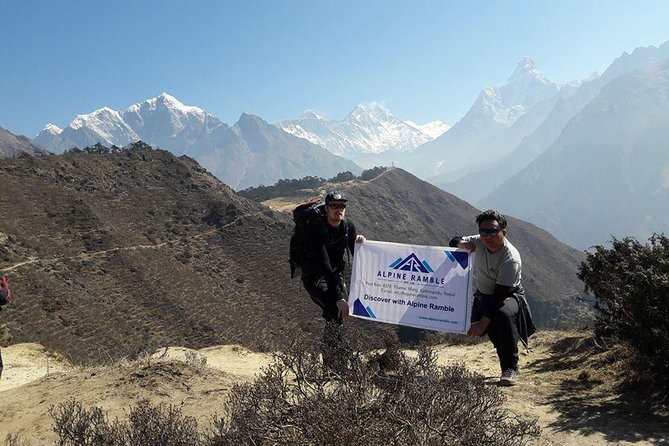
The first night is less about sightseeing and more about getting organized. You can meet the Alpine Ramble staff, check your equipment, and prepare for an early start. The meeting point is in Thamel, Kathmandu, and the activity returns there at the end.
The city portion is brief. If you want several days in Kathmandu for temples, markets, or recovery from jet lag, plan and pay for those extra nights separately.
Day 2: The short flight to Lukla and the first trail
The day starts early with a scenic flight of about 35 minutes to Lukla. From there, you meet the trekking crew and begin walking through the Khumbu region.
The first trek is relatively short, with about two hours set aside for acclimatization according to the itinerary. You pass into Sherpa country, where the walking route itself becomes part of the experience. The trail is not just a road to Base Camp. It connects villages, monasteries, lodges, fields, and mountain work routes.
Lukla is also where the schedule becomes more weather-sensitive. The package includes the flights, but it cannot control mountain weather. Keep some flexibility in your wider Nepal plans.
Day 3: Pine forest, the Dudh Koshi, and first Everest views
The trail follows the Dudh Koshi River through pine forest. You cross suspension bridges and begin to understand the rhythm of Himalayan trekking: climb, descend, cross water, then climb again.
A first view of Everest appears along the route, along with Kusum Kanguru and other peaks. It is an important psychological moment. You are still far from Base Camp, but the mountain is no longer an idea on a map.
You stay in a trekking lodge and eat local meals. Full-board service saves you from having to find food each evening, though the menu may feel repetitive during a long trek. One useful point from the available feedback is that some trekkers found the food simple and similar from day to day, so come for fuel and local cooking rather than restaurant variety.
More hikes and treks around Kathmandu:
- Nagarkot Sunrise View and Day Hiking from Kathmandu
★ 5.0 · 471 reviews - Annapurna Circuit Trek with Tilicho Lake
★ 5.0 · 368 reviews - Everest Base Camp Trekking – 13 Day
★ 5.0 · 365 reviews - Everest Base Camp Trek
★ 5.0 · 350 reviews
Day 4: Namche Bazaar and the first acclimatization day
The program allows a rest and acclimatization day around Namche Bazaar. This is one of the most valuable parts of the schedule.
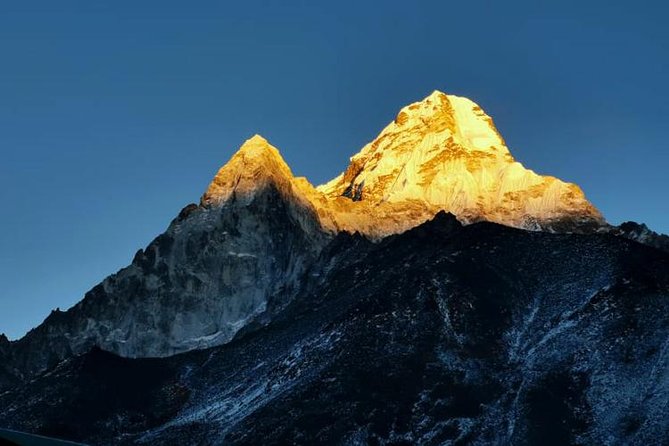
You are not necessarily doing nothing. The day includes an uphill walk to a lookout with views of Everest, Lhotse, Cholatse, Thamserku, Kwangde, Ama Dablam, and other peaks. The point is to gain some height during the day, then sleep lower down in Namche.
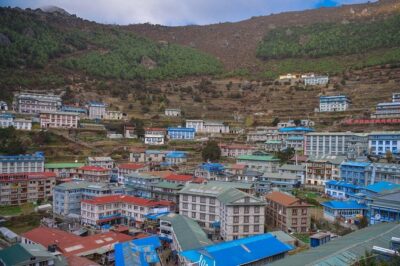
Namche is a major Sherpa settlement and a practical staging point for the trek. It is also where you learn whether your body is handling altitude well. Take the day slowly, drink the fluids you choose to purchase, and follow your guide’s advice. A rest day can feel frustrating when you are eager to continue, but skipping it would make the later climb harder.
Day 5: Rhododendron forest and the route above Namche
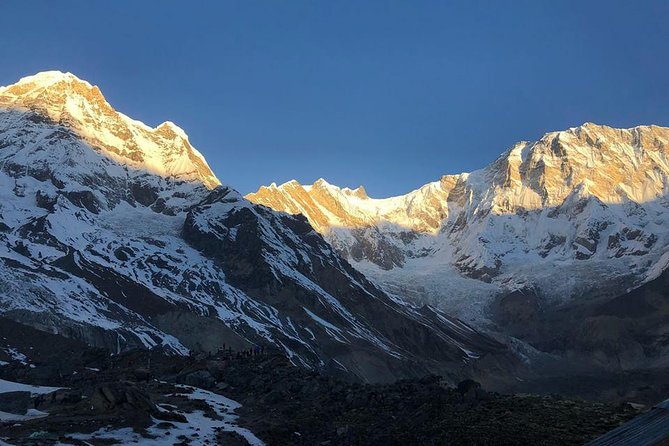
The trail follows the established Everest route, with a descent toward the Dudh Koshi and a climb through rhododendron forest. This section gives you a change from the busy settlement around Namche.
The route includes both downhill and uphill walking, which can surprise you. Base Camp is not reached by a simple upward slope. You gain height overall, but you also lose it in places, adding work to your legs.
The mountain views improve as the trail rises. You should pay attention to the walking surface and pace yourself rather than trying to match stronger members of the group.
Day 6: Tengboche monastery and Ama Dablam
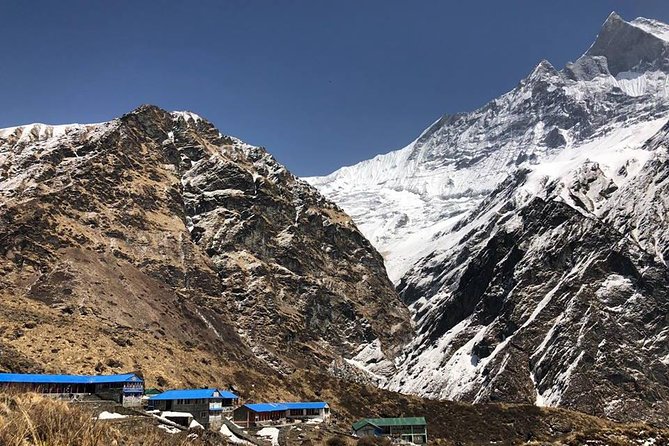
The early morning view around Tengboche is one of the memorable points of the trek. The monastery and surrounding peaks can look especially sharp in the morning light.
After breakfast, the trail moves through forest and continues toward the higher villages. Tengboche gives the trek a strong cultural element. You are not simply hiking among mountains; you are moving through a region shaped by Sherpa communities and Buddhist monasteries.
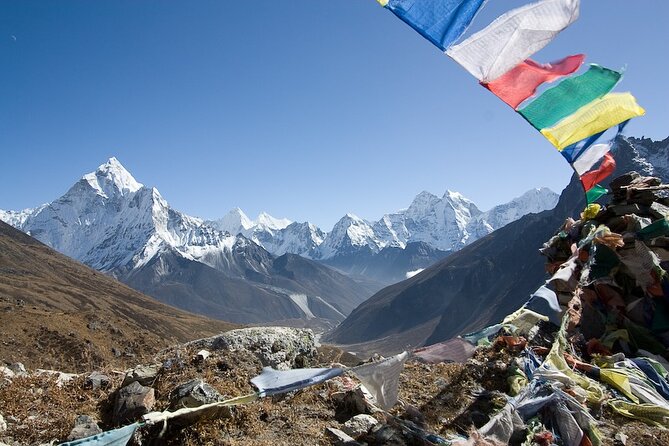
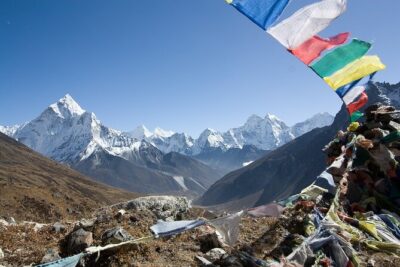
Ama Dablam is a major visual feature here, along with Everest and other high peaks. This is a good day to slow down for photographs, though you should avoid turning every stop into a long break. The group must still arrive at the lodge with enough time to eat and rest.
Day 7: Dingboche and a second acclimatization day
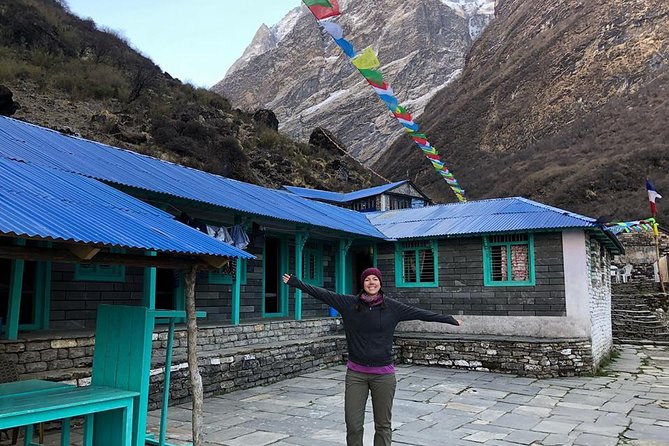
Dingboche is another important rest stop. The village is surrounded by stone-walled fields that protect barley and potatoes, and its open setting gives you a clear sense that the tree line is being left behind.
The schedule uses this day for acclimatization. As at Namche, the purpose is not just comfort. Your body needs time to respond to thinner air before the route climbs toward Lobuche and Base Camp.
Dingboche is also a good checkpoint. If you feel unwell, tell the guide early. The itinerary includes a first-aid kit and altitude medication, but no equipment replaces honest communication and sensible decisions.
Day 8: Memorials above Duglha
The route climbs gradually to Duglha, then rises more steeply to a ridge at Chukpo Lari. Here you pass memorials dedicated to climbers who died on Everest and other Himalayan peaks.
This is a solemn part of the trek. It changes the mood from scenic excitement to respect for the risks of high-altitude climbing. You do not need to be a climber to feel the weight of the memorials.
The walking is harder now. The air is thinner, the trail is rougher, and every uphill section takes longer. Your guide’s role becomes more important as the group manages pace, rest, food, and symptoms.
Day 9: Everest Base Camp at 17,598 feet
This is the long-awaited Base Camp day. From Lobuche, the trail crosses a flat meadow for a while, then follows the Khumbu Glacier and climbs onto its lateral moraine.
The moraine is a rough route of rock and glacial debris, so do not expect a smooth path or a single dramatic arrival point. Reaching Everest Base Camp is still a major achievement, but the experience is physical rather than polished. The high altitude, cold, wind, and uneven ground are part of it.
At 17,598 feet, you are high enough that the pace can feel slow even if the distance looks modest. Keep your expectations realistic. The strongest memory may be the full route, not one perfect photograph.
Day 10: Kala Patthar sunrise and the best panorama
You wake early for the climb to Kala Patthar, a roughly two-hour ascent from the starting point. The route rises below Mount Pumori, and the reward is a 360-degree view of the Himalayan peaks.
This is where you see Everest, Nuptse, Lhotse, and Pumori in a broad mountain panorama. The early start is worthwhile because sunrise can bring strong light across the peaks, though mountain weather can still limit visibility.
Kala Patthar is often physically tougher than people expect. You have already reached Base Camp, but the early climb comes after several demanding days at altitude. Take short, steady steps and let the guide set a safe rhythm.
After the viewpoint, the trek turns downhill. That reversal can feel welcome, but descending on tired legs still requires care.
Days 11 and 12: Retracing the route to Lukla
The return route passes through Sherpa villages and follows the Dudh Koshi again. You move back through Dingboche, Tengboche, and lower settlements, then continue toward Jorsalle, Manjo, Benkar, and Phakding.
You cross several suspension bridges and return to forested sections of the trail. The lower altitude usually feels easier, but the downhill walking can be hard on knees and feet.
The return is not a lesser version of the outbound route. You see familiar villages from a different angle, and the change in light can make known mountains look new. It is also the point when simple lodge comforts feel especially welcome.
The itinerary has some variation in the wording and timing of these days, so confirm the exact overnight stops with the operator. The overall plan is clear: descend to Lukla after Base Camp and Kala Patthar.
Day 13: Flight back to Kathmandu
You fly from Lukla to Kathmandu and have leisure time in the city after the trek. The tour description also refers to a celebratory Kathmandu hotel stay and dinner, while the detailed inclusions focus mainly on the trekking accommodation and meals.
Ask exactly what is included in your departure date’s Kathmandu arrangements. The return flight is included, but mountain weather can delay Lukla flights. Avoid scheduling an international flight immediately after the planned return if you can leave a buffer.
Guides, group size, and personal support
The maximum group size is 12, which is small enough for the guide to keep track of people without creating a large moving crowd. It also gives you a chance to meet other walkers while still having room to move at your own pace.
Guides associated with this program have included Saugat, Laxman, Nir, Ram, Subash, Sujal, Amer, and Dhower. The personal accounts connected with the trek place strong emphasis on guide support, quick communication from owner Dil, and help with pacing, questions, and difficult sections.
Porter service is not included. You can hire a local porter if you need one, but you should settle that arrangement and cost before the trek. If you carry your own luggage, pack carefully and keep your load manageable.
Food, lodges, and the costs you still need to plan
Breakfast, lunch, and dinner are included for the trekking portion, with 12 breakfasts, 11 lunches, and 11 dinners listed. Meals are served through trekking lodges and are intended to keep you moving rather than provide elaborate choices.
You pay separately for water, hot and cold drinks, coffee, tea, snacks, Wi-Fi, and hot showers. These extras become more relevant as you climb, so carry enough Nepalese currency for personal spending.
You also need travel insurance that covers emergency rescue. Emergency rescue is listed as funded by travel insurance, which means the tour price is not a substitute for suitable coverage.
Who should book this trek?
This trip suits you if you want Everest Base Camp with the main planning handled for you. It is a good fit for someone who values a licensed guide, fixed lodge arrangements, included meals, and a small group rather than a completely independent trek.
You should have a moderate level of physical fitness. More important than speed is your ability to walk for many days, handle steep sections, sleep at altitude, and keep going when the trail is rough.
This is not ideal if you want private rooms, extensive free time, high-end food, or a soft adventure with guaranteed transport. It is also not the right choice if you cannot accept possible flight delays or the risk that altitude may require a change of plan.
Should you book the Alpine Ramble Everest Base Camp trek?
I would book this package if you want a clear, supported route to Base Camp and Kala Patthar at a reasonable price. The included flights, permits, meals, lodges, guide, and taxes remove many of the practical headaches, while the two acclimatization days give the itinerary a sensible shape.
Before booking, confirm the exact Kathmandu hotel and dinner arrangements, porter pricing, lodge standards, group departure dates, and what happens if a Lukla flight is delayed. If you are comfortable with basic mountain lodges and a demanding walk, this is a strong value. If you want more comfort or a slower ascent, choose a longer itinerary instead.
Free cancellation is available up to 24 hours before the start time. Cancellations within 24 hours are not refunded.
FAQ
How long is the Everest Base Camp trek?
The tour is marketed as a 14-day experience, while the summary gives an approximate duration of 13 days and the daily plan runs from Day 1 through Day 13. The extra day may relate to the full arrival and departure schedule, so confirm the exact dates before booking.
What is the highest point reached?
Everest Base Camp is listed at 17,598 feet, or 5,364 meters. The itinerary also includes an early climb to Kala Patthar for views of Everest and the surrounding peaks.
Are flights between Kathmandu and Lukla included?
Yes. The package includes round-trip Kathmandu to Lukla flights, including departure taxes.
Are meals included?
Breakfast, lunch, and dinner are included during the trek. The detailed inclusions list 12 breakfasts, 11 lunches, and 11 dinners. Drinks, water, snacks, coffee, and tea are not included.
Is accommodation included?
Yes. Trekking-lodge accommodation is included during the trek. The general description also refers to a Kathmandu hotel stay, but you should confirm the exact pre- and post-trek hotel arrangements.
Is a guide included?
Yes. A professional, experienced, government-licensed guide is included. The maximum group size is 12 people.
Is a porter included?
No. Local porter service is an extra cost if you want it.
What is the cancellation policy?
You can cancel at least 24 hours before the experience starts for a full refund. Cancellations or changes made within 24 hours are not accepted or refunded.
Recently reviewed hikes in Kathmandu
- 14 Days Private Tour Everest Base Camp Trek★ 5.0 · 105 reviews
- Kathmandu: Nagarkot Sunrise & Hike with Lunch -Private/Group★ 4.9 · 122 reviews
- 4 Days Poon Hill Trek★ 5.0 · 94 reviews
- Langtang Valley Trek★ 5.0 · 140 reviews
- Manaslu Circuit Trek★ 5.0 · 292 reviews
- Manaslu Circuit Trek★ 5.0 · 184 reviews
- Nagarkot Sunrise View & Day Hiking with Lunch – Private/Group★ 5.0 · 73 reviews
- Kathmandu: Dhulikhel to NamoBuddha Day Hike with Lunch★ 4.8 · 62 reviews
Everest Base Camp Treks, compared.
Trekking in Annapurna/Langtang/Everest/Upper Mustang regions
Read our review →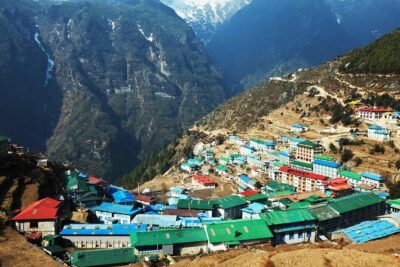
Hathipaown Heritage Walk – A guided walk to Mini Everest
Read our review →Other lists this hike appears in