
Review · KATHMANDU
Everest Base Camp Trek
The big draw is simple: you walk to Everest Base Camp, passing through Namche Bazaar, Dingboche, Lobuche, and Gorakshep before reaching the foot of the world’s highest mountain. I like that the trek builds in two acclimatization days, and I like that flights, permits, meals, and trek lodging are arranged for you. The main caution is the pace. Several days run close to eight hours, and high altitude can turn a beautiful walk into serious work.
I also like the small group limit of 12 people and the local guiding team. Names vary by departure, but guides including Nima, Madan, Manoj, Ramesh, and Pralhad have been singled out for encouragement, flexibility, and careful help when altitude problems arose. You still need strong fitness, travel insurance, and money for a porter, tips, and personal costs.
Key points to know before booking
- Lukla flights are included: Your trek begins with the short flight from Kathmandu to Lukla and ends with the return flight.
- Two acclimatization days matter: You pause around Namche Bazaar and Dingboche instead of climbing hard every day.
- The route reaches both Everest Base Camp and Kala Patthar: Base Camp is the goal, while Kala Patthar provides the major mountain-view stop.
- Meals and trek accommodation are covered: Breakfast, lunch, and dinner are included for 11 days.
- You walk with a local guide: Mosaic Adventure has used guides such as Nima, Madan, Manoj, Ramesh, and Pralhad on recent departures.
- This is a demanding trek: You need strong physical fitness, proper clothing, and a sensible attitude toward altitude.
Why the Everest Base Camp route still earns its fame
The Everest Base Camp trek is not a sightseeing trip with a few walks added on. For much of the 12 days, walking is the main event. You gain height slowly, sleep in mountain villages, cross rugged ground, and spend long stretches with the Himalaya in view.
That slow movement is part of the appeal. You are not simply driven to a lookout and sent home with a photograph. The route takes you through the Khumbu region, where Sherpa communities, monasteries, high valleys, and mountain lodges become part of the experience.
The price is $1,445 per person. That is a meaningful cost, but the package covers several expensive and important pieces: round-trip Kathmandu to Lukla flights, permits, accommodation on the trek, three meals a day for 11 days, and a guide. For a first high-altitude trek, having those core arrangements handled can be worth a great deal.
You should still budget separately for travel insurance, personal expenses, porter service, and tips. The package does not remove every cost, and you should ask how much luggage support will cost before departure.
More Everest Base Camp Treks in Kathmandu:
- Everest Base Camp Trek – 14 Days
★ 5.0 · 1,499 reviews - Everest Base Camp Trek
★ 5.0 · 842 reviews - Everest Base Camp Trekking
★ 5.0 · 485 reviews
Day 1: Flying to Lukla and walking to Phakding
Your day starts early, with a meeting time of 5:15 am. After the flight from Kathmandu to Lukla, you begin walking toward Phakding, a hike of about three and a half hours.
Lukla is the practical gateway to the Everest region, and arriving by air gives you a quick start to the trail. The first walk is relatively short compared with later days, which is useful because it gives you time to settle into your boots, meet the walking rhythm, and adjust to the first change in altitude.
Do not treat this as a throwaway day. The route introduces you to rocky paths and mountain conditions, while Phakding provides the first night on the trek. You will want your day bag ready before landing, with water, layers, rain protection, and anything you need during the walk.
Day 2: The long climb to Namche Bazaar
The walk to Namche Bazaar is listed at about eight hours, and this is where the trek begins to feel serious. The route includes dirty, rocky ground and plenty of uphill walking.
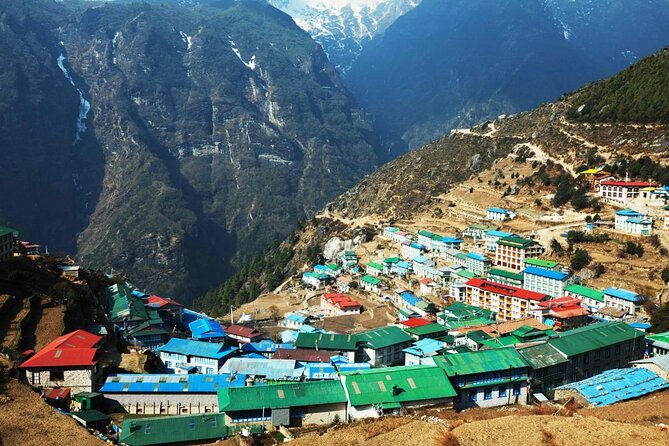
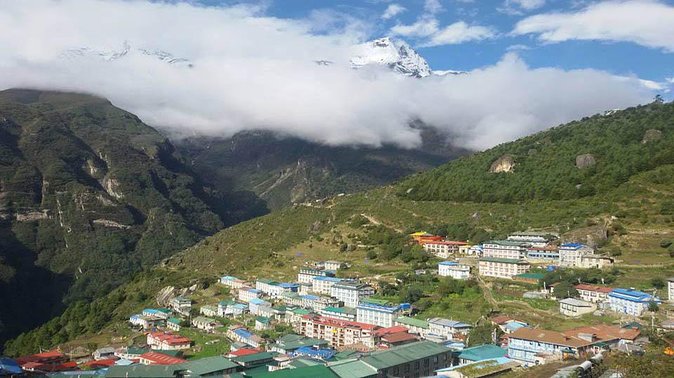
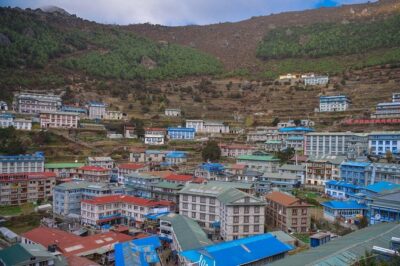
Namche is one of the best-known settlements on the route. Its colorful buildings and location among steep mountain slopes make it feel very different from the villages lower down. Reaching it is satisfying, but the climb asks for patience. You need to keep a steady pace rather than trying to stay with the fastest person in the group.
This is also the first point where altitude becomes a real concern. The guide’s role matters here. The strongest praised feature of Mosaic Adventure is personal support from the guiding team. Guides have encouraged slower walkers, adjusted plans when someone became unwell, and arranged extra support so no one was left alone on the trail.
That does not make the altitude safe by itself. Tell your guide early if you develop a headache, unusual tiredness, nausea, or breathing trouble. Quietly pushing through can make a small problem worse.
Day 3: Acclimatizing around Namche
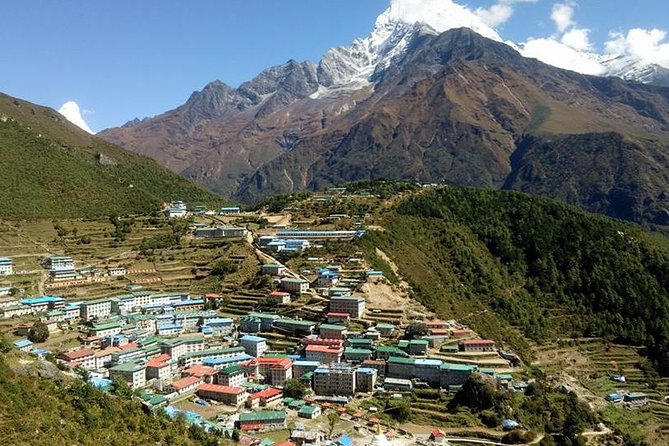
The Namche acclimatization day is one of the smartest parts of the schedule. You do not simply lie in bed. The plan includes a day trip around Namche and a visit to the Everest View Hotel.
The idea is to climb higher during the day and return to sleep lower. This gives your body time to adjust while keeping your legs moving. It also gives you a chance to look around Namche instead of treating it as just a place to eat and sleep.
The Everest View Hotel is a memorable stop because it gives you an early mountain panorama without requiring a full extra trekking day. Exact visibility depends on weather, so keep your expectations sensible. Clear mountain views are never guaranteed.
This day also gives you a useful test of the group. You can see how your guide handles pace, breaks, and questions before the route becomes more remote and demanding.
More hikes and treks around Kathmandu:
- Nagarkot Sunrise View and Day Hiking from Kathmandu
★ 5.0 · 471 reviews - Annapurna Circuit Trek with Tilicho Lake
★ 5.0 · 368 reviews - Everest Base Camp Trekking – 13 Day
★ 5.0 · 365 reviews - Everest Base Camp Trek -14 Days
★ 5.0 · 321 reviews
Day 4: A monastery visit and a change in mood
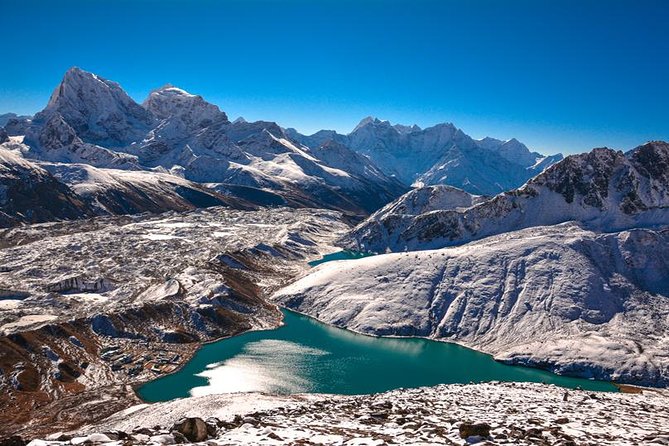
The itinerary describes Day 4 as a trip to a monastery. The exact monastery is not specified, so you should confirm the name and walking details before departure.
A monastery visit adds something that a mountain viewpoint cannot. The Everest region is not only about peaks and mileage. Buddhist practice is part of daily life in the Khumbu, and a monastery offers a chance to understand the cultural setting behind the trails.
Keep the day flexible. Mountain routes can shift with weather, local conditions, and the group’s pace. A cultural stop can also be a welcome pause after the long climb into Namche.
Day 5: Walking to Dingboche
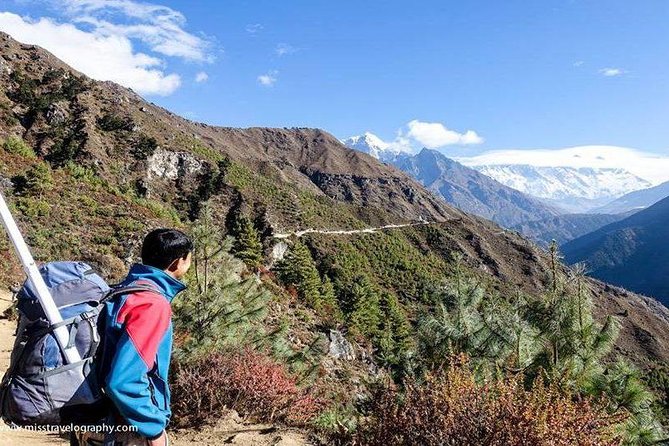
The trek to Dingboche is another long day, listed at about eight hours. The route continues through rocky terrain and higher valleys, with the scenery becoming more open and severe as you gain altitude.
Dingboche is important because it is the next major acclimatization point. By now, you are no longer warming up. You are walking at an altitude where rest, hydration, food, and pace all matter.
This is where the included meals become practical rather than merely convenient. You can finish a long day and sit down to an arranged dinner instead of having to find food and negotiate every meal yourself. Dietary requirements should be given when booking, not after you arrive.
The accommodation is on the trekking route, so do not expect city comfort. The value is in having a place to sleep and eat along a demanding trail, not in luxury.
Day 6: Acclimatizing in Dingboche
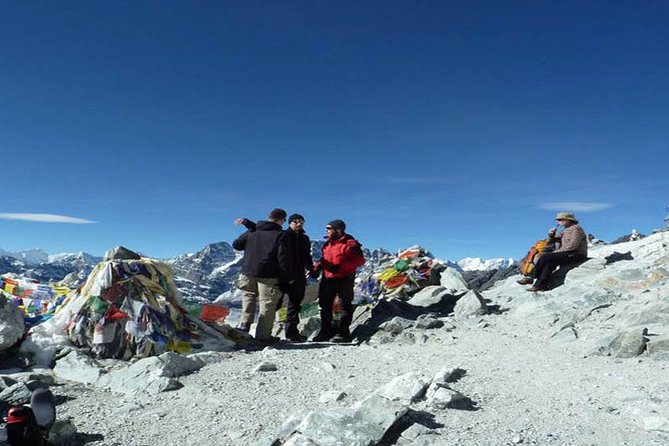
The Dingboche acclimatization day prepares you for the highest part of the route. Like the Namche pause, it is built around a day trip rather than complete rest.
This is a key safety feature. The days ahead include Lobuche, Gorakshep, Everest Base Camp, and Kala Patthar. Rushing from lower villages to those heights would make the trek harder and less sensible.
Use this day to check your clothing, water, snacks, and walking pace. Your body may tell you more than your ambition does. If you feel ill, speak up. One of the useful strengths shown by the guiding team is flexibility. Guides such as Manoj have helped change plans when altitude complications appeared. That kind of judgment is more valuable than a guide who simply sticks to the printed schedule.
Day 7: Reaching Lobuche
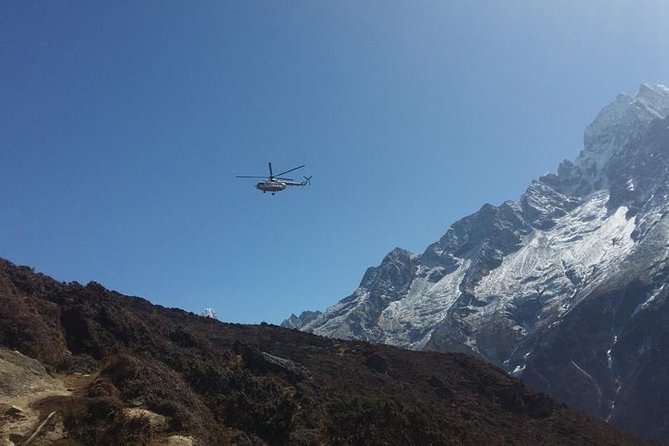
The walk to Lobuche takes you farther into the high country. The description does not give a duration, but this section is part of the demanding approach to Base Camp.
Lobuche is not a destination where you need a long list of attractions. Its importance is practical. You are getting close to the goal, and the surroundings feel increasingly stark and exposed. The route becomes less about villages and more about rock, ice, sky, and the effort of putting one foot in front of the other.
This is a good night to keep your plans modest. Eat what you can, drink regularly, and rest. The next day is the main goal of the trek, and you want energy for it.
Day 8: Everest Base Camp and Gorakshep
Day 8 is the emotional center of the trip. You walk to Everest Base Camp and return to Gorakshep.
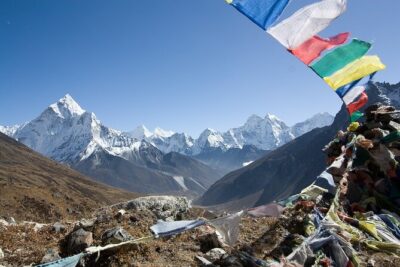
The route is demanding because you are now walking at high altitude, and the round trip makes this a full day. Base Camp itself is the achievement, but it is worth understanding what the stop offers. It is a mountaineering staging area, not a polished viewing platform. The power comes from reaching it on foot and seeing the glacier and surrounding peaks from this remote setting.
Weather and seasonal conditions affect what you see. The mountain scenery can be dramatic, but cloud and poor visibility are always possible. Do not judge the day only by photographs.
This is also when a supportive guide can make the difference between finishing with confidence and turning back too early. You will have already spent days learning how your group moves. Guides including Pralhad, Nima, Madan, and Ramesh have been praised for staying attentive, encouraging tired walkers, and keeping people informed.
Day 9: Kala Patthar, then down to Pheriche
Day 9 begins with a hike to Kala Patthar before continuing to Pheriche. For many people, Kala Patthar is the finest viewpoint of the trek.
Base Camp lets you say you reached the famous destination. Kala Patthar gives you the broad mountain view that many people picture when they imagine Everest. The climb is early and tiring, but the payoff is a higher vantage point over the surrounding peaks and valleys.
After that effort, you descend to Pheriche. Going downhill may sound easy, but tired legs and rocky paths still require care. The descent is good news for your breathing and recovery, yet you should not rush it.
The switch from ascent to descent also changes the feel of the trip. You are no longer chasing the goal. You can start noticing smaller details again, including village life, trail traffic, and the changing shape of the valley.
Days 10 and 11: Returning through Namche to Lukla
Day 10 retraces the trail to Namche Bazaar, and Day 11 continues back to Lukla. Walking the same route in reverse is not a flaw. The light changes, your body feels different, and familiar places look new when you are descending.
The return days are still active and can be tiring. You may feel relieved to be lower, but long hours on your feet remain long hours on your feet. This is where a flexible guide and a well-managed group are especially useful.
Day 11 brings you back to Lukla, the starting point of the walking portion. Keep some patience in reserve for the following morning, since mountain flights can be affected by weather. The package includes the return flight, but no flight in a mountain setting should be treated as perfectly predictable.
Day 12: Flying back to Kathmandu
The final day includes the flight from Lukla and a transfer to your hotel in Kathmandu. After nearly two weeks of walking, the return to the city can feel abrupt.
This transfer is useful because it removes one more logistical task at the end of a demanding journey. You can focus on getting cleaned up, sorting your gear, and remembering the trek instead of arranging your own airport connection.
Pickup is offered, but confirm the exact arrangements before departure. You also need to provide each participant’s passport name, passport number, expiry date, and country at booking. A minimum of two people is required, and the maximum group size is 12.
What the $1,445 price really covers
The strongest value comes from combining the major trek essentials in one booking. You receive:
- Round-trip flights between Kathmandu and Lukla
- Trekking permits
- Accommodation during the trek
- Breakfast, lunch, and dinner for 11 days
- A guided itinerary with acclimatization days
- A small group capped at 12 people
You do not receive travel insurance, a porter, tips, or personal expenses. Those exclusions matter. Insurance is particularly important for a high-altitude trek, and you should not treat it as optional paperwork.
The price makes the most sense if you want a structured first visit to the Everest region. If you already know the route well and prefer arranging every lodge, meal, permit, and flight yourself, an independent trip may offer more control. You would then take on the planning and altitude decisions yourself.
The guide is part of the value
Mosaic Adventure’s most consistent strength is its guiding and support team. Different departures use different staff, including Nima, Madan, Manoj, Ramesh, Pralhad, Purna, and others.
The important point is not the name alone. It is the type of support described: airport assistance, clear information, encouragement during hard walking, help for slower members, and itinerary changes when altitude problems arise.
You should still ask who will lead your specific departure, how many support staff will join the group, and what porter arrangements are available. The listed package does not include porter service, so that cost and luggage limit deserve clear answers.
Who should book this trek?
You should consider it if you:
- Have strong physical fitness
- Want a guided Everest Base Camp route
- Prefer meals, permits, flights, and lodging arranged together
- Are comfortable with rocky trails and long walking days
- Value local support and a small group
- Can accept weather-related uncertainty
You should think twice if you want a relaxed holiday, dislike early starts, or have not prepared for sustained uphill walking. The trek is not described as suitable for casual fitness, and the high altitude adds a risk that training alone cannot remove.
The trek operates in all weather conditions, so proper clothing is essential. You should prepare for cold, wind, rain, and changing conditions rather than relying on a single forecast.
Should you book the Everest Base Camp Trek?
I would recommend this trip to a fit hiker who wants the famous route with the hard logistics handled. The two acclimatization days, included Lukla flights, arranged permits, meals, and local guides give you a sensible structure for a first attempt.
I would not book it without confirming the guide, porter costs, accommodation details, insurance expectations, and flight procedures. Also remember the cancellation terms: cancel six or more full days before departure for the available partial-refund conditions, while cancellations less than two full days before the start receive no refund.
Book it if reaching Base Camp matters more to you than comfort, and if you are ready to work for the views. Skip it if you want a gentle introduction to Nepal. This is a serious trek, but with preparation, patience, and a good guide, it can become the kind of journey you remember for years.
FAQ
How long is the Everest Base Camp Trek?
The experience lasts approximately 12 days, including flights from Kathmandu to Lukla and back, the trek to Everest Base Camp, and the return transfer to your Kathmandu hotel.
Are flights between Kathmandu and Lukla included?
Yes. Round-trip flights from Kathmandu to Lukla are included in the package.
Are meals included?
Yes. Breakfast, lunch, and dinner are included for 11 days.
Is accommodation included during the trek?
Yes. Accommodation on the trek is included.
How large is the group?
The activity has a maximum of 12 participants. At least two people are required per booking.
What fitness level is required?
You should have a strong physical fitness level. The itinerary includes rocky ground, substantial uphill walking, several long days, and high-altitude trekking.
Recently reviewed hikes in Kathmandu
- 14 Days Private Tour Everest Base Camp Trek★ 5.0 · 105 reviews
- Kathmandu: Nagarkot Sunrise & Hike with Lunch -Private/Group★ 4.9 · 122 reviews
- 4 Days Poon Hill Trek★ 5.0 · 94 reviews
- Langtang Valley Trek★ 5.0 · 140 reviews
- Manaslu Circuit Trek★ 5.0 · 292 reviews
- Manaslu Circuit Trek★ 5.0 · 184 reviews
- Nagarkot Sunrise View & Day Hiking with Lunch – Private/Group★ 5.0 · 73 reviews
- Kathmandu: Dhulikhel to NamoBuddha Day Hike with Lunch★ 4.8 · 62 reviews
Everest Base Camp Treks, compared.
Trekking in Annapurna/Langtang/Everest/Upper Mustang regions
Read our review →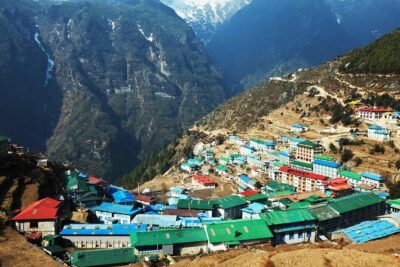
Hathipaown Heritage Walk – A guided walk to Mini Everest
Read our review →Other lists this hike appears in