
Review · SAPA
Sapa: Eco Adventure Terrace Fields and Local Villages Trek
Sapa’s best day walks leave the town behind quickly. This route drops into Muong Hoa Valley, crossing rice terraces, streams, village paths, and working farmland before reaching Hmong and Dzay communities. The scenery is superb, but the real reward is the chance to hear about village life from a local guide such as Chai or Vu.
I like the way the day combines serious walking with cultural contact. You get a home-cooked meal, see traditional houses, and learn about clothing-making rather than simply stopping for photographs. I also like the small-group limit of 10 people, which makes it easier to ask questions and keep a sensible pace.
The main catch is the trail itself. This is a 10 to 12 kilometer hike, not a gentle stroll, and wet weather can turn the first section into a slippery mud track. If your knees are weak or you dislike getting dirty, this may not be your best Sapa outing.
Key points to know before you go
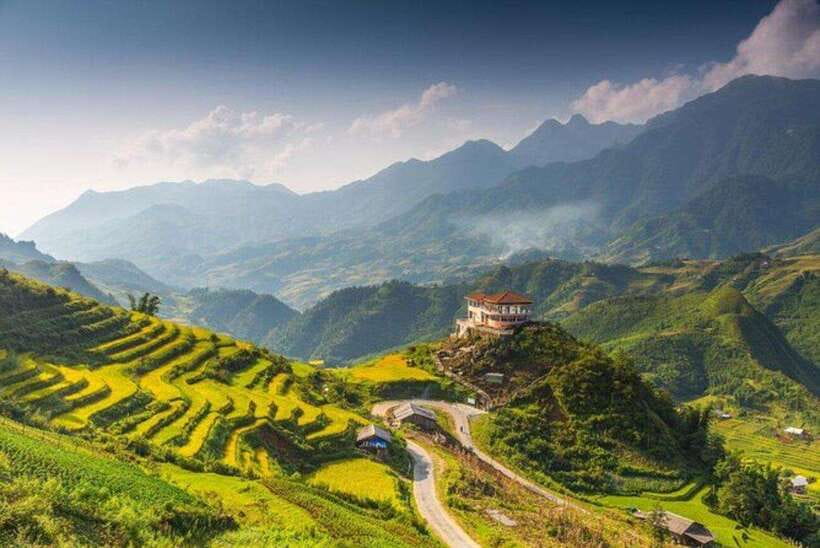
- Muong Hoa Valley views: Look toward Fansipan Peak from the opening hill viewpoint, then descend among rice terraces and mountain streams.
- Three major village areas: The route passes Y Linh Ho, Lao Chai Sang, Lao Chai, and Ta Van, with Hmong and Dzay cultural encounters along the way.
- A proper rural trek: Plan for 10 to 12 kilometers, steep sections, slippery ground, and roughly six and a half hours away from Sapa.
- Local guides make the difference: Guides including Chai, Vu, Chay, Wu, and Le are praised for clear English, humor, safety help, and personal stories.
- Lunch in the valley: A local meal around 12:30 PM gives you a useful rest and a taste of regional cooking.
- Bring the right kit: Warm layers, hiking shoes, insect repellent, and clothing that can handle mud are all sensible choices.
Why this Sapa trek feels different from a town excursion
Sapa town can feel busy, commercial, and crowded with day visitors. This trek gives you a quick escape. After meeting in front of Sapa Church at 9 AM, you head toward a small hill viewpoint for a broad look toward Fansipan Peak.
That first stop matters because it gives you a sense of the ground you will cover. You are not simply walking from one attraction to another. You are heading down into a valley framed by high mountains, with rice terraces arranged along the slopes.
The tour uses a small group of no more than 10 people. I see that as a useful size for this route. A guide can keep an eye on people during slippery sections, explain local customs without shouting, and adjust the pace more easily than on a large coach excursion.
English-speaking local guides are central to the day. Chai receives especially strong praise for her warmth, humor, and explanations of Hmong life. Vu, Chay, Wu, Le, Lien, Si, and others have also led this route, so the exact personality of your day depends on the assignment.
More hikes and treks around Sa Pa:
- Sa Pa: Muong Hoa Valley Trek and Local Ethnic Villages
★ 4.6 · 864 reviews - Number one top rated ethical cultural trekking and homestay by ETHOS
★ 5.0 · 456 reviews - From Sapa: 1-Day Guided Trek to Lao Chai & Ta Van with Lunch
★ 4.9 · 416 reviews
Walking into Muong Hoa Valley
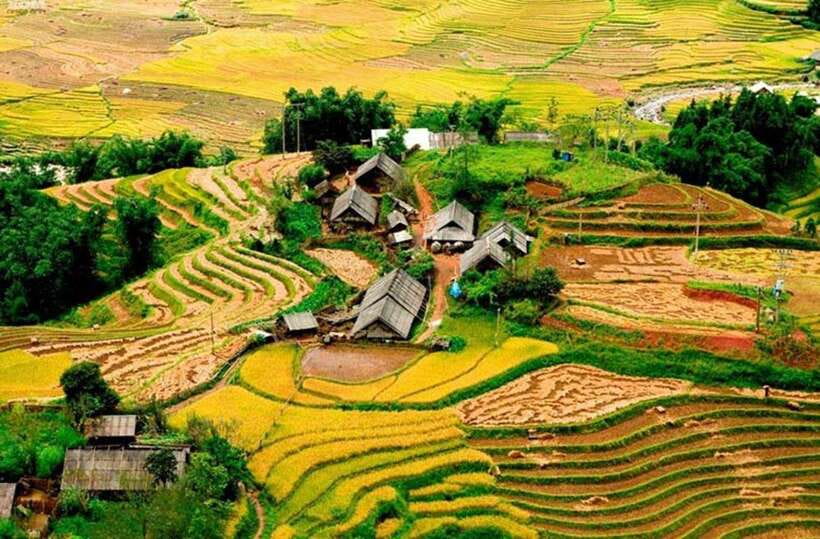
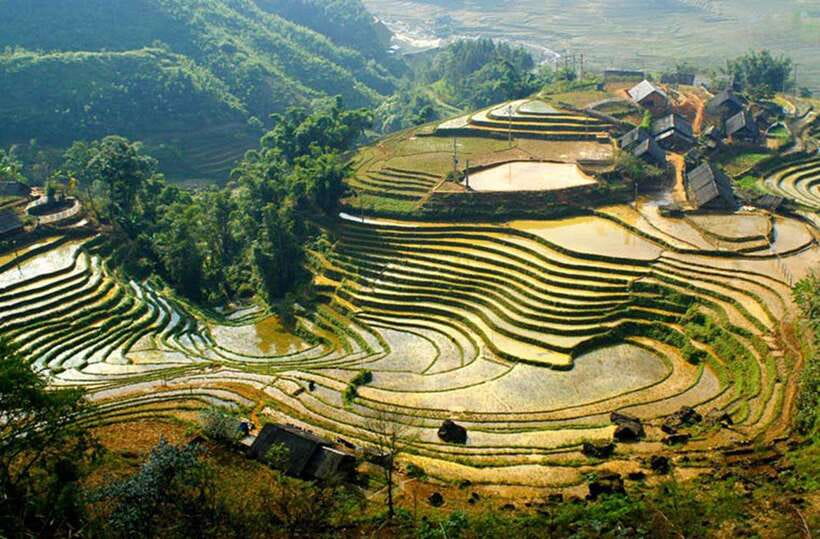
From the viewpoint, the trek continues toward Muong Hoa Valley. This is the scenic heart of the route, with layered rice fields, tall mountains, streams, wooden houses, and people working outdoors when the season allows.
The rice terraces change character through the year. At planting time, you may see farmers in the fields. During the harvest period, the slopes take on a different color and activity. The tour does not promise a particular agricultural scene, but the working valley is part of what makes the walk feel connected to daily life.
You will also pass ordinary details that photographs often miss: water buffalo, pigs, ducks, chickens, and village dogs. These sights help you understand that the terraces are not a scenic backdrop alone. They are part of a lived-in farming area.
The opening part can be the hardest. Several accounts describe muddy, slippery ground, especially after rain, with a steeper descent among the terraces. Local women sometimes help walkers over the trickier patches by offering a hand. That assistance can be useful, but you should still arrive ready to manage uneven ground yourself.
Some people rent rubber boots in Sapa before setting out. This is worth considering during the rainy season or after wet weather. Good hiking shoes are also suitable in drier conditions, but do not wear anything you want to keep spotless.
Y Linh Ho and the river crossing
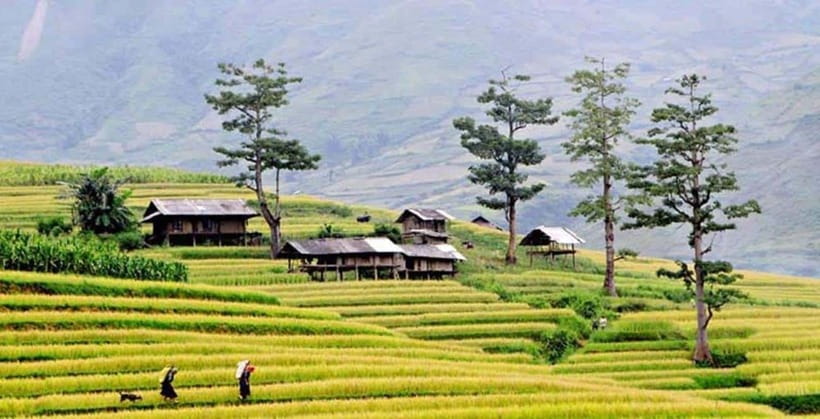
At about 11 AM, you reach Y Linh Ho Village, associated with the Hmong community. The route crosses a small bridge over a scenic river, then continues along trails toward Lao Chai Sang.
This section brings the cultural focus into sharper view. The guide can explain Hmong traditions, family life, local work, and the practical challenges faced by people living in mountain villages. Guides who are local to the area can add personal experience rather than giving only general facts.
The trail is not polished from start to finish. That is part of its appeal, but also part of the physical demand. After rain, the ground may be slick, and you may need to place each foot carefully. The route can be more comfortable later, when sections run along paved village paths.
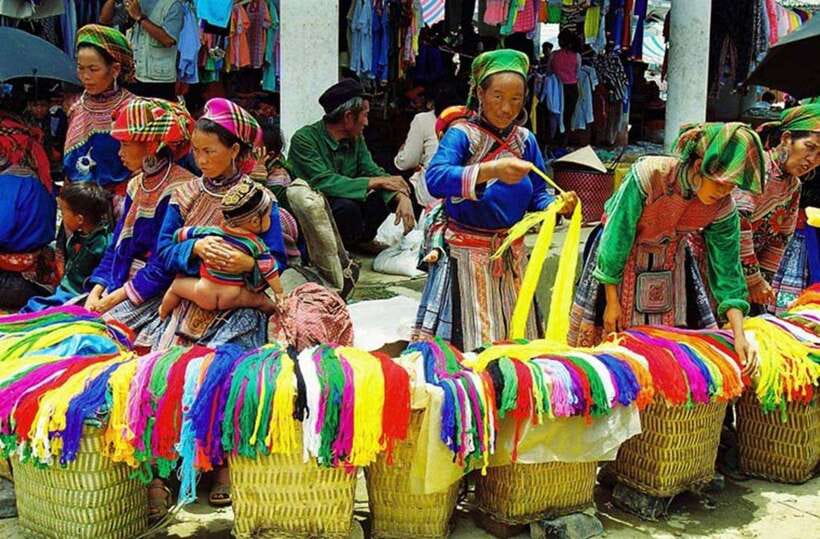
You may encounter local women who walk part of the trail with the group. They may offer handmade clothing or bags for sale. Buying is optional, and you should not feel pressured, but carrying some cash gives you the choice to support their work if you see something useful.
Lao Chai Sang lunch at about 12:30 PM
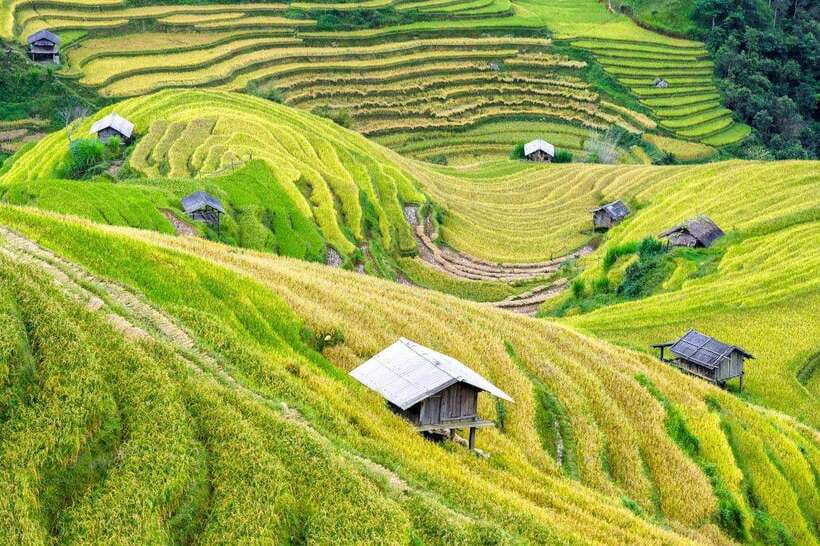
Around 12:30 PM, lunch provides the day’s main pause. The meal is served in Lao Chai Sang with a local Hmong family or at a small village restaurant, depending on the arrangements for the day.
That setting is valuable because you are eating within the valley rather than returning to Sapa for a standard restaurant meal. The food is described as traditional local cooking, with vegetarian and vegan options available according to the information provided.
Lunch also breaks the route at the right moment. By this point, you may have completed the steeper and muddier portion, so a proper sit-down meal lets you recover before the afternoon walk.
Drinks are not included, so bring money for anything extra. The $27 price covers the local guide, entrance tickets, and lunch. For a full day of guided walking, village access, and a meal, I consider that strong value, especially if you want culture as well as scenery.
Same mountains, a different route up:
- Sa Pa Full Day Trekking Tour
★ 5.0 · 414 reviews - Sapa 1 Day Long Trek: Trek to Hau Thao and Sa Seng Villages
★ 4.6 · 344 reviews - Sa Pa: 6-Hours Muong Hoa Valley Trek with Local Ethnic guide
★ 4.5 · 178 reviews - Sapa The Hidden Trail Trek 1 Day – Mountain & Rice Valley
★ 5.0 · 133 reviews
Lao Chai Village and Hmong daily life
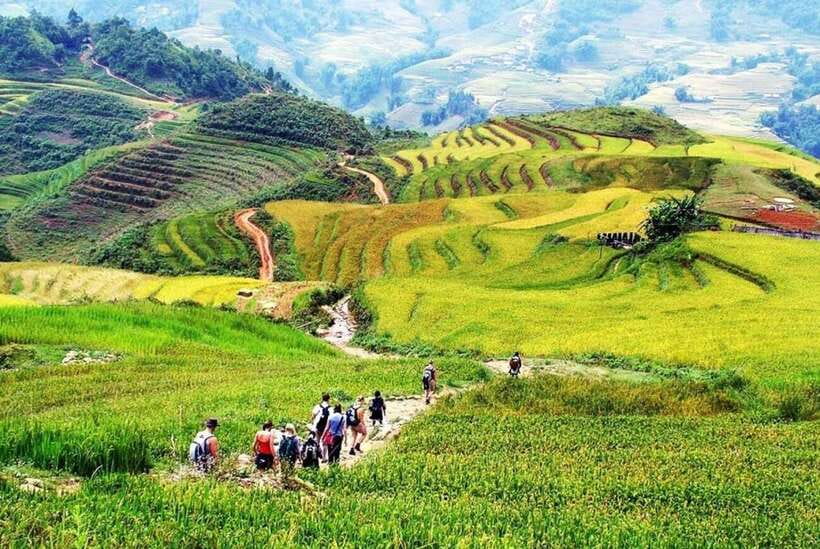
After lunch, the route continues to Lao Chai Village. Depending on the season, you may see planting or harvesting work in progress. This is one of the best parts of the itinerary for understanding how the terraces function beyond the postcard view.
The cultural explanation continues here, with attention to Hmong daily life and traditional clothing-making. Clothing is not treated as a decorative extra. It can offer a practical way to understand identity, work, family traditions, and the time involved in making items by hand.
You may also have the chance to look inside a local house. That kind of visit can be more revealing than a formal presentation because it shows how homes are arranged and used. The experience is still a short visit within a walking tour, so do not expect an extended homestay or a full workshop.
The guides are the strongest part of this cultural element. Chai is repeatedly described as friendly, funny, and clear in English, while Vu is praised for sharing personal stories and answering questions. A good guide helps you ask respectful questions and understand that village life includes both welcoming traditions and real difficulties.
Ta Van and the Dzay connection
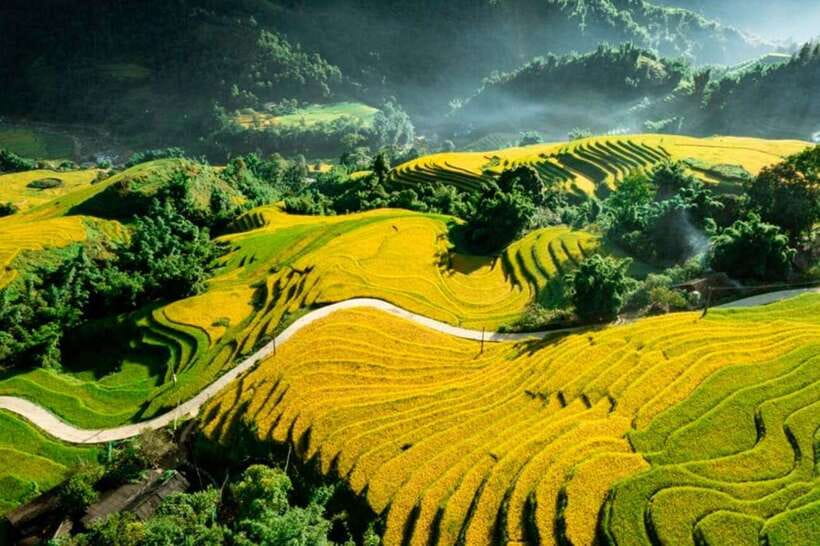
The final major stop is Ta Van Village, home to the Dzay minority. Reaching Ta Van gives the day a useful contrast, since you have not spent the entire route in one community or one type of setting.
By this stage, the views may change with the weather. Several people have found the valley foggy in the morning, with visibility improving later in the afternoon. Mist can hide Fansipan and soften the terraces, but clear weather gives you the broad mountain views shown in the tour description.
You should not book this trek only for guaranteed sunshine. Sapa’s weather can be wet, cool, or foggy, and the route remains worthwhile when the views are partly covered because the villages, guide, and walking experience continue. Still, clear conditions make the scenery much more rewarding, so a flexible schedule helps if you have several days in town.
The tour is scheduled to return to Sapa around 3:30 PM, though some walks finish closer to 4 PM. The final ride back may encounter town traffic. There is no vehicle support during the main trek, so you should be ready to walk the full route rather than expecting a pickup midway.
How difficult is the 10 to 12 kilometer route?
I would call this a moderate trek with a few demanding moments. The total distance is substantial, and the route includes hills, uneven trails, slippery descents, and muddy ground after rain.
You do not need to be an expert hiker, but you should be comfortable walking for several hours. The route has been enjoyed by families with teenagers, yet it is not suitable for small children under five, pregnant people, wheelchair users, people with mobility impairments, or people over 75.
Your footwear choice matters more than fancy equipment. Bring hiking shoes with a firm grip, or consider renting rubber boots when the ground is wet. Wear trousers and a jacket that can get dirty, and pack insect repellent and warm clothing because Sapa can feel cool even when the valley walk is active.
A guide may offer an easier road option in some places. That can help if conditions are poor, but the more adventurous trail provides the closer contact with terraces and rural paths. Tell the guide honestly how you are feeling rather than pushing on for pride.
What the guide adds to the day
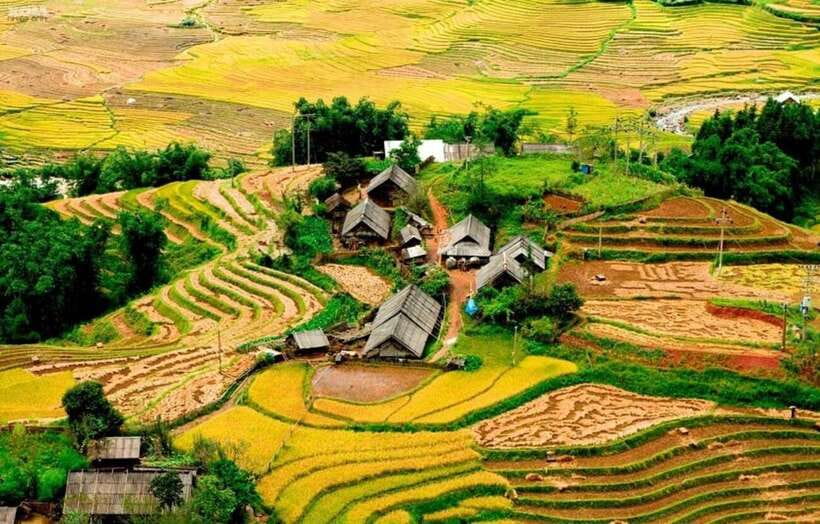
The scenery would be worth seeing on its own, but the guide turns a walk into a more useful introduction to Sapa’s ethnic communities. You learn about Hmong and Dzay customs, local history, traditional clothing, farming, and everyday life as you move through the villages.
I would pay close attention to the guide’s personal stories. Chai is noted for making the group feel comfortable and keeping the mood light, while Vu is praised for her humor, English, and local background. Other guides, including Rou, Rose, Pai, Chan, and Si, have also been described as attentive and helpful on difficult sections.
Names can be spelled differently, so the guide assigned to you may not match the names listed here. The important point is that this activity depends heavily on having a local guide who can explain what you are seeing and help you over challenging ground.
The small-group format helps here. With 10 people or fewer, you can ask about farming, family life, clothing, or village customs without losing the group. It also makes it easier for the guide to notice when someone needs a slower pace.
Practical value at $27
At $27 per person, the price is modest for a six-and-a-half-hour activity. Your payment includes the local English-speaking guide, entrance tickets, and lunch. It does not include drinks, personal purchases, boot rental, or transport from your hotel to the meeting point.
You meet in front of Sapa Church, so allow time to reach the center by 9 AM. Hotel transfer is not included. You should also provide a WhatsApp number so the operator can contact you easily.
The value is best for someone who wants a full day outside town without arranging separate transport, a guide, village access, and lunch. It is less attractive if you are looking for a short photo stop or a low-effort outing.
Free cancellation up to 24 hours before the start and reserve-now-pay-later booking add useful flexibility. Still, the main decision is not the payment policy. It is your willingness to walk 10 to 12 kilometers in changing mountain weather.
Who should book this Sapa village trek?
I would choose this experience if you want mountain scenery tied to real village life. It suits active visitors, couples, small groups, and families with older children or teenagers who can manage a full day on foot.
It is also a good choice for a first visit to Sapa because it combines several essentials: Muong Hoa Valley, rice terraces, Hmong culture, Dzay culture, a local meal, and a guide who can explain the area as you walk.
I would hesitate if you need smooth paths, reliable dry weather, or frequent vehicle access. People with mobility limits, serious knee problems, or very low fitness should choose a gentler activity instead.
Should you book it?
Book this trek if you want Sapa at walking pace, with muddy shoes, mountain air, village paths, and plenty of questions for a local guide. The scenery is beautiful, but the strongest reason to go is the connection between the terraces and the people who work them.
For the best chance of clear views, keep the day flexible when possible and check the forecast. Pack footwear that can get filthy, carry some cash for drinks or handmade goods, and treat the first muddy section as part of the experience rather than a flaw.
If you want an easy ride through scenic viewpoints, skip it. If you want a fairly priced, active day that shows you more than Sapa’s town center, this is one of the better choices.
FAQ
Where does the Sapa trek begin?
The guide meets you in front of Sapa Church in the town center at 9 AM. Hotel transfer is not included.
How long is the activity?
The experience lasts about 390 minutes, or six and a half hours. The planned return to Sapa is around 3:30 PM, though some groups finish closer to 4 PM.
How far do you walk?
You should expect approximately 10 to 12 kilometers of walking and hiking.
Which villages does the route visit?
The route includes Y Linh Ho, Lao Chai Sang, Lao Chai, and Ta Van. You pass through areas connected with the Hmong and Dzay ethnic communities.
Is lunch included?
Yes. A local lunch is included, usually around 12:30 PM in Lao Chai Sang. Vegetarian and vegan options are available according to the provided information.
What should I bring?
Bring warm clothing, hiking shoes, and insect repellent. Wear clothing that can get muddy, particularly after rain.
Who should not take this trek?
The activity is not suitable for children under five, pregnant women, people with mobility impairments, wheelchair users, or people over 75. It is also a poor fit if you cannot comfortably manage a 10 to 12 kilometer hike.
Recently reviewed hikes in Sa Pa
- From Hanoi: Sapa 3-Day Medium Trek and Limousine Trip★ 4.5 · 59 reviews
- 2 Night Lao Chai-Ta Van Homestay- Trekking & Fansipan Visit★ 4.0 · 8 reviews
- 2-Day Fansipan Mountain Trek – Indochina’s Highest Peak★ 4.3 · 42 reviews
- 1-Day Sapa Long Trek – Rice Field Terrace, Ethnic Culture★ 4.9 · 62 reviews
- 1 Day Sapa Trek&Home-cooked Lunch HmongSisterHouse&Trekking★ 5.0 · 7 reviews
- Sa Pa: 6-Hours Muong Hoa Valley Trek with Local Ethnic guide★ 4.5 · 178 reviews
- Sapa: Private The Most Beautiful Terraced Fields Trekking★ 4.8 · 42 reviews
- Mountain views and villages trek – 1 Day★ 5.0 · 99 reviews
Sapa Hiking Tours, compared.
Sa Pa: Muong Hoa Valley Trek and Local Ethnic Villages
Read our review →
Number one top rated ethical cultural trekking and homestay by ETHOS
Read our review →
From Sapa: 1-Day Guided Trek to Lao Chai & Ta Van with Lunch
Read our review →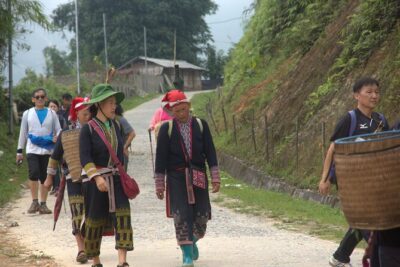
Sapa 1 Day Long Trek: Trek to Hau Thao and Sa Seng Villages
Read our review →
Sa Pa: 6-Hours Muong Hoa Valley Trek with Local Ethnic guide
Read our review →
Sapa The Hidden Trail Trek 1 Day – Mountain & Rice Valley
Read our review →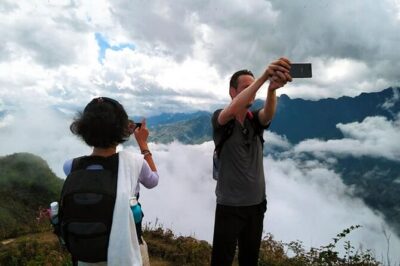
Other lists this hike appears in