
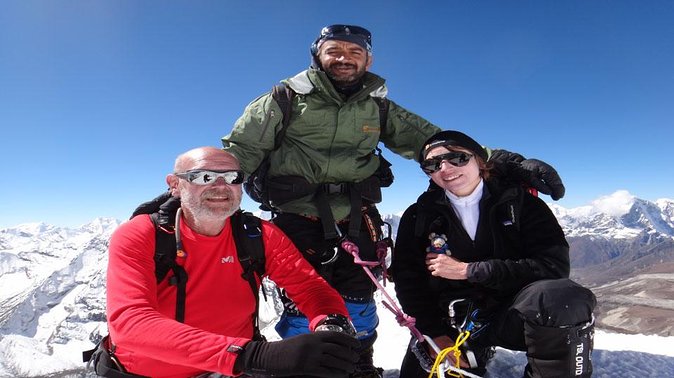
Review · KATHMANDU
Everest Base Camp Trek
Everest Base Camp is not a sightseeing stop you simply reach and leave. It is a long mountain journey, with high passes of effort, thin air, basic lodges, and huge Himalayan views. This 14-day private trek gives you time to adjust, walk at your own pace, and reach the foot of the world’s highest mountain with a guide beside you.
I like the personal attention and the practical all-in price. Your guide and porter handle the route, permits, flights, and much of the daily planning, while the two acclimatization days give your body a fair chance to adjust. The main drawback is simple: this is hard. Long walking days, cold conditions, basic accommodation, and altitude make it a poor choice if you are not fit.
Key points to know before booking
- The route reaches 17,594 feet at Everest Base Camp, with a demanding walk from Gorakshep and back.
- Two acclimatization days are built in, including hikes to Everest View Hotel and Nagarjun Hill.
- A private guide controls the pace, useful for solo-style flexibility and mixed-ability groups.
- A porter is provided for every two trekkers, with a maximum load of 25 kilograms.
- Flights to Lukla now route through Ramechap, followed by road transfers from Kathmandu.
- The $1,790 price includes major costs, but not insurance, drinks, equipment, tips, or personal expenses.
What the $1,790 Everest trek really gives you
At $1,790 per person, this is not a cheap holiday, but it covers the expensive and complicated parts of a Himalayan trek. You receive airport transfers, two nights in a three-star Kathmandu hotel, domestic flights, lodge accommodation, permits, a guide, porter support, meals, and ground transport.
I see the strongest value in the logistics. Lukla flights, Ramechap transfers, permits, porters, and mountain lodges can be awkward to arrange separately. Having one company coordinate them leaves you more energy for the walking itself.
The package includes twin-sharing lodge rooms, full-board breakfast, lunch, and dinner, plus tea and coffee during the trek. Private bathrooms with hot showers are specifically included at Phakding, Namche, and Lukla. Do not read that as guaranteed private plumbing all the way to Base Camp. Hot showers during the trek are listed as an extra cost, and facilities become more basic as you climb.
You still need to budget for travel insurance, Nepal’s entry visa, drinks, snacks, personal expenses, trekking equipment, and tips. The listed visa cost is $40 for 30 days on arrival. For a trek at this altitude, insurance that covers emergency evacuation is a sensible requirement, even though it is not included.
More Everest Base Camp Treks in Kathmandu:
- Everest Base Camp Trek – 14 Days
★ 5.0 · 1,499 reviews - Everest Base Camp Trekking
★ 5.0 · 485 reviews - Everest Base Camp Trekking – 13 Day
★ 5.0 · 365 reviews
Kathmandu to Lukla, then the first easy miles
Day one is for arriving in Kathmandu. Airport pickup by car is included, along with a hotel stay, which gives the company time to organize your permits, equipment check, and early transport.
Day two begins at 2:15 am, an unpleasant hour but an important detail. You drive to Ramechap, fly to Lukla, and then walk about 8 kilometers to Phakding. The walk takes roughly three hours and ends at about 8,699 feet.
This opening day is deliberately manageable. Lukla is the gateway to the Khumbu region, and the path to Phakding lets you begin walking without immediately asking too much of your lungs. I like that the schedule does not try to reach Namche on the first day.
The early start is a real consideration. You may spend several hours in a vehicle and waiting around before the flight, then walk after landing. Weather can affect mountain flights, and the package says a poor-weather cancellation can lead to another date or a full refund, but a delayed flight could still disturb your schedule.
Namche Bazaar and the first acclimatization test
Day three takes you 10 to 12 kilometers to Namche Bazaar, at about 11,283 feet. The walk lasts around six hours and brings a sharp rise in altitude. This is one of the first days when fitness, patience, and a steady pace matter more than speed.
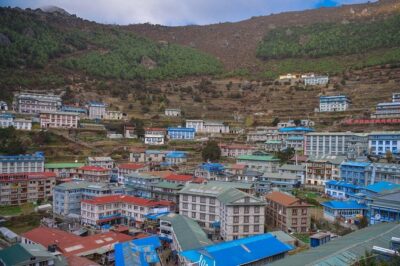
Namche is more than a sleeping stop. It is the main trading town on the route and an important place to rest, eat, check your gear, and notice how your body reacts to altitude. You will likely appreciate the lodge bed here more than you expect.
Day four is an acclimatization day, not a day off. You hike 3 to 4 kilometers to the Everest View Hotel, reaching about 12,995 feet, then return to Namche. The walk takes three to four hours.
This is a smart part of the schedule. You gain height during the day and sleep lower at Namche, a common approach for helping the body adjust. The walk is short, but the views give you an early look at the high peaks that make this route special.
Tengboche and Dingboche, where altitude takes over
Day five leads to Tengboche, about 10 to 11 kilometers away, with roughly five hours of walking. The stop is known for its monastery and mountain setting, though the supplied program does not promise a formal visit or ceremony. I would ask your guide what is possible during your stay.
The next day continues to Dingboche at 14,464 feet. The distance is 11 to 12 kilometers, taking about five hours. At this point, the numbers become more important. The walk may not be especially long by lowland standards, but the altitude changes how every climb feels.
Day seven brings another acclimatization hike, this time to Nagarjun Hill and back. The walking distance is 5 to 6 kilometers, and the day takes four to five hours. These rest days are one of the strongest features of the plan. You are still moving, but you are not stacking the hardest high-altitude miles day after day.
The tour is intended for people with a strong fitness level. That does not mean you need to be an elite athlete, but you should be comfortable walking for several hours on successive days. A private guide may adjust the pace, yet no guide can remove the altitude or the steep sections.
More hikes and treks around Kathmandu:
- Nagarkot Sunrise View and Day Hiking from Kathmandu
★ 5.0 · 471 reviews - Annapurna Circuit Trek with Tilicho Lake
★ 5.0 · 368 reviews - Everest Base Camp Trek
★ 5.0 · 350 reviews - Everest Base Camp Trek -14 Days
★ 5.0 · 321 reviews
Lobuche and the approach to Base Camp
Day eight takes you to Lobuche, at approximately 16,105 feet, after 11 to 12 kilometers and about five hours of walking. Here, the route feels more serious. The air is thin, the nights are cold, and the landscape becomes stark and high.
Day nine is the big one. You walk from Lobuche to Gorakshep, continue to Everest Base Camp, and return to Gorakshep. The stated distance is 14 to 15 kilometers, with about eight hours on foot.
This is not a quick photo stop. You need to reach Base Camp and still have enough energy to return to Gorakshep. A private guide is especially useful here because your group can maintain a sensible pace rather than racing to match strangers. Take food, water, warm layers, and patience. The route is long even for fit walkers.
Everest Base Camp itself is the goal, but it is not necessarily the best viewpoint of Everest. The achievement is reaching the mountaineering base area at 17,594 feet and seeing the surrounding high peaks. Your guide can help with timing and route decisions, but the weather and your physical condition will shape the day.
Kala Patthar, then the long return
Day ten starts with a hike to Kala Patthar before continuing to Pheriche. The schedule gives the walk as 13 to 14 kilometers and about seven hours, ending at approximately 13,810 feet.
The altitude listed for Kala Patthar in the schedule is 11,283 feet, which appears inconsistent with the rest of the program and the usual elevation associated with this viewpoint. Ask the operator to confirm the exact height and route details before departure. The important point is that this is an early, high viewpoint day followed by a long descent.
Many trekking plans use Kala Patthar for broad views toward Everest, but the exact visibility depends on weather. You may find the early start cold and tiring, yet the descent afterward should bring some relief as the air gets thicker.
Day eleven returns to Namche over 14 to 15 kilometers and around seven hours. Day twelve is longer still, with 18 to 19 kilometers to Lukla and about seven hours. These days are downhill in the broad sense, but downhill walking can be hard on tired knees.
The final walking day is not a gentle stroll. Plan on sore legs, keep your pack light, and use trekking poles if they suit you. The porter carries the main luggage, but you still need a day pack with water, layers, medication, and personal items.
Guides, porters, and the human side of the trek
The package includes one certified English-speaking guide and one porter for every two trekkers. The porter’s listed maximum load is 25 kilograms, so pack with restraint and do not treat the porter as a reason to bring your entire wardrobe.
The strongest praise connected with this experience centers on the staff. Named guides from past departures include Ram, Ramkrishna, Shyam, Vishma, Paban, Ramesh, and Ram Saran. The useful lesson is not that one particular person is guaranteed, but that the guide relationship matters enormously on a trek like this.
Specific strengths include quick communication before departure, help with questions from solo female trekkers, support when people had little training, and calm assistance during difficult sections. Some past groups also praised guides for mixing practical care with humor, which matters when six tired people are sharing a long trail.
The booking requires at least two people and allows up to 15. It is described as private, meaning only your own group participates, but a larger booking can still include many people. Ask how many trekkers will be in your group and who will guide it. That answer affects how personal the experience feels.
Food, lodges, and what to pack
Breakfast, lunch, and dinner are included, along with tea and coffee. Seasonal fruit is also provided. Vegetarian meals are available if you request them at booking.
The accommodation is the best available twin-sharing lodge accommodation. That is a useful but modest promise. You are booking mountain lodges, not city hotels. Rooms and facilities become simpler at higher elevations, and the package specifically excludes hot showers during the trek.
The company supplies a waterproof and windproof duffel or kit bag. You also need a separate large bag or suitcase for non-trek belongings left in Kathmandu. The suggested day pack is about 20 to 22 liters.
The equipment list is extensive for good reason. It includes broken-in hiking boots, warm socks, thermal layers, fleece, waterproof shell clothing, gloves, sun protection, sunglasses, a sleeping bag rated to zero degrees Fahrenheit, headlamp, water bottles, trekking poles, toiletries, a first-aid kit, and plastic bags to keep items dry.
You can buy much of this equipment in Kathmandu if needed. Still, I would bring properly fitted boots and any personal medical items from home. Cold hands, wet clothing, and blisters are small problems that become big problems on an eight-hour high-altitude day.
Who should book this private Everest Base Camp trek?
I would choose this trip if you want a guided route with the major logistics handled and you value flexibility more than luxury. It suits fit, active people who can accept basic lodges, early starts, long walking days, and uncertain mountain weather.
It also makes sense for a small group with different walking speeds. A private guide can help you move at a comfortable rhythm, and past departures show that solo-style bookings and close friends can both work within the package, provided the minimum of two people is met.
I would hesitate if you want guaranteed comfort, short walking days, or a soft adventure. This is not a casual hike. It reaches nearly 18,000 feet, and the return days are long even after you have achieved the main goal.
Free cancellation is available up to 24 hours before the start time for a full refund. Changes made within 24 hours are not accepted, and a weather or minimum-participant cancellation offers another date or a full refund. Read the exact terms before paying, especially because mountain weather can change plans.
Final verdict: a strong choice for prepared trekkers
I would book this trek if the price fits your budget and you are ready for the physical demands. The package handles the details that are hardest to arrange alone, while the private format gives you a better chance of walking at your own pace.
The best features are the two acclimatization days, the guide and porter support, the included meals and permits, and the clear route to Base Camp. The main cautions are the 2:15 am start, basic mountain accommodation, extra costs for drinks and equipment, and the need for strong fitness.
Before booking, confirm the guide, group size, luggage limit, exact Kala Patthar plan, insurance requirements, and what happens if the Lukla flight is delayed. If you are prepared for a demanding mountain trek rather than a sightseeing holiday, this offers a well-supported way to reach Everest Base Camp.
FAQ
How long does the Everest Base Camp trek take?
The experience lasts approximately 14 days, including arrival and departure days, the trek, domestic flights, and road transfers.
What is the price per person?
The listed price is $1,790 per person.
Is this a private trek?
Yes. Only your own group participates. A minimum of two people is required, and a booking can include up to 15 people.
What is included in the price?
The package includes airport pickup and drop-off, two nights in a three-star Kathmandu hotel, lodge accommodation during the trek, full-board meals, tea and coffee, a guide, porter support, permits, domestic flights between Ramechap and Lukla, transfers, a trekking map, achievement certificate, first-aid kit, taxes, and office service charges.
Are flights to Lukla included?
Yes. Round-trip flights to and from Lukla via Ramechap are included, along with transfers.
Is travel insurance included?
No. Travel insurance is not included. International airfare, Nepal’s entry visa, drinks, snacks, personal expenses, equipment, and tips are also excluded.
What fitness level is required?
The experience requires a strong physical fitness level. Walking days range from about three to eight hours, with distances of roughly 8 to 19 kilometers.
Can I cancel for a full refund?
You can cancel at least 24 hours before the experience start time for a full refund. Cancellations or changes made less than 24 hours before the start are not accepted for a refund.
Recently reviewed hikes in Kathmandu
- 14 Days Private Tour Everest Base Camp Trek★ 5.0 · 105 reviews
- Kathmandu: Nagarkot Sunrise & Hike with Lunch -Private/Group★ 4.9 · 122 reviews
- 4 Days Poon Hill Trek★ 5.0 · 94 reviews
- Langtang Valley Trek★ 5.0 · 140 reviews
- Manaslu Circuit Trek★ 5.0 · 292 reviews
- Manaslu Circuit Trek★ 5.0 · 184 reviews
- Nagarkot Sunrise View & Day Hiking with Lunch – Private/Group★ 5.0 · 73 reviews
- Kathmandu: Dhulikhel to NamoBuddha Day Hike with Lunch★ 4.8 · 62 reviews
Everest Base Camp Treks, compared.
Trekking in Annapurna/Langtang/Everest/Upper Mustang regions
Read our review →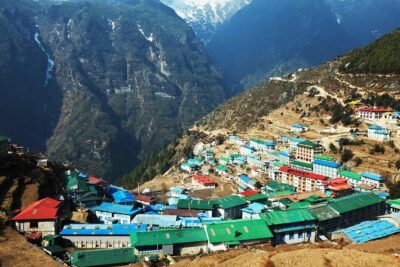
Hathipaown Heritage Walk – A guided walk to Mini Everest
Read our review →Other lists this hike appears in