
Review · KATHMANDU
Everest Base Camp Trekking
Everest Base Camp is less about a single finish line than the long, beautiful walk toward it. You pass pine forests, suspension bridges, Buddhist monasteries, yak country, and high valleys while the mountains grow larger each day. The flight to Lukla and the sunrise from Kala Patthar are the trip’s big dramatic moments.
I like the small group limit of 10, since a guide can keep a closer eye on your pace and comfort. I also like that teahouse lodging, meals, flights within Nepal, and local transport are arranged, leaving you free to focus on walking. The catch is simple: this is a serious high-altitude trek, not a sightseeing tour with a few easy hikes. You need strong fitness, patience, and flexibility for mountain weather.
Key points before you book
- Lukla starts the real adventure: The domestic flight offers mountain views, then the trail begins almost at once.
- Namche and Dingboche are vital pauses: These acclimatization days help your body adjust before the route climbs higher.
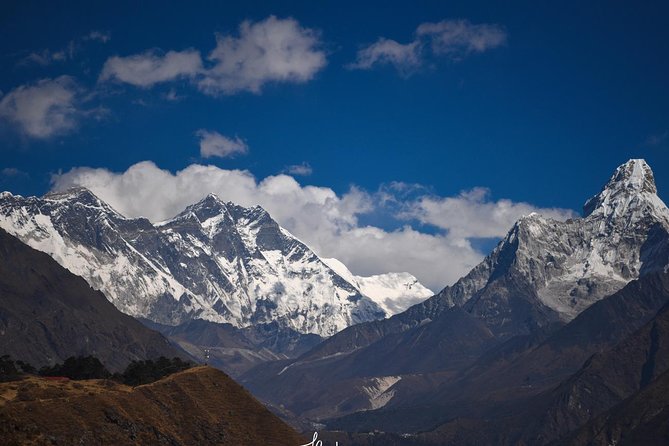
- Kala Patthar delivers the classic view: The early-morning climb is timed for sunrise over Everest and nearby peaks.
- A maximum of 10 keeps the group personal: Guides such as Biru, Ramesh, and Ambar have been praised for care and safety.
- The $1,350 price covers the core trek setup: Teahouse accommodation, meals, and local transport are included, though you should confirm every extra before departure.
- Fitness matters more than speed: Rocky trails, steep climbs, cold, and altitude make this a demanding 14-day trip.
What the $1,350 price really buys you
At $1,350 per person, this trek is priced as a packaged Himalayan experience rather than a basic independent hiking plan. The stated inclusions cover teahouse accommodation, meals, and local transportation, while a guide handles route finding and the daily logistics. That is useful in a region where weather, altitude, and changing trail conditions can make a simple plan hard to manage.
I see the strongest value in the time saved before and during the walk. You do not need to arrange each night’s lodging, work out every local transfer, or lead yourself through unfamiliar valleys. The guide also gives you a human connection to the area, with information about Himalayan life, the people living in the mountains, and Nepali culture.
The price does not mean every cost is covered. The supplied details do not spell out every personal expense, so ask what is included beyond accommodation, meals, flights, and local transport before paying. It is also wise to confirm baggage rules, permits, insurance expectations, and any optional services directly with Green Valley Nepal Treks & Research Hub.
The trip is commonly booked around 56 days ahead. That is a useful planning signal, especially if you have fixed dates or want a particular season. I would not leave a trek like this to the last minute.
More Everest Base Camp Treks in Kathmandu:
- Everest Base Camp Trek – 14 Days
★ 5.0 · 1,499 reviews - Everest Base Camp Trek
★ 5.0 · 842 reviews - Everest Base Camp Trekking – 13 Day
★ 5.0 · 365 reviews
Kathmandu arrival and the flight to Lukla
Day 1 begins at Tribhuvan International Airport, where an airport representative meets you and takes you to your hotel by private tourist vehicle. You can rest after the flight or visit the company office to receive more trip details.
That first day is not wasted time. Kathmandu gives you a chance to recover from international travel, check your equipment, and ask practical questions before the trail begins. Since the trek runs in all weather conditions, bring clothing that can handle sun, cold, rain, and changing mountain conditions.
After breakfast on Day 2, you transfer to the domestic airport for the flight to Lukla. The flight is one of the trip’s memorable features, with early views of sunrise on snow-covered peaks. Once you land at Tenzing-Hillary Airport, you are in the Khumbu region and the walking begins.
The flight is also one of the parts most affected by weather. The schedule may require patience, and the itinerary’s promise of operating in all weather conditions should not be read as a guarantee of perfect timing. Keep some flexibility in your plans after the trek rather than arranging an immediate international connection.
Pine forests, the Dudh Koshi, and Namche Bazaar
The first full walking day follows pine forests and the Dudh Koshi River, with Mount Thamserku appearing along the route. You pass settlements before reaching the entrance check post for Sagarmatha National Park.
This section gives you a gentle introduction to the rhythm of the trek. The trail is not simply a march from one famous point to another. You see working mountain communities, river valleys, and changing vegetation as the route gains height.
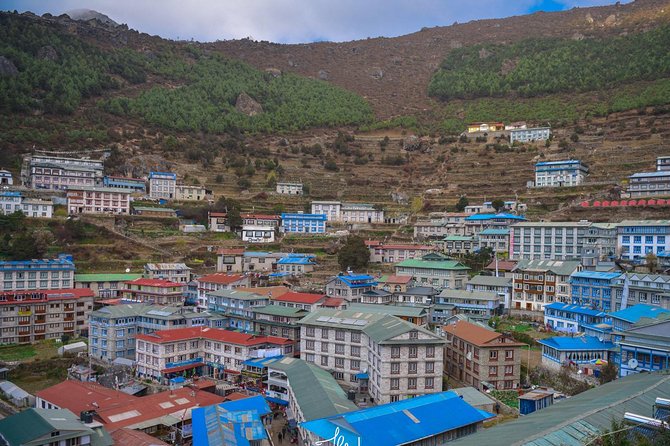
Day 4 is set aside for acclimatization in Namche Bazaar, the largest settlement in the Khumbu region. Namche has ATMs, internet cafes, restaurants, bakeries, and other services, making it a useful place to check in with home or replace a small item.
The rest day includes a short hike to a nearby viewpoint. That walk matters because acclimatization works best when you gain some height but return to sleep at the same level. I would treat the Namche pause as essential, not optional. It is also one of the more comfortable stops, so enjoy the food and facilities while they are available.
Phorse, Pangboche, and Dingboche
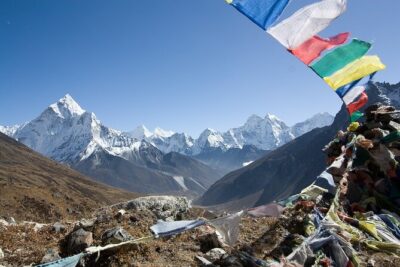
From Namche, the trail continues toward Phorse. The route reaches Mugla Pass and opens views toward Ama Dablam, Khumbu, and Thamserku before descending toward the Dudh Koshi and crossing the river.
This is the kind of day that explains why a guide helps. The route includes both climbing and descending, and your legs may feel the altitude even when the distance looks manageable. Keep your pace steady and avoid racing ahead early in the day.
The next section passes through alpine forest and includes a visit to a major Buddhist monastery in the region. The trail continues through Pangboche and nearby villages before reaching Dingboche.
Pangboche and the surrounding settlements bring the human side of the trek into view. You are walking through inhabited mountain country, not an empty wilderness. The monastery visit also gives the route a cultural pause between long stretches of physical effort.
Dingboche is another important acclimatization point. By now, the air is thinner and the cold more noticeable. Listen to your guide, drink regularly, and tell someone promptly if you feel unwell. A good trek is not about proving that you can ignore symptoms.
More hikes and treks around Kathmandu:
- Nagarkot Sunrise View and Day Hiking from Kathmandu
★ 5.0 · 471 reviews - Annapurna Circuit Trek with Tilicho Lake
★ 5.0 · 368 reviews - Everest Base Camp Trek
★ 5.0 · 350 reviews - Everest Base Camp Trek -14 Days
★ 5.0 · 321 reviews
The high valley toward Everest Base Camp
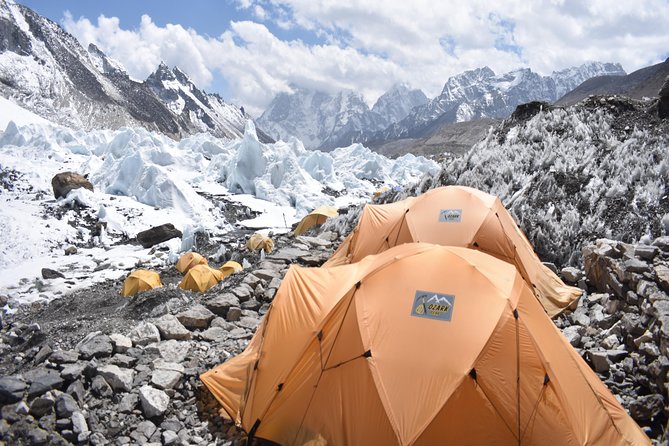
The route from Duglha climbs through the Khumbu Khola valley. Along the way, you pass Dusa, associated with yak herders, and Phulong Karp, connected with the first successful Everest expedition in 1953. The itinerary also refers to Chola Lake and high mountain views in this part of the journey.
The wording of this section is a little unclear, so I would ask the operator to confirm the exact overnight stops and route before departure. That is not a reason to reject the trip, but high-altitude routes deserve precise information. Route details can vary, and the descriptions supplied for the middle days do not always read like a perfectly clean day-by-day map.
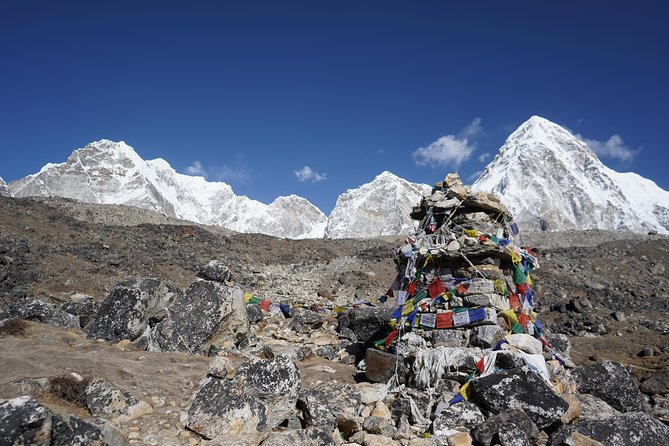
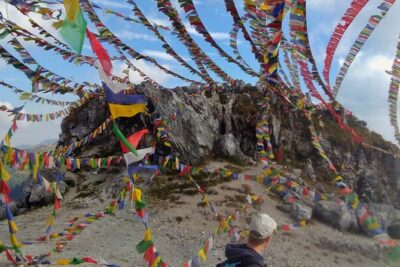
Another day brings the steep terminal moraine of the Khumbu Glacier and the climb toward Chupki Lhara. You pass boulder slopes and stones decorated with prayer flags. These memorial and prayer sites make the route feel solemn as well as scenic. The mountains are spectacular, but this is also a place to slow down and respect the risks of high-altitude climbing.
The trail then reaches Thangma Riju, where the itinerary describes a 360-degree panorama of snow-covered peaks. Mount Everest itself is not visible from this point, which is a useful detail. You should not expect every famous mountain viewpoint to show Everest. The reward is the larger view of the surrounding peaks and the feeling that you have entered the high country.
Reaching Everest Base Camp on Day 9
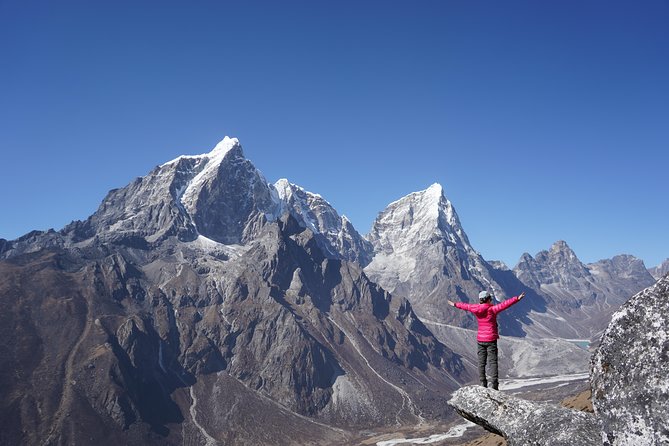
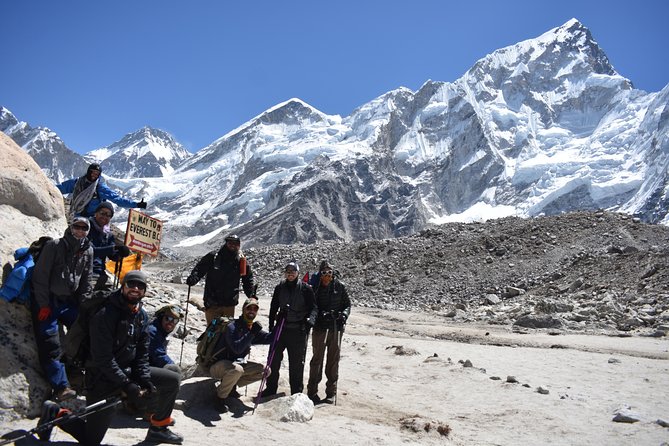
Day 9 is presented as the main objective: reaching Everest Base Camp. The route passes through the Everest Base Camp trekking area, with roughly 30 minutes listed at the site.
Base Camp is a powerful destination, but keep your expectations realistic. It is not a permanent city or a grand building. It is a high mountain staging area whose appearance changes with the climbing season. The satisfaction comes from getting there on foot, after days of steady walking through the Khumbu.
The route to Base Camp includes glacier terrain and uneven ground. You will need careful footing, especially if you are tired or the surface is rocky. This is where a guide’s route knowledge and pace management have practical value.
The group format also helps here. With no more than 10 people, the guide can keep the party together more easily than on a large coach-style adventure. Past trip details specifically praise guides such as Biru for company and guidance, Ambar for safety and help, and Ramesh for supporting a solo trekker. Those names do not guarantee a particular guide on your departure, but they show the kind of personal support the operator aims to provide.
Kala Patthar sunrise and the return journey
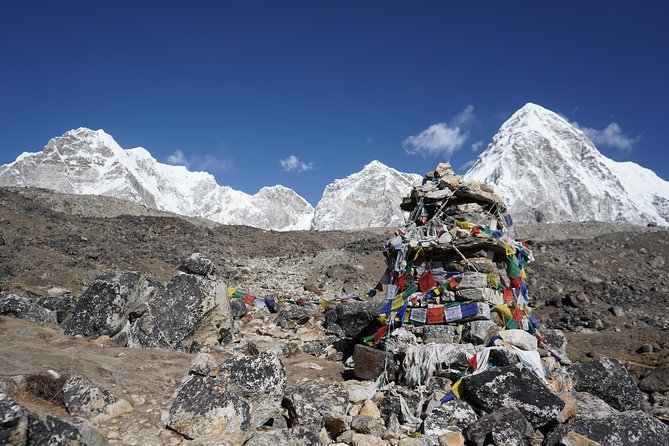
Day 10 begins early for the climb to Kala Patthar. The aim is to reach the viewpoint as darkness gives way to morning light. The route offers views toward Everest, Lhotse, Lingtren, and other high peaks, making this one of the most rewarding parts of the trip.
Kala Patthar is often the visual high point of an Everest Base Camp route. The early start can be cold and tiring, but the changing light gives the mountains a different character from the views seen during the day. Bring warm layers and be ready to walk slowly.
After Kala Patthar, the trek turns downhill through the same broad route. You pass Duglha, Pheriche, Orsho, and Shomare before reaching Pangboche. The itinerary also allows time to explore an old monastery in the village.
Do not underestimate the descent. Going downhill is easier for your lungs but harder on knees and ankles, especially over rocky ground. The final trail days continue through steep terrain, so use controlled steps rather than rushing toward the finish.
Suspension bridges, Lukla, and Kathmandu
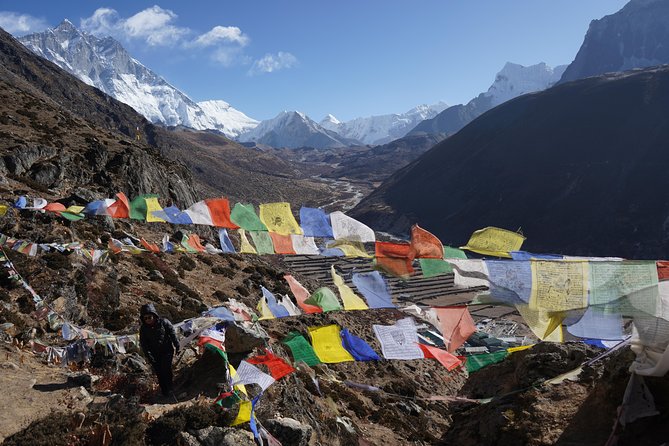
The last mountain day follows a steep descending trail toward the Dudh Koshi and its suspension bridge. The advice to walk slowly and stay balanced is worth taking seriously. Downhill fatigue can make a simple rocky section surprisingly demanding.
From there, the route continues toward Lukla. The return flight to Kathmandu provides another mountain view from above, then the trip shifts back to city life. You have time for shopping and walking around Kathmandu, followed by a celebration of completing the trek.
Day 14 is your final day in Nepal. You can shop or sightsee around Kathmandu Valley before transferring to Tribhuvan International Airport for your scheduled departure.
The two Kathmandu days give the trip a useful buffer between the mountains and your flight home. Still, confirm the exact departure timing and leave enough room for flight disruption. Mountain aviation is not the place to build a tight international schedule.
What the guides add to the experience
The central promise here is not luxury. Teahouse accommodation is practical, and conditions can be basic. The real benefit is having someone manage the route while you concentrate on walking, eating, resting, and noticing the mountains.
The guide also helps turn scenery into context. You learn about Buddhist sites, local villages, yak herding, expedition history, and life in the Khumbu. That makes the trek feel like a visit to a living region rather than a checklist of famous viewpoints.
The strongest praise centers on kindness, safety, and help when someone feels unwell. One solo trekker changed plans after altitude problems arose on a more demanding route, and the guide adapted the experience. That is exactly the sort of judgment you want in the Himalaya: not blind determination, but a sensible response to conditions.
You should still take responsibility for your own health. A small group and a caring guide reduce logistical stress, but they cannot remove altitude risk or guarantee that every person reaches Base Camp.
Who should book this trek?
I would choose this experience if you want a structured route to Everest Base Camp, prefer walking with a guide, and value local support more than private luxury. It suits an active person with strong fitness who can handle long days, steep trails, cold, and uncertainty.
It may not suit you if you want a relaxed holiday, dislike basic lodging, need fixed transport times, or have limited time for recovery. The 14-day schedule is carefully paced around acclimatization, but it remains physically demanding.
The maximum group size of 10 is a strong point for solo participants and couples who want company without joining a large crowd. The trip can also work well for people who want a guide but do not want to organize every overnight stop and transfer independently.
Should you book the Everest Base Camp trek?
Book it if reaching Base Camp on foot is a major personal goal and you want the support of a small guided group. The combination of Namche and Dingboche acclimatization stops, teahouse lodging, meals, local transport, and experienced guides gives the $1,350 cost solid practical value.
Before committing, confirm the exact inclusions, route details for the middle days, guide assignment, flight arrangements, and what happens if weather disrupts Lukla travel. You must also provide passport details at booking, carry a current passport, and be prepared for all-weather conditions.
The trek offers far more than a photo at Base Camp. You get river valleys, Buddhist culture, working villages, mountain history, and the slow reward of watching the peaks grow closer. Just bring the right attitude: steady walking, flexible plans, and respect for altitude.
FAQ
How long is the Everest Base Camp trek?
The experience lasts approximately 14 days, including arrival and departure time in Kathmandu.
Where does the trek begin?
The meeting point is Tribhuvan International Airport in Kathmandu, Nepal. An airport representative meets you and arranges transport to the hotel.
How does the group reach the Everest region?
After breakfast in Kathmandu, you transfer to the domestic airport and fly to Lukla. The flight offers views of snow-covered mountains before the walking route begins.
What is the maximum group size?
The group can include a maximum of 10 people.
Is accommodation included?
Yes. Teahouse accommodation is included in the trek package.
Are meals included?
Yes. Meals are included during the trek.
Is a guide provided?
Yes. The experience is guided, helping you follow the route and manage the trek’s logistics. Guides named in trip details include Biru, Ramesh, and Ambar, though a specific guide is not guaranteed.
What fitness level is required?
You should have a strong level of physical fitness. The route includes steep, rocky trails, high altitude, suspension bridges, and long walking days.
Can I cancel for a full refund?
Yes, if you cancel at least 24 hours before the experience start time. Cancellations made less than 24 hours before the start are not refunded, and changes within that period are not accepted.
Recently reviewed hikes in Kathmandu
- Kathmandu: Nagarkot Sunrise & Hike with Lunch -Private/Group★ 4.9 · 122 reviews
- 14 Days Private Tour Everest Base Camp Trek★ 5.0 · 105 reviews
- 4 Days Poon Hill Trek★ 5.0 · 94 reviews
- Langtang Valley Trek★ 5.0 · 140 reviews
- Manaslu Circuit Trek★ 5.0 · 292 reviews
- Manaslu Circuit Trek★ 5.0 · 184 reviews
- Nagarkot Sunrise View & Day Hiking with Lunch – Private/Group★ 5.0 · 73 reviews
- Kathmandu: Dhulikhel to NamoBuddha Day Hike with Lunch★ 4.8 · 62 reviews
Everest Base Camp Treks, compared.
Trekking in Annapurna/Langtang/Everest/Upper Mustang regions
Read our review →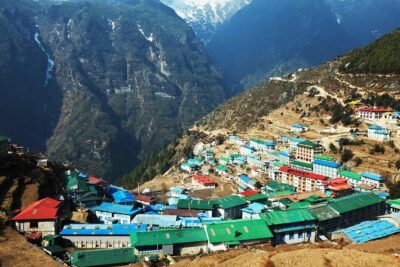
Hathipaown Heritage Walk – A guided walk to Mini Everest
Read our review →Other lists this hike appears in