
Review · SAPA
Sapa: Private The Most Beautiful Terraced Fields Trekking
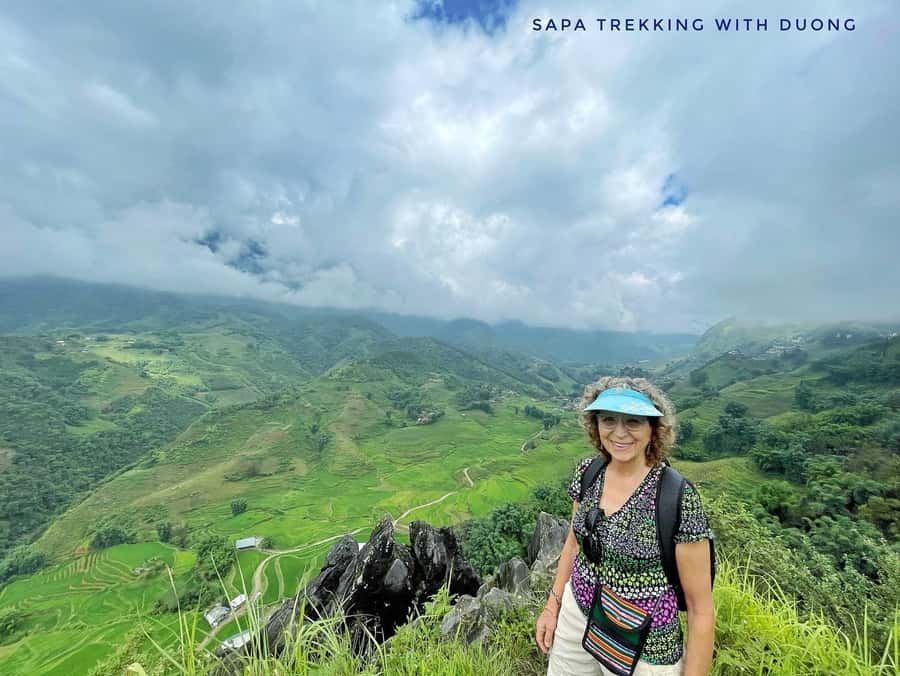
Sapa’s best views begin where the town roads end. This trek takes you through Y Linh Ho, Lao Chai, and Ta Van, where rice terraces fold across the mountainsides and small paths connect Black Hmong and Giay communities. I love the private format, since your guide can adjust the pace, and I like that lunch, water, a raincoat, and the ride back are already covered.
Guides such as May Pham, Choo, and Mrs. Du have been praised for clear English and thoughtful explanations. The main drawback is the sales pressure along the route: local women may join the walk and repeatedly encourage you to buy handicrafts, sometimes using guilt or bad-luck claims. That can take the shine off an otherwise excellent outing.
Key points to know before you book
- Three villages in one half-day: You visit Y Linh Ho, Lao Chai, and Ta Van rather than stopping at one viewpoint and turning back.
- A private pace: The guide can adapt the walk to your fitness, including for families with young children.
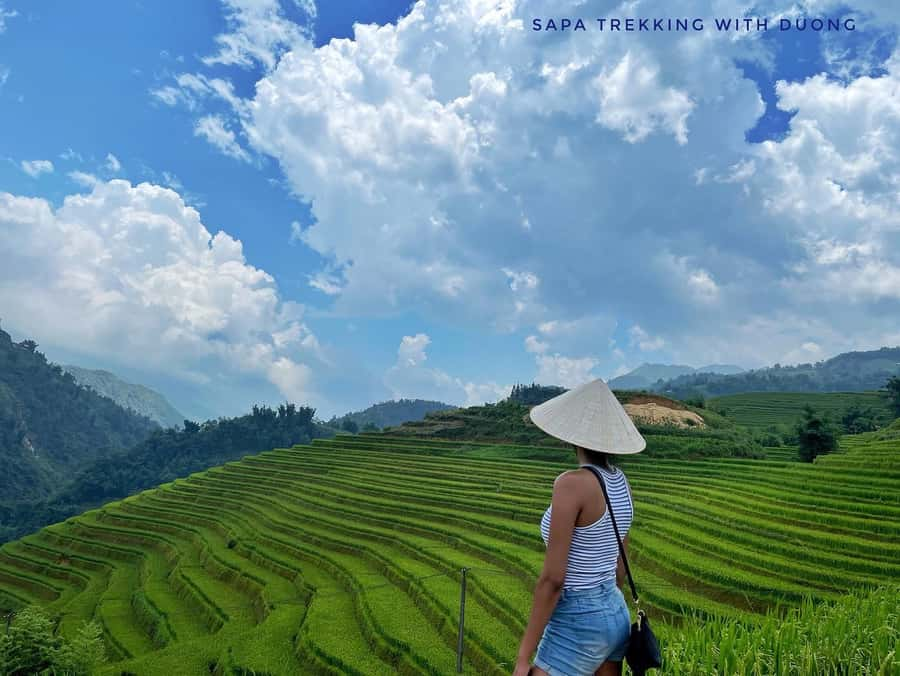
- Terraces are the main event: The route follows small mountain roads and paths with broad views of Sapa’s famous rice fields.
- Culture comes through conversation: You learn about Black Hmong and Giay homes, customs, and daily life directly from a local English-speaking guide.
- Lunch and essentials are included: You receive a village meal, 1.5 liters of water, a raincoat, entry fees, and transport back to Sapa.
- Budget-friendly value: At $34 per person, this covers a guide, private group, food, supplies, and transport for about 5.5 hours.
Why these Sapa terraces are worth your time
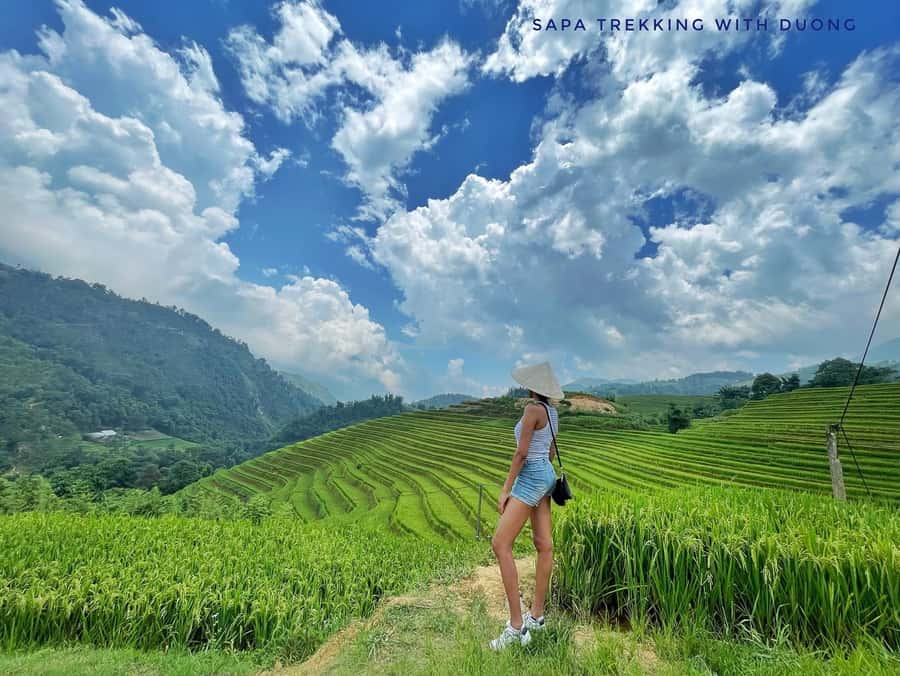
Sapa town can feel busy, commercial, and crowded with tour groups. The real reward of this excursion comes after you leave the center and follow the winding roads toward the villages. You get long views of the stepped fields, but you also see how the terraces fit into ordinary village life.
The fields change with the season. At some times of year, you may see planted green paddies. At others, the terraces may be golden, freshly harvested, or partly bare. The experience is still worthwhile outside the classic rice-growing images, because the walk is also about the mountain setting, village homes, and the people who farm these slopes.
I like that the route is not built around one photo stop. You spend several hours walking between villages, with scenery along the way rather than only at the end. The small roads and paths offer a closer look at the area than a vehicle tour can provide.
The tour lasts 330 minutes, or about five and a half hours. That is long enough to reach three communities without turning the day into a demanding full-day hike. You begin at 9:30 in the usual schedule and return to Sapa by car at about 3 p.m.
More Private Hiking Tours in Vietnam
- 3 Days Small Group Trekking And Motorbike Combine + Private room
★ 5.0 · 218 reviews - Da Lat’s City Tour On Private Car
★ 5.0 · 49 reviews - Half Day Private Trekking Mu Cang Chai_Morning or Afternoon
★ 5.0 · 38 reviews
Starting in Sapa at 9:30 a.m.
Your guide picks you up at a hotel in central Sapa. If your accommodation is outside the pickup area, meet at Sapa Church, the main church in the town center. This arrangement is simple, but confirm the meeting point before setting out, especially if your hotel sits uphill or beyond the central streets.
The day begins with a short safety briefing and introductions. Your guide explains the route, then you head away from town by small, winding roads. The guide is English-speaking, and an English audio guide is also listed, though the main value comes from having a person with you who can answer questions as the walk develops.
If you have large luggage, you can leave it in Sapa at the provider’s store. That is useful if you are changing hotels or arriving before a later train or bus connection. I would still keep valuables and anything you need for the hike with you.
The private setup matters here. You are not locked into the speed of a large group. One guide has adjusted the route for different physical abilities and even carried a three-year-old child through the hardest section. That does not make the walk effortless, but it does give families and mixed-ability groups more flexibility.
Y Linh Ho and the first terrace views
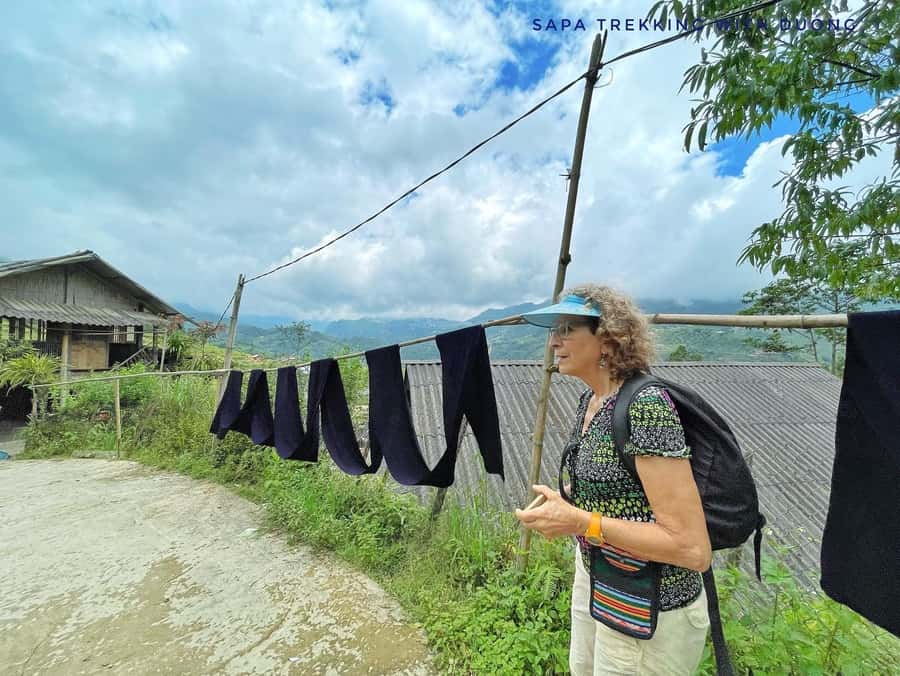
Y Linh Ho is a small Black Hmong village scattered along the mountainside. This is where the walk begins to feel separate from Sapa. Instead of town traffic and shop fronts, you follow paths with terraces on both sides and homes spread across the slopes.
Your guide explains Black Hmong traditions and daily life as you walk. The setting gives those explanations some context. You are not simply hearing a list of facts in a town office. You are looking at the fields, houses, and routes that form part of the community’s working environment.
The first section is also where you should judge the pace. The route is described as an accessible hike, but it is still a mountain walk. You need comfortable sports or hiking shoes, and your footing may be less certain after rain. Wear clothes that allow easy movement, bring sunscreen and a hat, and use the supplied raincoat if weather changes.
Y Linh Ho is a good place to slow down for photographs. The terraces can stretch across the slopes, while the narrow road gives you changing angles as you move. Your guide can help point out views that are easy to miss when you are focused only on reaching the next village.
Lao Chai, four hours of walking and a local lunch
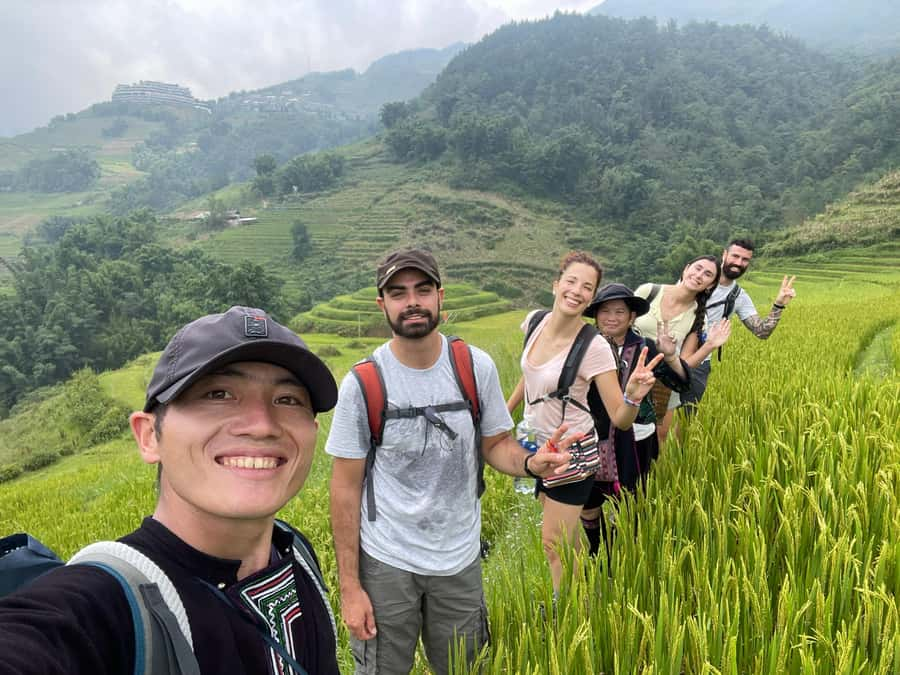
The route continues toward Lao Chai, with roughly four hours allocated to visiting, walking, hiking, and taking in the scenery. The timing includes the broader trek rather than four nonstop hours of hard climbing. Still, you should expect a substantial walk, not a short village stroll.
Lao Chai gives you more time with Black Hmong culture. The guide can explain customs and traditions while you pass through the village and nearby terraces. I find this part valuable because the tour connects the people, the fields, and the mountain roads instead of treating culture as a separate performance.
The exact condition of the route can affect how easy the walk feels. Some people move quickly and may enjoy a brisk pace. Others will want more stops. Private groups can ask for a slower rhythm, and the guide can adapt the route to the group’s condition. If you want a fast walk, say so at the start. If you need regular breaks, say that too.
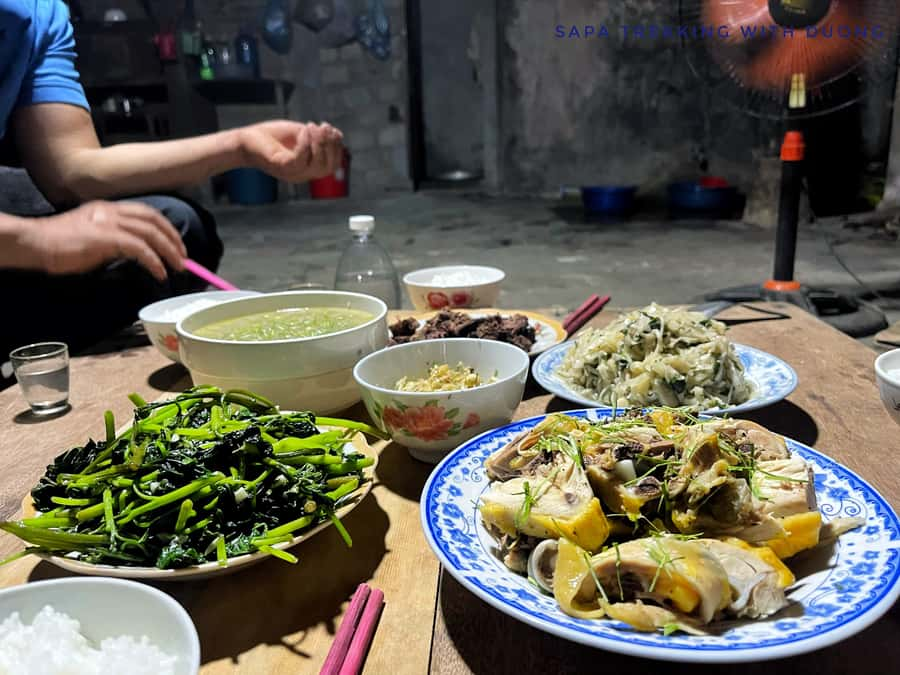
Lunch takes place at a local village restaurant and lasts about an hour. A vegetarian or vegan meal is available, but tell the provider about allergies or dietary needs in advance. Drinks such as coffee, cola, or other extras are not included, so carry some cash if you want something beyond the provided water.
The meal is practical rather than a grand dining event. Its value is that it breaks up the walk and lets you eat in the village instead of returning to Sapa for lunch. You receive 1.5 liters of water for the day, which is helpful, though you may want more in hot weather or if you drink heavily while walking.
More Private Hiking Tours in Sa Pa:
- Fushimi Inari Hidden Hiking Tour (Private Option Available)
★ 5.0 · 1,750 reviews - Mount Batur Sunrise Trekking Private All Inclusive
★ 5.0 · 906 reviews - Mount Batur Sunrise Trekking Private Tour with Breakfast and Hotel Transfer
★ 5.0 · 885 reviews - Private Yellowstone Tour: ICONIC Sites, Wildlife, Family Friendly Hikes + lunch
★ 5.0 · 739 reviews
Ta Van and the Giay cultural contrast
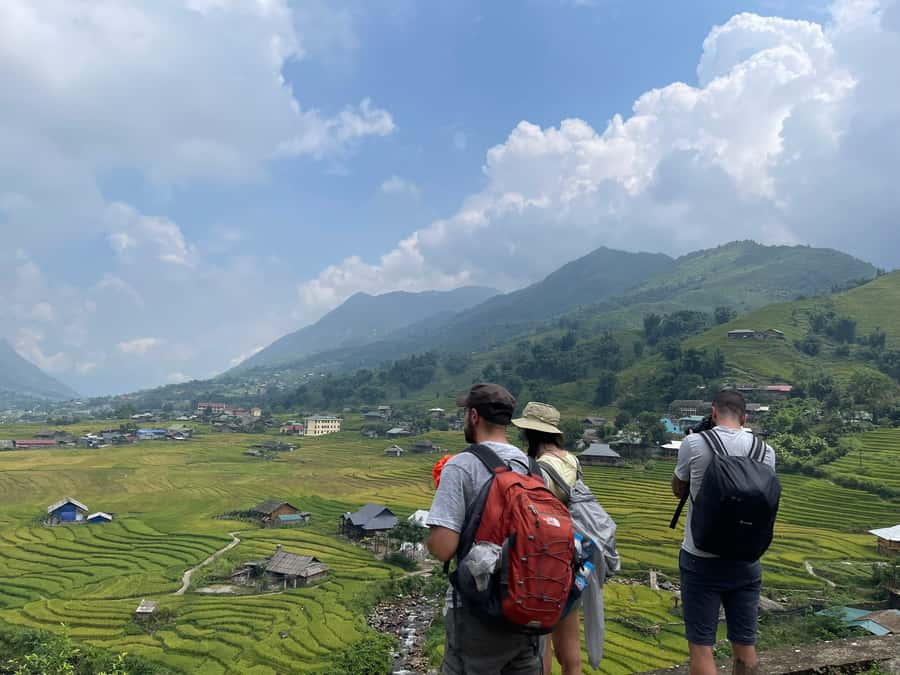
After lunch, the walk continues toward Ta Van. This section introduces the Giay community and gives you a chance to compare traditions with what you learned about the Black Hmong in Y Linh Ho and Lao Chai.
That comparison is one of the strongest reasons to choose this route. You are not visiting three places that all feel identical. The guide explains differences in culture and tradition, helping you notice that northern Vietnam’s mountain communities are not one single group with one shared way of life.
Ta Van is also the final major sightseeing stop. Expect a guided walk, a photo stop, and more views of the terraces. The route gives you a final chance to ask questions about homes, customs, and local life before the return ride.
The guide’s role can shape this part of the day. May Pham has been praised for friendly explanations and for adjusting the route to suit the group. Choo has been noted for teaching about local people and culture in clear English. Mrs. Du has also received praise for explaining the different communities. Guide assignments can change, so book this tour for the format and route rather than for a guaranteed individual guide.
The issue with souvenir sellers
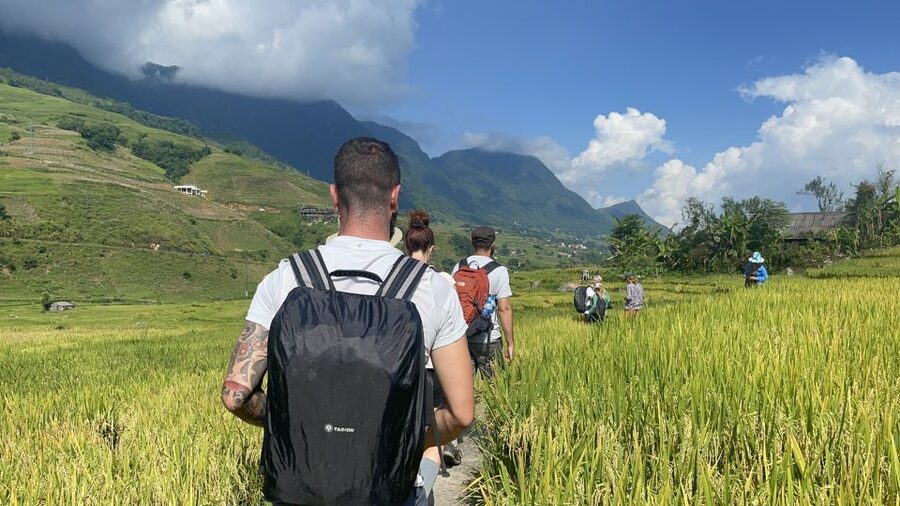
I would not ignore the one recurring concern. Local sellers may walk with you for part of the route and try to sell handicrafts or other goods. The pressure can be persistent, and some sellers may use claims about bad luck if you refuse to buy.
You can decide in advance how you want to handle this. A polite but firm no is reasonable. You do not owe a purchase because someone has walked beside you. If you want to support local people, buying from a shop or restaurant, or giving a fair tip to your guide and driver, is a clearer choice.
This does not cancel out the scenery or cultural value of the trek, but it can affect your mood. If aggressive selling quickly frustrates you, prepare for it and discuss your preference with the guide. A private tour gives you a better chance to explain that you want the walking and cultural conversation to remain the focus.
What the $34 price really covers
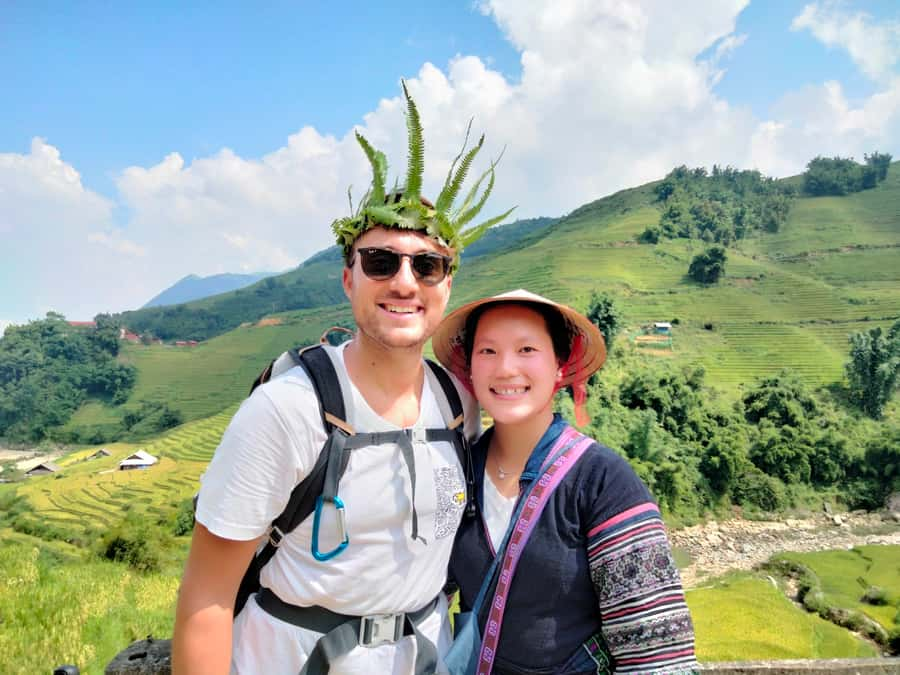
At $34 per person, this is a strong value for a private half-day outing. You are paying for more than access to a trail. The price includes central Sapa pickup and drop-off, village entry fees, an English-speaking local guide, lunch, 1.5 liters of water, a raincoat, and transport back from the final village.
The private group is the key value. A cheaper shared walk might limit your pace or make you wait for people with different fitness levels. Here, you can ask questions freely and spend more time at a viewpoint if the group agrees.
The cost does not include tips, travel insurance, or extra drinks. Those exclusions are normal, but include them in your day budget. You also need to bring suitable footwear and personal sun protection.
Free cancellation is available up to 24 hours before the start, and you can reserve now while paying later. Those policies help if your Sapa plans depend on weather, transport, or a changing Vietnam itinerary.
Who will enjoy this walk most
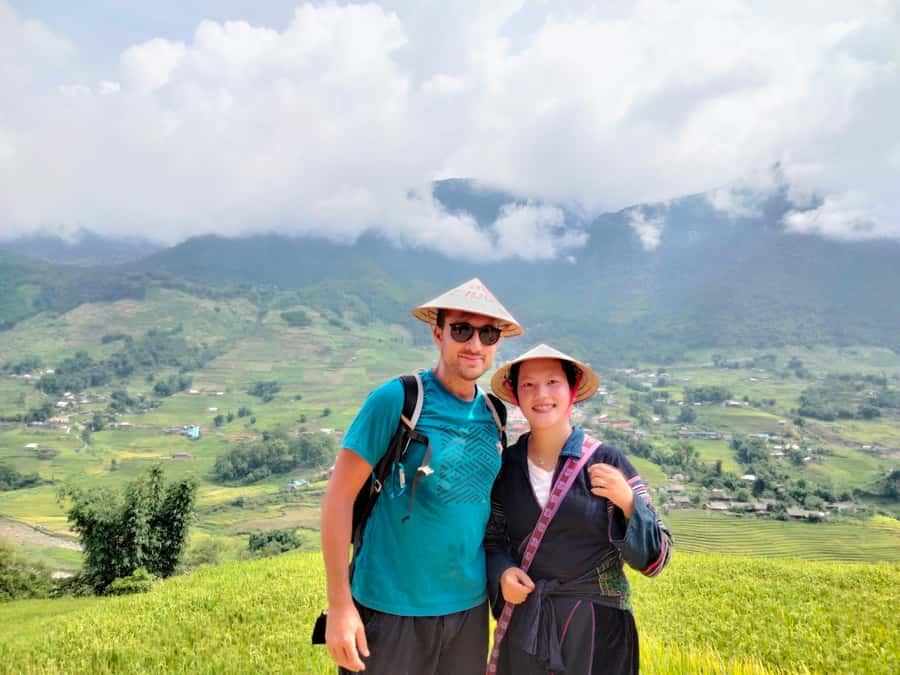
I would choose this trek if you want the famous Sapa terraces but also want time with a local guide and three villages. It suits couples, friends, and families who value a private pace. It can work for people with modest hiking experience because the route is described as accessible and the guide can adjust it, but you should still be comfortable walking for several hours on mountain paths.
Families should discuss the route with the provider before booking. A small child was accommodated during one outing, but children under five are officially listed as unsuitable. Wheelchair users, people with mobility impairments, and people with back problems should not book this activity.
This is also a good choice if you have only one day in Sapa. The morning start and 3 p.m. return leave part of the day open. If you need to return to Hanoi soon, an earlier start may be possible by contacting the provider in advance.
What to bring for the 5.5-hour route
Wear hiking shoes or sturdy sports shoes with a good grip. The supplied raincoat helps, but it is still wise to dress in layers and protect your phone or camera from sudden rain.
Bring sunscreen, a hat, comfortable clothes, and your passport or identification card. The tour provides water, but carry extra if you know you drink a lot during exercise. Bring cash for extra drinks, tips, or purchases, although you should never feel forced to buy souvenirs.
I would pack light. If you arrive with large bags, use the available storage in Sapa rather than carrying them through the villages. Keep your essentials in a small daypack and leave both hands free for uneven sections.
Should you book this Sapa trekking tour?
Book it if you want three named villages, sweeping rice terraces, a private English-speaking guide, and a sensible amount of time on foot for $34. The included lunch, water, rain protection, entry fees, and return transport make the price especially appealing.
Skip it if you need step-free access, dislike several hours of walking, or want a completely commercial-free route. Also think carefully if persistent souvenir sellers would spoil the day for you.
For most fit visitors who want to see Sapa beyond the town center, I would book this trek. Ask about the guide, confirm pickup, state your preferred pace, and mention any food allergies before you go. That small preparation should leave you free to focus on the terraces, the village paths, and the differences between Black Hmong and Giay culture.
FAQ
Where does the Sapa trekking tour start?
Pickup is available from hotels in central Sapa. If you stay outside the central area, meet the guide at Sapa Church, the main church in Sapa center.
Which villages does the trek visit?
The route visits Y Linh Ho, Lao Chai, and Ta Van. Y Linh Ho and Lao Chai are associated with the Black Hmong community, while Ta Van includes the Giay community.
How long does the activity last?
The activity lasts about 330 minutes, or five and a half hours. The usual schedule starts at 9:30 a.m. and returns to Sapa by car at about 3 p.m.
Is lunch included?
Yes. Lunch at a village restaurant is included, with a vegetarian or vegan meal available. Tell the provider in advance about allergies or dietary requirements.
What is included in the price?
The price includes central Sapa pickup and drop-off, village entry fees, a local English-speaking guide, lunch, 1.5 liters of water per person, a raincoat, and transportation back to Sapa from the final village.
Is the trek suitable for everyone?
No. It is not suitable for wheelchair users, people with back problems, people with mobility impairments, or children under five. You should bring comfortable or hiking shoes and be ready for several hours of walking.
Recently reviewed hikes in Sa Pa
- From Hanoi: Sapa 3-Day Medium Trek and Limousine Trip★ 4.5 · 59 reviews
- 2 Night Lao Chai-Ta Van Homestay- Trekking & Fansipan Visit★ 4.0 · 8 reviews
- 2-Day Fansipan Mountain Trek – Indochina’s Highest Peak★ 4.3 · 42 reviews
- 1-Day Sapa Long Trek – Rice Field Terrace, Ethnic Culture★ 4.9 · 62 reviews
- 1 Day Sapa Trek&Home-cooked Lunch HmongSisterHouse&Trekking★ 5.0 · 7 reviews
- Sa Pa: 6-Hours Muong Hoa Valley Trek with Local Ethnic guide★ 4.5 · 178 reviews
- Mountain views & Rice Terraced Fields Hiking – 2D 1N★ 5.0 · 99 reviews
- Sapa The Hidden Trail Trek 1 Day – Mountain & Rice Valley★ 5.0 · 133 reviews
Sapa Hiking Tours, compared.
Sa Pa: Muong Hoa Valley Trek and Local Ethnic Villages
Read our review →
Sapa: Eco Adventure Terrace Fields and Local Villages Trek
Read our review →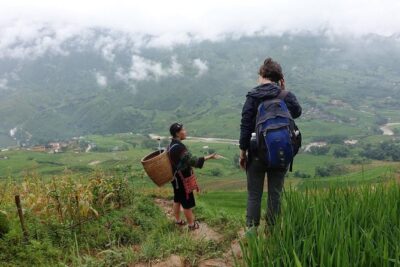
Number one top rated ethical cultural trekking and homestay by ETHOS
Read our review →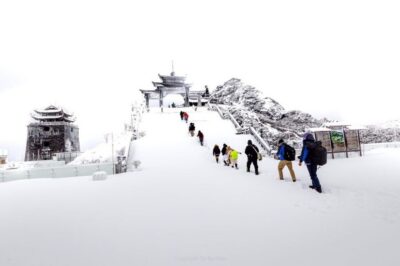
From Sapa: 1-Day Guided Trek to Lao Chai & Ta Van with Lunch
Read our review →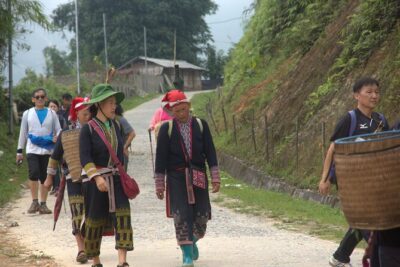
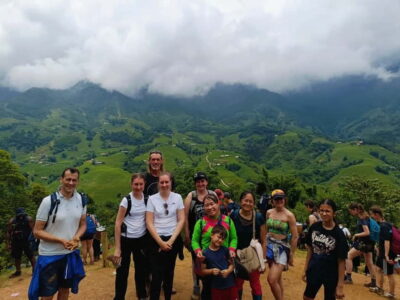
Sapa 1 Day Long Trek: Trek to Hau Thao and Sa Seng Villages
Read our review →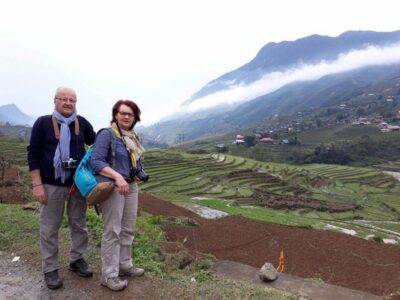
Sa Pa: 6-Hours Muong Hoa Valley Trek with Local Ethnic guide
Read our review →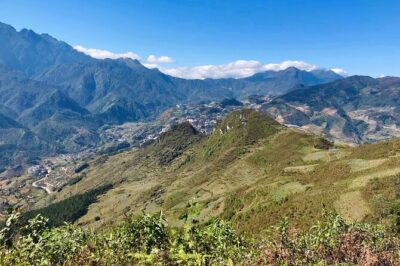
Sapa The Hidden Trail Trek 1 Day – Mountain & Rice Valley
Read our review →Other lists this hike appears in